
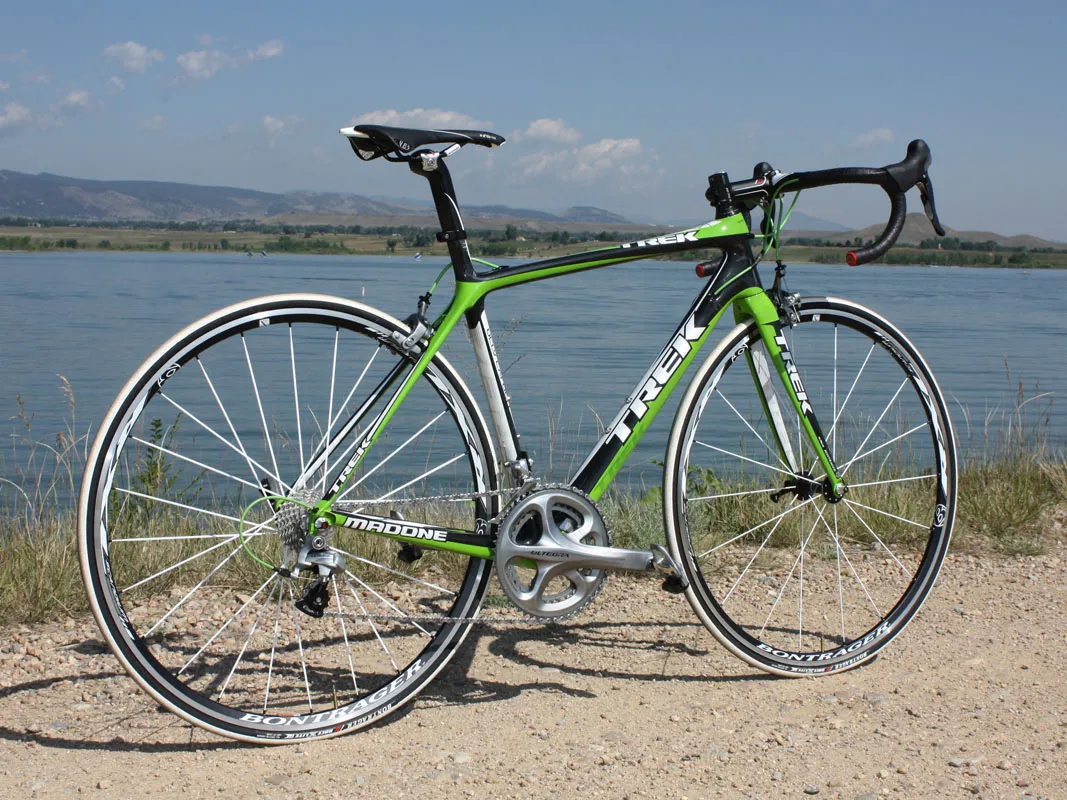
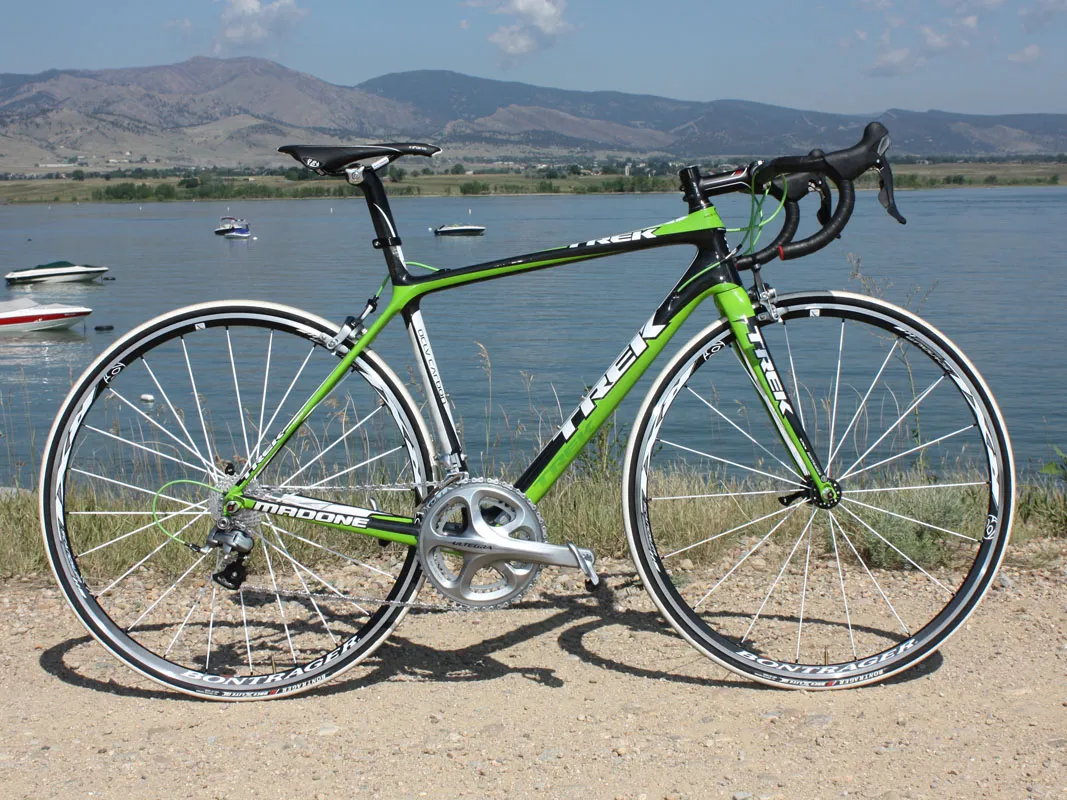



Trek's latest Madone addresses some of the criticisms hurled at the previous version – namely that while it was a superb handler, very comfortable and reasonably rigid, it wasn't quite stiff enough for hardcore racing duties, especially under bigger and stronger riders or in particularly violent events like criteriums.
The 2010 bike is edgier, more eager in its motions and lighter, but loses out to its predecessor in terms of smoothness, liveliness and character. Left with the choice between old Madone and new, it's hard to decide. Conveniently, though, none of us actually has to make that decision.
Trek are retaining the previous version as the 5 Series, so feel free to pick your poison – they're equally tasty but with different flavours to suit your palette. Unless you have to have more brand cachet or something more unique, it's hard to go wrong with either one. There's a reason why these things are so popular and it's not just because a certain Mr Armstrong rides one.
Ride & handling: The Madone has pumped iron and hardened up
Far and away, the biggest improvement on the road with the new Madone 6 Series can be felt in the front triangle, especially when out of the saddle and really wrenching the bars. Compared to Madones past, a greater percentage of your upper body efforts are translated into useful forward motion and there's now a more direct and connected feel between the front and rear ends.
Handling precision expectedly benefits from the reduced out-of-plane twisting, too. There's less wandering off-line during those same intense bursts and it's also a touch easier to adjust your line during especially hard and fast corners. The effects are less obvious when just cruising along but even casual riders are still apt to notice that the head tube is now more rigidly attached to the seat tube.
Furthermore, Trek have thankfully carried over the classic do-everything Madone geometry, which is still among the best in the industry for its overall versatility and impeccable high-speed manners – there's no nervousness even while rocketing down Colorado's majestic Peak to Peak highway at 80km/h (50mph). Though not quite as quick to initiate a turn as some, it settles in nicely and carves an arc with such fluidity and grace that it's hard not to attack winding alpine descents and slingshot out the other side with a silly grin plastered on your face.
As is seemingly always the case with a new-and-improved frame, drivetrain rigidity creeps up as well but here the additional reinforcement isn't quite as obvious – better than before, yes, but not in as dramatic a fashion as up front. Given that the old version was already pretty good in this realm we're not about to complain though. Ultimate stiffness devotees will still find some of the usual suspects higher up on the totem pole but the gap is definitely narrowing – quickly.
That extra stiffness comes at a price, however, as some of the buttery smoothness and springy liveliness we've come to love about the previous Madone's ride quality has hardened up some in spite of Trek's assertion of a 10 percent improvement in that arena – but critically, without introducing any harshness. The still-excellent but firmer ride ably mutes road buzz like before but now 'communicates' more to the rider, bigger jolts aren't as well tempered, and the general feel is a little more wooden.
Overall, the new bike has become more of a pure race machine with a sharper, quicker and edgier personality but it's also a little less comfortable over the long haul as a result.
Frame: Lighter and cleaner looking, too
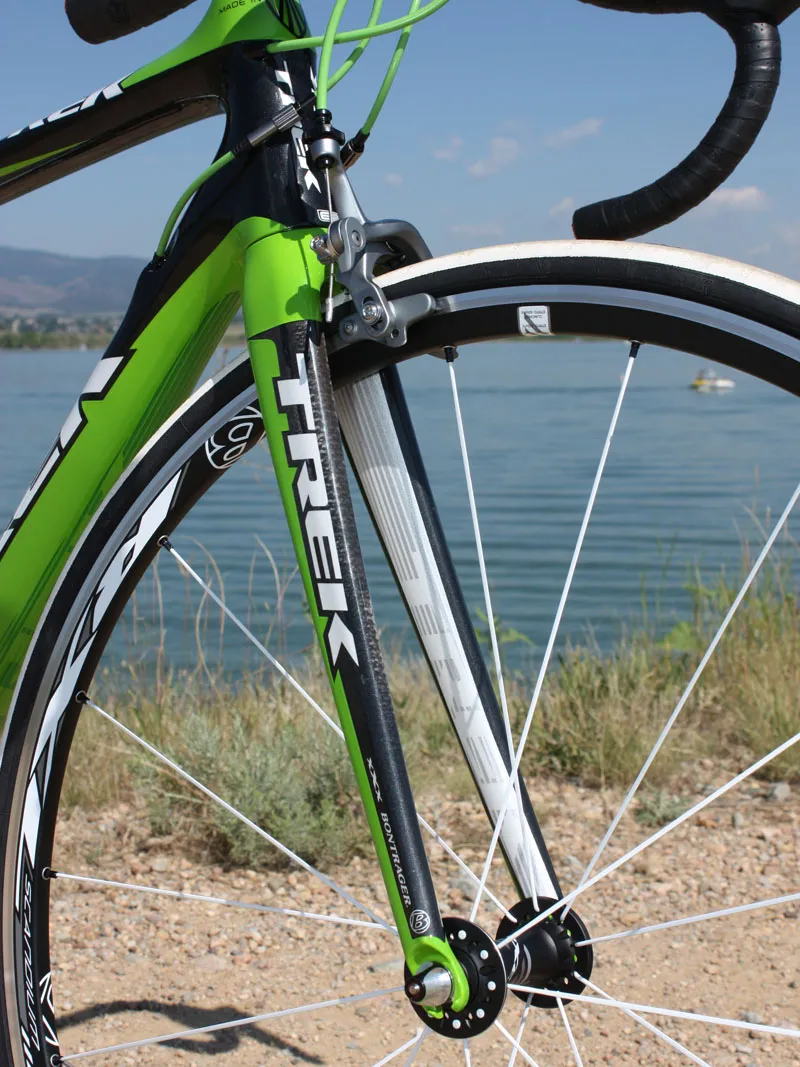
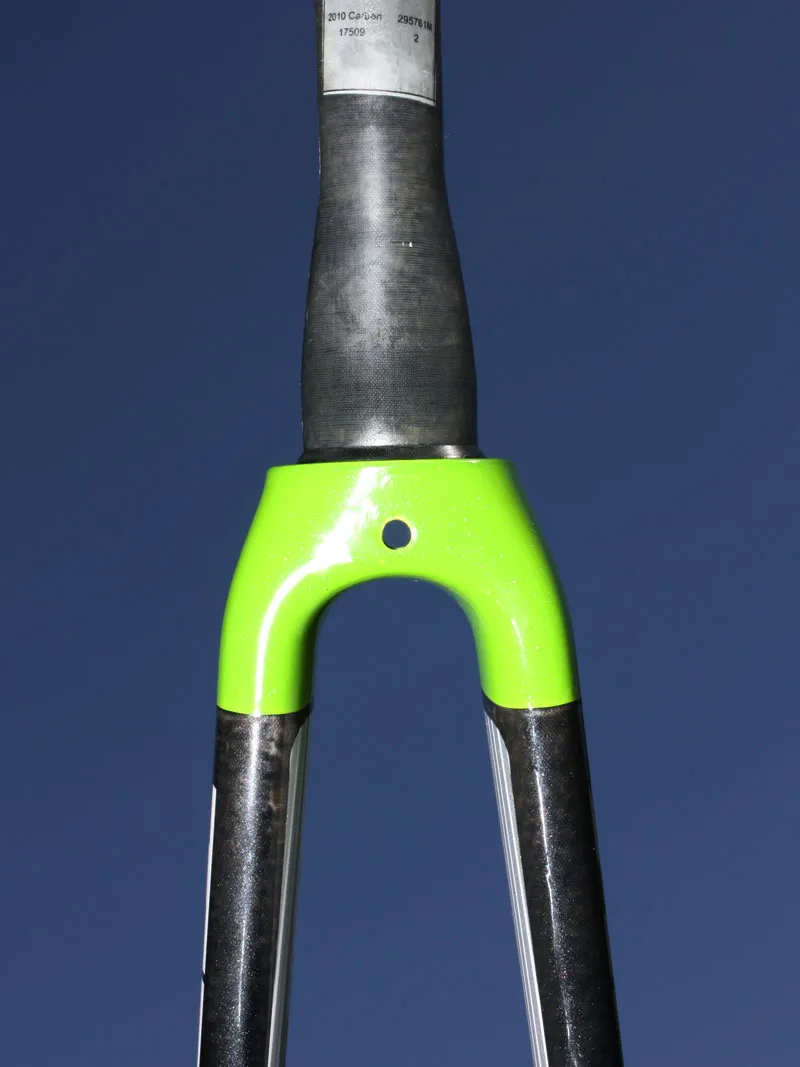
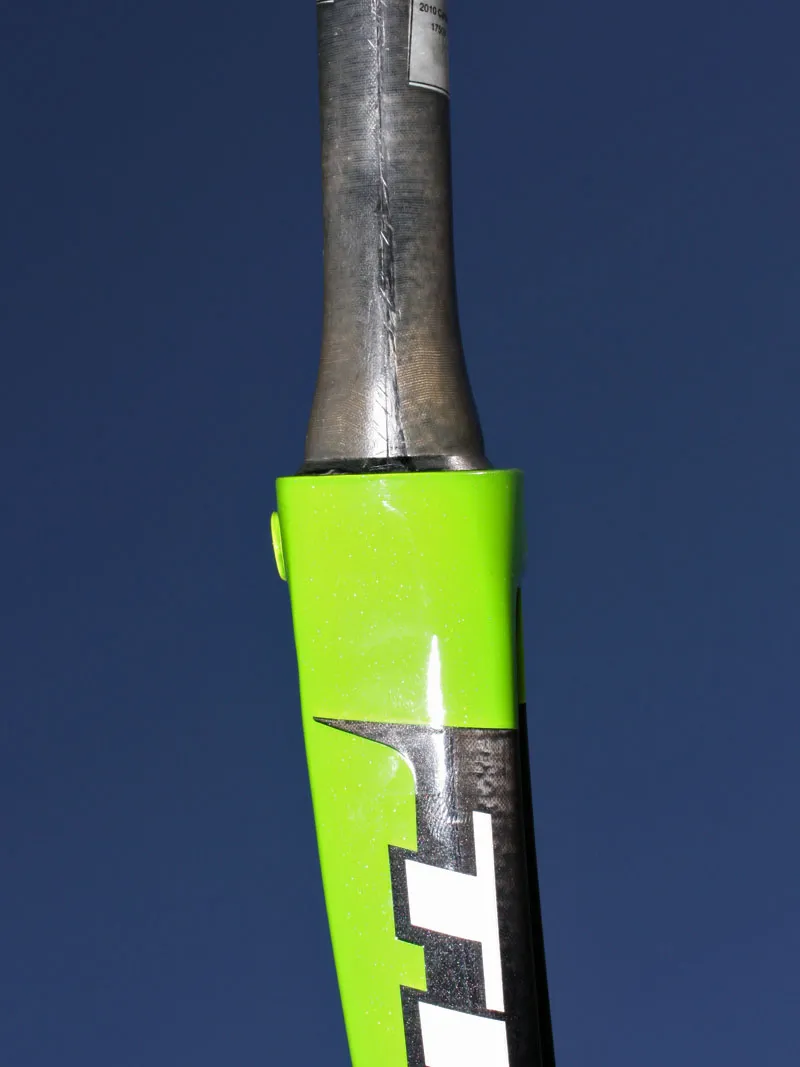
Even with the stiffer carbon chassis, Trek's engineers have managed to cleave off an appreciable amount of weight from the new Madone to the tune of about 150g. Actual weight of our bare 52cm test frame was 948g (without seat mast cap) and the matching fork just barely tipped the 300g mark.
Before you write the frame off as being comparatively heavy relative to current superbikes, though, keep in mind that the high level of integration eliminates a number of redundant parts so the system weight is much more competitive (yes, Cannondale, you were right all along).
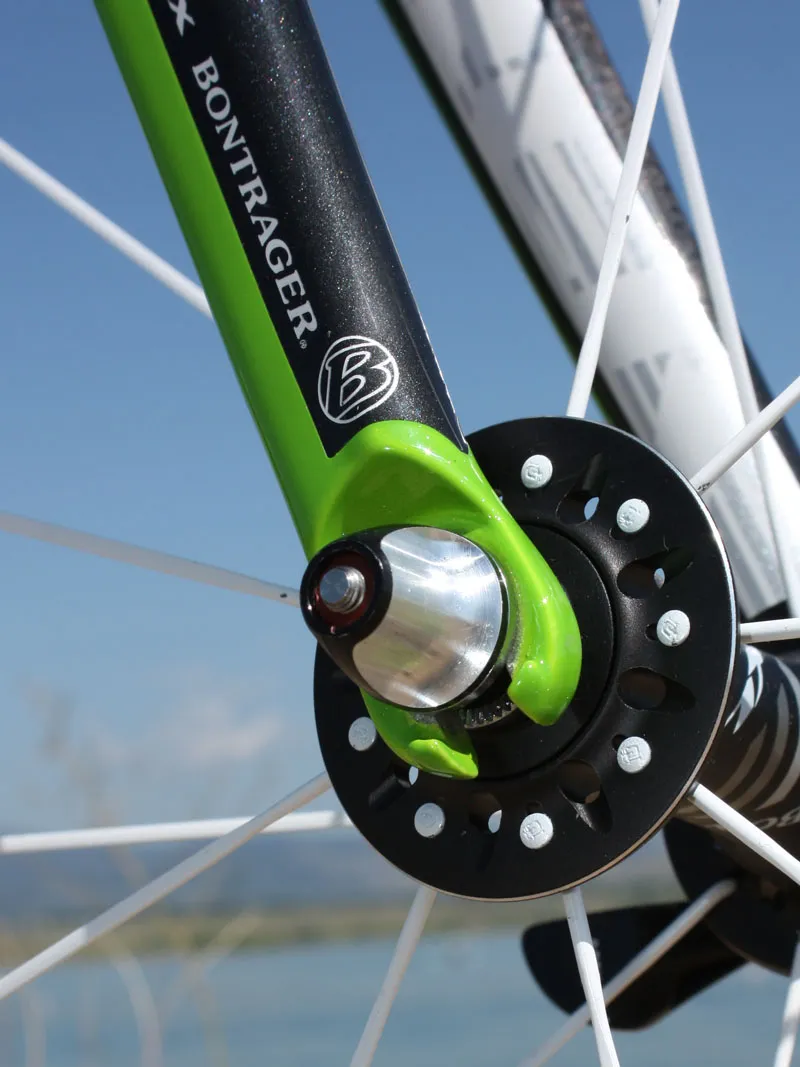
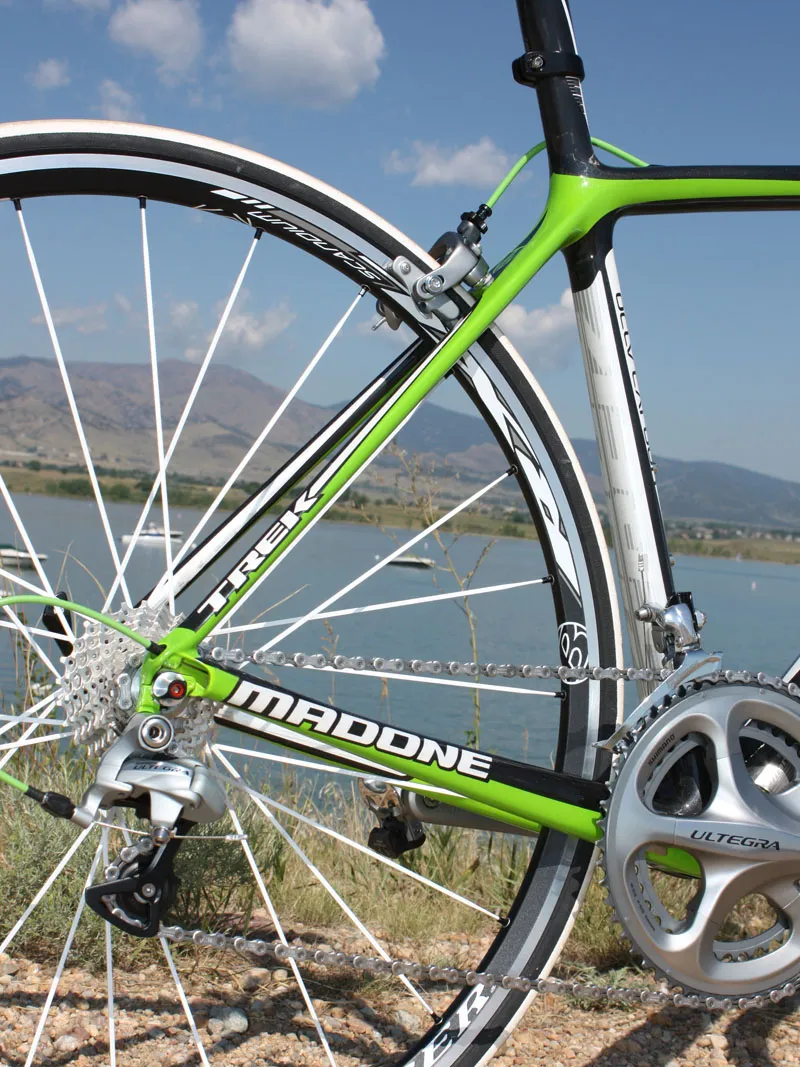
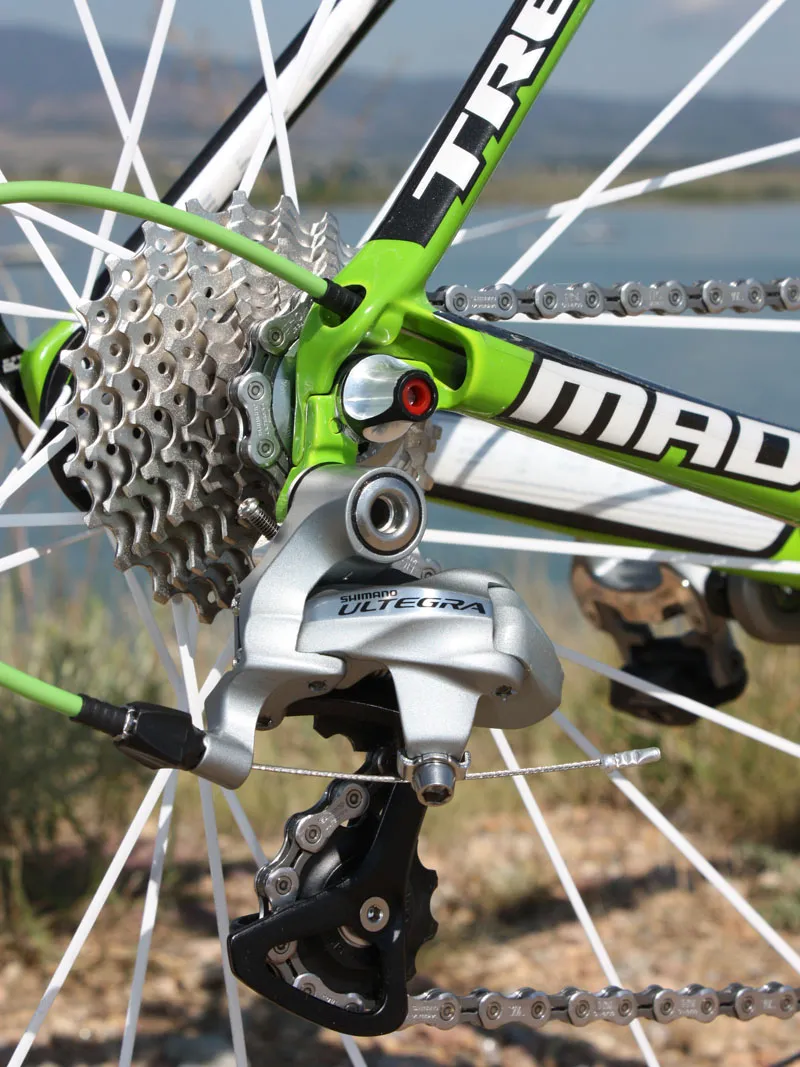
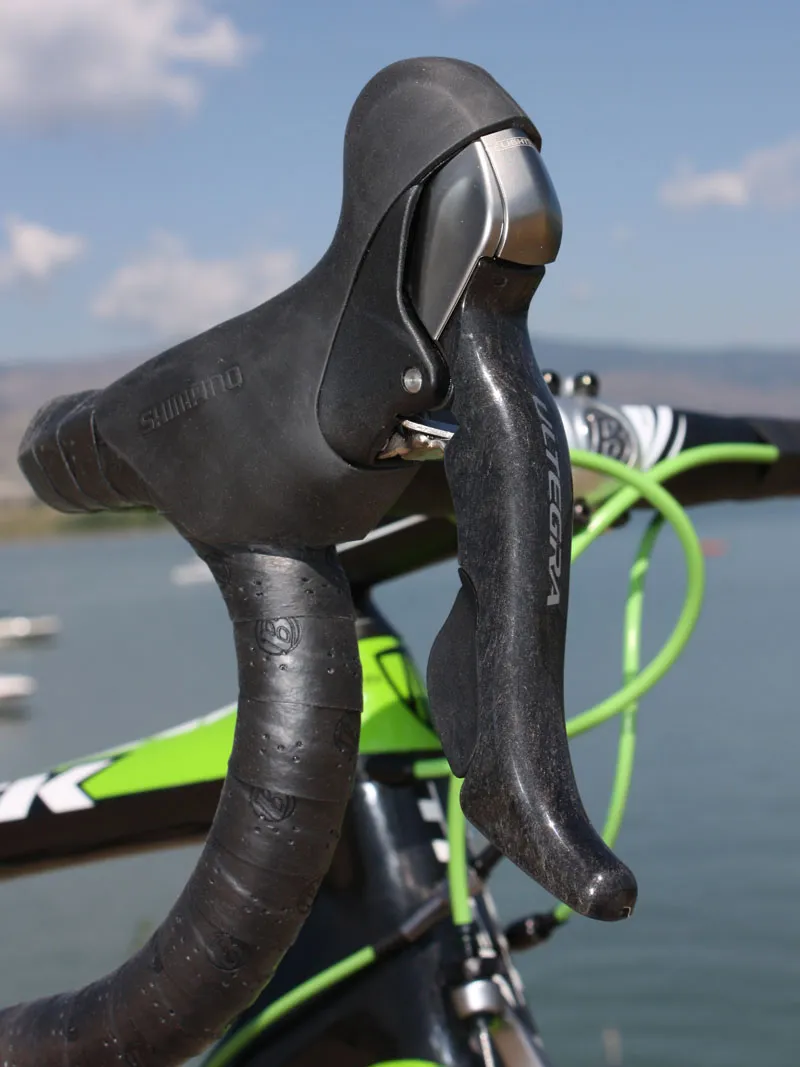
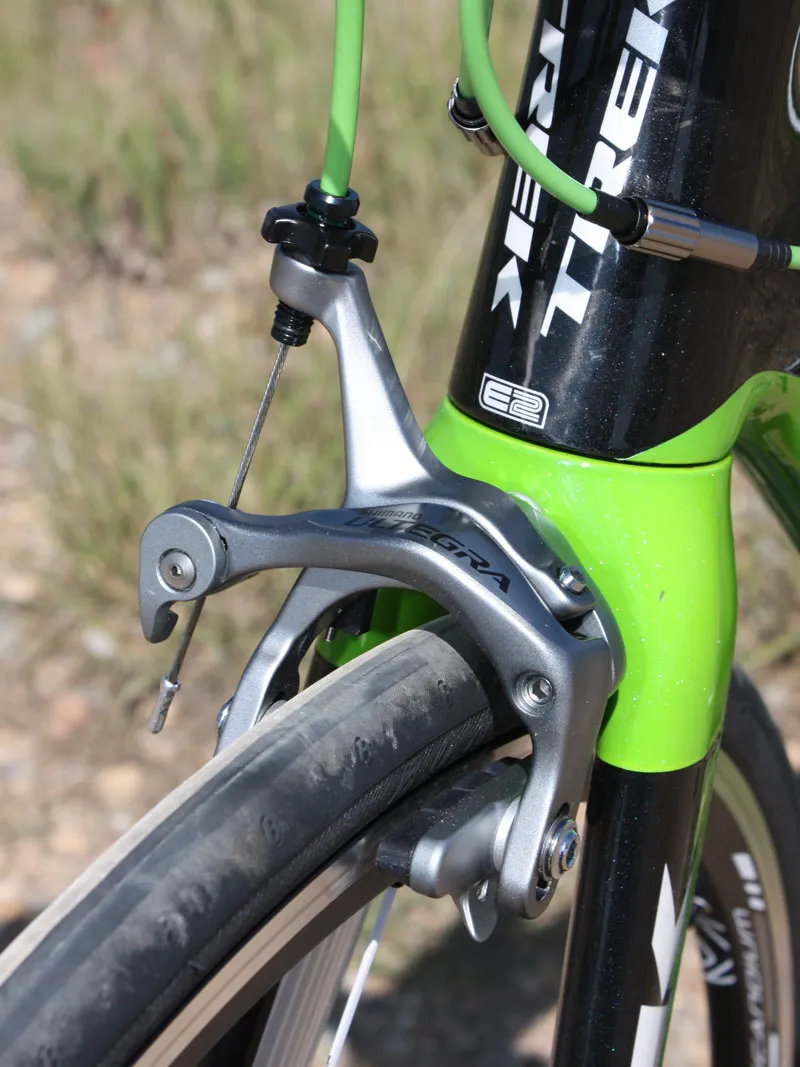
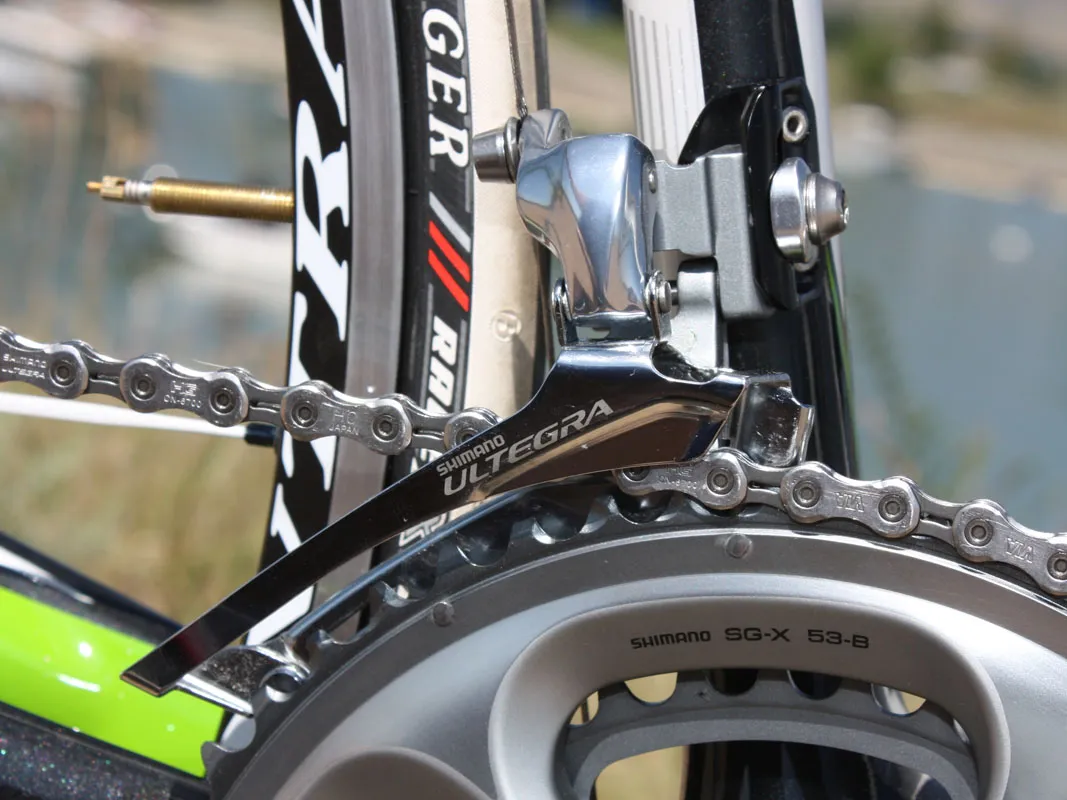
Even with a rather modest Shimano Ultegra 6700 build kit with an aluminium Bontrager cockpit and Bontrager Race X Lite alloy clinchers, our complete tester was still just 6.79lb (15lb) without pedals – hardly a boat anchor.
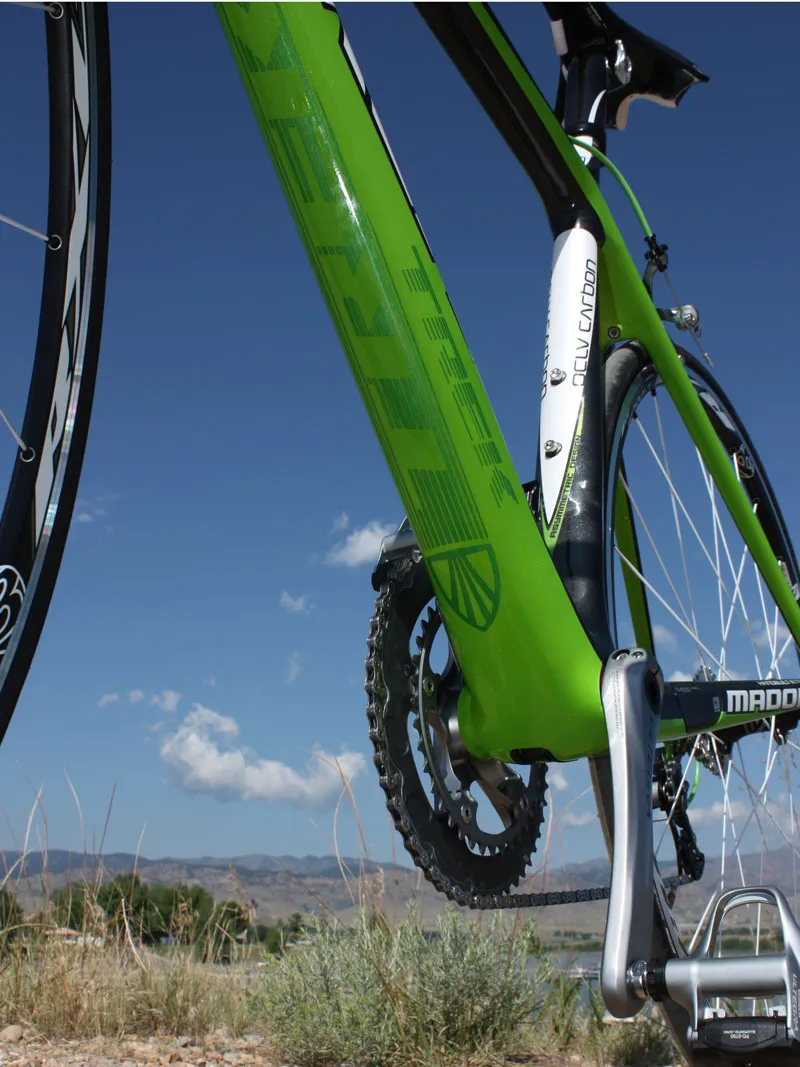
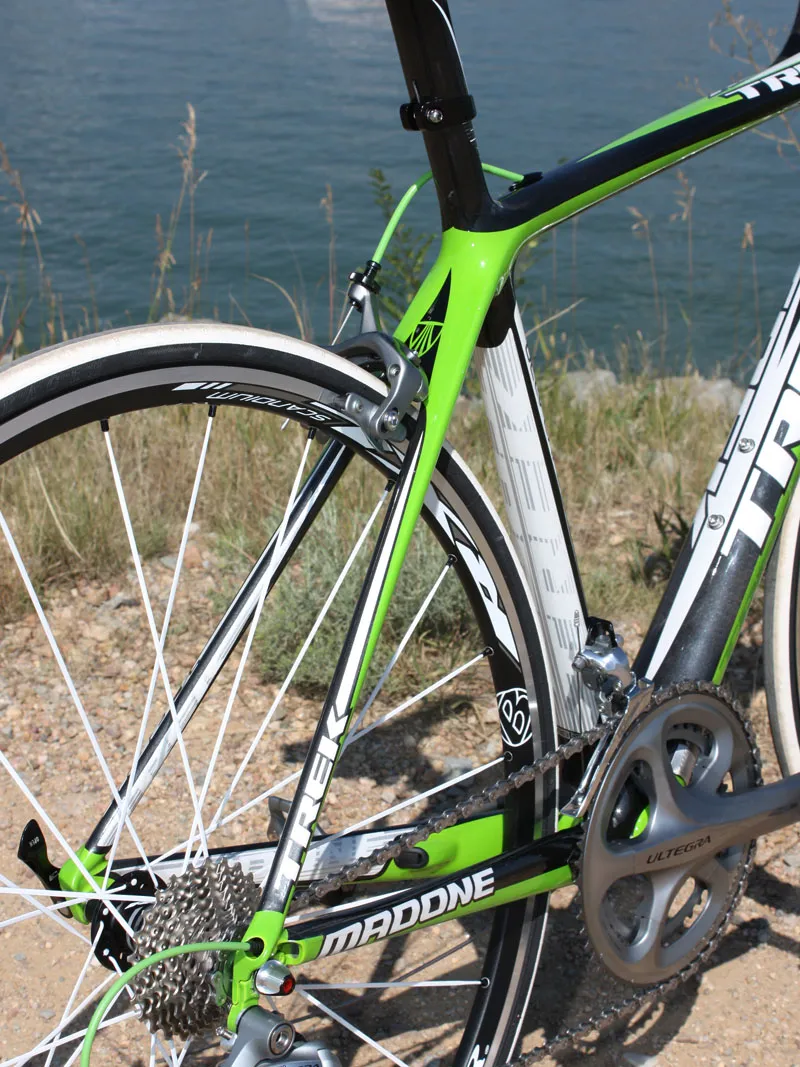
Several key features carry over from the previous Madone. Bearings press directly into the 90mm-wide all-carbon bottom bracket shell, the seatmast cap is a feathery carbon fibre bit, and the 1 1/8in-to-1 1/2in tapered headset bearings drop right in, too. That ultra-wide bottom bracket still affords an enormous 80mm-wide down tube plus chainstays that are widely spaced compared to bikes with more conventional 68mm shells.
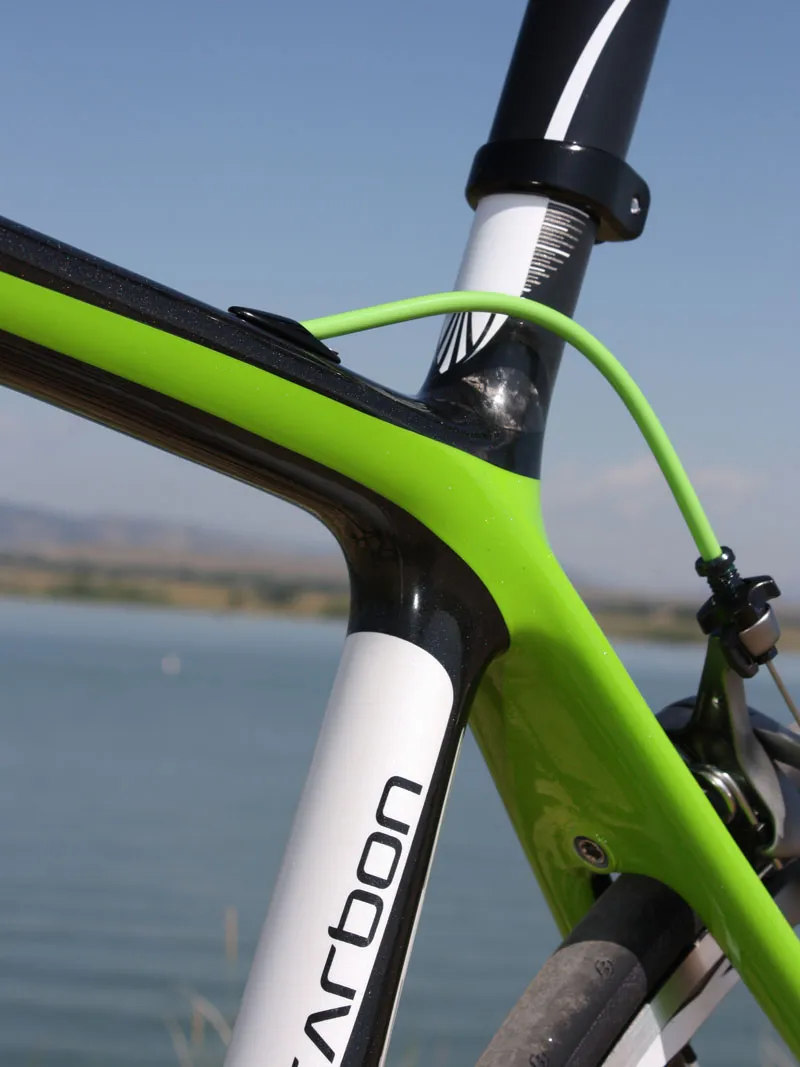
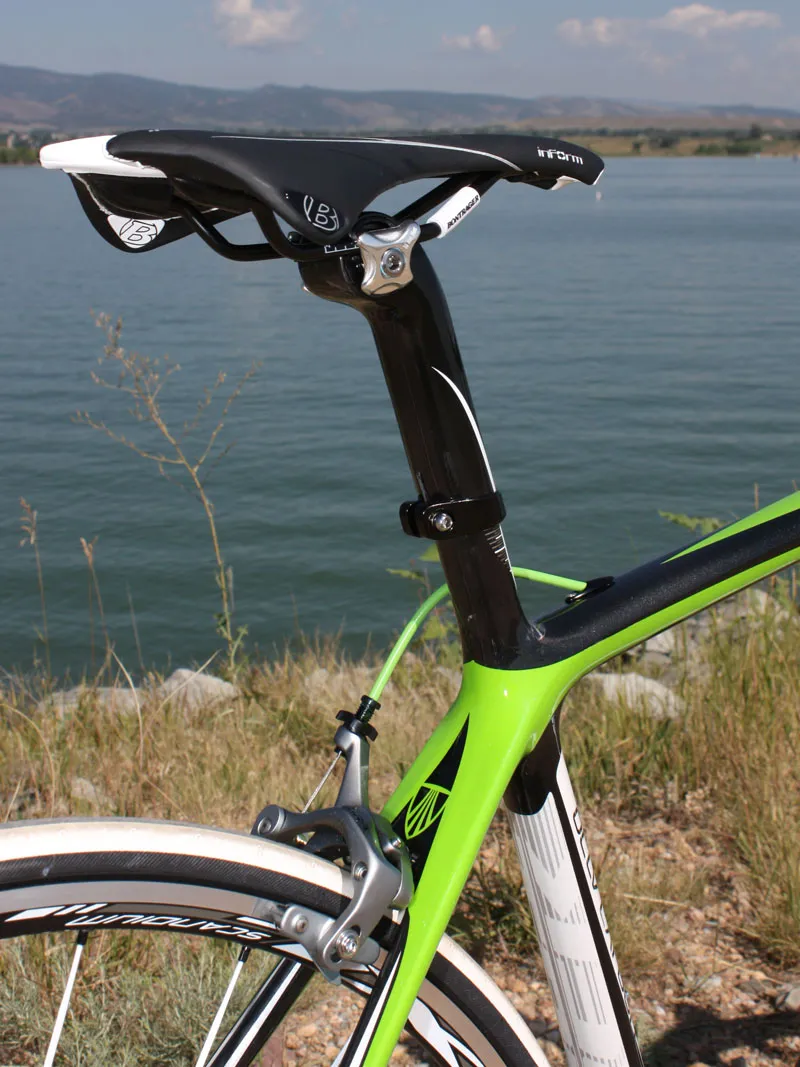
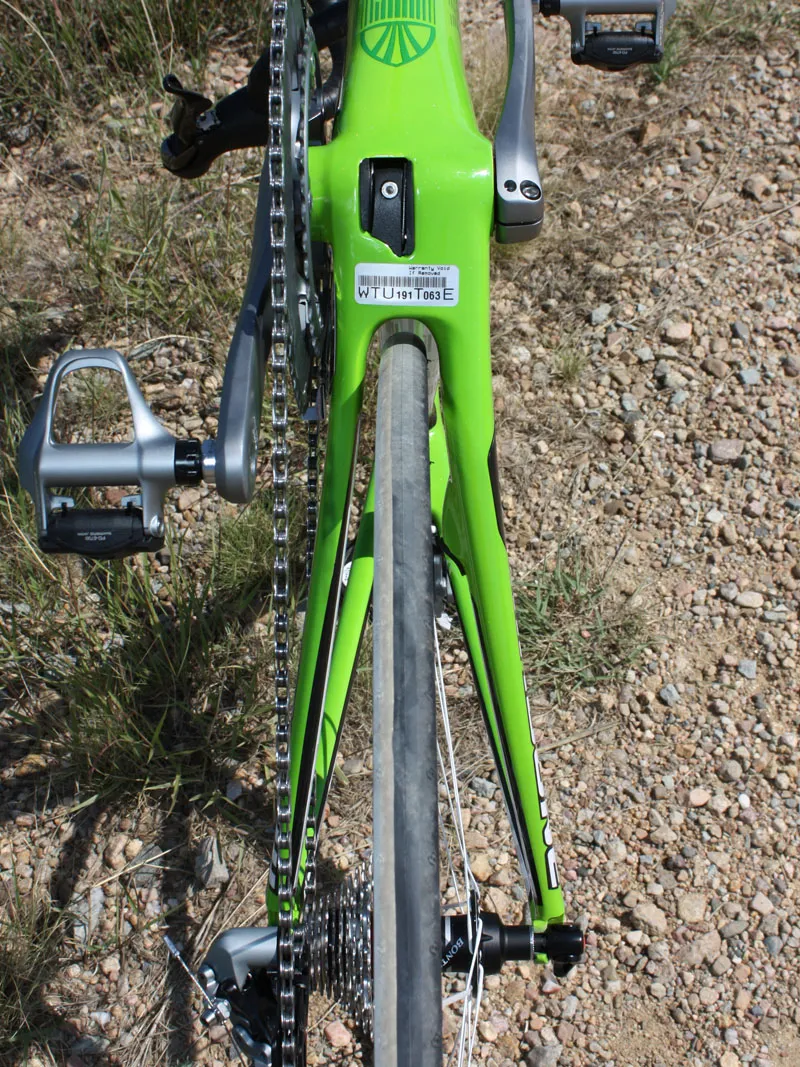
Tube shape changes are modest yet comprehensive with few, if any, surfaces left untouched. The down tube now adopts a more polygonal trapezoid profile, the seat tube is heavily ovalised – and now slightly offset to the non-driveside – the top tube is wider and now straight from end-to-end, and the chainstays are bigger in diameter and even more asymmetrical than before. The arcing seatstays are now straight, too, and the no-cut seatmast is now round instead of last year's more aero profile.
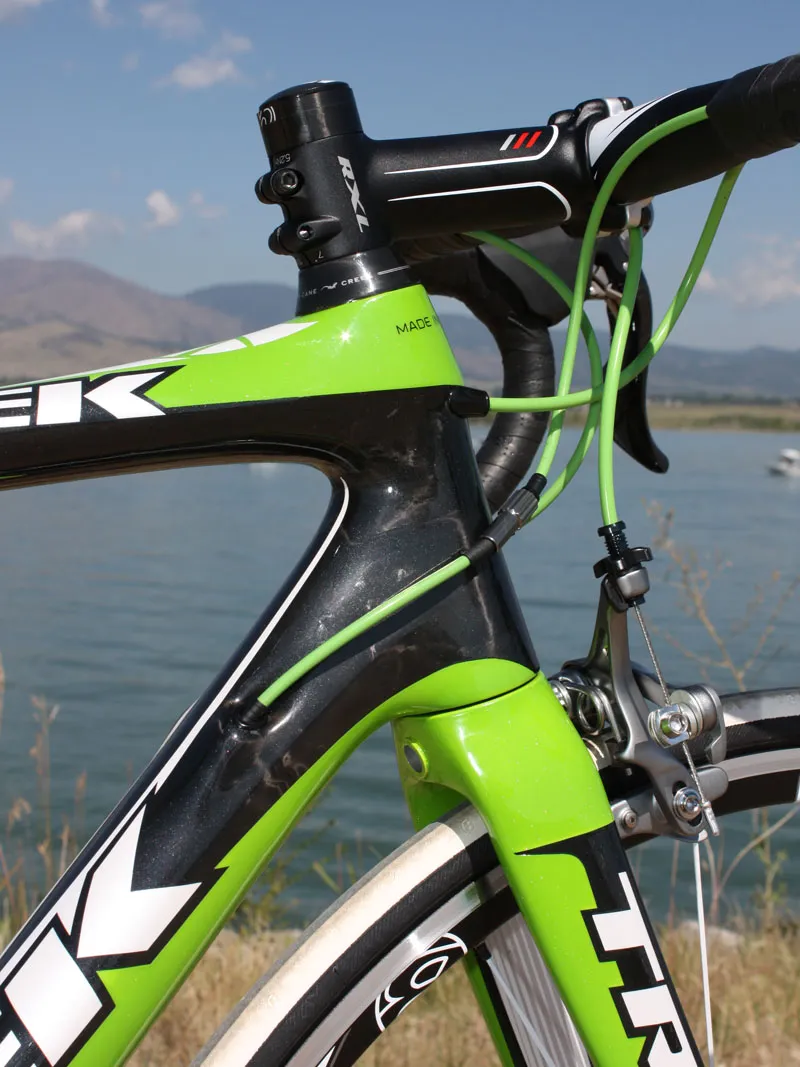
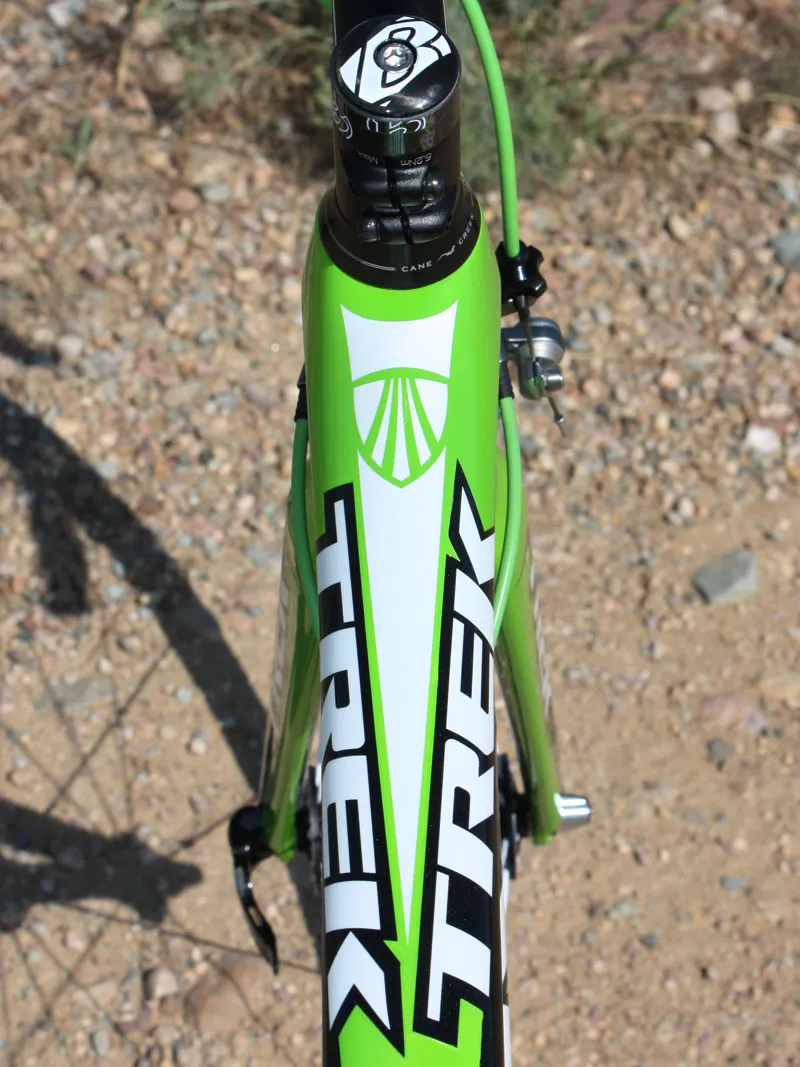
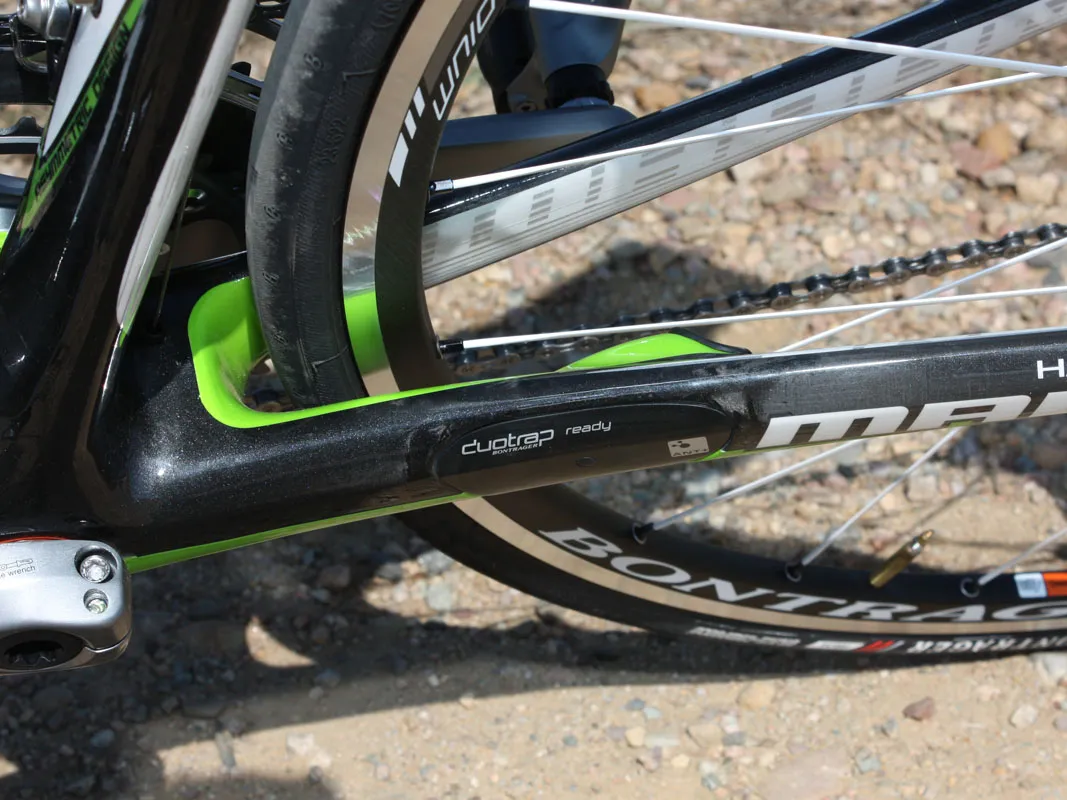
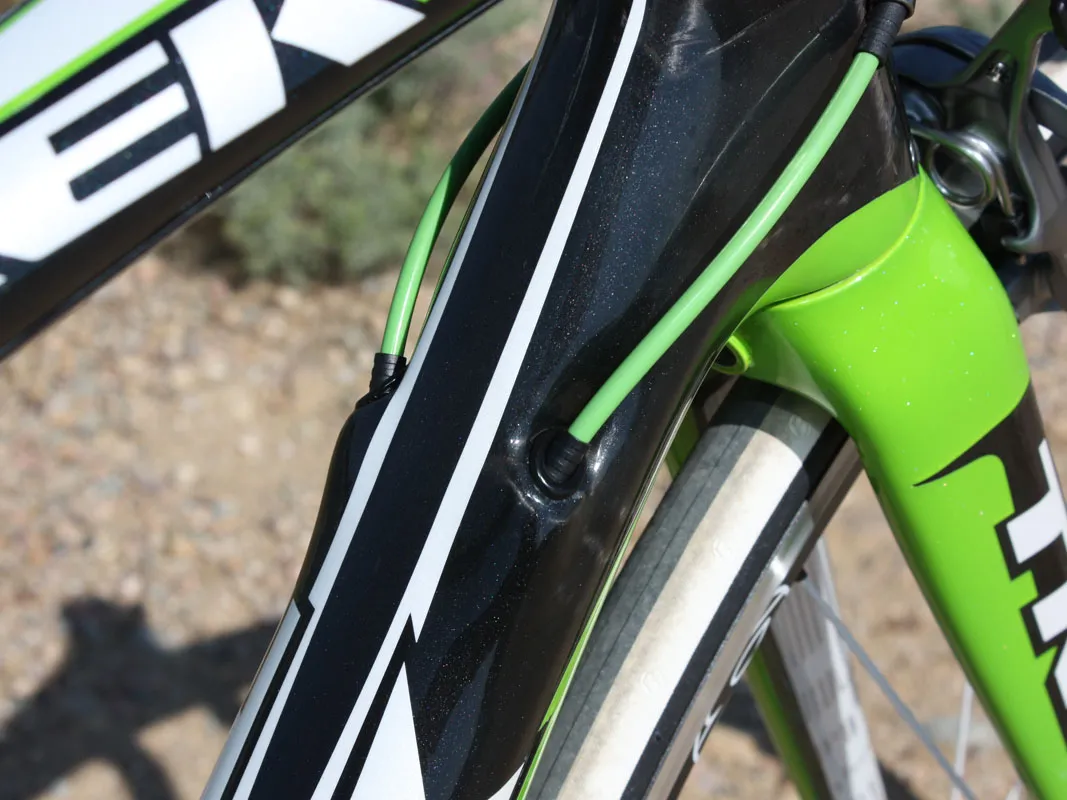
The new Madone 6 Series features more integration in the form of the internal cable routing and trick wireless speed/cadence sensor pocket inside the non-driveside chainstay. Unlike most internally routed setups, Trek have gained the cleaner appearance and weather protection but admirably retained external routing's characteristically low friction: the derailleur cable paths are almost exactly identical to conventional external routing – with no additional internal hoses or guides – and the rear brake cable takes a straight shot inside the top tube.
Shimano Dura-Ace Di2 fans will note that the frame entry/exit points are sized for the group's electrical connectors and there's even a dedicated – and very clean looking – add-on battery mount. Mechanics will invariably find that the new routing still takes more time to set up than external layouts but as far as internal configurations go, this one is very well done.
Equipment: Customisable build
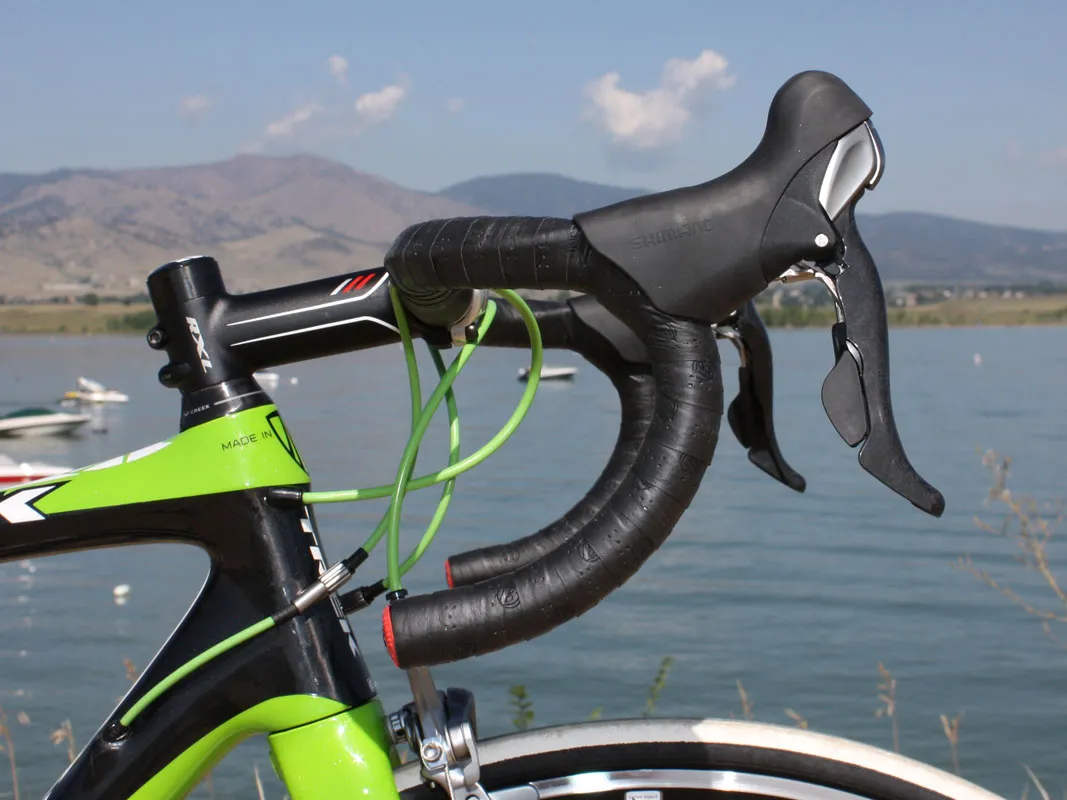
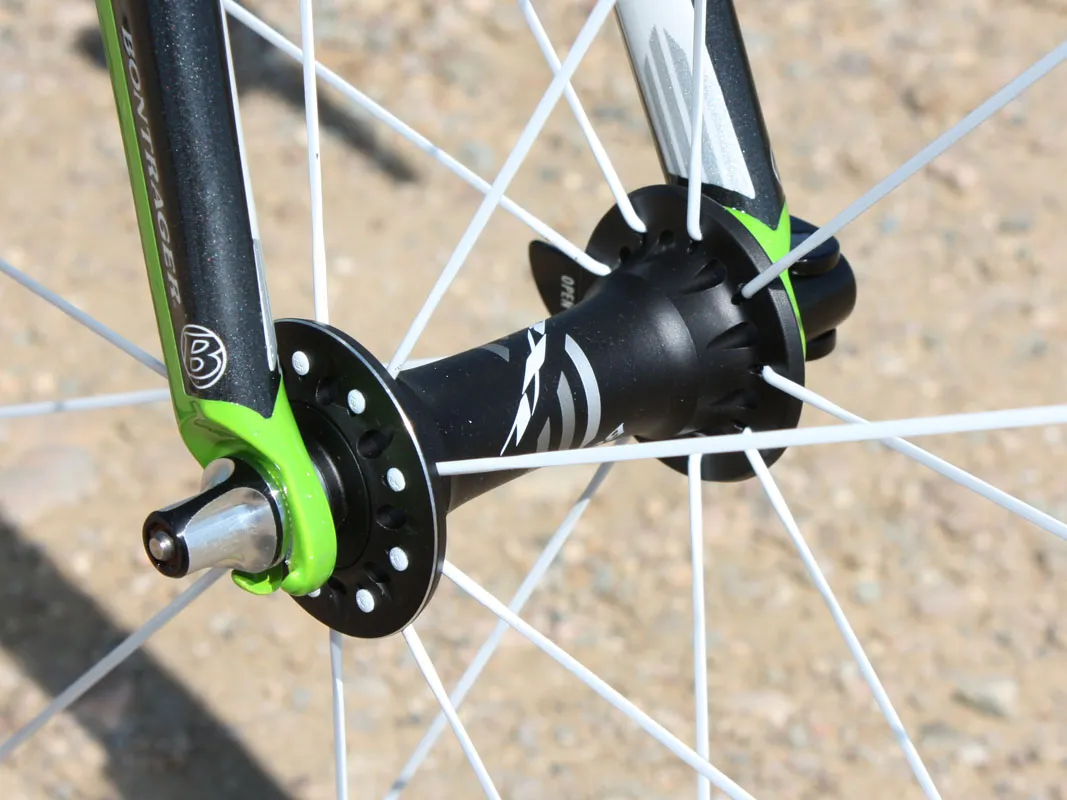
We built our test chassis up with a complete Shimano Ultegra 6700 group (which we've reviewed separately so we won't go into details here) and an assortment of workhorse bits from Trek's component arm Bontrager. Familiar pieces include the excellent forged aluminium Race X Lite stem, comfy and versatile Race Lite VR bar, new multiple-width inForm RXL saddle, and revamped Race X Lite alloy clincher wheels – all of which did their job quietly and competently with little fanfare.
Potential buyers should note, however, that the new Madone 6 Series is fully customisable with no additional charge (aside from differences in parts costs) through Trek's Project One model. In addition to the usual component group, drivetrain ratios and cockpit variables, you can also now choose from one of five eye-catching stock paint schemes – plus slightly more expensive premium options – any Bontrager wheelset in 10 decal colours, and even housing, brake hood and bar tape colour.
More expensive 'Signature Series' paint treatments are available, too, though our in-your-face Kawasaki green option suited us just fine. Moreover, the available size range is impressive with two distinct fits ('Pro' with a shorter head tube and 'Performance/WSD' with a taller head tube) for 15 total possibilities.
NOTE: The bike tested is a US model. See Trek's website for UK prices.