Specialized's 2011 mountain bikes: Epic, Camber and more
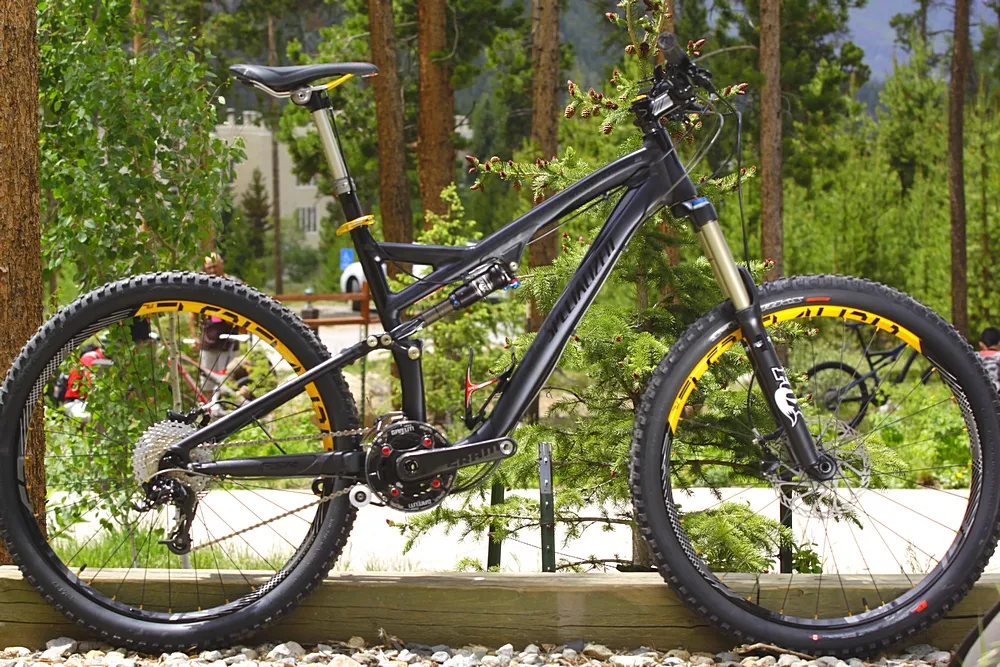
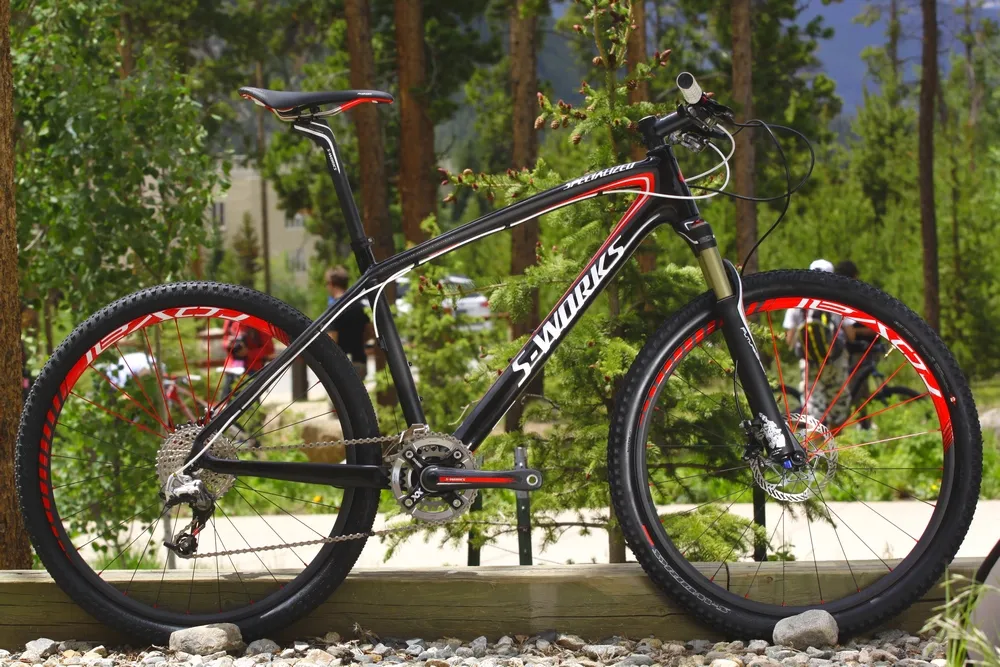
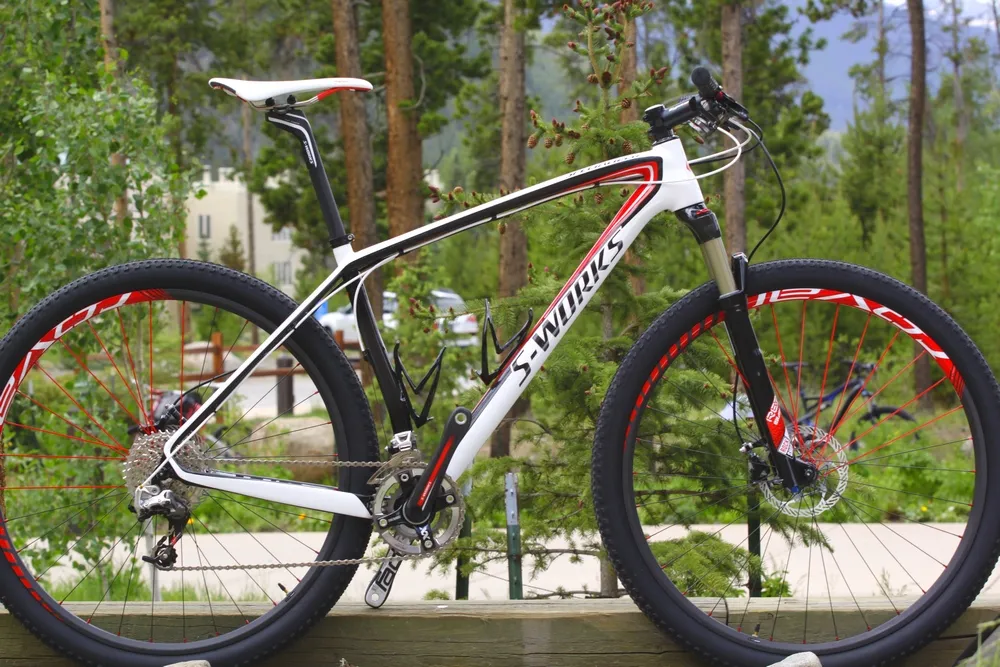
Specialized have launched their 2011 mountain bike line in Keystone, Colorado, with an all-new Camber 120mm-travel trail bike, redesigned Epic, updated Safire women's model plus 29ers and a new Evo line.
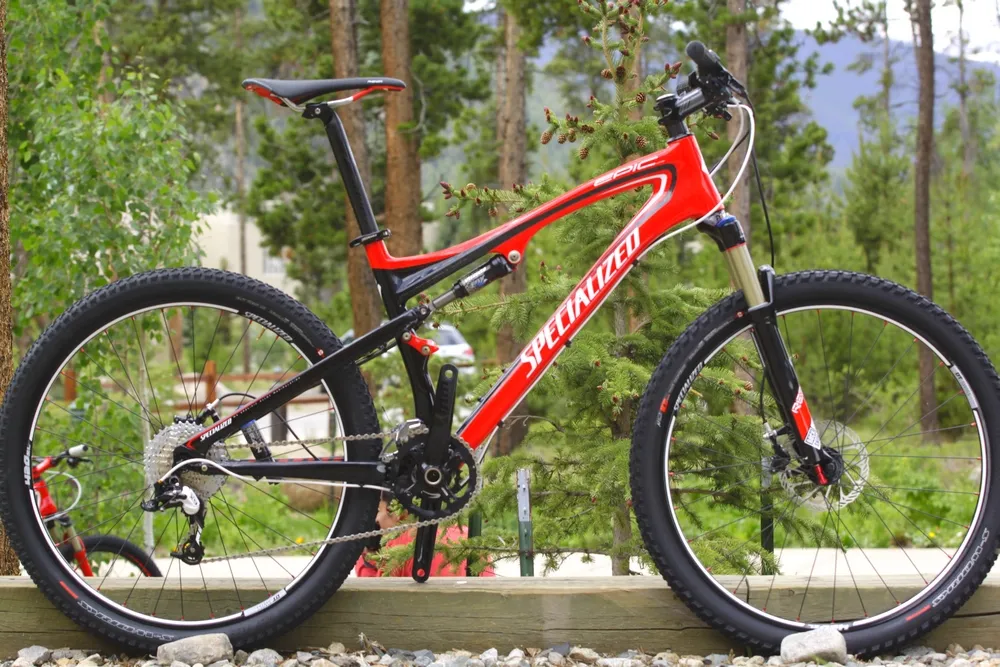
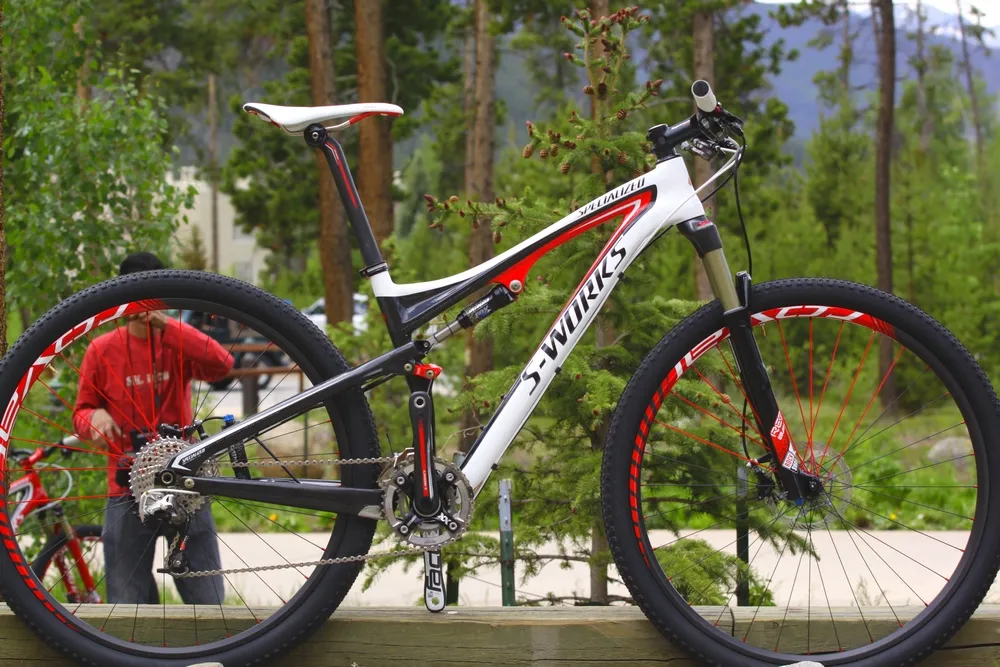
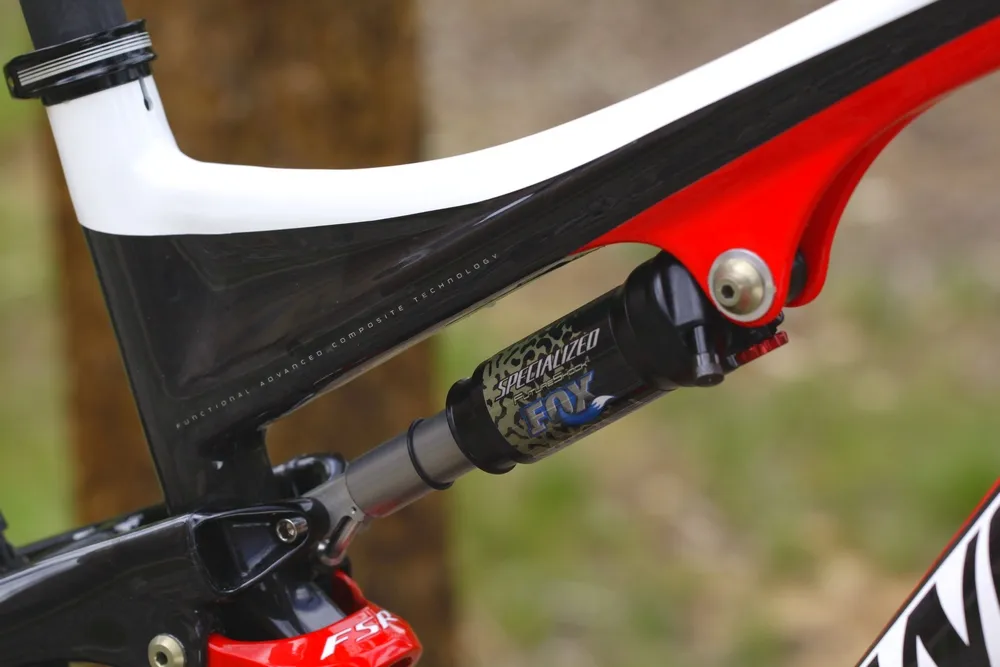
The most groundbreaking of the new bikes is the Epic. While it closely resembles the 2010 bike, the 2011 incarnation is all-new. The front end of the carbon fibre frame has been reworked with a new top tube that drops last year's top tube/seat tube strut in favour of a heavily-flared aft section. This is not only lighter, but also simplifies production.
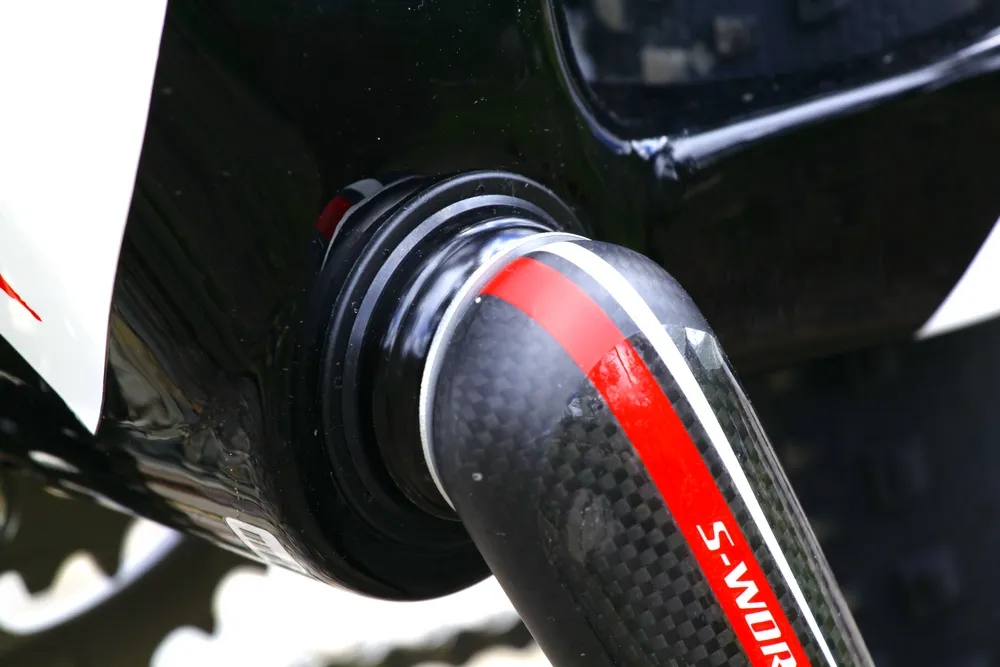
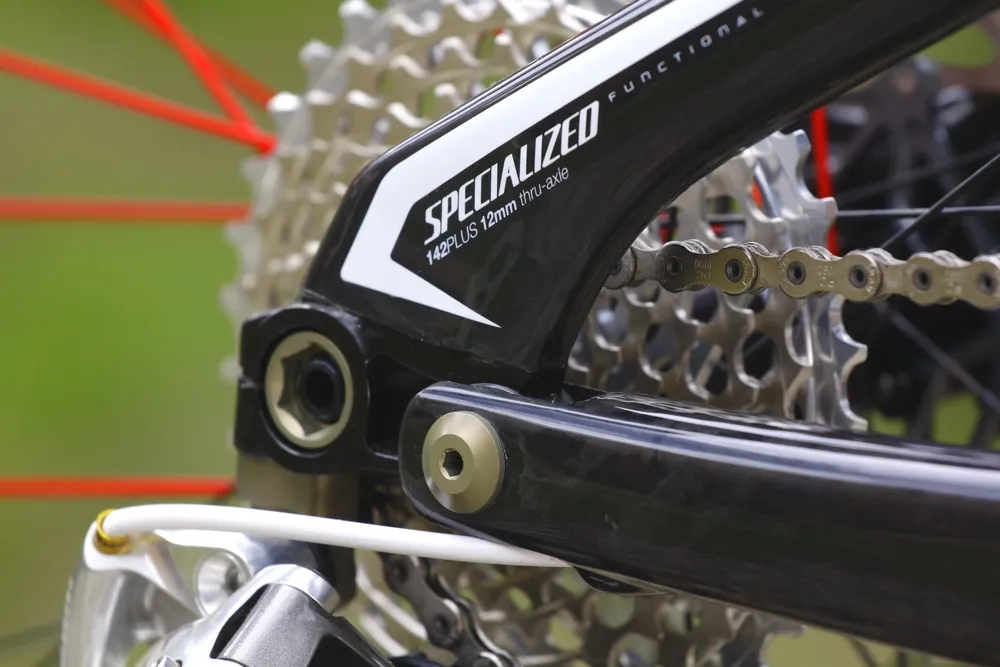
Specialized have also moved to a Pressfit 30 bottom bracket, citing reduced weight and compatibility with any cranks via adaptors. At the back, the top-flight S-Works model is unique among cross-country bikes, featuring as it does a 142x12mm through-axle. Wheel guides on the inner faces of the dropouts make for quick changes, while Specialized have come up with special Roval wheels to work with the system.
They've maximised the flange spacing on the rear hub by taking advantage of the extra width to move the cassette slightly outboard, making for a stiffer wheel. The new dropout/wheel system is called 142+ to distinguish it from conventional (although as yet rarely seen) 142mm back ends.
Part of the motivation for stiffening the frame and wheels was to improve the ride of 29in-wheeled bikes, of which Specialized have many in their 2011 range. In the 26in Epic range, only the S-Works has the 142+ rear end (although you'll now find carbon frames down to Comp level), while it's found across the range in the 29ers.
Specialized are making a big thing about the S-Works Epic 29, which is understandable given that it's the lightest full-suspension 29er yet built at 9.66kg (21.27lb). That's helped by the new Roval Control SL 29 wheelset, which uses carbon fibre rims to drop weight to 1,400g.

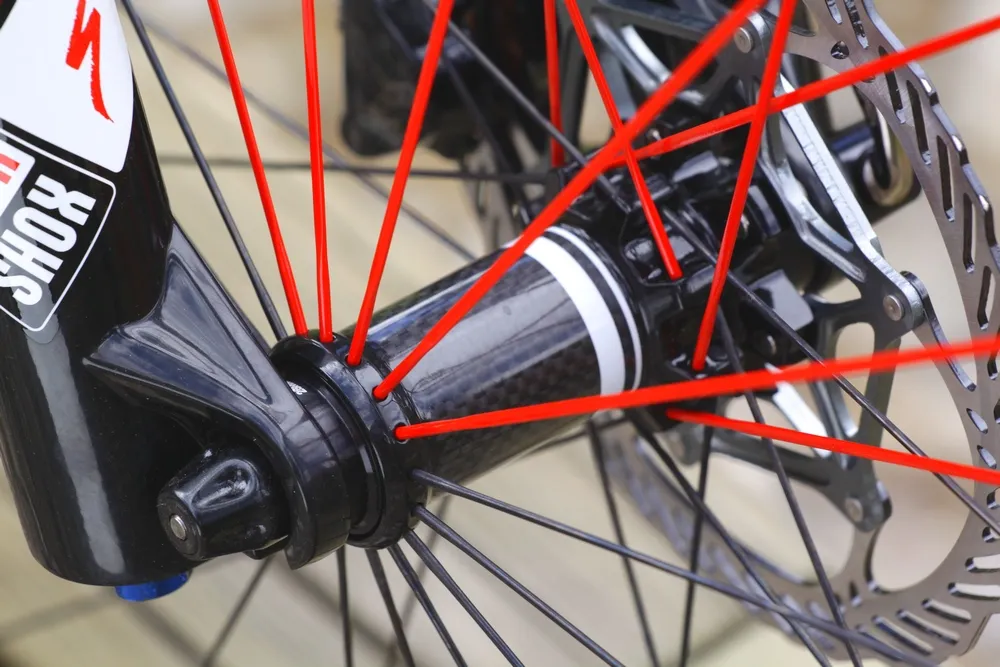
Specialized Roval Control wheelset
Oversized end caps at the front and wide-stance spoke flanges boost stiffness, with the 142+ rear wheel is claimed to be 20 percent stiffer than the previous top-end Roval 29er wheels. All this tech finds its way into the Control SL 26in wheels too, with a weight of 1,200g and even more startling stiffness gains.
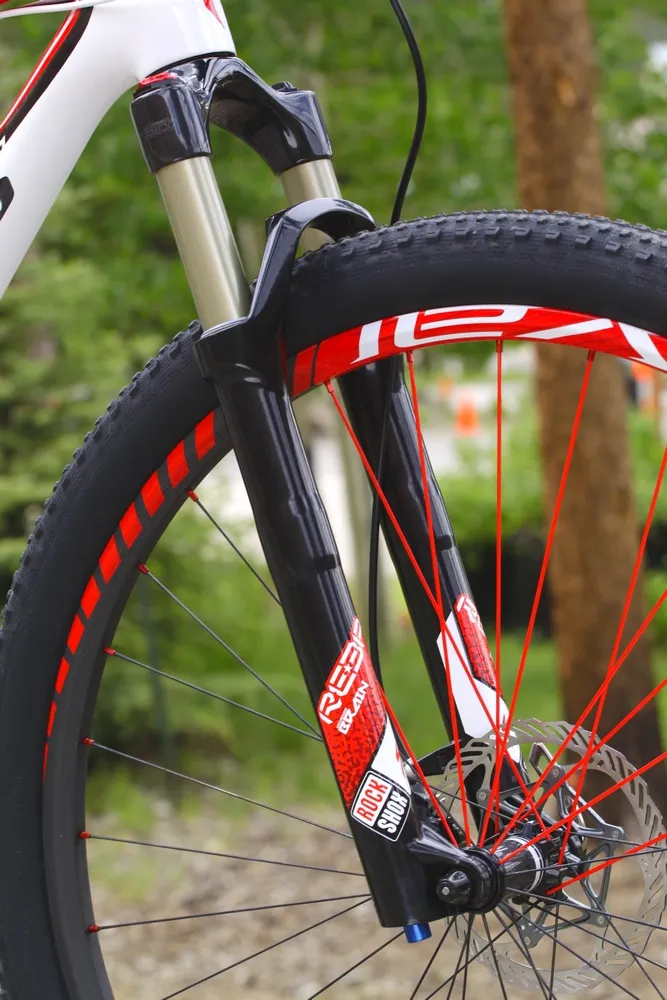
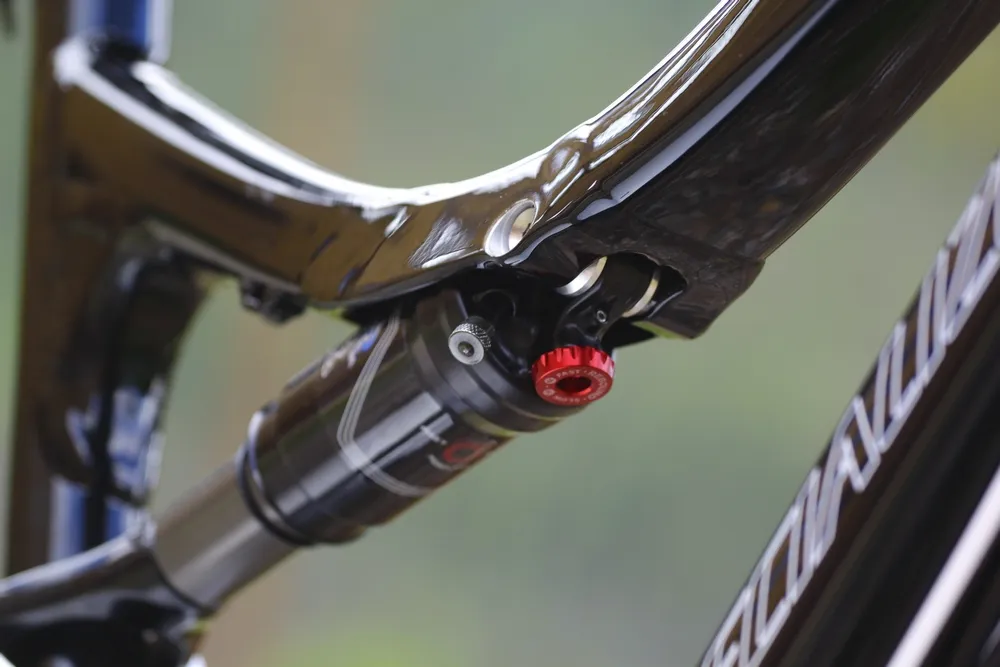
While the Specialized/Fox Mini Brain inertia valve shock is still present at the rear, and Specialized's own E100 fork still graces the front of the high-end 26in bikes, the 29ers and lowlier 26ers get a new RockShox Reba S29 fork that includes a Brain valve. This is the first time Specialized have carried out this kind of development with a suspension manufacturer other than Fox Racing Shox.

RockShox Reba with Brain valve
You'll also find double-ring chainsets across the Epic ranges, a feature that's prominent in the 2011 Specialized range as a whole. With 10-speed cassettes available across the board from SRAM and Shimano for 2010, Specialized have taken the decision to use doubles wherever they can, tuning the choice of rings to suit the intended use of the bikes.
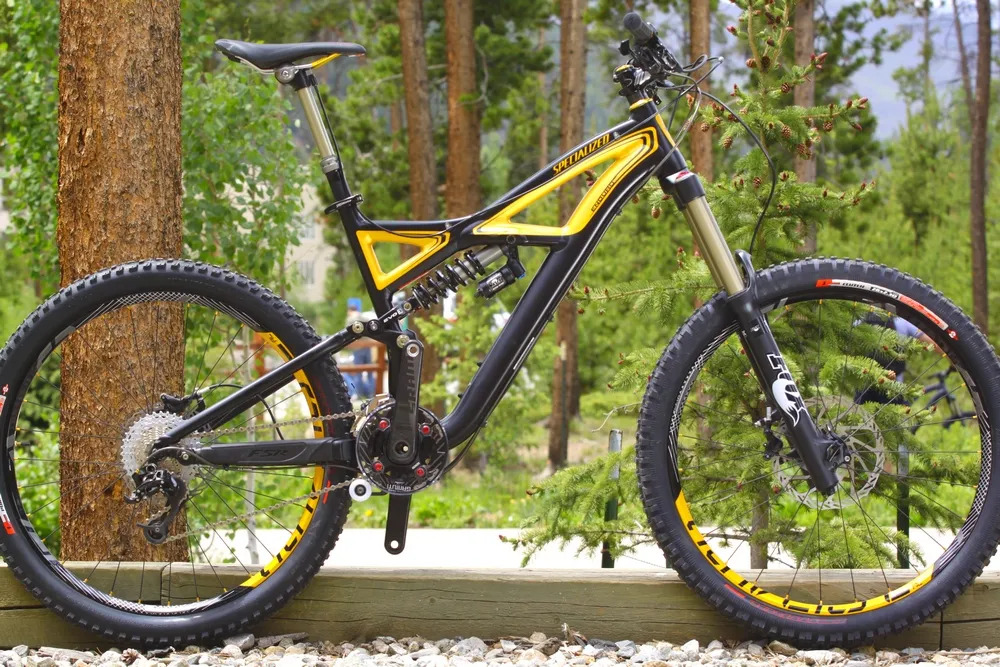
You'll find 24/38T doubles across the Stumpjumper FSR and Enduro ranges, for example. Those bikes see few fundamental changes. The Specialized S140 fork on high-end Stumpjumpers has retuned, although it now won't feature a Brain inertia valve. The Enduro's E160 fork has been fiddled with internally, while the 160mm-travel all-mountain bike gets a new custom Fox RP23 shock.
Rather than a choice of settings with ProPedal platform damping on, the shock has a fixed 'lots of pedalling' setting and a choice of three levels of compression damping with the lever in the off position. Super-plush rear suspension is a wonderful thing, but many riders favour something a little pingier – if you like to jump, a back end that doesn't swallow lips and launchpads is a boon.

Specialized's new Camber 120mm-travel trail bike
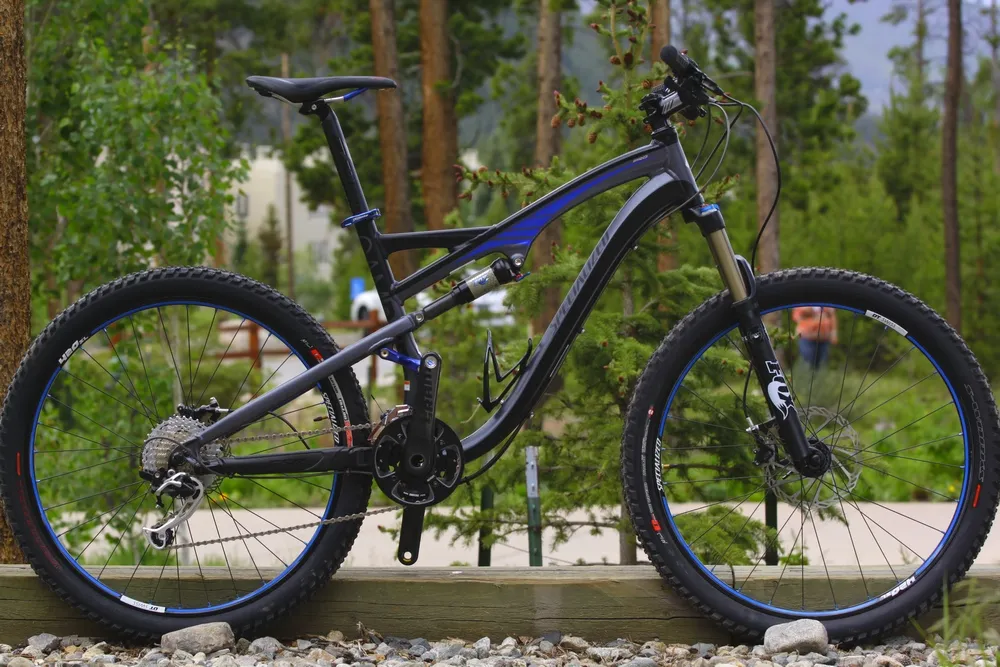
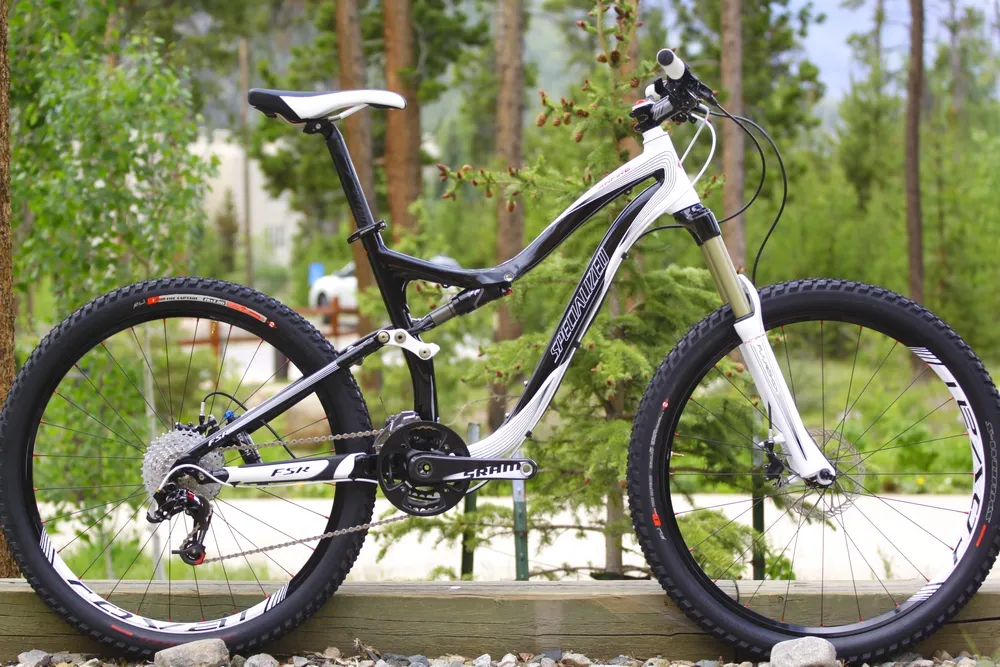
The Stumpjumper FSR's move to 140mm travel in 2010 left a considerable gap between it and the 100mm Epic. For 2011 that gap's been filled by the all-new Camber. It's a 120mm-travel trail bike (or 100mm in its 29in incarnation) that will occupy a range of price points starting below the Stumpjumper FSR range but overlapping with it – the top-end Camber will be more expensive than the entry-level Stumpjumper.
The Camber is similar to the Stumpjumper in terms of geometry, but in a shorter-travel package. The all-aluminium frame uses integrated hydroforming, with the pivot locations being formed with the tubes rather than being separate welded-in forged sections. You also won't find any Brain shocks – Camber is all about simplicity. The top-end Pro models feature a custom SRAM carbon double crank, with triples on the cheaper bikes.

Specialized Stumpjumper 29er
Big-wheel fans will also be interested in the new Stumpjumper 29er hardtails. With race wins at Sea Otter and TransGermany, and a World Cup podium spot, these may be the 29ers to convert an often-sceptical audience. They boast short chainstays and wheelbases and, importantly, low weight – the carbon 29in frame comes in at 1,049g.
That frame features hollow dropouts, a Pressfit 30 bottom bracket and takes a 27.2mm seatpost for extra comfort. All these features are also found on the 26in Stumpjumper HT frame, with a claimed weight of 920g.
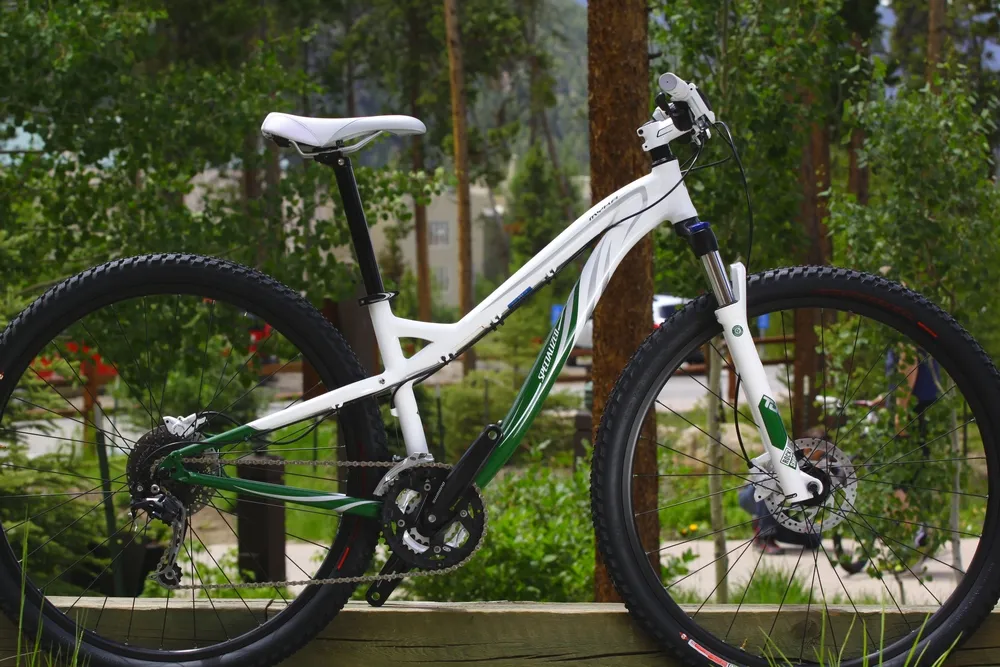
Specialized have had an extensive women's range for several years, and there are several developments for 2011. First, there's an all-new Safire full-suspension bike. To improve performance, the Safire has moved to the shock position found on the Epic and Stumpjumper FSR, with the shock oriented in line with the seatstays.

Specialized Safire with in-line shock position
That presented a conflict with a desire for lower standover height, but one that was neatly solved by mounting the shock in a forged pocket midway along the top tube. By tucking the shock up inside the top tube, standover height is claimed to be the lowest of any 120mm bike. The revised rear suspension is optimised for the lower shock pressures used by typically lighter women riders, with different rate curves compared to Specialized's men's bikes.

Specialized Safire rear shock
The Safire's cunning top tube construction is also found on the 100mm-travel Myka FSR. Specialized's ever-expanding 29er range extends to women's bikes too, with a 29er Myka hardtail that, impressively, comes in a range of sizes to fit riders from just 5ft tall.

The Myka 29 features an 80mm RockShox Tora fork with custom springs
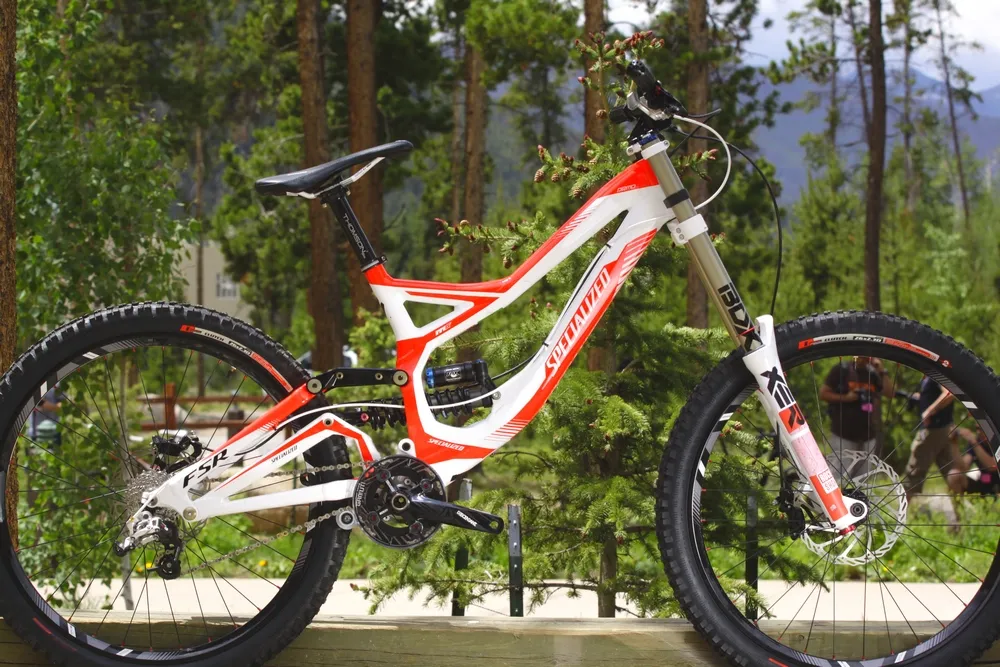
Having already appeared at World Cup races (and in various photos and videos on the internet), the 2011 Demo downhill bike will already be known to many. Geometry is carried over from the previous bike, but the new Demo is lower-slung, with a shorter head tube and lower centre of gravity.

Specialized Demo 2011
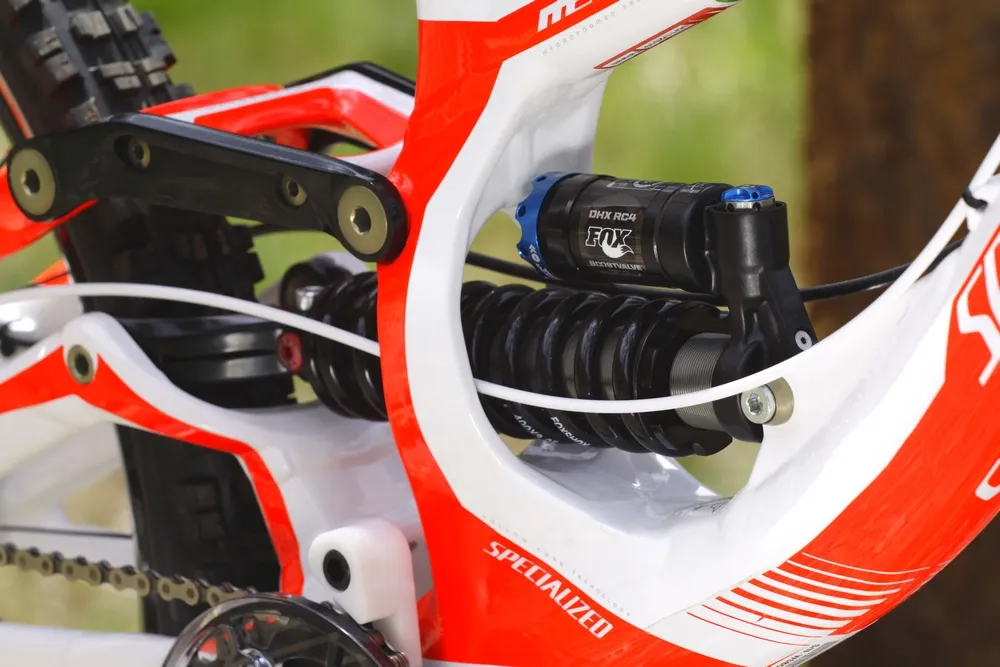
While the rear dropouts take a wide 150x12mm rear axle, the chainstays and seatstays are narrower for improved heel clearance, with wide, flat-pedal-friendly shoes. At 3in, shock stroke is slightly up on 2010 with a lower leverage ratio. The whole frame is also smoothed out, with potential mud-collecting pockets eliminated. There'll be no Demo 7 for 2011 – it'll be replaced by a new 180mm-travel SX Trail.

Rear shock detail on the 2011 Specialized Demo
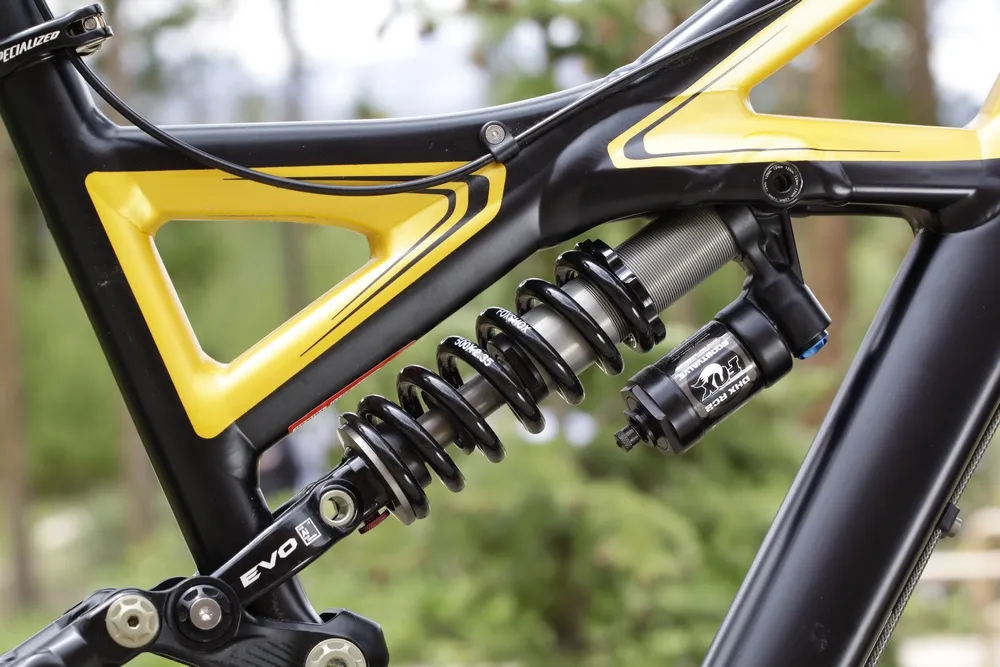
Specialized's final clutch of new bikes is the Evo line. These are pumped-up versions of other bikes in the range – there's an Enduro Evo with a Fox DHX coil shock; a Stumpjumper FSR Evo with 150mm travel front and rear, a chain guide, wider bars and bigger tyres; and even an Epic Evo with a 120mm fork. As if that wasn't enough, there are less-is-more race-oriented Evo R variants of the Epic and Stumpjumper HT, with 1x10 drivetrains and custom chainguides.

Related articles
Specialized Enduro Evo
You can follow BikeRadar on Twitter at twitter.com/bikeradar and on Facebook at facebook.com/BikeRadar.
User Comments
There are 31 comments on this post
Showing 1 - 30 of 31 comments
-
Demonix
Posted Mon 28 Jun, 1:07 pm BST Flag as inappropriate
Interesting read Mike, am liking the Evo R models! - you a permanent fixture back @ Future (WMB / MBUK) now? thought I hadn't seen much of you on BM!!
-
timmys
Posted Mon 28 Jun, 1:17 pm BST Flag as inappropriate
"The Stumpjumper FSR's move to 140mm travel in 2010 left a considerable gap between it and the 100mm Epic."
Well apart from the 120mm FSRxc that is. Which leaves the question as to whether the Camber is a replacement for the FRSxc or an additional model. I would assume that as the price for the Camber starts below the Stumpy FSR it is a replacement?
-
Duffer
Posted Mon 28 Jun, 2:31 pm BST Flag as inappropriate
I notice the Pitch has been overlooked, once again. Any news on that? (i know specialized have a habbit of neglecting to mention it...)
-
Mike Davis
Posted Mon 28 Jun, 2:39 pm BST Flag as inappropriate
The FSRxc didn't really fill the Epic-Stumpjumper gap because at Epic/Stumpjumper price points there wasn't an FSRxc to go between them - it was a budget range. Camber is positioned to be an actual "style of bike" choice rather than a cost one.
Pitch not mentioned because it's not changed, therefore not very newsworthy :)
(Demonix - Hello! Freelance, so not a permanent fixture anywhere ;-) )
-
jason23
Posted Mon 28 Jun, 3:00 pm BST Flag as inappropriate
this article has me drooling. Specialized is the top dog and their 2011 line is sick sick sick.
I want a 29er Stumpy and I'll have that Evo Enduro too please.....mmmmmmm ; )
-
andypaul99
Posted Mon 28 Jun, 5:29 pm BST Flag as inappropriate
Wow what a great range of bikes , liking the cambers colour scheme with the blue and black, and ive GOT to get a set of those Roval wheels, with the red graphics and spokes...very nice indeed
Im still not sure why they did away with the 120ml stumpjumper? Im guessing it was to do with the americans wanting more travel but its a shame the stumpy FSr has almost become a semi downhill bike rather than the fast trail weapon it always used to be....
Otherwise a very nice selection of new models, going to start saving for the 2011 Epic poss 29er?
-
anderwho
Posted Mon 28 Jun, 7:01 pm BST Flag as inappropriate
Anyone have more information on the new SX Trail? 180mm travel I see.
-
legin
Posted Mon 28 Jun, 7:05 pm BST Flag as inappropriate
like the new camber ,120mm travel makes for a good allrounder
-
ratherbeintobago
Posted Mon 28 Jun, 8:36 pm BST Flag as inappropriate
What's the travel on the Stumpy hardtails?
Andy
-
Supersailmaker
Posted Mon 28 Jun, 10:24 pm BST Flag as inappropriate
Anyone seen uk colours for Stumpjumper FSR expert carbon or S-Works? Will there be a 29er FSR?
-
chrisinleedsuk
Posted Mon 28 Jun, 10:56 pm BST Flag as inappropriate
Stumpies are still 140mm I think Andy.
The line-up is looking pretty sweet but there seems to be an awful lot of them now!
-
njee20
Posted Tue 29 Jun, 9:45 am BST Flag as inappropriate
1200g Roval wheels sounds good! Not sure about the 142mm back end though, no other wheel choices at the moment. Interesting move. Presumably the press-fit BBs are actually BB30 now then, rather than their OSBB standard, which didn't really work with anything!
-
ratherbeintobago
Posted Tue 29 Jun, 12:51 pm BST Flag as inappropriate
Chris,
I think we've got our wires crossed - Stumpy FSR is 140mm; Stumpy HT is 80mm this year.
Andy
-
Mike Davis
Posted Tue 29 Jun, 9:01 pm BST Flag as inappropriate
DT Swiss XRC1350 wheels are listed in a 142x12 variant. I'd expect there to be others in the not too distant future.
-
jizzlemynizzle
Posted Tue 29 Jun, 9:16 pm BST Flag as inappropriate
142mm wheels have the same spacing as 135wheels, but with a guiding feature in the frame, how is it possible to move the cassette or flanges outboard? This doesn't make any sense to me. Can you explain Mike?
-
baba123
Posted Tue 29 Jun, 10:21 pm BST Flag as inappropriate
want the new camber it looks sweet
why don't any bike companies put there new 2011 bikes or equipment up
the only one i can see is fox and ibis
-
Mike Davis
Posted Thu 1 Jul, 9:43 am BST Flag as inappropriate
The space between the dropouts is (obviously) 7mm wider than a 135mm back end. The axle guides don't have to total 7mm in thickness. Most 142 wheels are, as you say, the same as 135 ones but with more axle sticking out the ends. Specialized has been able to move the freehub outboard because it's designed the frame and wheels together. They've managed to get some extra clearance on the inside of the dropout. It's only moved 2mm, but every little helps when it comes to flange spacing (especially on the 29er). You can put other 142 wheels in the Epic but you can't put a 142+ Roval wheel in another 142 frame (although if I'm reading things right there'll be a regular 142mm Roval Control for the aftermarket).
-
jizzlemynizzle
Posted Thu 1 Jul, 9:23 pm BST Flag as inappropriate
Thanks for the explanation Mike, but I'm still not clear.
The frame spacing is 135, the guides in the frame are 3.5mm (about 1/8" of an inch) on each side. That is necessary for frame spacing tolerances, it can't be a lot narrower.
Does it mean that the frame is specific to the Roval wheels?
I'm having trouble getting it, and I am familiar with the 142 spacing, and have seen frames with it, and it all appears to be the same relationship from the small cog to the frame. Unless the frame is specific to that wheel, in which case I can understand.
Appreciate the extra info.
-
Mike Davis
Posted Fri 2 Jul, 11:25 am BST Flag as inappropriate
The distance between the faces of the axle locknuts is 142mm. Hence the inner faces of the dropouts where said axle engages must be 142mm apart. Other 142 frames use thick dropouts with the axle guides channelled into them. The Epic does that on the drive side, but the channel isn't anything like 3.5mm deep. On the non-drive side the guide is a sticky-out C shape. So there's extra clearance on the inside of the frame, hence they can move the cassette out a bit. The wheel is specific to the frame, but not vice versa - you can put other 142 wheels in it.
I've got some pics, hang on...
-
Mike Davis
Posted Fri 2 Jul, 11:36 am BST Flag as inappropriate
[img]http://www.flickr.com/photos/mike-davis/4754056555/in/photostream/[/img]
[img]http://www.flickr.com/photos/mike-davis/4754056451/in/photostream/[/img]
-
Mike Davis
Posted Fri 2 Jul, 11:37 am BST Flag as inappropriate
How the flinkin' blip are you meant to post images in here? Meh. Just click 'em:
http://www.flickr.com/photos/mike-davis/4754056555/in/photostream/
http://www.flickr.com/photos/mike-davis/4754056451/in/photostream/[
-
jizzlemynizzle
Posted Sat 3 Jul, 4:11 am BST Flag as inappropriate
thanks for the pics mike. i won't ask the "post mount 140?" question though, I think i've gone far enough! I do appreciate the follow-up though.
-
Mike Davis
Posted Sun 4 Jul, 10:19 pm BST Flag as inappropriate
Ask away. Not sure I've got anything very insightful to offer about the brake mounts, though ;-)
-
dogsloweverywhere
Posted Mon 5 Jul, 12:34 pm BST Flag as inappropriate
"takes a 27.2mm seatpost for extra comfort."
What does this mean? That 27.2mm seat post are the most comfortable seat posts?
Why go to all that trouble and the fit " the 29ers and lowlier 26ers get a new RockShox Reba " what sounds like a 2nd rate, lower-spec' front end?
The Stumpy 29er looks great!
-
Casteelg
Posted Tue 6 Jul, 3:08 pm BST Flag as inappropriate
"What does this mean? That 27.2mm seat post are the most comfortable seat posts?"
... They're referring to a little something called vertical compliance.
-
Henry Cooper
Posted Tue 6 Jul, 9:56 pm BST Flag as inappropriate
Tried to buy a spec 29er this year and was told i wasn't in the right market !!!! so i spent my £2k elsewhere.
-
dogsloweverywhere
Posted Wed 7 Jul, 4:16 pm BST Flag as inappropriate
"Vertical compliance is marketing nonsense. Diamond frame bikes are essentially rigid in plane. Under any kind of load the vertical deflection of the wheels is orders of magnitude larger than that of the frame. Efficiency loss is the result of of torsional flex. People tend to focus on the bb, but the seat/chain stays have just as much to do with it. Lateral flex only affects handling."
Are we being subjected to Journo Mumbo-Jumbo here?
If 27mm is the best, why is there even a 2nd diameter?
-
Mike Davis
Posted Sun 11 Jul, 3:44 pm BST Flag as inappropriate
Your quoted comments about vertical compliance refer to frames. A seatpost is not a frame. The back end of a hardtail is a triangulated structure, a seatpost is a cantilevered beam. A 27.2mm seatpost will flex considerably more than a 30.9mm seatpost (assuming the same material and wall thickness). It's a simple way to add a bit of comfort to a hardtail. Doesn't add as much as a big, soft tyre, but it doesn't add a load of drag either.
Big seatposts came about because aluminium frames tend to be made from big tubes, and it's a lot easier to just stuff a bigger post in the top that fanny about stepping it down to take a 27.2. And on an FS bike it doesn't matter - you might as well have the stiffest post you can.
-
baba123
Posted Wed 14 Jul, 10:44 am BST Flag as inappropriate
they have other seatpost diameters as they think that they don't need the flex from the seatpost to soften up the ride as it already has enough suspension already ecspecially full sussers
-
ProEdgeBiker.com
Posted Tue 27 Jul, 12:56 am BST Flag as inappropriate
Any word on the Epic Weight?


