The best cycling baselayers will keep you comfortable while riding. They do this in two ways: by trapping a layer of air next to your body to keep you warm, and by transporting sweat away from your skin to keep you dry.
If you want to get technical about it, a cycling baselayer forms the bottom of a multi-layer clothing system designed to manage the climate differential between the inside and outside of your garments, whether that's a winter jacket or a summer jersey. As such, you're likely to wear them on all but the very hottest days.
We've pulled on a selection of men's and women's baselayers suitable for road and mountain biking across seasons and tested them to their limits.
We've included a buyer's guide at the end of the article listing everything you need to know about baselayers and how to choose the right one for you.
Best cycling baselayers 2025
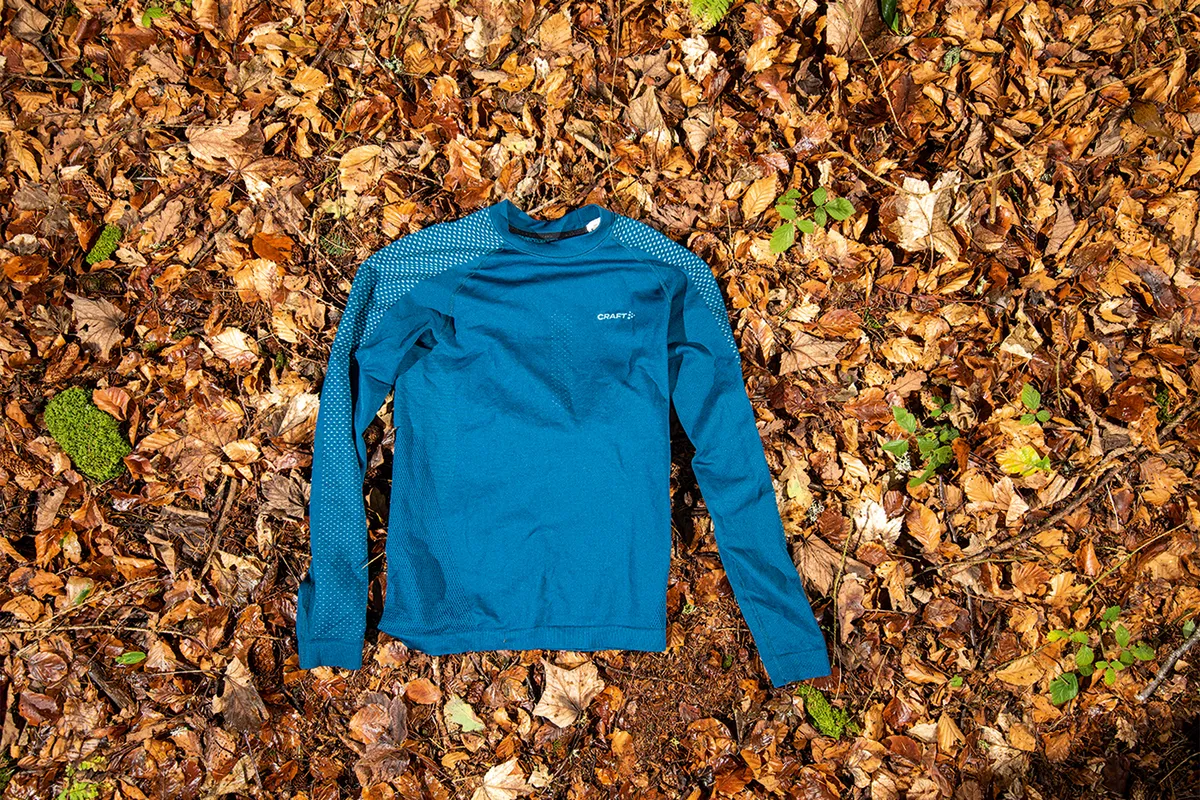
Craft ADV Warm Fuseknit Intensity
- £60 as tested
- Body-mapped thickness to reduce heat in hot zones
- Great fit and neck profile
Craft’s baselayer won every one of our testers over with its excellent fit, bang-on cut and superb neck profile.
The fabric backs this up with a ‘3D knit’ that gives a pleasantly chunky but not too heavy feel, boosting the thermal properties and making it feel more substantial for use in chilly weather. And it’s most definitely a winter baselayer – it’s way too hot for summer months. For warmer weather, Craft has a thinner version available.
Body mapping is evident all over this highly technical top, with thicker fabric in certain areas for warmth and thinner fabric in others to allow sweatier regions to breathe better.
It washes well, dries fast and is easy to care for. It’s pricey, but worth every penny if you want to stay warm and comfortable in cold conditions.
Giro Chrono
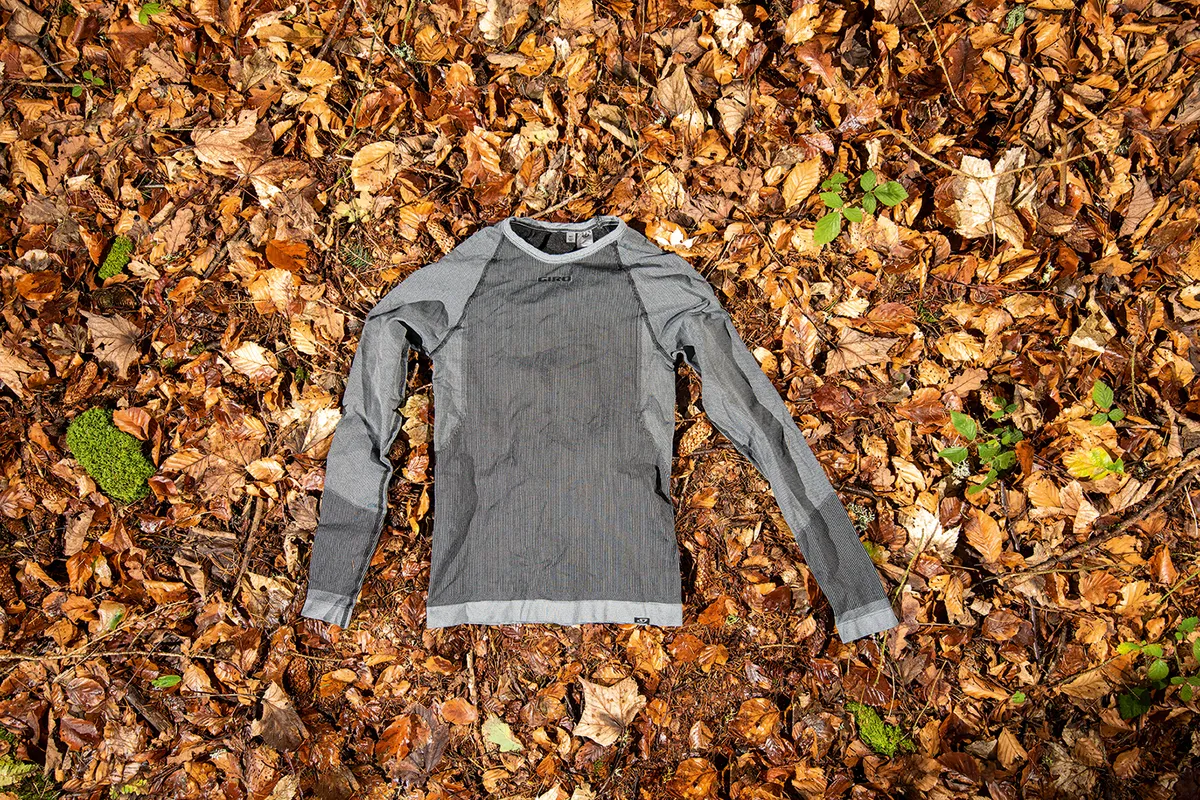
- £55 / $90 / €60 as tested
- Great fit despite looking tiny out of the box
- Copes well with both high-intensity riding and stops
Straight out of its box, the Giro looked tiny. But, testament to the stretch of the fabric, not only did it fit well, it was supremely comfortable and warm too. The body-hugging cut prevents sweaty and clammy patches, while the seamless torso means there’s no irritating stitching to cause hotspots when worn under bibs or backpacks.
The more we wore it, the more we loved it as a terrific all-rounder. It’s not too hot and not too cool, and that’s the primary purpose of a baselayer – to keep you comfortable through a range of activity intensities and weather conditions.
It copes admirably with the heat and sweat of high-intensity riding, but remains as comfortable as can be expected during the inevitable stops when you’re prone to chill. It wicks sweat efficiently, doesn’t hold on to moisture and the cut is perfectly suited to the riding position.
Even though it looked small, the waist and sleeves stayed put and never rode up. With its mid-weight fabric, it could certainly be used right through a UK winter from autumn to spring without overheating or feeling too cold.
The Giro Chrono isn’t cheap, but what you get is a tremendously durable and versatile baselayer that all our testers were unanimously positive about.
Gore M Windstopper Long Sleeve
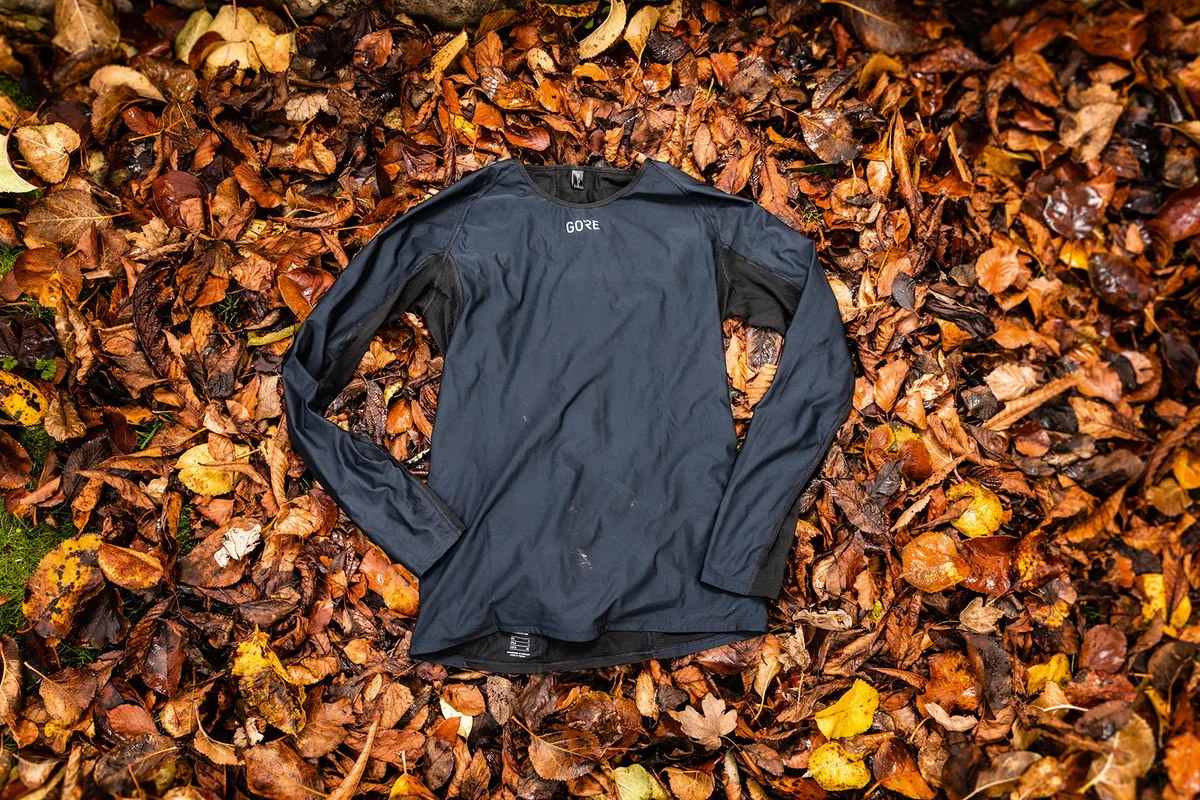
- £65 / $80 / €70 as tested
- Windstopper front and sleeves keep cold air out well
- Works well under a lighter-weight jacket
The Gore M Windstopper long-sleeve baselayer offers impressive sweat-wicking ability from its water-resistant and windproof polypropylene fabric. The construction quality is excellent, as you'd expect for the price.
This garment helped us ride without a jacket right the way into autumn, but for cooler conditions, it paired particularly well with a modern lightweight insulated jacket.
When things were sub-zero, the M Windstopper beneath an insulated windproof jacket proved to be a winning combination.
Castelli Prosecco Tech W Long Sleeve
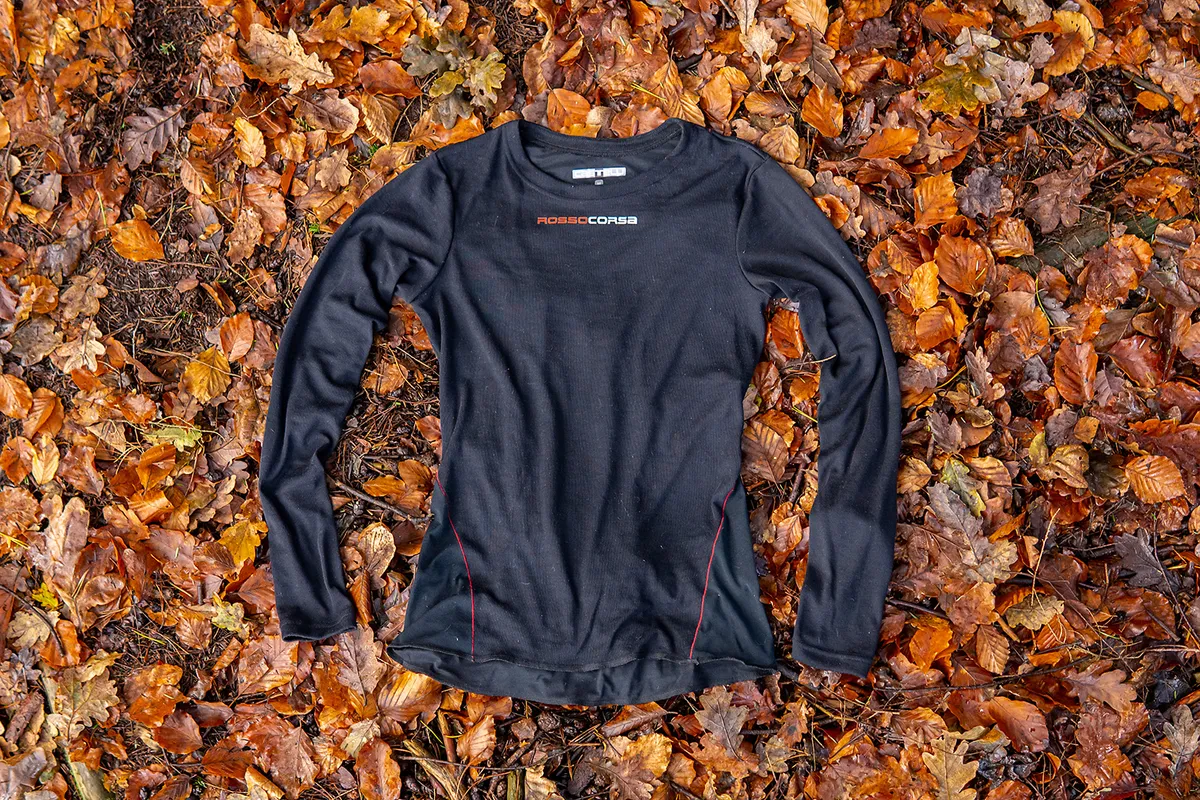
- £75 / $99.99 / €69.95 / AU$129 as tested
- Warm despite thin fabric
- Stays dry at higher intensities
Castelli makes its Prosecco baselayer out of two different synthetic fabrics, a rib knit for the body with a thinner PrimaLoft back panel where bib straps will usually sit on top. It’s thin, so it works well under multiple outer layers.
The neckline isn’t as high and the cut is a little less tight than some other baselayers. We found it a good option for higher-intensity riding, with little tendency to get damp from sweat. It’s easy to care for and quick-drying too.
We tested the women's version of this baselayer, but only the cut separates this one from the men's version.
dhb Women’s Merino LS
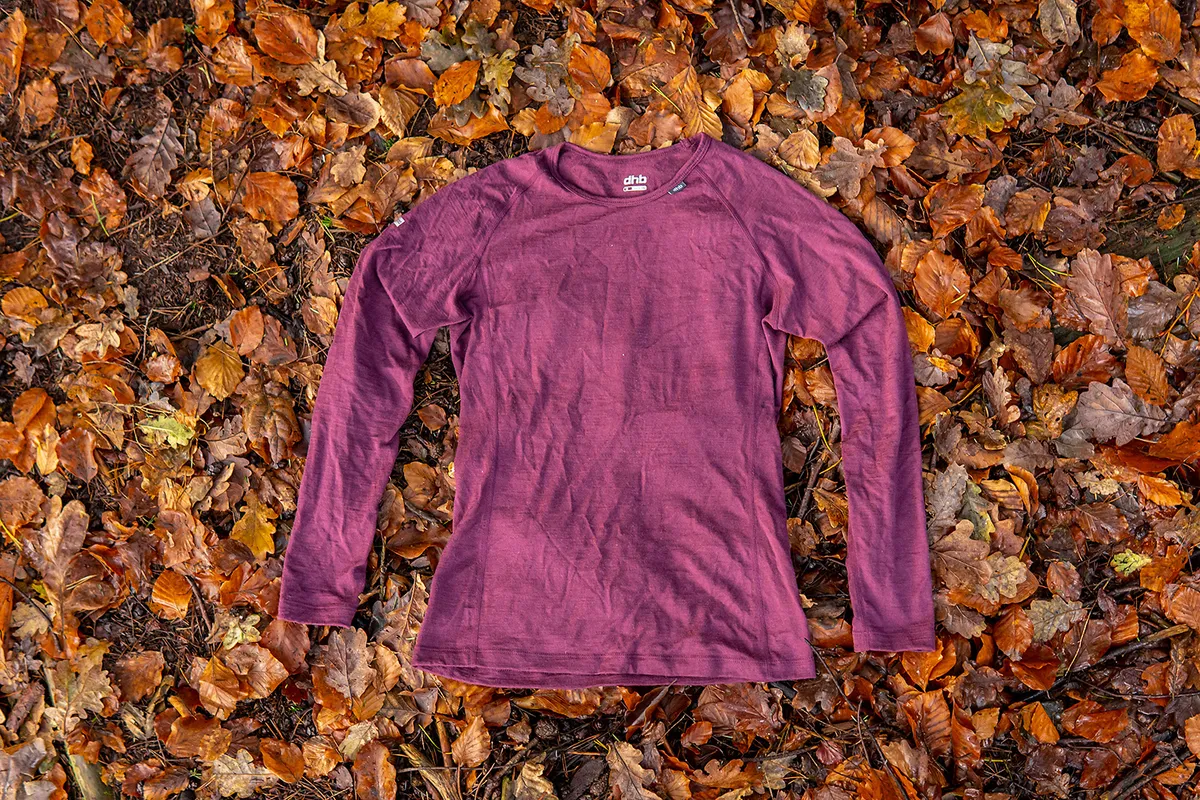
- £50 / $65 / €58 / AU$82 as tested
- Great women’s-specific cut
- Wicks sweat well at lower intensities
The dhb Merino baselayer is made from non-mulesed 100 per cent Merino wool with a mid-weight 200gsm. It’s soft, resists odours well and fits really comfortably, with a snug crew neck and plenty of length to the sleeves. The seams are flatlocked to avoid irritation.
It’s a great weight for lower-intensity rides in cold conditions and can be used for multiple outings before it needs washing. When you do wash it, a little more care is needed than with a synthetic number, but it air dries quickly. It’s well priced and there are plenty of colour options.
Endura Transrib
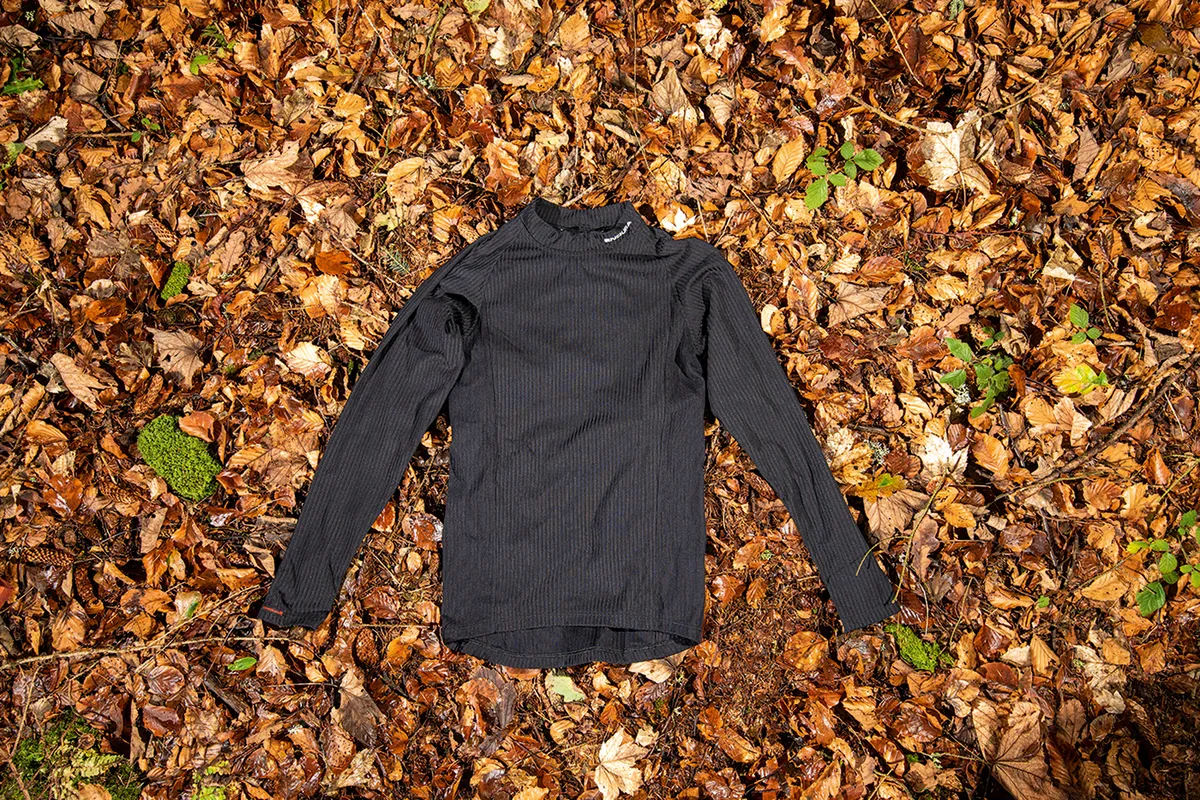
- £38 / $55 / €45 as tested
- Antibacterial-treated Coolmax fabric
- Washes at 30°C and dries quickly
The Transrib is a simple, effective and hardwearing baselayer at a keen price. Synthetic CoolMax material is knitted into a ribbed profile, allowing it to trap more air when other wind-resistant layers are worn on top and be reasonably cool when worn under a thin, wind-permeable riding jersey in the warmer months.
As much as you need different layers for different seasons, this is one that could be used across a wide variety of temperatures and conditions.
The fit is excellent, if a little small for the size, but it’s stretchy and body-hugging in all the right ways. While the fabric doesn’t feel quite as nice as Merino, being a bit scratchy and harsh, it certainly isn’t terrible by any means.
We also love that it comes out of the washing machine almost dry, so the turnaround time between rides is excellent.
Specialized Merino
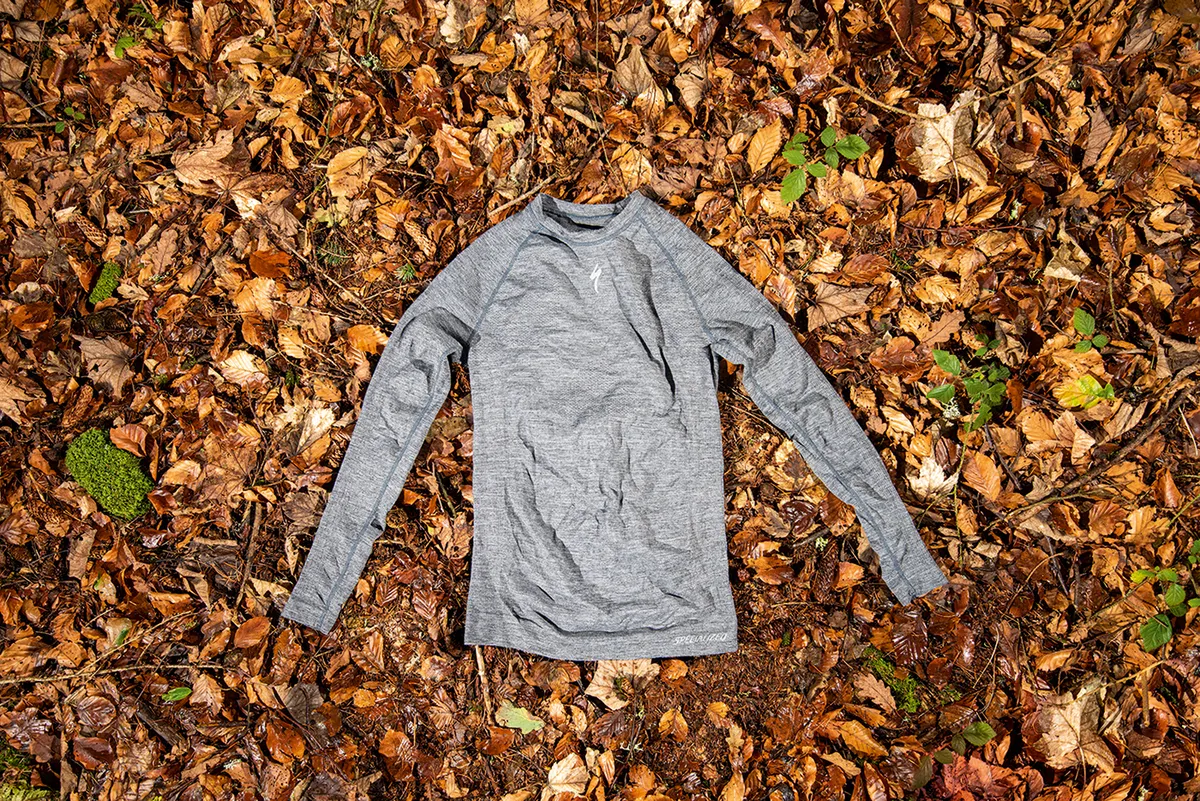
- £65 / $90 / €75 as tested
- Mix of synthetic and Merino fibres wicks moisture well
- Soft and comfortable with excellent fit
Although the name suggests a pure-wool construction, the Specialized top combines a Dryarn synthetic inside face with Merino on the outside. Theoretically, this inner fabric should boost moisture away from your skin quickly, while the wool layer adds a great feel and hit of warmth.
In practice, it worked very well. The fit is excellent, with areas of body mapping giving warm or breathable panels where appropriate. For example, it’s perforated at the top of the neck and under the arms to let sweat escape. This all added up to make it a tester’s favourite for comfort on the bike in a wide range of conditions.
We did have concerns about durability, with the collar starting to bobble slightly towards the end of the test period – it could be bad luck or a washing issue, but at £65 it wouldn’t be great if it persisted.
7mesh Ashlu Merino Base Layer LS
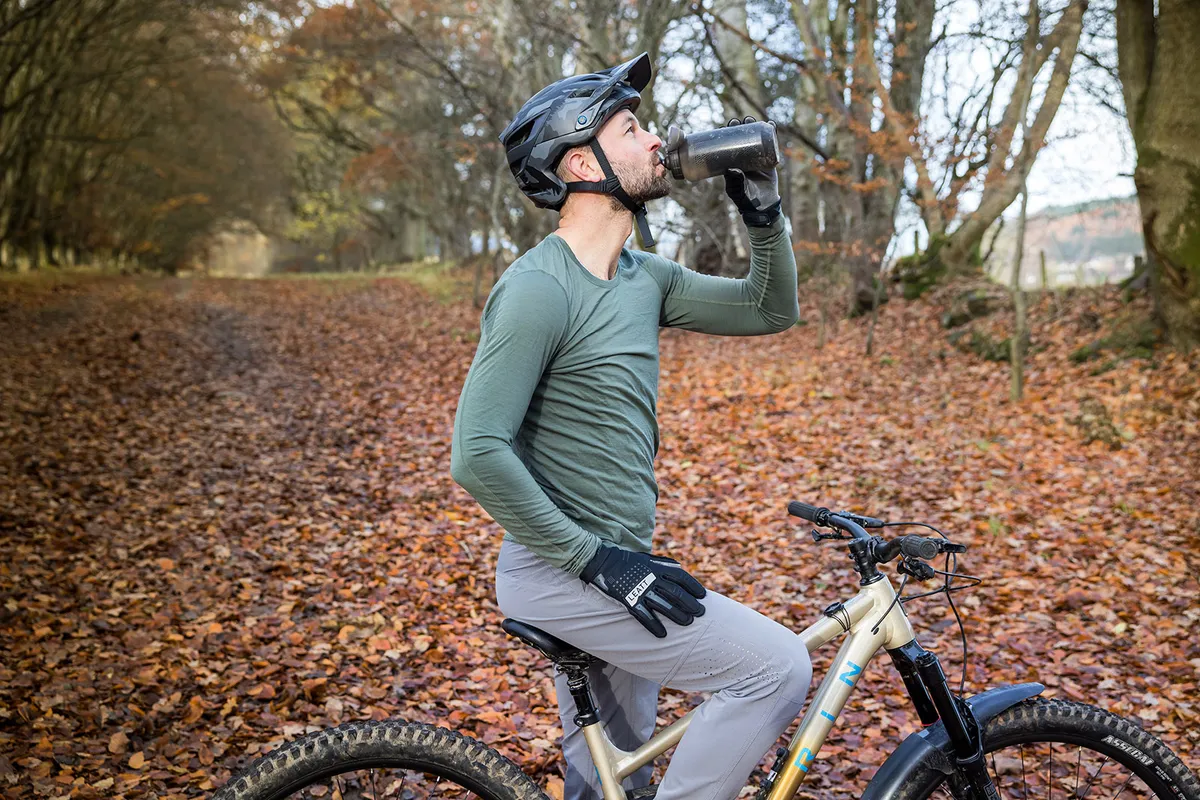
- £85 / $100 / €100
- Comfortable against your skin
- Merino wool performs well
- Short cut
7mesh's Ashlu Merino Base Layer LS is made from a Merino wool and nylon blend that's comfortable against the skin and has enough stretch to achieve a figure-hugging fit.
The baselayer feels lightweight and remains soft when saturated in sweat, continuing to retain heat when protected from the wind.
It has a clean and simple look that will help it blend into different types of riding outfits, as well as off-bike activities.
We found the baselayer came up short in the torso, with sizing smaller than expected.
Alpinestars Tech Top Summer
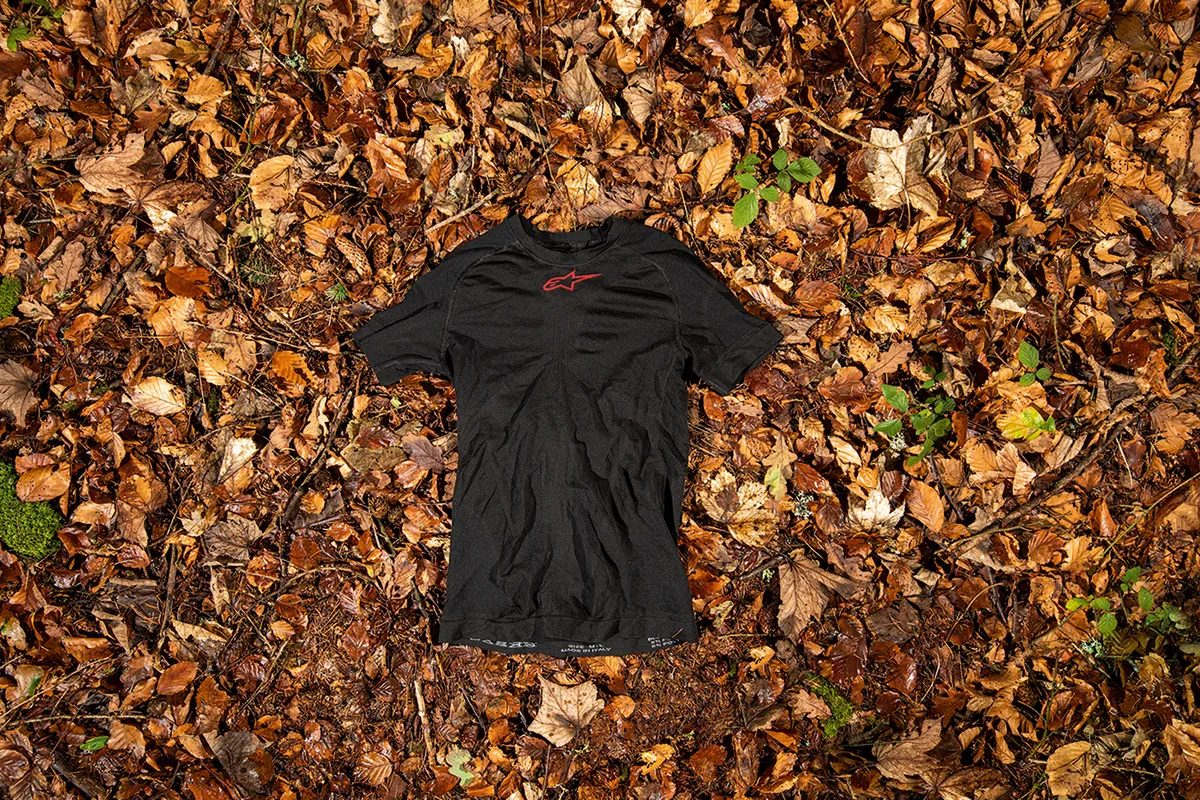
- £50 / $80
- Very lightweight with excellent fit
- Seamless, body-mapped construction
If anyone is in any doubt that a baselayer is beneficial in warm weather, just hand them this little gem from Alpinestars. Light as a feather, it’s perfectly form-fitting with superb stretch and support, great length and well-proportioned short sleeves.
Its body-mapped construction thins the fabric out to an almost open mesh in places where you need to lose more heat and moisture, reducing the tendency for damp and uncomfortable spots. As with several on test, the torso is seamless, which reduces the chance of pressure points too, if you’re wearing a pack or armour over the top.
While the price might seem a bit steep for what looks like a featherweight T-shirt, once we got our heads around the technical cut and body mapping, it suddenly didn’t seem quite so pricey.
A great summer baselayer that’ll certainly be front and centre of our warm-weather wardrobe.
Fox Women’s Tecbase LS
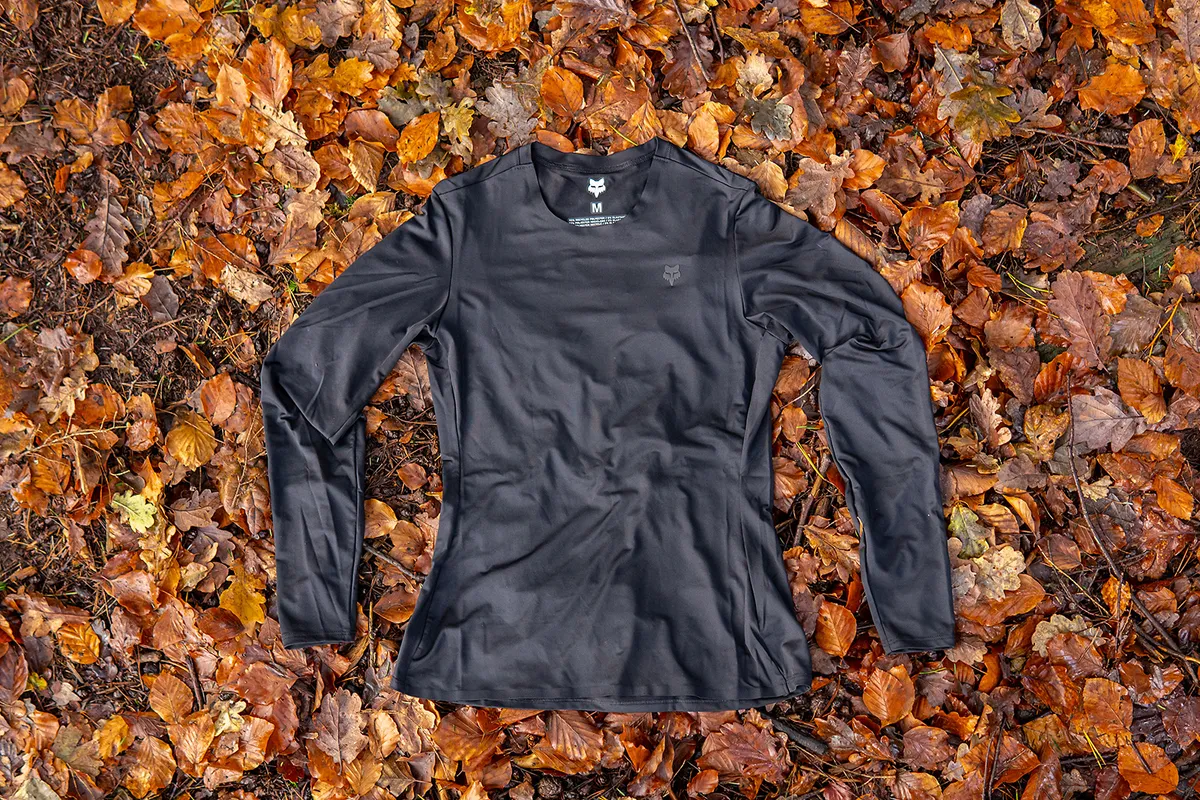
- £44.99 / $54.95 / €44.99 / AU$69.99 as tested
- Warm despite thin fabric
- Doesn’t wet out
Fox says the Tecbase long-sleeve baselayer will work as well as a lightweight jersey in the gym as it does as a baselayer on the bike. We reckon it could be worn as your only layer for mountain biking too.
It’s made of a thin synthetic fabric that’s predominantly recycled polyester with 8 per cent elastane, which has an opaque, silky finish. Low-profile seams at the hem and front of the collar are welded rather than sewn.
The Fox Tecbase baselayer isn’t as long as some alternatives and the cut is slightly loose. It worked pretty well on high-intensity rides, because although it did get a little damp under a hip pack, this soon dried. It didn’t get smelly either.
Helly Hansen LIFA Merino Midweight Crew
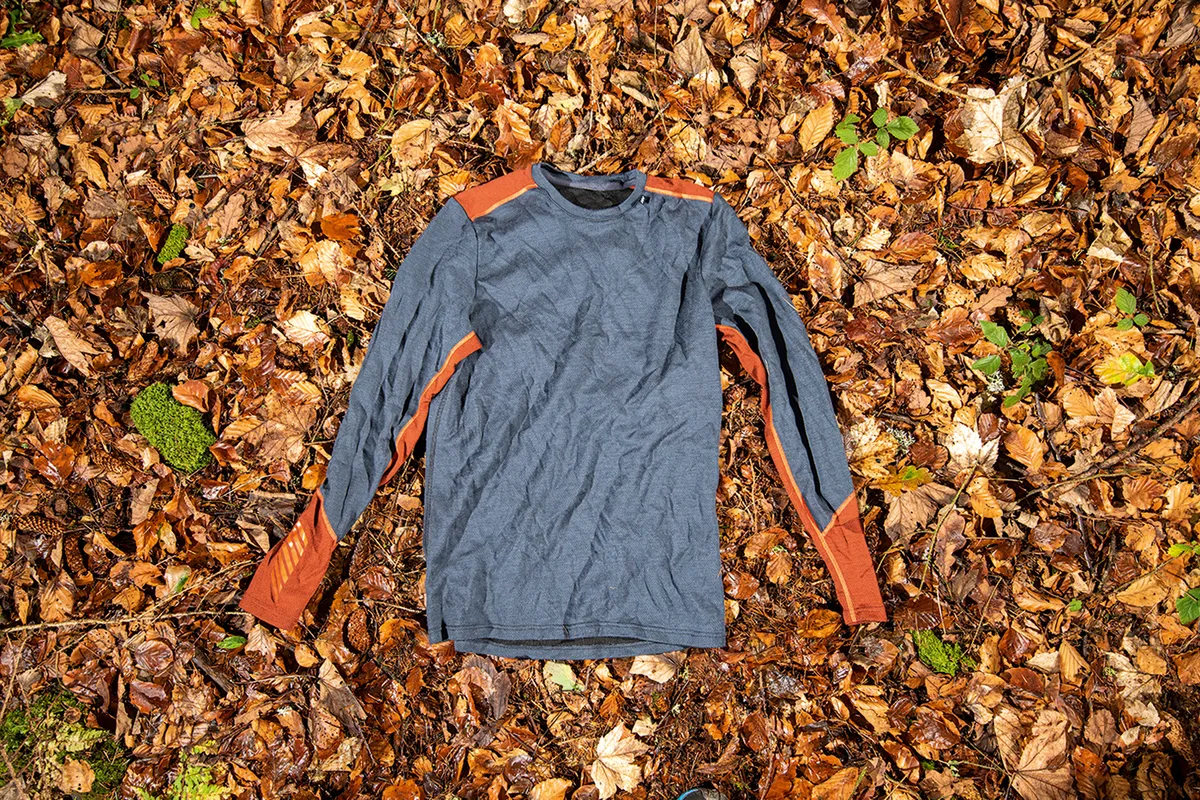
- £70 / $100 / AU$160 / €80 as tested
- Body-mapped Merino mix fabric
- Seamless construction to reduce the risk of chafing
Available in a huge selection of colours, this Helly Hansen baselayer has proved to be an excellent cold-weather stalwart. It boasts a layered fabric that incorporates a LIFA (the brand’s traditional synthetic fabric) interior, to boost moisture transfer, and a Merino exterior for thermal properties and improved feel.
After high-intensity rides, we found it grew heavy with sweat that would linger in the Merino layer, taking longer to dry. Therefore, it's better suited to low-to-mid-intensity day rides, where moisture build-up shouldn’t be as much of an issue.
Fabric feel and overall quality were as good as you’d expect for the cost, so we didn’t sniff too much at the price tag.
All testers found it to be a generous cut, so it could be worth sizing down from your usual measurements to get a better, more athletic fit.
Madison Isoler Merino
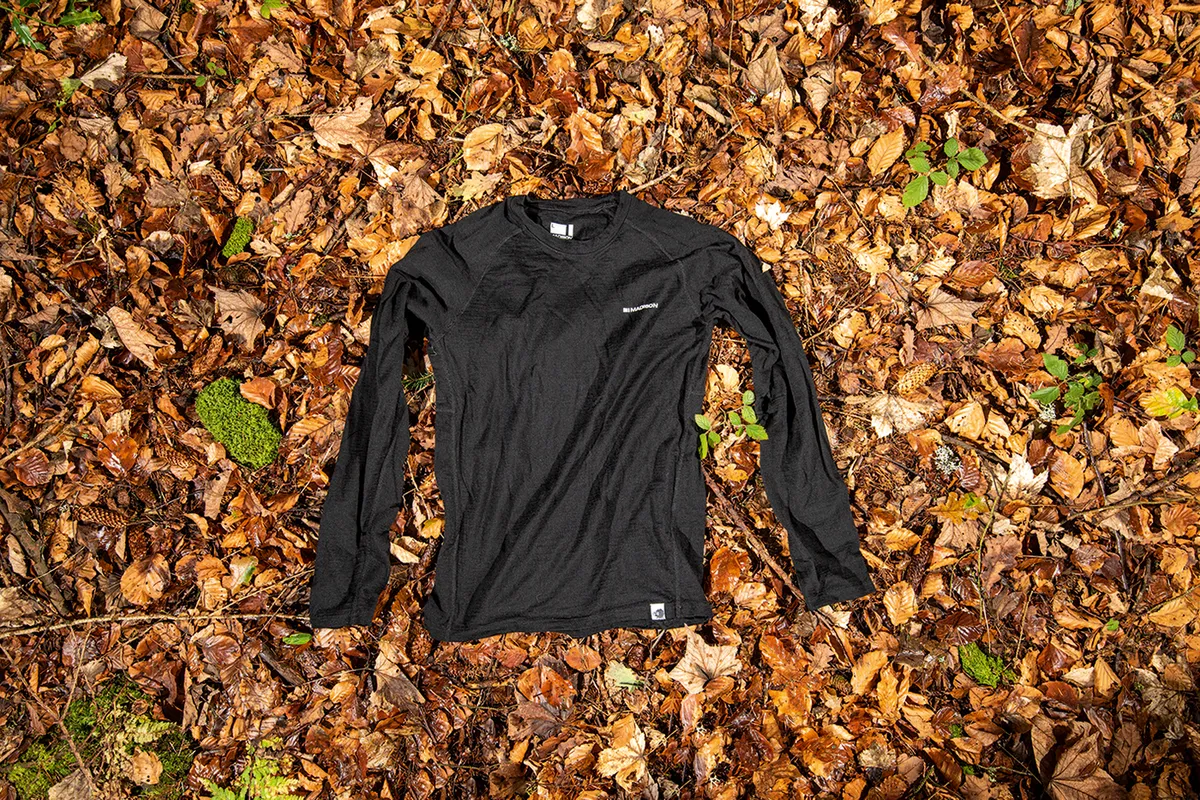
- £20 as tested
- Soft pure Merino wool
- Good for lower-intensity rides
One of the few pure Merino baselayers on test, the Isoler displays all the characteristics you’d expect from the fabric. Pleasingly soft to the touch, stretchy enough to figure-hug to a decent degree and warm even when damp, it was popular with our testers.
When the going gets very sweaty, it does start to hold more moisture than the synthetics and becomes heavier as a result, so we tended to favour it for less aggressive rides, where the additional feel and thermal properties were very welcome.
The wrists are a little roomy, which is handy if you have a chunky sports watch underneath, but otherwise, it left spare fabric that was out of contact with our skin that we’d rather have done without.
It’s good value for Merino and not so cycling-specific that you couldn’t use it for other outdoor activities.
Nukeproof Merino 1/4 Zip
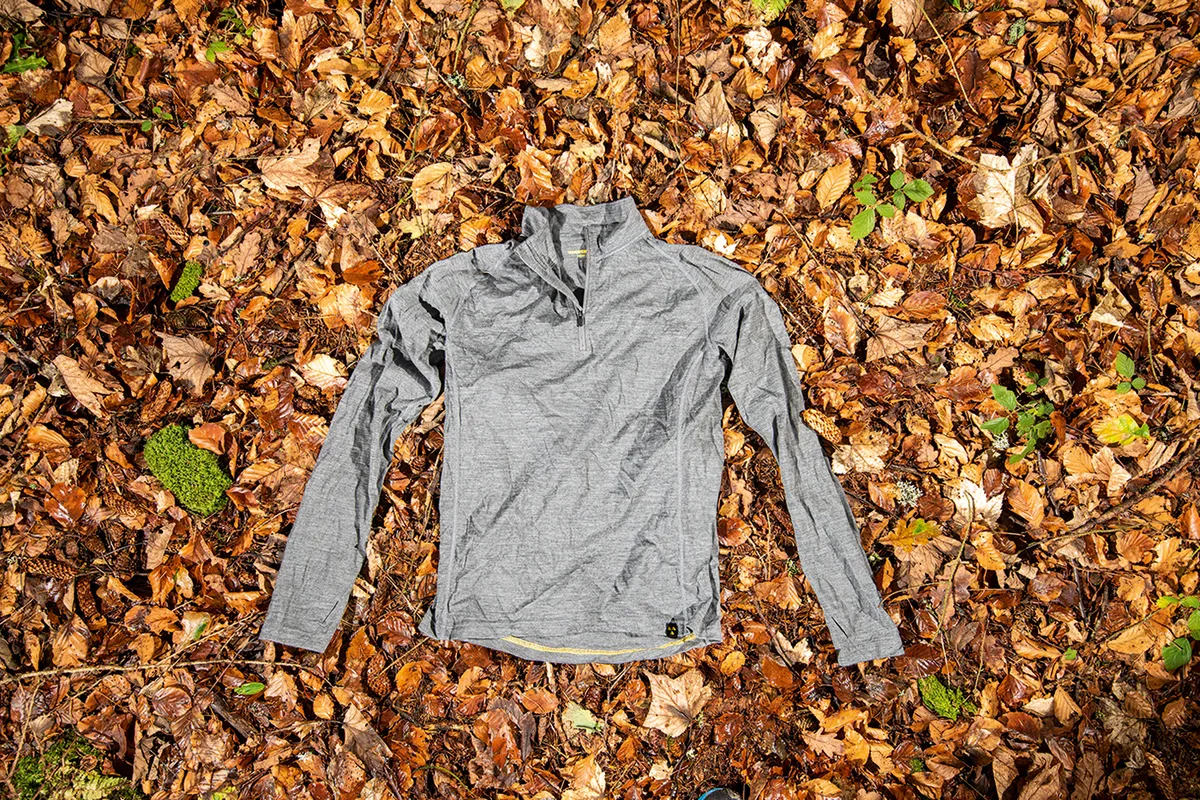
- £50 / $63 / AU$75 as tested
- Warm for lower-intensity winter rides
- Comfortable, looser fit with neck zipper
There’s nothing like the feel of a good Merino jersey, and the Nukeproof is no exception. The pure Merino made for a luxuriously soft handle and stayed warm when wet, resisted odours and absorbed moisture.
For high-intensity rides, the fit was a little loose and not quite as body-hugging as we’d like for an efficient baselayer, though.
Being Merino, it isn’t ideal for super-sweaty rides and is instead better suited to long, cool-weather days out. In those conditions, it was excellent, with its snug high neck to fend off the chill and thumb loops that kept our wrists covered.
We also made good use of the quarter zip to regulate our temperature on the climbs, reducing sweat build-up as a result. It's a great baselayer for steady days on the hill.
Rapha Men’s Pro Team Thermal Base Layer – Long Sleeve
- £85 / $105 / €95 / AU$140
- Snood adds extra warmth
- Comfortable, soft fabric
- Sizes up small
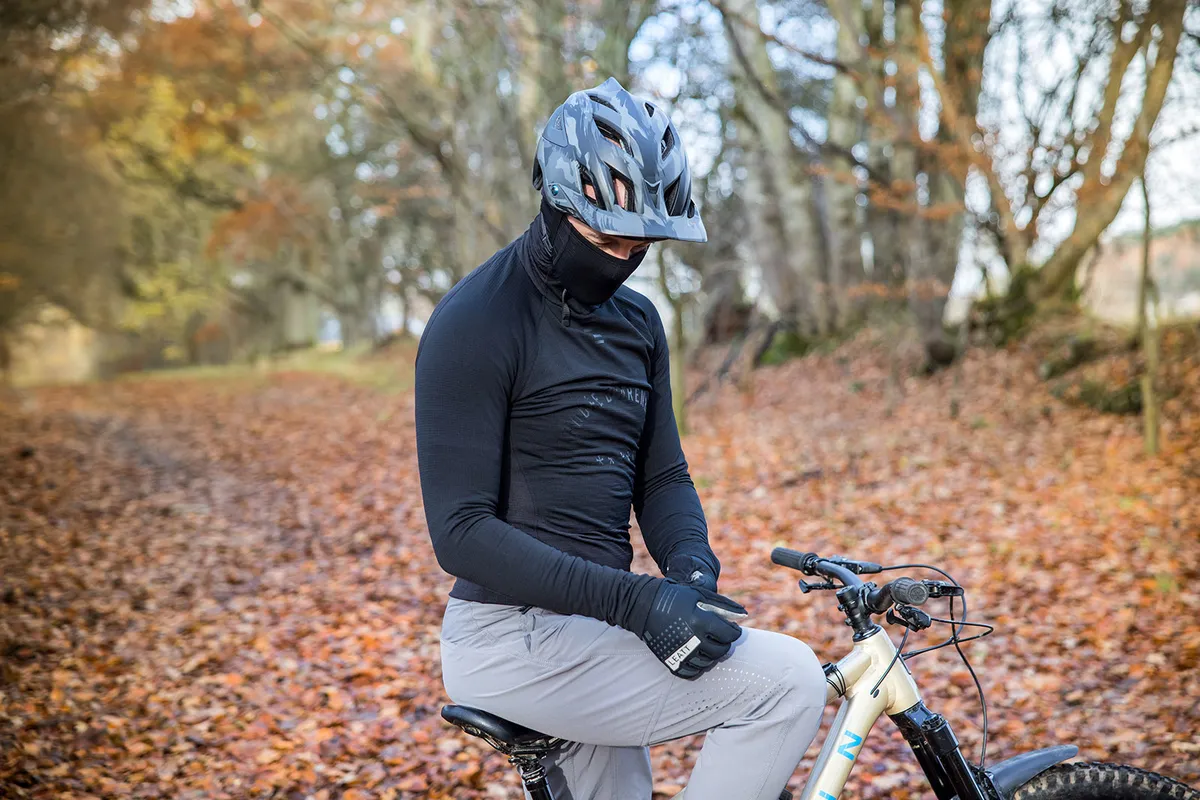
Rapha's Men’s Pro Team Thermal Base Layer is designed for the coldest conditions, with the in-built snood proving more than a gimmick and helping to prevent heat escaping from the neck.
While it's designed for road riding, the Pro Team Thermal Base Layer works well for mountain biking, with the cut suiting a riding position more than standing.
The baselayer sizes small, but our tester found the arm length to be plenty long, with elastic cuffs.
Santini Grido
- £100 / $125 / €109 as tested
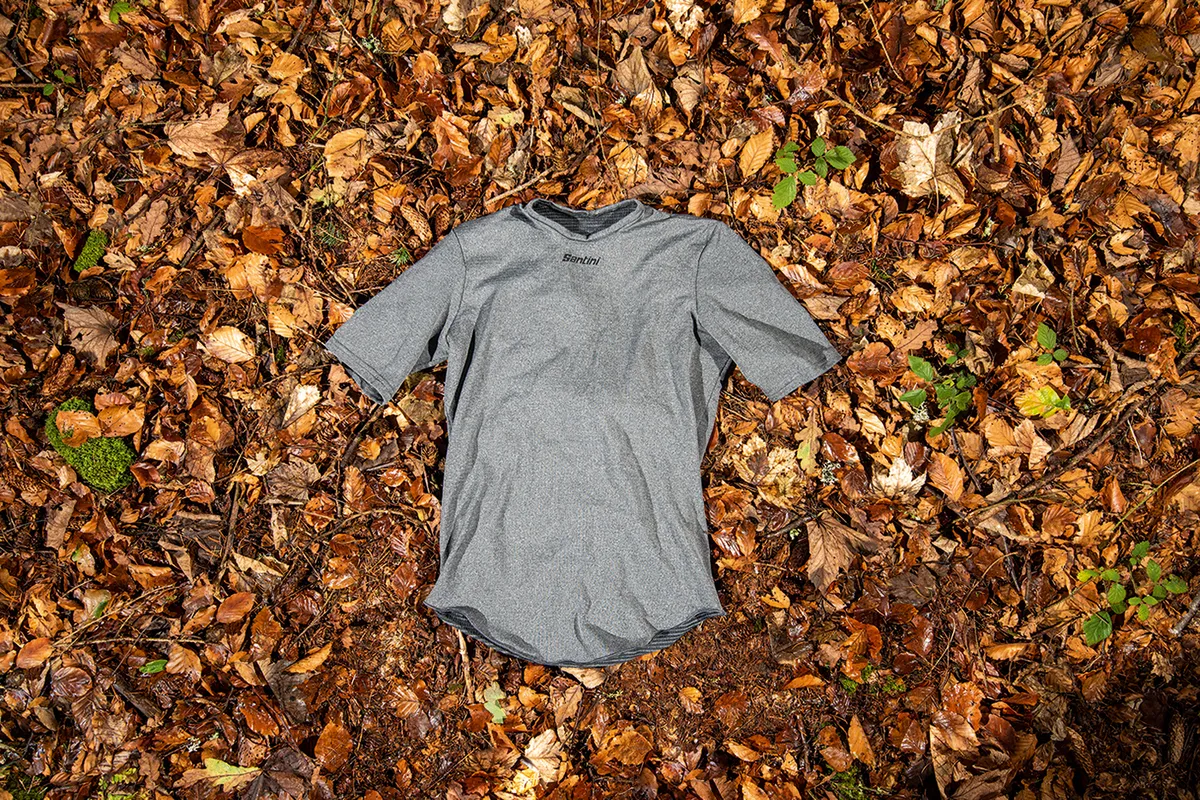
- Short-sleeved thermal baselayer that's good for cooler summer days
- Comfortable Polartec Powerwool fabric
We questioned the logic of a thermal baselayer with short sleeves, but it does have its place – for example, worn on a cooler summer day under a thin jersey.
With a Polartec Power Wool layered combination of stretchy synthetic on the outside and Merino on the inside, Santini is attempting to combine the benefits of synthetic wicking with natural insulation and feel.
It certainly makes for a comfortable baselayer – the fit and feel are great, and it quickly drew a healthy following among our testers.
The price tag is hard to overlook, though, and there are other options that are as comfortable and high-performing at around half the price. Santini also makes a long-sleeved version of the same baselayer, which is definitely worth a look if your pockets are deep and the short-sleeved format doesn’t float your boat.
Sportful BodyFit Pro Women’s LS
- £60 / $95 / €54.90 / AU$89.95 as tested
- Very warm for your colder rides
- Technical knit is soft against the skin but breathes well
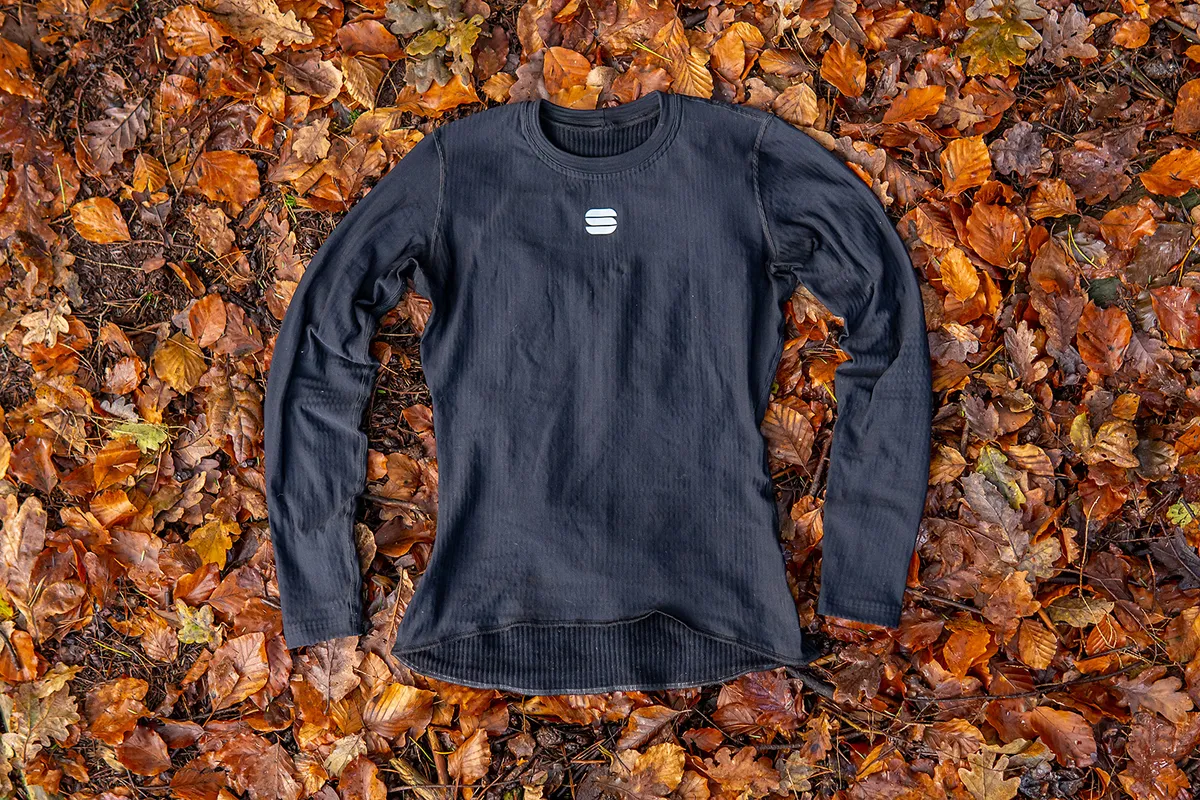
The Sportful BodyFit Pro baselayer is made from a polyester/elastane blend, with a fleecy inner face and thin mesh outer, which Sportful says is designed to fit close and provide insulation and breathability. There’s a high crew neckline and plenty of length.
It’s a good option for really chilly rides, but a little too warm once the temperature heads up over 5ºC, although it handles sweat well and stays dry. The synthetic fabric does get whiffy though and this didn’t entirely wash out in the laundry, so this is one for day rides rather than multi-day trips.
How do baselayers work?
Some baselayers wick moisture away from the skin through capillary action (the fabric’s inner face has lots of tiny voids to make it porous), while others do it using hydrophilic coatings that work to actively draw moisture through the garment.
Either way, the idea is to move moisture away from the skin, in order to help regulate body temperature.
What are baselayers made from?
Polyester vs Merino wool
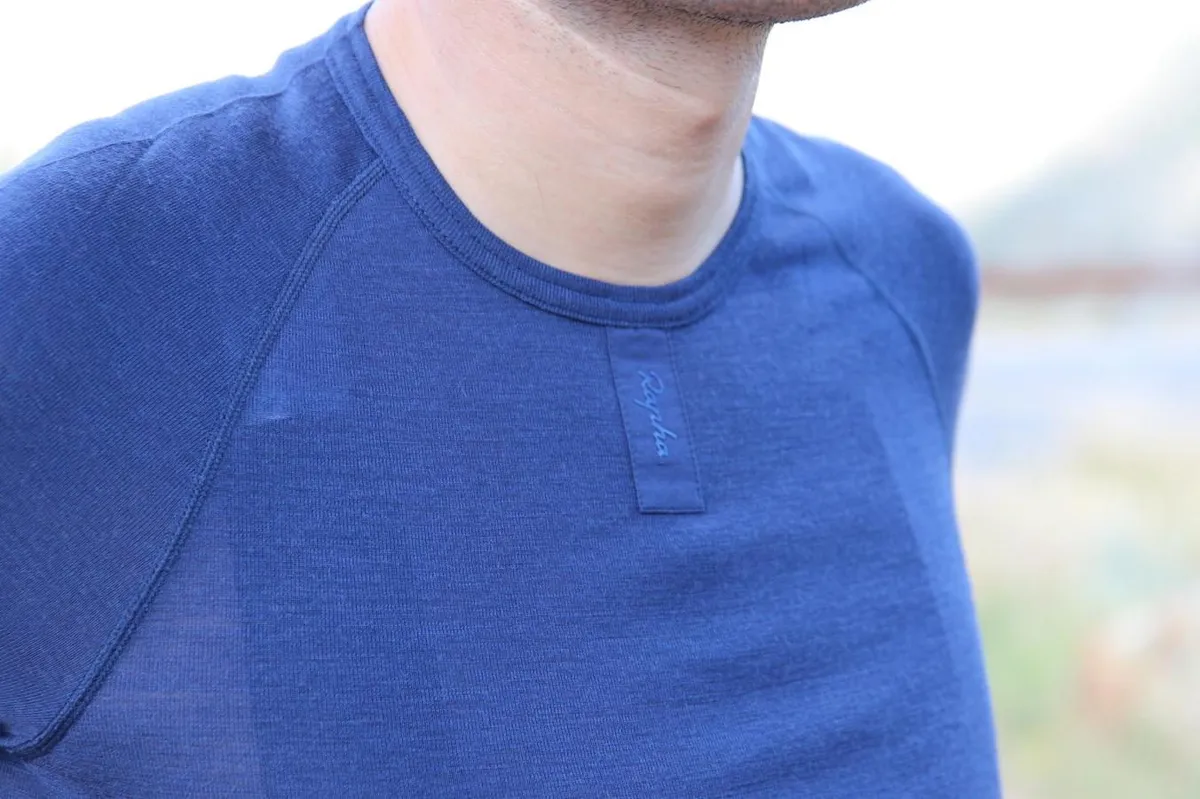
Broadly speaking, baselayers are made from synthetic fibres (such as polyester blends) or natural fibres (in most cases, Merino wool).
Synthetic fibres can be manufactured with hollow channels to aid the wicking process and can be incredibly efficient at moving sweat and drying quickly. The downside is they get smelly fast, so most now come with some form of antibacterial treatment.
Merino wool is naturally antibacterial, so it can be worn for extended periods without needing washing, and often feels luxuriously soft against the skin. However, it doesn’t wick as well, takes longer to dry and can feel damp next to your skin, although it does still maintain its ability to insulate.
Many higher-end baselayers are now made from a mixture of wool and synthetic fibres, for the optimum combination of comfort and performance. This means they provide a lot of warmth at a lighter weight and dry faster than pure wool. The fabric is usually layered so that the synthetic fabric is against the skin to wick moisture, but the Merino adds extra insulation on the outer surface.
What to look for in a baselayer
When it comes to choosing a baselayer, there are other things to consider besides the material it’s made from.
It's also important to think about the fit, thickness of material used, warmth you'll need from it and odour management.
Warmth (but not too much)
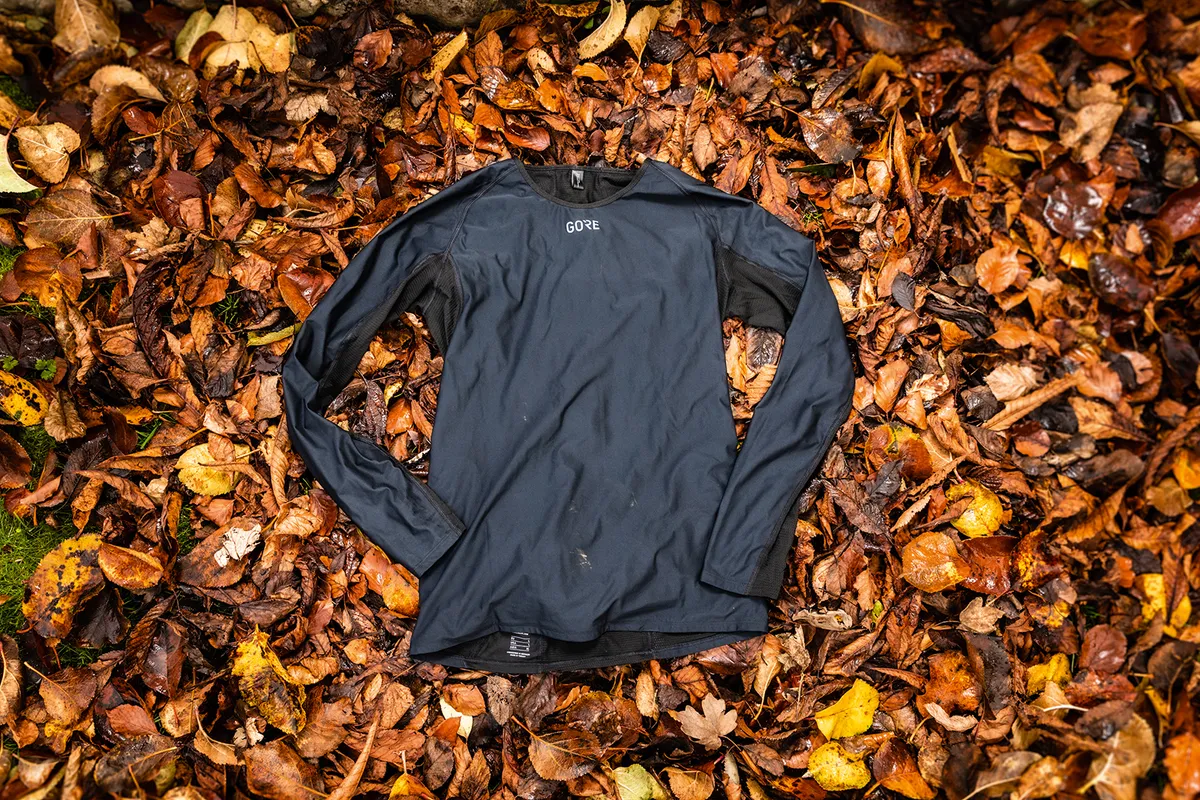
Baselayers provide warmth by trapping air next to the skin. This effect is due to the weave design, the fabric fibres used, or a mixture of both. The colder the conditions, the thicker the baselayer.
How warm you want your baselayer depends on how warm you naturally are, and how warm you want to stay. Some folk can ride in sub-zero conditions with just a thin baselayer and a shell, while others need three inches of fleece just to go out in autumn.
For ultimate warmth, some baselayers have a windproof panel integrated into the front, but this can come at the cost of breathability when you're working hard.
Baselayers aren't just for cool or cold conditions, though. Many riders swear by baselayers throughout the year, even in the heat of summer, when a lightweight or mesh baselayer can help keep you comfortable by moving sweat away from the skin.
Long, short or no sleeves?
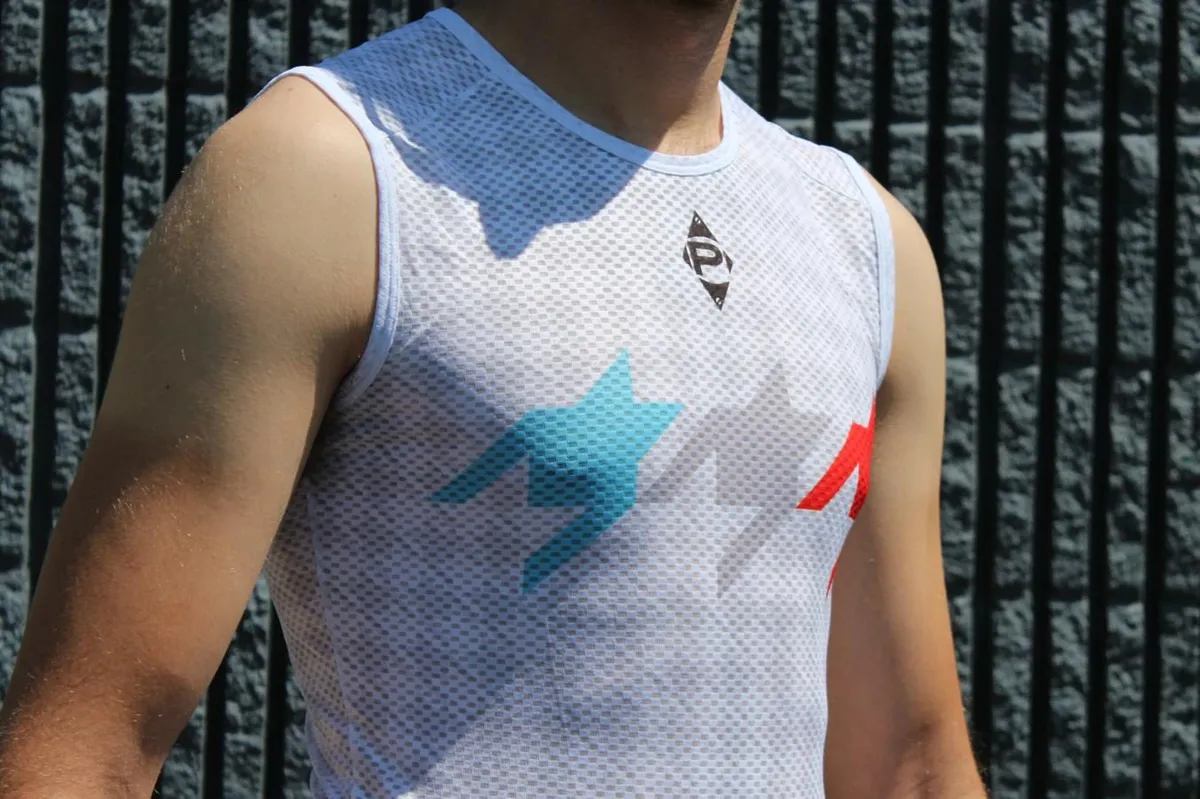
Assuming you want sleeves, the first thing to consider is how long you want them to be.
You won’t want a long-sleeved baselayer if all your jerseys have short sleeves. In terms of versatility, short-sleeved baselayers will work with long- and short-sleeved jerseys but won't be as warm in winter. You may find the sleeves bunch up around your shoulders, especially underneath some of today’s closely tailored tops.
Whether you prefer short or long sleeves, you’re better off going for ones that use a raglan design. Raglan sleeves extend over the shoulder and all the way up to the collar. The design provides more freedom of movement for your arms and uses a diagonal seam that runs from your armpit to your collarbone, rather than circling your shoulder.
The other option is to go sleeveless. If you can’t bear to go without a baselayer on even the hottest days, a sleeveless, string-vest style garment might be the way to go.
As few seams and zips as possible
As a general rule, you want as few seams and zips as possible. The reason for that is simple: a baselayer is worn close to your skin, so you’ll want to try to avoid anything that might catch, nip, rub or irritate.
That said, you can’t avoid seams entirely, so look for garments with seams in places that won’t interfere with your movements. Seams that are flatlock stitched rather than cover stitched are less likely to irritate the skin because the joint between fabric panels is level rather than lipped, so they’re the ones to seek out.
Some fabrics use contour mapping, which changes the weave of the fabric so that the structure can map to the body's shape without the need for numerous panels and seams.
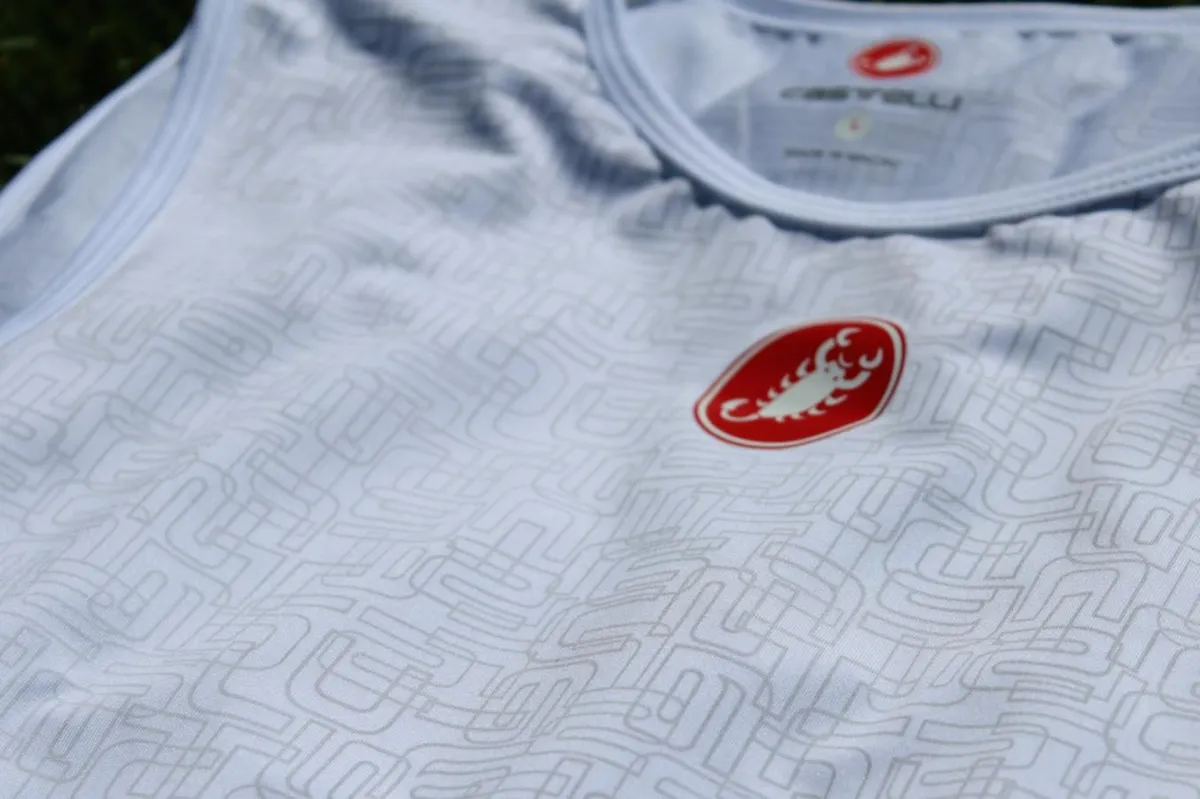
Odour management
Baselayers do get smelly, so any material that delays the build-up of bacteria is a bonus. Merino naturally resists odours – wool fibres are smooth so there's nowhere for bacteria to hide and fester.
Unfortunately, the rougher fibres of synthetic baselayers are great for breeding bacteria. Some tops use a microbacterial treatment that fights them off for a bit, but within a few rides all synthetic tops will have a… certain nasal ambience.
The answer is easy, of course – wash your baselayer(s) regularly – but it's something worth considering if that's not something you can do easily (on a multi-day tour or bikepacking trip, for example).
Some high-tech synthetic tops use activated carbon-treated fabric to hold in the odours and release them during the wash and dry cycle.
Season-appropriate collars
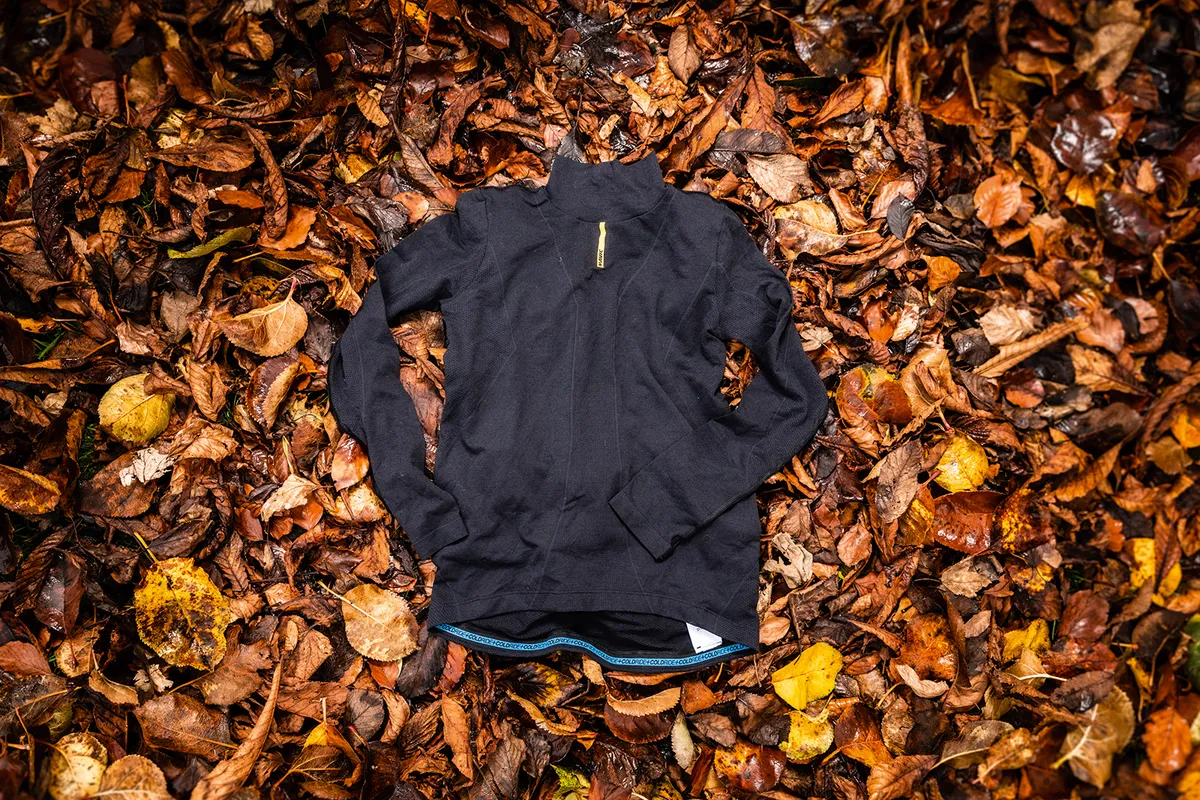
Some baselayers have high collars and are generally geared more towards winter use, so may be too warm to wear in the summer months.
A lighter baselayer with a lower collar is more suitable for warmer weather and can be worn with a high-collared jersey/jacket and neck warmer when the mercury drops.
Longer hems
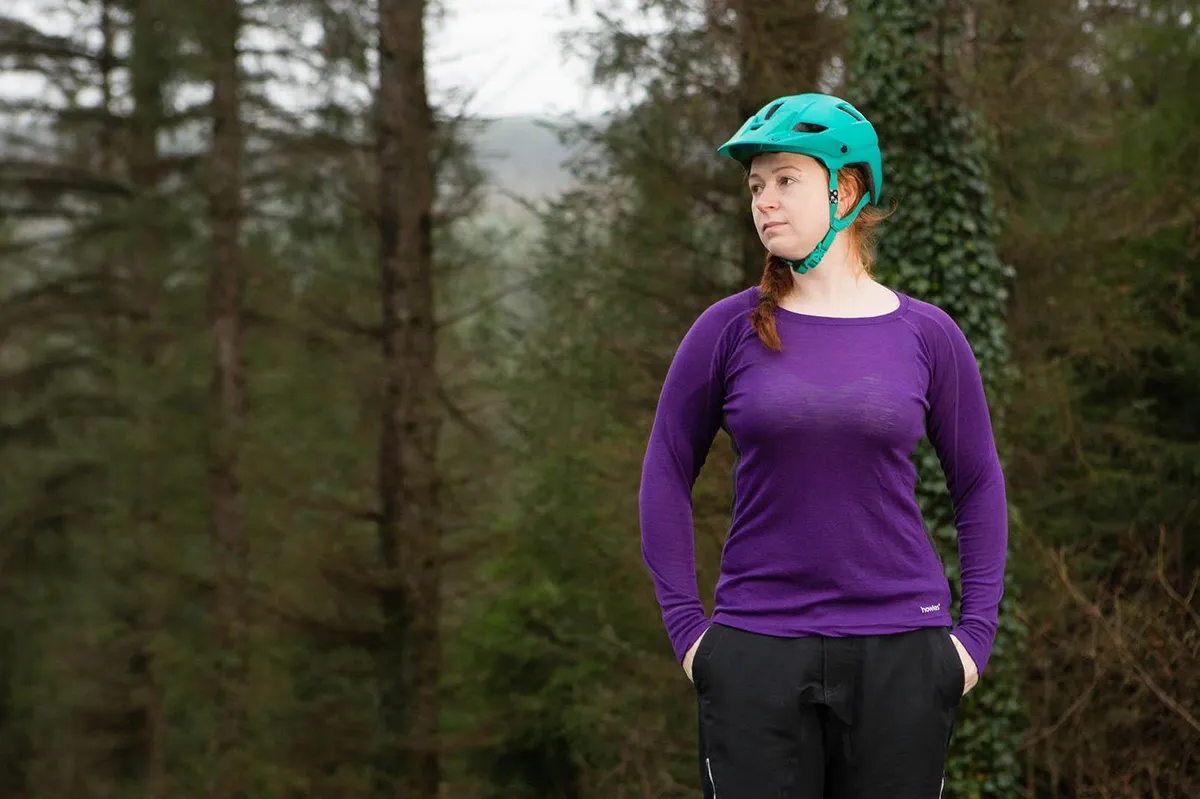
The bottom of the baselayer is just as important as the top and it’s worthwhile looking for one that extends down a little further than the typical non-cycling top.
It doesn't necessarily need to be a cycling-specific cut, but a baselayer with a longer body provides more coverage and also more material to overlap, so you’re less likely to be exposed if your jersey rides up or shorts slide down.
Meanwhile, an articulated cut will ensure the sleeves follow the bend of your elbows when you’re in an active position on the bike, rather than being left straight. This is generally comfier and prevents the fabric from riding up or bunching.
Thumb loops on long-sleeve baselayers can help keep your hands warmer in winter. They are also great for holding your sleeves in place when you’re layering up or wearing winter gloves on top.
Caring for your baselayer
For the most part, baselayers can be thrown in the wash with the rest of your gear, but given they're usually made of soft materials it's best to avoid washing them in the same load as garments with Velcro because snags can potentially ruin a baselayer.
If you're worried about snags, consider using a wash bag (or, if you don't have one, a pillowcase also works).
To limit a baselayer's smelliness you may want to wash it in hot water to get rid of any stowaway stinky bacteria. But be sure to check the washing instructions before you put your baselayer in a hot wash, because Merino can shrink at high temperatures. Also, take note of drying instructions because this can shrink baselayers too.
If you've got a baselayer that can't be washed in hot water but smells like you've just worn it on a five-hour ride when it's fresh out of the washing machine, Nikwax and Grangers make detergents specifically to take care of the odour-causing bacteria that can build up on your wicking layer. Assos and Rapha also make similar active washes.