Workshop: How to remove and replace disc brake pads
If your brakes are squealing more than normal, there's been a noticeable drop-off in power or you can hear a grinding noise when you pull the lever, chances are the pads need replacing.
This easy-to-follow guide will show you how to remove the pads from the brake calliper, check that they need replacing, and talk you through installing a new set. Ideally, pads should be checked every month to avoid damage to the rotors.
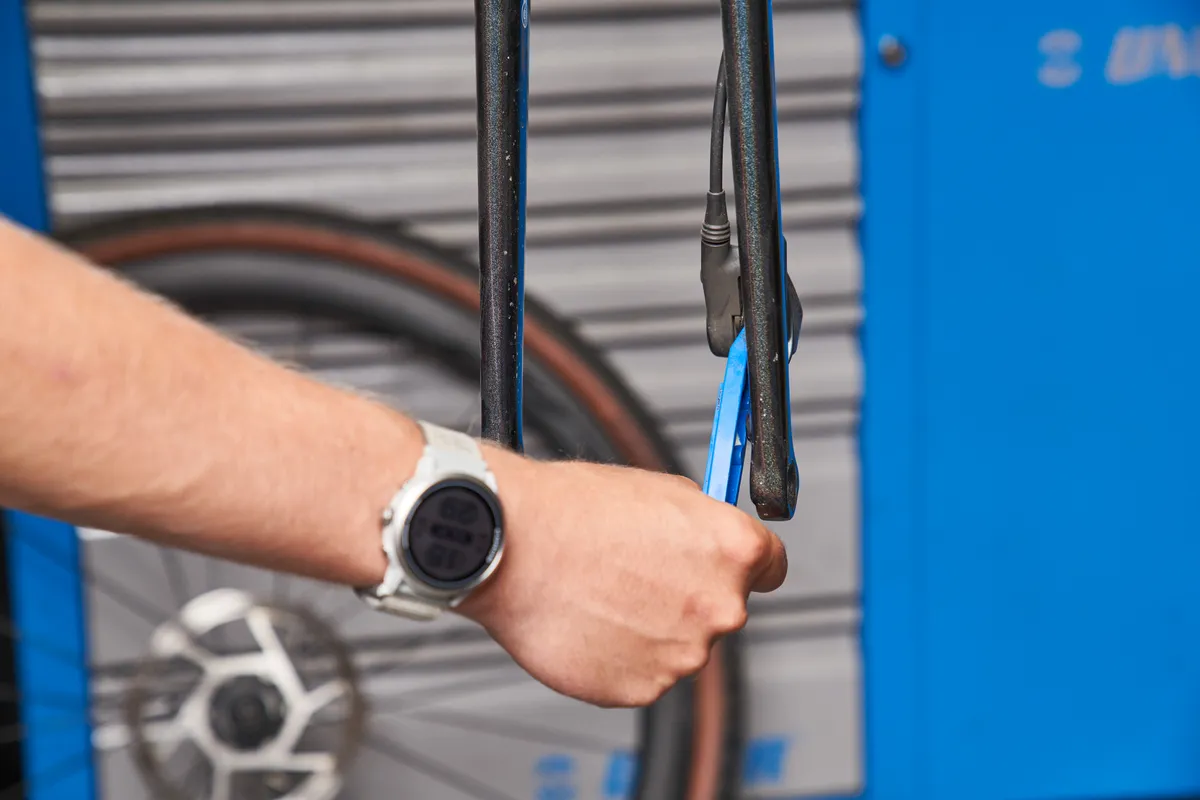
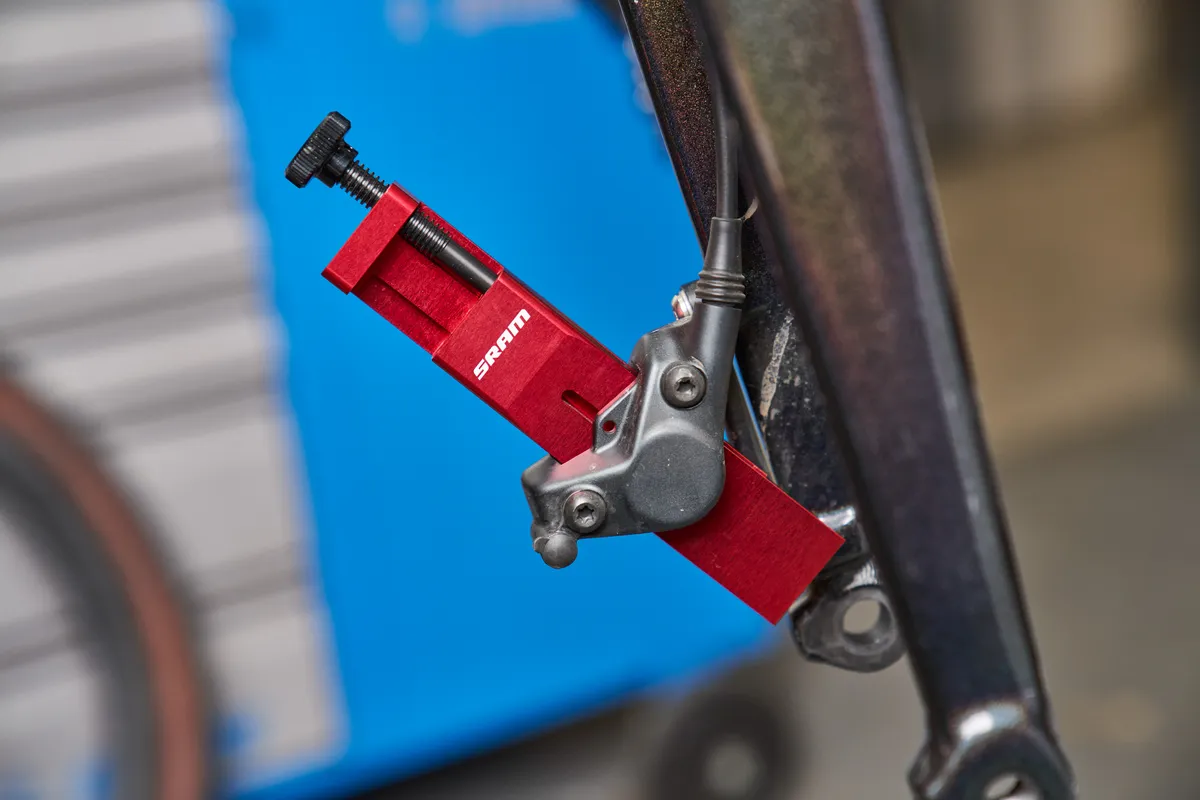
1 Remove calliper
Most brands of disc pads are easier to change if you can hold the calliper in your hand, especially the front ones where the proximity to the fork leg can cause issues getting your fingers into the right places.
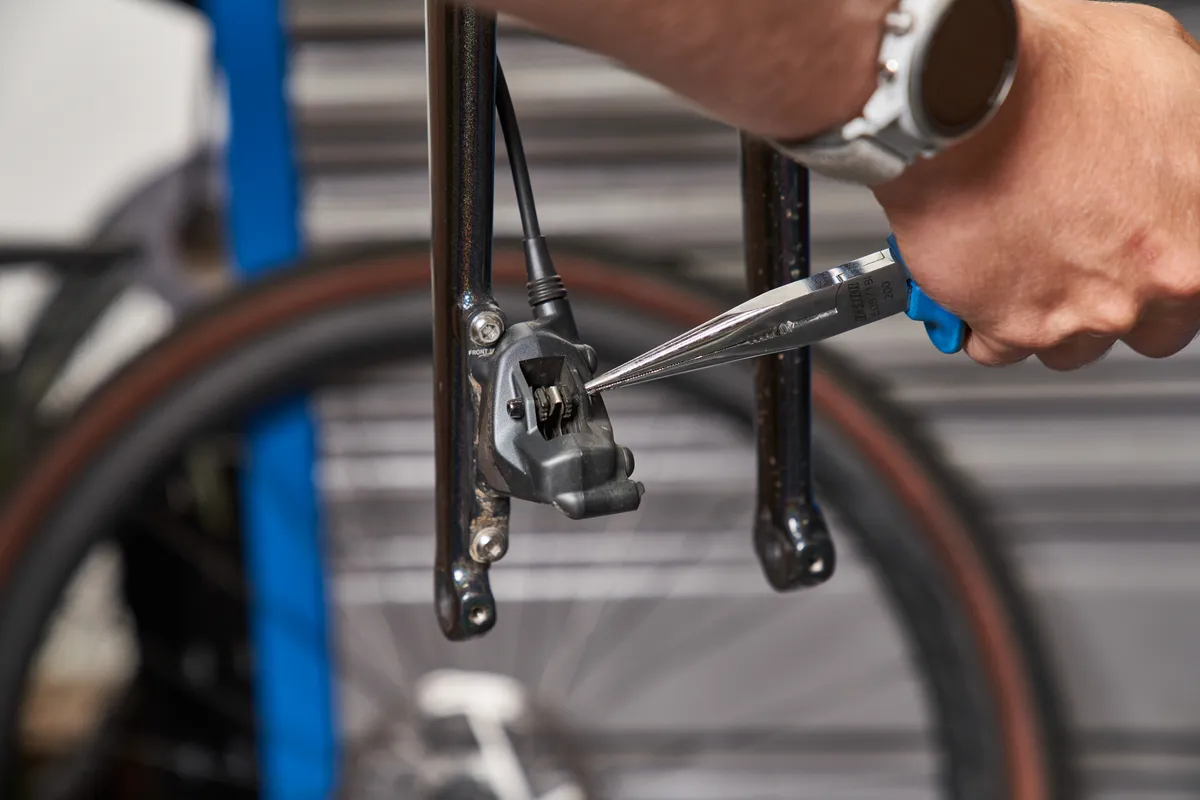
2 Remove circlip
Hope and Avid both use a circlip or safety wire to keep the retaining pin in position. Don’t lose this as, without it, the brake isn’t safe to use because the pin can retract and the pads drop out during a ride.

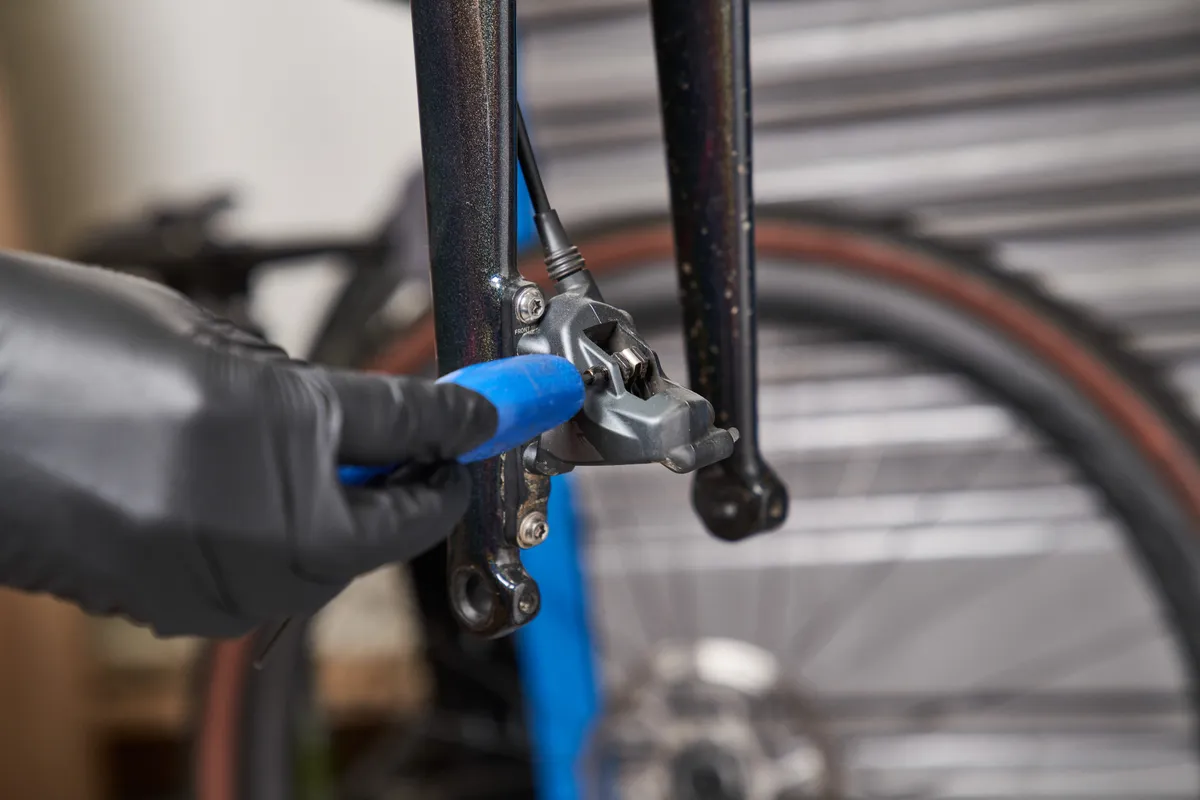
3 Remove the pin
Some of the retaining pins screw in (Magura, Avid, Shimano) while others are press-fit (Hope). If the pin’s manky, give it a good clean, as the pad’s ability to slide easily along its length is critical to smooth brake performance.

4 Remove old pads
Some pads like Shimano and Hope slide out, Avids sometimes need a bit of a waggle to free them from the pistons, while the Magura Marta needs a slight rotation to free the L-bend tab (which has the retaining pin hole in it).

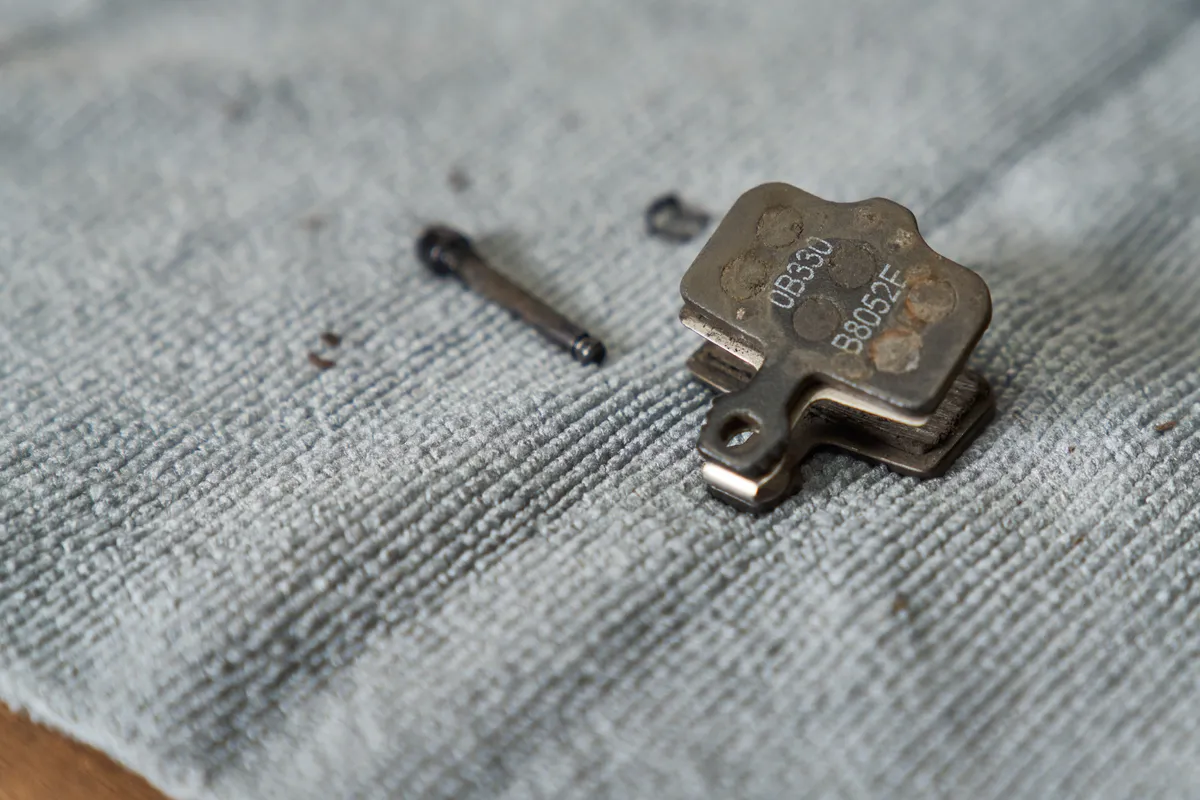
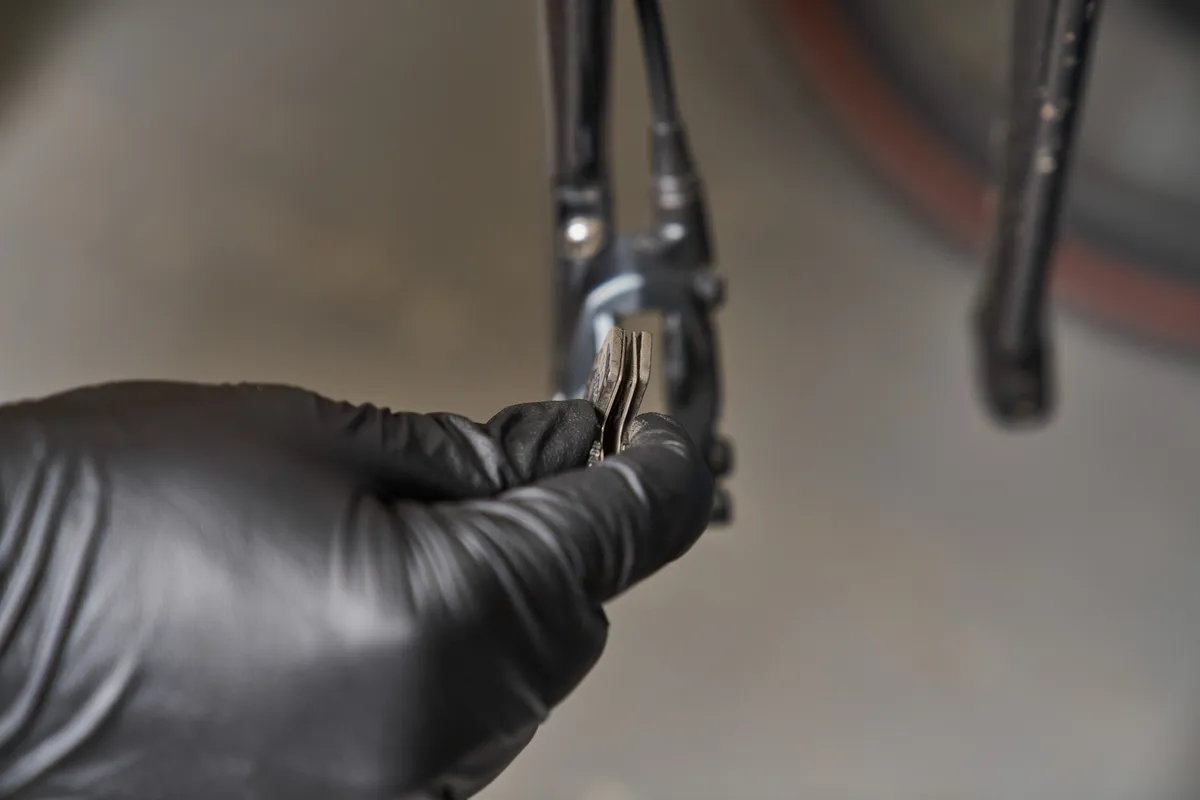
5 Inspect pads
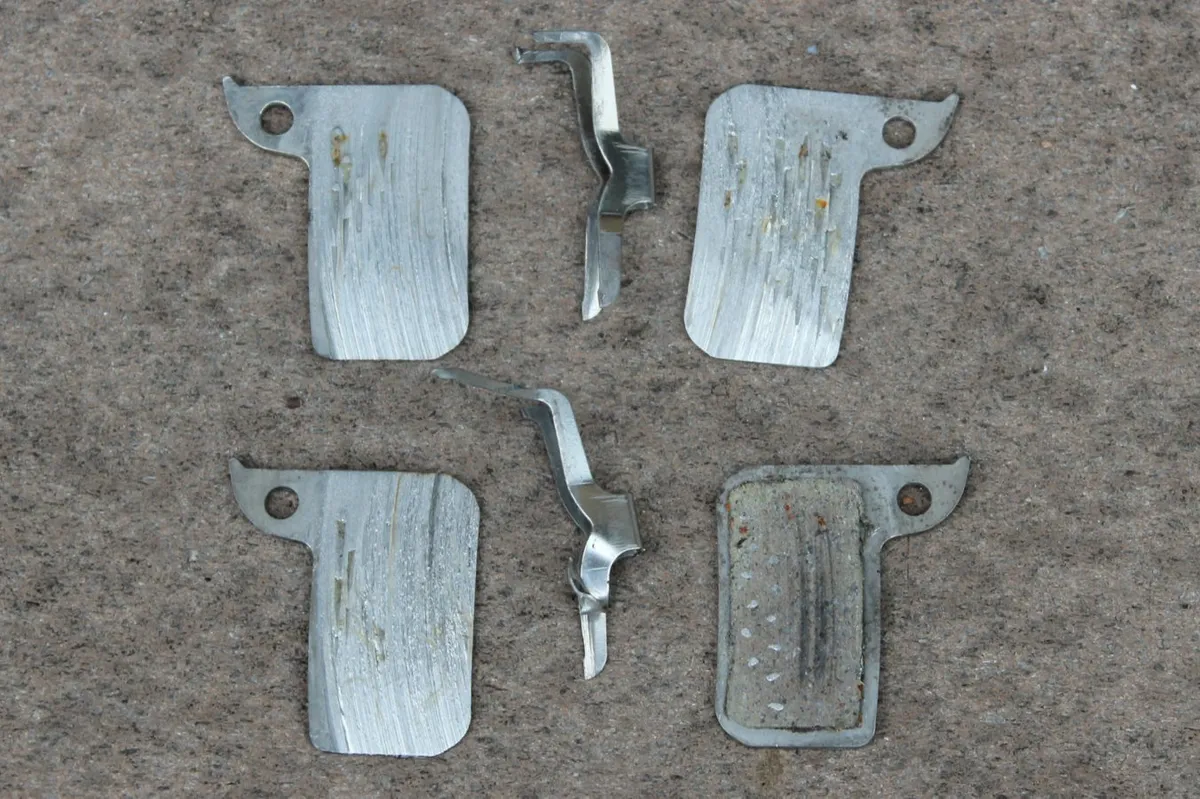
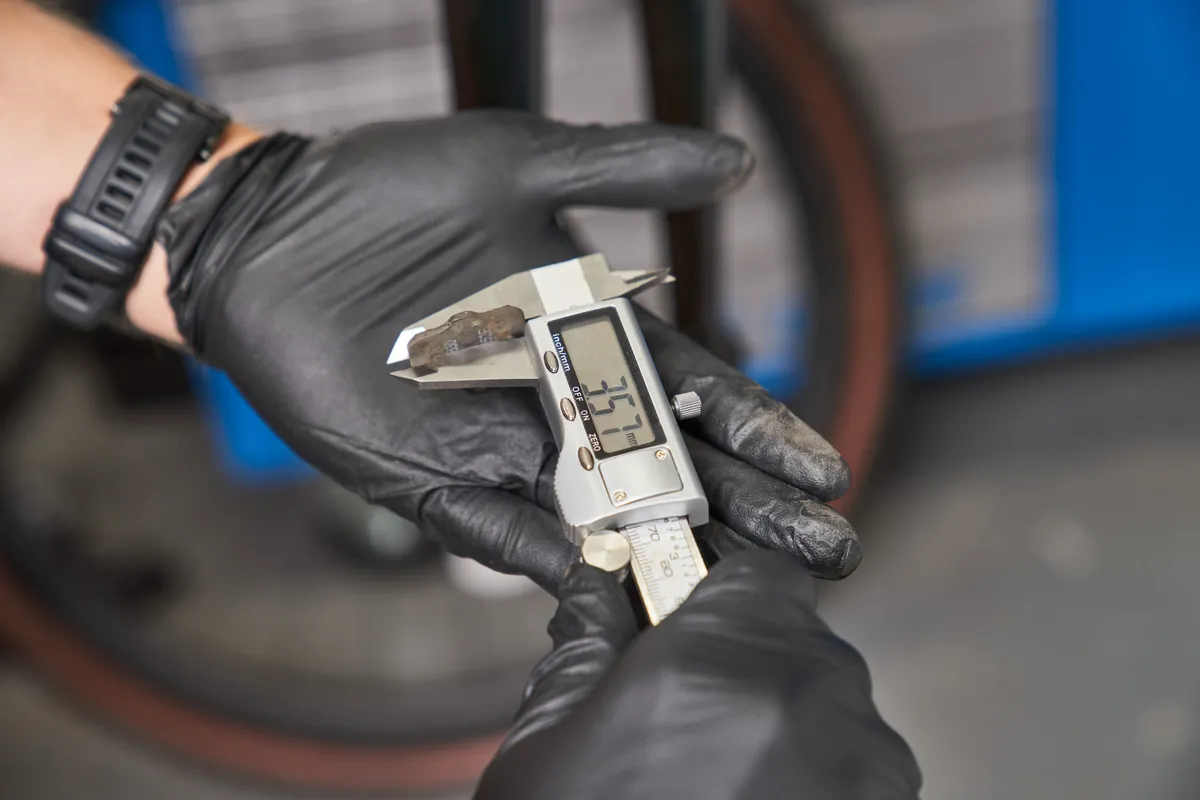
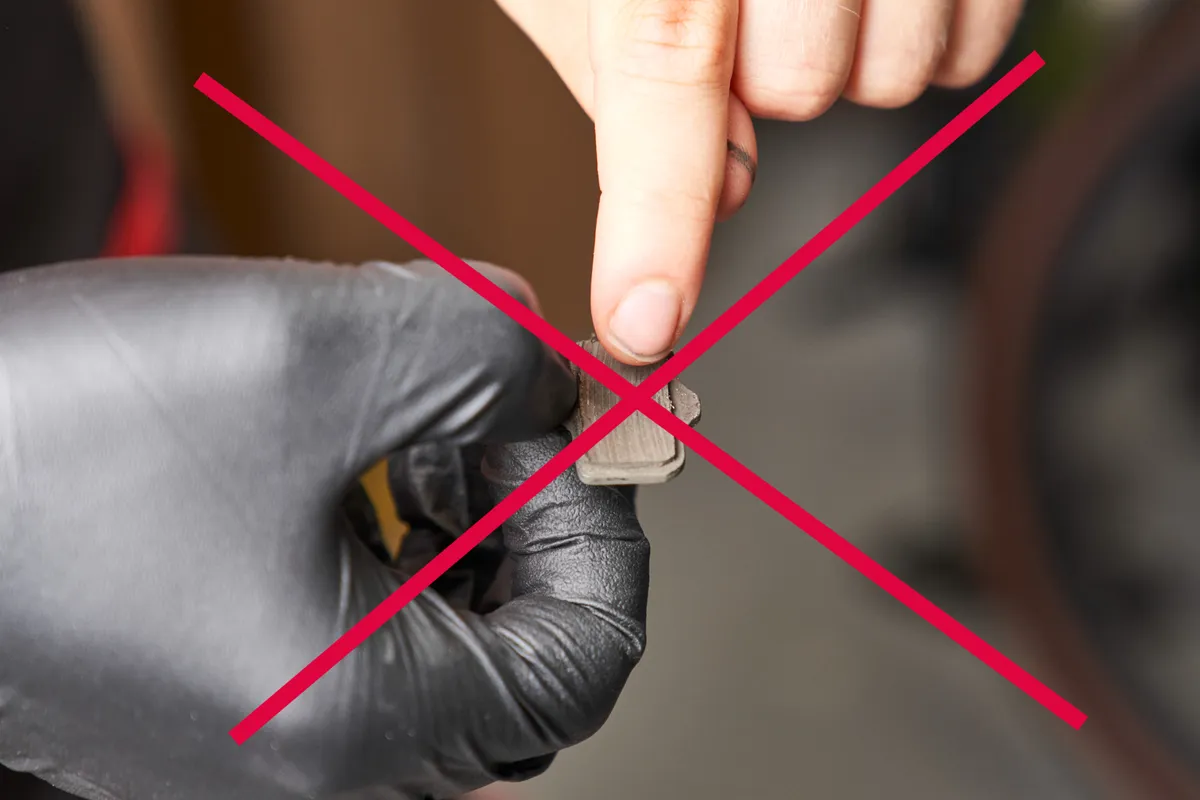
Deciding whether or not to replace the pads is simple. Some manufacturers use a gauge of sorts, such as the little bump found on Magura pads (shown on right in picture below). However, most pads should be replaced just before the compound reaches the thickness of the return spring (shown on +left below). Inspect the pads’ contact surfaces. Partially worn pads can sometimes be improved with cleaning. Glazed pads have a shiny hard surface with curved wear ridges in the shape of the rotor. Revitalise them by roughing up the surface with coarse sandpaper or a file.

6 Choose replacement pads
If your pads are past it, you have to decide whether to buy resin (also known as "organic") or sintered (semi-metal) replacements. Resin pads provide good stopping and produce less heat but don't last long in dirty conditions. Sintered pads squeal and heat up more but bite better and last longer when it gets wet.
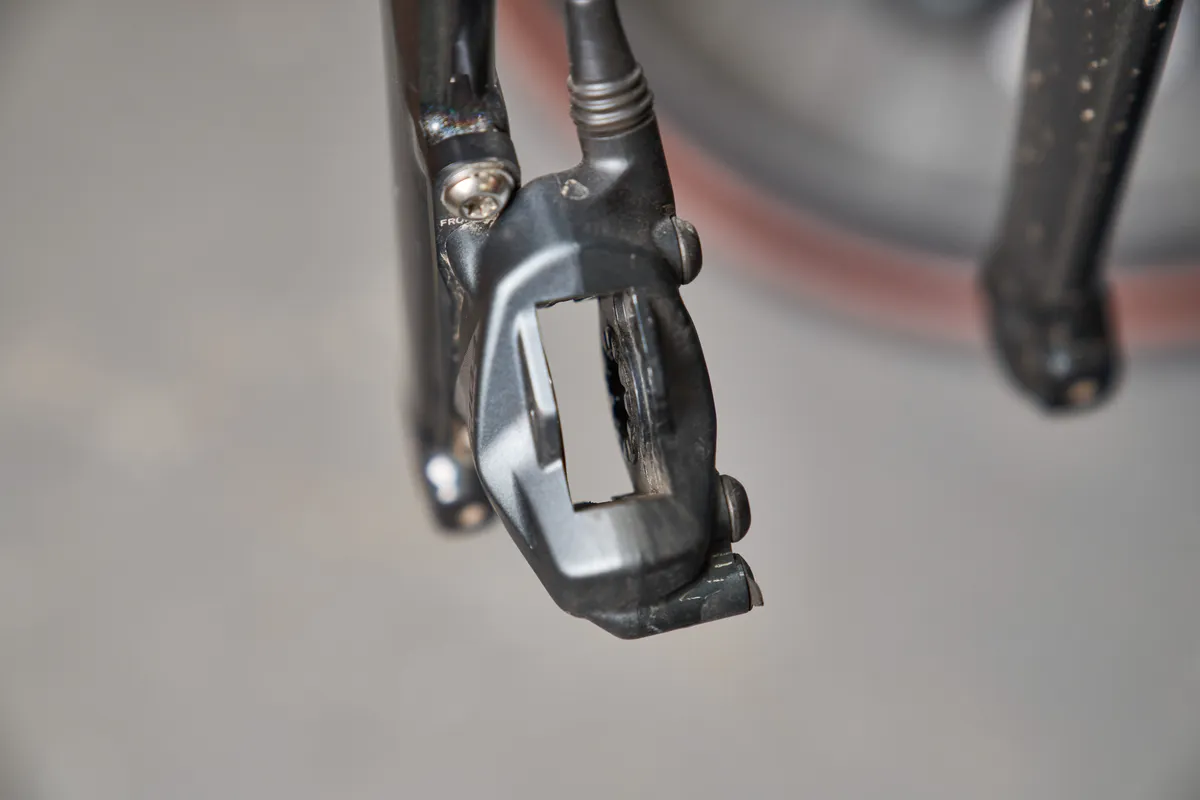
7 Calliper care
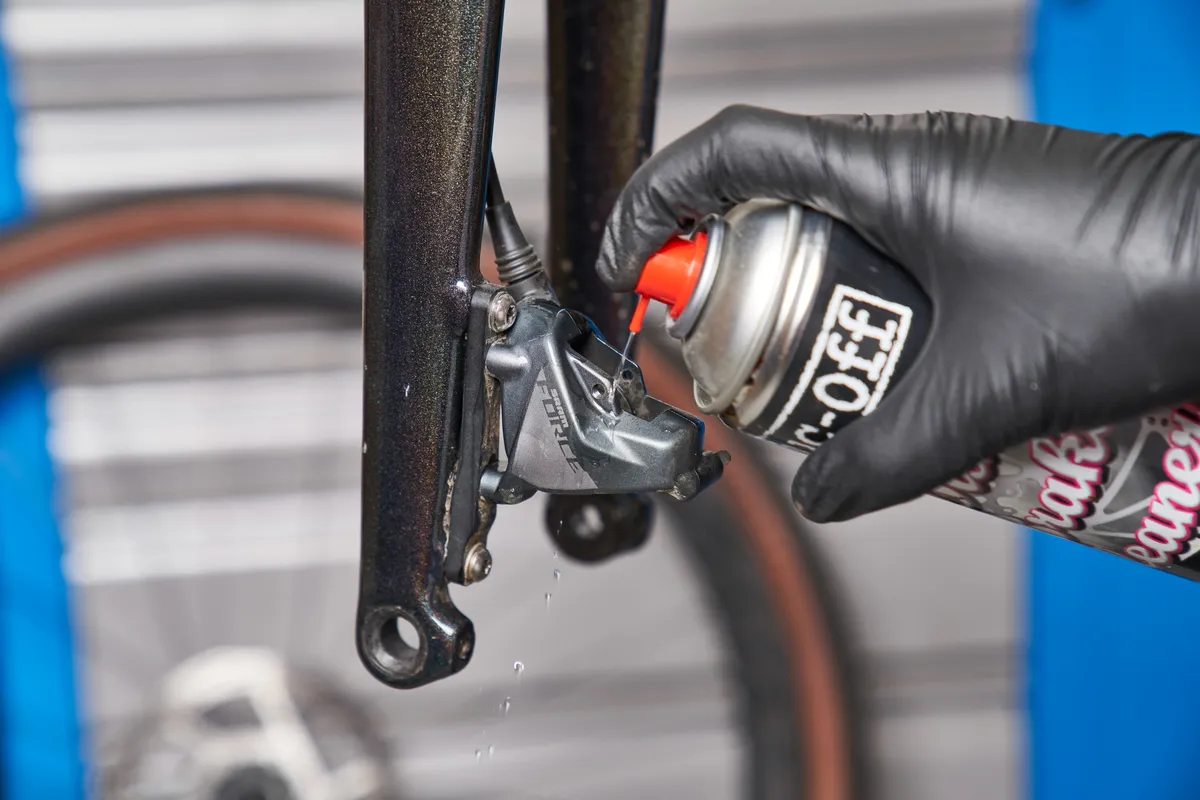
If you’ve ever wondered where the old brake pad material goes, look inside the callipers, especially the front one. Pick out any trail crud then use a cotton bud soaked in brake cleaning fluid to clean the black brake dust off.

8 Use new spring
Always swap out the old spring for a new one because aftermarket pads may not be identical, and without a fully engaged spring the pad retraction could be compromised, leading to rubbing disc rotors.

9 Insert new pads New pads should slide straight in. Be careful the spring doesn’t slip out of position; if the steel arms of the spring slip the wrong side of the pad (Avids are prone to this) it ruins the action. Remove and refit until correct.

10 Test action
With the retaining pin and safety circlip (if your brakes have them) fitted and the calliper remounted, give the brakes a dozen good pumps to ensure that the pads are seated and retracting properly. Do this before riding.

Related articles
You can follow BikeRadar on Twitter at twitter.com/bikeradar and on Facebook at facebook.com/BikeRadar.
User Comments
There are 16 comments on this post
Showing 1 - 16 of 16 comments
-
Banjowhacker
Posted Wed 3 Mar, 10:18 am GMT Flag as inappropriate
If you're going to giving a how-to on such a basic bit of maintenance then i think it's safe to assume that you're dealing with a low level of mechanical knowledge in anyone following your guide. Therefore, i think you ought to mention the following:
* you will probably need to push the brake pistons back with a plastic tyre level or similar in order to fit the new pads (which will be thicker than the old, worn ones); and
* don't pump the brakes to seat the pads unless you've also reattached the wheel and the disc has slotted into the calliper body between the pads (otherwise you'll have to prise the pads apart with a flat-bladed screwdriver).
-
russ0228
Posted Wed 3 Mar, 12:49 pm GMT Flag as inappropriate
just showed this to the mechanics in our workshop........ they had a good old laugh at this.
fristly the brake shown (elixer) does not need to ne removed form the fork to have the pads removed. as they can be pulled out from the top of the unit. its as simple as that. the elixer's can have there pads remove and reintalled in under one minute.
secondly we cant think of a single other brand of brake caliper where you need to remove the caliper.
gotta love these intructions from bikeradar....... they give us a giggle if anything else
-
Shezzer
Posted Wed 3 Mar, 1:50 pm GMT Flag as inappropriate
In fairness they didn't say you NEED to remove the callipers just that it might be easier if you can hold them in your hand. I don't remove my callipers but it's no big deal if someone wants to.
-
dilemna
Posted Wed 3 Mar, 4:22 pm GMT Flag as inappropriate
Yeah I was wondering why they removed the caliper when it isn't necessary and didn't metion pushing the caliper piston out to get the new pads in. Neither did they mention checking the disc for wear or on refitting the caliper so it sits true and square in relation to the disc. Neither not to press the brake lever until the caliper is back on the disc or a substitute disc is put between the pads for testing. Very basic info with large chunks missing.
-
boneyjoe
Posted Wed 3 Mar, 5:30 pm GMT Flag as inappropriate
The last time I tried replacing pads, despite every effort (over several hours!), I couldn't create enough space between the new pads for the rotor to spin freely. LBS said they had to remove some of the fluid from the brake to get it working properly again. Why is it that even simple jobs are often not simple!
-
klerric
Posted Wed 3 Mar, 5:55 pm GMT Flag as inappropriate
before you take the old pads out remember to push pback the pistons with a large flat headed screedriver this will ensure the new pads fit spot on.
-
GrantTaylor
Posted Wed 3 Mar, 6:46 pm GMT Flag as inappropriate
Everybody is an expert.
-
sturmey archer
Posted Thu 4 Mar, 8:26 am GMT Flag as inappropriate
It"s obvious, Bike radar gave out a bit of duff information just to see if anyone was taking any notice.Messing with someone"s caliper is no laughing matter russo228 ,you can imagine the oily nerds in the workshop passing this around exclaiming have you seen what they telling them to do now,they"ll get somebody killed.Stop surfing the net and serve acustomer.regards
-
chillibeer
Posted Thu 4 Mar, 9:03 am GMT Flag as inappropriate
The level of snobbery that these workshop sessions generate is amazing. Some of us don't have a workshop full of mechanics to go and talk to, yes I'm talking about you, rus0228.
I've just bought a bike that has those very brakes fitted and I found it useful to find out if they had any peculiarities, turns out they don't but at least I know now.
Lighten up internet community and give the Bikeradar guys a brake (get it? break).
-
jamescw@BikeRadar
Posted Thu 4 Mar, 9:36 am GMT Flag as inappropriate
'We cant think of a single other brand of brake caliper where you need to remove the caliper.'
Plenty of brakes have bottom-loading pads (Hayes HFX 9, Stroker, etc) which means you either have to flip the bike upside down and remove the wheel - in which case, as the article says, the proximity of the fork legs can make things tricky - or simply unscrew the calliper.
Some of the other points are valid but this was designed as a basic guide to swapping brake pads, aimed at beginners. For more detailed advice, see the 'Step-by-step guide to quiet disc braking' under the Related Articles.
-
russ0228
Posted Thu 4 Mar, 11:55 am GMT Flag as inappropriate
are you serious chilibeer.
bike mechanics are the least likely bike snobs around.
here's an idea bikeradar. lets have a how to section where you show how to tie our shoe laces up but asking us remove the shoes first!! or a how to wash our windows and asking us to remove the windows first. ;-)
-
Britalin
Posted Sat 6 Mar, 6:32 am GMT Flag as inappropriate
Hey Russ I think it's safe to say you must be an incredible mountain biker and your quick wit and candor are commendable, but your lack of comedic value astounds even the layest of men. That being said, I think if you follow these three steps you will avoid catching hoofNmouth disease again. 1st grip head with both hands. 2nd stabilize feet and secure footing. 3rd apply even amounts of pressure and pull quickly. I'm sure this will help you remove you head from your butt and thus solve you problem. OK Russ I'm just messin with ya, BUTT I was CRACKing myself up and had to write something. I kid cause I care!!! LOVE BIKE RADAR BY THE WAY, KEEP UP THE GOOD WORK!!!!
-
Britalin
Posted Sat 6 Mar, 6:36 am GMT Flag as inappropriate
Hey Bike Radar, are there any prizes for.................. (sorry ADD kicked in and I saw something shiny) the funniest comment?
-
russ0228
Posted Sat 6 Mar, 10:22 am GMT Flag as inappropriate
lol good remarks britalin. loving the humour. i couldn't of said it better myself.
at least some of us here can take a joke........ :-)
next time you are up in my neck of the woods (aberdeen) i can teach my incredible skills.........
well of to watch tna. whuuuuuuu
-
lovelybones
Posted Mon 22 Mar, 6:20 pm GMT Flag as inappropriate
I am the 'assumed beginner with low level knowledge of maintenance' so without the hint of sarcasm could someone kindly give advice, to a girl who has decided to take the big step in going it alone, on how to get that darn pin back in the rear calliper. The front one went in with no probs but the rear one is testing my patience and about to get launched over the garden fence :-( By the way I have Shimano brakes and yes both pads and spring are nicely lined up but the bugger just doesn't want to go back in.
Advice much appreciated ;-)
-
Alwild
Posted Fri 9 Apr, 11:59 am BST Flag as inappropriate
my juicy three`s have a different way of changing the pads , theres a silver clip on the back of the caliper ,how would i go about changing these?