Today’s cyclists are spoilt for choice when it comes to bike computers. Gone are the days of one manufacturer dominating the market – over the last decade, a number of challenger brands have arrived on the scene to rival the established players on features, functions and price.
One of those disruptors is iGPSPORT. The Chinese manufacturer has a wide range of products, including GPS bike computers, smart bike lights and wearables such as heart rate monitors. But unlike newer emerging brands, iGPSPORT has heritage too.
Founded in 2012, iGPSPORT has built a reputation for well-designed, intuitive tech, and is trusted by more than two million users worldwide. It even has professional cycling credentials thanks to a partnership with Groupama-FDJ and four-time Tour de France winner Chris Froome as an ambassador.
The brand’s latest release, the BiNavi Ultra, is iGPSPORT’s new flagship bike computer, and with numerous features designed for long-distance touring, multi-day exploration and complex route navigation, it is the ideal partner for a cycling adventure.
Here are four of the iGPSPORT BiNavi Ultra’s most interesting innovations.
Next-level navigation
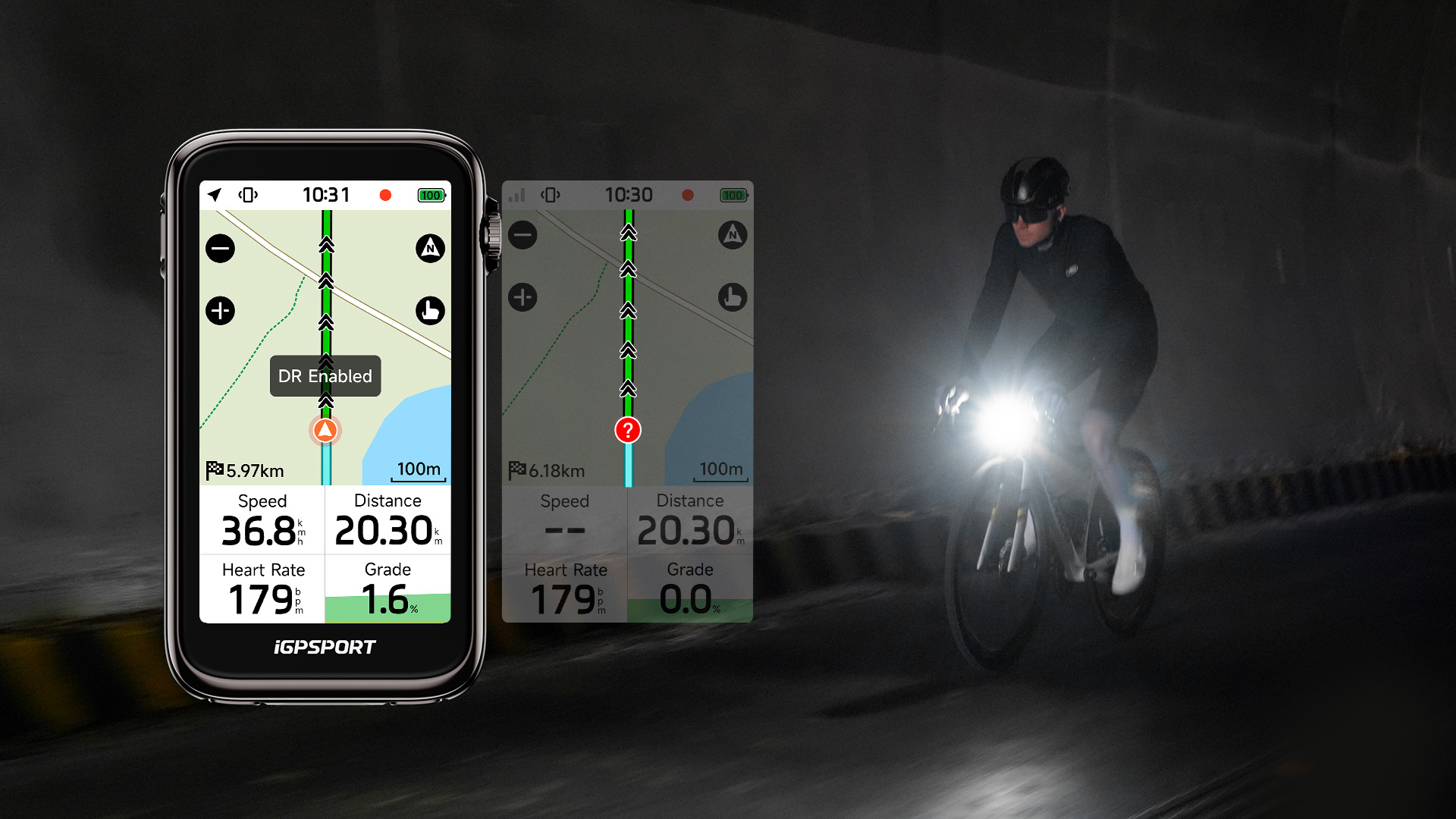
For a product with Navi in the name, the BiNavi Ultra understandably takes route planning and guiding seriously.
iGPSPORT aims to make route creation easy in the accompanying app, meaning you don’t have to use third-party platforms to plot rides or multi-day trips. Its Cycling Maps 4.0 software has integrated bike lane and path data for cycle-friendly routes, while points of interest include the necessities of touring such as scenic viewpoints, hotels, pharmacies, water refill stations and campsites.
For multi-day tours or stage-based bikepacking, the BiNavi Ultra eliminates file-management hassle with its Route Collections feature. Rather than hunting for individual GPX files every morning, you can bundle multi-stage itineraries into a single collection within the iGPSPORT app and transfer it to the device with a single tap. Once on the road, the BiNavi Ultra automatically recognises each route stage and transitions to the next leg as you ride.
All of the above can be done offline and without signal, so you aren’t stuck if you lose network coverage in remote regions. Also, the BiNavi Ultra’s built-in IMU (inertial measurement unit) navigation uses high-precision acceleration and velocity sensors to ensure stable navigation even with a weak GPS signal, keeping you on track when tackling complex terrain and environments such as tunnels, valleys, dense forests or urban areas.
Turn-by-turn prompts dynamically adapt to your ride context – offering simplified alerts on familiar roads to minimise unnecessary distractions, and detailed turn guidance when exploring unfamiliar routes.
Performance-focused perks
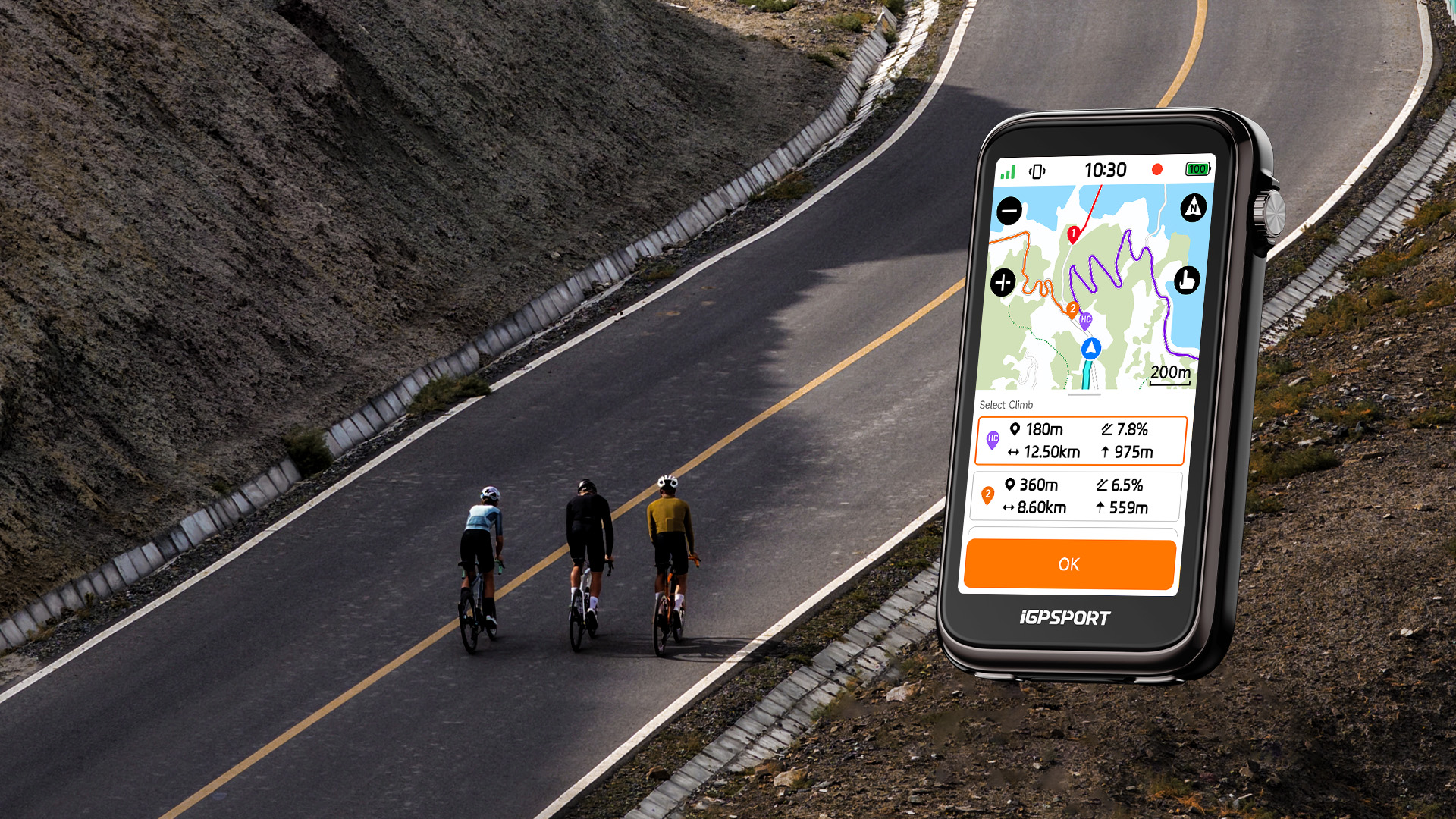
In addition to being an integral adventure companion, the BiNavi Ultra has all the performance-focused features you’d expect from a bike computer, including ANT+ and Bluetooth connectivity to heart rate monitors and power meters. The computer’s training analysis algorithms also enable you to customise your training plans for targeted workouts to continuously improve your fitness.
Even when riding freely without a pre-loaded navigation route, the upgraded iClimb 4.0 feature automatically detects upcoming climbs in real time. It displays live gradient, remaining distance and elevation profiles to help you manage your pacing on the fly. Furthermore, cyclists can browse nearby climbs to navigate directly to their start, or join a recognised climb mid-segment with instant data activation.
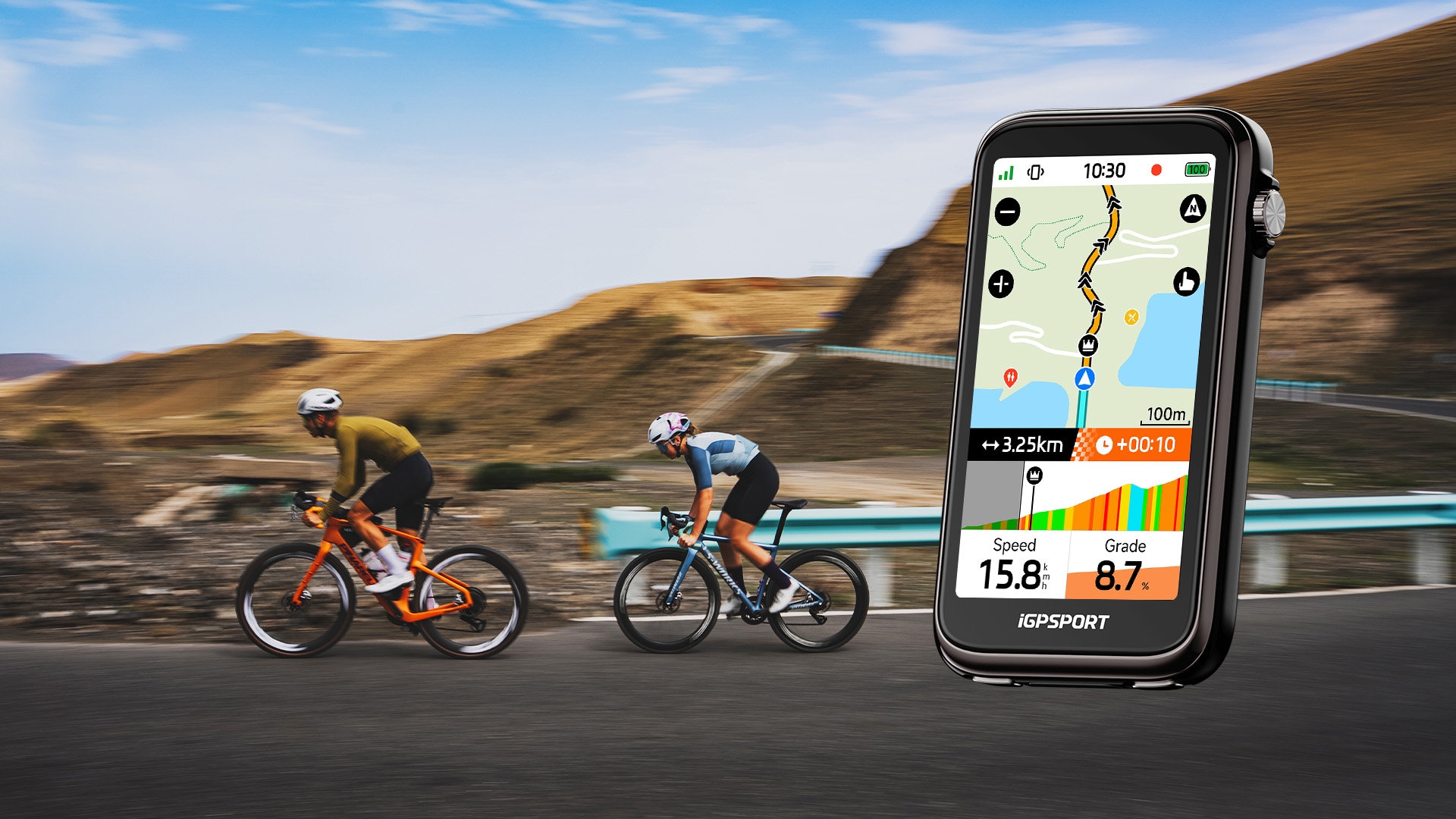
For competitive riders and PR hunters, the BiNavi Ultra arrives as iGPSPORT’s first flagship device to offer deep integration with Strava Live Segments via its upgraded Live Segments 2.0 software (rolling out via a post-launch update).
The workflow is intended to be seamless: simply star your favourite segments on Strava, sync them to the iGPSPORT App, and push them to the device with a single tap.
As you approach a starred segment on the road, the BiNavi Ultra prompts a clear visual alert. Once inside the segment, the 3.7-inch screen overlays real-time guidance, remaining distance, and dynamic time gaps against your chosen target – whether you're chasing your personal record, hunting for the KOM/QOM crown, or measuring yourself against fellow athletes.
Upon crossing the segment finish line, the device instantly displays your attempt summary. Once your ride is uploaded to Strava, your results automatically sync to the official Strava leaderboards, making segment chasing on the BiNavi Ultra more immersive and competitive than ever.
Ride-friendly hardware
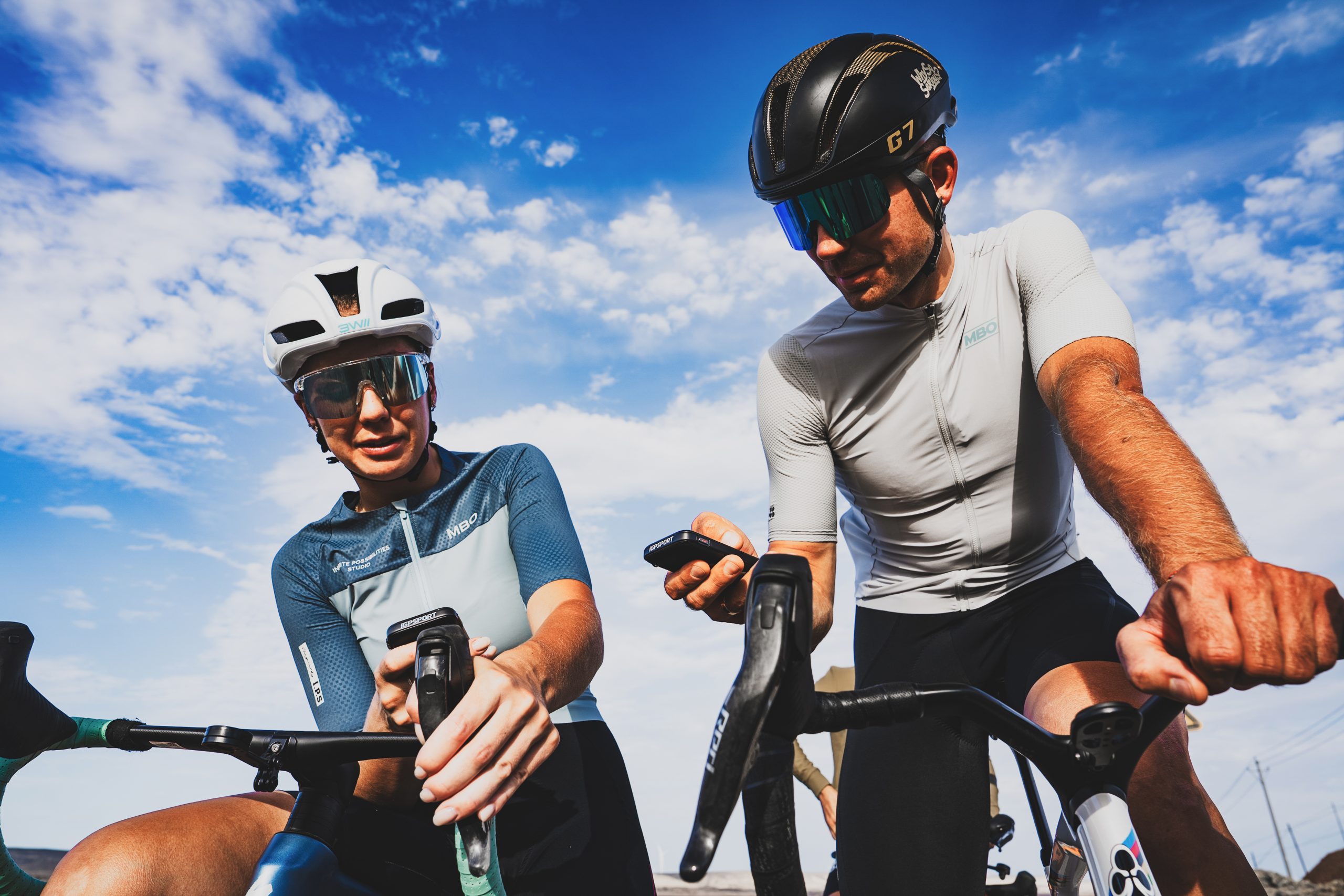
A navigation-focused bike computer needs a rock-solid display for it to function optimally, and the BiNavi Ultra has the largest in its class. Its 3.7in transflective LCD screen is designed to keep visibility high in both bright sunshine and after dark, with a clear, crisp finish to help you keep an eye on routes and stats with a quick glance.
If all those high-definition pixels sound like a fast way to drain a battery, you don’t need to fear. The BiNavi Ultra boasts a claimed 30-hour battery life and recharging comes via a USB-C cable – removing the need to carry specific kit.
Despite its screen size and battery capacity, the BiNavi Ultra retains a lightweight stature and comes in at only 122g.
The BiNavi Ultra is also kept up to date with firmware updates and refreshed maps thanks to its integrated WiFi, ensuring there are no out-of-date paths or points of interest when out exploring.
Intuitive interface
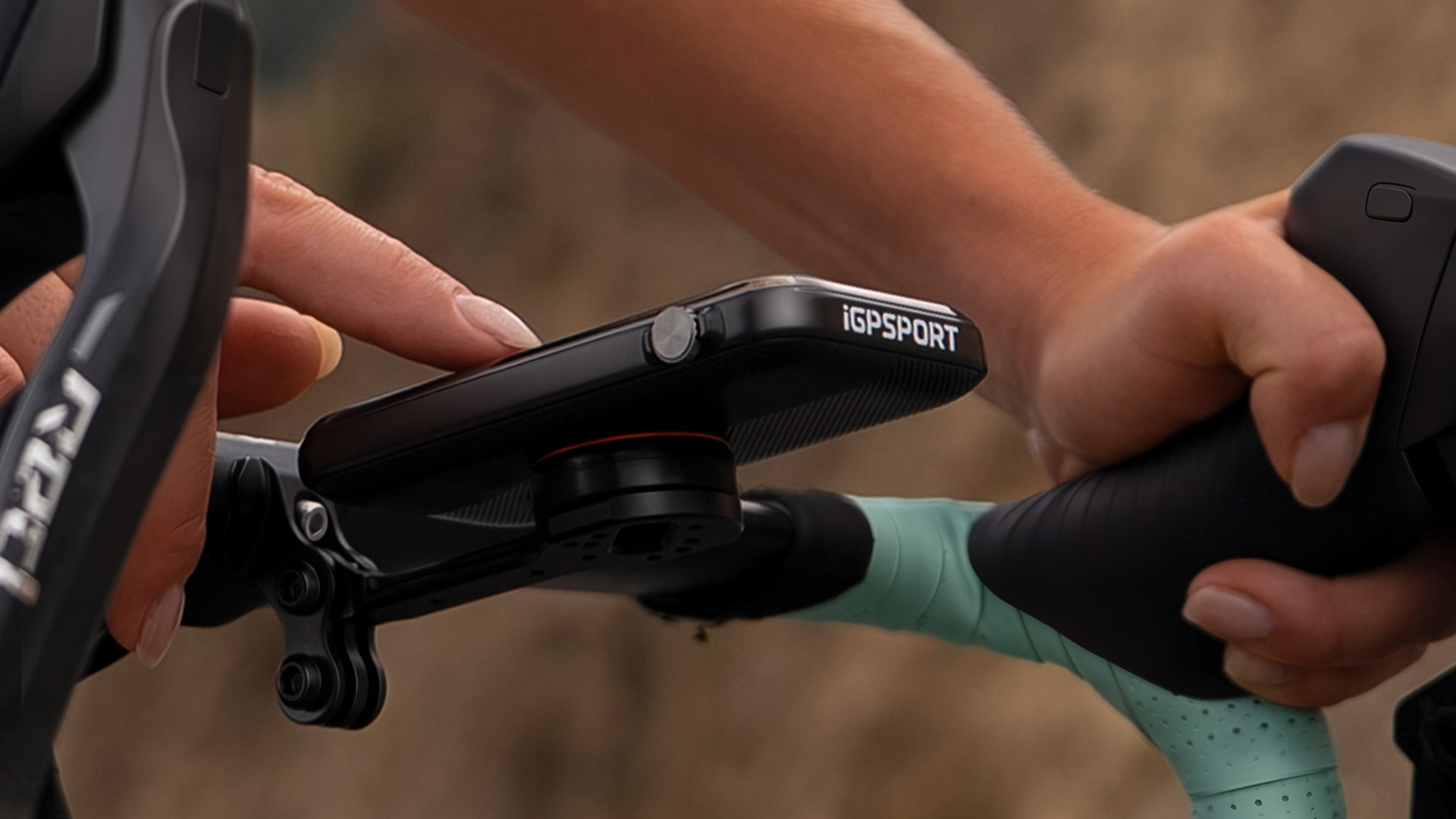
The BiNavi Ultra is designed to be intuitive to use, with three buttons (two at its base and one on the left-hand side) and a new digital dial.
The new side-mounted digital dial incorporates high-precision photoelectric sensors with tactile feedback, making map zooming and page navigation easy – even when wearing thick winter gloves or riding in heavy rain.
The side-mounted knob has a tactile clicking sensation to provide precise feedback – whether that’s zooming in and out of a map or switching between the display’s pages.
The user-friendly design extends to how you can use the computer to control connected accessories such as bike lights, action cameras and music devices, with graphic widgets displayed over the data screen and no need to switch between pages mid-ride.
Finally, the device also has a hands-free voice control feature, meaning you can cycle through its pages while keeping your hands firmly on the handlebar.
The audio capabilities extend to playback too, and the computer’s 64GB of storage can be used to store MP3 and WAV files, using the speaker to bring offline music to every ride.