Cinelli is a brand with a long history, dating back to when Cino Cinelli founded the company in Milan in 1948. In the years since, Cinelli has earned cult status, combining effortlessly cool style with Italian flair, but now the brand combines that heritage with a laser-focus on performance, too.
Launched last year, the Aeroscoop is Cinelli’s latest road bike. It’s fast wherever you put it, thanks to razor-sharp tube profiles and an aggressive race-focused geometry.
I’ve travelled to Cinelli’s HQ to find out how the Aeroscoop is forging a new path for the brand.
"It outperformed WorldTour bikes in the wind tunnel,” Cinelli chairman Victor Luis proudly tells me. “TOUR Magazine found the bike required 207 watts to overcome its own air resistance at race pace, putting it in line with the Scott Foil, Canyon Aeroad, and Colnago Y1RS."
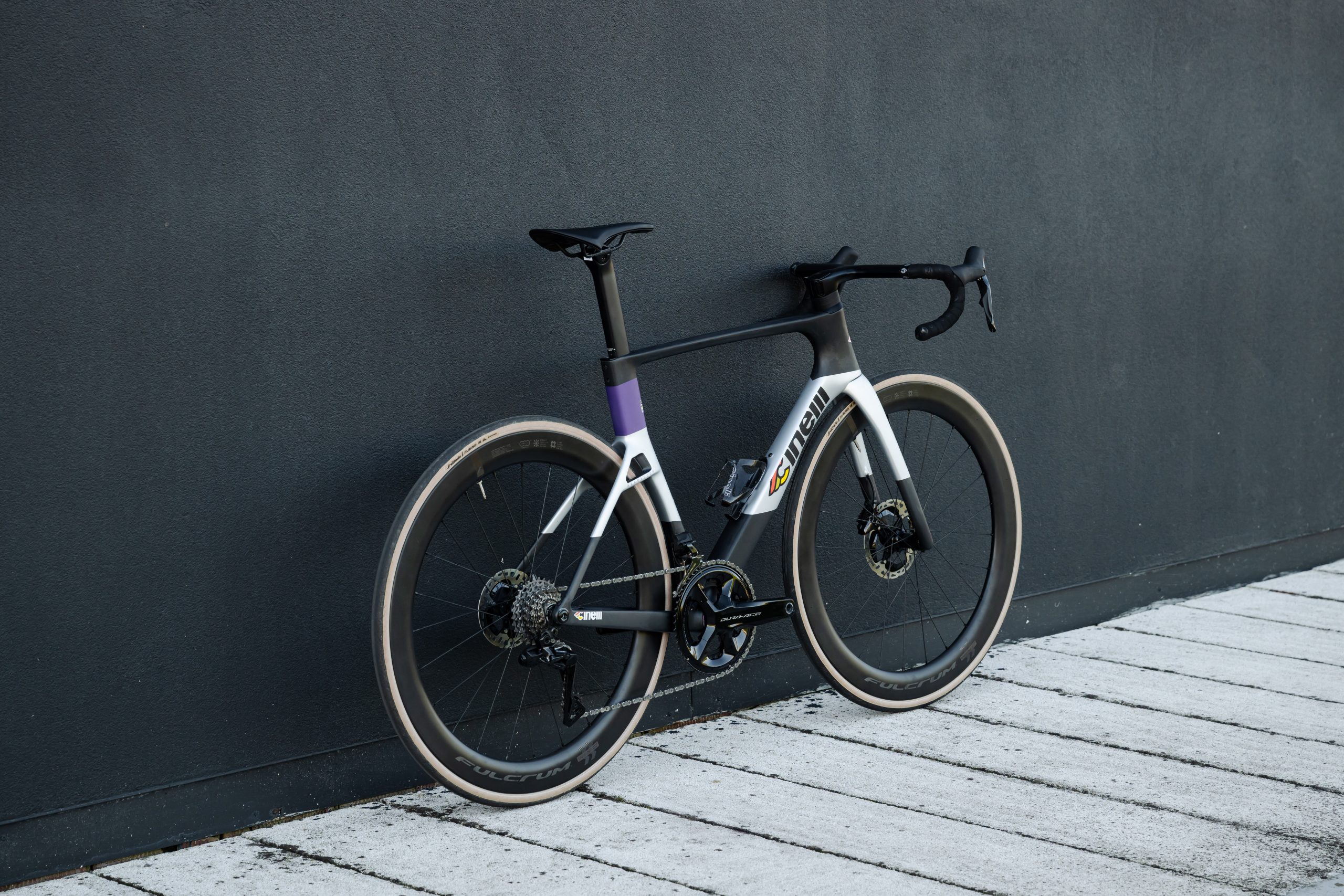
But this is still unmistakably a Cinelli, with flourishes to catch the eye: the cutouts in the seatstays, the smiley face tucked away behind the fork, the fact that Cinelli only offers the bike in a handful of colour options, and they’re all striking.
It’s the embodiment of Cinelli’s new owners’ performance-focused vision for the brand. Victor and his wife, Lydia Park Luis, purchased Cinelli and its sister brand, Columbus, back in 2022, and see themselves as custodians guiding these two iconic Italian names into a new era.
“We like the title ‘steward’ because it reflects more of what we do day to day,” explains Lydia. “It also implies a longer-term perspective. This isn’t a quick-win flip. It’s our own money, we moved our lives to Milan, and we’re investing because we believe in cycling, health, the outdoors and the culture around it.
"These brands have been around for more than 70 years. We want to make sure they continue to not only exist but to thrive."
Shifting gears
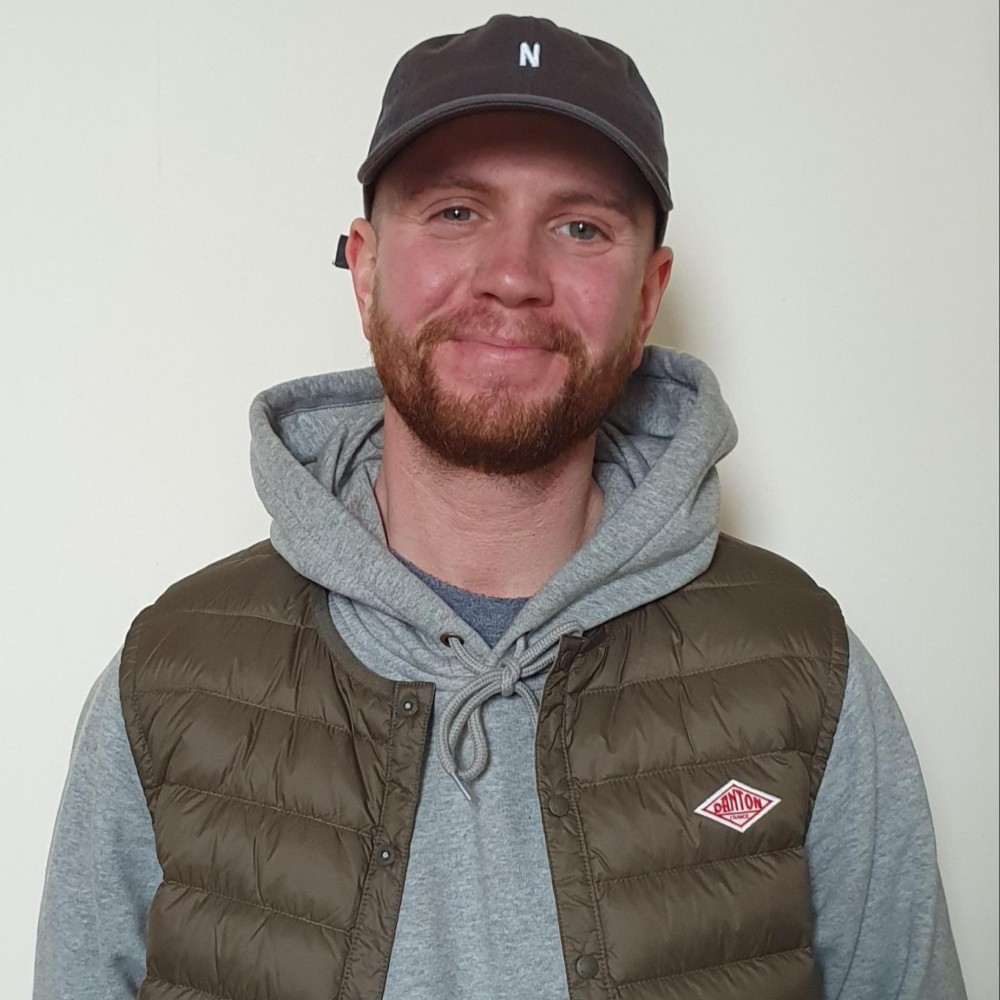
I’d arrived at Milan Airport two days earlier, scanning the room for the Cinelli employee who I’d been told would meet me here, looking for anything that might suggest a connection to the brand. Then something catches my eye. Backwards cap, beard, tattoos, jorts – the sort of chap you can easily imagine straddling a sticker-bombed fixie.
This is Andrea Lacourt, Cinelli’s marketing manager. He gives me his take as we weave through traffic on the outskirts of Milan.
“We often joke internally: could we make an aero bike that’s just black and nothing else? Of course we could. We choose not to,” he says. “That’s a very conscious decision. Does it mean we may sell fewer bikes? Maybe. But if we just make a full black bike, then it’s not going to feel like Cinelli.
“The world has enough black performance bikes already, and we don’t bring anything new to the table by giving it another one. We need that element of personality. Otherwise, we’re just making the same thing as everyone else.”
Another way Cinelli differentiates itself is through those little Easter eggs you’ll find hidden around its bikes.
“The smiley is one of the details people always react to,” Andrea says with a grin of his own. “We introduced it a few years ago on the first Team Edition bike, and since then, we’ve played around with it depending on the character of the bike in question. Sometimes it looks aggressive for the race bikes, sometimes it’s smiling, and on the Aeroscoop, it’s blurred to convey speed.
“One of our claims is ‘Happy to make another rider happy’, so the idea is that at the end of the ride, the cyclist is smiling too.”
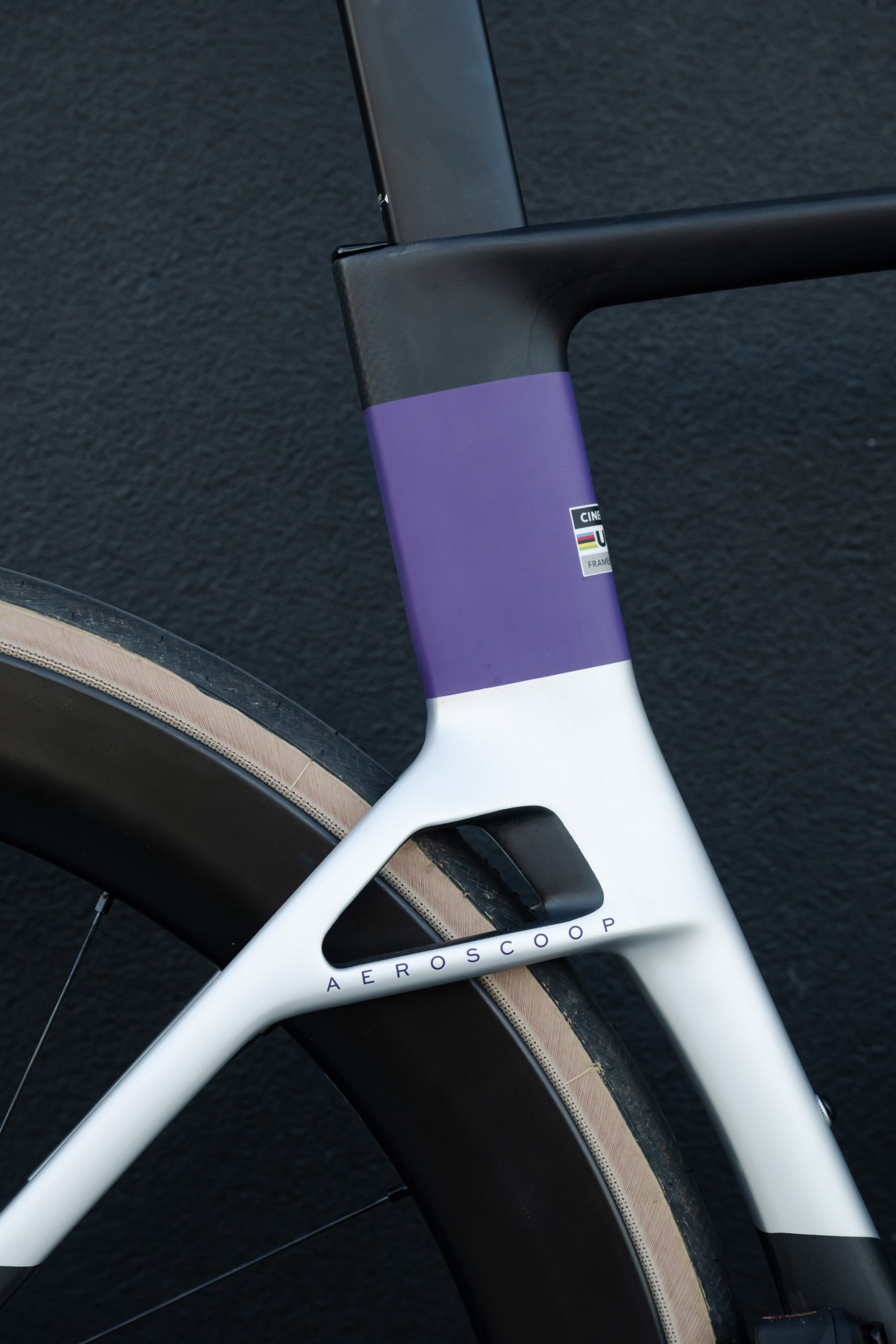
Smiles aside, the Aeroscoop marks a serious shift. For years, Cinelli has been viewed by many as a cultural brand first and foremost. A company known for artist collaborations, colourful bar tape and fixie folklore. This bike is designed to reset the narrative.
Developed in-house by Cinelli’s engineers, it’s the culmination of – as they put it – “75 years of relentless Milanese innovation, fine-tuned in the wind tunnel for pure performance.” Make no mistake, behind the quirky colourways and tongue-in-cheek motifs is a machine built to be at home in the pro peloton.
Where the magic happens
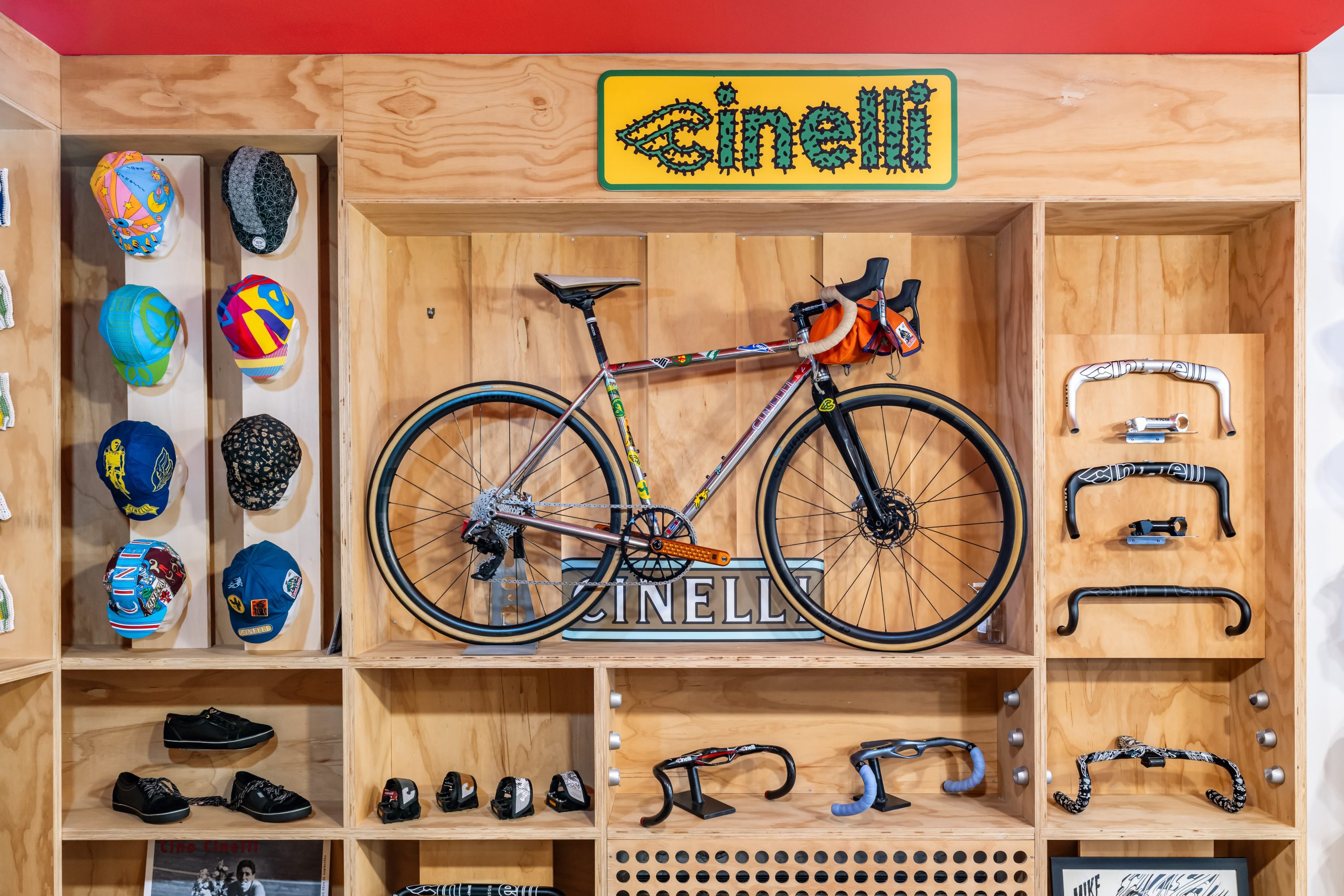
We hug the outskirts of Milan as we race towards Cinelli HQ. This is a city where aesthetics always feel considered. The ashtrays outside a random espresso bar. The cut of a local’s jacket as he buzzes past on a scooter. Even the typography on the street signs. It’s all intentional. Cinelli slots right into that.
Most performance brands speak almost exclusively in the language of watts, weight, stiffness and aerodynamics. Obviously, these are all things Cinelli takes extremely seriously, but the brand’s approach feels more human. You get the sense that art and performance aren’t opposing forces; they’re part of the same conversation.
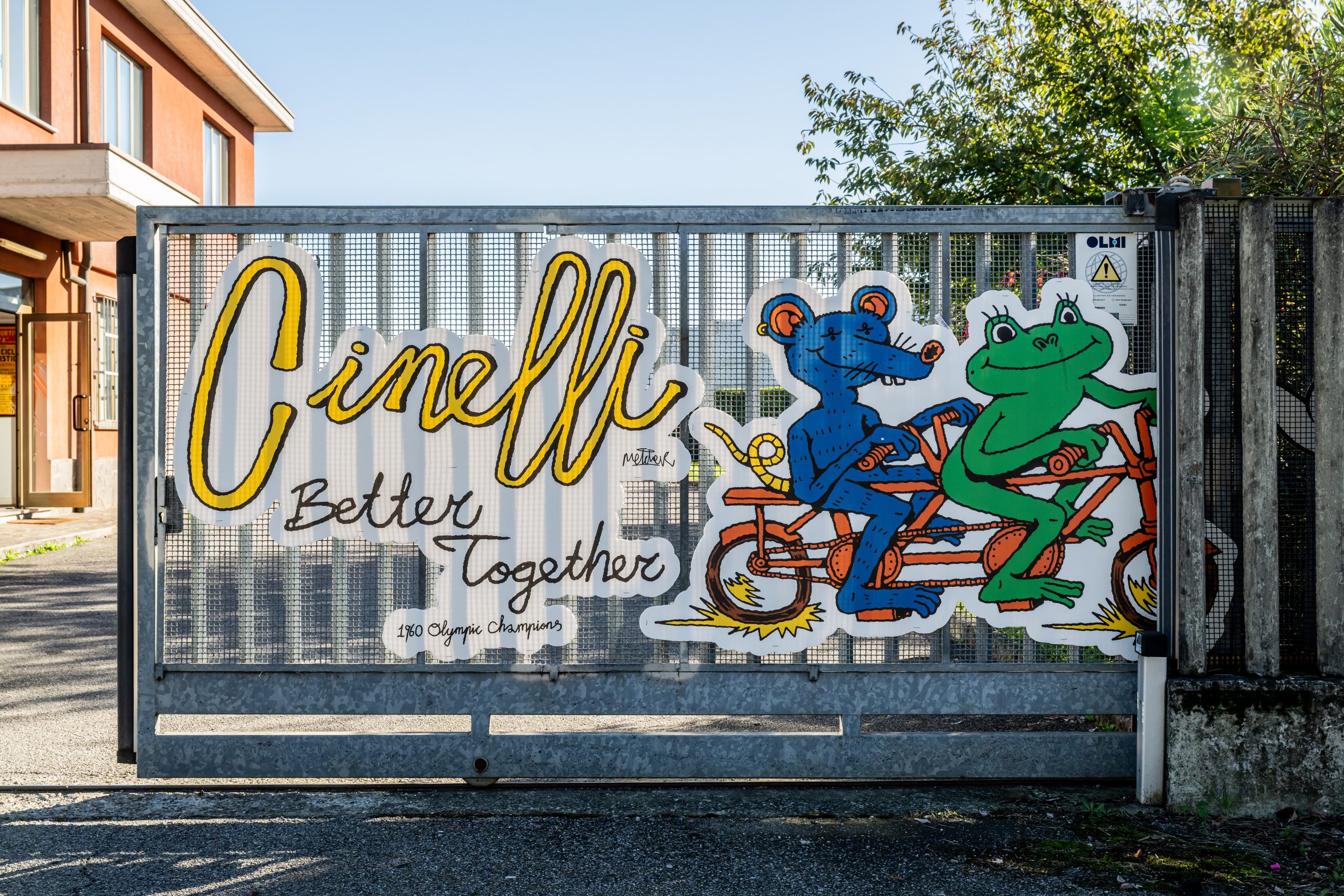
Eventually, we round a corner, and I’m met by two enormous sliding doors decorated from top to bottom with an intricately painted mural by world-famous graffiti artist Zio Ziegler.
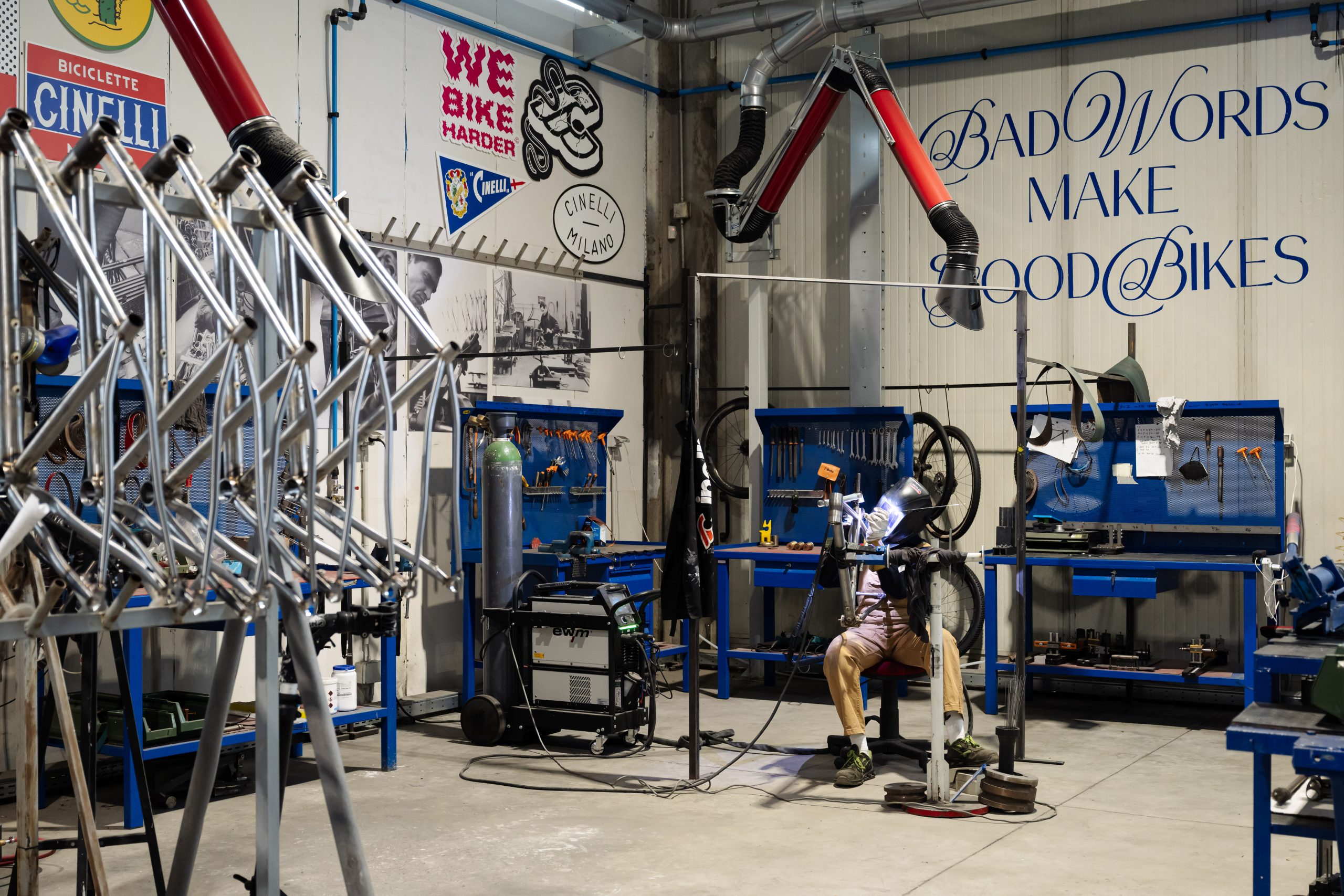
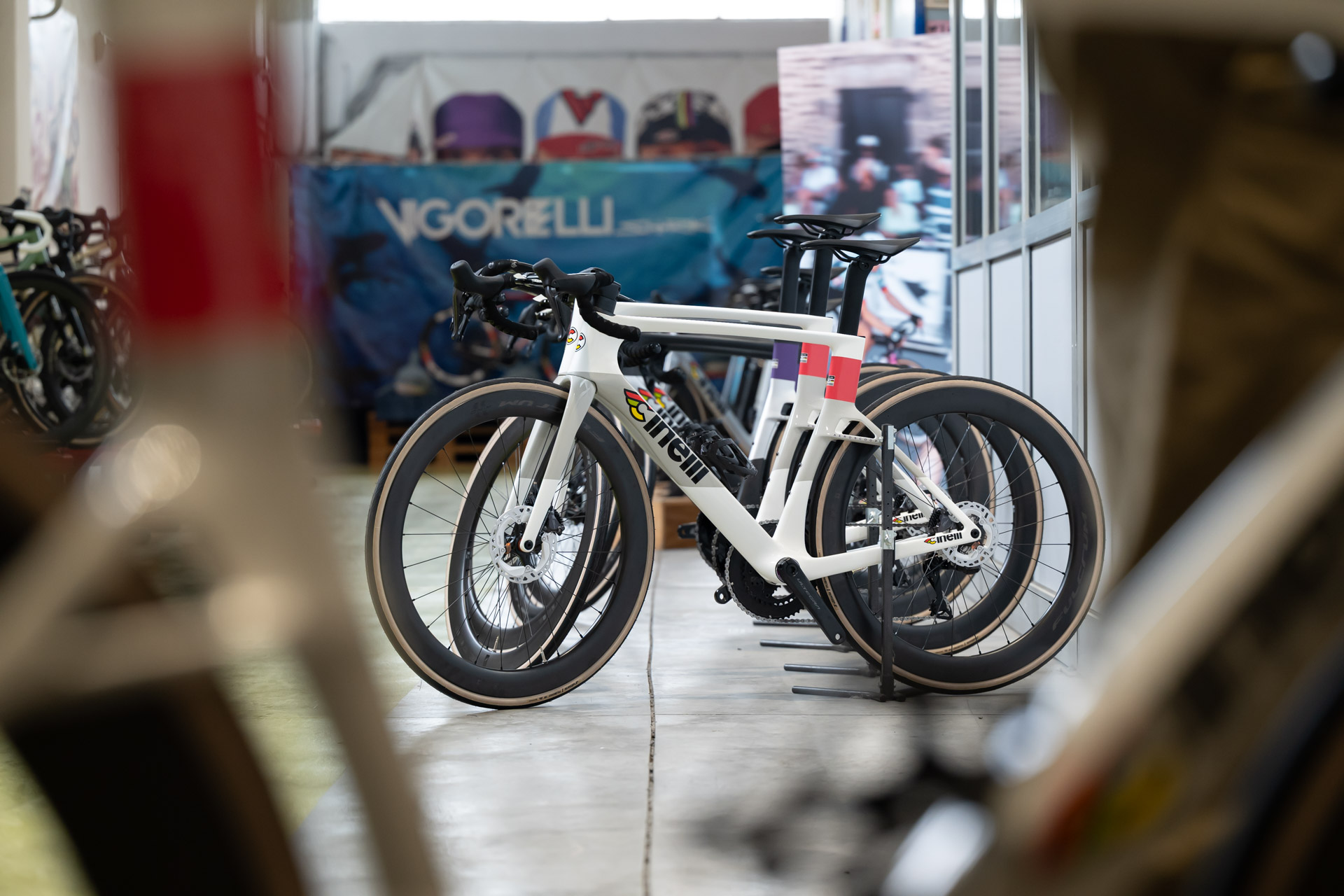
Inside, pristine framesets hang patiently waiting to be assembled and shipped off around the world. Along one wall, the brand’s 2026 fleet is displayed proudly, including a race-ready Pressure 2, resplendent in MBH Bank CSB Telecom Fort Pro Team colours. Along another, a mishmash of staff bikes, ranging from a shiny new Aeroscoop, dripping in the latest Dura-Ace to a rust-ravaged steel single-speed with a ‘Fuck Cars’ sticker slapped onto the peeling top tube.
The Cinelli factory doesn’t sit alone. Its 107-year-old sister brand, Columbus – a name that cycling history simply could not exist without – is housed under the same roof. This, as Victor tells me, puts Cinelli in a unique position.
“The first investment we made was bringing welding in-house,” Victor explains. “That meant investing not just in machinery, but in talent. It’s incredibly important for us not just to know how to make a bike, but to make bikes fully by hand and to be craftsmen.
“Now, within a ten-square-kilometre area, we’re able to bring a bike from raw material format to a finished product. Tubes are cold-drawn and shaped in-house, welded here, sent away for paint, then brought back for assembly. It’s probably the shortest supply chain in the world for what we do with steel, stainless and titanium bikes.”
The road less travelled
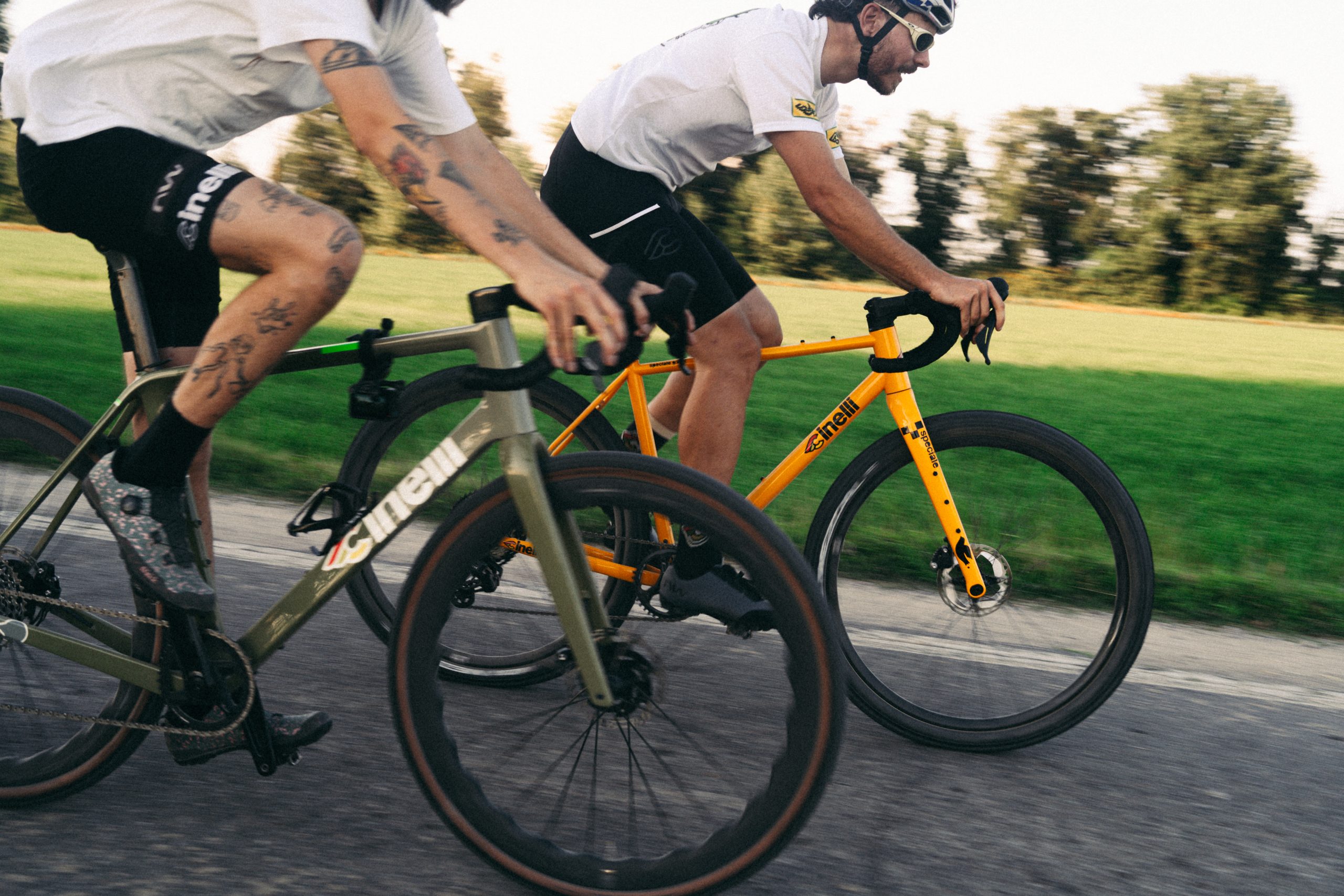
Another unique thing about Cinelli HQ is its location. Yes, it’s in Milan, but it’s positioned on the very fringe of the city, which means some fantastic riding is accessible right from the front door, particularly if you’re a fan of gravel.
Product manager Francesco sets me up on one of the brand’s King Zydeco 2 gravel bikes and within a couple of minutes of leaving the workshop, we’re tearing through rolling Italian countryside via a sprawling spider’s web of rocky singletrack and dusty bridleways.
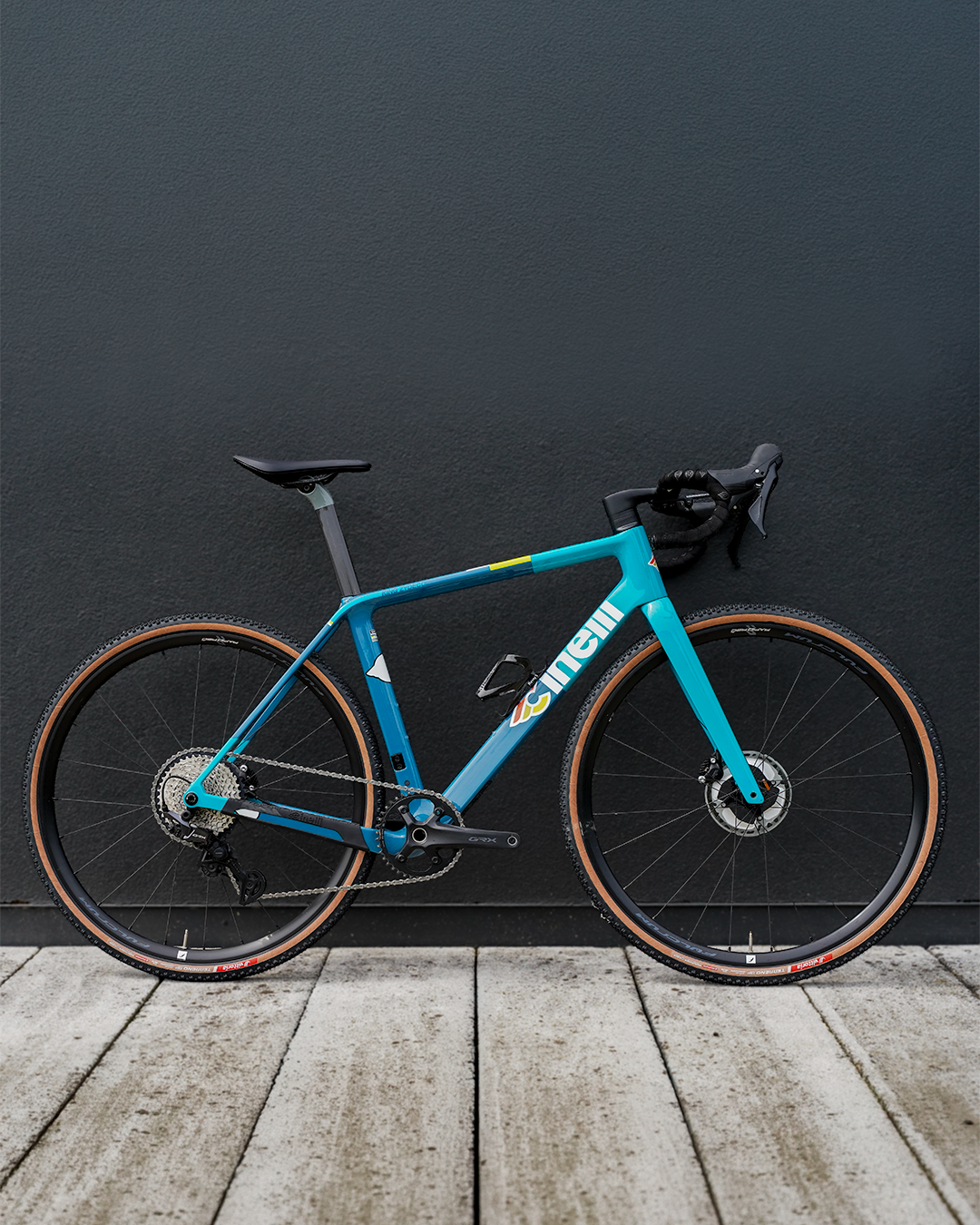
The same performance-first thinking that defines the Aeroscoop is also clear to see in the gravel range. The King Zydeco 2 is Cinelli’s flagship gravel race machine, with a lightweight carbon frame and aero-leaning tube profiles, the result of years of tweaks and refinement.
Cinelli is no stranger to a gravel bike. In fact, it could be argued that the Passatore, launched in the late 1980s, was the first one ever made. Long before the word ‘gravel’ was so much as a twinkle in the eye.
While we’re at it, Cinelli was also the first brand to bring the mountain bike to Europe. Launched in 1985, the Rampichino – roughly translating to ‘little climber’ – spearheaded the MTB movement on the continent, cementing Cinelli’s reputation for innovation.
Track, road and urban might be what the brand is best known for, but that’s really just the tip of the iceberg.
A new era
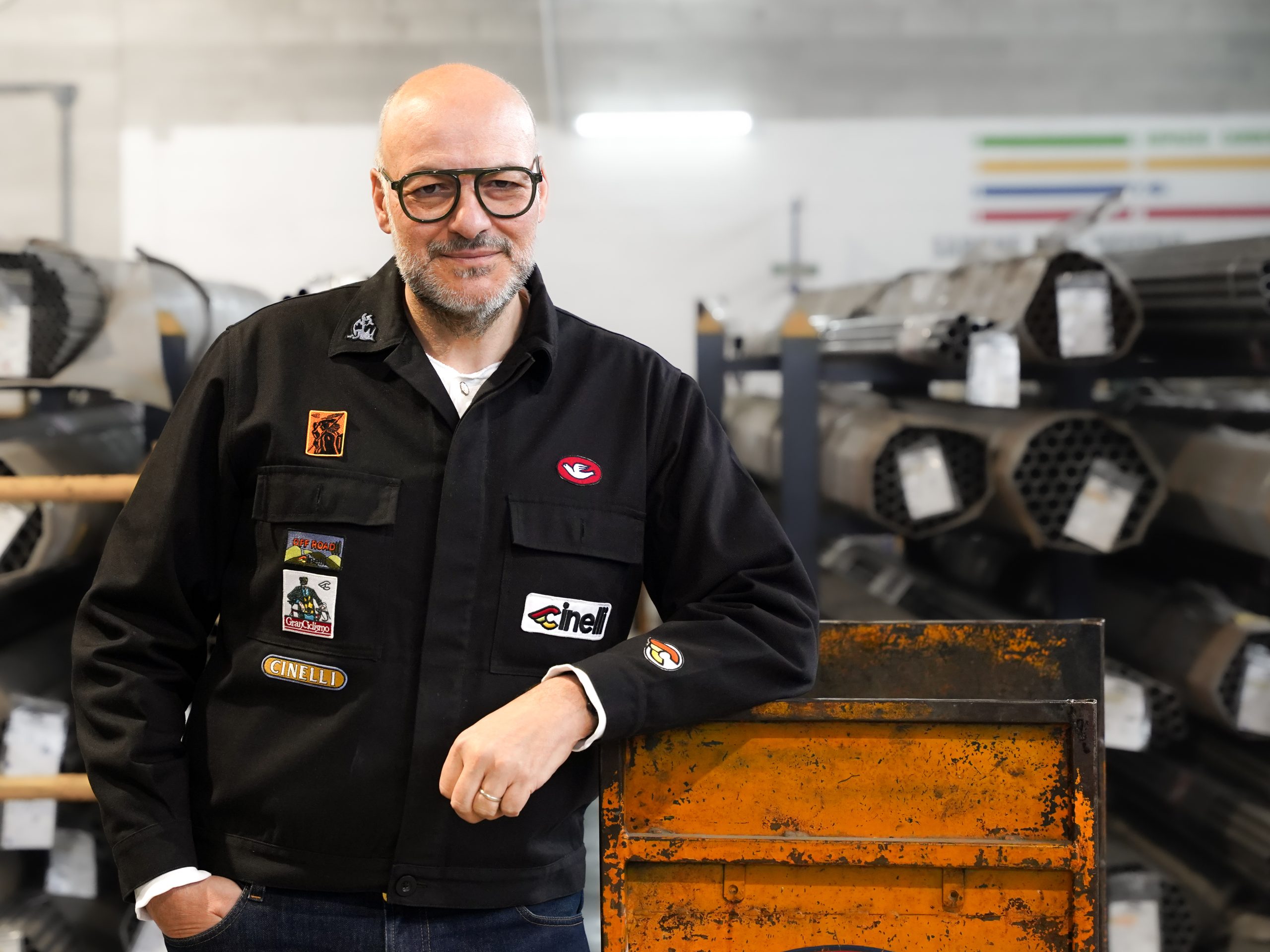
You could look at the history of Cinelli in terms of chapters. Three of them to be precise.
First there was the Cino Cinelli era, when the brand became famous for its industry-standard componentry. Next came the Antonio Colombo period. This is when Cinelli forged its connection to urban cycling culture, graphic design, underground art and the global fixed-gear movement, coming to be known for aggressive use of colour, out-there ideas and cult products.
Under the stewardship of Victor and Lydia, Cinelli has now entered its third age, and the couple have clear ideas about what that means.
“We don’t want to lose the spirit of the brand,” Victor says. “The connection with art, culture, colour, whimsy, fun and a different view from a design perspective.
“I think the beauty of Cinelli is that it uniquely integrates these elements with performance. There are very few brands that tell a story that complex. We can go to the team for performance, we can go to the wind tunnel for performance, but if the bike doesn’t look great, if someone doesn’t want to be associated with riding it, if it doesn’t reflect a piece of their personality or interests, it won’t work.”
“If we’ve done a good job as stewards, there’s no reason why Cinelli can’t become a significantly larger business with far more fans around the world,” Lydia adds. “Success for us is bringing happiness to more riders.”
Performance with personality
Victor kindly chauffeurs me back to the airport early the following morning, and I ask him about the challenges of maintaining Cinelli’s playful streak, while also creating machines designed to excel at the pointy end of the peloton.
“The brand has always been provocative and willing to take risks,” he tells me. “Part of our DNA is allowing others to play with it too – artists, creators, changemakers, rebels. Sometimes that means being brought to uncomfortable places creatively, but if you can do that consistently, it becomes part of the culture of the brand.
“Part of what we were, and have been for a long time, was saying, ‘Fuck what others think. This is what we think is great’.”
As we slip through picturesque villages in a bid to beat the morning traffic, my mind wanders back to that smiley face I found hiding around various Cinelli bikes. A tiny detail, but one that says a lot.
In a world increasingly obsessed with optimisation, Cinelli wants to push things forward while still leaving room for surprise. Does a modern performance bike need a ‘personality’? Depends who you ask. But it’s hard not to admire a brand doing things its own way.