“Welcome to Galfer. Welcome to Barcelona”. That was the message as Galfer opened the launch of its new Shark EVO MTB rotor. But it was clear from the outset that this was not intended to be a simple product reveal.
Galfer wanted to talk about the company behind the rotor – about manufacturing, racing, development and the family owned culture it says still shapes the brand.
“We are a family-owned business,” Guillermo Font, Galfer’s global marketing director, told us, adding he hoped visitors would “see it, taste it and smell it”.
The presentation took place at Galfer’s production facility, with the factory only a short walk away. The point was simple: to understand the Shark EVO, Galfer first wanted us to understand Galfer itself.
That family ownership may be key to their values, culture and long-term vision, but as we toured their Barcelona HQ and factory, it soon became clear that Galfer is a brand whose identity centres around technological innovation, engineering capability and product quality.
A company built around braking
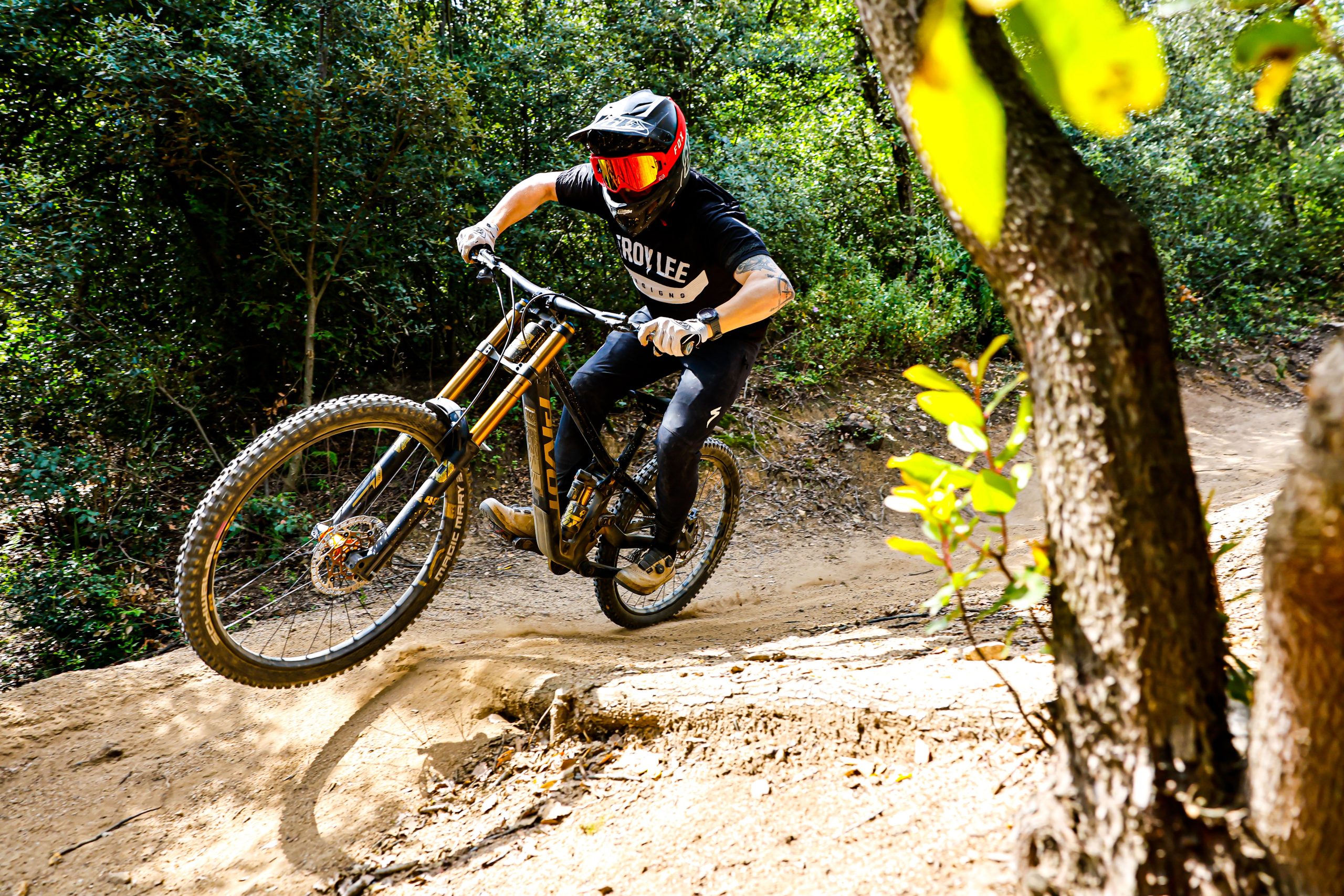
Galfer’s history stretches back to 1952, when the company began producing braking components in Spain. Today, it works across the motorcycle and bicycle markets, making pads, rotors and accessories.
As well as selling aftermarket products, Galfer produces parts for Formula, Hope and Magura, and equips bikes from Commencal, Orbea, Pivot and more.
That background in all things friction was a recurring theme throughout the launch – Galfer repeatedly described itself not as a component brand, but as a braking specialist.
We are braking specialists” said Ricard Bagès, the engineer behind the Shark EVO. “There is not an option not to be the best.”
That may sound like a bold statement, but Galfer says its focus on process enables it to be a market leader.
The company stressed design, prototyping, testing, manufacturing, quality control and delivery all happen at its Barcelona base.
“Everything happens in this building,” Font said, from design to manufacturing and delivery to customers around the world. “There are no hidden steps.”
That point matters. Brake rotors can look simple from the outside. They are just flat discs of metal bolted to a hub, after all.
But Galfer’s message is that what riders feel at the lever is the result of many small decisions: material, thickness, shape, stiffness, vibration control, pad contact, heat management and manufacturing consistency.
The Shark EVO is not presented as simply a styling exercise. Galfer wants it to be seen as the result of more than 70 years spent working on braking.
Inside the factory
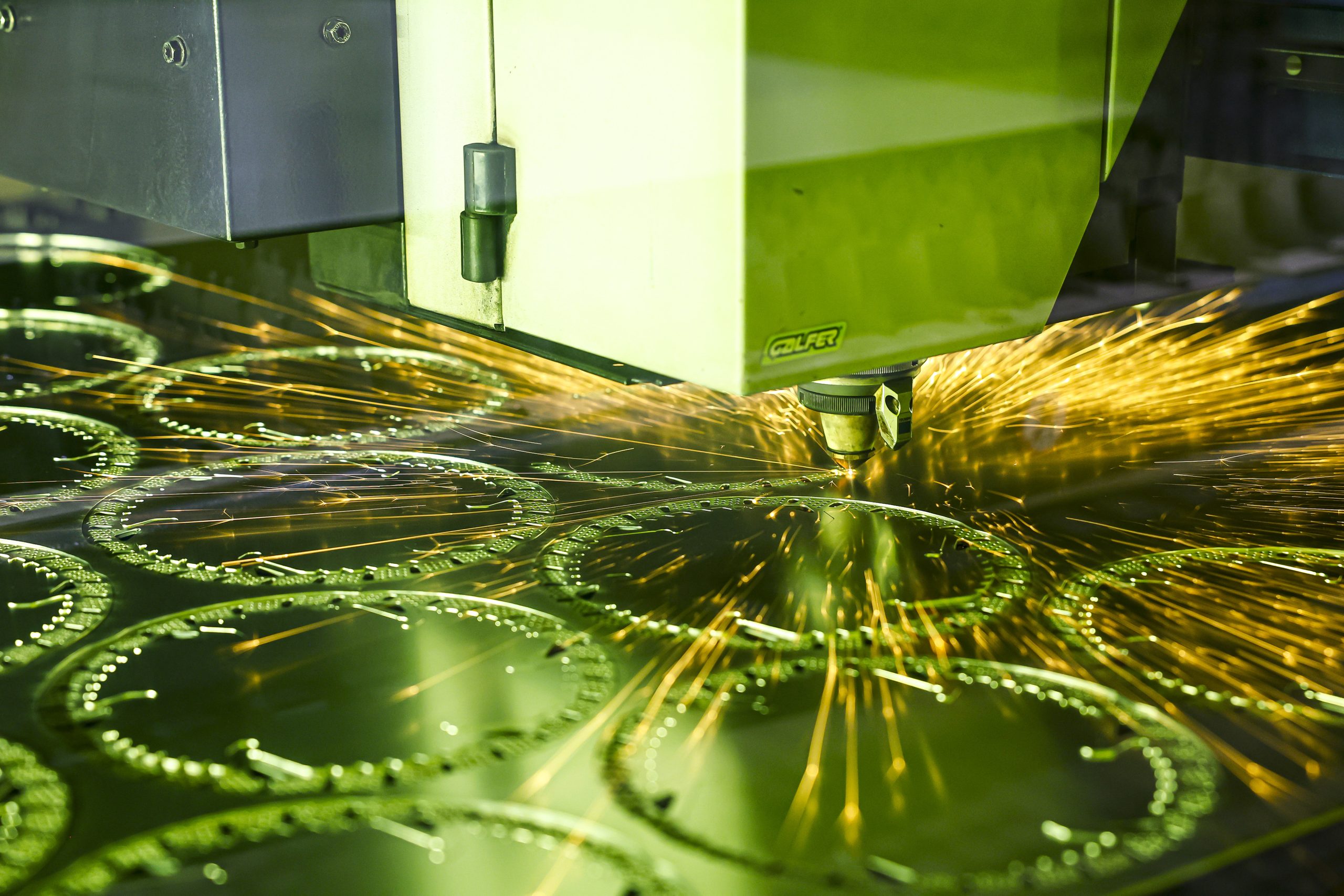
Galfer’s presentation shifted from the company’s history to the Shark EVO’s technical details, as we moved from the meeting room to the factory floor.
Galfer has 65 people working in its factory production area. What stood out was how much of the production process depends on skilled human touch throughout the manufacturing process.
There is, of course, modern machinery involved. The laser-cutting and CNC processes are highly automated, while skilled operators oversee and refine key stages of production to ensure precision and quality control throughout the manufacturing process.
The compounds are mixed, prepared and compressed in-house, with the process relying on careful control rather than mass production.
The same is true on the rotor side. Machines handle the cutting, but there is still a person assembling rotor components one bolt at a time by hand. It’s a small detail, but a revealing one.
We returned to that point later, in conversation with Filippo Becchis, Galfer’s product specialist bike & team liaison, when he talked about brake-pad compounds: “It’s not just what you put together,” he said. “It’s the process.”
Why the Shark EVO matters
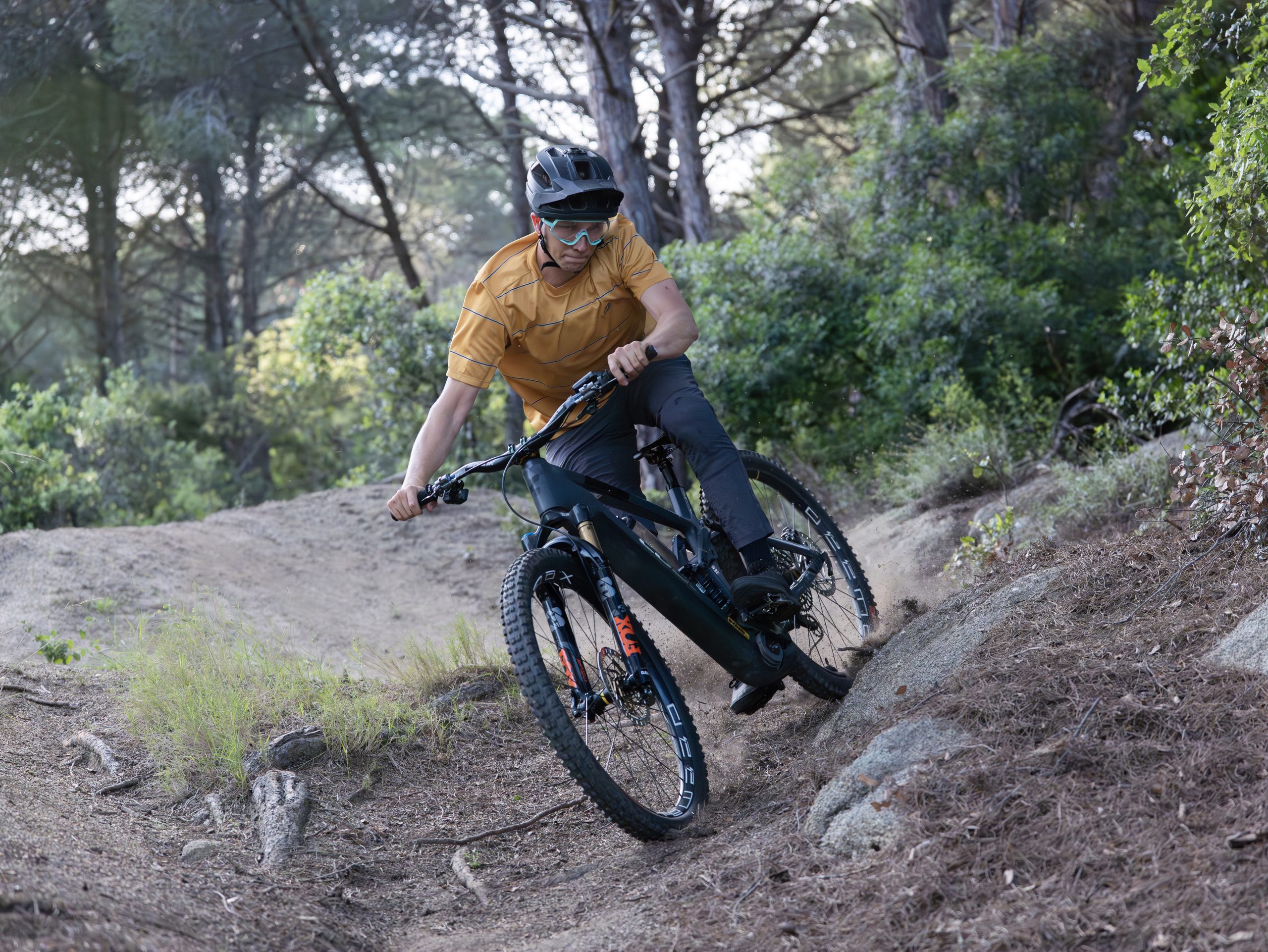
Galfer was clear that the Shark EVO is not a small product update.
“This is not a minor project for us,” the brand explained during the launch, describing the rotor as an important milestone for its engineering and marketing teams.
The Shark EVO builds on Galfer’s existing Shark rotor family, but moves the concept further towards gravity, enduro, downhill and eMTB use.
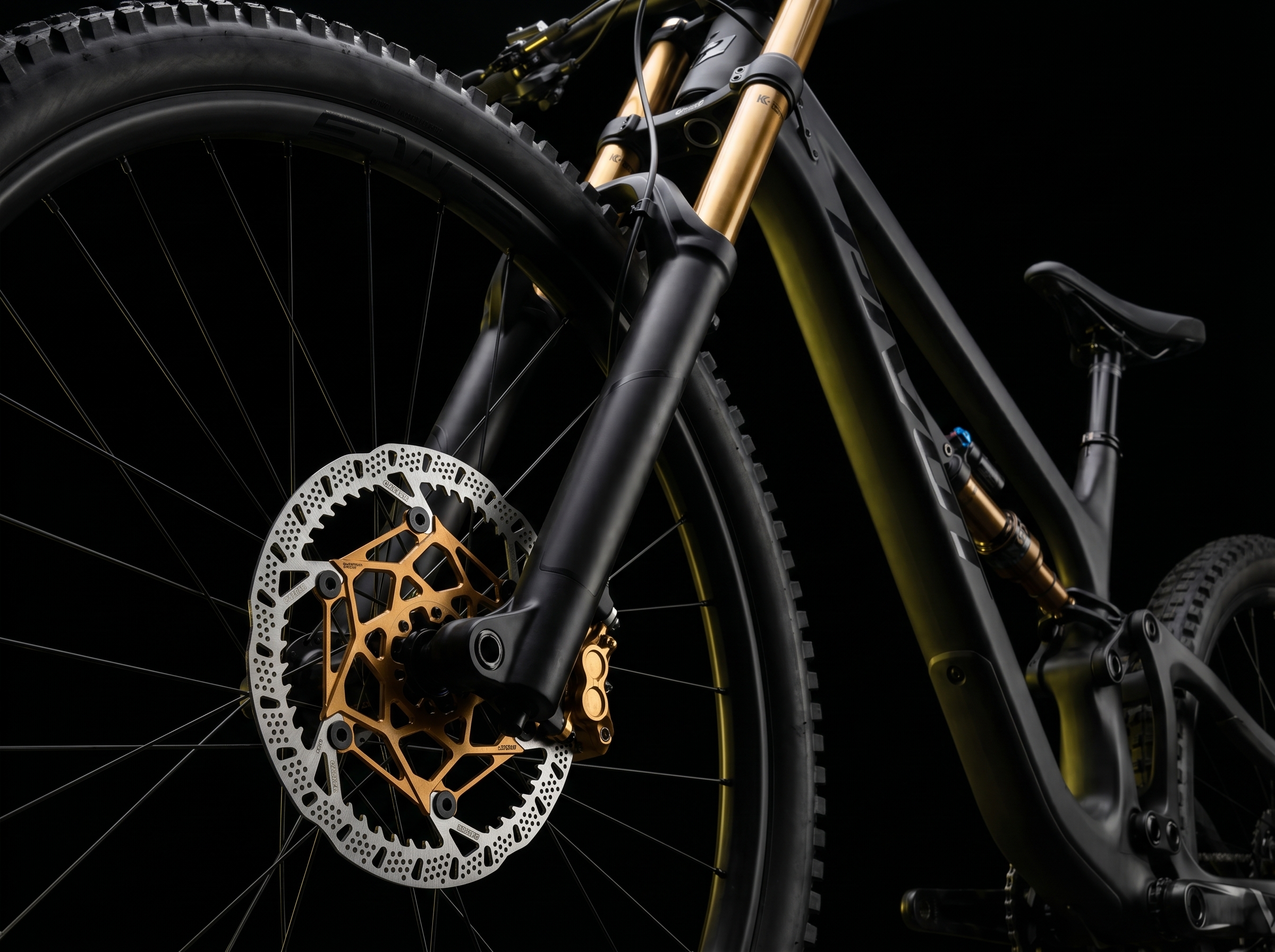
It’s designed as a two-piece rotor with a stainless steel braking ring and aluminium carrier, and Galfer says it will be offered in 180mm, 203mm and 223mm sizes, across six-bolt and Centre Lock mounting standards. Claimed weights range from 165g to 229g.
Three carrier finishes were presented at the launch, giving 18 versions in total.
The most eye-catching option is the Kashima-coated carrier, a finish better known for its use on high-end suspension components. Galfer says it was chosen partly for its premium look, but also because it creates a harder, more scratch-resistant surface on the aluminium carrier.
The brand says it is proud that it produces the only original Kashima-anodised core on the market.
The headline claims centre on power, heat management, vibration control and consistency.
Becchis was keen to stress the Shark pattern is functional, not decorative.
“The Shark pattern is not because of aesthetics,” he explained. “It’s because it works.”
The Shark EVO’s braking track looks busy. There are small holes, larger windows, wave-like cut-outs and finned shapes. Galfer says each feature has a job.
Becchis explained the smaller holes are designed to help with heat dissipation. The larger openings contribute more to bite and help clean the brake pad surface. The wave shape helps clean across more of the pad’s height, which becomes more relevant in wet or muddy conditions.
It is a useful explanation because it shows the compromises involved.
More openings do not necessarily mean better braking, for example. Remove too much material and the rotor loses mass. That can make it less able to absorb sudden heat spikes under heavy braking.
Add more aggressive cleaning features and the disc may clear mud better, but it can also increase pad wear.
Becchis pointed to more aggressive motocross-style rotor designs, with grooves intended to clear contamination. Galfer has tested similar ideas for bicycles, he said, but they are not always right for mountain biking.
“For racing, it makes sense,” he explained. “But for normal use, it doesn’t really make sense.”
That statement says a lot about the intention behind the Shark EVO. It is designed to be a high-performance rotor, but not a disposable race-only part.
Heat, riders, and real-world use
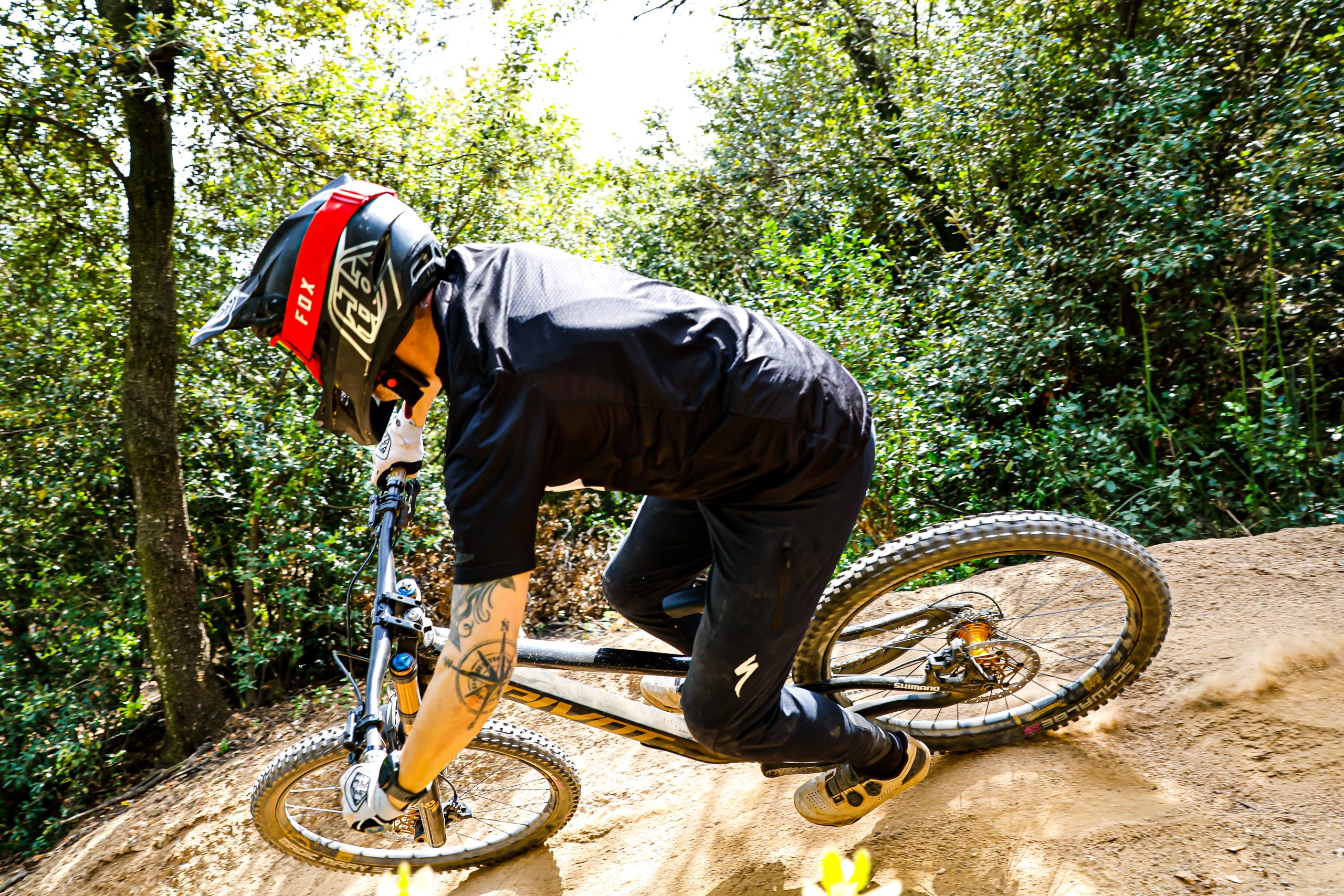
Heat management is one of the most interesting elements of the Shark EVO’s design, because Galfer does not treat all braking heat in the same way.
A professional downhill rider might brake extremely hard for a short period, then fully release the brake and allow the system to cool. A less experienced rider might drag the brakes for much longer, creating a lower but more constant heat load.
Both riders can overheat brakes, but they’ll get there differently.
“For a pro rider, mass is important,” Becchis said, explaining that a rotor with more mass can better absorb a sharp temperature spike before the heat has time to dissipate.
For riders who brake more continuously, dissipation becomes more important because the rotor is dealing with a steadier flow of heat.
Galfer uses professional riders for performance feedback, but Becchis said the brand also tests with more typical riders.
Pros are useful because they push products to extremes, but regular riders expose different problems. They brake differently, drag brakes more often and ride in different conditions.
Galfer says it tests around Barcelona, but also gathers feedback from ‘wetter’ markets, including the UK, Germany and the Czech Republic.
Racing as a development tool
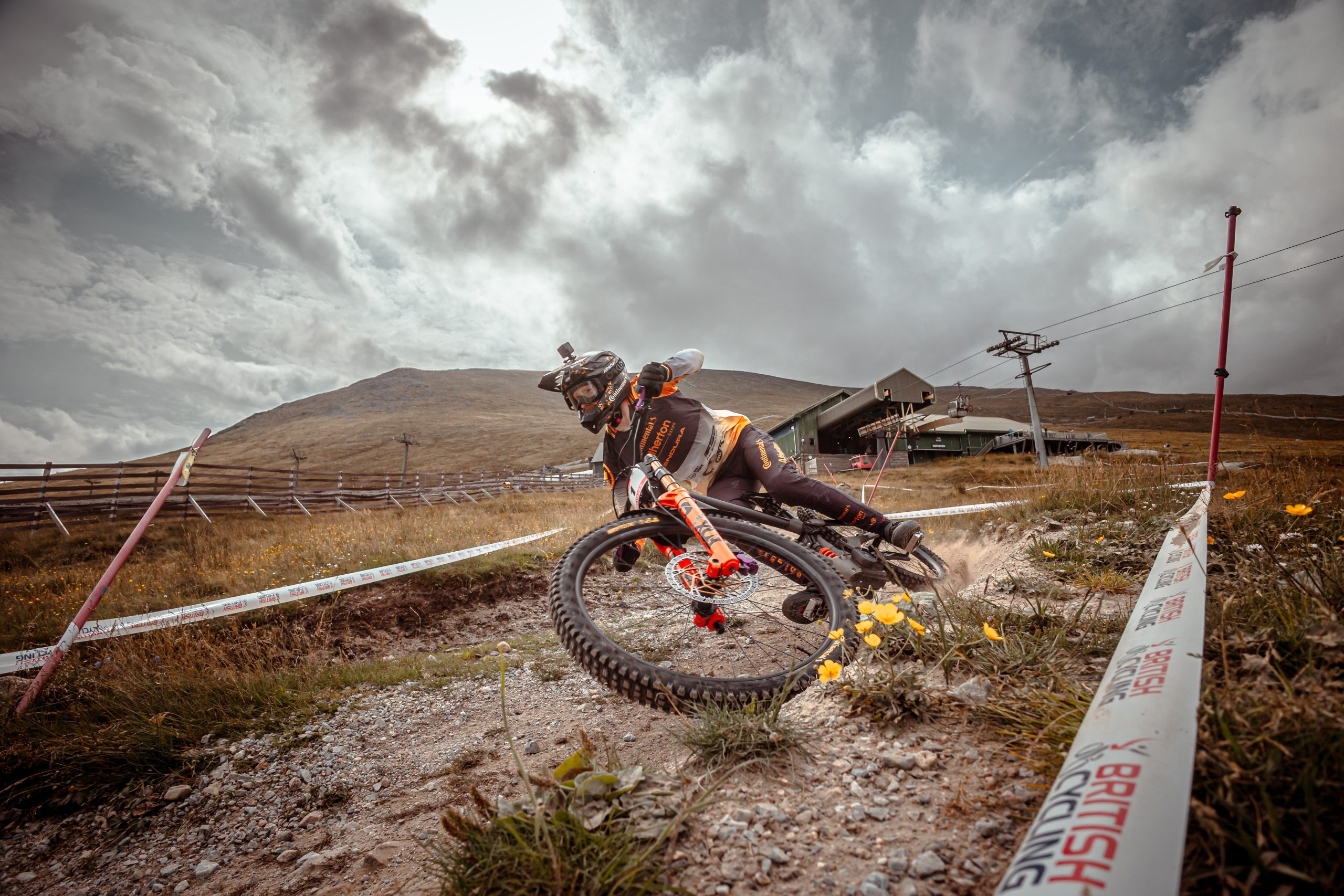
Mountain bike racing is a major part of Galfer’s identity, and it shaped every design and engineering decision behind the Disc Shark EVO.
Working closely with teams such as Continental Atherton Racing, their engineers gained invaluable feedback about performance in real-world conditions – from mud to high temperatures, and under sustained mechanical and thermal stress – and were able to continuously refine the design.
“Competition is in our DNA,” the brand said during the presentation.
Charlie Hatton was one of the riders involved in the Shark EVO development process. He said one of the first races on the new rotors was Red Bull Hardline, in Wales.
“Stopping power there is pretty important,” he said. “There’s not really any room for error.”
Hatton also explained the rotor-testing process.
“It’s quite a black-and-white test session, really. When you put new rotors on, they’re either good or they’re not good,” he said.
The details you do not see
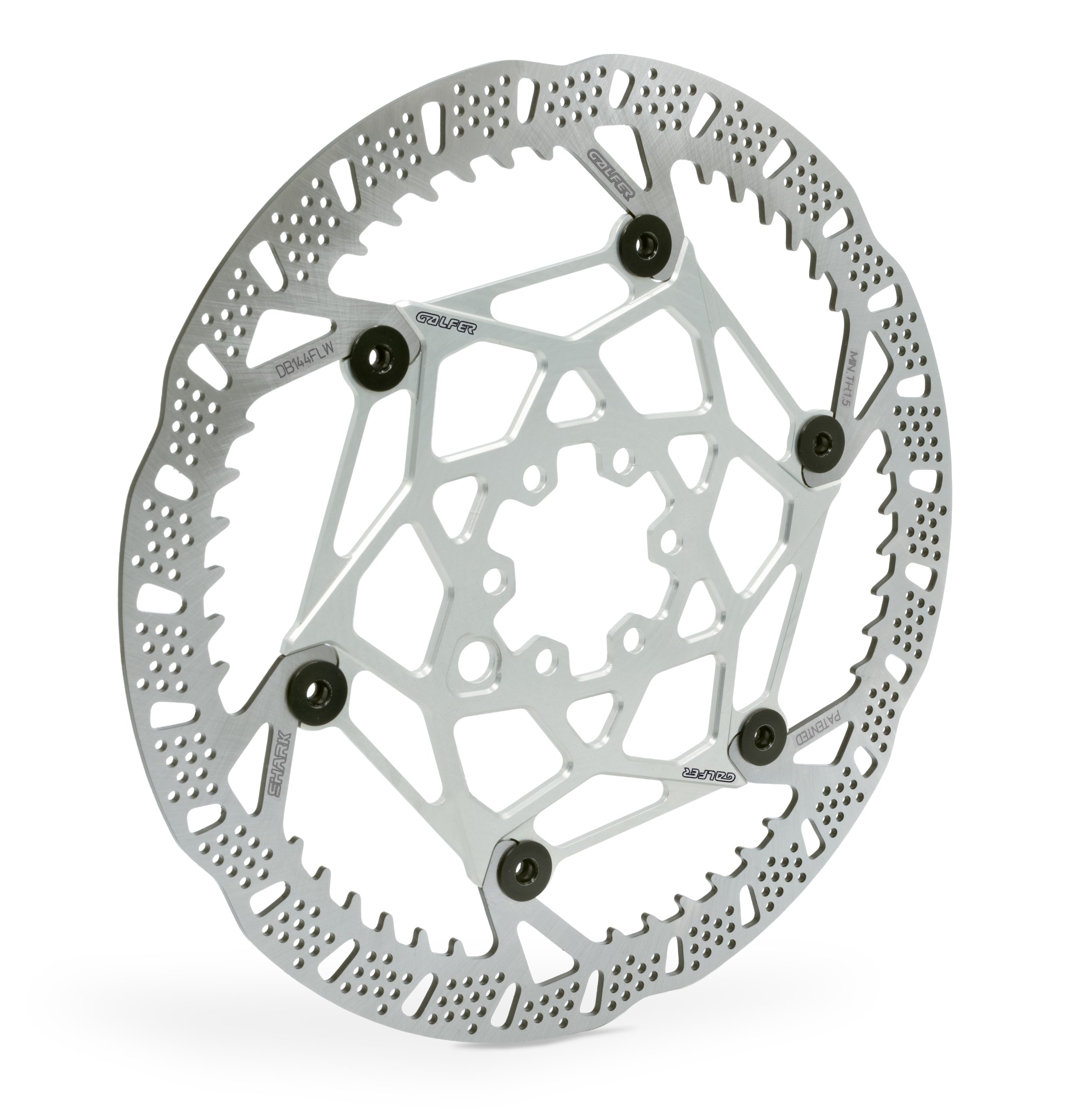
The Shark EVO’s two-piece construction is another area where Galfer is keen to go beyond the obvious.
A steel braking surface is joined to an aluminium carrier, which helps reduce weight on a large gravity-focused rotor
During our conversation, he demonstrated the difference in vibration by holding the mounts and flicking different sections of the disc. We compared the Shark EVO with a one-piece Shark rotor.
He joked that it was “a pretty obvious test”, but it made the point clearly enough: Galfer says the two-piece design helps control vibration, while the carrier improves lateral stiffness.
The joining method is also part of the story. According to Galfer, the braking load is transferred directly between the outer ring and the inner carrier, rather than relying on the pins as the main load path.
The claimed benefit is a disc that runs flatter, resists unwanted torsion and adds a damping effect to help control noise and vibration.
Pads, rotors and the braking system
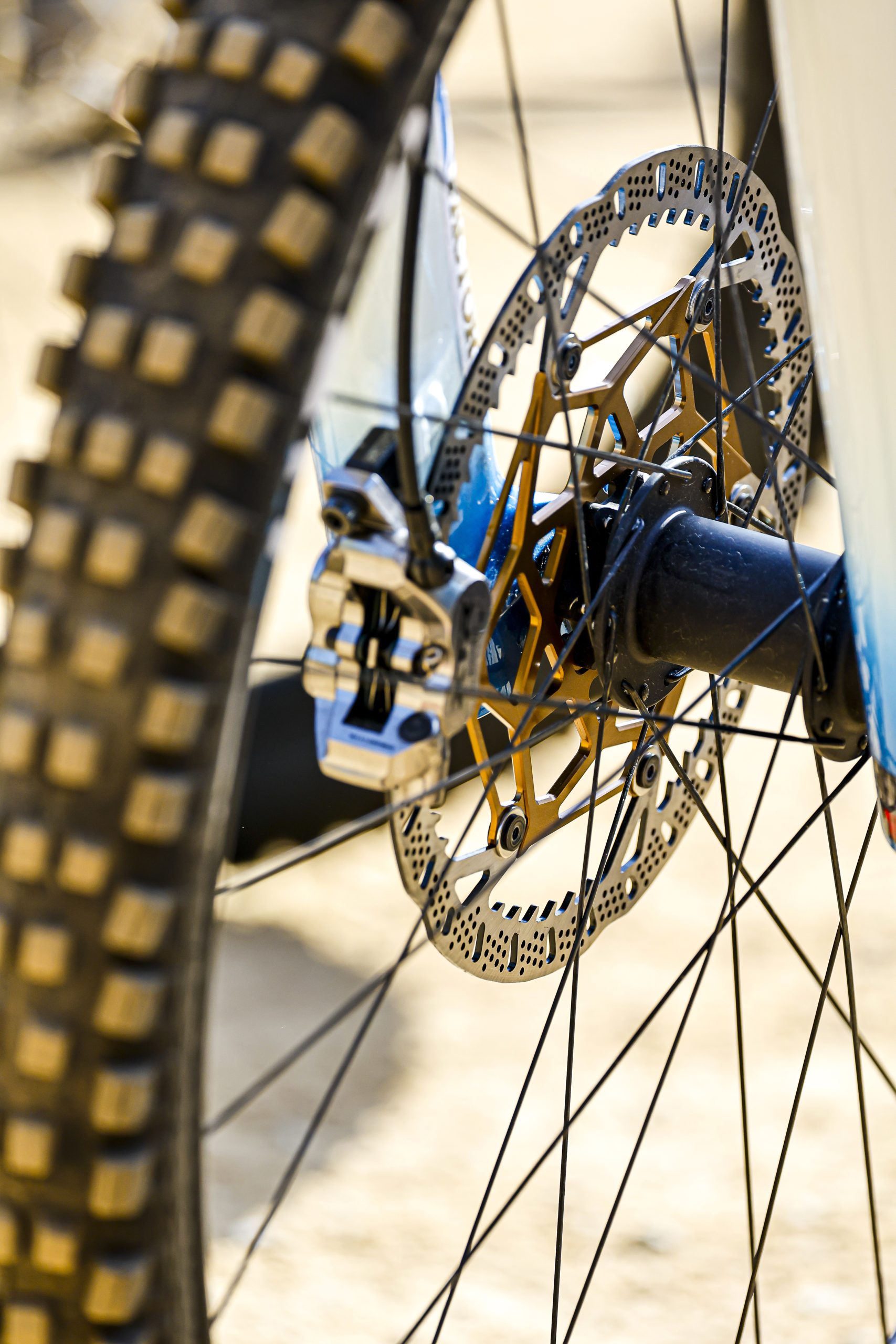
Although the Shark EVO was the focus, Galfer repeatedly returned to the idea that rotors and pads work as a system.
Becchis outlined the differences between organic, semi-metallic and more metallic pad compounds, explaining how bite, temperature range, wet-weather performance, wear and noise are linked.
Galfer positions its products as upgrades rather than simple replacements. The Shark EVO is intended for riders who already care about brake feel, consistency and control, and who want more from their existing system without replacing the whole brake.
Control, not just power
It would be easy to reduce the Shark EVO to a simple claim of more power, but Galfer’s launch message was broader than that.
The repeated words were control, consistency, reliability and precision.
Galfer wants the Shark EVO to offer strong bite, but also stable behaviour across different temperatures and conditions. It wants the rotor to handle heat, but not wear pads excessively. It wants stiffness, but not so much that compatibility and rub become bigger problems.
Modern mountain bikes ask a lot from their brakes. Enduro bikes are faster than ever. Downhill tracks are more violent. Electric mountain bikes add system weight and enable riders to pack more descending into a day.
Galfer’s answer is a rotor that reflects the company behind it: specialist, detail-led and rooted in friction.
Galfer is a family owned Spanish company with 70-plus years in braking, but it clearly sees mountain biking as a serious part of its future.
For the Shark EVO, that is the pitch: not just more stopping power, but more control over how that power is delivered.
For more information about Galfer's Shark EVO, contact UK distributor Silverfish at sales@silverfish-uk.co