Gravel is perhaps the fastest-developing area of drop-bar cycling. In a little over a decade, the sector has gone from niche pursuit to mainstream popularity, while the bikes are almost unrecognisable from the rigid mountain bike creations of old.
Ballooning tyre widths, a wealth of groupset options and comfort-boosting technology such as dropper posts and suspension forks have been integral to gravel’s development, but it’s hard to ignore the influence of road cycling – particularly in the increasingly competitive and professional world of gravel racing.
Argon 18’s new Anti Matter is a prime example of this crossover. A clear divide from the brand’s ride-anywhere Dark Matter gravel platform, it has more in common with its aero-optimised road race bike, the Nitrogen Pro. The pair share a number of characteristics – from wind-cheating tube profiles to an aggressive riding position designed for absolute speed.
“The Anti Matter was the answer to what Dark Matter wasn't to us,” says Argon 18 product manager Alexandre Côte. Here, he and performance engineer Adric Heney explain how the pinnacle of road bike innovation is now influencing off-road racing machines.
Aero optimisation
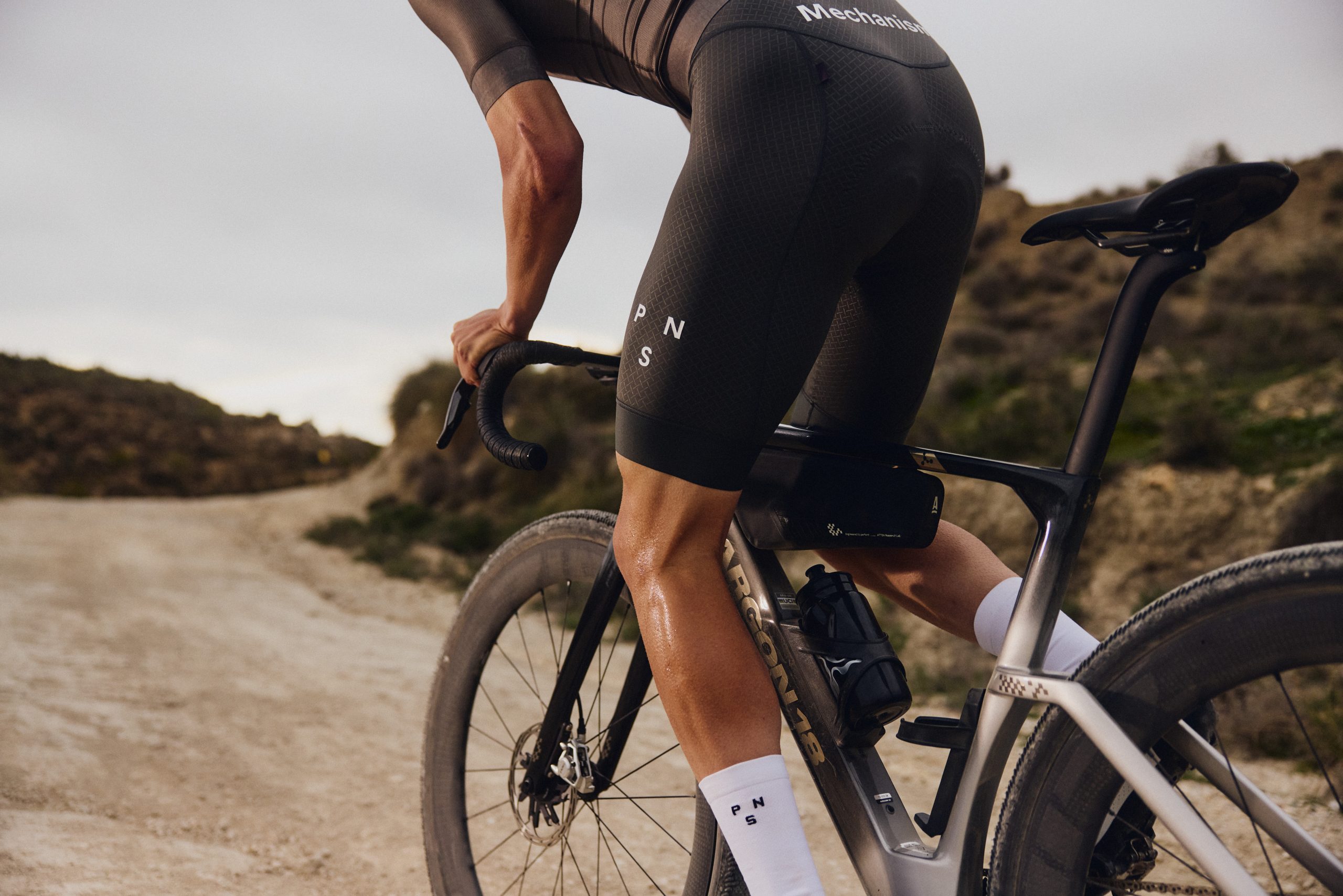
The biggest shift in gravel has been the rise in importance of aerodynamics. The relaxed, plaid-shirt image of old has been toned down; instead, everything is now optimised for performance – complete with skinsuits, WorldTour pros and fuelling strategies for ultra-distance epics.
“No matter what speed you're traveling at, drag is a huge component of your overall losses,” explains Heney.
“Even if you're traveling at 30kph, aerodynamics makes up roughly 70% of your overall losses, and once you get to 45kph it’s almost 90%. Somewhere in between, that is where the average speeds of a lot of gravel races are finishing, and that doesn't account for the technical sections where you're getting off your bike or you're going through a slower patch.”
When it comes to bike design, we’ve seen a rise in aero-optimised tube profiles that have been analysed for hours in CFD simulations and wind-tunnel testing sessions.
Argon 18 says it refined the platform through more than 800 hours of CFD simulation, 45 hours of wind-tunnel testing and more than 130 tube profile iterations. This resulted in a measured 14.5W aerodynamic advantage over the Dark Matter in race conditions (+/–15° yaw, wind-averaged drag at 45 km/h).
“The Nitrogen Pro and the Anti Matter share almost the same tube shapes because the speeds are comparable,” adds Côte. “You're going to hit some very high speeds in gravel racing nowadays – not the 60kph of some road races, but 40-45kph to even 50kph in some cases – so there's a lot of shared DNA between the two bikes for that reason.”
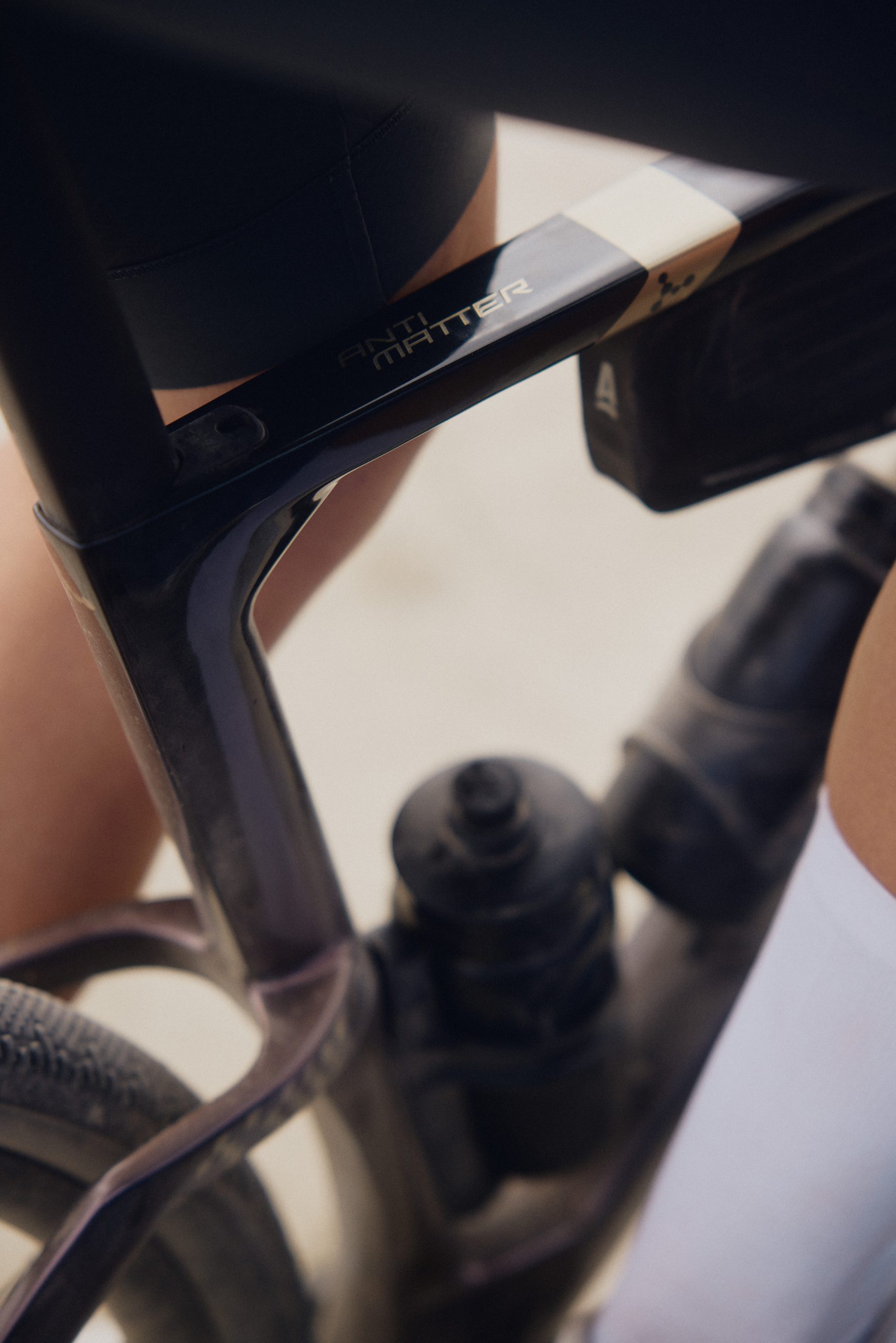
This optimisation is not limited to the frame’s tube shapes – every aspect of a gravel race bike is refined to be fast at all costs.
“The Nitrogen Pro and the Anti Matter share a lot of the bigger features: you see the similarities in the way the fork was developed; the leading edge of the head tube is off axis from the actual steerer so it allows it to have that NACA profile; we optimised the tube shapes based on what the applicable speed was,” says Heney.
“We had a different target speed in mind for the Anti Matter than the Nitrogen, but we could use the same optimisation strategies.”
Mirrored fit

This drive for performance extends to an almost road-like position on the bike. Argon 18 had multiple reasons for taking this approach with the Anti Matter.
“It’s key to get the rider in the right position and race geometry is a key component of that,” says Heney.
But it’s not just about aiding a wind-cheating position – it’s also a reflection of who the new breed of gravel racers are.
“We went very aggressive on the geometry side because we realised that a Nitrogen Pro rider is likely to take part in gravel racing – they are the same individual,” says Côte.
“Feedback that we got from our elite riders and racing customers was ‘I want to replicate my road position on gravel’. If you train 90% of the time on road and race gravel, you need to have the same position to apply the power the same way, same weight distribution, same comfort levels. This is why, especially on the fit geometry – stack and reach – it’s almost to the millimeter to replicate that position.”
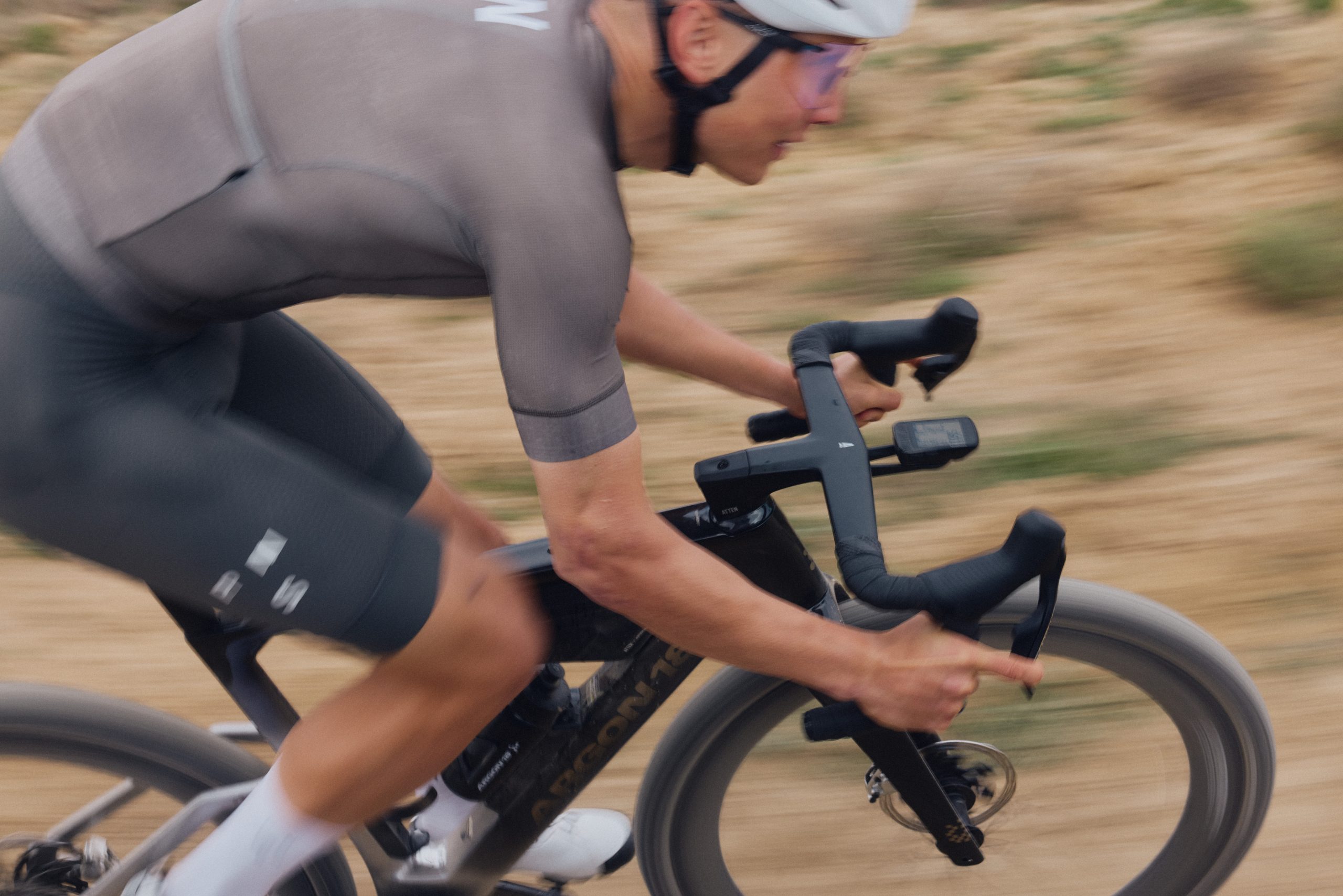
The epitome of this approach is the Atten CHB-01 aero cockpit. It’s exactly the same, in-house developed, one-piece handlebar that’s featured on the Nitrogen Pro. This means riders get the same touchpoints when switching between bikes.
Argon 18 decided against adding storage in the frame, equipping the new bike with proprietary aero bottle cages and collaborating with Apidura on the new ATTEN x Apidura frame bags, which are designed for carrying race essentials with no aerodynamic penalty.
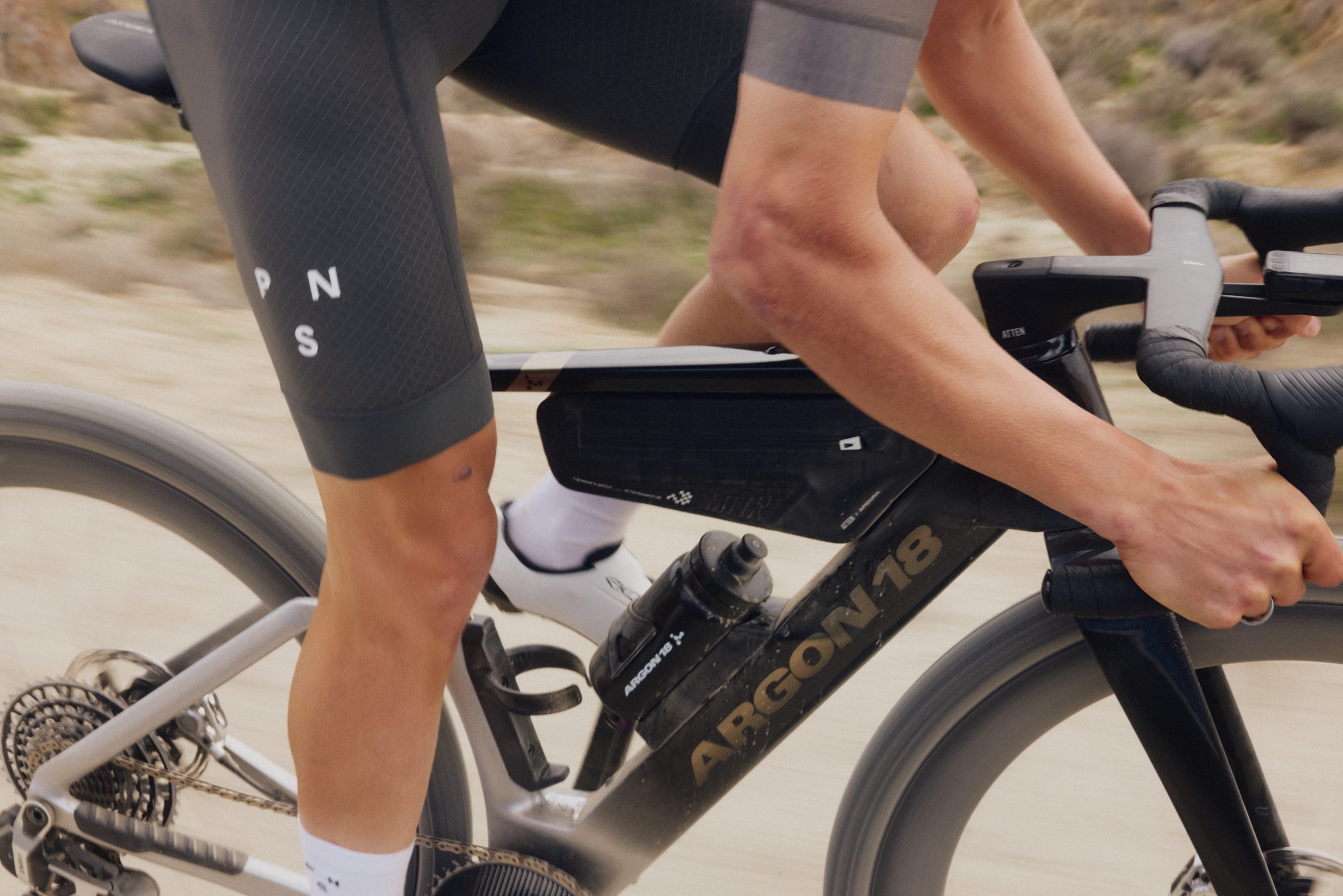
“We spent a lot of time on the cockpit and the intentions behind it. We had in mind that this was not only for Nitrogen Pro; from the start it was meant for Anti Matter, so there's a lot of conscious choices around the angles for that double use case,” says Côte. “It’s a racing cockpit; it is meant for racing aero first, but ergonomics a close second. It’s not necessarily meant to strap things on.”
Road bike responsiveness
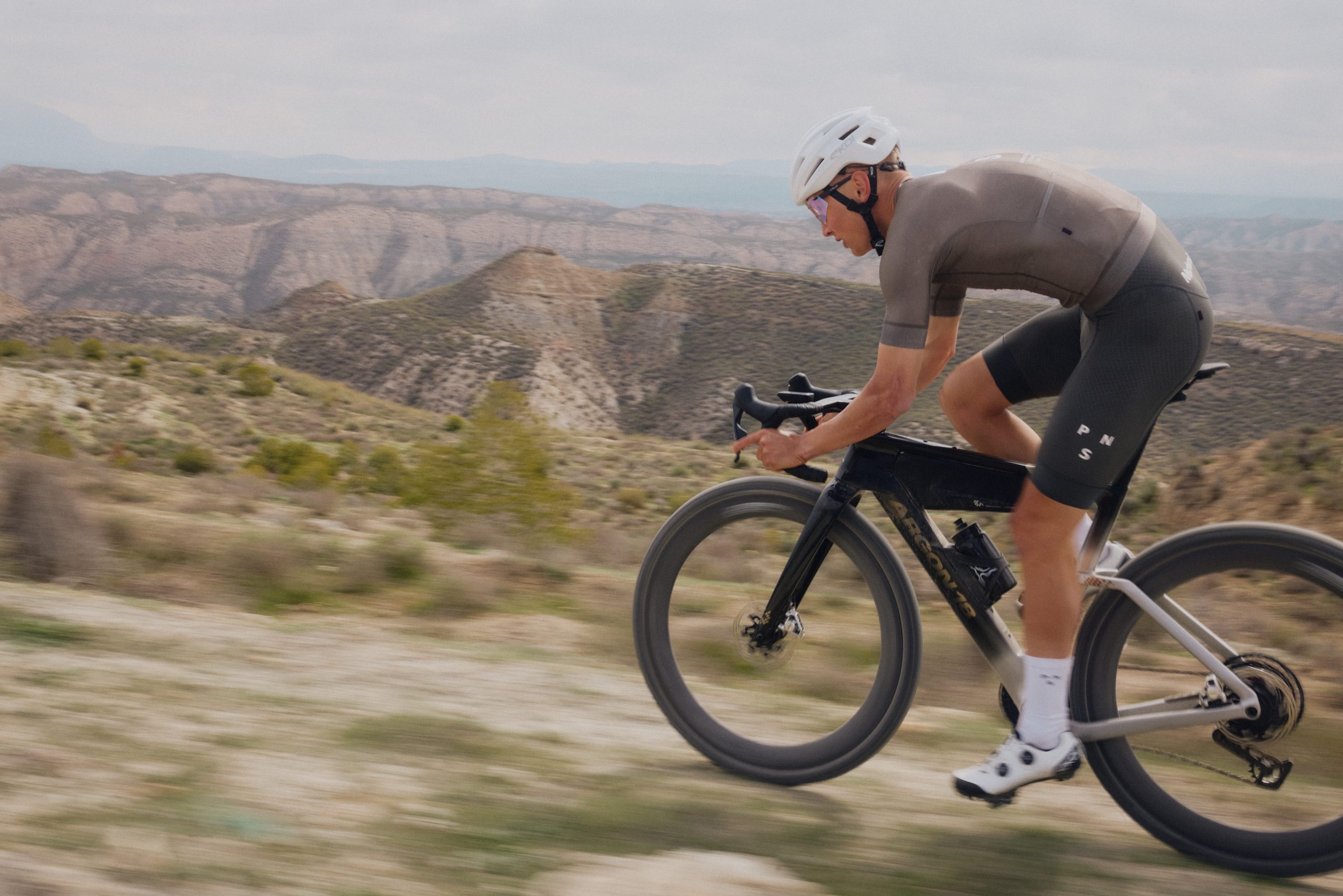
Aerodynamics and fit aside, the fastest gravel bikes are also leaning into road-bike stiffness and tuning to ensure optimal power transfer, even on rough terrain.
“Our approach to road-bike feel on dirt is not just the aesthetics, but the way the bike behaves when put under load,” says Côte. “But you can't do road-bike stiffness all across the bike because it won't be a very enjoyable experience, so it's a bit softer at the front and rear end for that particular reason.”
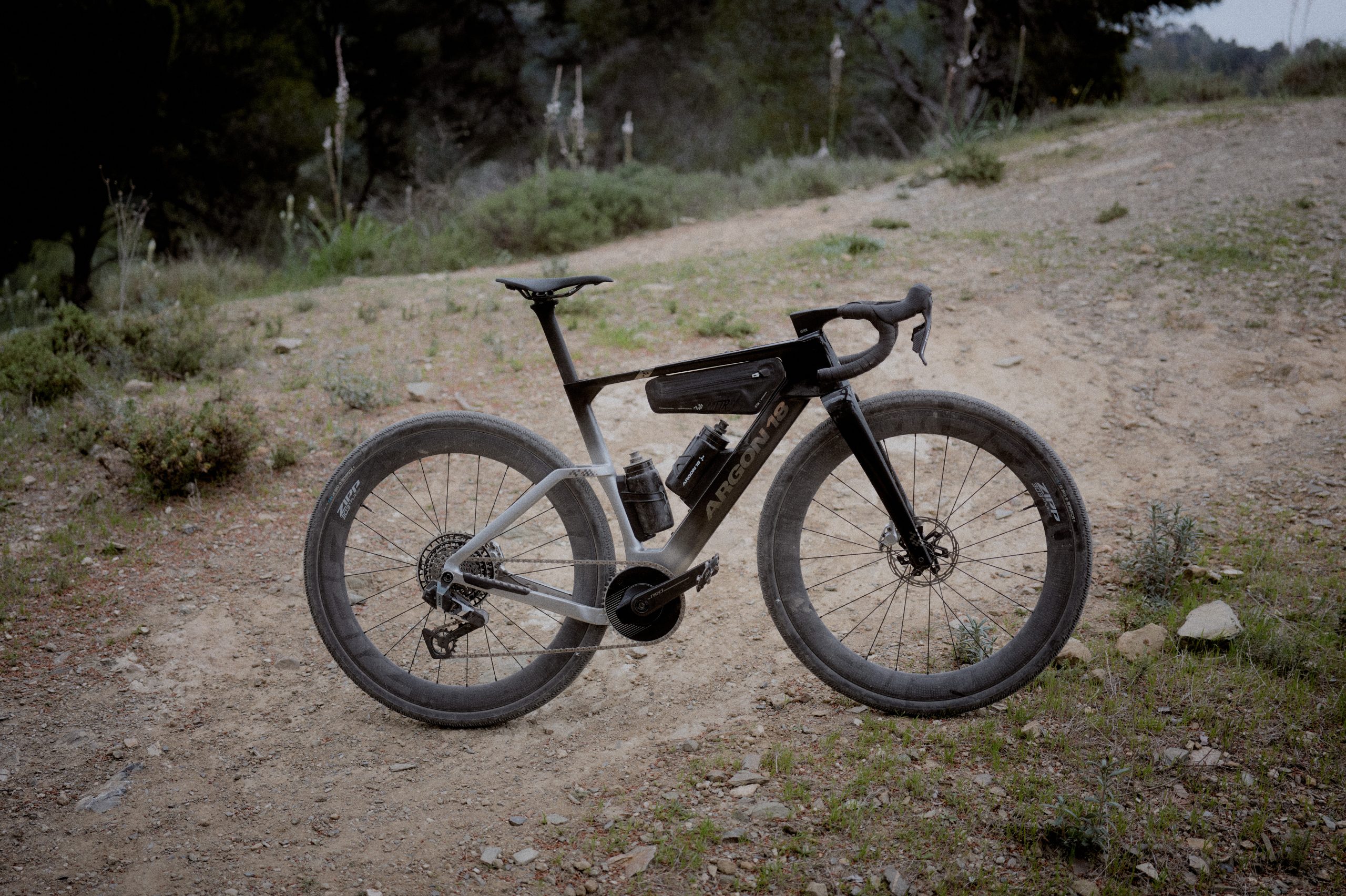
However, where the power transfer happens, around the bottom bracket and chainstays, Argon 18 tried to get the stiffness similar to its road-race bike platform.
“The carbon layup is very different, but it's the same attention to detail in the finer tuning of it and the shape is designed with the layup in mind,” adds Côte.
Race-focused DNA
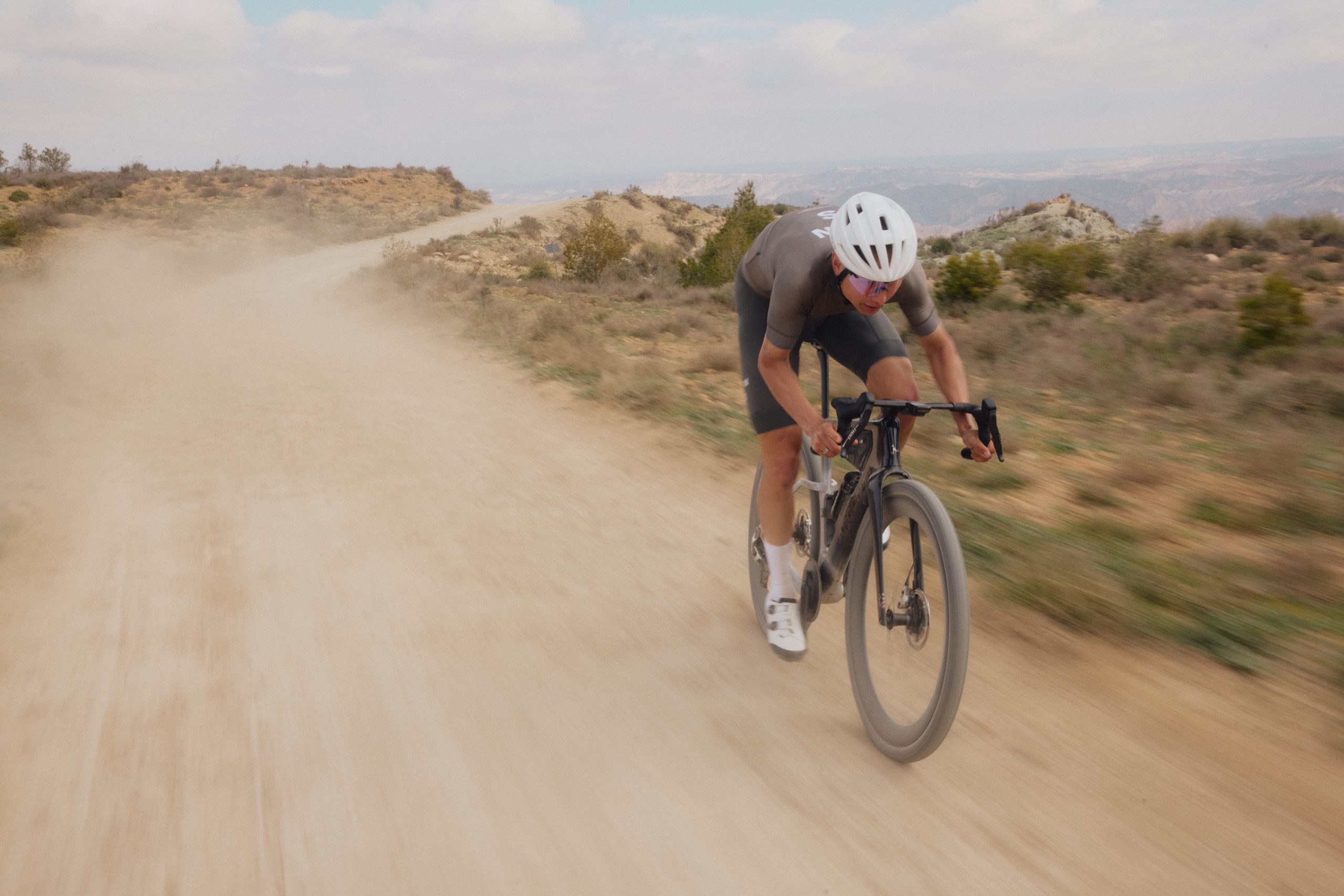
Ultimately, the fastest gravel bikes are now being designed specifically for the racing side of the sport, like the aero road bike segment, rather than being do-it-all tools that cover many other bases, such as bikepacking or adventuring.
Argon 18 has designed the Anti Matter to balance aero and weight, emphasising the importance of not compromising comfort and aero efficiency in transmitting the rider’s efforts into power at the rear wheel.
“When you analyse the type of courses that people race, you're going to end up with a very intentional design at the end,” says Côte.
“We designed it for closer to what the UCI offers – in some places, like the Gralloch in Scotland, it's very gnarly; when you go into mainland Europe, you get a mixed bag of everything; when you come to Canada, it's basically dirt roads, so it's very smooth. The intent behind that bike was to optimise it for that type of racing, because that's what people will mostly experience.”