

Tadej Pogačar and Mathieu van der Poel had markedly different preparation for this year’s Tour de France.
WHOOP collected 1,600 hours of wearable data from Pogačar and Van der Poel’s first half of the season, breaking down their training volume, cardiovascular fitness, sleep habits and more.
While these two star riders' training habits are tailored with an elite professional’s athleticism in mind, the data highlights some common traits we may all be able to learn from.
Two riders, two routes to the Tour
Tadej Pogačar – all about control
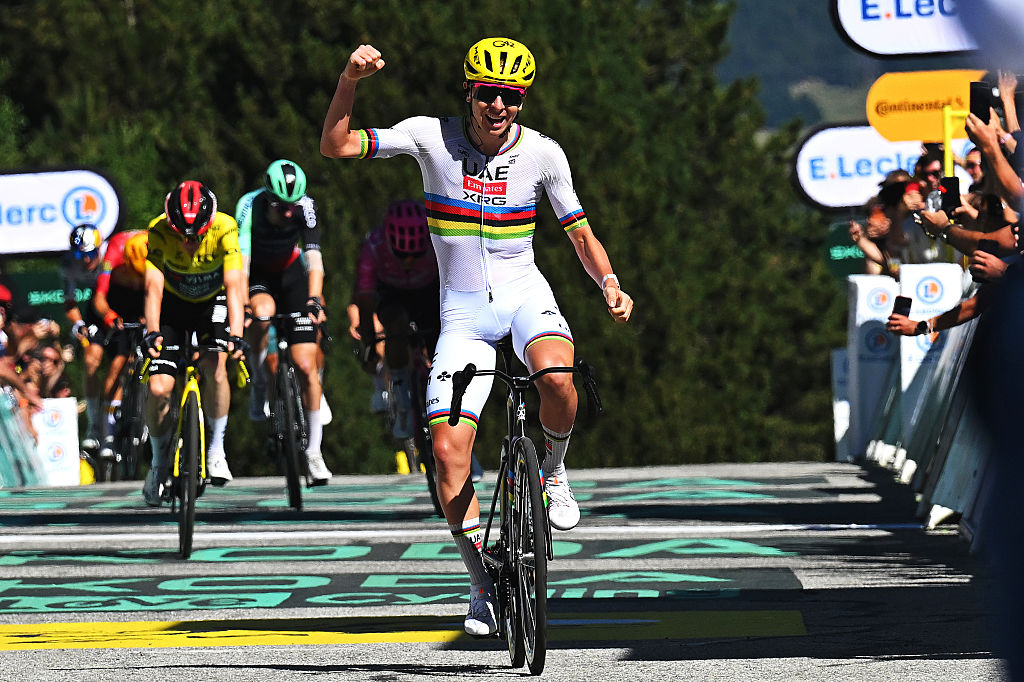
Tadej Pogačar logged 578 hours of riding between January and late June, with more than 200 cycling sessions across the first six months of the season – around 9-10 rides per week.
What’s most interesting about Pogačar’s training schedule is his off-saddle approach, particularly when it comes to recovery. He logged 30 hot tub sessions, sauna use, weight-training and ice baths.
The data suggests a highly controlled approach, pairing enormous riding volume with regular recovery and off-bike conditioning, all helping Pogačar in his preparation to dominate the Tour.
Mathieu Van der Poel – all about variety
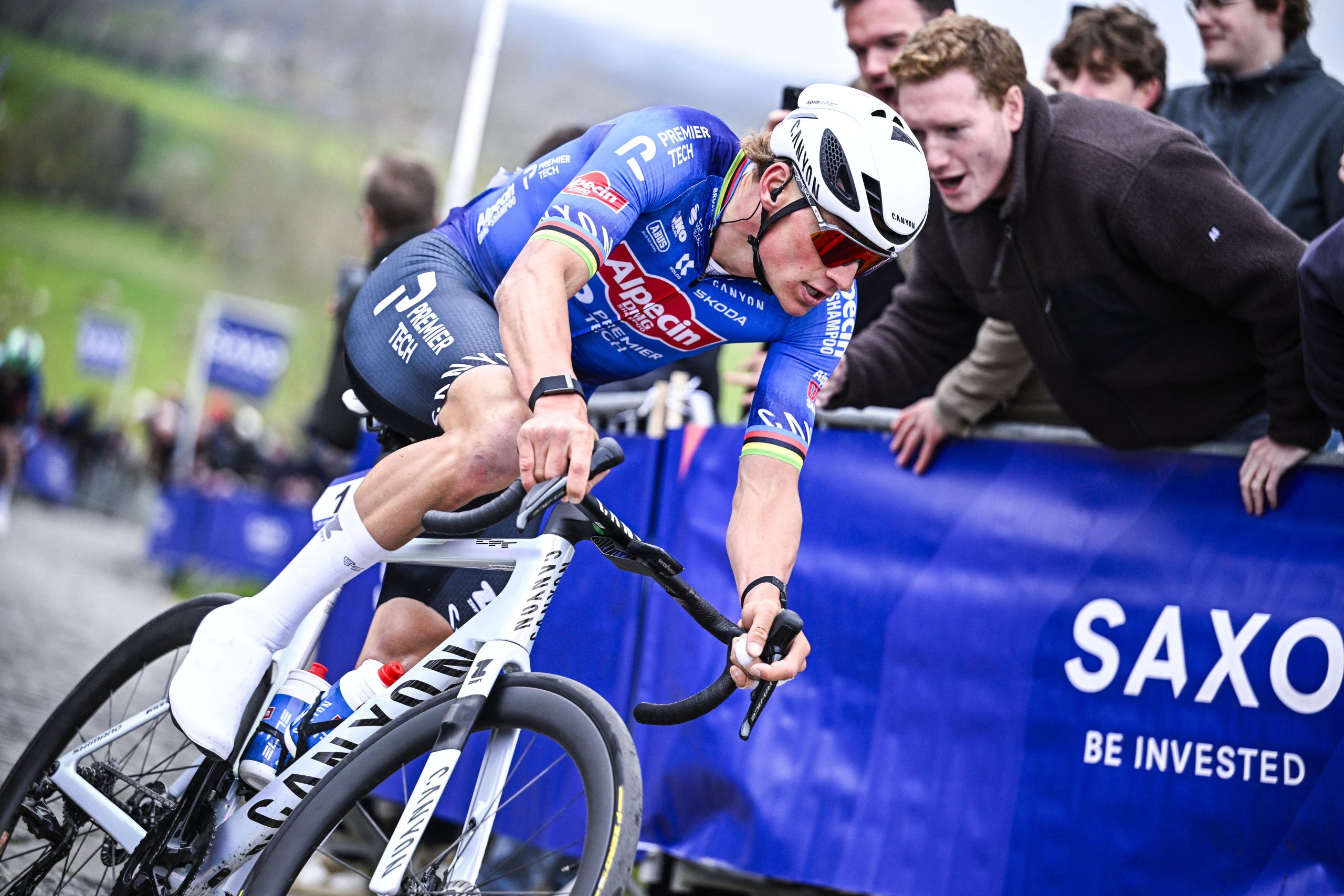
Mathieu Van der Poel logged slightly less volume than Pogačar, with 506 hours of cycling between January and late June, but it still equated to more than 200 cycling sessions across the season and 9-10 rides per week.
Van der Poel supplemented his road riding with frequent mountain-bike sessions – no surprise given the Dutch rider's off-road credentials. The most surprising addition? He logged 40 rounds of golf.
The data shows how Van der Poel’s preparation mixed disciplines and activities more so than Pogačar, highlighting how top cyclists tailor their approaches according to their individual needs.
Different methods, similar results
Despite Pogačar and Van der Poel’s contrasting preparation styles, their WHOOP data suggests they share similar underlying physiological traits. Across the season, both riders recorded resting heart rates between 38 and 44 beats per minute, which is significantly lower than the average committed cyclist in the control group.
It’s also worth noting that Van der Poel averaged an impressive heart rate variability (HRV) score of 143 – the variance in time between the beats of your heart, which is considered a metric for physical performance – compared with 71ms among age-matched cyclists.
Perhaps most interestingly, both riders improved their key recovery markers in the final month before the Tour, even as training strain and load increased. Elite performance is built both on an ability to train consistently and to recover just as effectively.
What can amateur cyclists learn from the data?
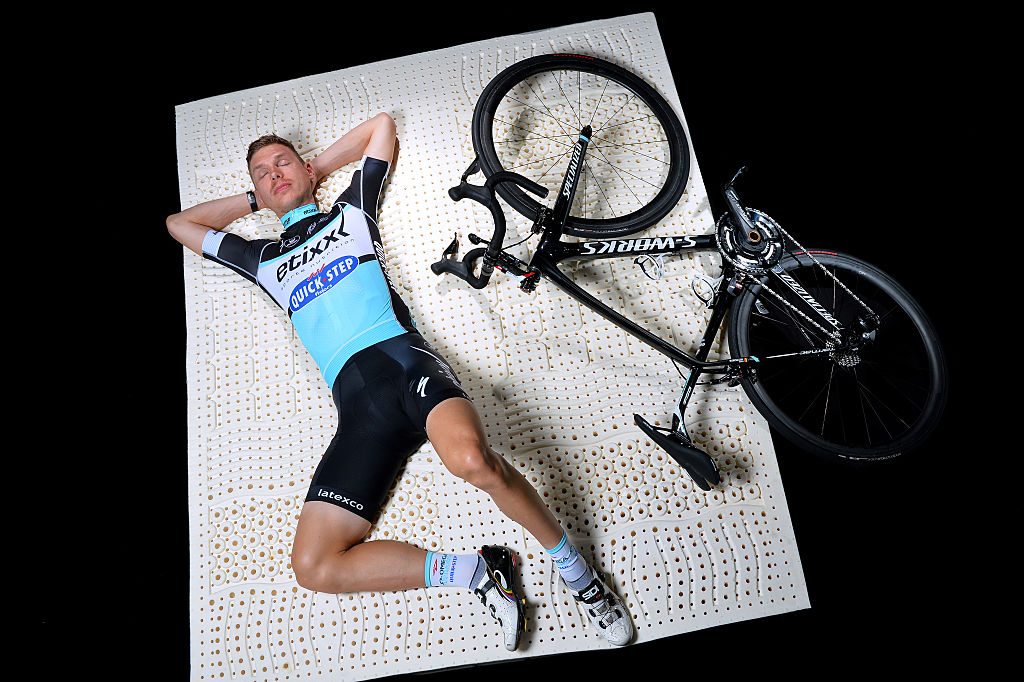
Even the most committed cyclists won’t train 9 or 10 times a week, or accumulate 500 hours of riding over the course of a few months. The WHOOP data suggests something we can take from professional cyclists in general, though, and it lies in our sleep habits.
While Pogačar and Van der Poel only averaged 10 to 30 minutes more sleep per night than other age-matched cyclists, they were far more consistent with their sleep habits. All three riders recorded sleep consistency scores above 81%, compared with 70% in WHOOP's age-matched group.
It’s a reminder that performance isn’t only built around training harder. Implementing a consistent sleep schedule is also crucial to your recovery and one of the simplest ways we can all arrive a bit fresher to our next ride.
Curious how your own numbers compare?
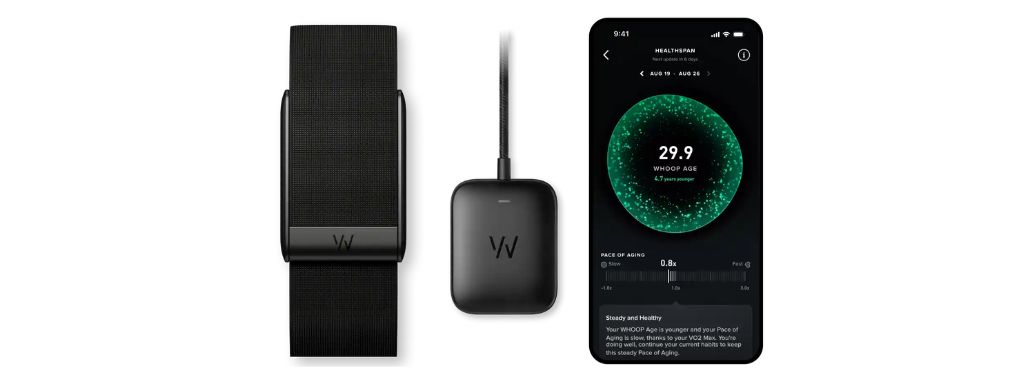
Metrics such as HRV, resting heart rate, sleep performance and daily strain can all provide useful insights for cyclists to see how their body is responding to training.
If you’re interested in seeing how your own metrics compare to top cyclists, you can explore WHOOP’s product range here or take advantage of the offer below.


