A decade ago, drop-bar bikes looked very different. Rim brakes were the norm, inner tubes were part and parcel of a wheel’s setup, chainrings came in pairs and gravel riding was very much in its infancy.
But widespread, category-altering change was afoot. One person who had the inside scoop was Ian Hughes, a cycling industry veteran who could see the shifting sands and continuing influence of mountain-bike inspired tech.
With disc brakes, wider (and tubeless) tyres and 1x groupsets coming down the road, he decided to launch Vielo, a bike brand that capitalised on the latest tech for drop-bar bikes.
“We started thinking about it in 2016 and we launched in 2018, so the whole concept is 10 years old now,” he says.

Vielo’s bikes have always been proudly 1x only – there’s not a double crankset in sight. But while Vielo’s first bikes might have arrived at a time when opinion was divided and the arrival of 1x bikes in the WorldTour was being heavily scrutinised, a lot has changed in the years since, not least on the gravel scene.
But Hughes doesn’t think 1x will stop at gravel, nor does he believe it’ll remain a specialist option only used on certain parcours in professional road cycling.
In fact, the Vielo co-founder believes it’s the future of all drop-bar bikes.
Engineering freedom

According to Hughes, one of the biggest advantages of designing a bike specifically for use with a 1x drivetrain is the freedom it creates to tinker with a frame’s characteristics. According to Vielo’s testing, frame stiffness increased by 32% compared to a 2x design.
“For road riding, we wanted to offer enough space around the seatstays, chainstays and fork for a 35mm tyre on a wider rim,” adds Hughes. “Doing away with the front mech just gave us so much more freedom to design and engineer everything.”
Not being bound by UCI rules provides a blank canvas for Vielo that bigger manufacturers might struggle with, but Hughes says he’s still surprised that a major manufacturer hasn’t followed suit and designed a bike specifically for 1x.
“Tour de France riders are riding a 1x groupset on their 2x frame, and they're looking for marginal gains,” says Hughes. “Having a dedicated 1x frame increases the BB stiffness by 32% on our model.”
Industry shifts make 1x viable
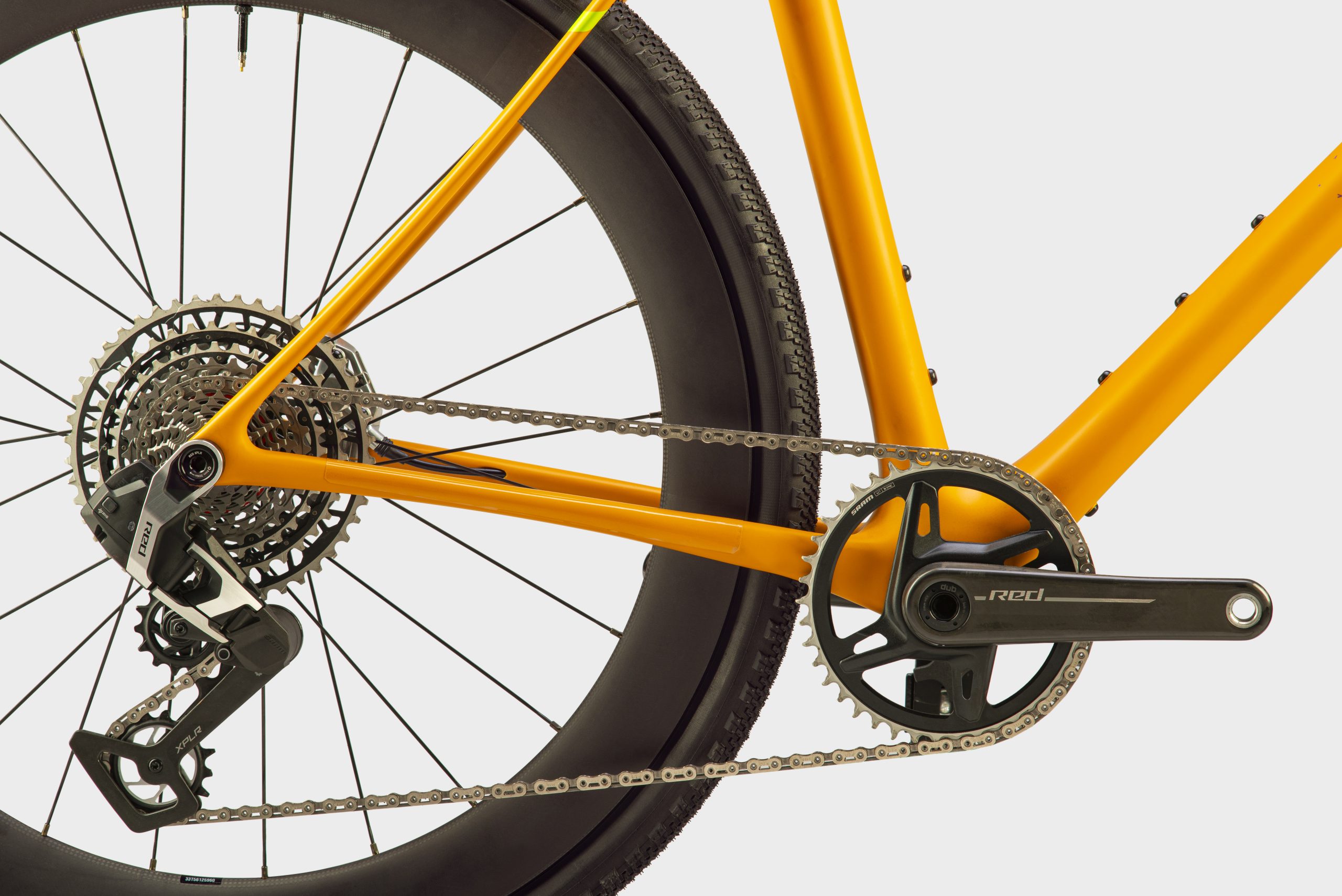
While Hughes had the foresight to see where the industry was going a decade ago, it’s taken almost 10 years for 1x systems to become a “problem-solving” setup, rather than creating a headache when terrain and gear ratios aren’t aligned.
Today, both SRAM and Campagnolo offer electronic 13-speed options in their 1x gravel groupsets, while cross-compatibility means that the same gravel rear mechs and cassettes can be used for wider ratios on road drivetrains.
“Because the cassette range has got wider, we've got 10-46t across SRAM and you could even go mullet if you want to do 10-52t,” says Hughes, referring to the ability to combine a road or gravel crankset with a mountain bike cassette, for a so-called mullet drivetrain. Campagnolo now also offers Super Record and Record with 10-48t cassettes and various chainring sizes, he adds.
“We can offer a range of chainring sizes to meet a customer’s requirements,” says Hughes. “We can still give them the range they would normally have on a compact or semi-compact crankset, without duplicating gears like a 2x setup.”
He believes that this improvement in cassette range on 1x drivetrains will not only do away with second chainrings, but also virtual systems such as Classified’s rear-hub-based gear cluster. “That was a great solution, and it was a very interesting option to offer customers if they wanted to go down that route, but the need is going away,” says Hughes.
Pro-led but benefits for all
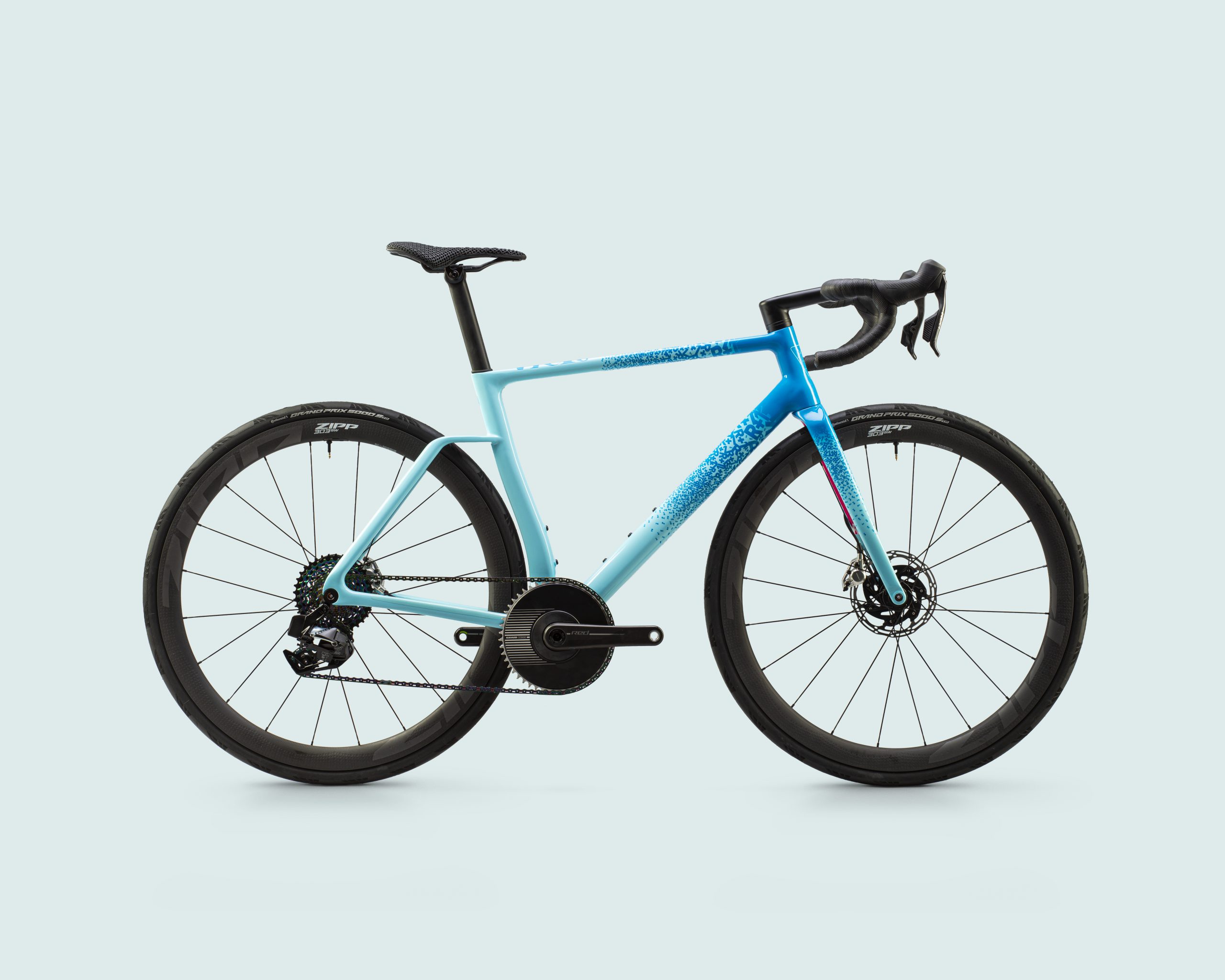
Switch on any pro-level race and there’s a good chance that you’ll see a rider opting for a 1x groupset – Jonas Vingagaard even used one on the ascent of the Col du Tourmalet at this year’s Tour de France.
“Tradition is changing and moving forward to where we are now,” says Hughes, with SRAM-sponsored teams and riders leading the charge, thanks to the American brand’s all-out support for single chainring drivetrains.
Hughes also sees the arrival of 1x in the peloton as being more relevant to everyday riders than other pro-led trends, including short cranks and wild cockpit setups.
“There's now space across the whole range – gear range, cassette range, chainring options – for everybody,” adds Hughes. He says 1x can help save weight, boost a bike's aerodynamic profile and, if set up correctly, reduce the risk of a dropped chain.
Aside from any performance benefits, Hughes says a 1x road or gravel bike is quicker and simpler to use than the alternative, and it removes issues like front mech rub, cross-chaining and reduces overall maintenance.
“We found that the customers who bought into it have really got it,” he says.