Vision is one of the leading component brands in professional road cycling.
The US-based brand has been pushing the boundaries of carbon fibre and aerodynamics since the 1990s and pioneered the first integrated carbon bars for time trialling at the turn of the millennium.
Today, the company’s aero-optimised products have expanded into a range that covers cranksets and cockpits, but it was the launch of Vision’s Metron wheelsets in 2013 that truly put the brand on the map. Fast-forward to 2026 and Vision has supplied Cannondale Pro Cycling (now EF Education-EasyPost) for more than a decade, with a number of other WorldTour teams also using Vision products.
The latest Metron RS (Racing Series) wheelsets were launched in 2025 and did something that, on the surface, seemed impossible by improving on the predecessor, the Metron SL, both aerodynamically and on the scales.
Ridden by EF Education-EasyPost’s Richard Carapaz to the King of the Mountains jersey at the 2026 Tour de France, and by Ben Healy during the Irishman’s time in the yellow jersey last year, the range has clear WorldTour credentials.
Here are six things you need to know about the Vision Metron RS wheels.
1. They’re Vision’s flagship carbon wheels
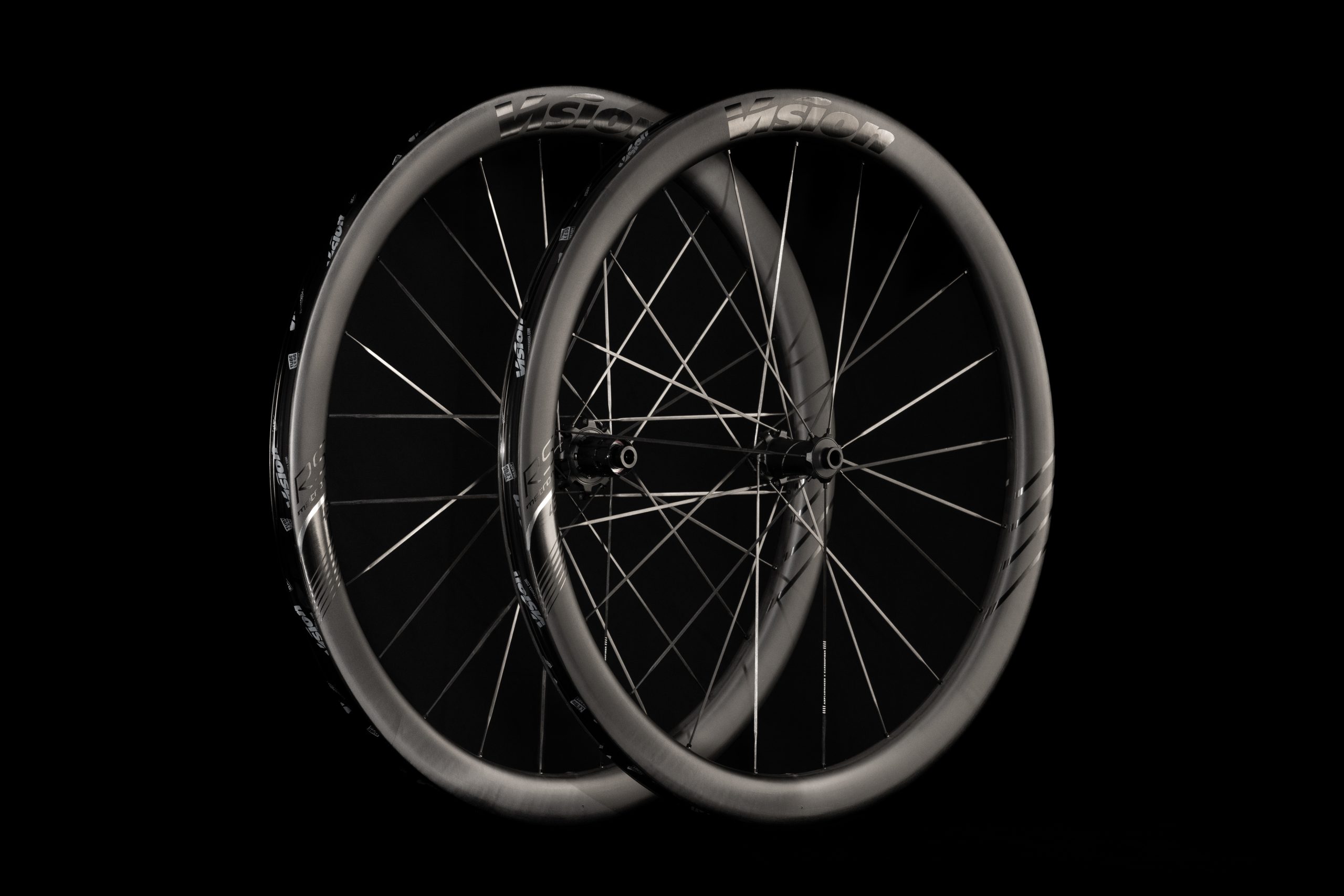
The Metron has always been Vision’s flagship carbon wheel range, and the RS takes things up a notch from the iteration it replaces, 2021’s Metron SL.
As the manufacturer’s first-ever full carbon wheelset, it pairs a handmade carbon rim with aero-bladed, direct-pull carbon spokes that have a T-shape spoke head for anti-rotation under load. The spokes are hand-laced to Vision’s own V-1000 hubs, featuring the company's new Power Ratchet System design.
Completed with sealed ceramic bearings (two at the front, four at the rear), the Metron RS range sits at the pinnacle of carbon fibre road bike wheelset design.
2. Full-carbon, aero-optimised design
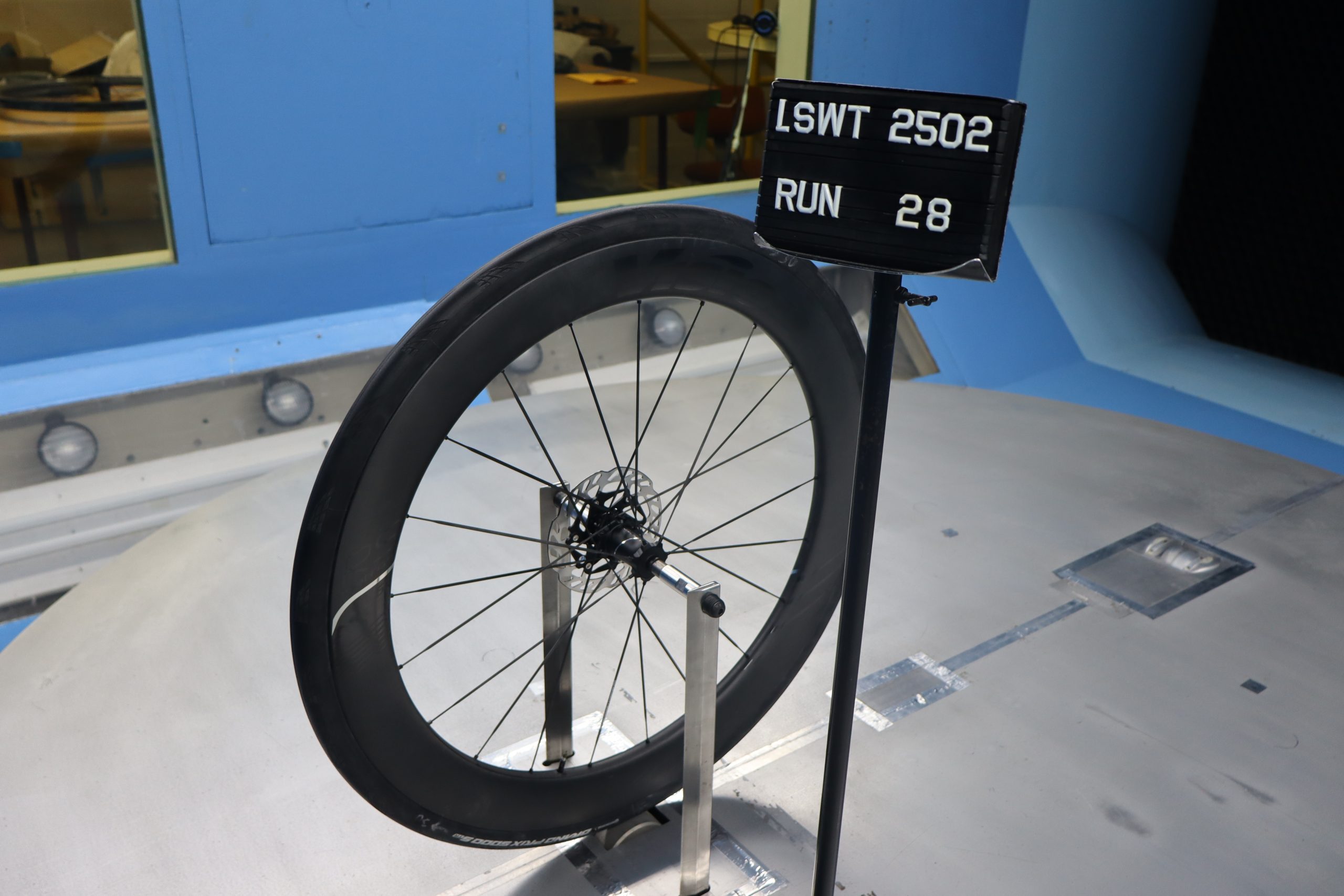
While the carbon spokes have helped to shave 108g per wheel compared to steel spokes, their increased surface area leads to more rotational drag, meaning Vision’s R&D team had to counteract this decrease in aerodynamic optimisation at the rim.
They increased the internal rim width to 23mm from 21mm, and when combined with a 28mm tyre, the results from Vision’s extensive testing at the San Diego low-speed wind tunnel showed a marginal decrease in drag (-0.9W for 60mm rims; -1.6W for 45mm rims), compared to the Metron SL.
The result is a lighter, faster, stiffer wheelset that retains the proven race-winning handling and stability that the Vision Metron range is renowned for.
What’s more, the greater internal rim width and tubeless setup on 28mm tyres lowers rolling resistance and increases comfort, while a hooked design means there is more freedom to experiment with tyre pressures compared to a hookless alternative.
3. Three rim depths on offer
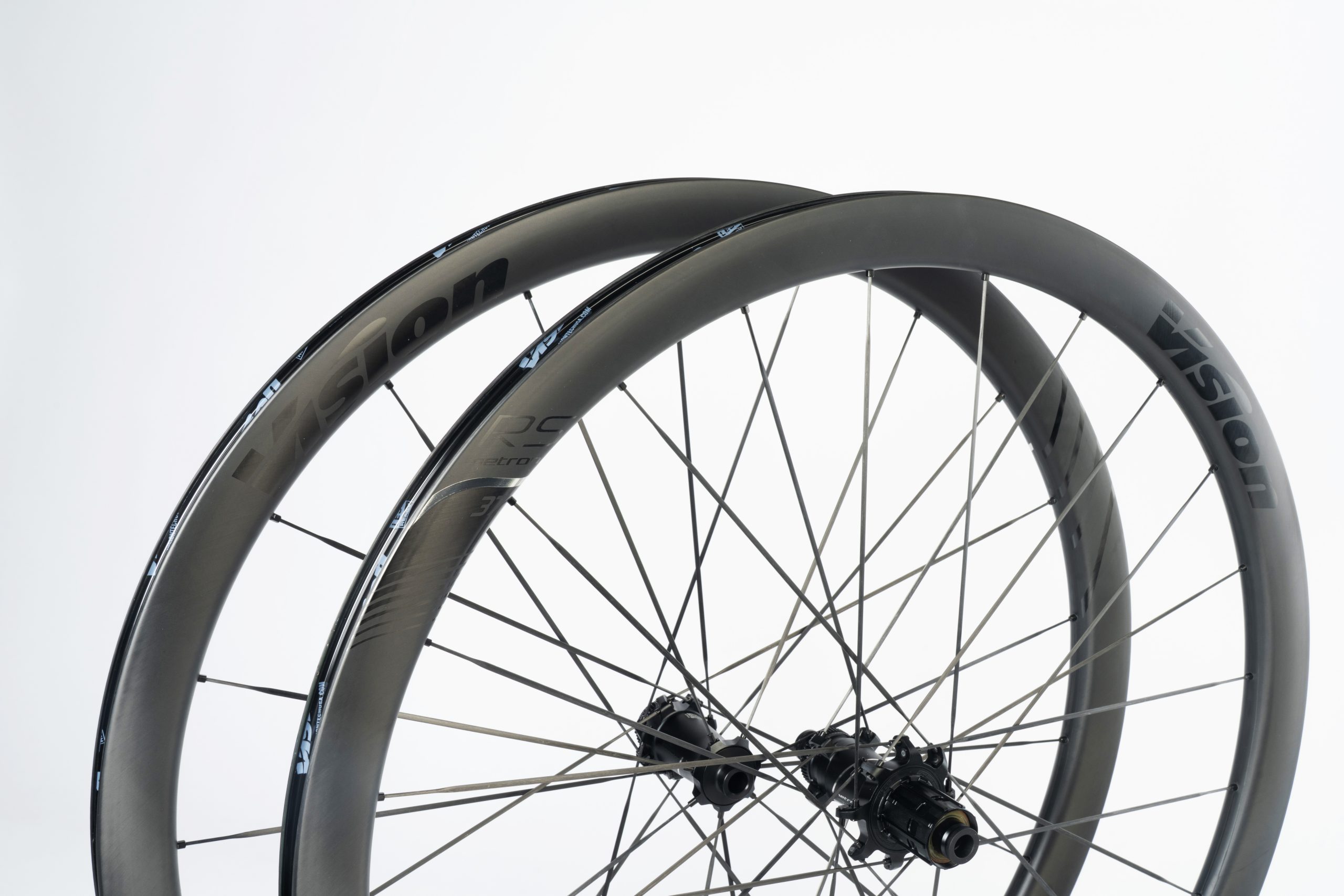
The Metron RS range comes in three different rim depths – 37mm, 45mm and 60mm, with pricing as follows:
- Vision Metron 37 RS – £3,109 / €3,190
- Vision Metron 45 RS – £3,109 / €3,190
- Vision Metron 60 RS – £3,179 / €3,179
At the shallow end, the Metron 37 RS wheels are ideal for climb-heavy days when their featherweight build (1,220g) will provide an advantage as the gradient rises.
The Metron 45 RS offers the best of both worlds on rolling terrain at only 1,290g.
The Metron 60 RS wheels, meanwhile, are for flat, all-out sprint stages where their wind-cheating prowess will count for more than their still impressive 1,390g weight.
4. Pro-ready performance
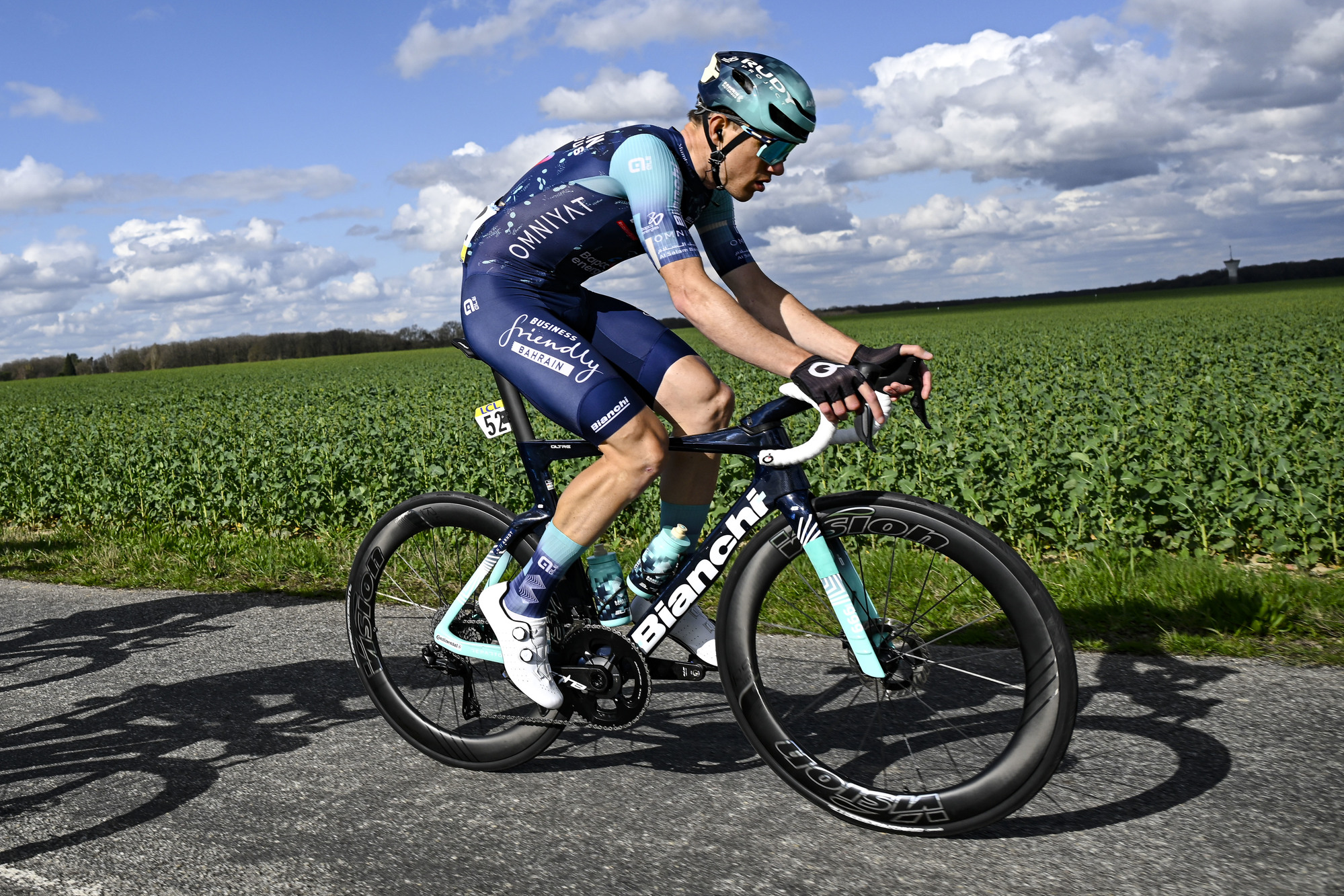
Since their debut in 2025, the Vision Metron RS range has been used at the sharp end of the professional peloton by WorldTour teams EF Education-EasyPost, XDS Astana and Bahrain Victorious, while at the 2026 Tour de France they were also used by wildcard ProTour invitees Caja Rural-Seguros RGA and Unibet Rose Rockets.
Not only does that mean they’ve been tested in some of the calendar’s most demanding race environments, but their aero and lightweight credentials have also been integral in some monumental victories, including Carapaz’s two stage wins en route to the polka dot jersey and eighth place at the 2026 Tour. On top of that, Bahrain Victorious’ Lenny Martinez secured a fifth place in the general classification.
Beyond the Tour, the Vision Metron RS wheels have been proven on a variety of different terrains – from XDS Astana’s Max Kanter’s sprint finish on stage 2 of this spring’s Paris-Nice, to team-mate Alberto Bettiol’s solo escape on a lumpy stage 13 at the 2026 Giro d’Italia.
5. All the finer details are covered
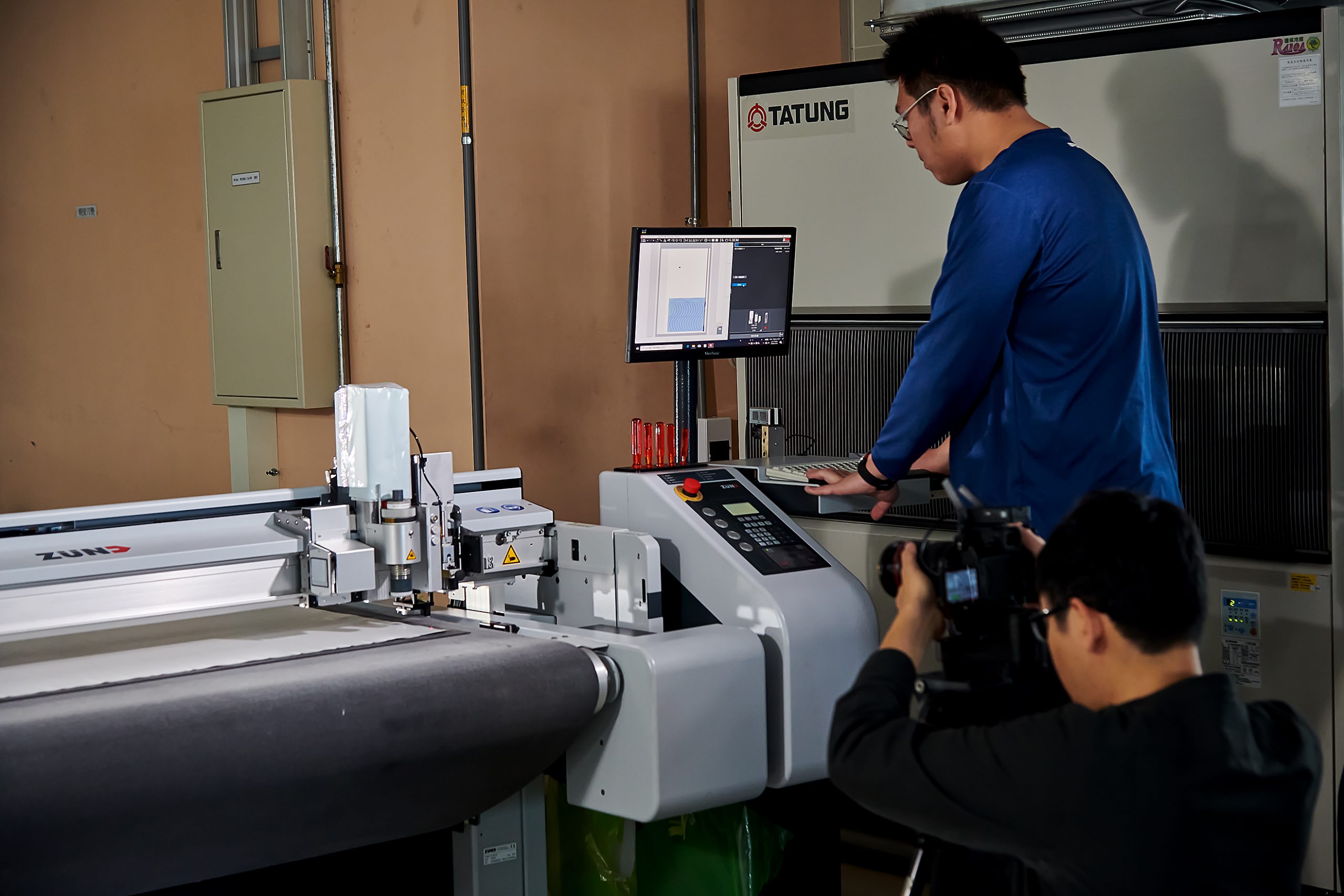
WorldTour-proven credentials are one thing, but the Vision Metron RS wheels don’t require the assistance of a team mechanic to get the most out of them.
The rim bed has been improved to make it easier to fit a tubeless tyre, while the hub is tool-free to service, Vision says.
The fine details extend to the rim too, where wheel graphics are created in-mould rather than by decals, shaving 22g off the total weight.
And for riders chasing the ultimate gains, Vision offers the 45 and 65 wheels in a limited-edition ‘Silver Ed’ design with CeramicSpeed bearings.
6. PRS hubs for high performance and low maintenance
The V-1000 hubs use Vision's Power Ratchet System, with a new ‘Helical Clutch’ ratchet with 72 teeth, meaning a 5° engagement angle and a 24% improvement in power transfer compared to the older freehub, according to Vision.
The PRS system swaps pawls for two ratchet rings for near-instant power delivery, while also reducing friction when coasting (without dampening the loud whirr of the freehub).
Vision has also designed the hubs to make ongoing maintenance simple. Vision recommends servicing the hubs once a year for general use or every three months for use in extreme conditions (rain, sand and dust).
The video below also provides a demonstration of how to service the hubs.