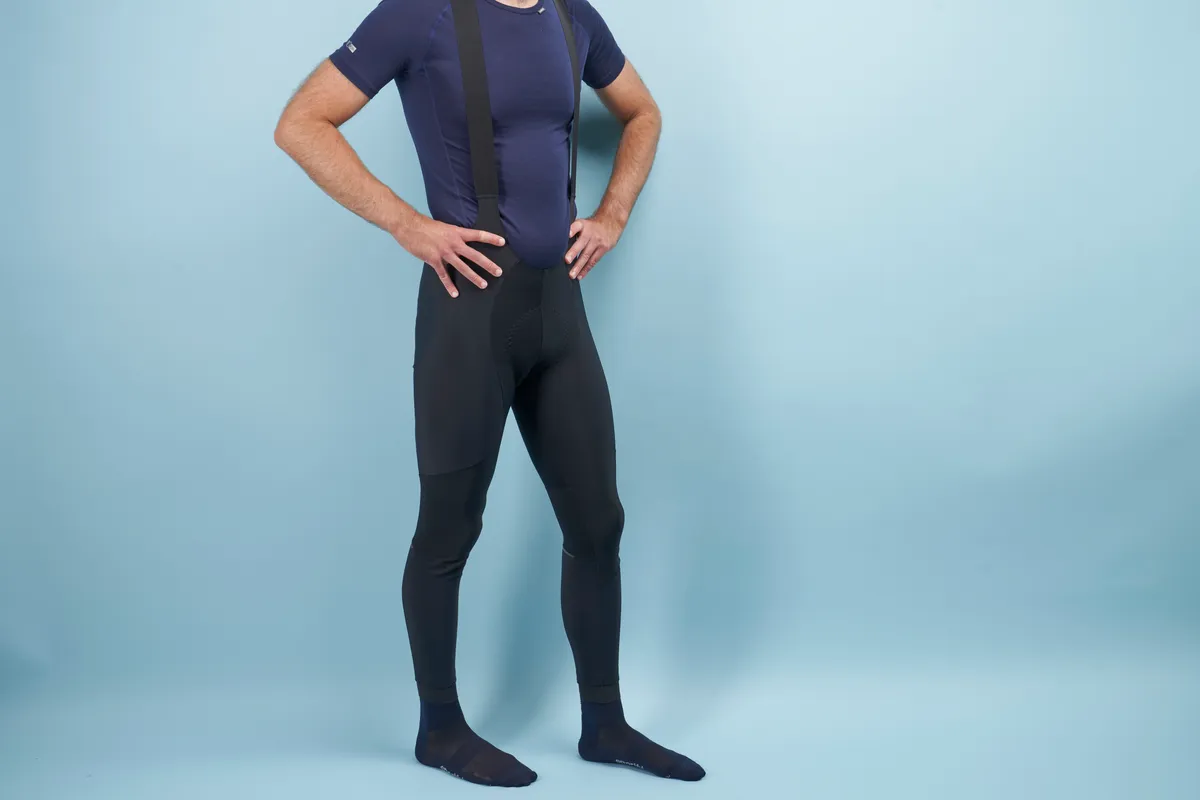
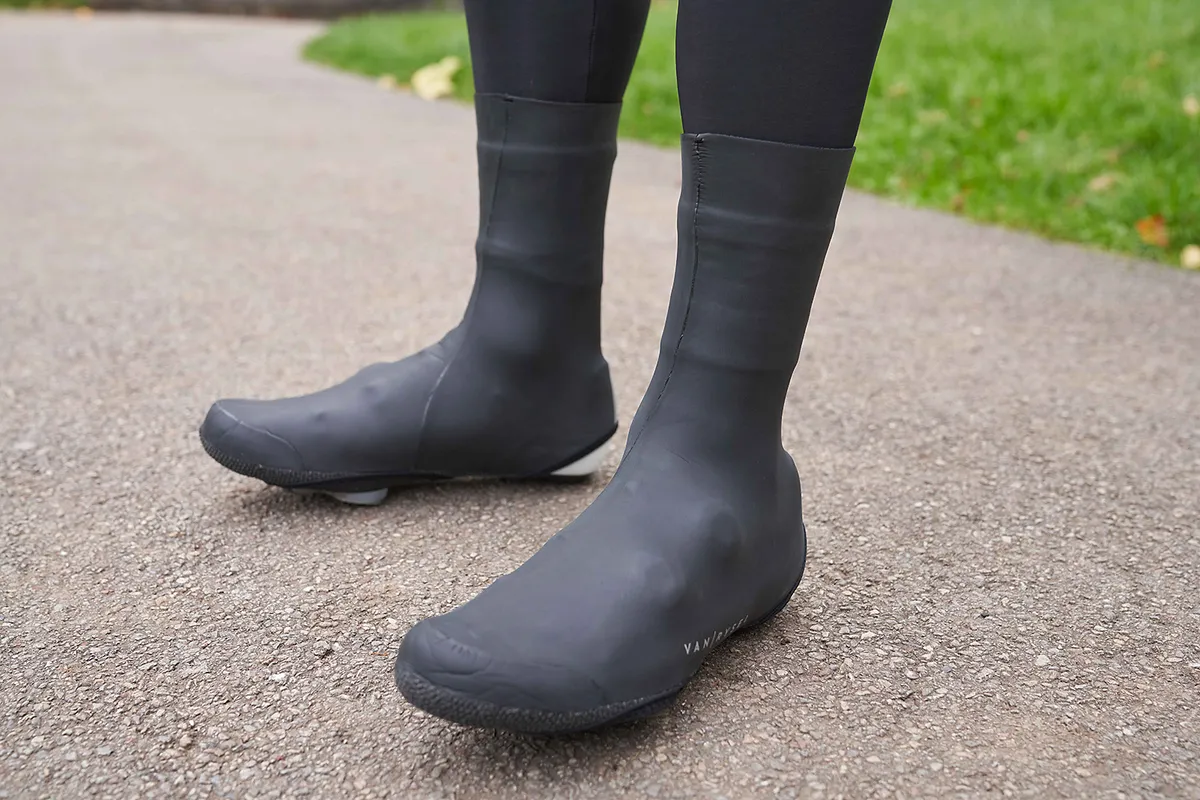
Waterproof socks blend all-day comfort and durability with breathable waterproof performance, keeping your feet warm and dry.
They are a great way to add extra protection on the wettest winter rides or continue using your summer cycling shoes in cold, wet weather.
In this article, we explain everything you need to know about waterproof socks and review some of our favourites.
Editor's note: this list was updated on 16 December 2025 with our latest high-scoring waterproof socks, including the Dexshell Hytherm Pro. We also added the Fox Defend Water Socks, Sealskinz Surlingham and Endura Hummvee Waterproof Socks II to our Also Consider section.
Best waterproof socks 2026
Dexshell Hytherm Pro
SQUIRREL_TEXT_13651667

- £40 as tested
- Pros: Secure and supportive feel; soft to touch; quick drying
- Cons: Very thick
The Hytherm Pro socks offer great protection for winter riding thanks to a thick Merino lining and effective waterproofing.
We found the socks to perform well and fit comfortably, although some may find them a little thick, depending on their shoes.
The outer material dries fast, leaving you comfortable after quick dips.
SQUIRREL_TEXT_13651667
DexShell Ultra Dri Sport
SQUIRREL_TEXT_13099692

- £34 as tested
- Pros: Impressive water resistance; warm and comfortable in horrendous conditions
- Cons: Add volume, which can affect your shoe fit
If you want your feet to stay comfortable in the worst conditions, look no further than the Ultra Dri Sport socks from waterproof equipment specialists DexShell.
These are some of the best foul-weather socks available. Warren says he hasn’t tried anything better for wet and cold weather.
The only caveat is the Ultra Dri Sports add volume to your feet, which can impact how your regular shoes fit.
SQUIRREL_13099692
Giro Xnetic H20
SQUIRREL_TEXT_13162388

- £39.99 as tested
- Pros: Superb fit; less bulk than typically waterproof socks; great protection
- Cons: Not the warmest option; only available in black
The Giro Xnetic H20 socks differ from the competition thanks to their slim, stretchy design.
As a result, the fit is as good as a ‘normal’ winter sock, so they don’t make your favourite shoes uncomfortable.
Like any ‘waterproof’ garment, don’t expect total protection in an extended deluge, but pair these with a great pair of winter boots and you’ll be getting some of the best protection available without compromising your performance and comfort.
SQUIRREL_13162388
Also consider…
Altura Endurance waterproof socks
SQUIRREL_TEXT_13162390

- £30 as tested
- Pros: Comfortable; warm without being clammy; very well-priced
- Cons: Will wet-out in heavy rain
Altura’s take on the waterproof sock combines a seamless knitted outer layer with a ribbed cuff and a soft, more open-weave lining. Sandwiched between these two elements is a waterproof membrane, called Rainguard.
They wick moisture well and breathability is very close to standard thick winter cycling socks.
The issue arises when the weather turns truly foul. In a deluge of rain, the membrane does its best to keep water at bay, but the ribbed cuff becomes overwhelmed and completely wets out.
For the damp conditions of late autumn/early winter, or the dying days of winter and the start of spring, however, these offer a layer of protection that's most welcome.
SQUIRREL_13162390
Fox Defend Water Socks
SQUIRREL_TEXT_13651695

- £39.99 as tested
- Pros: Good compression; comfortable; great waterproofing
- Cons: Not the warmest; cuff could be longer
The Defend Water Socks offer great comfort, with flat-stitched toes that prevent rubbing and good compression to keep them in position.
They also hold up well to water, with the synthetic material quick to dry.
Unfortunately, that material isn't the warmest, and a longer cuff is needed for extra coverage.
SQUIRREL_13651695
Sealskinz Surlingham
SQUIRREL_TEXT_13651686

- £42 as tested
- Pros: Good coverage; comfortable; excellent waterproofing
- Cons: Not the warmest; cuff ruffles slightly
The three-layer construction of the Sealskinz Surlingham socks comprises a nylon/elastane outer, an Aquasealz waterproof membrane, and a Merino wool and synthetic material blend liner.
The socks performed well in our waterproofing test, with our toes remaining dry after 10 minutes of submersion.
The mid-length cuff offers good coverage, although we found it ruffled slightly and the overall warmth of the sock was limited.
SQUIRREL_13651686
Endura Hummvee Waterproof Socks II
SQUIRREL_TEXT_13651701

- £39.99 as tested
- Pros: Good waterproofing
- Cons: Cuffs not tight enough; slow drying; not the most comfortable; limited sizes.
The Hummvee Waterproof Socks II offer great waterproofing and overall protection, although there are some drawbacks.
Our tester found the cuff to be a little loose, leading to regular adjustments being needed to fix them.
While the socks are waterproof, they hold onto water more than others, meaning they are slower to dry, causing discomfort.
They also only come in two sizes.
SQUIRREL_13651701
How do waterproof socks work?
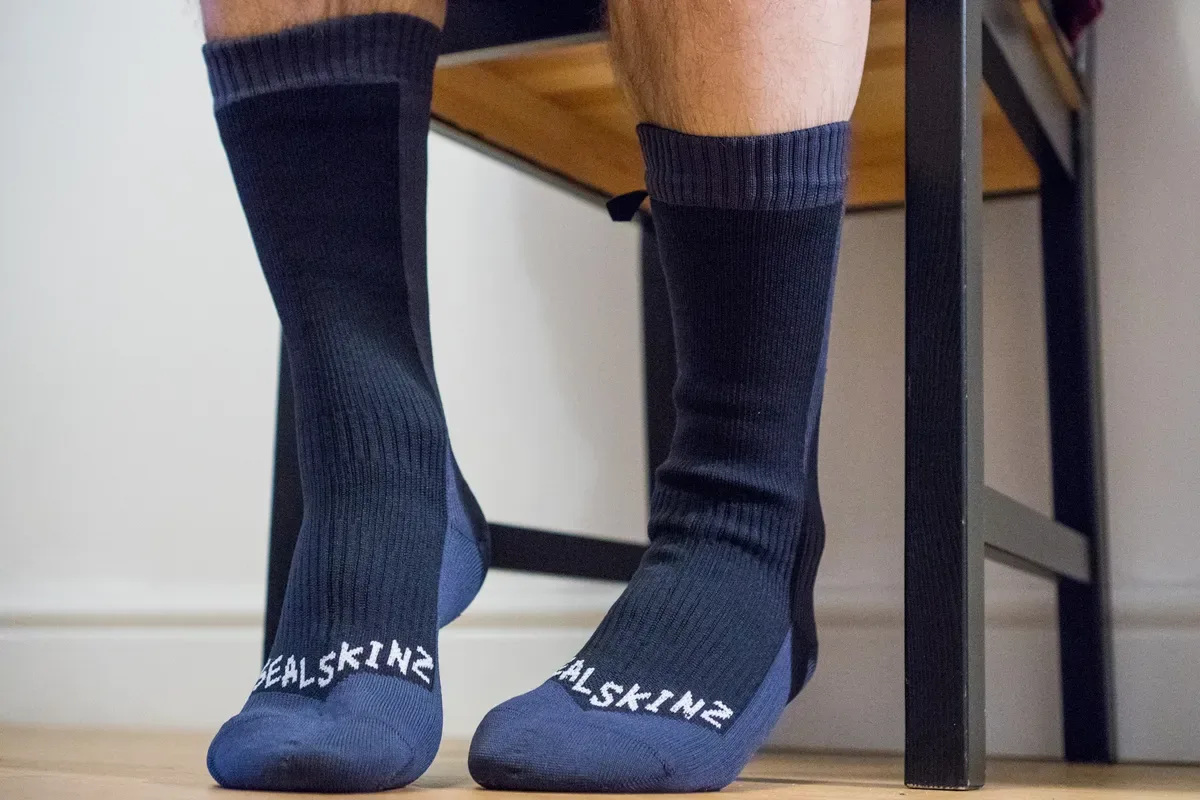
Waterproof socks rely on a triple-layer design that keeps water out, while remaining as breathable, durable and comfortable as possible.
They consist of a durable outer layer, a waterproof and breathable membrane mid-layer, and a comfortable and moisture-wicking inner.
The mid-layer is where the magic happens. A micro-porous, waterproof, breathable membrane expels sweat and humid air while preventing water from entering. This is made possible by the tiny pores in the membrane, which are big enough to allow water vapour (sweat) to escape, but not so big as to allow water droplets to pass through.
The sock’s inner has to be comfortable for long days of use, and to wick sweat from your foot so the membrane mid-layer can expel it. The best waterproof socks will use materials with antibacterial properties, such as Merino wool.
Will waterproof socks keep my feet dry?

In short, yes, waterproof socks will keep your feet dry, even when cycling in heavy rain.
However, the design and quality of the socks will impact upon how effective they are and for how long.
The sock’s top opening is its weak spot, but most options feature an elasticated cuff to prevent any water ingress from above. Additionally, wearing waterproof trousers over your socks can reduce the risk of water running down your legs and into your socks.
It makes sense to invest a little bit of extra cash and purchase a product from a reputable brand to ensure you get a good-quality membrane. Some brands, such as Sealskinz, offer a lifetime waterproof guarantee.
As with all wet-weather gear, there is a sliding scale of price and performance. However, there is no reason why you shouldn’t trust a quality pair of waterproof socks as much as you trust your favourite waterproof riding jacket.
Waterproof sock materials
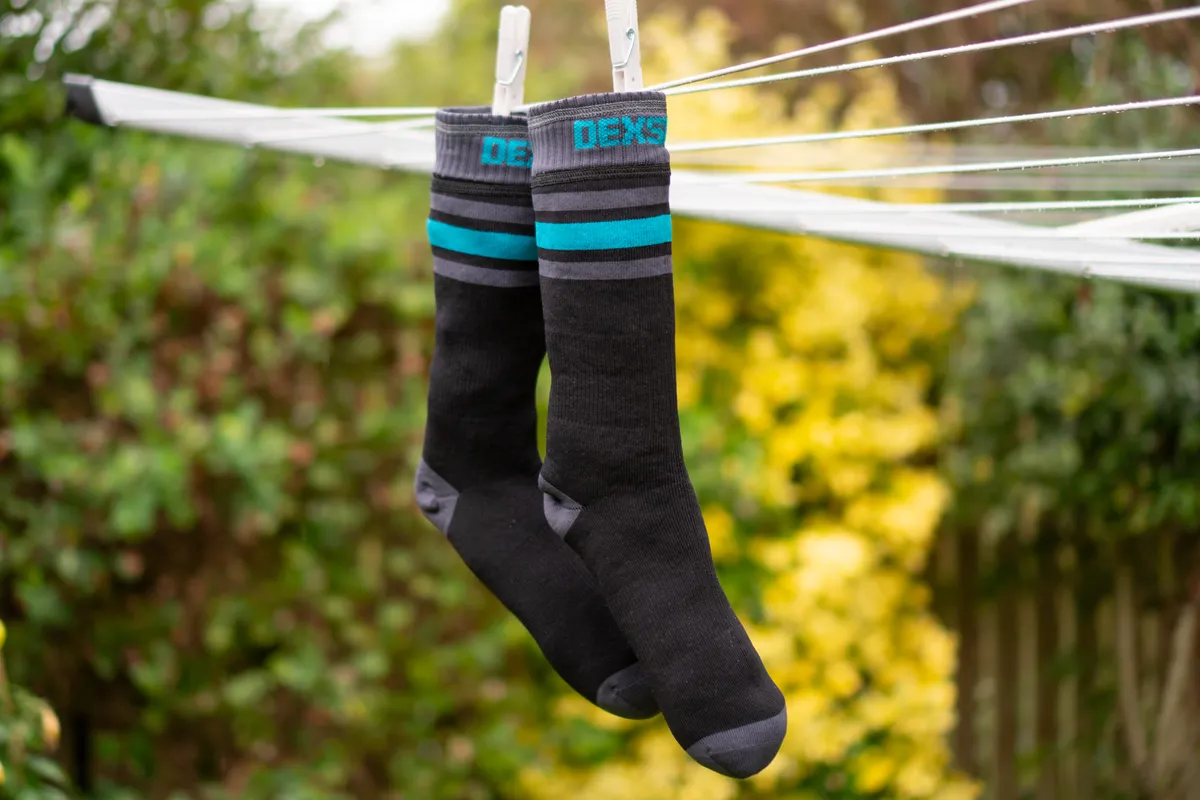
It’s important to pay attention to the materials used, before deciding which waterproof socks are right for you.
Socks with tough outer material, such as polypropylene yarn, can withstand the rigours of cycling and shrug off the occasional snag or scrape.
The inner layer is also worth paying attention to. Many quality options will feature a Merino wool inner to provide a soft feel and good moisture wicking, as well as antimicrobial properties.
How to wash waterproof socks
Some waterproof socks will require hand washing to ensure the waterproof membrane doesn’t become damaged.
Others are rated for machine washing at up to 40ºC, provided they are washed inside-out.
How we test waterproof socks

We test waterproof socks out on the roads and trails to see how they cope in their natural environments, as well as submerging them directly into water.
Our testers ride out in all conditions to not only see how the socks hold up in wet weather but also how they perform when the puddles dry up.
Ultimately, our waterproof sock reviews are based on the following criteria:
- Waterproofing – do they keep your feet dry?
- Comfort – are they comfortable on long rides and do the the seams cause any interference?
- Warmth – if they are designed for winter use, do they keep the heat in?
- Value for money – is their price competitive with others on the market?
Why you can trust BikeRadar
BikeRadar has been an authority on bikes and cycling tech since its inception in 2007, delivering the world’s best riding advice.
We have experts testing all types of bikes, parts, clothing and accessories, from road, mountain and gravel bikes to commuting, bikepacking and electric bikes.
Our reviews are always editorially independent – with no exceptions. Our reviewers comprehensively test all products in the real world, always reflecting on performance, value and the wider market when delivering their verdicts and review ratings.
We have more than 15,000 product reviews available at your fingertips, as well as expert buying, maintenance, training, skills, health and fitness advice.
Our annual Bike of the Year test is an industry benchmark and the BikeRadar team consists of some of the most experienced riders and testers in the business.
Alternatives to keep your feet warm and dry

Waterproof socks aren’t for everyone. Some won’t like the thicker feeling and construction, especially those with narrower or tighter shoes.
You can also keep your feet dry with overshoes, which create a waterproof and windproof barrier that sits over the top of your riding shoes.
The other option is to invest in waterproof winter cycling shoes, but these will likely prove too hot in the warmer months.
If you're looking for a free solution, you could always place your foot into a plastic bag before putting it into your shoe – or better still, put the bag against your skin to create a vapour barrier.
While this won't be as breathable as waterproof socks, it should keep your feet dry in a pinch.