
Don’t let anyone try to convince you that a major bout of nerves isn’t so bad or not capable of derailing your performance.
The consequences can be debilitating and destabilising, leading to indecision and inaction. Resources that might be put to constructive use are frittered away instead.
Nerves may have contributed to the downfall of prime ministers. “This government is so afraid of getting things wrong that it gets everything wrong,” posted comedian Athena Kugblenu recently.
And it might well have prevented football from coming home. There is a scene in the first episode of Dear England, the BBC dramatisation of Gareth Southgate’s tenure as national football team manager, in which Southgate opens up to his newly selected squad about the singular defining moment of his playing career: ‘that’ missed penalty against Germany in the Euro 96 semi-final.
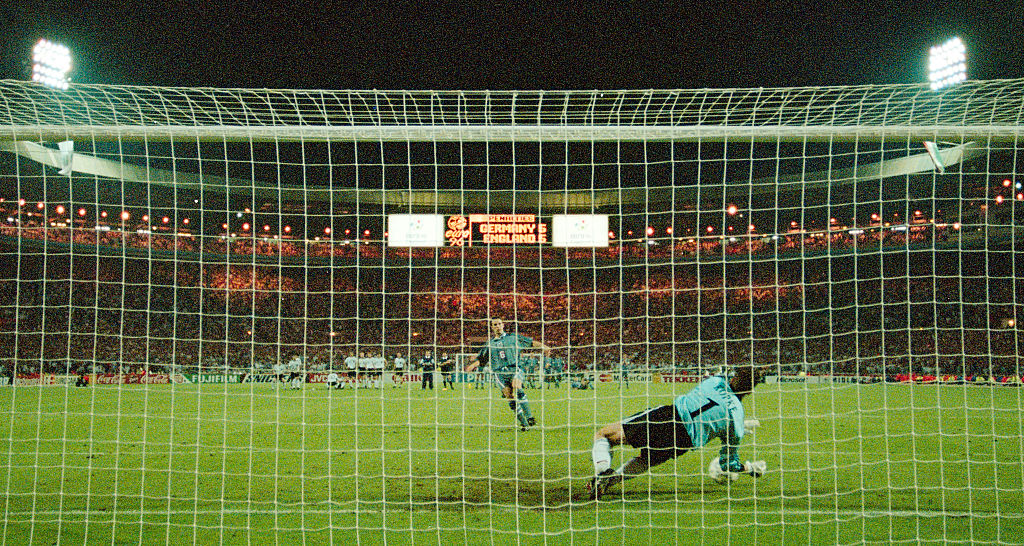
After the match finished in a draw, the first five players on each team scored their spot kicks and the shoot-out reached sudden death.
“There was a silence in our huddle,” the fictionalised Southgate tells his players. “Who's going to go first? So, I put my hand up. I began that long walk to the spot. My legs were so weak.
"The whistle went, I ran up, kicked the ball softly. So, so soft. And that was it. I just wanted to disappear. I knew I was responsible for ending millions of people's dreams.” He wasn’t, of course. The world quickly moved on.
Ancestral anxiety
It’s easy to see where the misnomer about nerves being beneficial could come from. We all know about ‘fight or flight’, also known as the ‘hyperarousal response’.
This survival mechanism evolved in all animals with a complex nervous system, enabling us to respond to life-threatening events – stumbling across a tiger in the forest, say.
A further small, but significant evolutionary step has enabled humans to imagine where a tiger might be tomorrow, and either avoid going there or prepare to defend ourselves. There’s nothing irrational about this reaction.
What makes nervousness different, says Howard LeWine, chief medical editor at Harvard Health Publishing, is it being an overreaction “to stressors that are not life–threatening”.
Similarly, Thierry Steimer, in his 2002 paper ‘The biology of fear and anxiety-related behaviours’, characterised nervousness as a “pathological anxiety [which] interferes with the ability to cope successfully with life challenges”.
In other words, our systems have not yet evolved sufficiently to enable us to distinguish between a tiger and a presentation of the FYQ3 marketing strategy you’ve got to give to a bunch of middle managers tomorrow morning. Or an amateur bike race you’ve entered the next evening.
Sign up and stimulate

For Herne Hill Velodrome trustee Katie Thornley, who races on and off through the summer, “the moment I sign up or even think about signing up and go on the website to do it, the nerves kick in”.
“I’m not nervous about crashing or coming last because I’ve done both of those things and they’re not the end of the world,” she adds.
“It’s mostly myself. I’m anxious about letting myself down.” In one form or another, fear of failure is almost always what it comes down to.
Author Steve Magness would tell Katie there’s nothing unusual about this. “Around 95% of elite athletes have the same experience that you or I have,” says Magness on an episode of ‘The Coach Up’ podcast.
“They feel the pressure. They feel the expectations.” The difference, he says, is elite athletes have many tools to deal with that pressure. In his role as a performance coach, his task is to equip them with those tools.
The first tip he offers is simply to “get to the starting line”. There’s a lot to be said for distraction. “I am convinced” he says, “that a large part of an athlete warming up is filling the gap. It gives you something to focus on.”
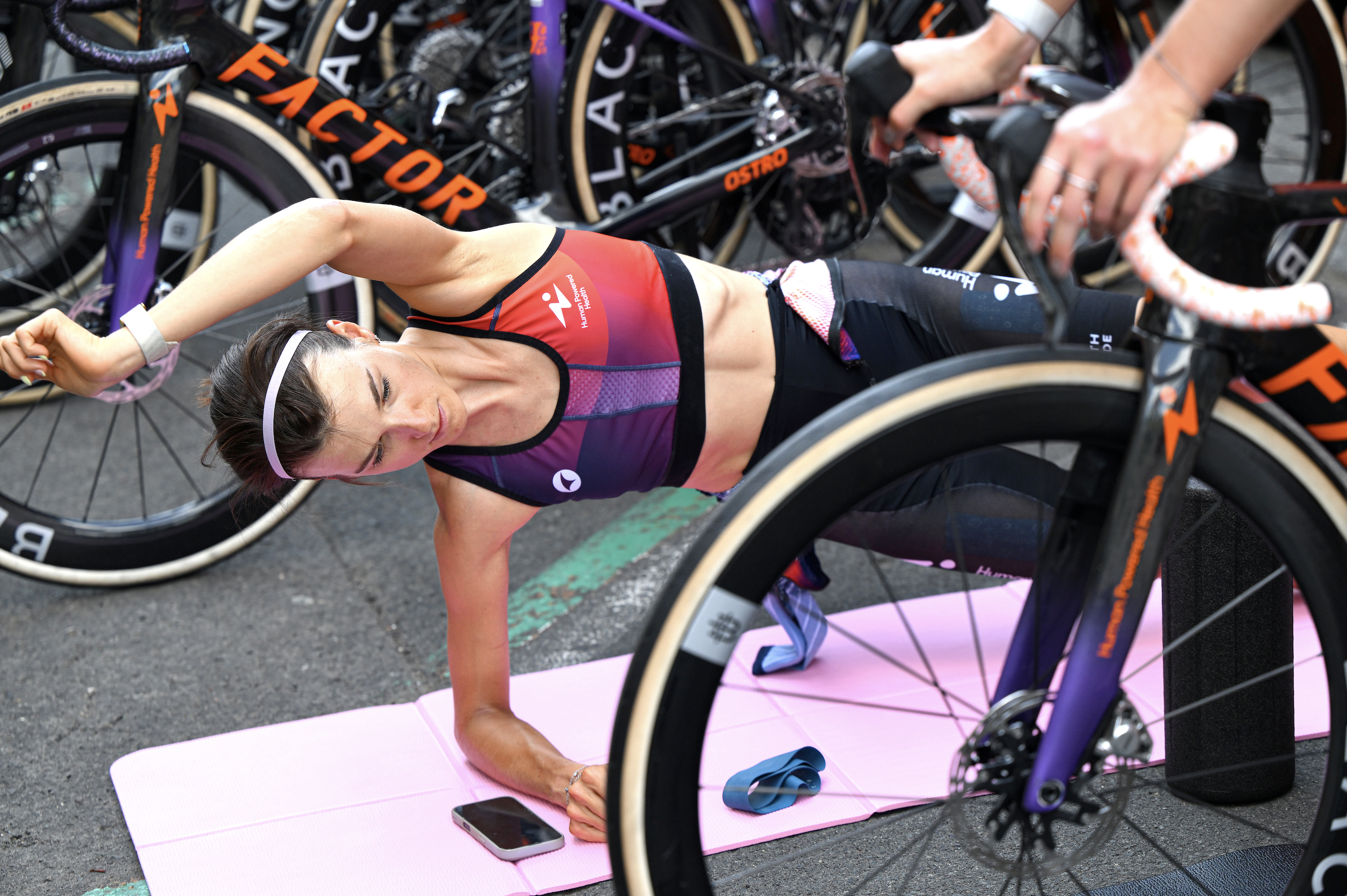
Thornley would surely relate. “Once I’m out there, by the second race, a few laps in, it’s fine,” she says. Sometimes she’ll delay signing up until the last minute, to prevent it seeming real.
Races tending to take place in the evening doesn’t help: “If it was first thing in the morning, I could get it over and done with and it wouldn’t ruin my day,” she says.
Magness urges athletes, of all levels, to try to mentally “zoom out”, to ask themselves “Who cares how I do? Who’s going to look up the results? Will I even remember this a month from now? Three months, a year from now… In the scheme of things, how much does this matter?”
Yet there is an inherent contradiction there. If it really didn’t matter, you wouldn’t be taking part in the first place. Putting a positive spin on things, cycling coach Olivier Nilsson-Julien says nerves are at least a sign that you care. “And if you didn’t care about it, it wouldn’t be worth doing.”
Hard work lessens the nerves
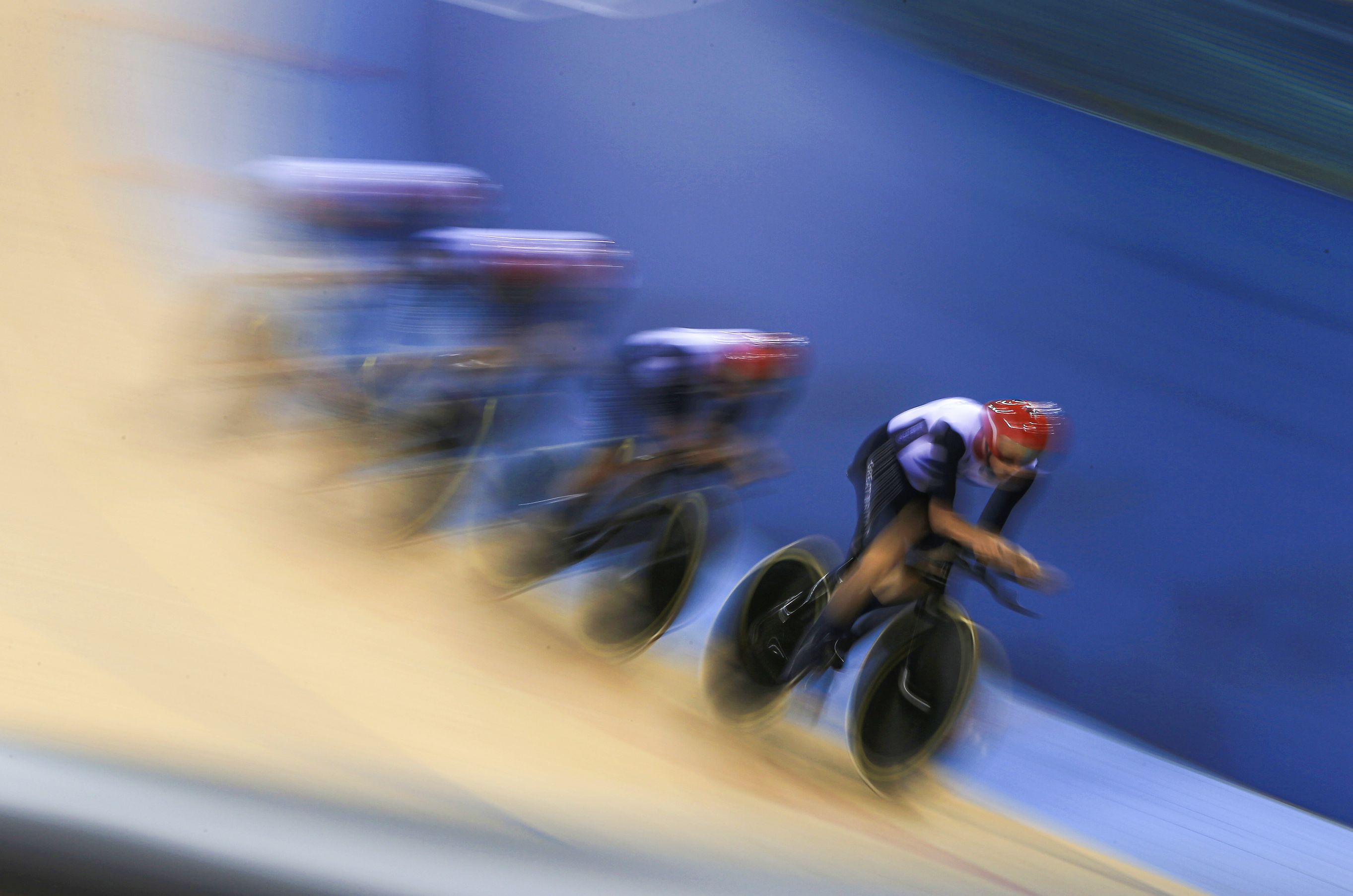
Before events, Nilsson-Julien reminds his athletes, who range from middle-aged amateurs to elite competitors knocking on the door of the pros, to think about how much preparation they’ve already put in. “The main thing I’ll say is: ‘You’ve done the work’.”
He’ll back up these verbal boosts with evidence from their training data, telling them they have the ability to achieve their goals.
Magness concurs: “Generally, we’re taking an action we’ve prepared, so we just need to get to that preparation state.”
That’s a connection Thornley is keenly conscious of. “When I’m super fit, I’m less nervous because I’ve put in the effort,” she says.
“When I don’t feel very fit, that’s when I’m most anxious. And at the end of the day, what’s the worst that can happen?”
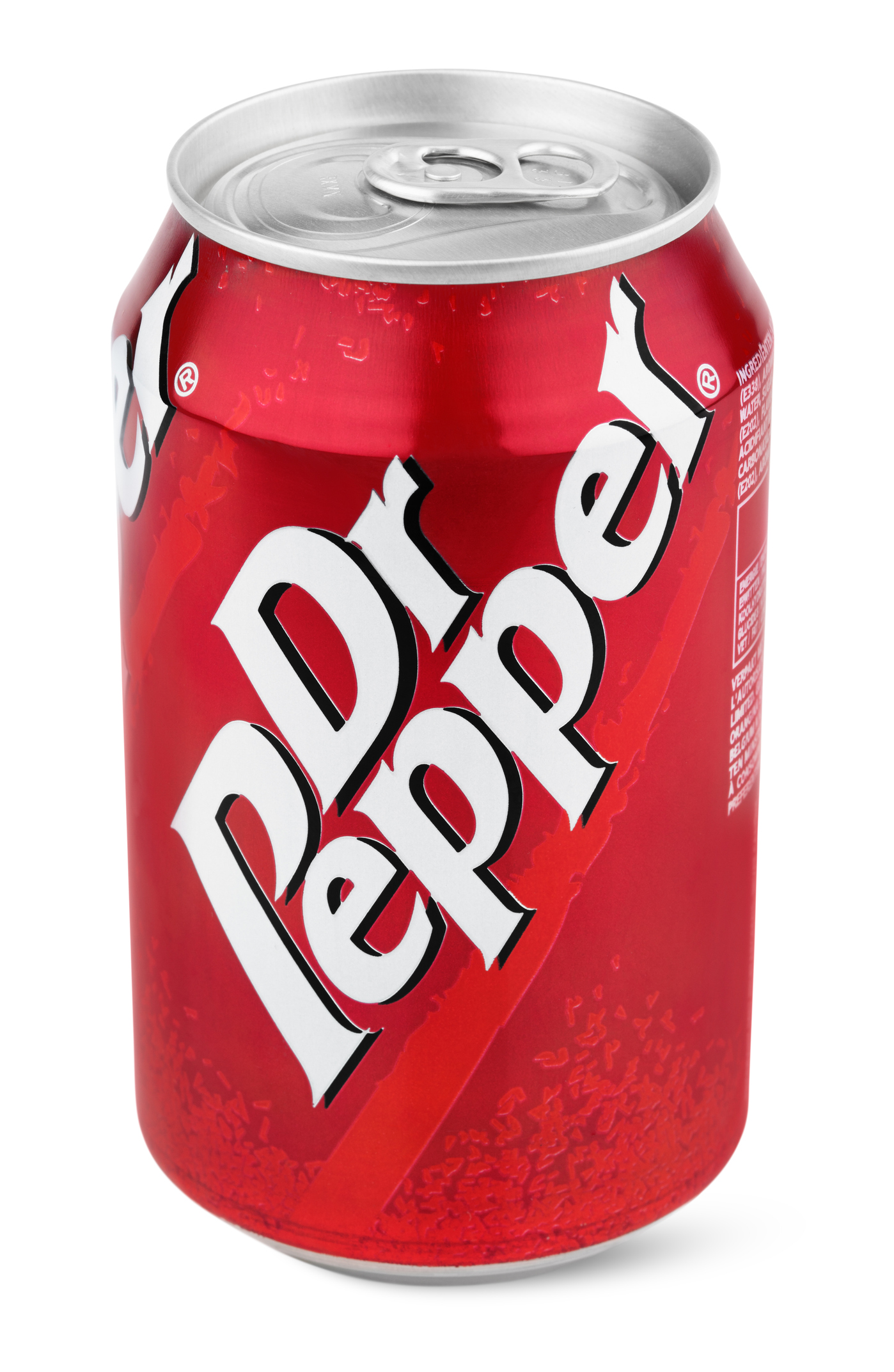
Sometimes referred to as the ‘Dr Pepper’ approach, after the popular soft drink’s advertising slogan, this has proven so effective that Magness recommends actively pursuing it – by launching a doomed attack off the front, for example – in order to gain the conditioning needed to build up that psychological defence.
“It’s why stand–up comedians embrace the occasional bomb,” he says. “It shows you that the world won’t end even if you fail.”
That seemed to work inadvertently for Londoner Lloyd Collier. In early June, he travelled to Newport to take part in the Masters National Track Championships at the Geraint Thomas velodrome where, in his first event on the Friday, the V50-54 scratch race, “nervous energy got the better of me”.
Removed after being lapped, he attributed his sub-par performance to being “overawed, overthought and overgeared”.
On Saturday, he was up again, this time in the elimination race. For many, the ‘the devil’ is the most exciting of track events.
It’s also easy to see why it would be the most nerve–wracking. A good result is one that leaves you a physical wreck; failure is when you depart the track with more to give. But someone has to be out first. And second and third.
This time, Collier persuaded himself it was “just another race”. So successful was he in this line of thought that he was even able to enjoy a pre-race nap. In the end, he finished three inches off the podium. Not bad for a first attempt!
A multi-faceted approach
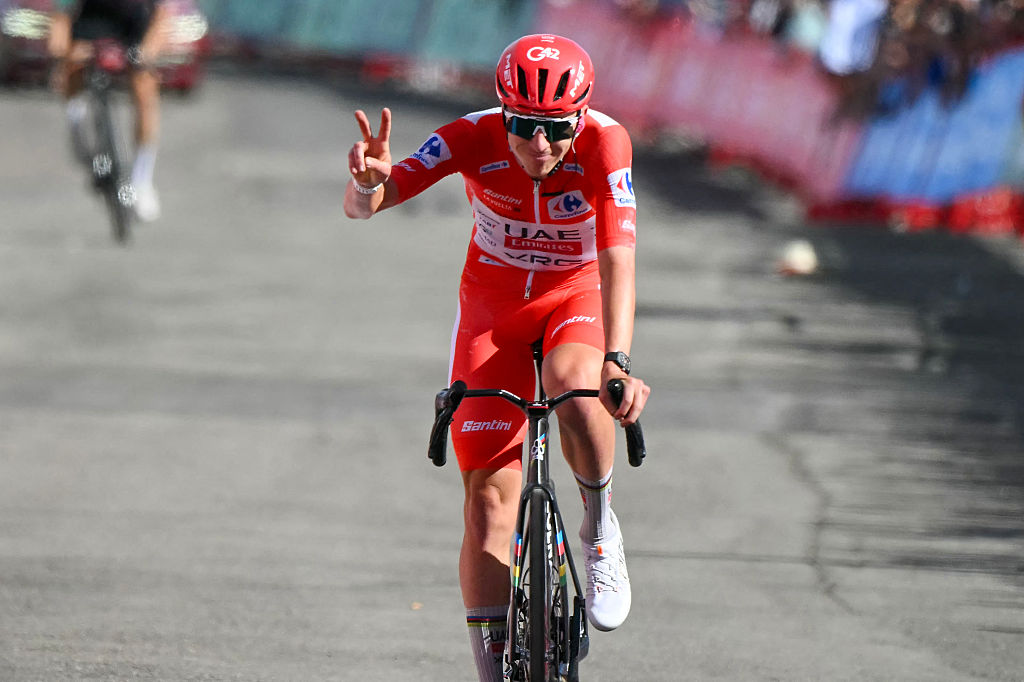
Whether it’s an exam or a bike race, for many people frequency helps, by diluting the importance of each occasion.
“Familiarity breeds confidence” was how one member of Reddit’s r/cycling community replied succinctly, when the question was raised there.
“I think the only way to deal with [nerves] is to race more often” was another popular contribution. A third highly rated Reddit answer was “pooping”. Funnily enough, neither coach brings that up.
But Magness agrees there’s more than one way to approach the situation. “No tool works all the time,” he says. “Your best bet is to develop as many as you can, so when the pressure situation occurs, you just cycle through them.”
Much as we might like one neat trick, there’s a consensus that there’s no way to bypass nervousness completely.
“They’ve done studies trying to desensitise people to a point where they don't care about racing,” says Nilsson-Julien. “It doesn’t work.”
Instead, Nilsson-Julien says that we must keep perspective. “Sometimes people take cycling too seriously,” he says.
“They put a lot of the value of who they are in the sport. That can be counterproductive. It's got to be fun.”
Unlike, perhaps, being Prime Minister.


