
A lifetime passion for cycling and exercise meant I was never going to freefall into obesity. But I felt a brutal sense of physical decline.
Something needed to change. Fast-forward a couple of years to today and I’m fitter, stronger, leaner and more energetic. I relish exercise, the aches are under control and I sleep better. Friends tell me I’m looking ‘trim’.
I work more effectively, plan more adventures and feel more ambitious. On a recent trip to Catalonia, I tackled every col confidently.
This isn’t about reliving a lost youth. I’m 44, not 24. I don’t want to set Strava PBs or achieve 5% body fat – been there, done the 200km rides.
It’s about accepting the altered needs of my body and viewing health from a new perspective. Yes, I want to ride well, but I’m more interested in my heart and lung function, bone density, hormonal health, muscle mass, nutrition, energy levels, rest and sleep.
I don’t want to be fit for a sportive – I want to be fit for life. If you recognise this sentiment, here are the lessons I learnt, through trial and error, with experimentation and expert help along the way.
Mix up your cardio
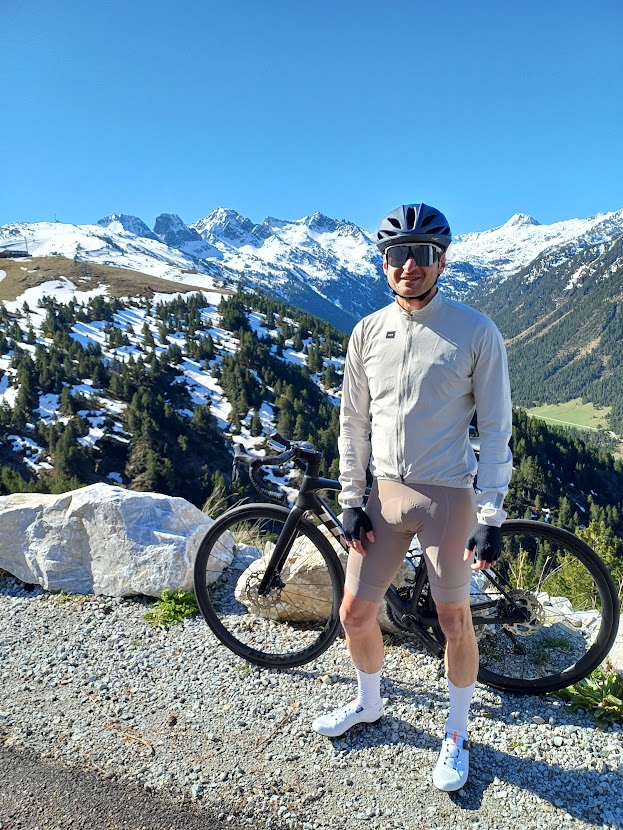
Here is the brutal truth: as we age, our weight matters. We may be different shapes and sizes, but there’s an incontrovertible link between body fat and ill health.
Visceral belly fat triggers the release of pro-inflammatory molecules, causes the accumulation of fatty deposits in blood vessels, disrupts fat metabolism and hormones, and spikes cholesterol.
That is why the World Health Organisation links excess fat to heart disease, diabetes, cancer, high blood pressure, high cholesterol and musculoskeletal disorders.
Feeling chunkier in my 40s, it was time to re-analyse my exercise routine. Long weekend rides were no longer working.
Decades of cycling had left me efficient at managing my efforts, meaning I wasn’t burning fat or challenging my body.
Trying to ride longer distances just left me feeling washed out. And setting power or speed targets felt like unwelcome pressure.
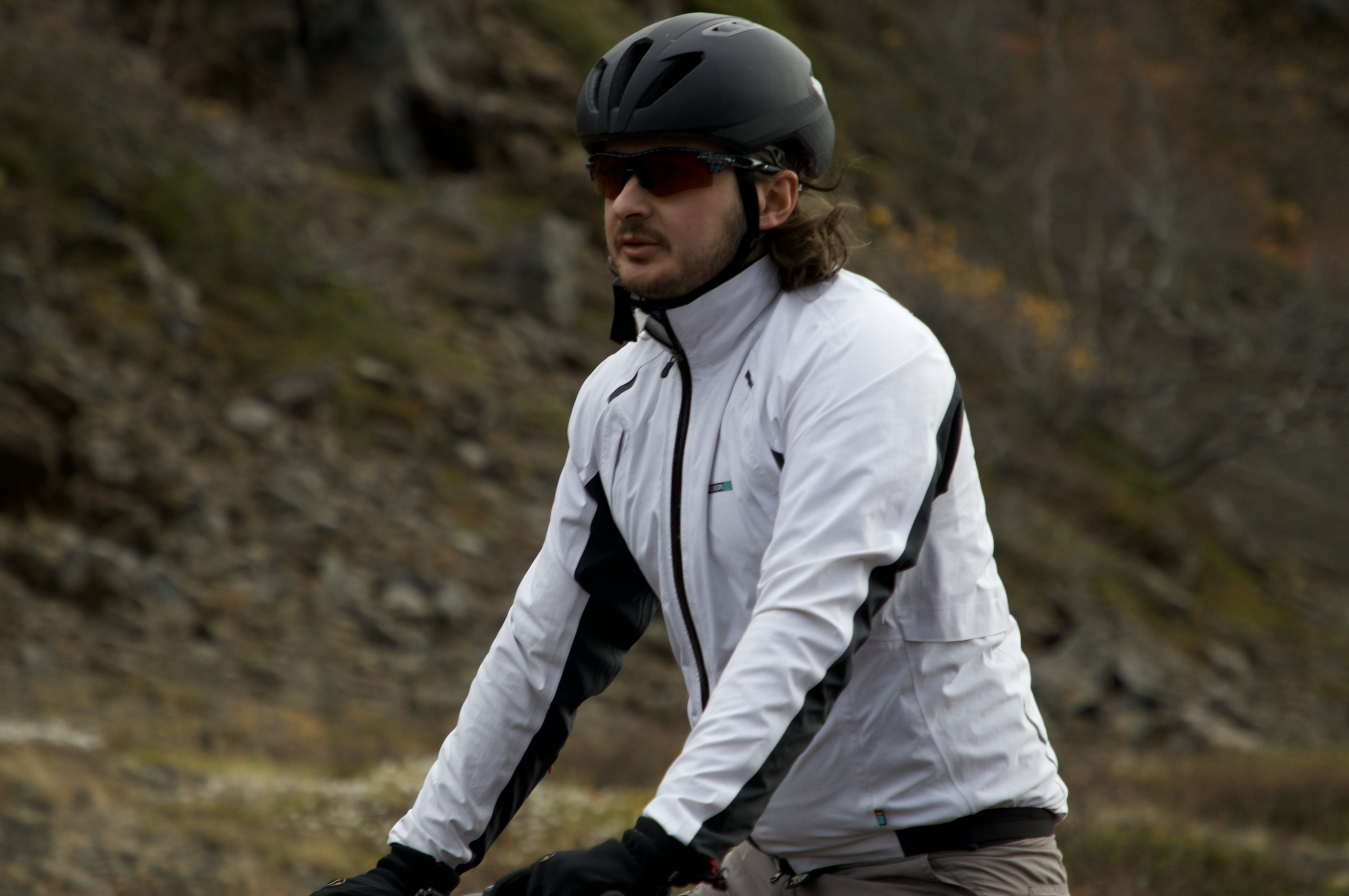
So, I switched to shorter, harder, more fun midweek workouts, including lots of fat-burning, calorie zapping intervals, at different speeds, intensities and cadences.
“In middle age, it’s good to challenge yourself with different cadences to ensure good coordination and muscle recruitment at high force/low speed and low force/high speed,” recommends highly experienced cycling coach Mark Walker.
For me, this intensity shift was primarily about optimising my heart and lung health, and my body composition.
A review in the British Journal of Sports Medicine found that high-intensity training boosts maximal oxygen uptake, lowers cardiometabolic risk factors such as blood pressure and blood sugar, and reduces body fat percentage and resting heart rate.
But I soon noticed I enjoyed more power and quicker recoveries on the bike too. My longer weekend rides became about pure pleasure.
No targets. Just beautiful scenery and fresh adventures. Even Olympic gold medallist Chris Boardman, 57, has embraced anti-competitive cycling in middle age.
“I don’t care about my speed, pulse or power,” he told me. “Cycling has gone back to being a simple way to explore where I am, to keep healthy… you don’t notice you’re doing exercise; you’re just enjoying it.”
But, as much as I love riding my bike, middle-aged cyclists do need more variety. A review in BMC Medicine revealed that individuals who do non-weight-bearing sports are more likely to suffer from low bone density and osteoporosis.
“We should target higher bone mineral density with walking, running or resistance training,” advises Walker. So, I started doing two runs a week.
I began with short jogs on soft terrain, then upped the intensity to include sprints of 30 seconds to two minutes. Running has made my skeletal frame more robust – and slashed my body fat.
Respected sports scientist Professor Greg Whyte explained to me that doing a new sport is great for fat-burning.
“Novel exercises are better for raising your metabolism because you’ll be relatively inefficient and therefore burn more calories,” he said. Now leaner and more powerful, I’ve noticed the difference during sprints and climbs on the bike too.
“Learning a new skill, with new targets, also prevents you getting bored,” Professor Whyte added. This is true – my uplifting outdoor runs have injected fresh joys into my exercise routine. It’s a win-win.
Hit the gym
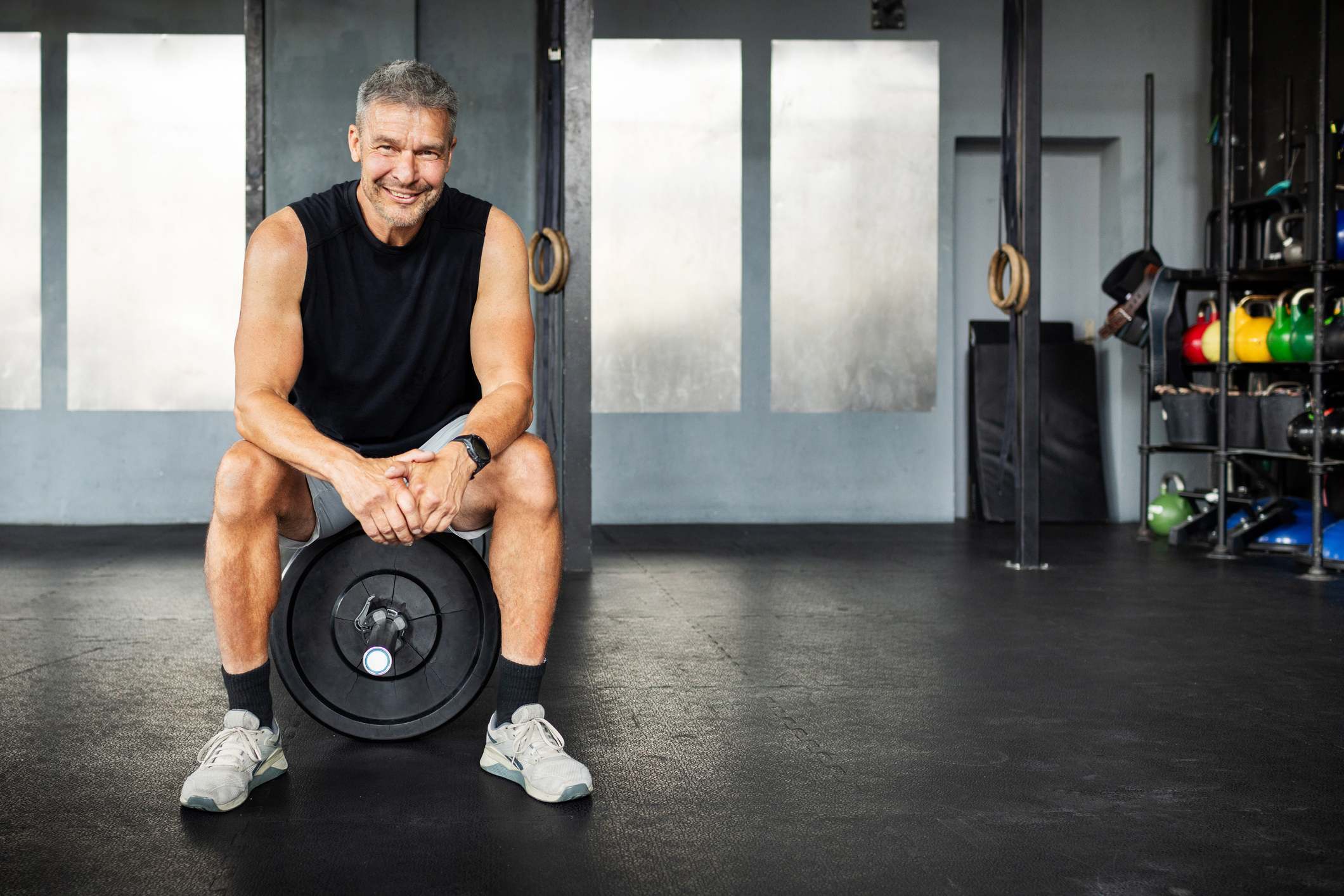
Road cyclists typically avoid the gym like a pothole. But this is a mistake in midlife, when your lean muscle mass deteriorates (a process known as sarcopenia) at a rate of 1% per year.
After years of cycling, my skinny arms and aching back weren’t life-fit. Weak things break. Loss of muscle also affects your fat-burning metabolism.
“If you think of your body as a furnace, the muscle burns the most calories,” says Professor Whyte. Since joining the gym, the results have been life–changing for me.
While I’m still no Arnold Schwarzenegger, I feel stronger and more resilient. According to coach Mark Walker, a good strength training regime for ageing cyclists would include squats, leg extensions, step-ups, hamstring curls, calf raises, shoulder presses, chest presses, seated rows and lat pulldowns.
I also do triceps dips, pull-ups, press-ups and back raises. Doing 3 x 10-15 reps balances strength gains with muscle building.
Studies confirm that strength training improves muscle mass, burns fat, boosts metabolism, enhances mobility and reduces inflammation.
It also delivers an osteogenic (bonebuilding) stimulus – a paper in the Journal of Strength and Conditioning Research confirmed that it improves bone density in the spine, hips and thighs of cyclists.
Thanks to my gym training, I have more lean muscle and less body fat, and I feel stronger. It’s also improved my posture, which negates the effects of my desk job and boosts comfort on long rides. Lifting weights has also helped my hormonal health.
Over the age of 40, men’s testosterone levels drop by 1% per year. This hormone is important for everything from muscle performance to fertility and cognitive function.
And research suggests endurance cycling can exacerbate this decline. A Spanish study found that men who do strength training three days a week enjoy increased testosterone after just four weeks, though.
Move more
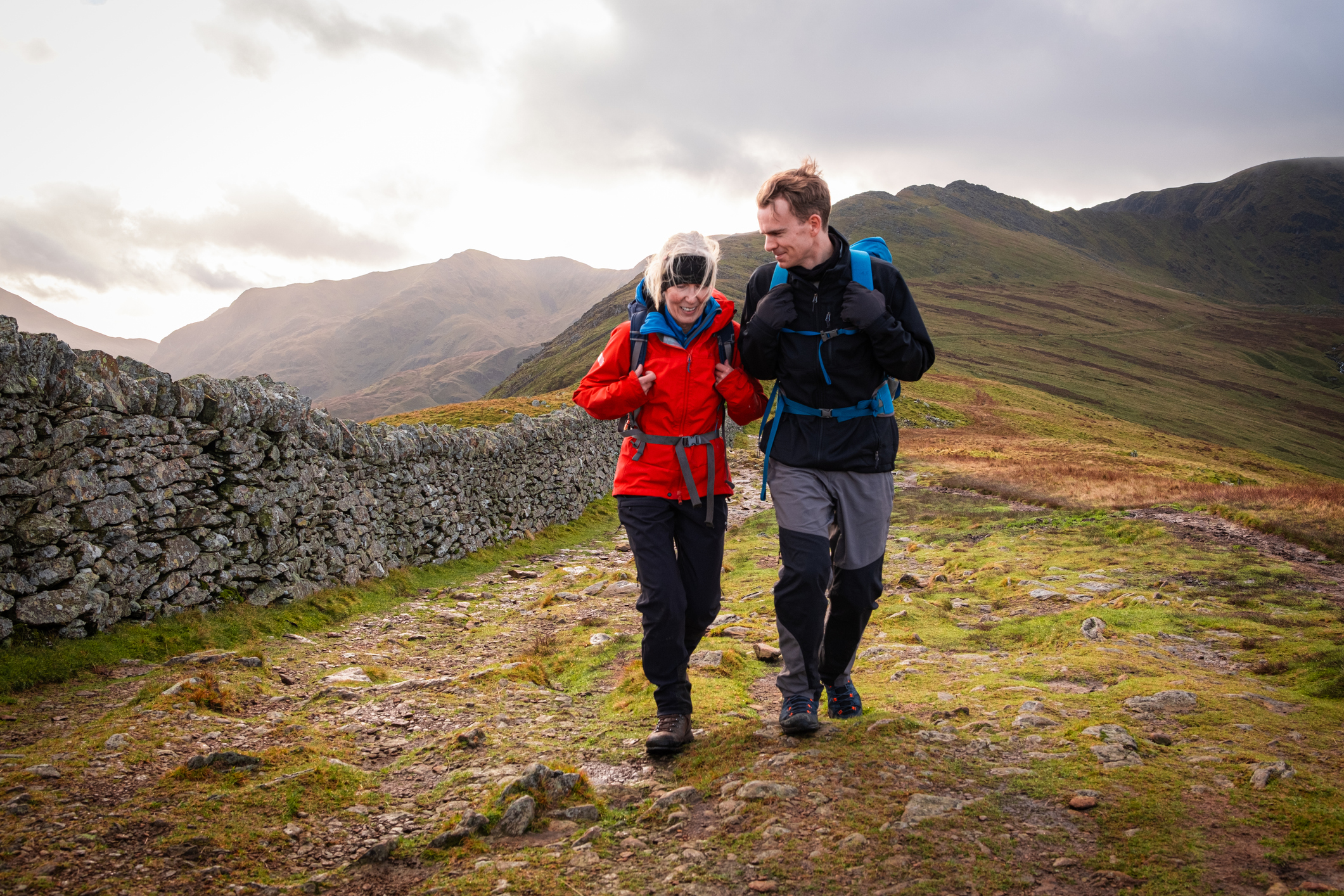
Daily movement is crucial in middle age. Ten years ago, I’d happily knock out a six-hour bike ride, then barely move the next day, telling myself it was a ‘rest day’.
This isn’t good when you’re 44. Days of immobility now lead to muscle aches, a languorous metabolism and poor heart health.
I now much prefer to move my body every day. I go for two to three walks a day, sometimes just around the block, other times over farm tracks.
Research by Harvard Medical School found that even 4,400 daily steps are linked to a huge 41% reduction in mortality.
Hiking is refreshing, and I soon discovered that three-hour hill hikes translate wonderfully into on-bike stamina.
Perhaps the biggest change to my midlife routine, however, has been the introduction of mobility and flexibility exercises.
Over a year ago, I was sitting in an MRI scanner, dealing with another bout of lower-back pain, no doubt caused by a lifetime of desk work and hunched-over cycling.
I now keep a yoga mat near my desk and every hour I’ll perform flexibility exercises, including downward dogs, cobra poses, glute raises and lateral twists, plus assorted core exercises.
Over time, this has become as routine as cleaning my teeth. My back pain is now under control and I feel more agile.
I also deliberately ride more upright these days. “Be prepared to adjust to a more relaxed position as you age,” says Walker.
“Bike fitting can accommodate some ageing problems, such as using shorter cranks for hip mobility issues, but it can’t cure them.”
Eat smarter
Midlife nutrition can feel like a minefield, but don’t overthink it. “Nutrition is wildly overplayed in cycling,” says Boardman.
“If you eat a healthy diet – and most people know what a healthy diet is – you don’t need to get too technical.”
Eating a balanced Mediterranean-style diet works best for me. But I’ve learned three big lessons during my recent research period. First, manipulate your carb intake around your exercise routine. I no longer need bulging plates of pasta.
To power my exercise, I have carbs for breakfast (typically oats or muesli with yoghurt or milk and some berries) and for lunch (usually a wholemeal wrap, with some eggs, ham, sardines or Brie).
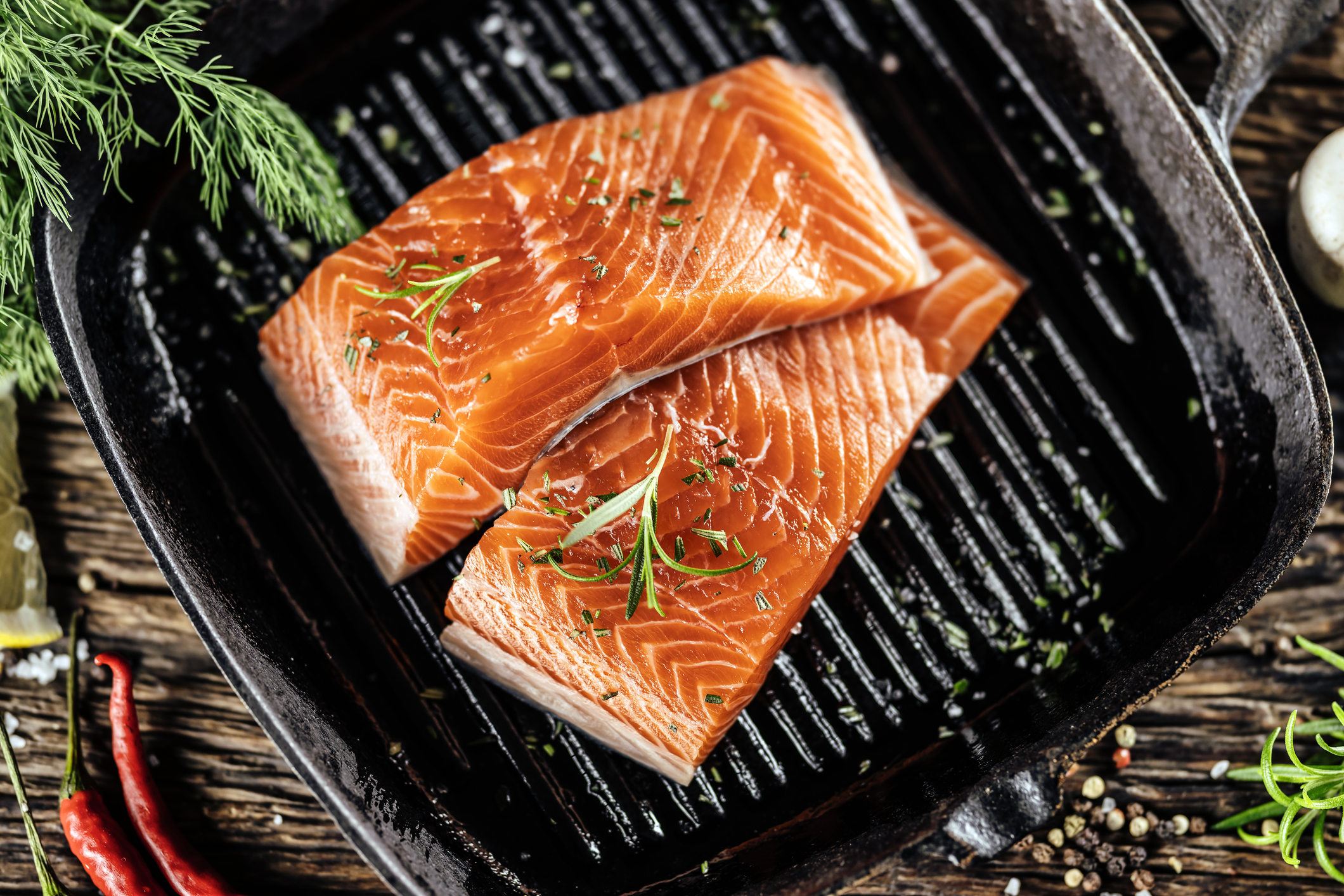
But in the evening, unless I have a long ride planned the next day, I’ll have a carb-light meal, such as salmon and steamed veg. I soon learned how unnecessary my former carb intake was.
Second, broaden your protein intake to preserve your muscle mass as you age. I now eat more protein-rich sardines, salmon, eggs, nuts, milk, chicken, cottage cheese and peas.
The usual recommendation is for 0.75g of protein per kilogram of bodyweight per day. However, The European Society for Clinical Nutrition and Metabolism (ESPEN) now recommends 1.2 to 1.5g of protein per kilogram of bodyweight as you age.
Third, focus heavily on your vitamin and nutrient intake. As a cyclist, I’ve seen food as fuel – carbs for energy, protein for recovery.
But now, I strive to add as many vitamins and nutrients into every meal as I can. What used to be a speedy ham sandwich now comes with spinach, red onion and tomatoes on the side.
Consuming 30g of fibre each day is important in middle age, because our digestion becomes less efficient, and key sources of this such as vegetables, fruit, beans, lentils and cereals, conveniently help us to bank a wider spectrum of vitamins without adding excessive calories. I’ve noticed the difference in my energy levels and immunity.
Recover well

In middle age, I’ve learnt to pace myself better. In my youth, I’d happily knock out back-to-back four-hour rides over a weekend. But now, I safeguard my rest.
“Whereas a week in your youth might have looked like ‘three-day build, easier day, two-day build, rest day’, you may find yourself doing ‘two-day build, rest day, two-day build, day off’, suggests Walker. “Maybe even one day on and off.”
Sleep is a huge priority for me now. Sticking to a routine (no food after 7pm, my phone screen turns black and white at 9pm, and I’m in bed by 10pm) works for me.
Research in the journal Sleep found that bad sleep is linked to a 26% higher risk of dying early. And good sleep inevitably means you’re refreshed for your next ride too. I’m also more conscious of listening to my body.
“Many of us have pressures at work or with teenage children, so treat mental and physical stress as equal and additive,” says Walker. “If you’ve had a hard day, don’t hammer yourself with intervals.”
The results
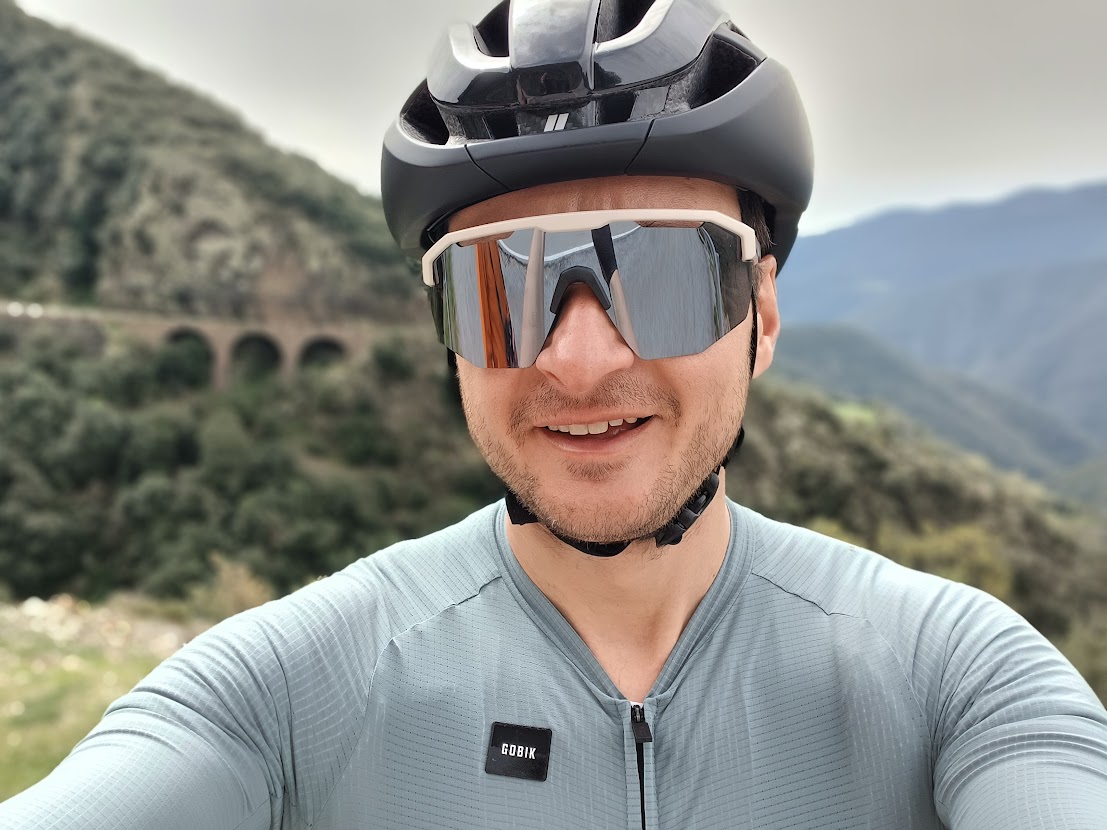
My upgraded approach to middle-age health has got me feeling fit, strong, durable and energised. Yet, if I tally up my weekly hours of exercise, it’s much less than I used to do.
The difference is that my exercise is now more diverse, intelligent and enjoyable, and backed up by good rest and nutrition. Aged 44, I now weigh a Tour-ready 68kg – just a couple of bags of sugar heavier than Tadej Pogačar.
Most revealing of all, however, is how focusing again and again on my general health, not my cycling fitness, has yielded surprising gains in my on-bike performance, from better strength and power to elevated energy and confidence.
I may not be as fast as I was, but I feel better – and at my age that means more to me than any Strava PB.


