Exercising outdoors comes with a swathe of health benefits. Fresh air and varied terrain can lead to greater physical gains than indoor training, immersing yourself in the natural world provides a boost to your mental health, and getting the sun on your skin can help top up levels of Vitamin D.
Up to 40% of UK adults suffer from suboptimal levels of this crucial vitamin, particularly between October and early March when the sun effectively goes into hibernation.
But exposure to the sun also comes with risks – namely skin cancer. And for those who exercise outside, these risks are multiplied.
“UV exposure is the key lifestyle risk factor for skin cancer,” explains David Veitch, medical director of The Mole Clinic.
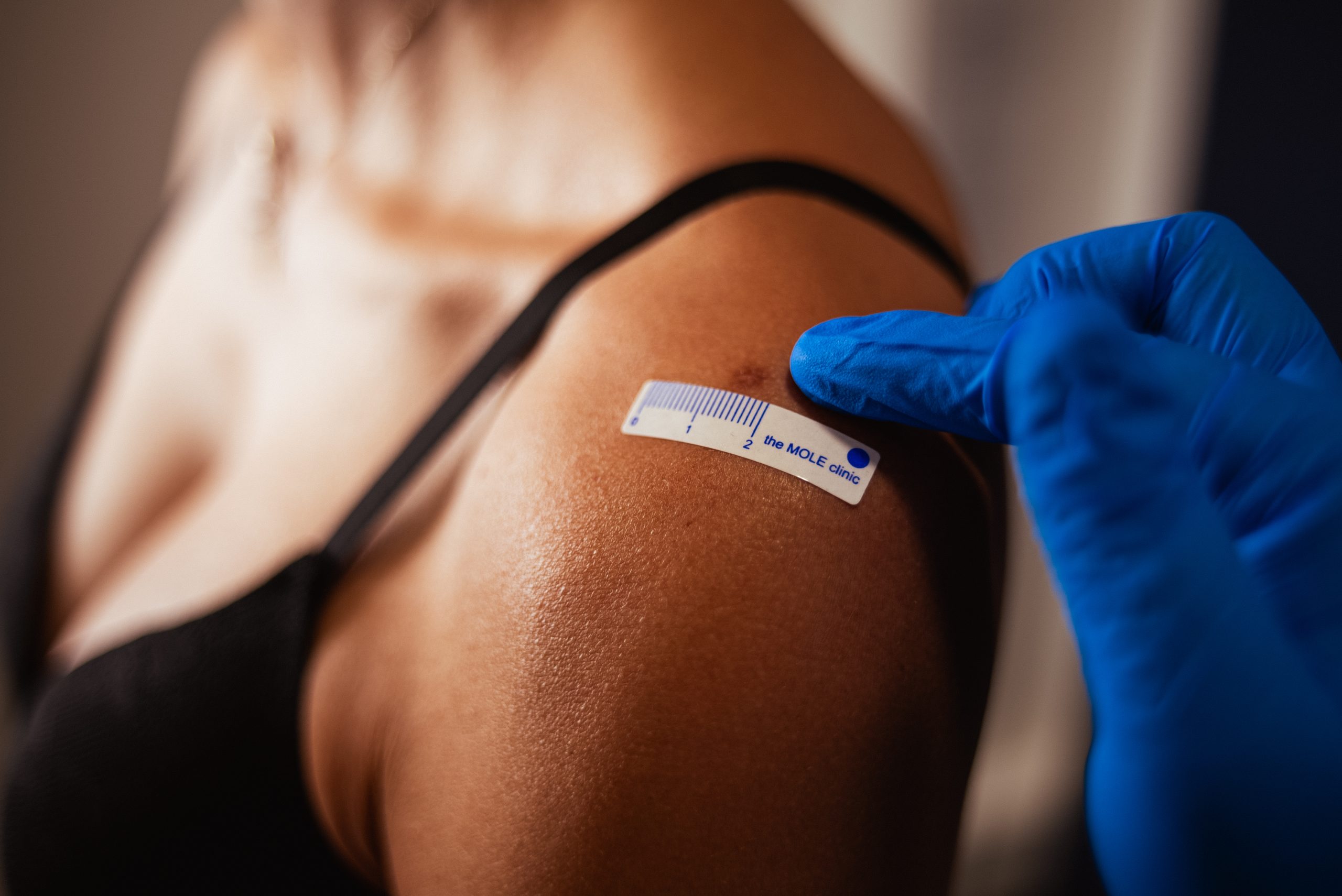
There are three main types of skin cancer – basal cell carcinoma (BCC), squamous cell carcinoma (SCC) and melanoma.
The first two are the most common and also non-melanoma, meaning they are highly treatable and are less likely to spread unless left untreated.
A melanoma, however, can advance at speed and spread to other organs via the lymph nodes or blood stream.
“[Outdoor exercisers] are at risk of both melanoma and non-melanoma skin cancers,” says Veitch.
“At The Mole Clinic we see runners presenting with BCCs on sun-exposed areas such as the nose, ears, shoulders and calves, while also noting outdoor training is linked with melanoma risk.
"Cumulative UV exposure often drives non-melanoma cancers such as BCC and SCC, while intense or repeated sunburn and UV damage also increase melanoma risk.
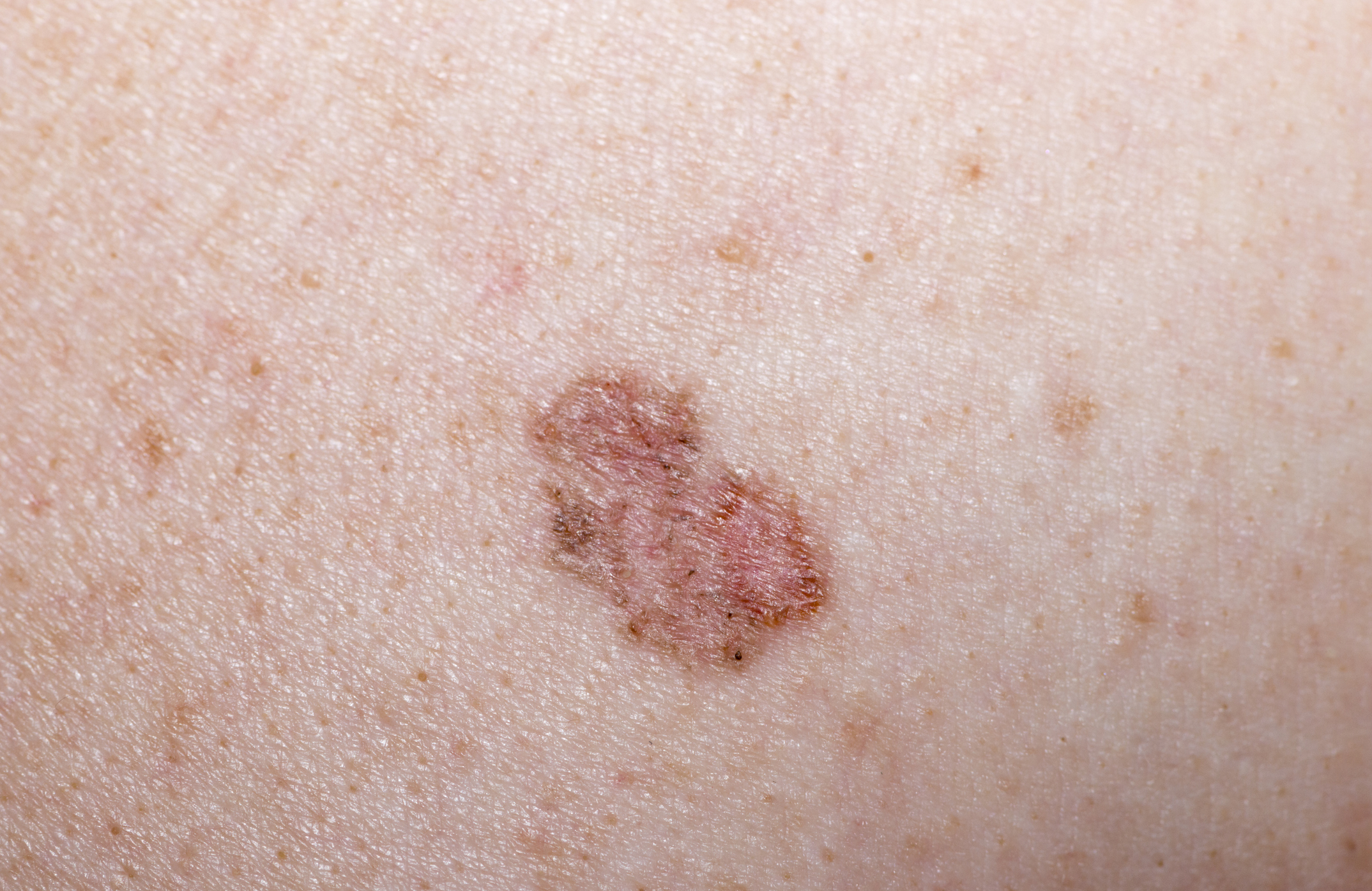
“Because they accumulate repeated UV exposure over months and years, runners, tennis players, golfers and cyclists are higher-risk because of long outdoor sessions, peak UV hours, reflective surfaces, exposed skin, sweat, altitude and cumulative damage.”
High risk
As a predominantly outdoor exerciser who has clocked up roughly eight hours of running, cycling and the occasional swim each week for the last five years, I fall firmly in this camp.
I would rank myself as OK when it comes to protecting my skin and I’m getting better, but there’s still room for improvement – whether that’s applying sun cream even on cloudy days or remembering to reapply it during longer runs and rides in the sun.
But other than covering up and slapping on the sun cream, is there anything else I could do as a precautionary measure?
“We recommend annual full-body checks or mole mapping for anyone regularly enjoying outdoor sport,” says Veitch, adding that more frequent visits are advised if a patient is in a higher-risk category.
People at high risk are those with many moles, irregular or unusually shaped moles, personal or family history of skin cancer, pale skin that burns easily, significant past sun exposure or sunburn, or any sun bed use.
In addition to full-body checks, Veitch suggests to self-check every three months, where you can use a checklist (see below) to keep tabs on anything suspicious you find.
High-definition snapshot
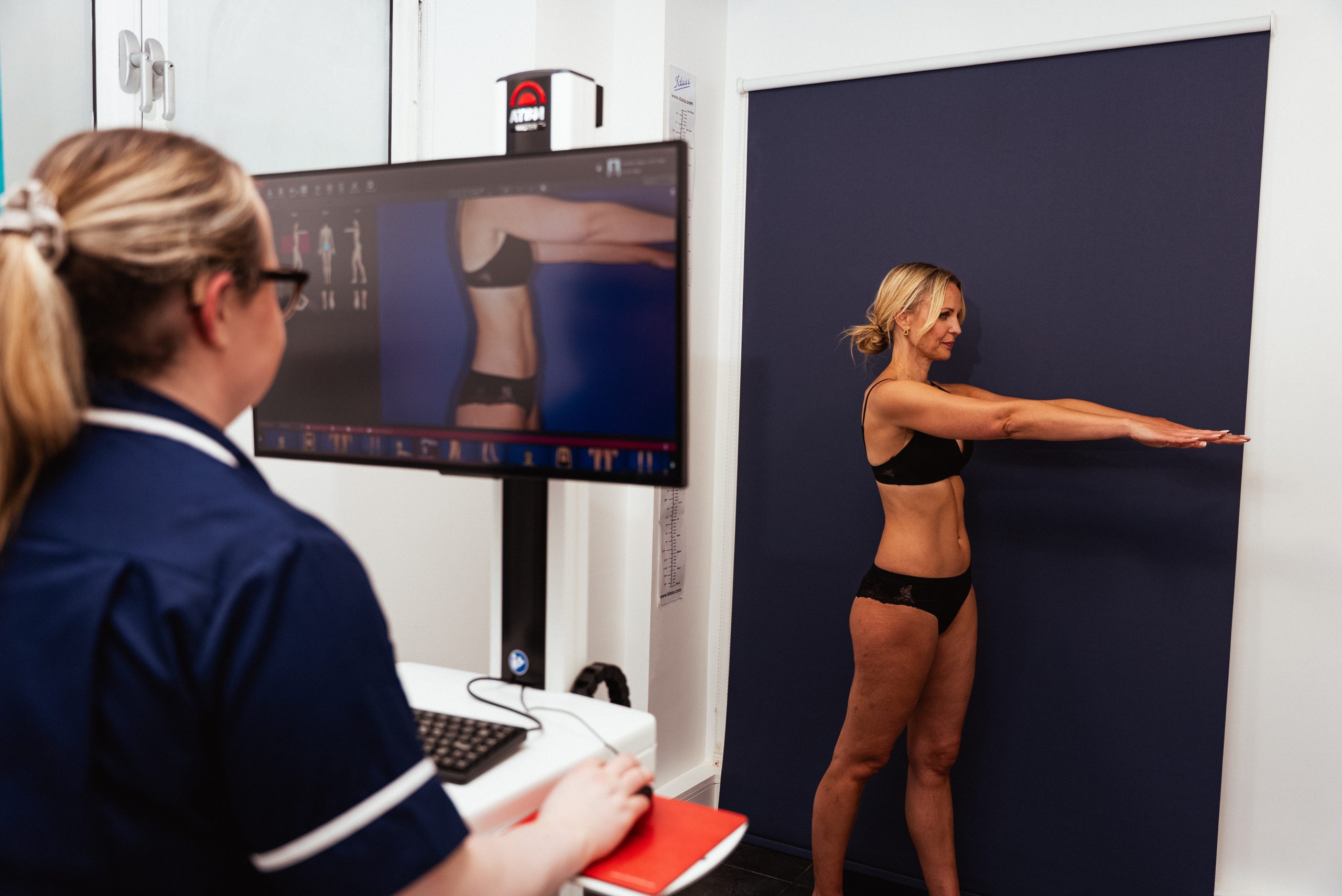
A skin cancer assessment comes in the form of a screening or a mole mapping. While not all skin cancers present as moles, the most serious kind – melanoma – can either develop from an existing mole or appear as a new, dark spot that looks like a mole.
A mole-mapping appointment is an hour-long procedure carried out by a nurse, where every mole on your body is checked, analysed and plotted, providing a snapshot of your body’s moles.
Any suspicious-looking lumps, bumps or moles are photographed and referred for further analysis.
On a return session, the same process is carried out and an AI-powered analyser is able to compare it to your mole map and highlight any changes in your body’s moles between sessions.
We started off with a questionnaire, where the questions included some about my family’s skin cancer history, whether I had freckles as a child and any sun bed use – each magnifying my relative risk of melanoma.
Next, I was photographed 360 degrees from head to toe by a laser-guided camera, before screening nurse Dovile Pugaciauskaite went over every mole using a special magnifying glass to get a closer look.
She explained that moles tend to have a pattern, similar shape and colour, and it’s the ones that break the mould that warrant further investigation.
Two patches were flagged: a mole on the middle of my back that bucked the trend, and a patch of red skin towards the tip of my nose that the GP had diagnosed as burst capillaries from sun exposure. These were photographed using a high-resolution camera and sent away for further analysis.
“Our team reviews high-resolution dermoscopic images for features not visible to the naked eye, looking for early signs of skin cancer,” says Veitch.
“For moles, key warning signs include asymmetry, irregular borders, colour variation, diameter over 6mm and evolution or change, plus symptoms such as bleeding, itching or crusting."
Wake-up call
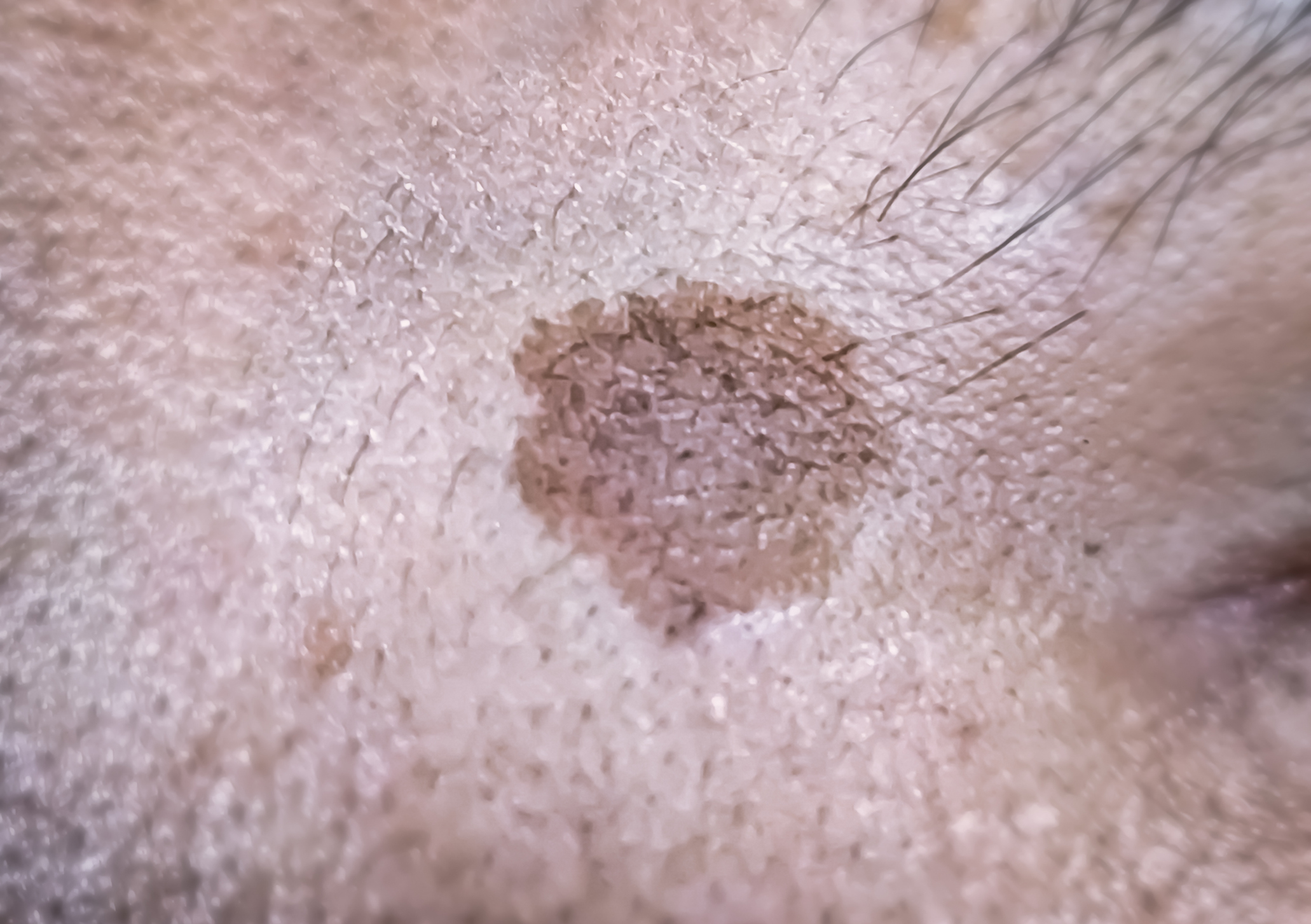
After a couple of days, the results were in and it was mixed news. The mole on my back was found to be benign and the advice was to self-monitor and report any changes.
The patch of skin on my nose, though, was diagnosed as actinic keratosis – a precancerous condition that could become cancerous if left.
“Actinic keratoses are caused by chronic sun and UV damage, especially because the nose is a sun-exposed site,” explains Veitch.
“We see these very commonly at The Mole Clinic, especially in patients who exercise outside frequently, with the commonest location being on the head and neck.
“Actinic keratoses are precancerous scaly patches that can, in some cases, develop into squamous cell carcinoma (SCC). Although this type of skin cancer can usually be cured with surgery, if left it can spread.”
With the benefit of hindsight, it’s easy to see how the actinic keratosis developed. My nose has always caught the sun, and years of favouring the ‘healthy’ glow of a tan rather than prioritising the protection of my skin in my teens and twenties has caused damage that, while not irreparable and immediately life-threatening, is certainly a wake-up call.
Aside from contacting my GP to get referred to a dermatologist, what could I do to reduce my future risks of another actinic keratosis or worse?
Veitch advises using broad-spectrum SPF, which means that it protects against UVA and UVB rays, and a factor of between 40-50+ as a minimum. Also, he notes that it’s important to reapply during long or particularly sweaty sessions.
Sunscreen aside, he says to wear UV protective clothing, which has a UPF factor ranking similar to SPF, where again higher equals better, while accessories such as UV sunglasses and wide-brim hats are a must, and you should cover your ears, neck, shoulders and calves where possible.
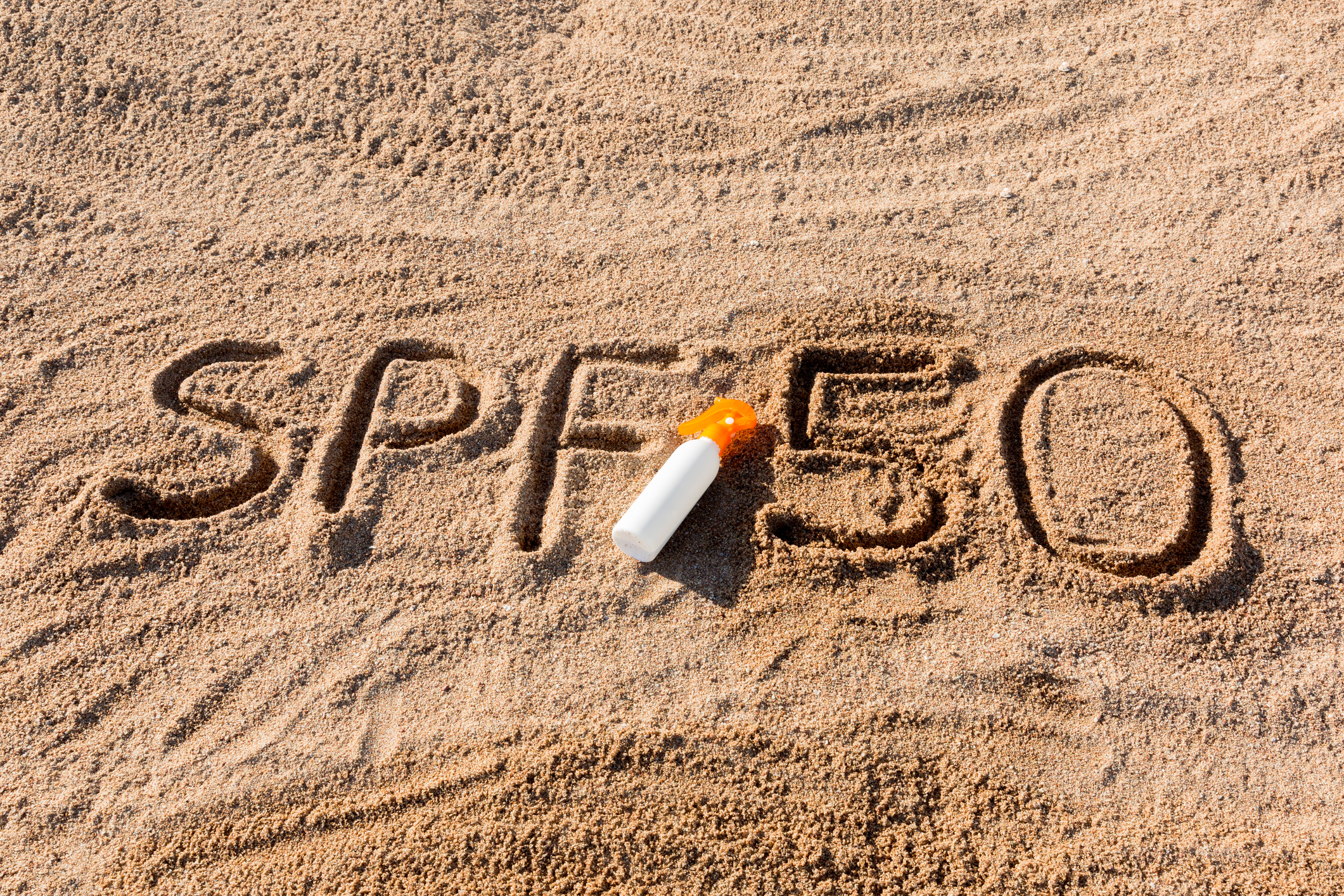
Finally, he suggests avoiding training during peak UV hours, which typically occur between 10am and 4pm, and recommends never using a sun bed.
Priceless addition
Private skin cancer screening isn’t cheap and The Mole Clinic’s prices range from £60 for a single mole check through to £325 for a full body mapping.
But for spotting risks that you weren’t aware of because they are somewhere you can’t see them such as your back or the back of a limb, correcting a misdiagnosis or just general peace of mind, an appointment could be priceless.
Plus, when compared to the general cost of your passion and hobby, looking after number one starts to feel a bit more affordable.
Melanoma check list
One of the most important rules for melanoma skin cancer is the ABCD rule:
- A for asymmetry: if you draw a line through the middle of the lesion, the two halves don't match.
- B for border irregular: the edges of the lesion may be irregular or blurred.
- C for colour: colour that is different from your other moles, this may be one or more colours (or shades of colour).
- D for diameter: more than 6 mm. However, many skin cancers start smaller than this.
More clues for melanoma and other skin cancers
- The EFG rule: All of E for elevation, F for firmness to touch, and G for growth (sustained growth for 3-4 weeks).
- The ugly ducking rule: any skin lesion that looks or behaves different from your other moles (eg, crusting or bleeding that does not settle within four weeks).