
For many years, doctors and researchers have noticed a strange problem among men who want to lose weight.
Around 67% of UK men are overweight or obese, putting them at risk of heart disease, Type 2 diabetes and certain forms of cancer, yet only 10-30% of people attending weight-loss clubs are male.
Men also suffer from higher rates of obesity-related health issues than women, but overweight men are 25% less likely than women to make the necessary health changes that can address those issues.
The same confusing trend exists in America: a study in the American Journal of Men’s Health found women were 32% more likely than men to report having used an organised weight-loss programme, despite higher rates of obesity among men.
Men’s reluctance to engage with weight-loss activities has confused health practitioners for years. But researchers are now starting to unpick the psychology behind this thorny male health problem. And they are unlocking some powerful weight-loss secrets for men along the way.
Here are five of the most urgent and important discoveries.
Men need the company of other men
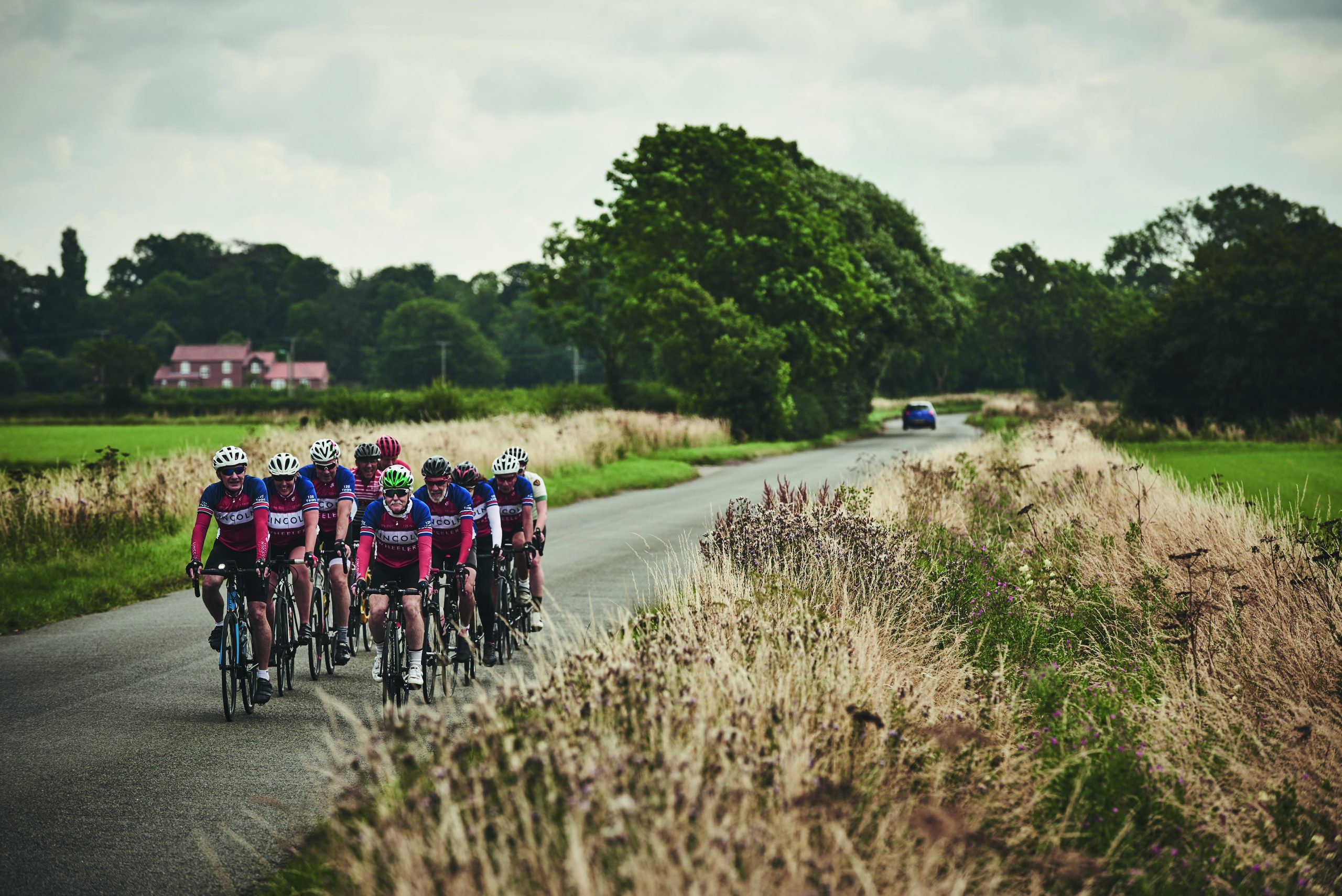
A major issue for men is typical weight-loss activities and services are often targeted at women. A study in the journal BMC Public Health found men are put off by these female-dominated programmes.
This gender imbalance in organised weight-loss programmes often results in feelings of self-consciousness, shame and stigma among men, meaning many men are deterred from engaging with or attending traditional weight-loss programmes.
However, when men find programmes in which they can enjoy the company of other men, the results are often spectacular.
For example, research on the Football Fans in Training scheme in Scotland found overweight men lost on average 5.6kg through weekly football matches, with the help of coaches, group support and food advice.
This success was mirrored in rugby schemes in New Zealand, ice hockey initiatives in Canada and other social sports clubs for overweight men across Europe.
The Men’s Health Forum found weight-loss programmes based in the workplace or associated with professional sports clubs have also been particularly successful.
It seems many men regard social exercise with other men as an 'acceptable' masculine outlet, because it's associated with strength, camaraderie, peer support, competition and skill mastery, in a way that dieting is not.
Man v Fat, a six-a-side football league in which players gain points both for winning games and for losing weight, has been hugely successful in the UK.
Players receive support from a health coach and get access to advice forums, and Facebook and WhatsApp support groups.
Advice includes how to swap 'red card' fried chicken for 'top corner' oven-baked chicken with panko breadcrumbs, or how to choose healthier snacks in Greggs.
And the ‘gamified’ points system means players’ weight loss is competitive. In a 14-week scheme run by Solihull Council, players lost 10kg on average. Some players shed up to 65kg.
Dig deeper into the research and you begin to understand why these kinds of schemes are more appealing to men. Research suggests men perceive dieting as a highly 'feminine' practice.
The theory is men associate dieting with unpalatable foods, small portions and calorie restrictions, and they dislike unquantifiable terms such as 'lifestyle change'.
However, when men associate dieting with group exercise, skill acquisition and specific goal-setting, their motivation soars.
Research by Professor Kate Hunt, an expert in Behavioural Sciences and Health at Stirling University, has found men therefore need a 'gender-sensitised' approach to weight loss, which works “with, not against, cultural ideals of masculinity”.
When men try to fit into female-focused weight-loss programmes, they often struggle. But when men find a targeted health programme that boosts their 'masculine capital' – through highly social group exercise, trackable goals and peer support – they can achieve amazing weight-loss results.
“Ten years ago there was very much a mindset for us as a nation that men weren't interested in their health,” explains Professor Hunt.
“But I've really changed my views through my experience of seeing so many men – given the right intervention, in the right setting – really embrace change.”

It seems that men thrive in these 'effervescent' group settings, thanks to the good camaraderie, playful banter and peer support.
Research suggests humour, male-oriented banter and inclusion of physical activity facilitate attendance of men on weight-loss programmes.
That is why group settings, such as football teams, rugby clubs, cycling clubs and running groups, are such good weight-loss options for men.
The kind of regular social contact that clubs inspire also builds commitment and adherence, ensuring men keep exercising week after week to help maintain their weight-loss success.
Surveys suggest middle-aged men also prefer exercising with 'men like me', who have a similar physique, ensuring they feel more comfortable discussing their shared weight-loss ambitions than when in the company of women or extremely athletic men.
Men prefer exercise to dieting

Not all elements of masculinity are helpful in the male weight-loss quest. For example, men are culturally conditioned to prefer large 'macho' bodies because they see this kind of bulkier physique as stronger and more masculine.
Surveys confirm that men are less likely to ask for help about their weight problems, and that those interested in losing weight prefer doing so through physical activity, rather than strict dieting.
“Our research suggests men have different concerns,” explains Professor Alison Avenell, clinical chair in health services research at the University of Aberdeen.
“They didn’t want to be too slim and would like to retain muscle and strength. They may be worried about diets which are seen as ‘feminine’.”
That may be why research suggests men are more motivated by targeted exercise goals than by dietary plans. It is better for men to forget fasting diets and strict calorie restriction and instead focus on exercise targets and sensible, balanced diets.
For men who play football, go cycling, run or do other sports, targeting specific fitness improvements and athletic achievement will inevitably lead to weight loss as a natural byproduct. However, targeting athletic achievements and goals makes the process more appealing to the male psyche.
Men like small daily behaviour changes
Research by Professor Hunt also found small daily behaviour changes are more effective for men than strict diets.
What men want is “science, but not rocket science”: simple, actionable changes, such as recipe swaps, and action plans for trips to the pub (for example, swapping a calorie-dense pint for a lighter bottle of beer).
The Men’s Health Forum found programmes that include exercise and behaviour change components as well as dieting are more successful in helping men lose weight.
These small daily behaviour changes are easier to target and seem to be especially appealing to men.
Men want a bespoke approach
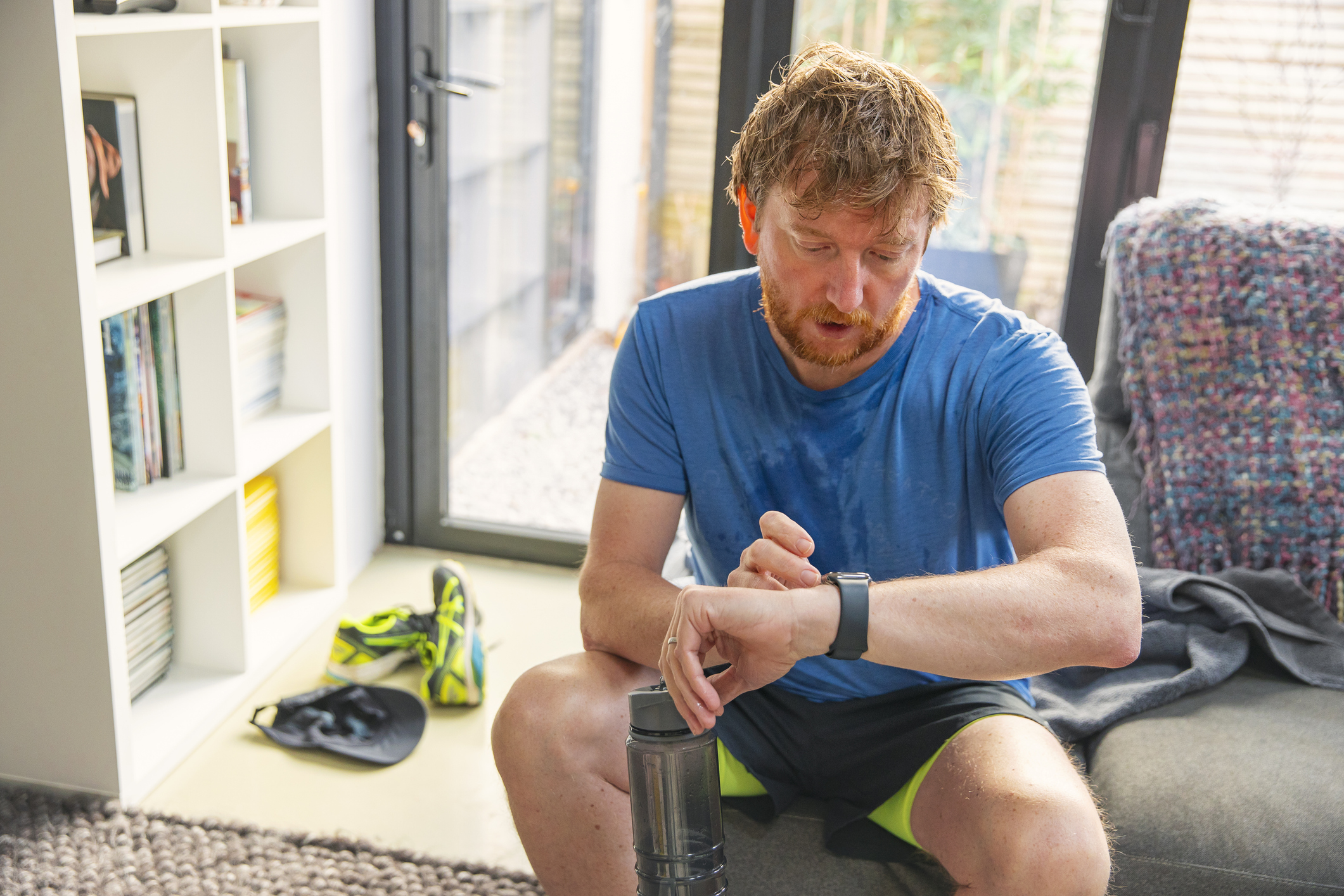
Men also seem to relish a bespoke, personalised approach to health, with quantifiable targets to aim for and regular feedback on their weight.
For example, studies suggest men lose more fat when they track their weight than when they’re asked to just follow a strict diet, perhaps because this approach nourishes a sense of personal autonomy and achievement.
That is why research suggests the use of a pedometer, wearable tech or ‘gadgets’ also makes weight-loss programmes more appealing to men.
Men have different weight-loss motivations
Even the initial spark of motivation required to begin a weight-loss journey is often different for men and women.
For men aged 35-65, fear is often the key motivator. A formal diagnosis of obesity, or a health scare, is often the tipping point.
The Men’s Health Forum believes men want to – and need to – know what they will gain from their weight-loss journey.
That is why it is good to focus on the health benefits associated with losing weight, such as feeling fitter, the possibility of coming off any medication or a reduced incidence of erectile dysfunction.
But simple family or practical matters are often important factors, too.
“A lot of the men we've talked to weren't focused on body image but simpler things like not being able to get into their trousers, or seeing themselves in a family photograph and realising they’ve put on weight,” explains Professor Hunt.
“Most men want to be as fit as they can be. It's about just giving them the tools and the confidence to flip from a ‘can’t do’ to a ‘can do’ attitude.”


