SQUIRREL_14068224
When Garmin released its Cirqa health and fitness tracker in July, it immediately struck me as an intriguing product.
Over the last few years, I’ve often used a Garmin Fenix 7 smartwatch for cycling and running. However, the watch has a macho, bulky design. This means I’ve rarely tapped into Garmin’s fitness-tracking metrics and sleep scores.
So, the Cirqa Smart Band was appealing. It could link up with my other Garmin devices and start tracking my health metrics. It also seemed like an ideal alternative to that other popular wearable, a Whoop band.
What does the Cirqa Smart Band do?
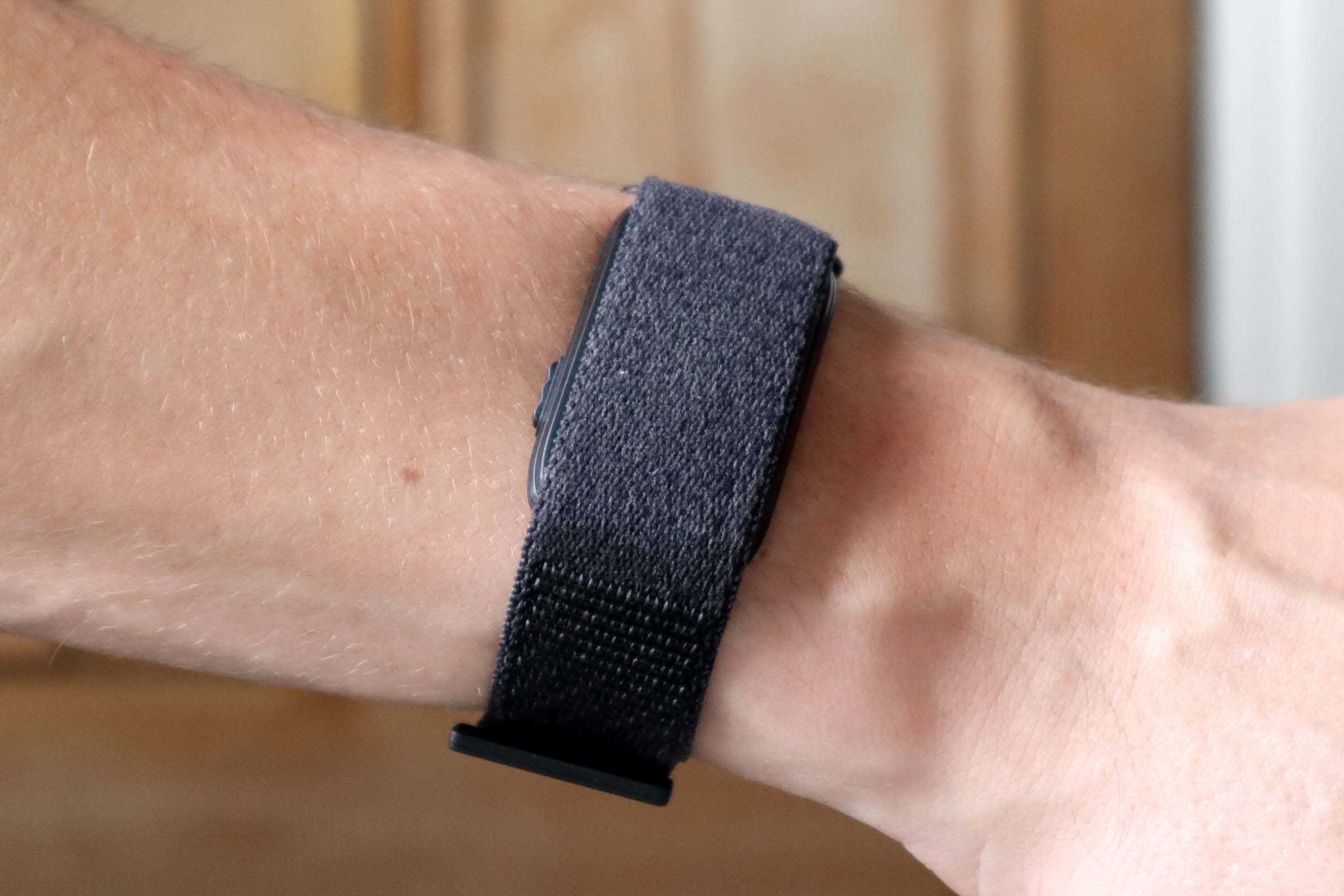
If you’re familiar with wearable fitness trackers such as Whoop’s bands, the Cirqa’s features will be of little surprise.
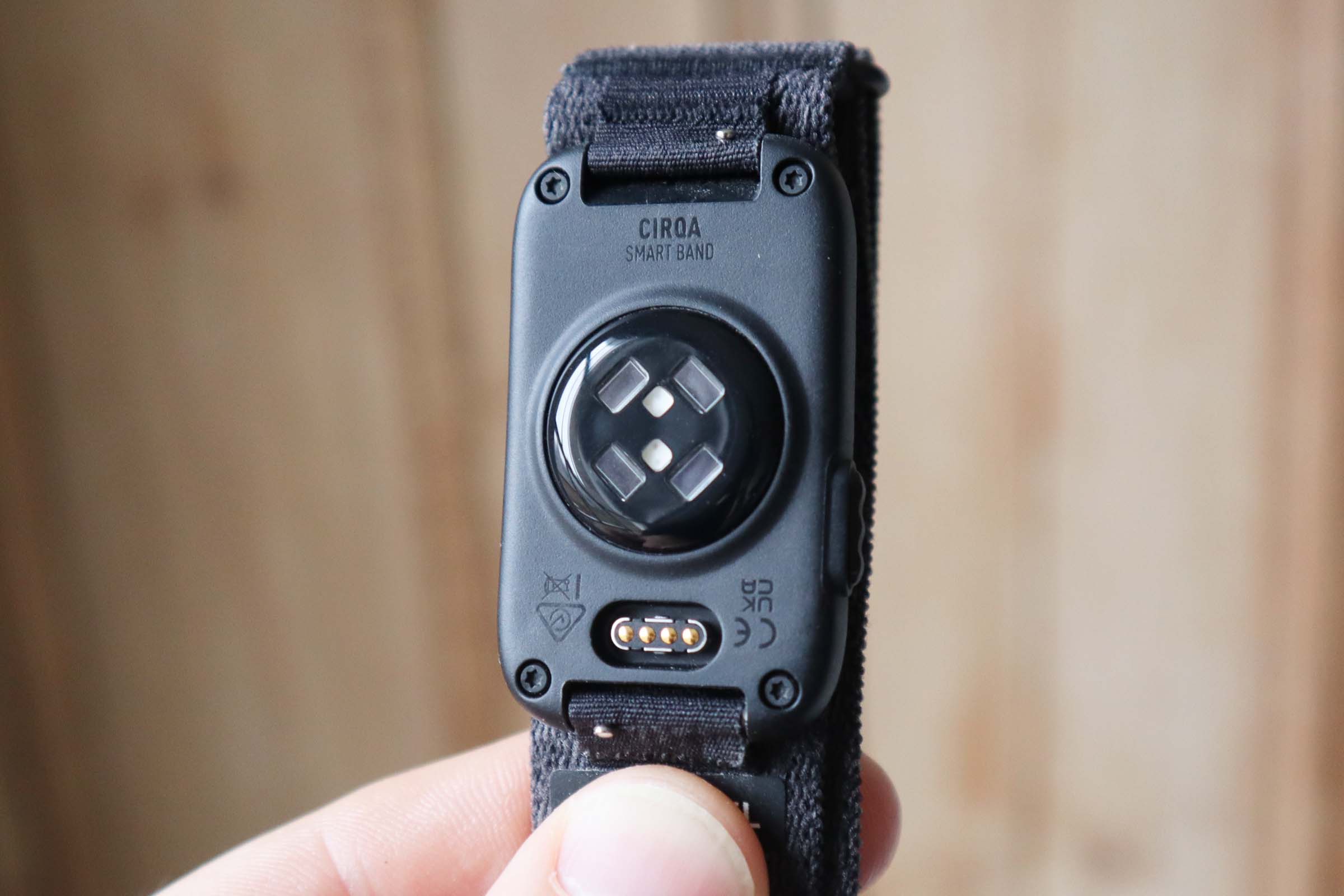
The device tracks your heart rate, energy levels, stress, pulse ox and skin temperature. It feeds this data back to the Garmin Connect app, where you can also obsess over detailed sleep tracking, a sleep score and heart rate variability.
The device also includes Garmin’s other training metrics such as Training Readiness, Training Status and VO2 max. Women’s health features include menstrual and pregnancy tracking.
You can also record more than 80 types of activity when the Cirqa is paired with your smartphone.
In short, the Cirqa Smart Band will do practically everything a Garmin smartwatch does, albeit without a screen and with the advantage of a sleek, unobtrusive design.
Move over Whoop
Having previously used a Whoop band, my preference has edged towards the Garmin Cirqa.
Garmin’s device is clearly an intentional competitor. It seemed odd that the giant of GPS sports watches didn’t have a wearable in its line-up, and no doubt Whoop’s place as a fitness status symbol played into Garmin’s desire to create a similar product.
Part of my preference for Garmin’s product is simply due to the fact that I’m locked into its ecosystem already. It’s why I probably wouldn’t get a Wahoo bike computer. As with a Whoop band, that would mean one extra app on my phone and data that wasn’t in sync.
The other reasons I’ve ended up veering towards the Cirqa over the Whoop band are the latter’s price and complexity.
Garmin’s Cirqa band costs £179.99 / $199.99 / €199.99 with no subscription fees, whereas Whoop's starts from £169 / $199 / €199 per year for a subscription. This means Cirqa enables you to access all your data and health insights for free after buying the device.
Unless you're Mathieu van der Poel, the depth of the data tracking with Whoop is far beyond many people's needs. And Garmin’s Cirqa band provides ample information for semi-serious sports people like myself.
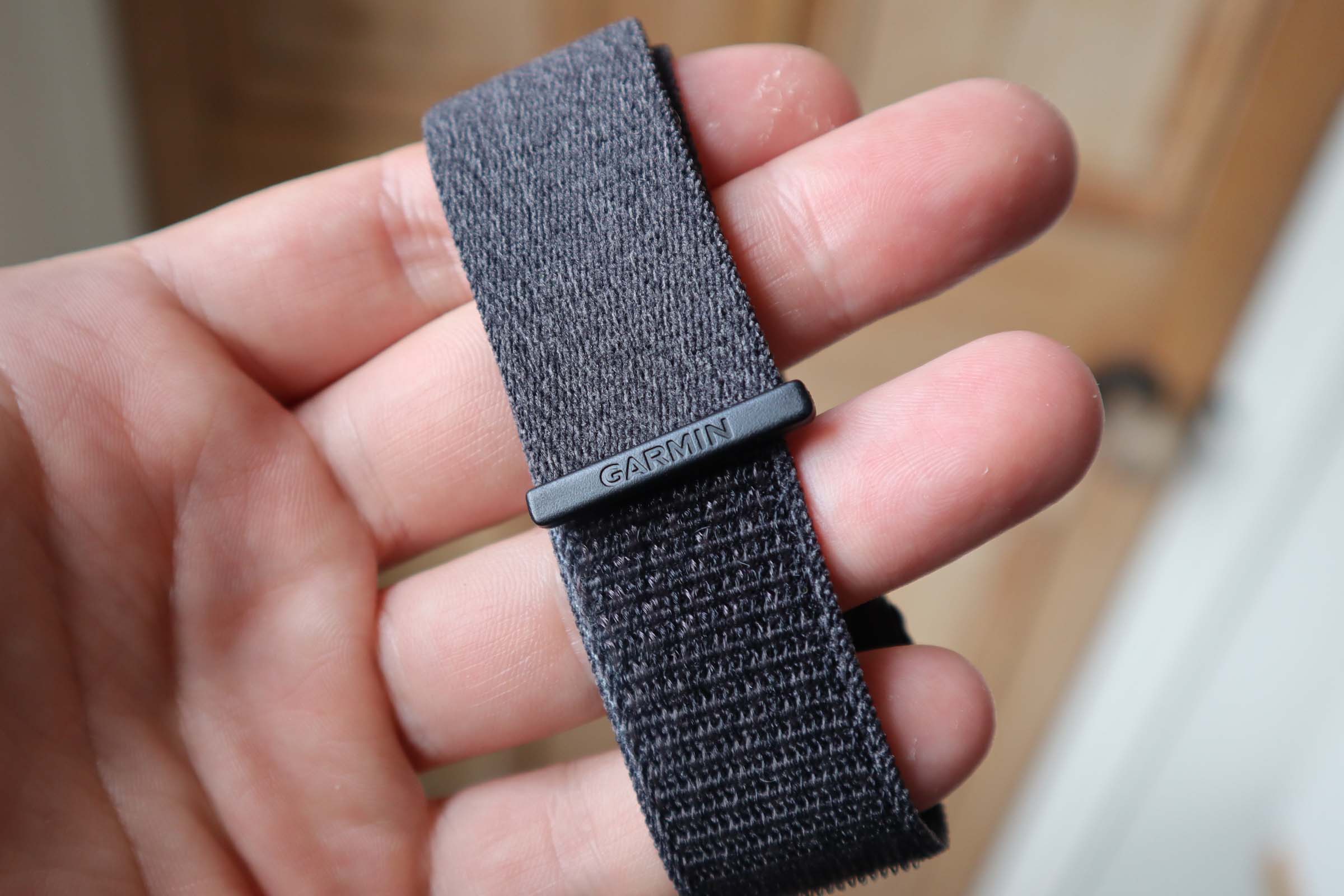
I will admit that Whoop’s neat metal clasp and slightly thinner design are more appealing to me. I fear the Cirqa's Velcro strap will age more quickly and attract fluff and grime.
I’m still unsure about wearables
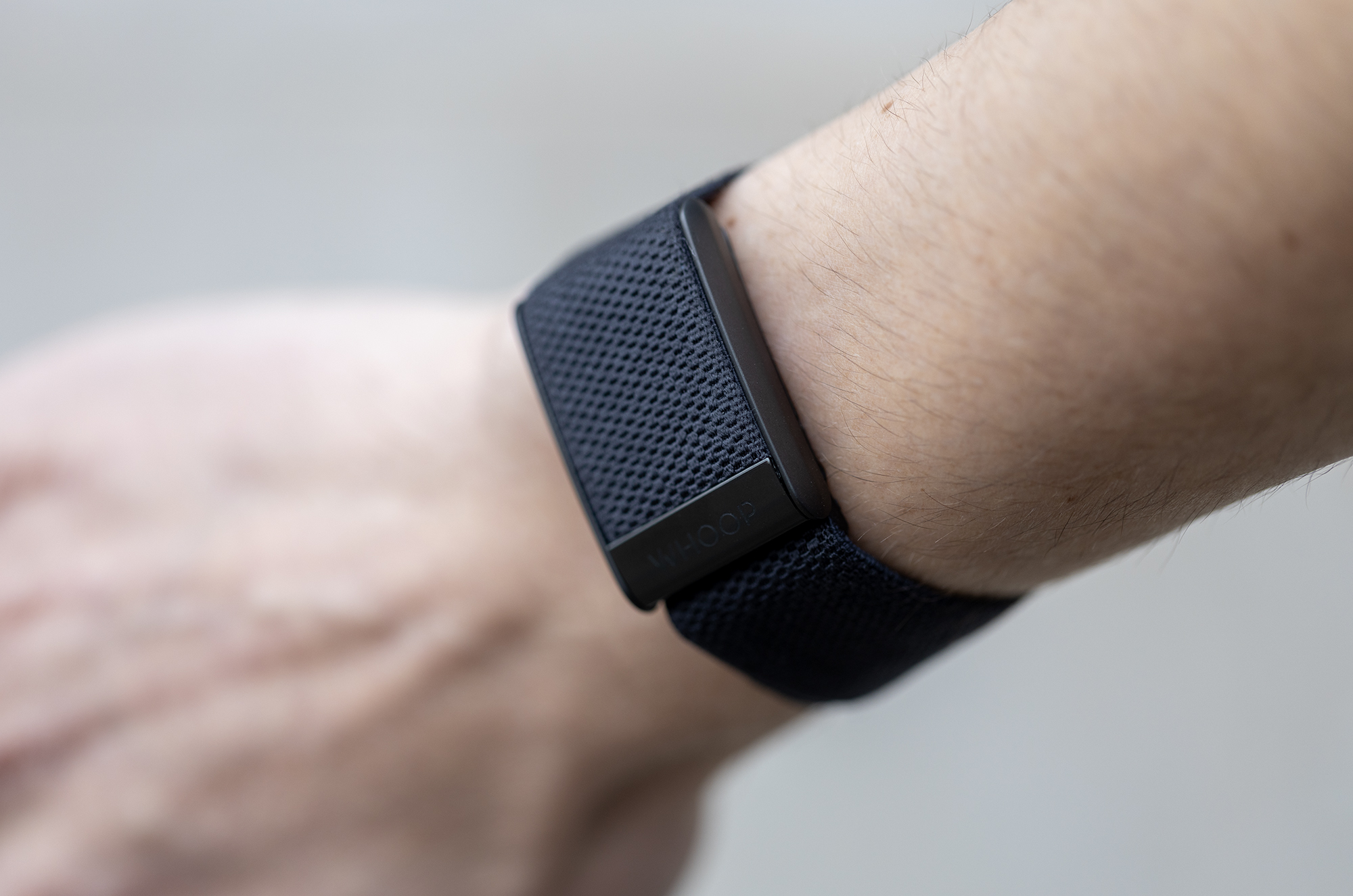
Part of the status of Whoop is, I think, the fact that the thin fabric band on your wrist signals you can afford to pay attention to your health in this way. You could consider fitness trackers a form of conspicuous consumption, or 'conspicuous health'. A Whoop band is a subtler signifier than a Fenix, and now Garmin is in on the game too.
Whether you want to put these signals out into the world is up to you. But another reason why I’m hesitant about wearables such as the Cirqa is how they impact behaviour and perception – particularly around sleep.
Last month, Dr Alanna Hare, consultant of sleep medicine at the Royal Brompton Hospital in London, told the BBC that the concept of a sleep score is “completely made up”. "There's nothing recognised in sleep science that is a 'sleep score',” she said.
A study from the University of Oxford gave participants sleep trackers that provided a sleep score. Yet these scores were randomised and were not based on how the participants had slept. The researchers found that when they told participants they had slept badly, they reported increased fatigue and were less alert.
I’ve found tracking my sleep has occasionally led to mild concern. I've ended up worrying whether I’m rested enough for whatever bike ride I have planned. My wearable has said I haven’t slept that well some mornings, prompting me to take it easy. Or, it’s said I’m ready for intense exercise when I don’t feel that rested.
Having the data and insight of a wearable may prove useful for you. It can inspire you to keep exercising and bring some numbers to how you perceive what’s happening with your body.
Yet, for me, the gamified experience of health stats can obscure other signals and introduce its own stresses. And I don’t want to lose sleep over that.
SQUIRREL_14068224