“The MPCC is becoming increasingly concerned about an excessive use of medicine in the sport and calls upon its governing body to take action against the expansion of the so-called grey area.”
The late-2025 press release from Movement for a Credible Cycling, the voluntary anti-doping organisation for pro teams, which advocates for stricter rules on the products riders should avoid taking, was at odds with its February 2026 figures that showed a continued decline of positive drug tests in professional cycling, down from 29 in 2022 to 20 last year.
So, what’s going on? If doping cases are dropping, why the concern? And what are the implications for those who aren’t competing at the peak of the pyramid, namely us recreational riders?
“Cycling must question the significant development of certain medical practices among the elite,” the MPCC’s proclamation continued.
Why? Because, the MPCC said, they are of concern both from a health and ethical perspective. The health concerns are due to insufficient evidence behind the long-term impact of using substances created for therapeutic reasons in a performance setting.
The ethical issue is riders could feel under pressure to follow medicalised plans from team bosses and teammates despite their own misgivings.
There’s also the image problem – that a sport scarred by numerous doping scandals of times gone by should condemn not condone medical assistance, even if that assistance isn’t currently illegal.
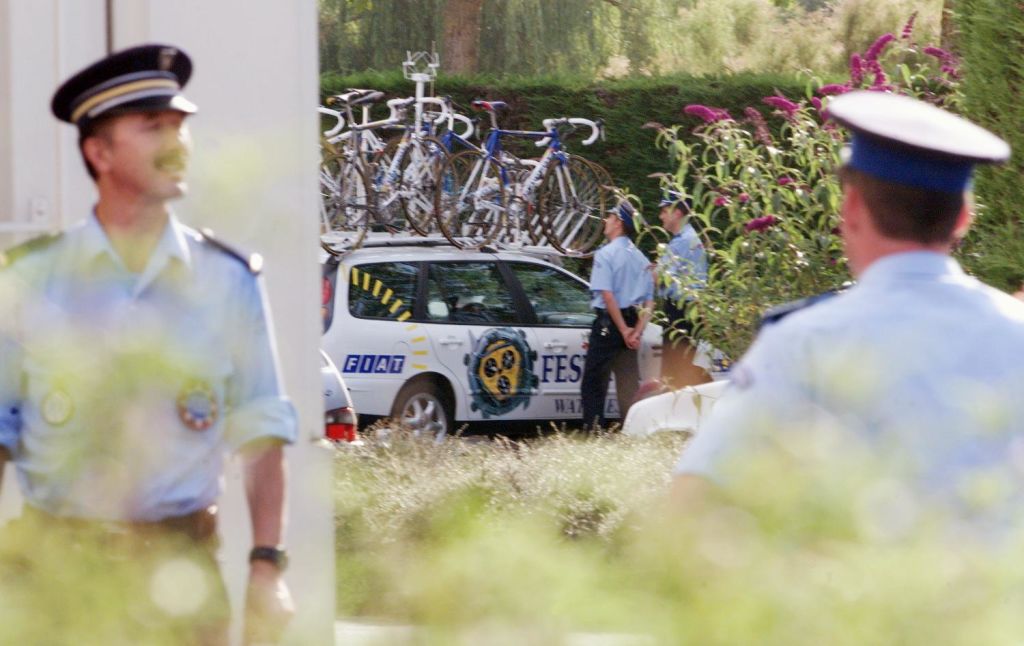
One of the MPCC’s major areas of concern is so-called ‘finish bottles’. A relic of more dubious times, it has suggested they are back in the peloton “with multiple borderline substances said to be mixed and passed into the peloton to prepare riders ready for the final. Next to this, we face other potential substance abuse with medicine such as tapentadol”.
Professor Lex Mauger of the University of Kent is an expert on the medicalisation of cycling and is currently undertaking a WADA-funded study into tapentadol.
“It’s much more powerful than tramadol,” he says. “It’s an opioid, has analgesic effects similar to morphine and can therefore raise the pain threshold.
“Through a year-long trial, we’re examining not only whether tapentadol but also dihydrocodeine poses a risk to the athlete and their competitors through reduced control of their bikes, and whether they enhance performance in a similar way to tramadol.
"We finished the data collection in February [2026], and are in the process of data analysis and report writing for WADA.”
We will monitor progress to see if tapentadol follows the path of tramadol. In 2012, WADA placed tramadol on its monitoring programme, which includes substances that aren’t on the prohibited list but are becoming increasingly popular and may have performance enhancing effect or endanger health.
There it remained every year through to 2023 before finally being moved to the prohibited list in 2024.
That was despite the UCI taking the unusual decision to ban unilaterally its in-competition use in 2019.
Convinced in the labs
For years, WADA took convincing that tramadol enhanced performance or damaged health.
“There is no set timeline for a substance being banned and no ‘average’,” a WADA spokesperson told us. “If the data is clear and unequivocal, a substance can be added to the following year’s prohibited list without any delay and without need for inclusion in the monitoring programme.
"Equally, if the evidence is absent, unconvincing or otherwise problematic, substances can remain on the programme for years and, ultimately, may never be added to the list.
"It is crucial to maintain an open mind, go where the evidence leads and deal with substances on a case-by-case basis.”
It was only in a paper published in 2023 that WADA was seemingly convinced. That was down to Mauger. He and his team had 27 trained cyclists undertake a 25-mile time trial after taking 100mg tramadol or a placebo. On average, the cyclists enjoyed a 1.3% speed increase on tramadol thanks to a nine-watt increase in power.
“Three of the participants in the study expressed and displayed adverse effects in the tramadol condition after the time-trial completion,” read the paper in the Journal of Applied Physiology.
“For one participant these effects were mild (nausea, mild dizziness), whereas for two these were more pronounced (drowsiness or vomiting).
"It is worth noting that these side effects did not seem to significantly impair their performance (or the ergogenic effect outweighed the impact of the adverse effect), as two of these participants still produced a faster time in the tramadol condition.”
In short, a medicine designed to neutralise pain enabled greater physical output but impaired their decision making.
Mauger also highlighted that riders and their teams could well use doses higher than the 100mg, so this “is potentially the minimum ergogenic effect that could be observed in races”.
Tapentadol is currently on the monitoring list. Whether it ‘graduates’ to the prohibited list, which currently numbers over 400 and includes well-knowns such as the blood-booster EPO (erythropoietin) and human growth hormone, is down to WADA unequivocally concluding that it satisfies any two of the following three criteria: it has the potential to enhance sport performance; it represents an actual or potential health risk to the athlete; it violates the spirit of sport.
These worthy tenets of clean sport hide layers of complexity and, as the MPCC has highlighted, the ‘grey area’ that permeates amateur athletes as well as the elite.
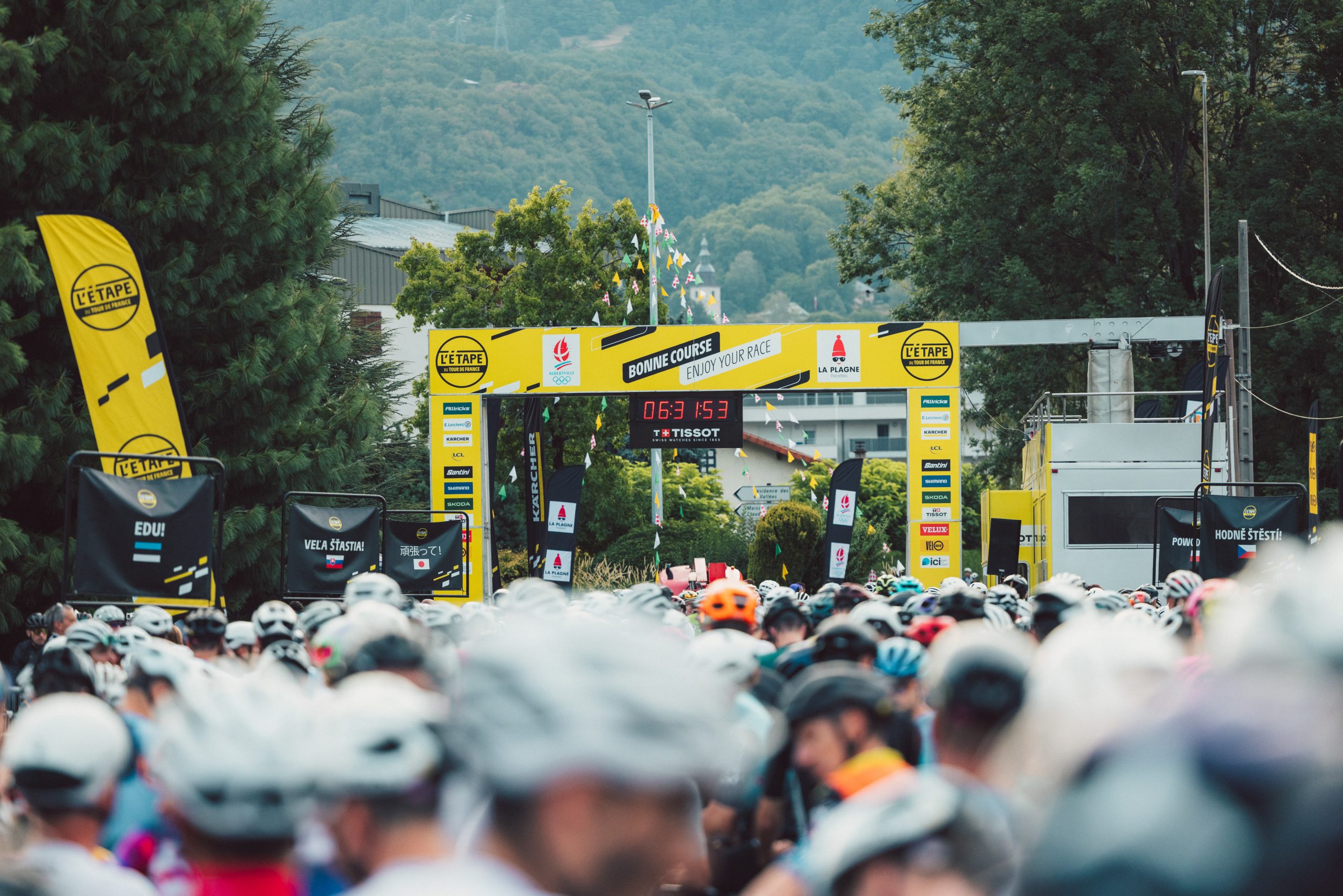
Take a 2023 study published in Sports Medicine-Open, led by Ask Vest Christiansen at Aarhus University, who surveyed around 7,000 recreational athletes across more than 200 sports.
They discovered that around 45% had taken over-the-counter medication for reasons such as nullifying pain, while approximately 10% admitted using the medication specifically to improve performance. That equated to some 700 respondents.
Further research showed that in amateur football, around 77% of players reported using painkillers to manage pain, while up to 60% of runners reported taking non-steroidal anti-inflammatory drugs on race day.
Surge of semaglutides
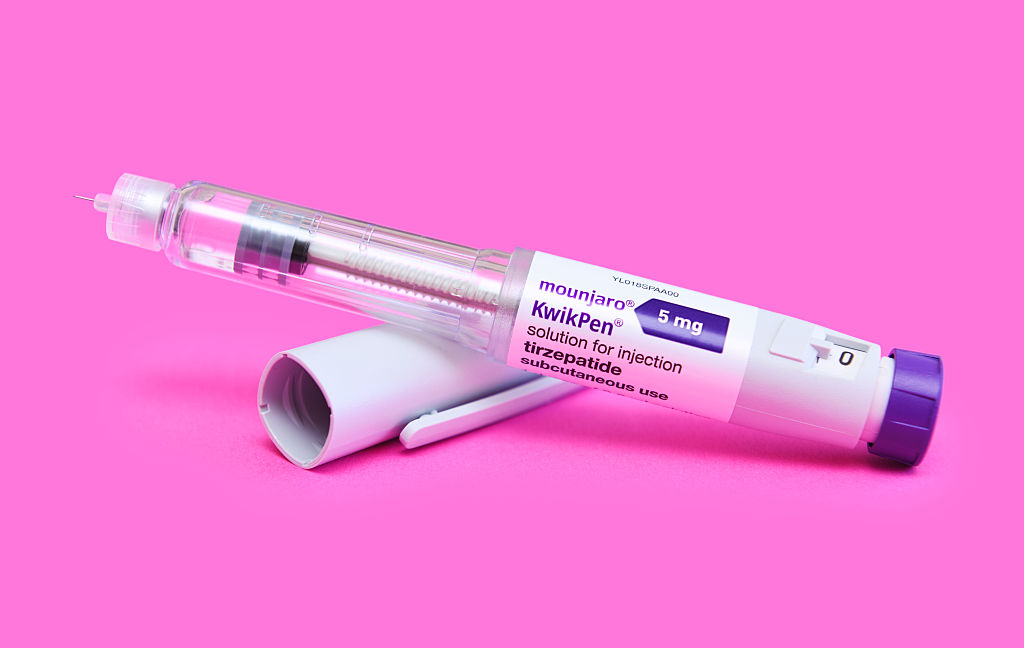
This medicalisation is not illegal, just questionable. And it’s about to shift up a gear with the medicines that have dominated headlines for the past couple of years: weight-loss drugs.
“GLP-1 agonists, like semaglutide and tirzepatide, are drugs that mimic glucagon-like peptide-1, something we naturally produce,” says Dr Mario Thevis, director of the European Monitoring Centre for Emerging Doping Agents.
“They lead to a substantial reduction in appetite and, in turn, weight management. This can potentially help obese individuals, but it’s also clearly of interest to competitive individuals in sports where weight counts.”
Cycling is one such sport, which is a concern. An already lightweight athlete on semaglutides will have little desire to eat during or outside training, potentially leading to chronic energy deficiency – a condition similar to RED-S (Relative Energy Deficiency in Sport) – with consequences including fatigue, poor recovery, hormonal disturbances and impaired performance.
These potential detriments to health are why semaglutides are on the monitoring list with rumours that they could be added to the prohibited list before the 2028 Olympic Games.
Whether it’d also be down to performance reasons remains to be seen. Yes, weight loss in a weight-based sport can be important but only if you’re certain it’s fat you’re losing.
“With semaglutides, there’s clear evidence that they not only increase loss of fat mass, but also muscle mass,” says Dr Thevis. Significantly so.
In a 2021 trial of semaglutides, lean mass was reduced by 6.92kg alongside an overall weight drop of 15.3kg, meaning around 45% of the weight lost came from lean mass, comfortably exceeding the commonly cited ‘quarter fat-free mass rule’ that predicts about one quarter of weight loss typically comes from lean tissue.
It’s not beyond the realms of fantasy that with this knowledge, the medicalised cyclist would then tap into illegal performance-enhancers such as steroids to offset this muscle loss. Allegedly, this is rife in bodybuilding circles.
This medicalisation also leads to dangers from the black market. A 2025 paper in the International Journal of Drug Policy warned, “Counterfeit medicines are often produced in China, where regulatory oversight is poorer, and bought at the wholesale level by resellers who may supply product under the guise of it being ‘legitimate’ pharmaceutical-grade medicine.
“This has led to harm among users, including several illicit market semaglutide users being hospitalised with symptoms including hypoglycaemic shock and coma in 2023, in what may have been a case of insulin contamination of fake Ozempic pens.
"There may further be harm linked to how information about drug use is sourced online, which can potentially be poor quality, inaccurate or otherwise harmful.”
It sounds dramatic, but it does hammer home concerns from the likes of the MPCC that medical substances should remain in the medical arena.
Used in the sporting amphitheatre, they can not only be dangerous but also paint a grey area that leads to suspicion and hearsay.
Of course, this medicalised uncertainty is nothing new. Take TUEs. A therapeutic usage exemption is a medical certificate that allows an athlete to use a prohibited substance for a legitimate medical condition. It’s mooted as performance-enabling, not enhancing.
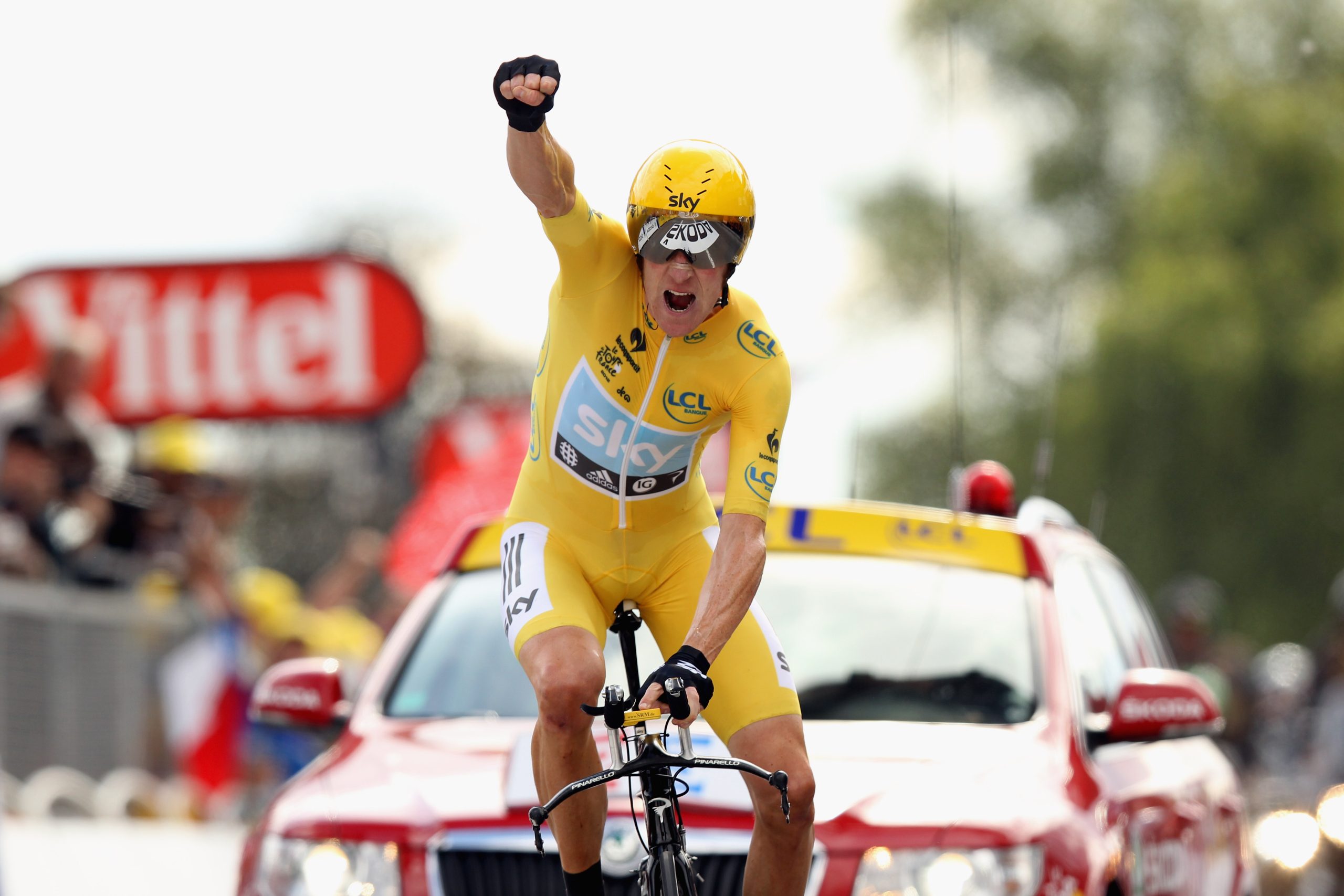
However, the Fancy Bears hacking episode of 2016 raised more questions than answers, including Bradley Wiggins’ case.
The British rider received multiple TUEs for triamcinolone, a powerful corticosteroid that was administered by injection shortly before the 2011 and 2012 Tour de France, the latter of which he won.
The drug was justified medically for severe allergies and asthma, and the TUEs were properly approved under the rules in force at the time. No anti-doping violation was ever proven.
The controversy centred on timing and effect. Triamcinolone reduces inflammation, accelerates recovery and causes rapid weight loss – advantages that are invaluable in cycling. Critics argued that its use immediately before Grand Tours blurred the line between treatment and performance enhancement.
Medicalisation to supplementation
In the MPCC’s eyes, this grey area spreads beyond medicalisation. For years, they’ve stated that their members should not use food supplement ‘ketones’ due to the unknown long-term side effects.
For their part, in October 2025, the UCI took the unusual step of not recommending them – not due to health fears but because “there is no compelling evidence that ketone supplements enhance performance or recovery… Therefore, the UCI does not recommend the inclusion of such supplements in riders’ nutritional plans”.
Many criticised the international governing body for reaching beyond its remit. But the pronouncement brought into sharp focus that while headlines can be grabbed by the next scientific ‘breakthrough’, no cyclist of any level should forget their reason to cycle.
“From a rider’s perspective, there remain many like me who stick to the mantra: get out there and do the miles,” says Rory Townsend of Unibet Rose Rockets.
“Every team now has its sport scientists; in fact, at my last team [Q36.5], it was a sport-science haven. We’d do a lot of heat-acclimation rides, sodium bicarbonate testing, nitrate testing…
"There were guys who were sleeping at altitude all of the time. They even travelled to races with their altitude generators.
"We did so many tests that, at times, you wondered if it was for the benefit of you or the scientist. They’d look for things to prove their kind of point and their kind of narrative. It was total confirmation bias.
“I felt that they spent 80% of their energy focusing on 20% of the detail and missing out the big picture, which is to be successful in this sport, you must have a good aerobic engine.
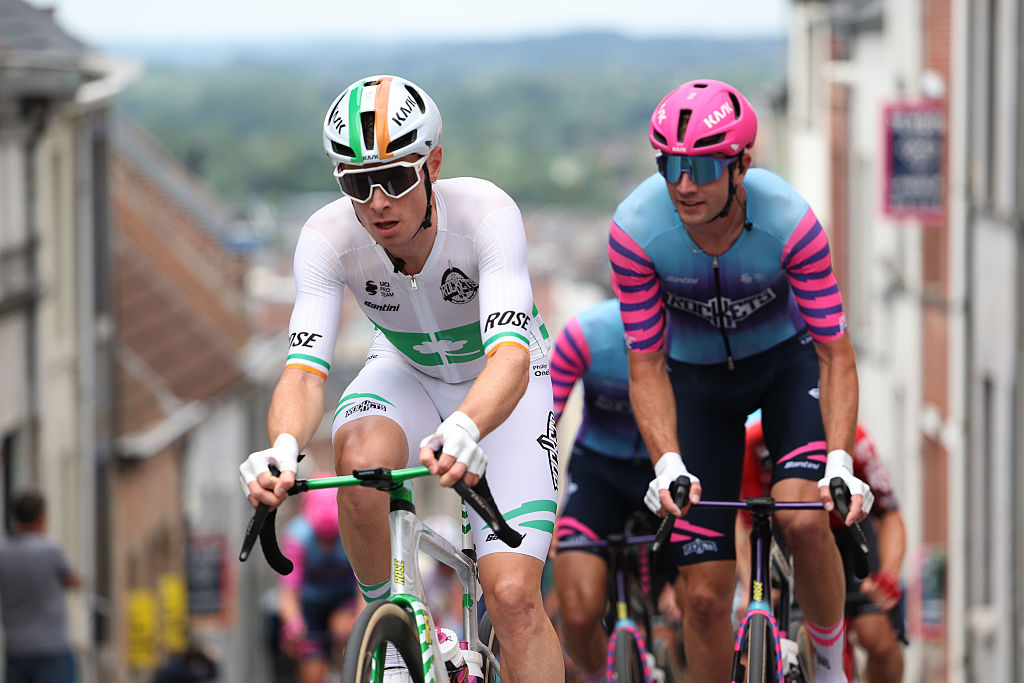
"It’s why I’m a fan of work undertaken by the likes of Uno-X [Mobility]. They, like me, are big fans of lactate testing. I’ve seen them out on rides.
"They’ll stop at the top of a climb, take a lactate meter out of their bar bag and measure their blood values to ensure they’re working at the right intensity. They know that, at the end of the day, it’s about nailing those endurance rides. That’s the most important thing in cycling.”
Cycling’s fight for credibility is no longer solely about catching dopers – it’s about deciding where medicine ends and sport begins.
Painkillers, weight-loss drugs and ‘finish bottles’ sit in a murky middle ground that’s formalised by the TUE system.
As science keeps pushing performance forward, both pros and amateurs face the same question. At what point does optimisation become dependence? The answer may shape cycling’s culture as much as any anti-doping test that follows the peloton.