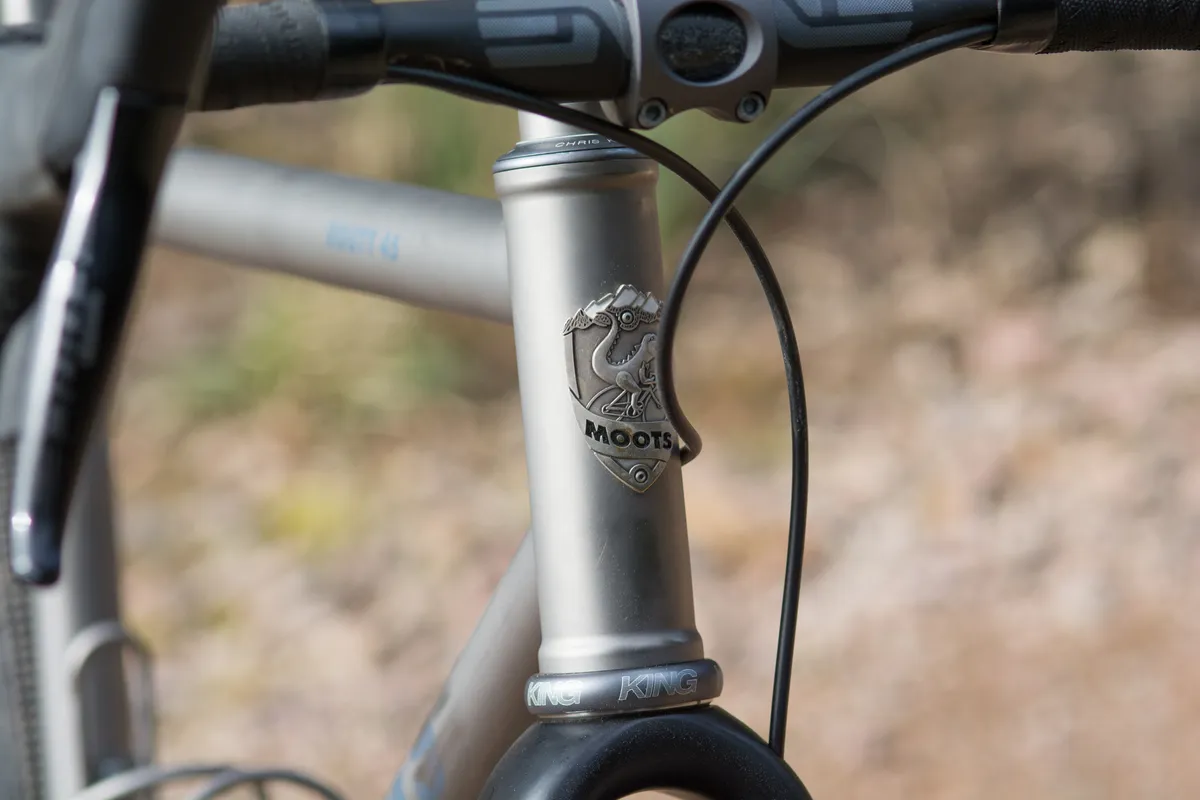
For a long time, titanium was a forgotten frame material due to the explosion of carbon. But over the last few years, we’ve seen an upsurge in titanium road and gravel bikes.
That’s because the metal has gone from highly rare for mountain and road bikes to being a viable and affordable alternative to carbon and custom steel.
I must express a personal interest here. I own more than one titanium bike. They’re truly impressive when done well, which goes some way to explaining their renaissance. But I have wondered about why they’ve grown in popularity. It has something to do with how manufacturing has changed and what we want to spend our money on.
Titanium then and now

In its earliest days, titanium was the most exotic of bicycle frame materials. Britain’s Speedwell pioneered the material for bikes in the 1970s. Coming straight out of the space race in the 1960s, when titanium was used in the Apollo Lunar lander and its command module, and much later the Space Shuttle, the USA’s Teledyne Titan followed with arguably the first mass-produced titanium bike.
When Raleigh was in its pomp, its special projects division dabbled in titanium framesets, even though steel and alloy ruled the roads.
In 1986, Merlin Metalworks started to make frames and acclaimed titanium mountain bikes.
Later came Litespeed, and there were a host of incredibly highly regarded titanium builders in the intervening years, including Lynskey (the Lynskey family started Merlin), Dean, Moots, Sage and Mosaic.
We saw a titanium bike win Paris–Roubaix under the Swedish powerhouse Magnus Bäckstedt in 2004. Titanium bikes have also been raced in the Tour de France by Robbie McEwen and Greg LeMond.
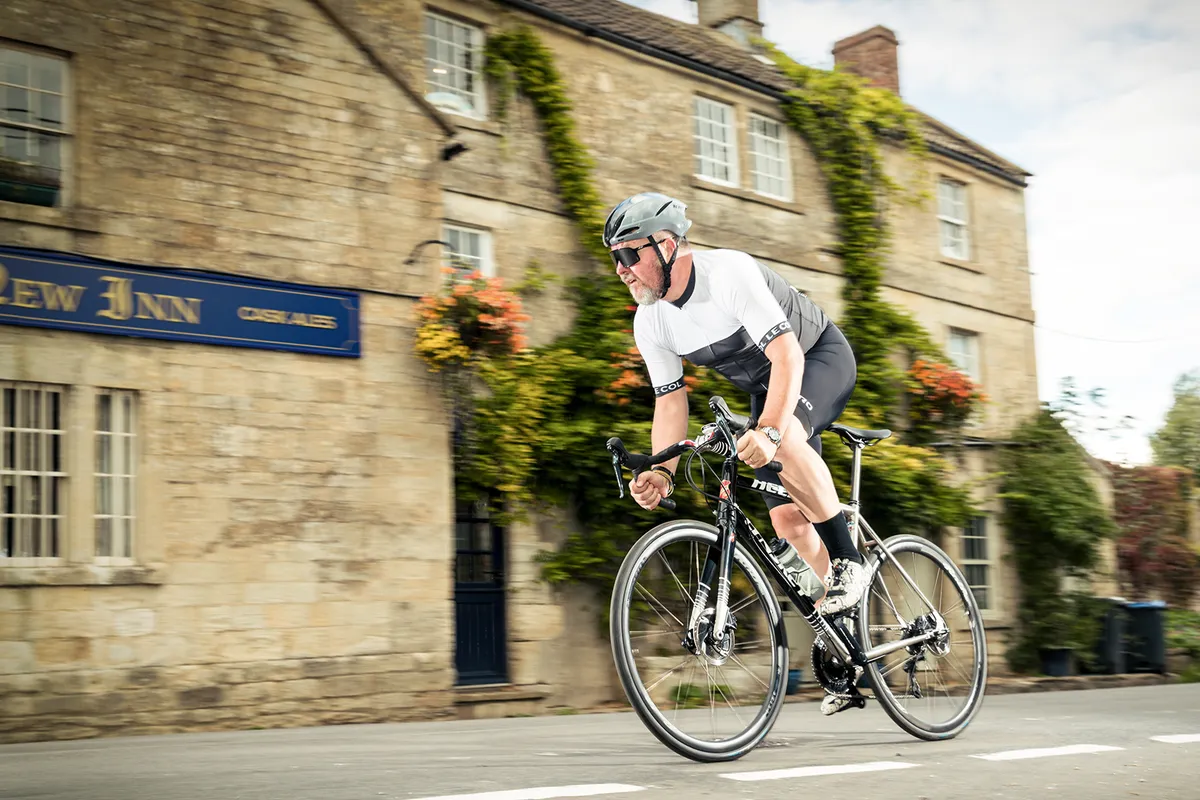
Since then, titanium has spread the world over, with high-precision brands such as upstate New York’s No. 22, as well as Canada’s T-Lab, Naked and LT Wiens. Down under, there’s Bastion and Baum; Passoni in Italy; Merckx in Belgium; while in the UK we have J.Laverack, Sturdy, Enigma, Craft, Burls and Reilly.
Many of the brands I’ve listed above produce beautiful, expensive bikes. But titanium isn’t purely a boutique choice.
The USA-Dutch brand Airborne was one of the first to make affordable titanium bikes. The company is no more, but one of the original founders, Jan Guillem Van Nicholas, went on to form Van Nicholas titanium, and then J.Guillem Titanium Bicycles.
Since then, lots of brands have taken advantage of Asian manufacturing to produce quality titanium bikes. These include Planet X, Ribble, Kinesis, Genesis, Sonder, LIOS and many others.
From the expensive to the affordable, this round-up of brands working with titanium is far from exhaustive, but it just shows how many bike brands are invested in the material.
From the sidelines to 3D printing

All that said, titanium went from being the ultimate bike material to a strange cousin of cutting-edge carbon. As soon as CFD, wind tunnels and aerodynamics took over bike design, titanium became a footnote, a sideline – bikes for traditionalists.
Admittedly, I thought that was the end of titanium bikes, but then titanium became one of the first materials to be associated with 3D printing. Remember the groundbreaking saddle from Fabric that brought 3D-printed titanium to the masses?

Since then, lots of brands have taken advantage of this new process to advance titanium bike design. I’d argue the brand that has taken 3D printing to its peak is J.Laverack with the incredible Zenith.
Reilly has done similar with the Fusion, as has Passoni with the Omni OT-01. Enigma’s Anniversary Excel is more subtle with the 3D printing, instead relying on CNC machining and traditional craftsmanship. Pilot took 3D printing to the extreme with its 3D-printed ti aero bike.
Moots and Mosaic are two elder statesmen in the titanium game and, while they haven’t embraced 3D printing in such a big way, they still use it to manufacture smaller parts.
Titanium is still the choice for your forever bike

Back when titanium was the most lusted-after of frame materials, we journalists often referred to titanium bikes as ‘forever bikes’ – the bikes you could ride until you couldn’t pedal anymore, thanks to the long fatigue life of the material and its anti-corrosion properties.
With the shifting of standards since the last century, from one-inch headsets and rim brakes, to clearance for ‘just’ 25mm tyres, those bikes obviously weren’t forever.
But I think the resurgence of titanium bikes has something to do with this idea of being forever.
The high cost of living – houses, rent, fuel, energy and food means we have less money to spend. So when top-end carbon road bikes now reach five figures, and become ‘old’ in a matter of years, if not immediately, in this world of ‘year models’, it seems natural we’d want to buy something that will keep its appeal a bit longer.
When we do have enough disposable income to make such a purchase, it makes sense that it's for something that’s not so trend-driven and has the longevity to see us through our riding days.

Titanium, then, becomes an attractive choice – and it could be even more attractive for those who are older.
Steven Roche, at The Bike Tailor, tells me that as we move past 50, our bodies change and flexibility fades. “Comfort,” he says, “becomes performance”.
So titanium’s natural ability to dissipate road vibration before it travels through your hands, shoulders and back becomes an asset.
“I struggle to see the sense in being sold aggressive carbon aero ‘pro’ bikes built for racing at WorldTour speeds when most of us aren’t pinning on numbers,” Roche says.
“Those bikes suit elite riders and marketing narratives; a well-designed titanium bike suits real riders, whether you're a weekend warrior, big-mile endurance rider or commuter.”
When you factor in the timeless beauty of a polished metal frame, rather than a stone-chipped, paint-dulled, out-of-fashion carbon bike, I know what I’d want my last bike to be.
But what about you? If you could only buy one more bike before you hang up your cleats, what would it be? Would you choose titanium? Let me know in the comments.