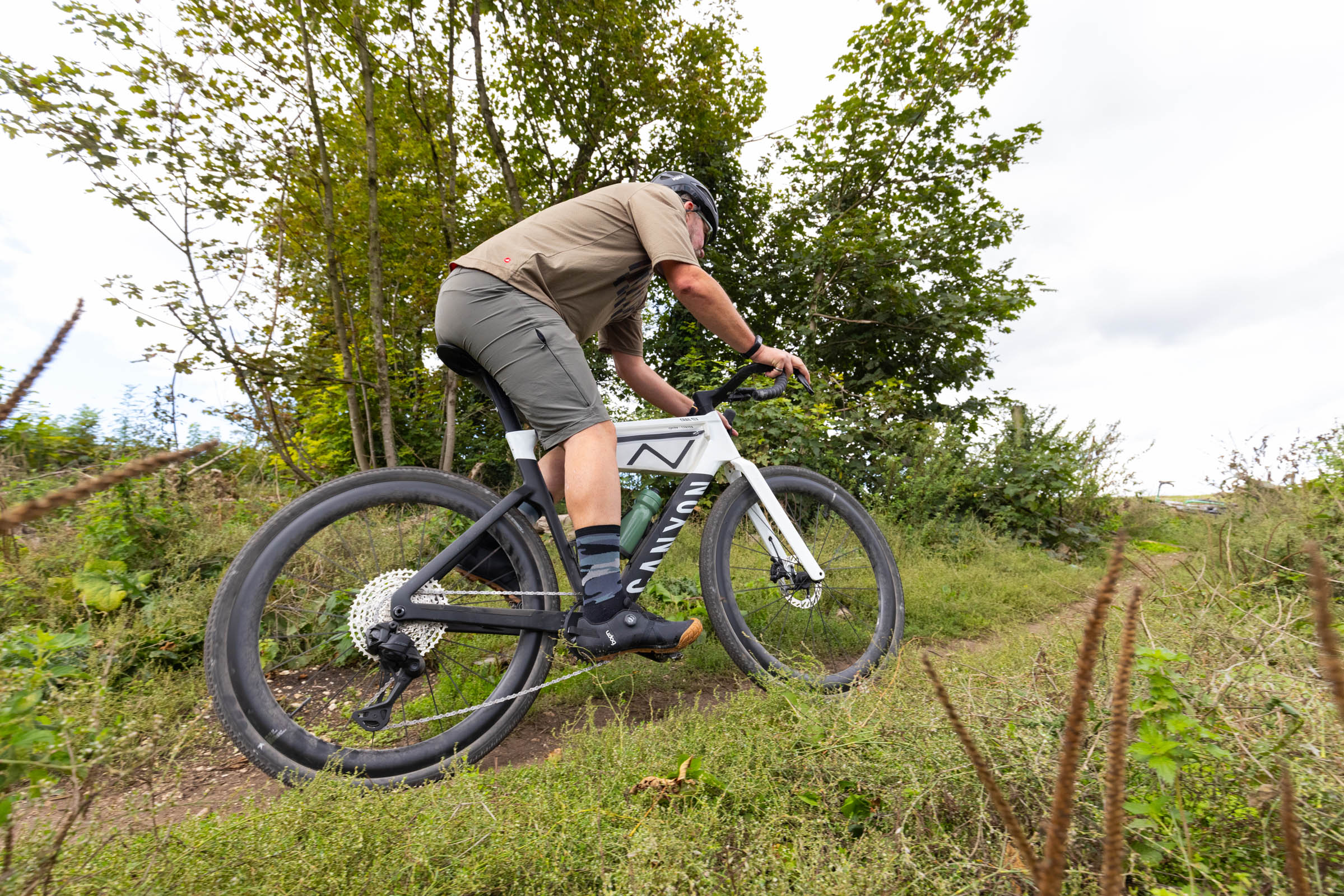
I recently finished testing the brilliant new Canyon Grail CF SLX, which in its Shimano GRX Di2 guise retails for a very impressive £3,899 / $4,999 / €3,999.
That got me thinking, has Canyon just returned to its roots as an impressively priced online bike retailer, or is it shifting to be more competitive against the rise of Chinese brands?
The latest Winspace aero gravel bike, the G5 Gravel Plus, costs £4,240 with mechanical GRX. The Di2 version is available in the UK for £4,520. That makes Canyon’s wonderfully capable new gravel racer a better value proposition than Winspace’s ‘market-disrupting’ offering.
It’s not only Canyon
It’s not only Canyon that’s offering impressive value for money. At £7,499 / €7,299, Cube’s latest Litening C:68 Aero is cheaper than any bike in the Tour, and easily comparable on price to the likes of Winspace and X-Lab.
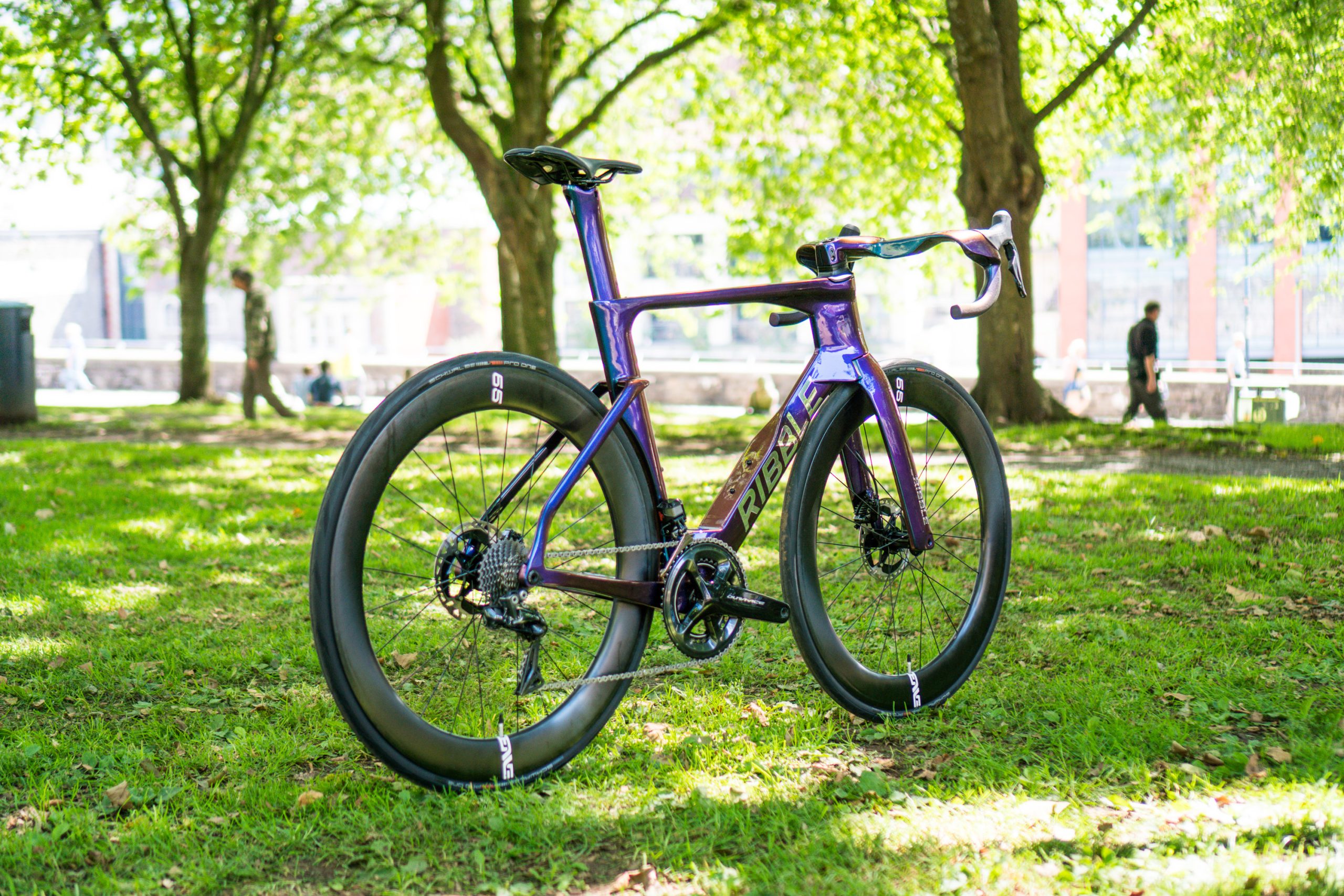
UK online specialist Ribble offers its range-topping Ultra-Aero SL R with Dura-Ace Di2 and Mavic Cosmic SL wheels for an impressive £6,499 / $8,425. Meanwhile, Winspace’s top-end race bike, the T1600 Ultra, is £6,420 / $6,999 with Dura-Ace and a similar wheel specification.
Wheel brands are starting to become more competitive, too. Vision’s new SC 45 i30 gravel wheelset costs £949.99 / €1,249. Chinese brand Farsports' similarly wide gravel disc wheels are priced at $1,299, or around £980 at current exchange rates.
We’ve seen recent competitively priced wheel launches from the likes of Columbus with its three new models; Newmen with its unique Streem wheelsets; and even more established brands, such as Zipp with the new 404 wheels.
I’ve looked across the range of Chinese bikes and components becoming available from reputable sources: Panda Podium or the brands directly. That’s rather than online marketplaces that can’t guarantee the authenticity of the products.
On the whole, Chinese challengers still have the edge on price, but they aren’t undercutting established Western brands by as much as you might think.
You’ll save a few pounds, dollars or euros by sourcing Chinese components, but on premium products the gap is larger.
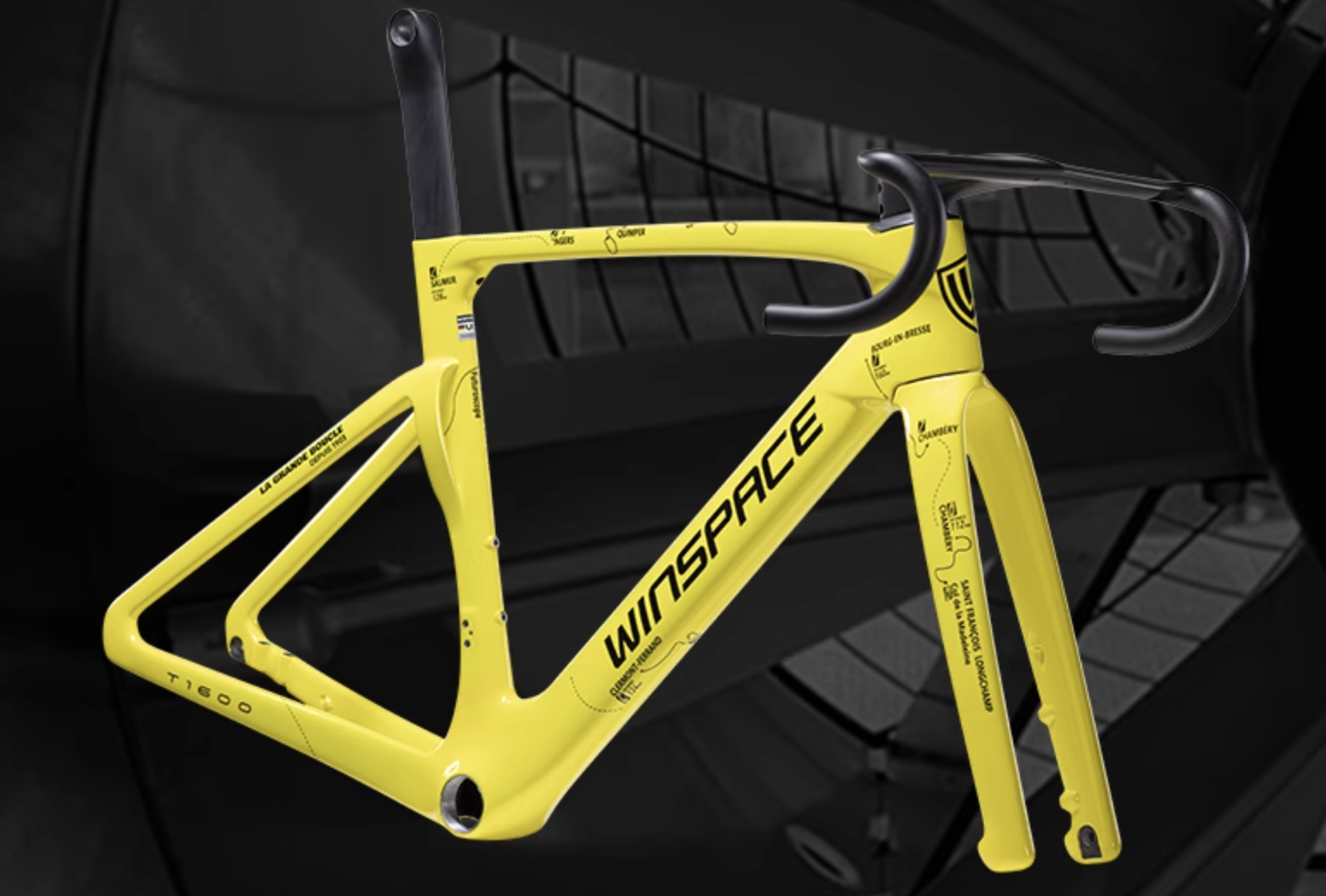
The story is slightly different when it comes to the biggest Western brands. Chinese brands are hugely competitive against Specialized and Trek. A range-topping Specialized S-Works Tarmac SL9 costs £11,999 / $13,499, which is almost double the price of the Winspace T1600 Ultra. X-Lab's WorldTour-proven XD9 is only $7,999 (no official UK prices are available).
For endurance riders, Trek’s Domane SL6 AXS Gen 5 is $4,199 / £3,750, whereas Winspace’s C5 Aero Di2 with Shimano 105 Di2 is only $3,460.
Shop around and do your homework
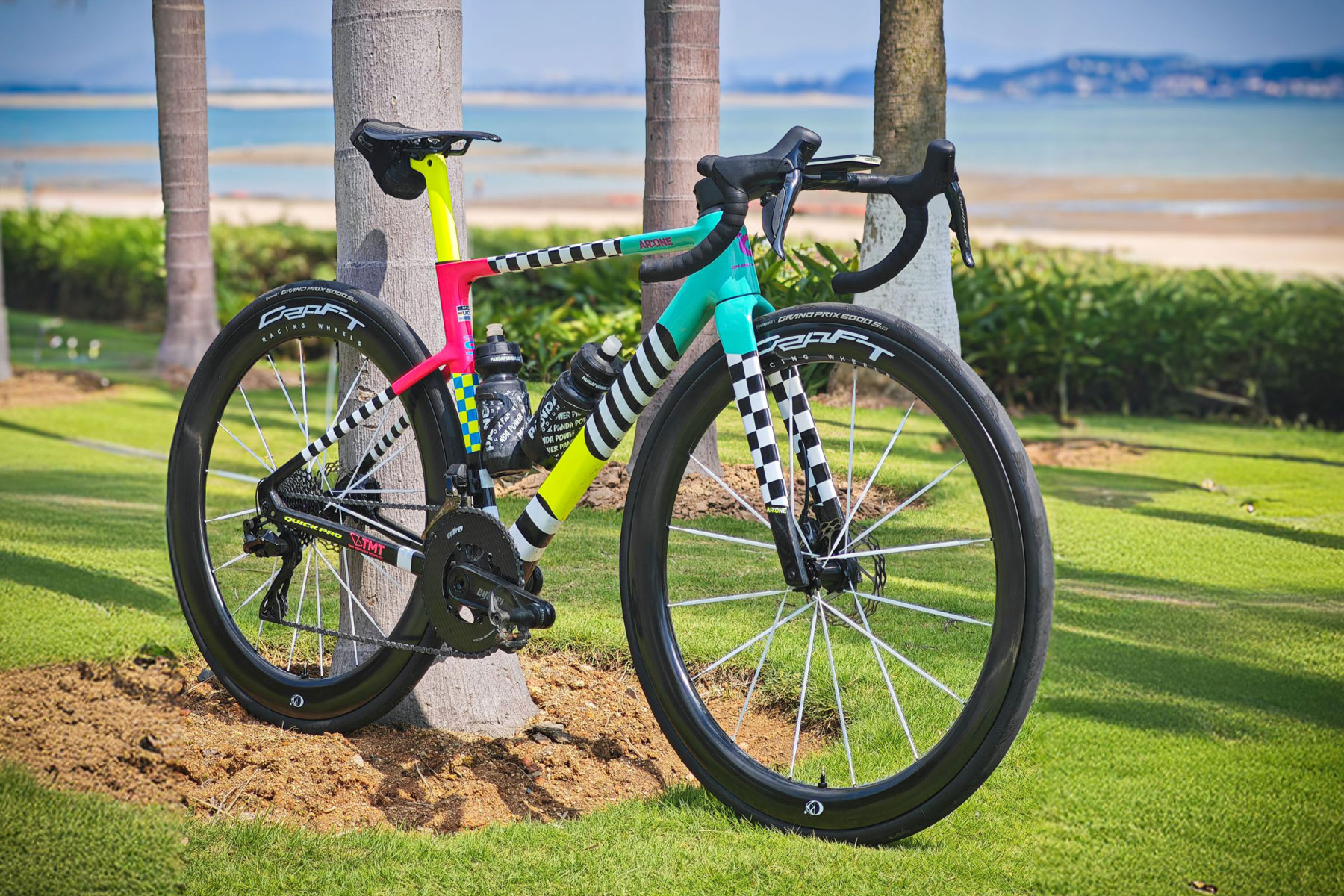
If Winspace, X-Lab or any of the other emergent Chinese brands are an appealing choice for your next bike, make sure you shop around and do your homework.
It's worth checking if some products meet international safety standards or exceed them as lots of Western brands do. Zipp, ENVE and Roval, for instance, claim they exceed current wheel safety standards as a rule.
Warranties could be another cause for concern. Established Western brands have a presence on the ground and dealers who can help with warranty claims. If you have a problem with a component sourced directly from China, a warranty claim or replacement part will probably take longer and require more effort to resolve.
Chinese brands are doing a lot of things well: frames, wheels, bars, seatposts, power meter cranksets, even smart trainers, and there’s ever-expanding choice. But there are holes in their offerings. We haven’t seen any tyres of note yet, for instance.
However, there is an ever-growing range of cycling products from Chinese brands, and I hear lots of rumours of these companies setting up overseas offices to deal with customers and broaden their availability. This is a story that appears to be following the trajectory of the Chinese electric car market – and that’s had a devastating effect on the bottom lines of established Western automotive brands.
Although some Western cycling companies, such as Canyon, Cube and Ribble, are beginning to offer well-priced bikes again, others still need to react to this changing market and the increasing popularity of Chinese brands.
Competition is good, but if we see the same level of disruption from the current price wars as we saw through the pandemic, the effects could be devastating.