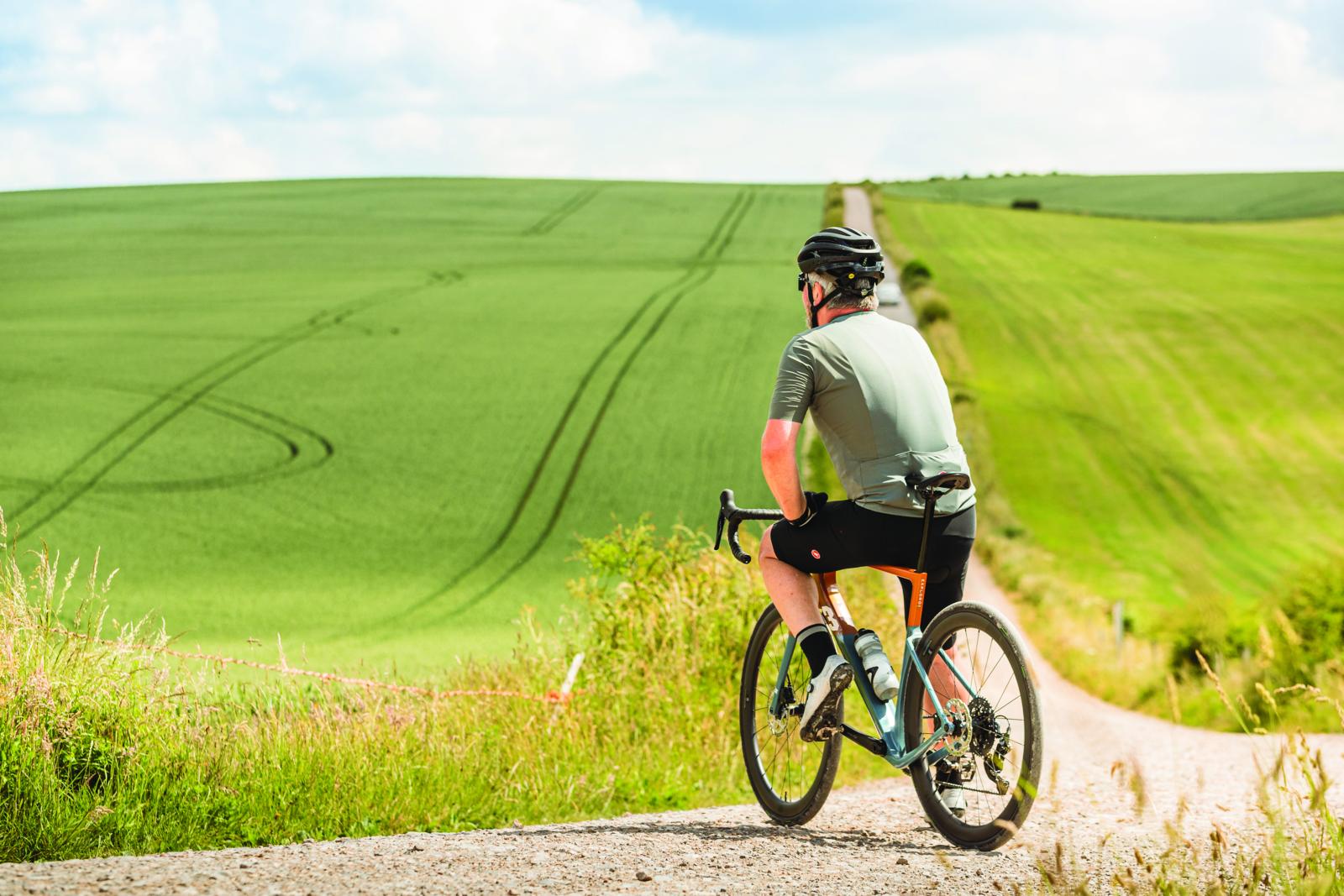
Colnago has created some of the most successful and desirable race bikes in the world since it was founded in 1954.
Over the past 72 years, the legendary Italian brand has taken some bold leaps in bicycle design with some of the most innovative and groundbreaking results in the bike industry.
Here’s my pick of the all-time top 10 Milanese masterpieces in chronological order.
10. 1972 Colnago Mexico Pista
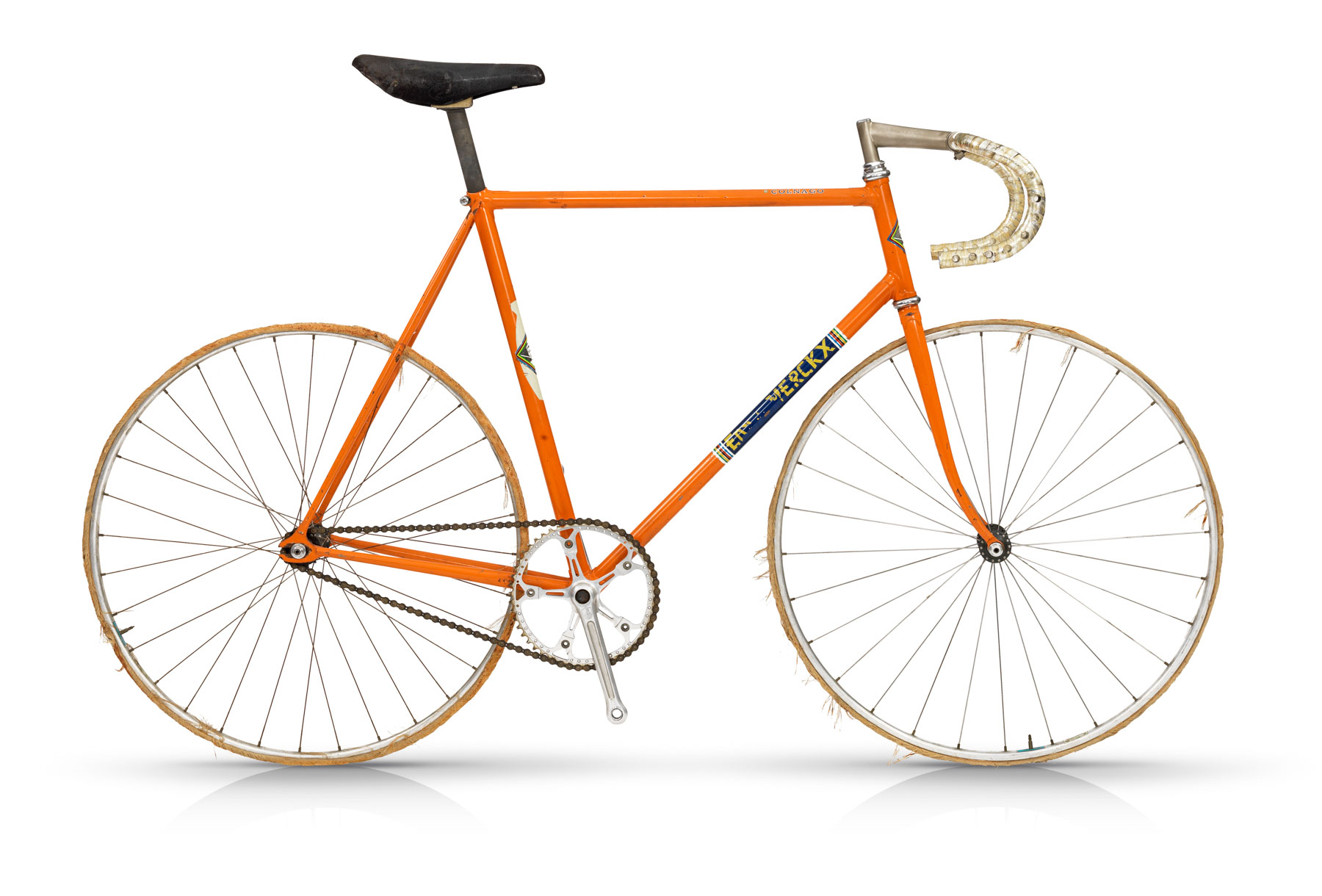
Eddy Merckx set a new hour record in 1972 at the Mexico City Velodrome, and his bike was the culmination of Ernesto Colnago’s relationship with Antonio Colombo of Columbus tubing fame.
The duo developed a new lighter tubeset, but Colombo believed they’d gone too extreme on the thinness of the tubing. He said that under a pursuit rider, the watts produced would make the bike flex too much.
That bike remained a prototype, but the Merckx project bike pushed the limits of the time. In the pursuit of lightness, no stone was left unturned, or more aptly, no component was left undrilled.
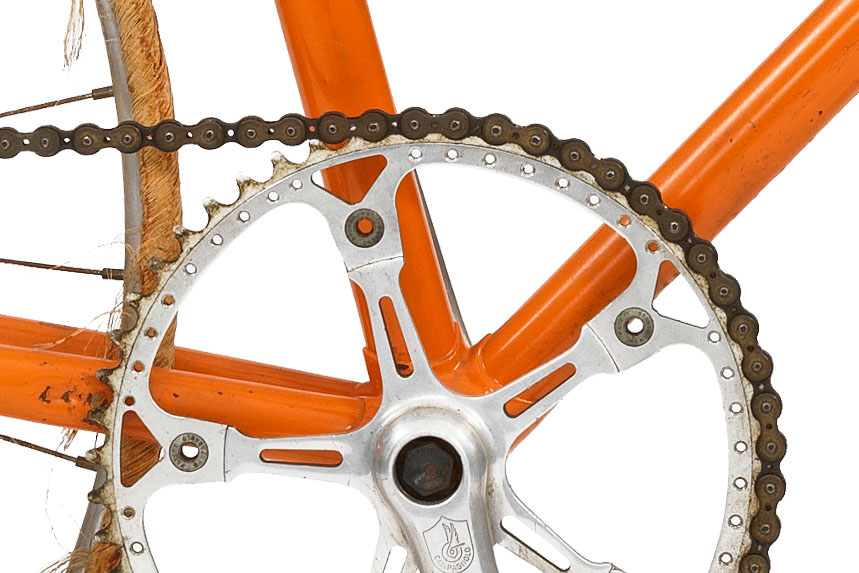
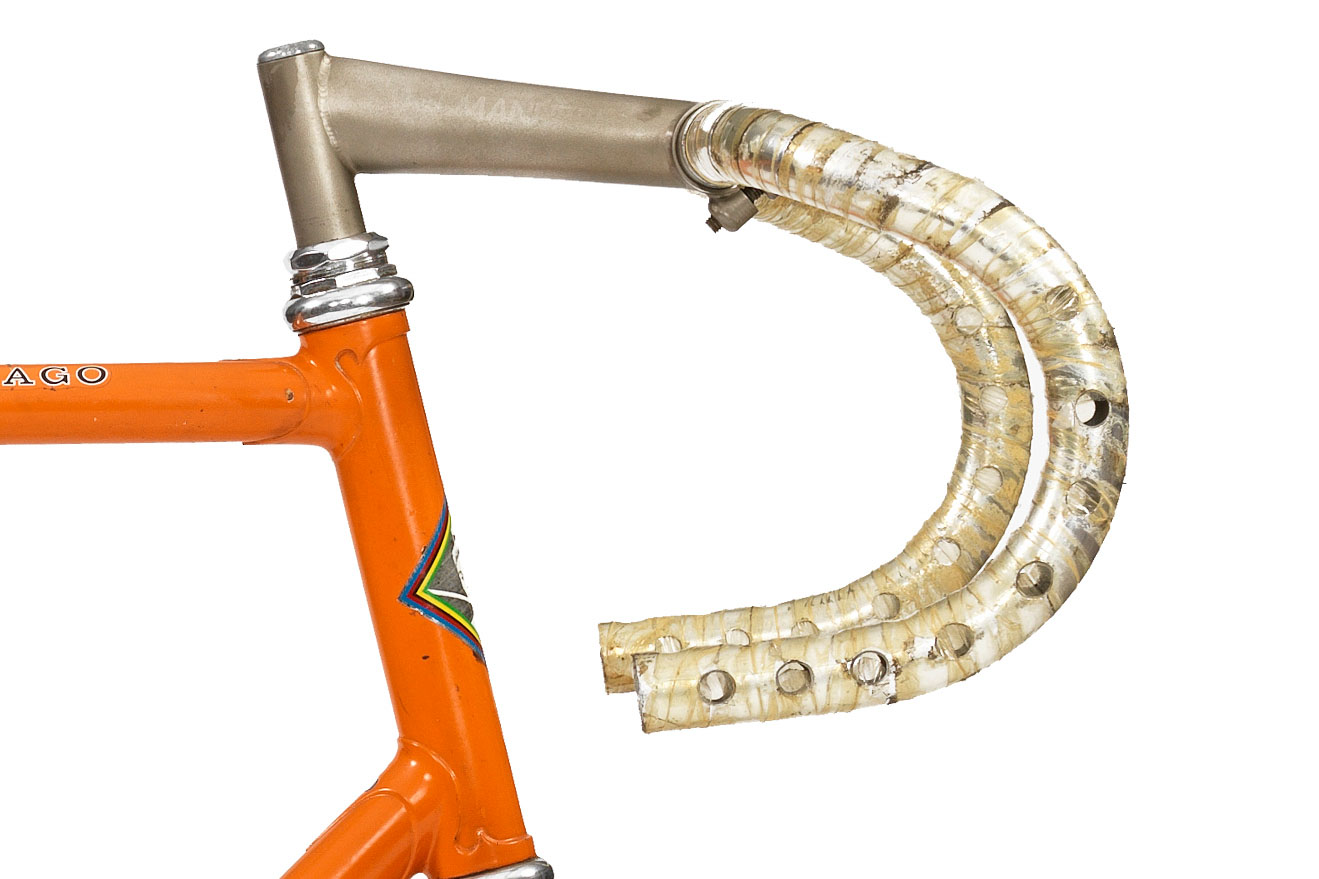
The bike reputedly took 200 hours to build. The tubular tyres weighed only 90g, the 175mm crankset was machined by Campagnolo from a special alloy derived from NASA’s OSO-9 satellite programme and the titanium stem was crafted by Pino Morroni, an Italian immigrant based in Detroit.
Every element of the bike that could be drilled to lighten it was. The cranks, bar and even the chain links were purged of any excess material.
The result weighed 900g less than previous hour record holder Ole Ritter’s bike. Ritter set his record at the same velodrome in 1968, taking advantage of the thinner air at the high altitude.
The bike has since entered legend, and for the hill climbers and weight weenies who use the buzzword ‘drillium’, this is its origin story.
9. 1984 Colnago Arabesque Master
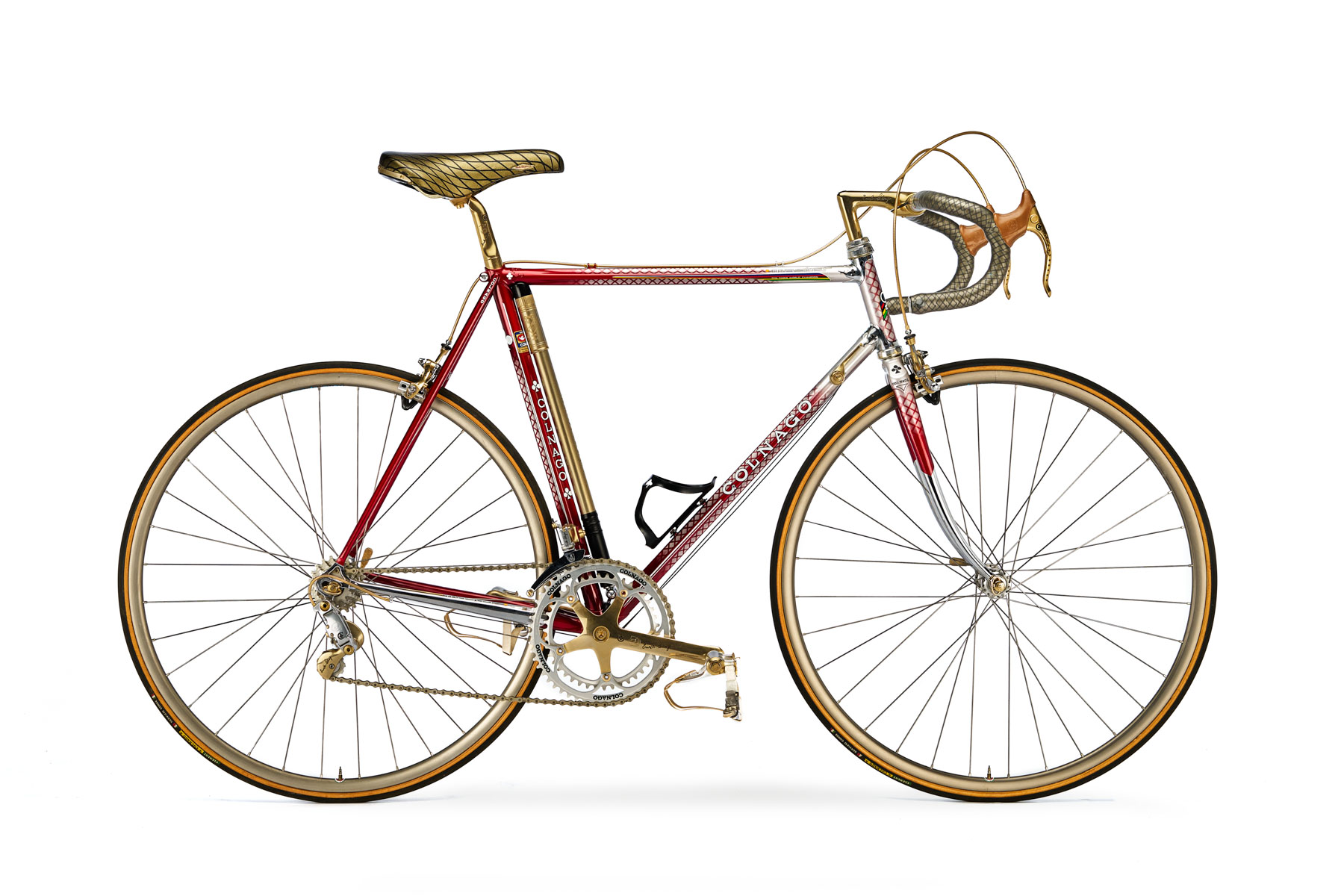
Not all Colnagos were built in the pursuit of performance – sometimes aesthetics is the key to a legendary bike. The Arabesque Master took the template of the already beautiful, lugged steel Master and elevated it into the realms of pure art.
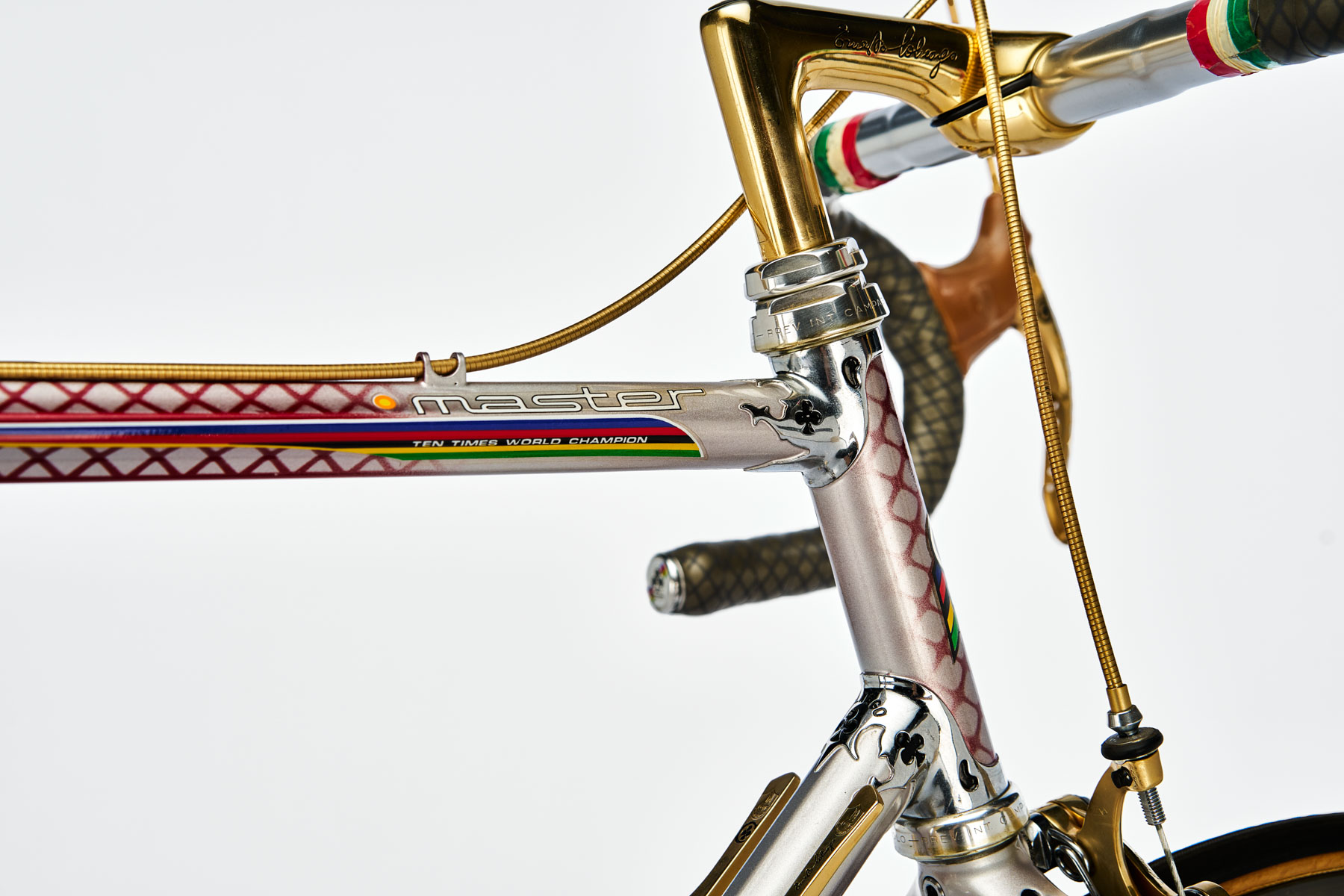
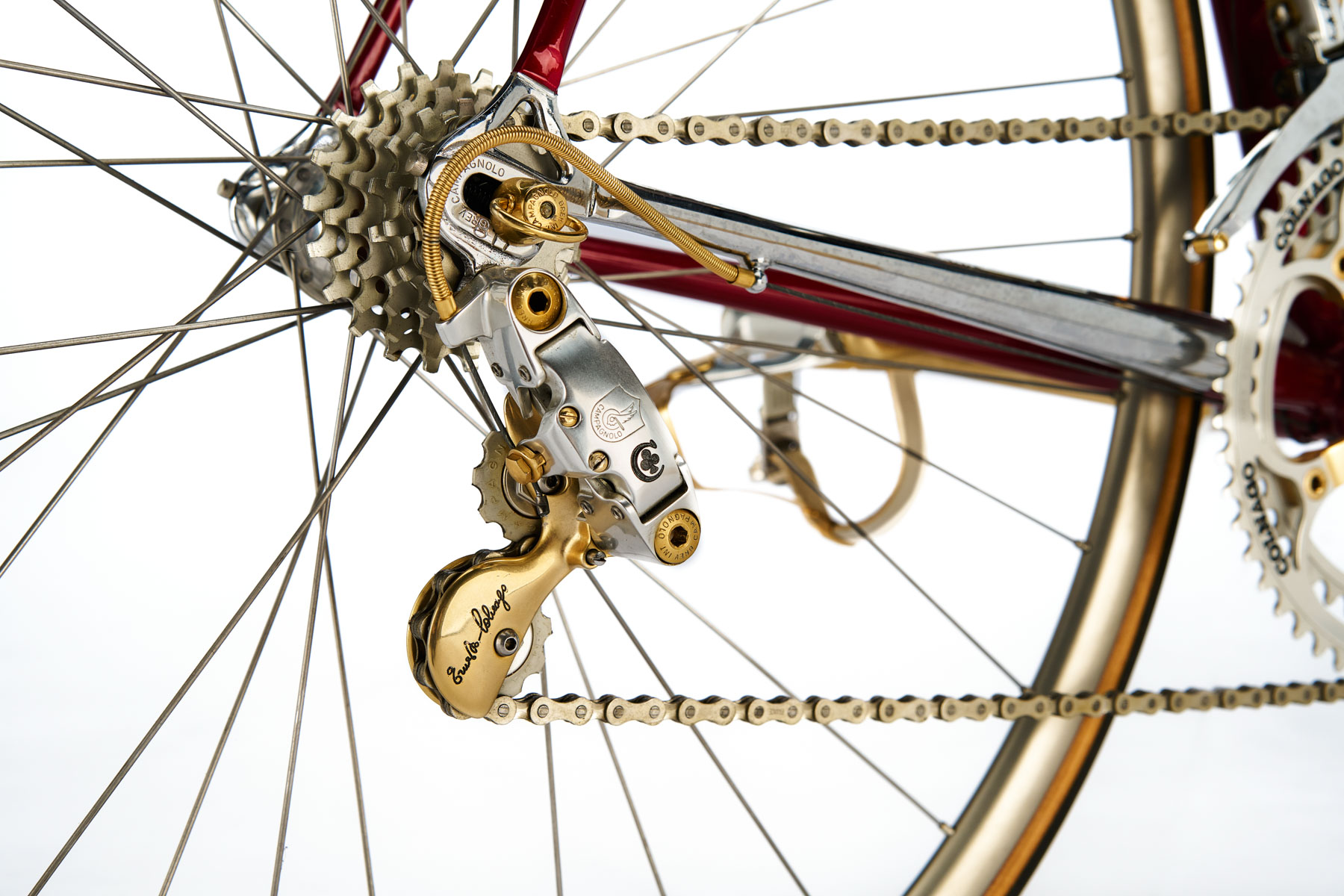
The frame was finished with the ornate arabesque lugs, and in partnership with Campagnolo, there was a limited-edition version. It sported a specially prepared groupset etched with Colnago logos and fully gold plated with matching gold cable outers, saddle and components.
The Arabesque was announced in 1984 in celebration of Colnago’s 30th anniversary and remains to this day one of the most collectable and sought after Colnagos ever made.
8. 1985 Colnago Master Equilateral
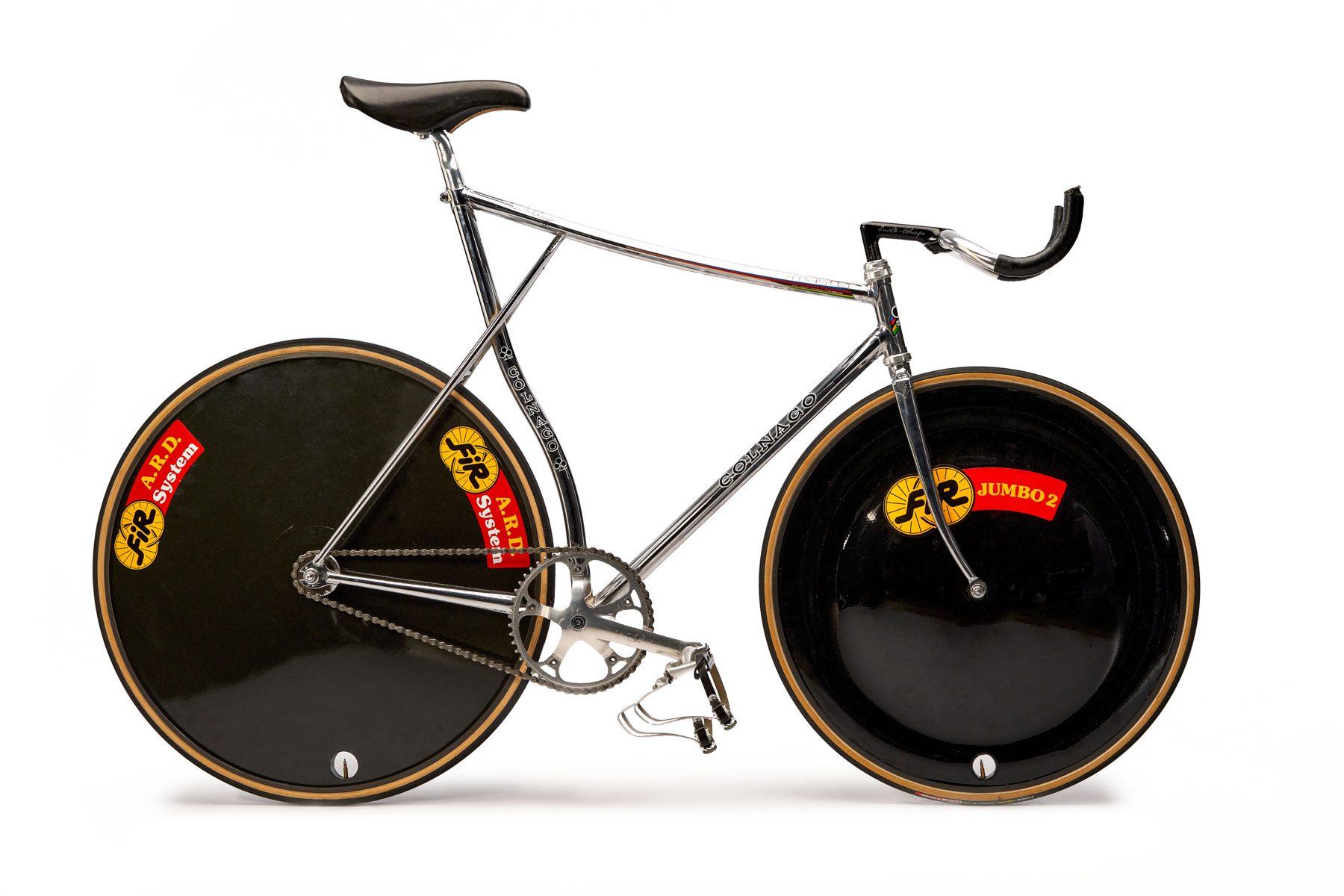
The Master Equilateral is Colnago’s rarest track frameset and was the genesis of the brand's venture into radical track bike designs.
Although it doesn’t adopt the late-80s trend of low-pro wheels, where the 700c rear was matched to a smaller 650c or 24in front wheel, it certainly defined the low-pro frame shape.
With its radically sloping top tube and incredibly low stack, this was Colnago experimenting with aerodynamics.
The curved seat tube wrapped the rear wheel, and the extended seatstays joined at both the seat tube and top tube, creating a stiffer rear end to handle the power of sprinting track riders.
The Master Equilateral was an engineering experiment that helped define Colnago’s track bikes for the next decade.
7. 1987 Colnago Concept
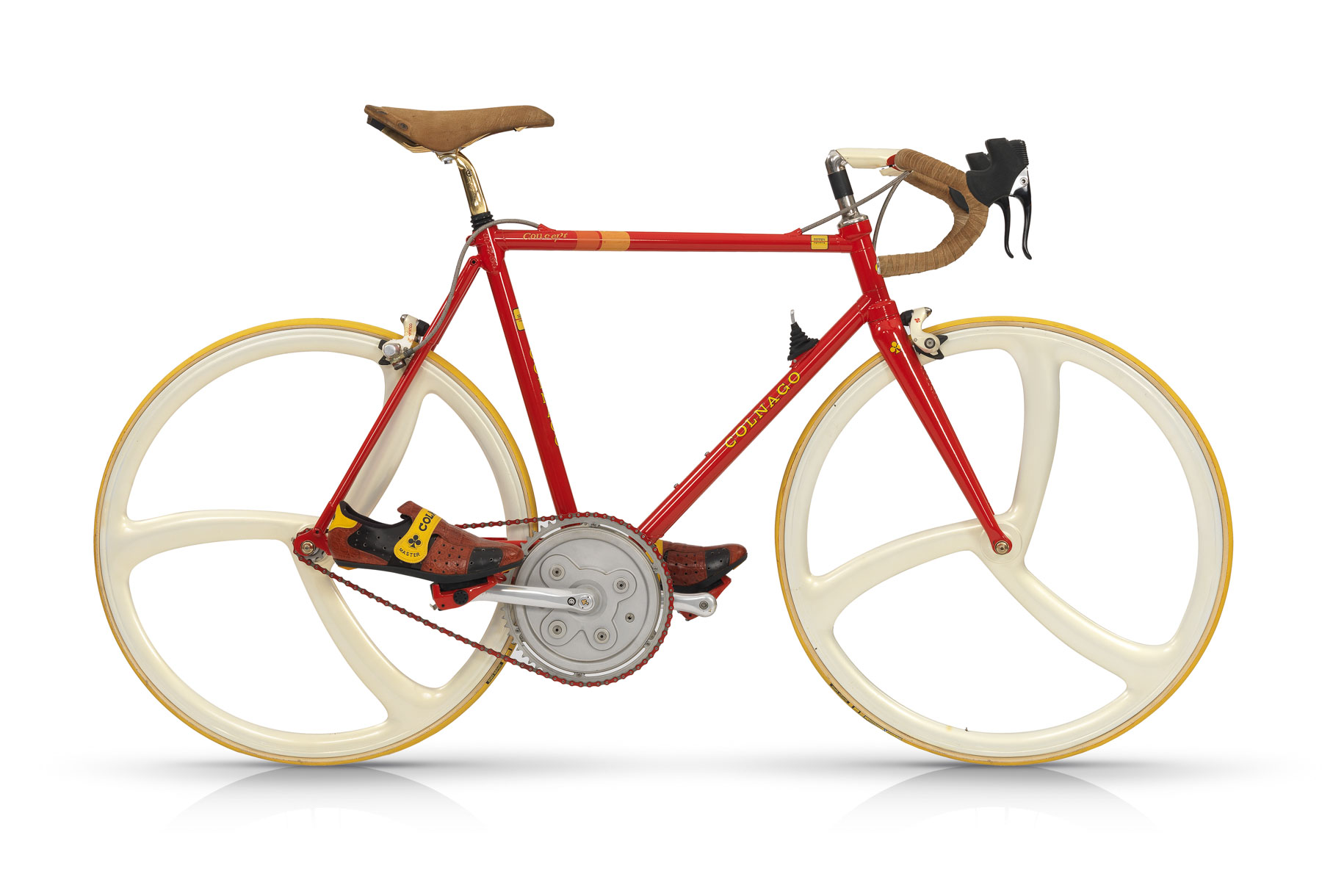
The Colnago Concept wasn’t a successful product, but it was forward-thinking and the first partnership between Colnago and Ferrari. It was a groundbreaking bike that’s had a huge influence on every Colnago since.
The project started in 1986 with a meeting between Ernesto Colnago and Enzo Ferrari. The two titans of Italian industry shared common ground when it came to the pursuit of speed. The Concept was the result of that. It was the first Colnago to be crafted in carbon fibre, drawing upon Ferrari’s knowledge.
The frame was crafted with carbon fibre and epoxy resin for the tubes, and the ‘lugs’ were created from a technopolymer containing both carbon and glass fibres.
Ferrari convinced Colnago that a straight fork leg better absorbed vibrations than a traditional curved blade. Since then, Colnago has adopted a straight-legged fork. The Prescia design appeared on steel and carbon Colnagos from 1987 onwards.
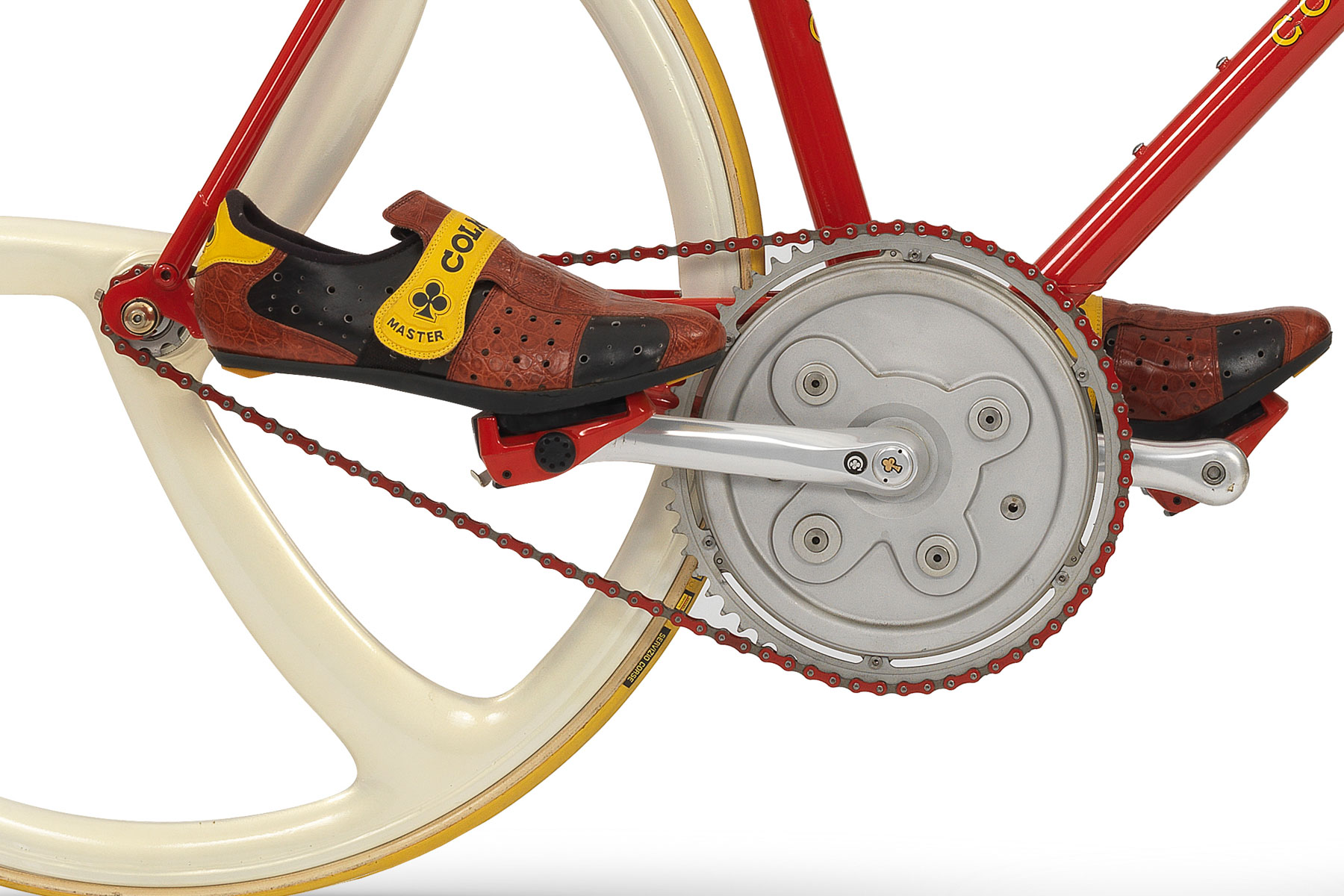
Perhaps the biggest innovation with the Concept was the radical Desmodromic gear system.
Ferrari believed there was a better system than the antiquated derailleur for bicycle gearing. The Desmodromic system housed an internal gearbox within the crankset, protected the gears from dirt and grime, and negated the need for adjustment.
Sadly, the drivetrain was much too heavy to be a game changer. The complete Concept bike was reputed to weigh 13kg. This was at a time when an all-steel Colnago Master would have weighed around 10kg.
The Concept was also expensive. Priced at 7,000,000 Lire (the price of a new Fiat Panda in 1987), that would be around £11,500 / $15,000 today.
Ernesto described the Concept as “Both a finishing line and a starting point”. The Concept led the way to the C35 and plenty of Colnago Ferraris, right up to the handcrafted, made-in-Italy C72 you can buy today.
6. 1988 Colnago Carbon VOLO
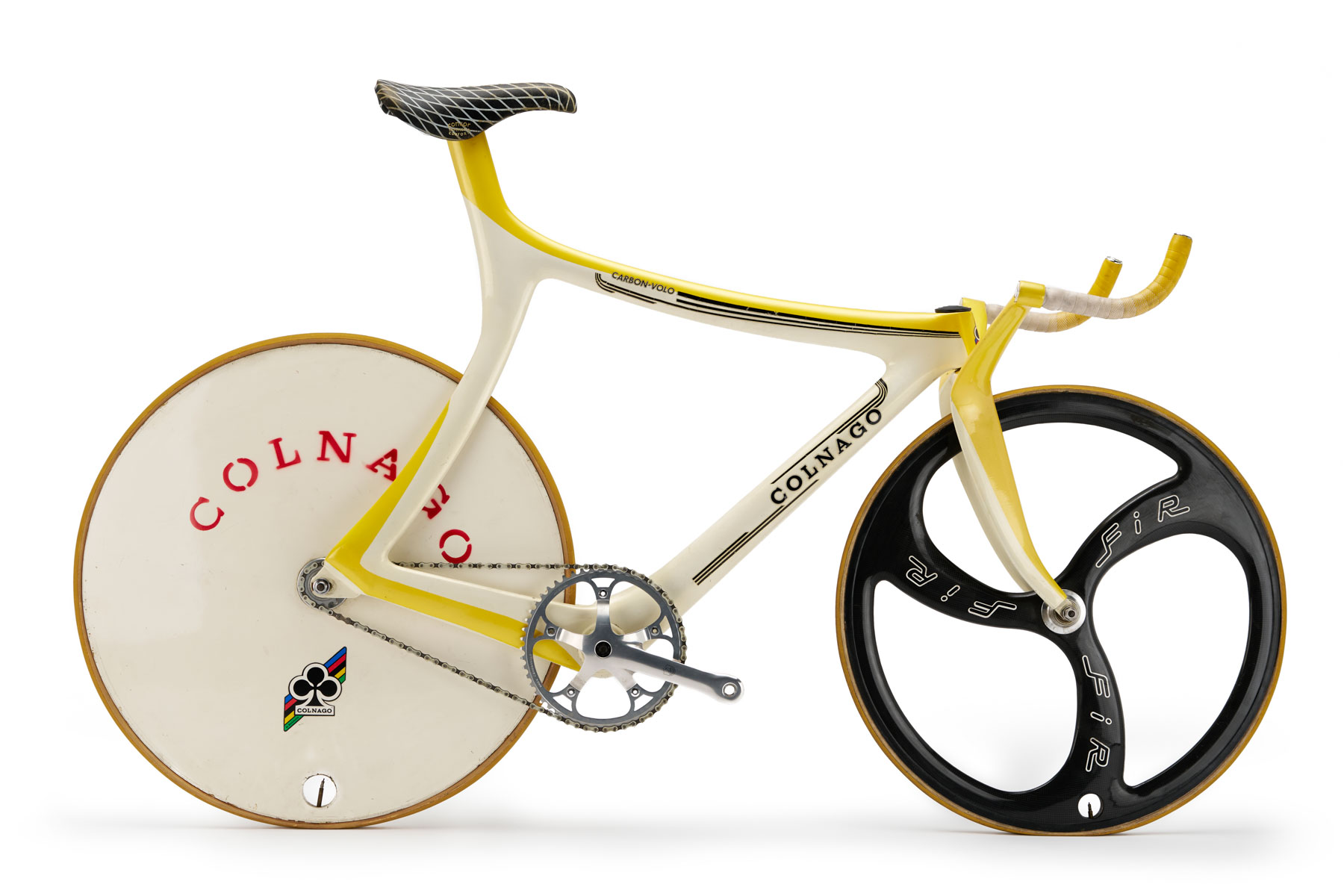
The Carbon VOLO was Colnago’s major step into carbon fibre after the Concept. The radical track frame didn’t have a seat tube and followed the conventions of the low-pro design with different wheel sizes front and rear.
Colnago integrated the track bar into the fork crown to create the lowest frontal area possible. The wing-like extensions sprouting from the crown of the wide and deep fork are echoed in the progressive track bike designs of today, such as Hope’s HB.T.
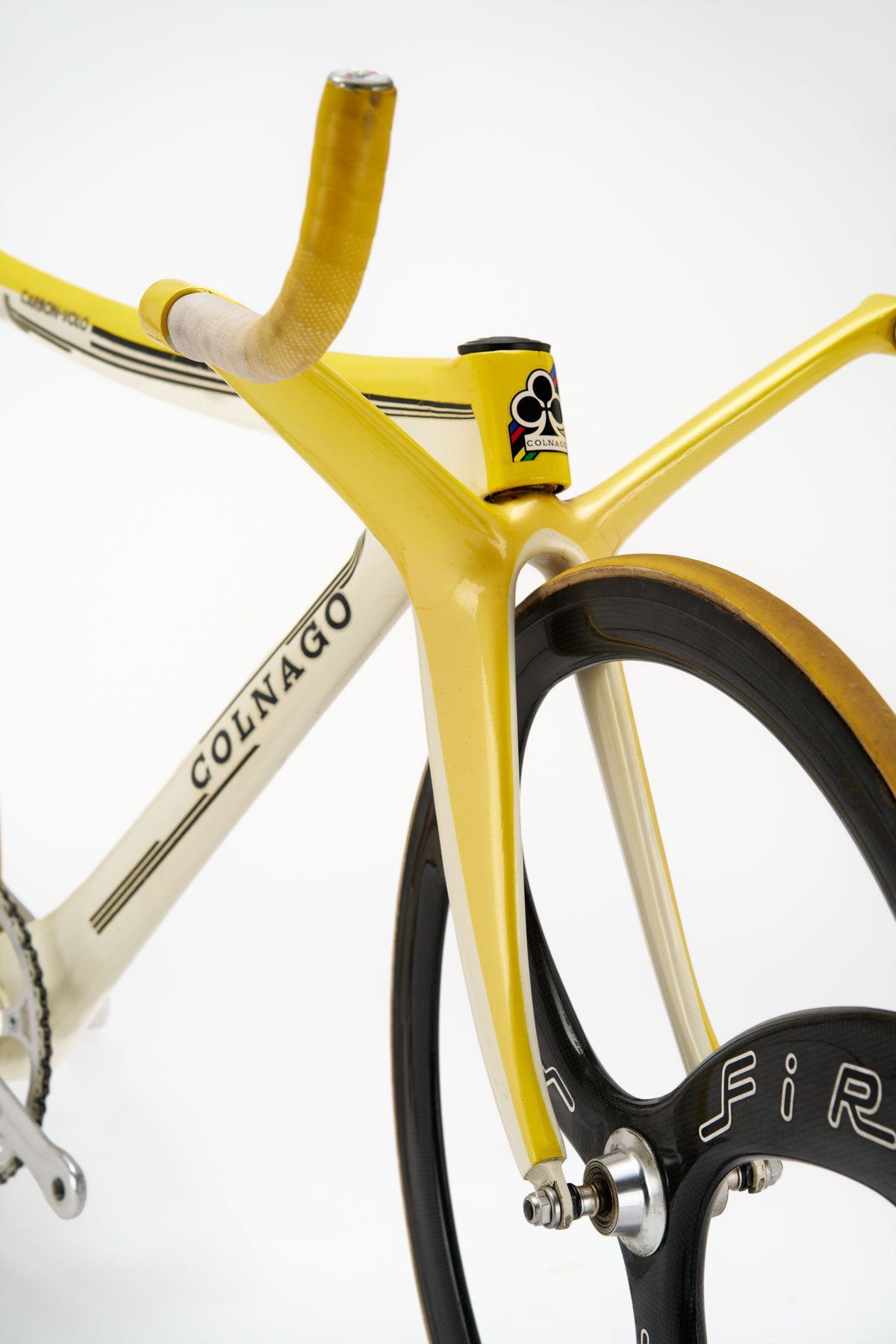
The VOLO never achieved any significant victories, and because it was time consuming and very expensive to make, it was only available for sale for a year, being replaced quickly by the C35 Track and later the C35 Chrono.
It remains an enigmatic design statement and a highly collectible rarity among Colnago fans.
5. 1989 Colnago C35 MTB
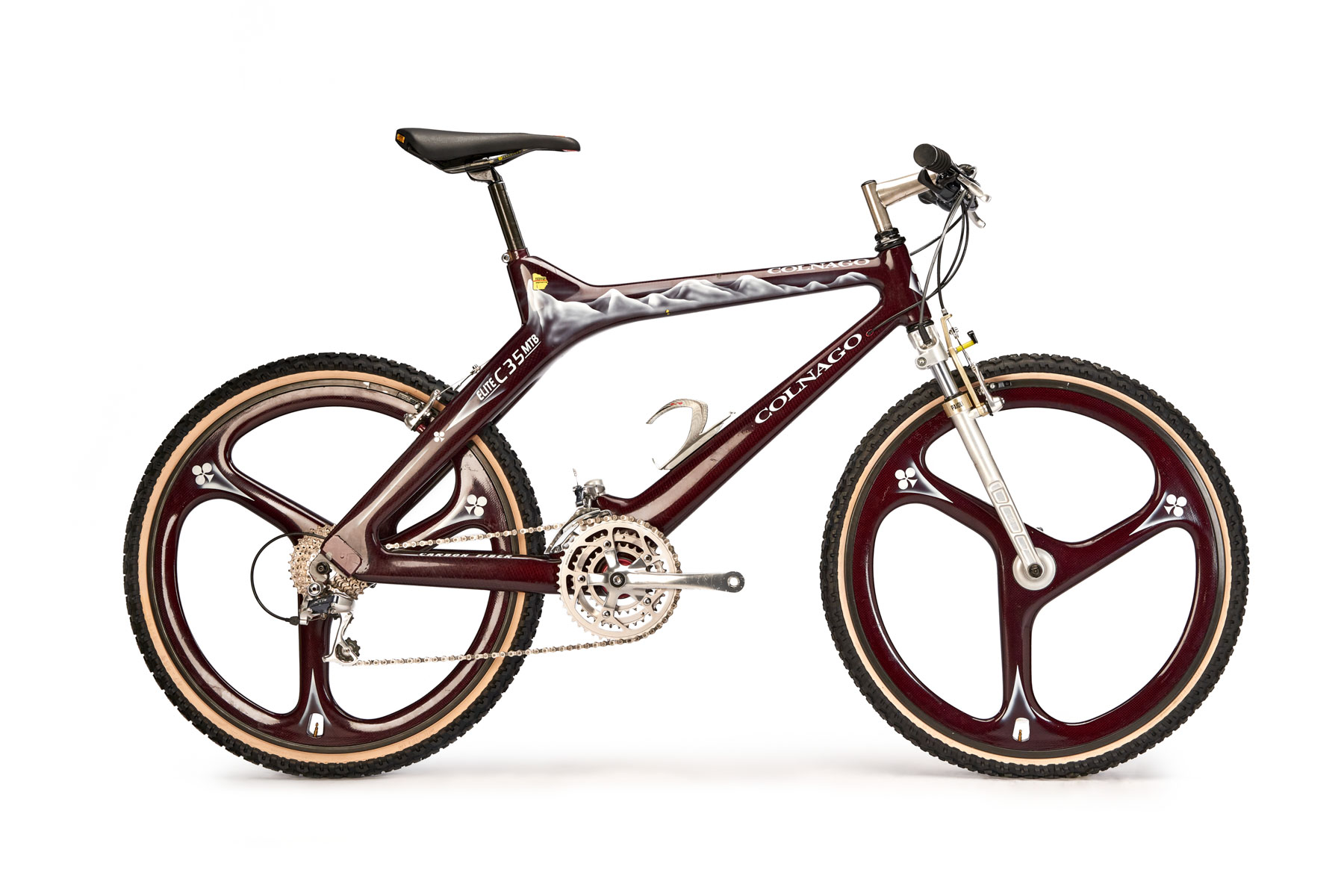
The legendary C35 family was the culmination of Colnago and Ferrari’s experiments in carbon fibre. The range extended from road to track, pursuit and time trial. The lesser-known addition was the C35 MTB.
In the first wave of mountain biking, there were plenty of radical designs, but none more so than Colnago’s bold entry.
The C35 MTB used Ferrari’s monocoque carbon technology to create a seat-tube-less, streamlined design that was paired with a straight-bladed steel fork or suspension fork.
The bike was Colnago’s only foray into mountain biking in the 1980s and it wasn’t a success.
Colnago returned to mountain biking in 2002 with the lightweight, full-suspension CF2. Latterly, Colnago’s off-road escapes have been limited to cyclocross and gravel, with the new G5-X the latest fat-tyred addition.
4. 1994 Colnago Oval CX Crono
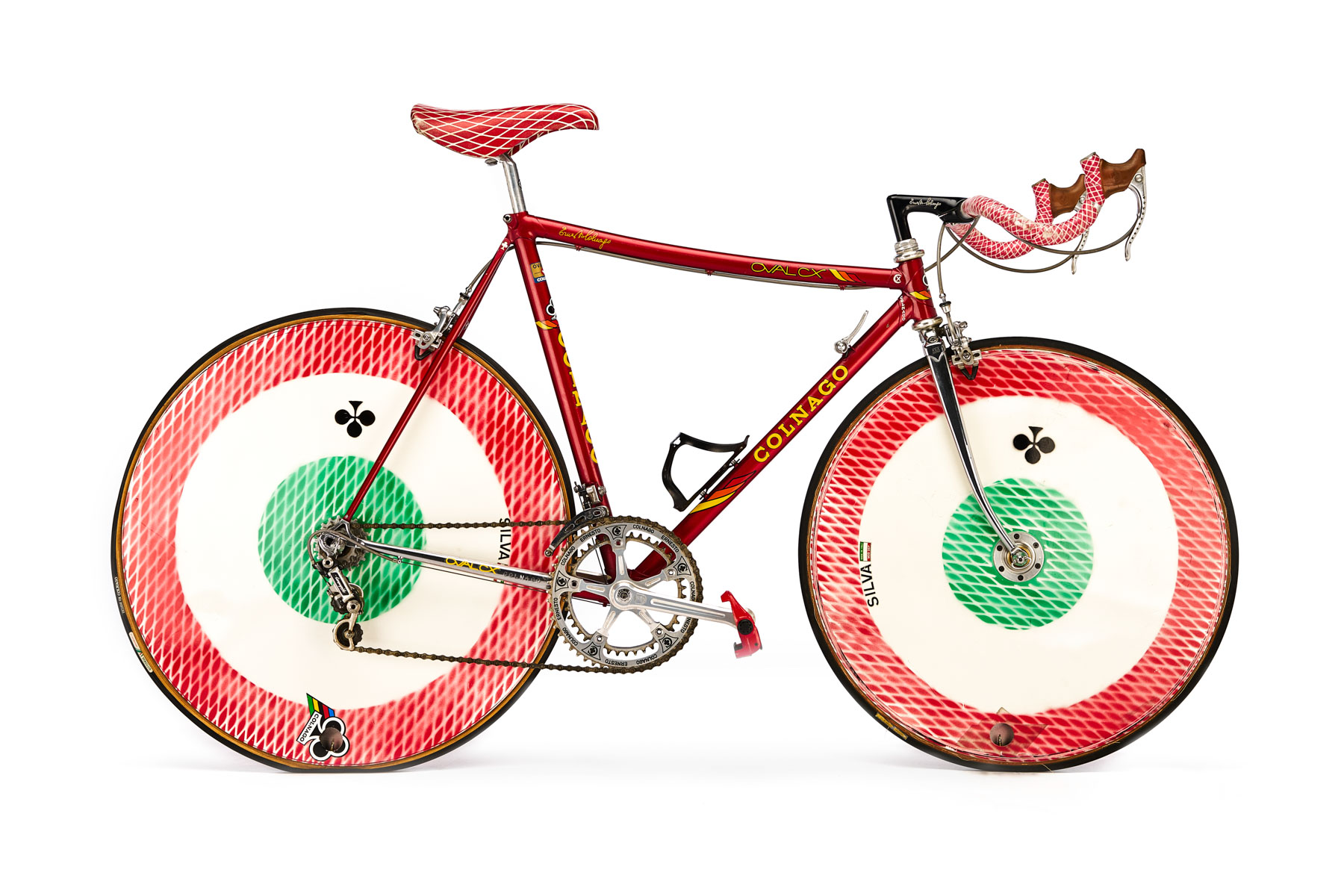
The Oval CX began life as the bike built for Tony Rominger’s second hour record attempt in 1994. This road-going version of the Oval CX evolved into the Oval CX Chrono and has since become the rarest of Colnago's time-trial framesets.
The frame featured ovalised and flattened steel tubes, a sloping curved top tube and came with a 26in front wheel. The wheels may look like carbon discs, but they were ‘lightweight’ alloy disc wheels created by Colnago and featuring tri-colour graphics that made something of a statement on the road.
3. 1996 Colnago C42 Mapei
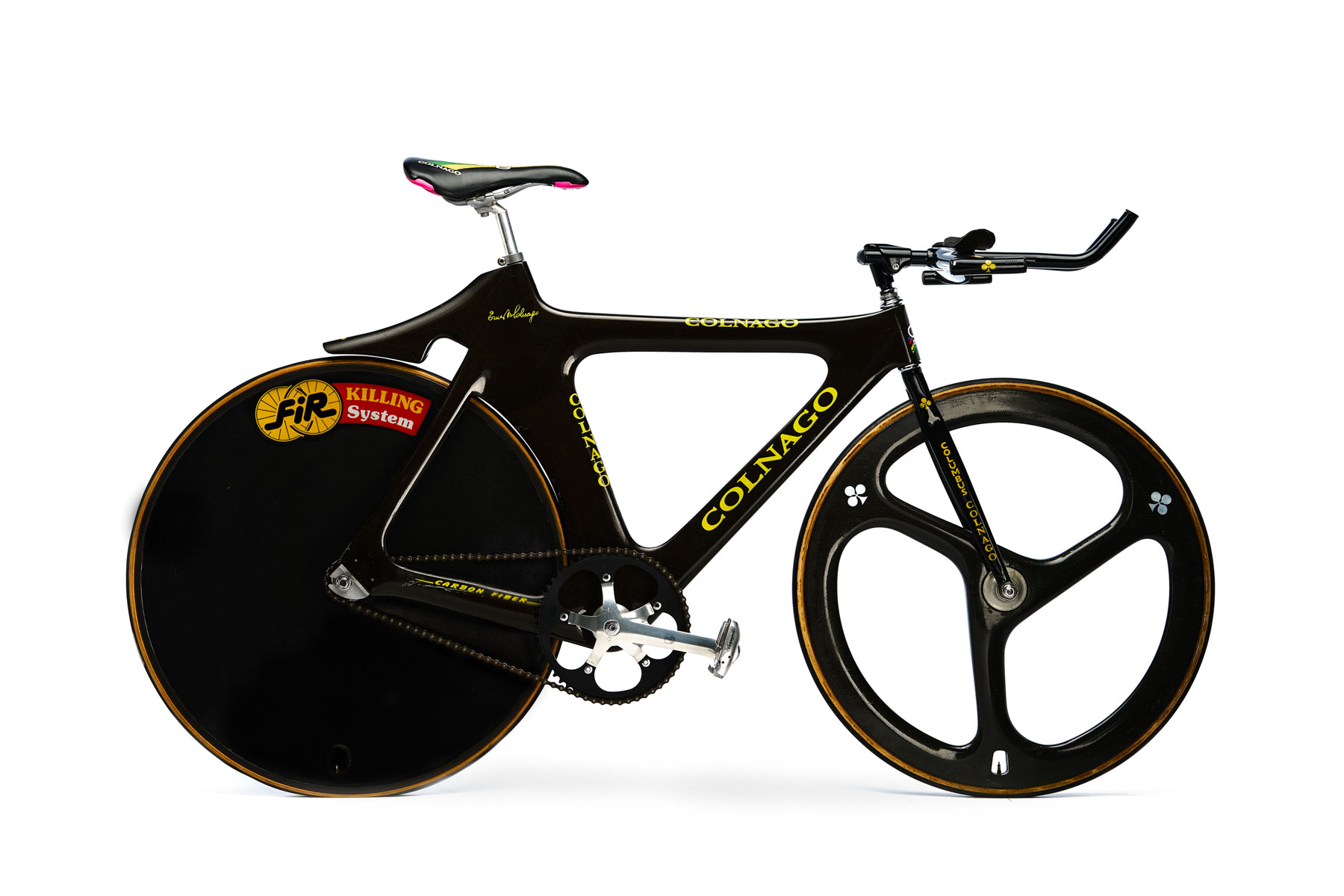
The C42 Mapei time trial bike was designed to navigate the restrictions brought in by the UCI in the 1996 Lugano Charter.
The huge teardrop shapes seen on the VOLO were outlawed, so Colnago replaced them with a thin, flat, wheel-hugging seat tube and flattened carbon tube shapes. A very narrow fork was used to reduce frontal area and gain an aero advantage.
Until the arrival of Tadej Pogačar and UAE Team Emirates, Colnago’s most successful team partnership was with Mapei. The team claimed 64 victories in the 1996 season alone.
Abraham Olano, Mapei’s time-trial specialist, rode the C42 and in 1996 he took the overall Tour of Romandie and placed highly in that year’s Tour de France time trials using the C42 in Mapei colours.
2. 2009 Colnago Prestige
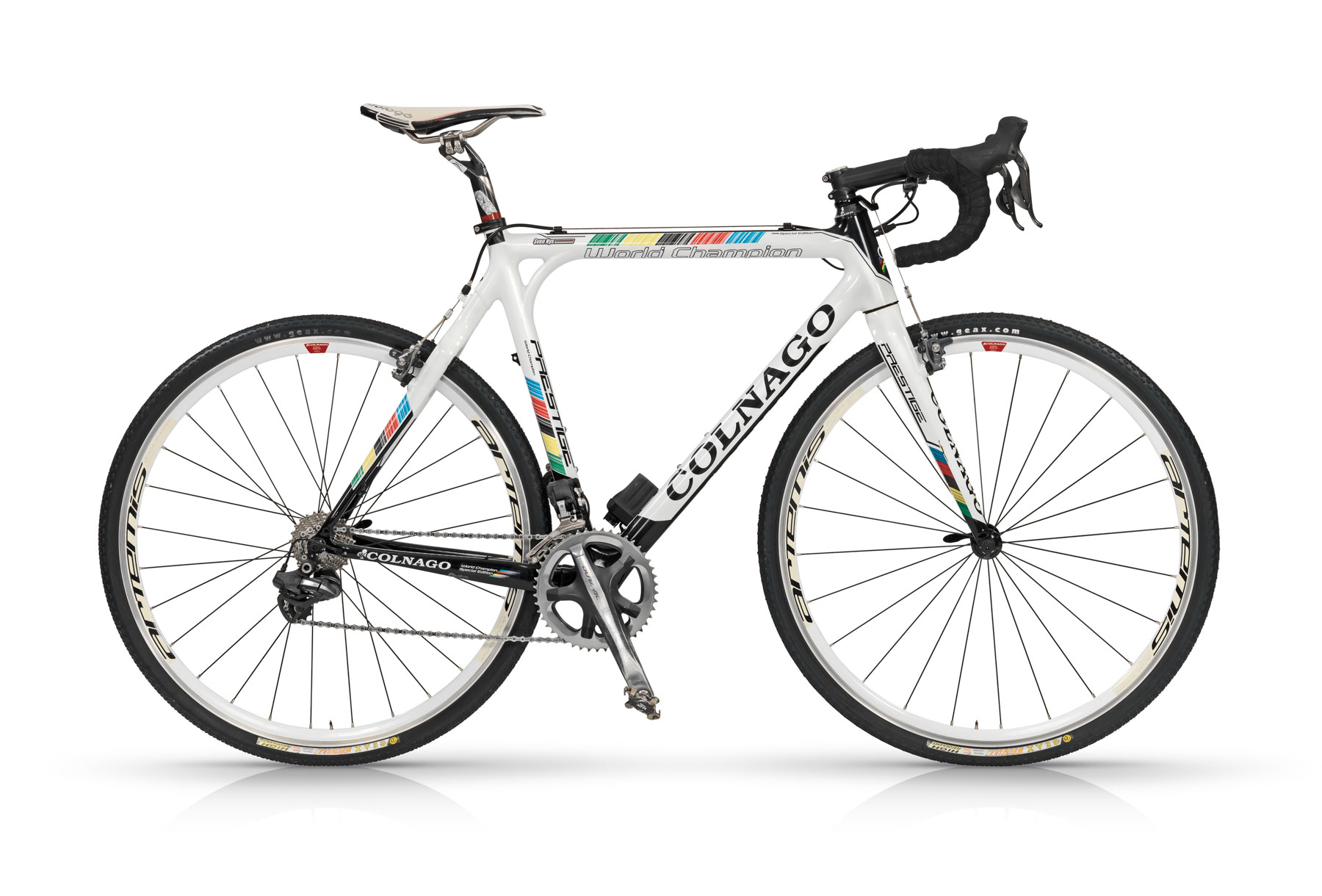
The Colnago Prestige, in its white and rainbow livery, is as iconic as cyclocross bikes get. It was made famous by Sven Nys, the legendary Belgian ‘cross racer who took two world championships, seven world cups, nine national championships, and five mountain bike national championships in a stellar career.
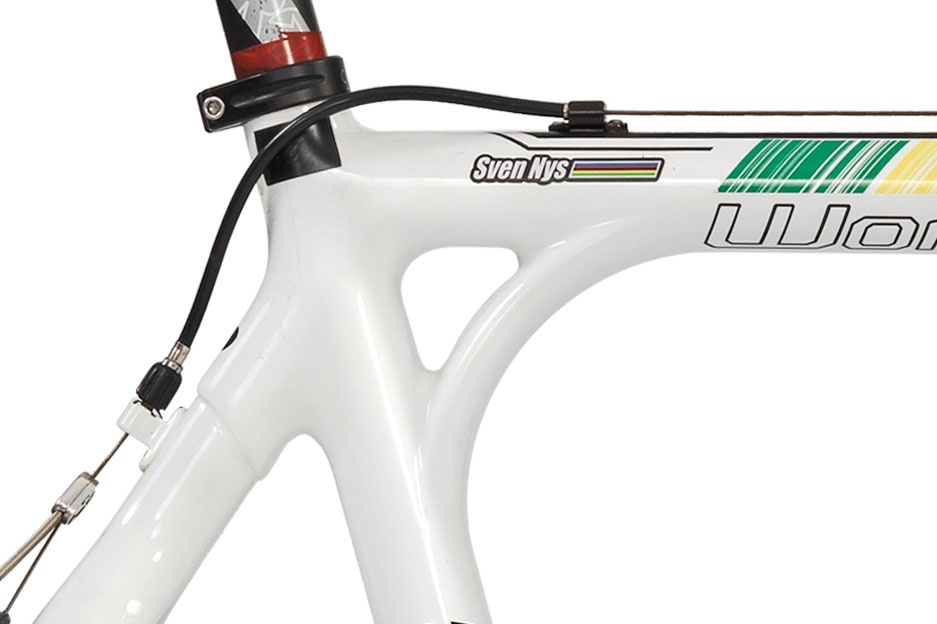
Nys helped develop the Prestige, including its distinctive bridge at the seat-tube junction. The idea was to make the bike more stable, comfortable and easier to shoulder when racing. Nys helped refine the geometry into what became the template for the modern cyclocross bike.
1. 2025 Colnago Y1Rs
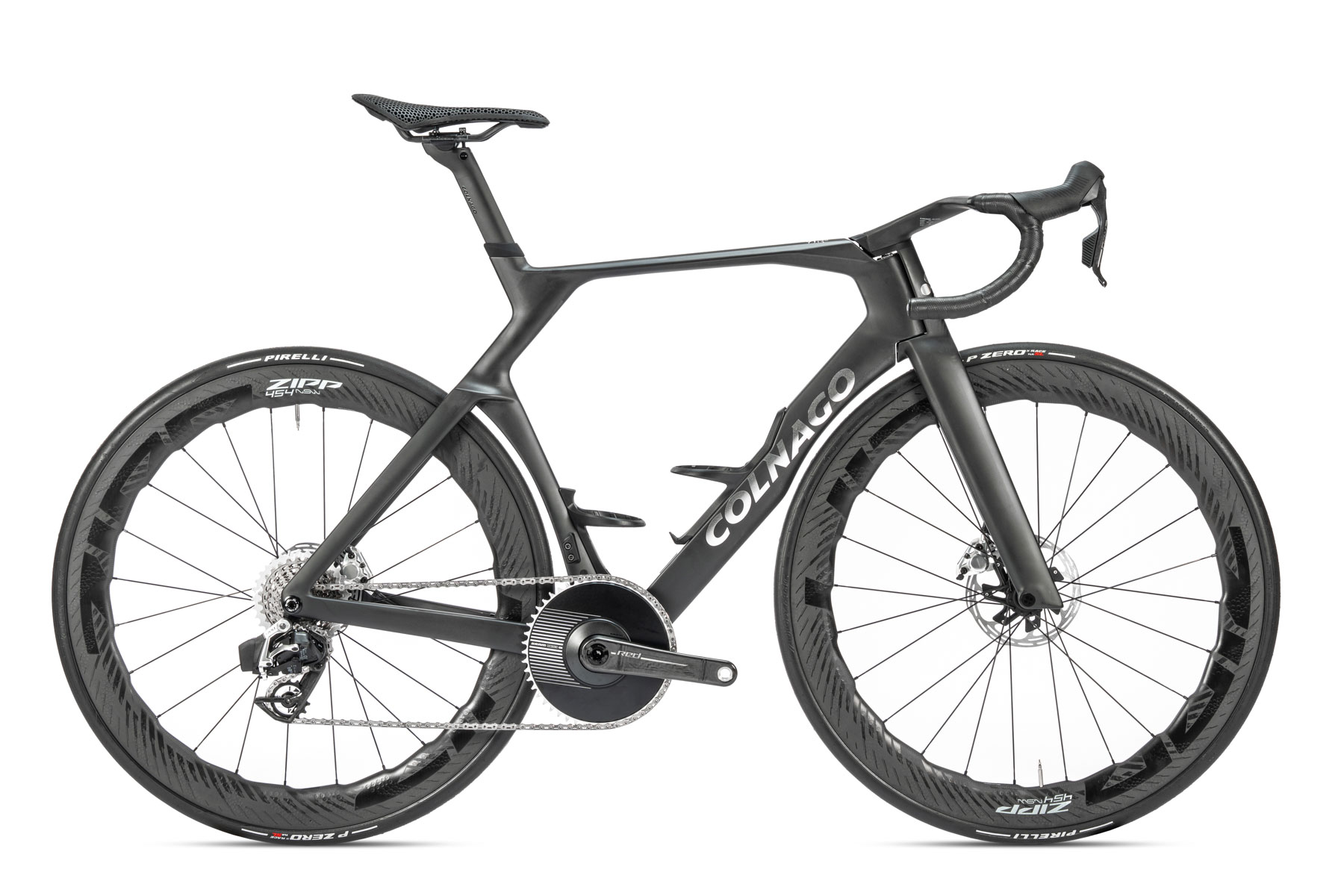
In recent years, Colnago’s bikes – while beautiful – have been considered quite traditional. The brand lost ground to Italian rival Pinarello with its Onda fork shapes and distinct Dogma styling, and to Wilier with the original Cento and Bianchi with the Oltre. Both seemed to embrace aero more fully.
Then along came the Y1Rs, with its angular silhouette and distinct seat-tube arrangement. The Y1Rs didn’t just break the mould, it took it, burned it and threw it aside.
The Y1Rs is as bold a statement for Colnago’s future as the Concept and VOLO were back in the 80s. It’s no longer a heritage brand – it’s as forward-thinking as the likes of Cervélo, BMC and even Factor.
Prior to the launch of the Y1Rs, if you’d have asked anyone, including the most vehement Colnago fans, nobody would have predicted a shape like this. I wonder what Colnago will come up with for a Y2Rs? I can’t wait to find out.