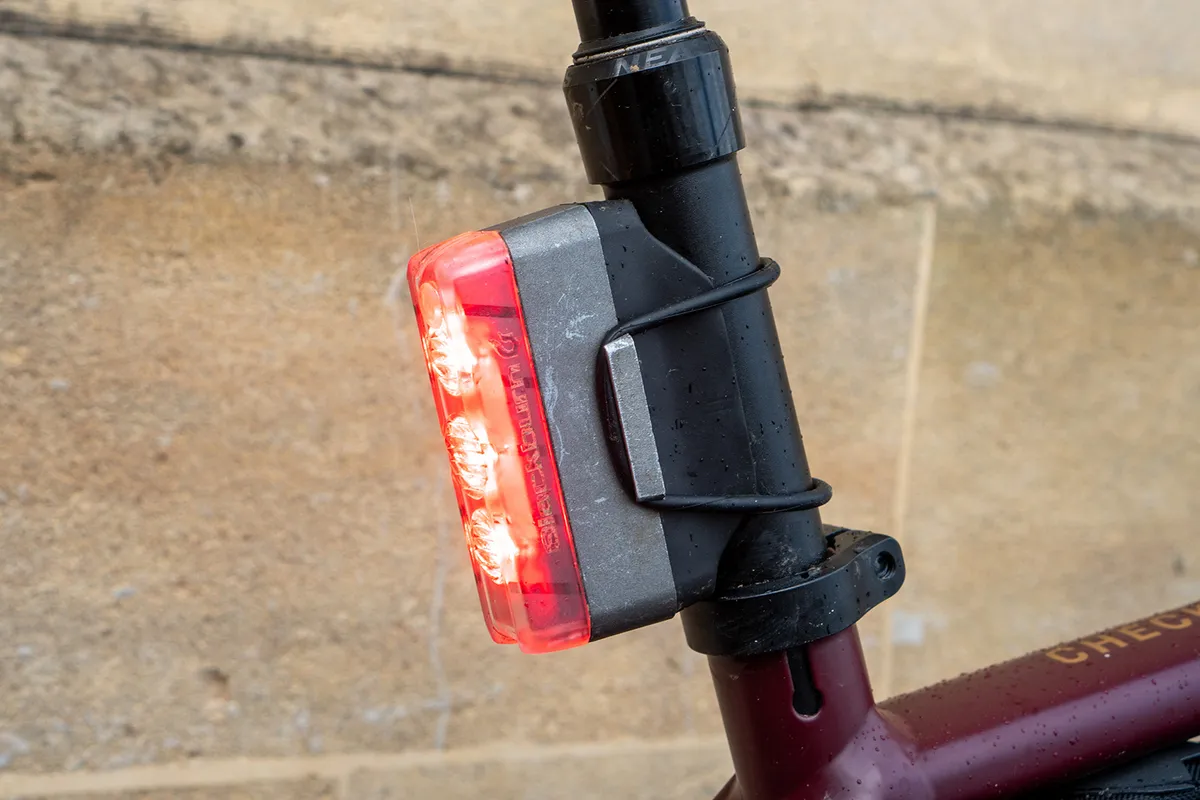
In our Tech Q&A series, we tackle cycling queries – big or small, complex or simple – with insights from the BikeRadar team and trusted industry experts. Next up, a reader wants to know whether flashing bike lights are illegal.
I ride to work most days and regularly encounter horrible flashing headlights used by other cyclists. I understand why people use them, but surely they can’t be legal? And are they not dangerous for people with epilepsy?
David Monk
Since a 2005 amendment to The Road Vehicles Lighting Regulations Act, cyclists are allowed to use flashing lights front and rear in the UK.
However, the Act says they must flash between one and four times per second (1 to 4Hz) and meet minimum brightness standards.
Beyond that, though, other than aligning with the rest of the rules in the Act, there are no specific rules.
However, the rules differ in other countries. For example, flashing lights are banned in Germany, the Netherlands and Austria. In some territories, flashing white lights are reserved for emergency vehicles.
It’s therefore worth checking your local rules and regulations for the country you live in.
Irritating but useful
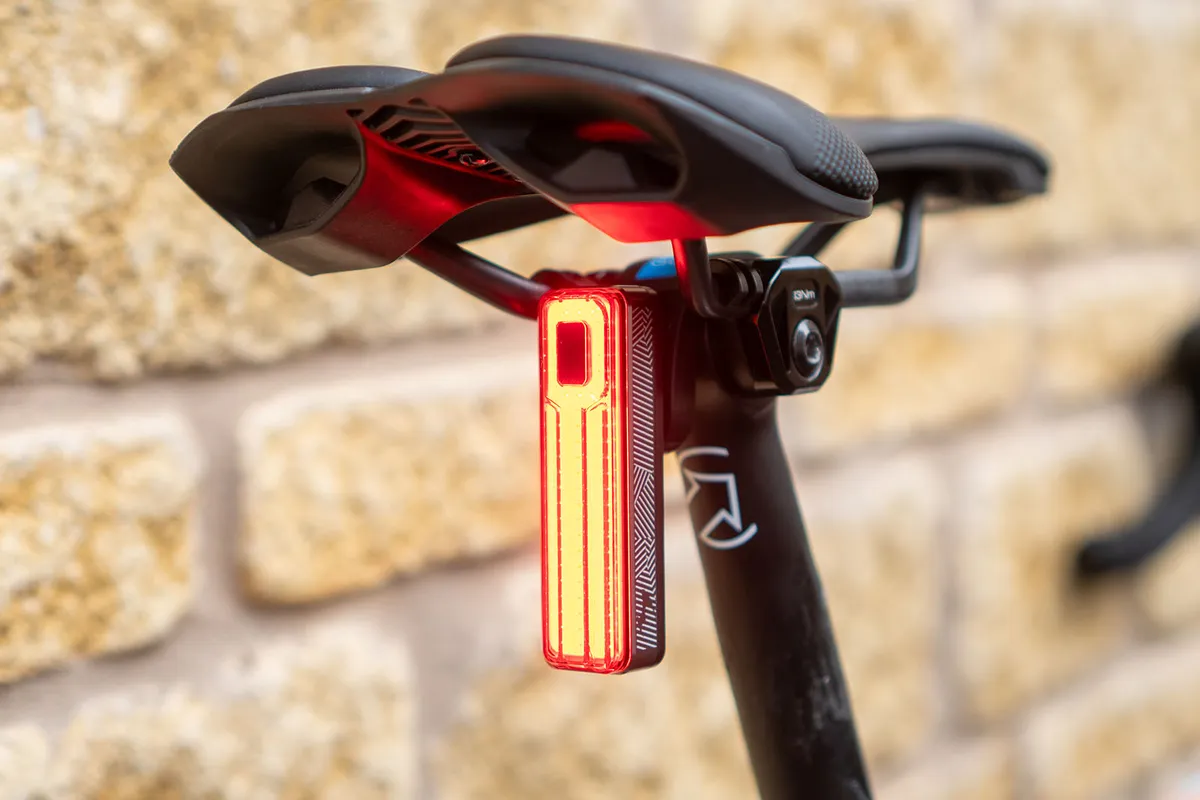
While flashing lights might be irritating, there are good reasons to use them.
There’s plenty of research to say flashing lights are more difficult to ignore and if your light has irritated other road users, that means they are more likely to have seen you, which is better than not being seen and putting your safety at risk.
That said, senior technical writer Simon von Bromley points out that cyclists should be mindful to not be irritating.
For example, make sure your front light is pointed down so it doesn’t dazzle other road users, and it’s best practice to run both a flashing rear light and a steady one.
The flashing rear light attracts attention and the steady light helps other road users judge your distance and speed.
A Clemson University study titled ‘The Nighttime Conscpicuity Benefits of Static and Dynamic Bicycle Taillights’ found flashing rear lights were detected around three times farther away than steady rear lights on straight roads and that users could identify a cyclist faster with a flashing light than with a steady one.
In busy urban environments, flashing lights tend to stand out better against background lighting.
Now, the point on epilepsy is interesting. Photosensitive epilepsy is quite rare – we spoke to Epilepsy Action, a UK-based charity, which says that around 1 in 100 people have epilepsy, and only around 3 in 100 of those are sensitive to flashing or flickering light.
The charity says lights that flash 16 to 25 times per second are the most likely to cause seizures. Since UK-legal bike lights flash much more slowly (1 to 4Hz), they are unlikely to trigger seizures for most people with photosensitive epilepsy.
What should you run?

Simon says he runs flashing lights front and rear because he wants to be seen, making sure to angle the front light down. He explains he’d much rather be irritating and safe than the opposite.
Jack Luke has a different approach and says he runs a steady front light from a dynamo hub and a pulsing rear.
Be sure to read our guide to the best bike lights if you’re unsure what you need.
If you want even better human-shaped visibility when commuting, consider ankle bands, helmet-mounted lights, hi-vis clothing and reflectors.