In our Tech Q&A series, we tackle readers’ mechanical conundrums and workshop debates. This time, a reader wants to know if aftermarket brake rotors a worthwhile performance upgrade, or just shiny bike bling?
Is it really worth upgrading to aftermarket rotors? My mates are spending loads of money on fancy anodised kit, but does it actually make a difference? Surely, it's just a bit of metal?
Fergus Kell
Upgrading from a basic stock rotor can make a noticeable difference, but it’s rarely a night-and-day transformation. In most cases, the gains are incremental rather than dramatic.
One of the main benefits claimed by aftermarket rotors is improved heat management.
Braking generates a lot of heat, particularly on long descents, and managing that heat effectively can help maintain consistent braking performance.

Brands use a variety of tricks to achieve this. Some rotors feature revised braking surface patterns or larger cut-outs, while others use coatings or special shapes designed to dissipate heat more effectively.
For example, Galfer claims the finned shape of its Disc Shark rotor increases surface area and cooling, which in turn should lower operating temperatures, extend pad life and reduce the risk of heat-related performance loss.
Shimano’s Ice Tech rotors, which sandwich and alloy cooling layer between steel braking surfaces, claim similar improvements.
In the thick of it

Rotor thickness can also make a difference. Many aftermarket rotors are slightly thicker than standard versions – typically around 2mm rather than the more common 1.8 to 1.85mm.
That extra material can improve brake feel by reducing flex in the rotor and taking up some of the system’s tolerance, effectively bringing the bite point earlier in the lever stroke.
SRAM’s HS2 rotor is a good example. It increases rotor thickness to 2mm and uses a revised braking surface pattern to improve heat dissipation and consistency compared to the brand’s older Centerline rotor.
In our testing, the difference in outright stopping power wasn’t huge, but the thicker rotor produced a slightly snappier bite and felt more consistent when the brakes were pushed hard on long descents.
- Read more: SRAM HS2 disc rotor review
Size up
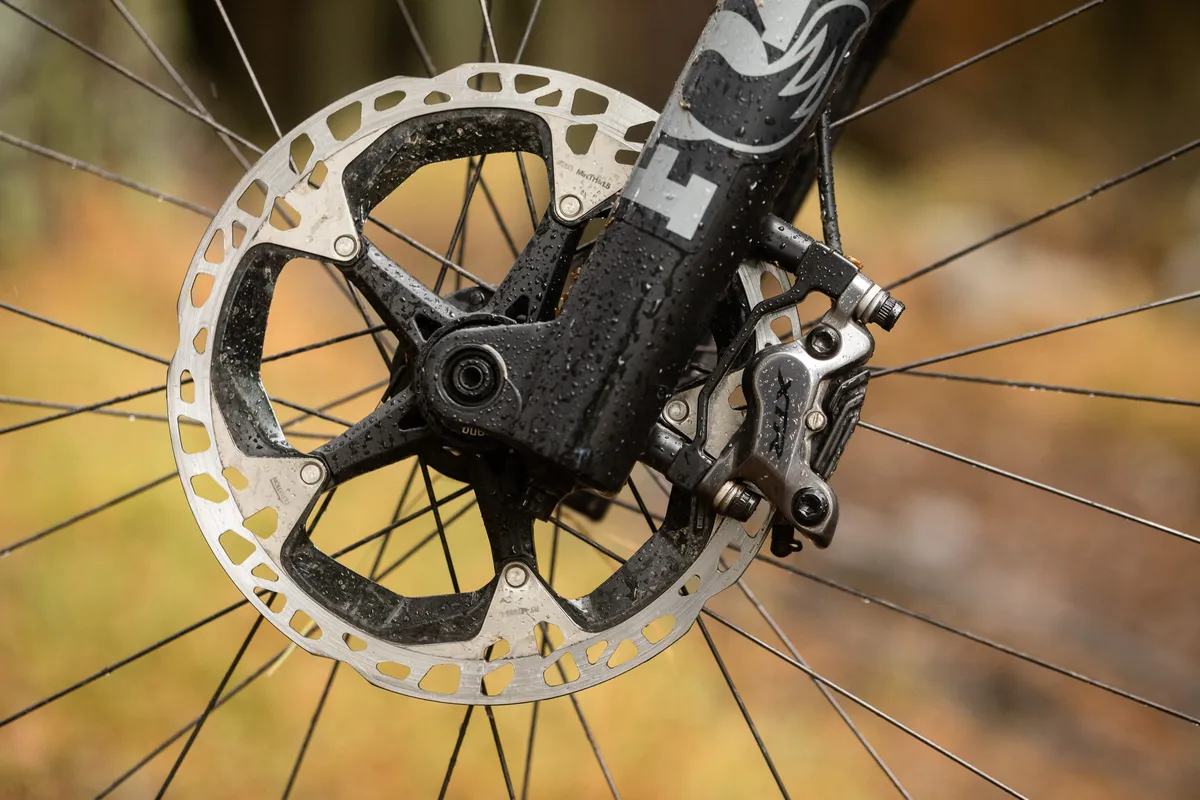
If you’re looking for a bigger improvement, though, there’s an easier and often cheaper option: increase your rotor size.
Moving from, say, a 180mm to a 200mm or 203mm rotor will deliver a much more noticeable boost in power and heat capacity than simply swapping rotor models. Just bear in mind you’ll probably need to buy new caliper adapters and make sure your frame can accommodate the bigger rotors.

Brake pads can also have a surprisingly large influence on performance. Aftermarket pads – particularly from specialist brands – can offer improved bite, durability or heat resistance compared to some stock options supplied with cheaper brakes.
That said, we generally find most OEM pads from major brands perform perfectly well, so the gains will depend on what you’re starting with.
Heart over head

Ultimately, aftermarket rotors sit in the same category as many performance upgrades: worthwhile if you’re chasing small improvements, but unlikely to completely transform your bike.
And, of course, there’s nothing wrong with wanting a bit of bling. If a set of smart-looking rotors makes you happy every time you look down at your bike, that’s probably reason enough to fit them.