Designed for use on long-travel enduro rigs, park bikes and eMTBs, the Fox 38 Factory and RockShox ZEB Ultimate have been revamped for 2027. I’ve pitted these 170mm-travel forks against each other to see which smooths out the trail, boosts comfort and handles hits the best.
Both forks have new air springs and updated dampers, along with major changes to their chassis, in a bid to keep your front tyre gripping while they soak up impacts.
On the trail, the fight for the top spot was seriously close. It was never going to be a clear-cut decision, with both forks delivering when things got tasty, and each shining slightly brighter in different scenarios. Of course, I had to take into account ease of setup, tuning and value for money too, adding to the conundrum.
When the dust settled, it was the ZEB Ultimate that edged ahead, offering more comfort and value, as well as being slightly easier to live with. Read on to find out why.
Introducing the forks
RockShox ZEB Ultimate
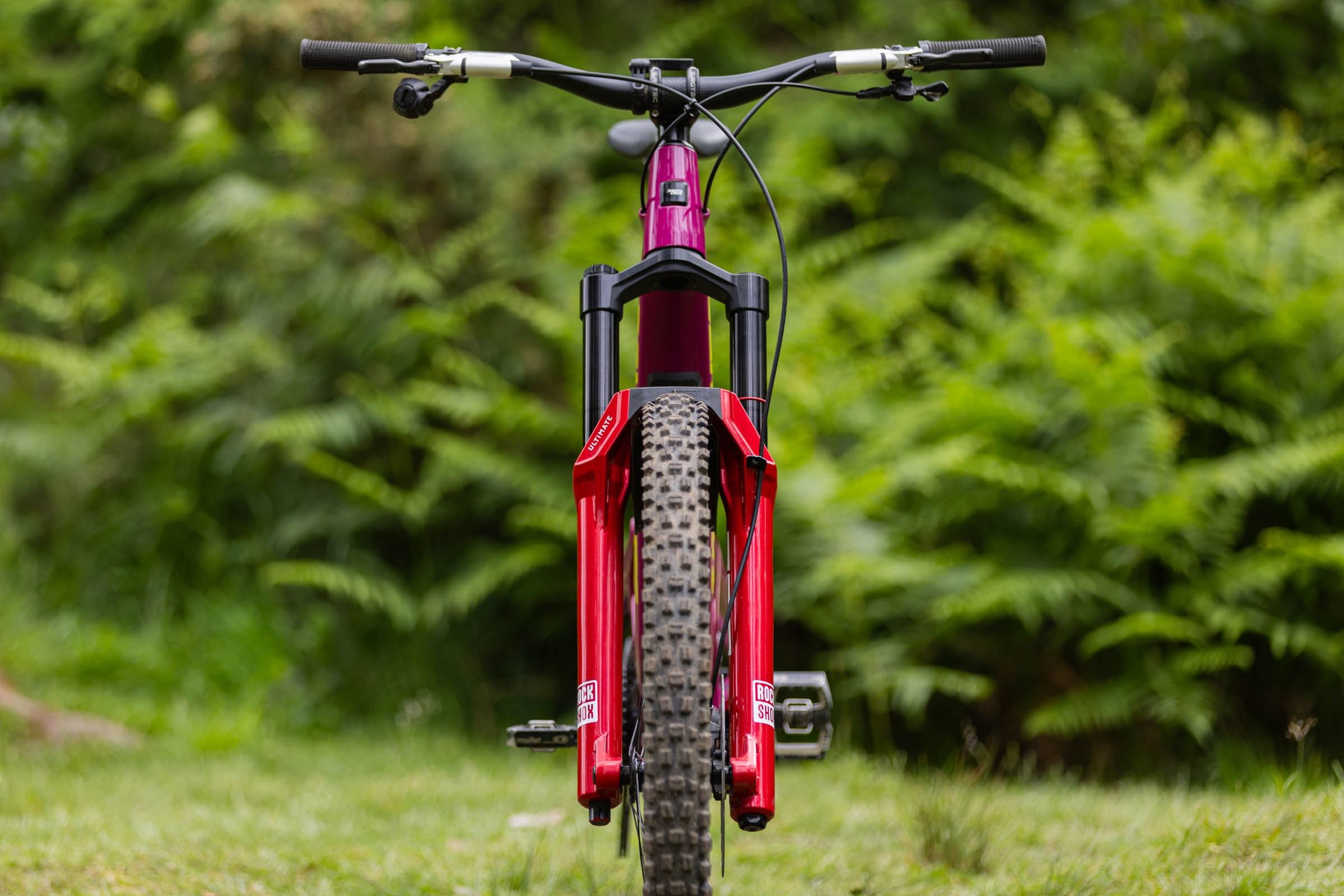
- Price: £1,265 / $1,299 / €1,415
- Weight: 2,570g (170mm travel, 200mm steerer)
- Travel: 150mm, 160mm, 170mm, 180mm
- Wheel size: 27.5in, 29in
- Stanchions: 38mm
- Offset: 38mm (27.5in), 44mm (27.5in, 29in)
SQUIRREL_13980525
Fox 38 Factory GRIP X2
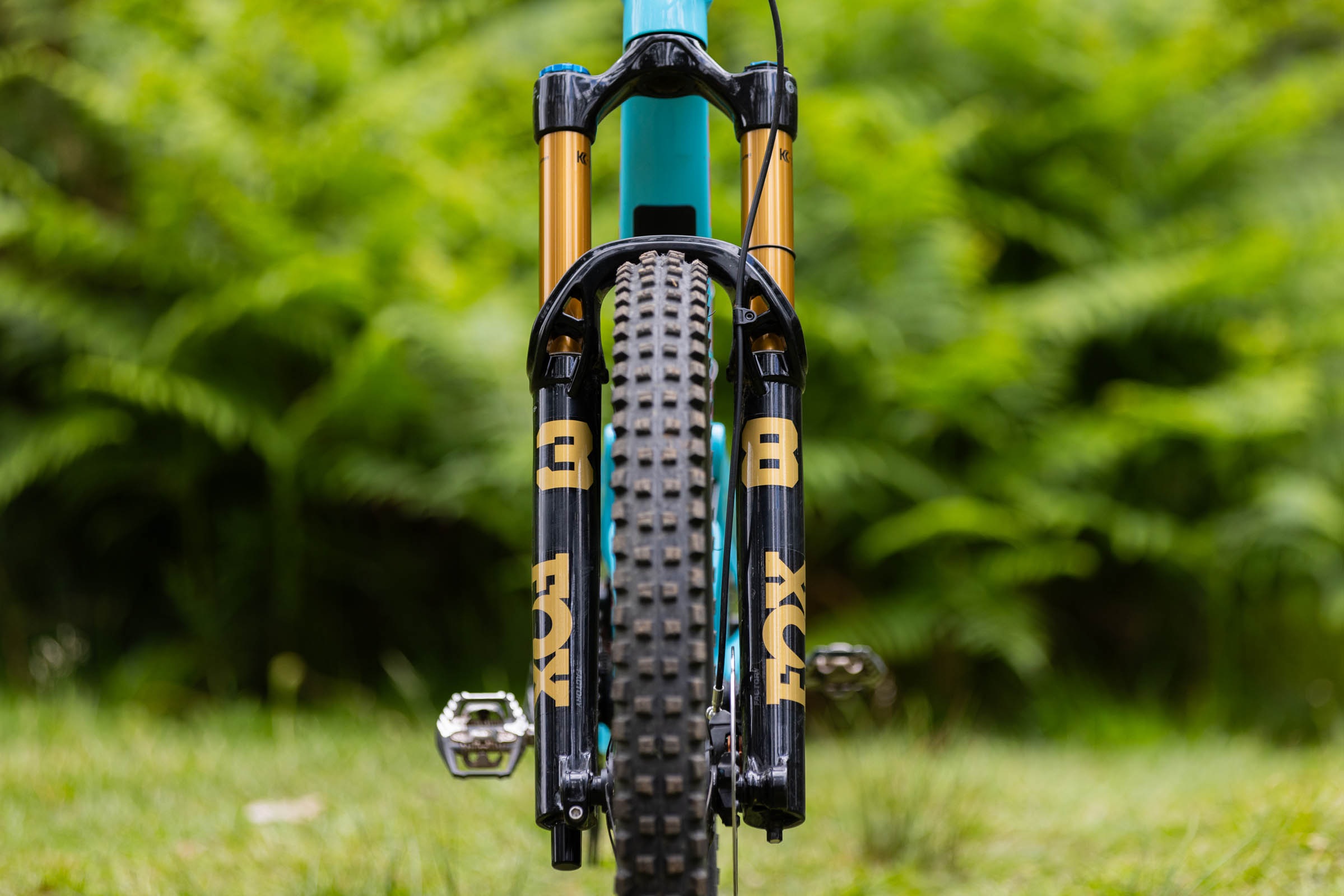
- Price: £1,439 / $1,369 / €1,499
- Weight: 2,440g (170mm travel, 200mm steerer)
- Travel: 160mm, 170mm, 180mm
- Wheel size: 27.5in, 29in
- Stanchions: 38mm
- Offset: 44mm (27.5in, 29in)
SQUIRREL_13980523
All change
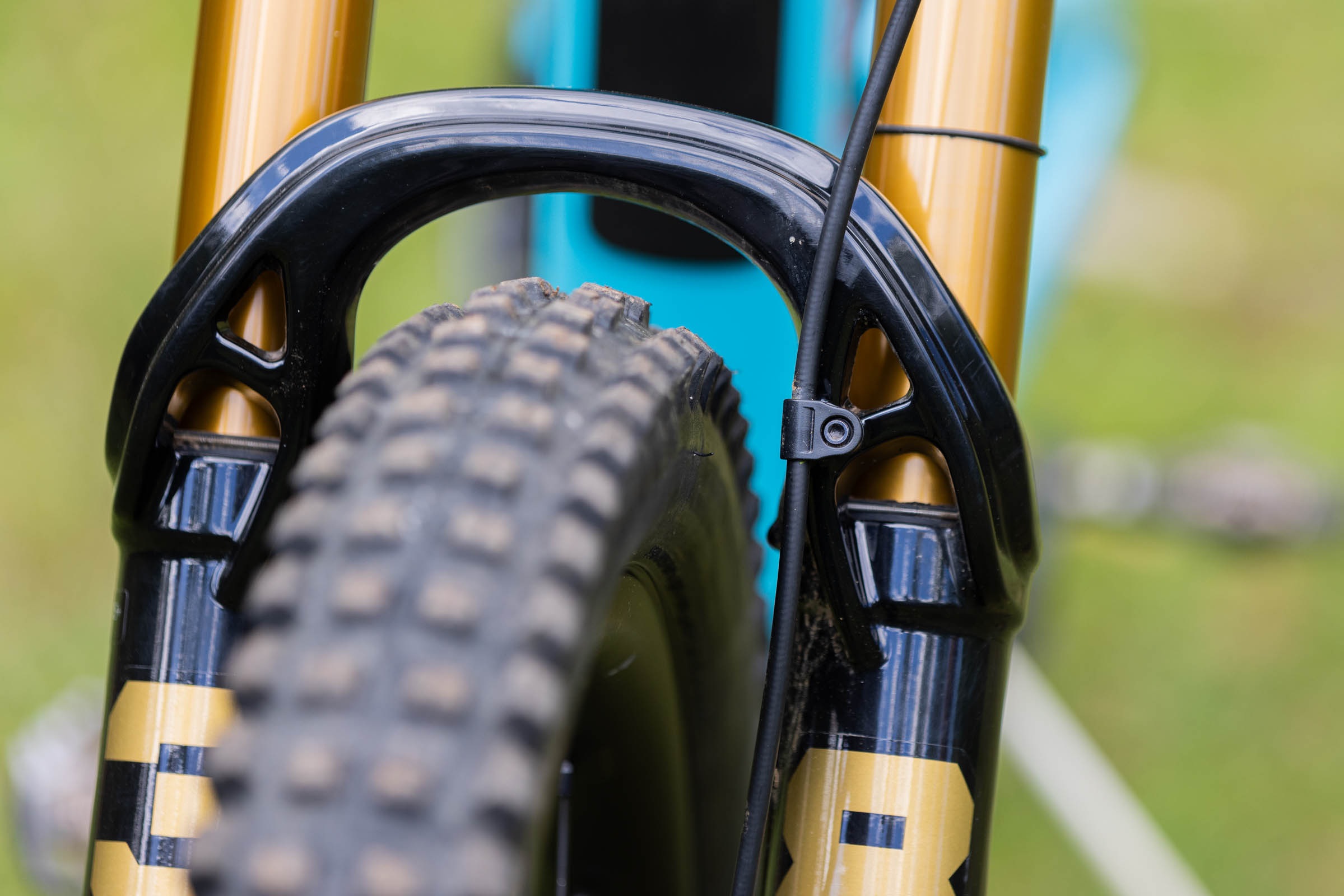
Both forks have had significant updates for 2027. Fox claims to have bolstered fore-aft stiffness by 9% and, in doing so, to have reduced friction as the fork moves through its travel and made it less prone to flex under braking. This is thanks to the generatively designed lower legs, which feature 20mm more bushing overlap.
Torsional stiffness (the fork’s ability to resist twisting when torque is applied) has reportedly been reduced by 7%. This should help the new 38 feel a little more compliant and deflect less when being pummelled across bump-riddled cambers. A slimmer arch and longer lowers are the main at-a-glance giveaways.
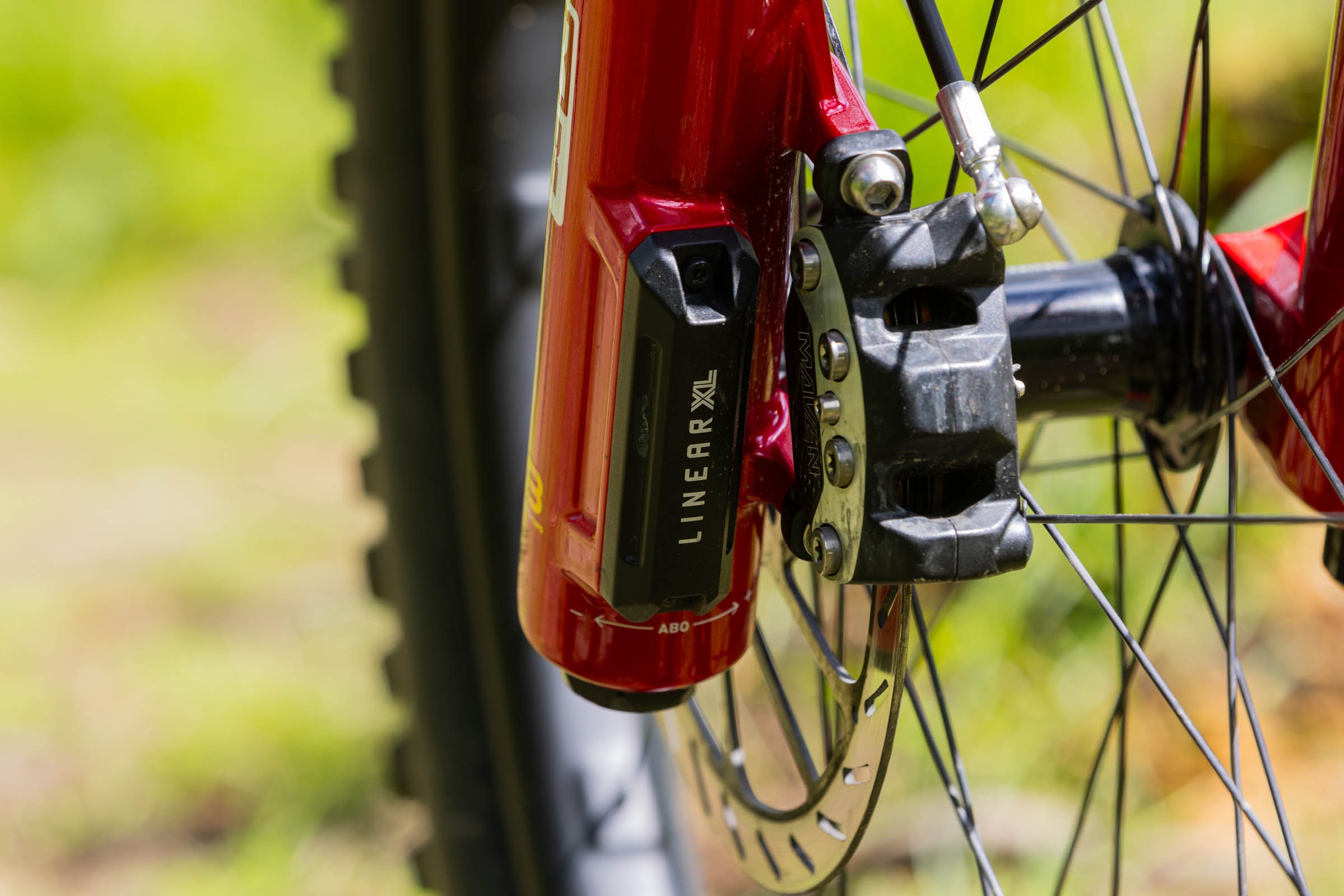
RockShox’s ZEB has a new chassis, too. The biggest visual difference is to the spring side of the lower-leg casting, where the AirAnnex sits.
This rectangular bulge, just in front of the brake mount, is there to increase the air volume of the lower leg and thus limit the pressure build-up within the chassis towards the end of the ZEB’s stroke. It’s only needed on this side because of the difference in volume between the spring and damper.
There’s a lot of new stuff going on inside, too. RockShox’s new LinearXL air spring uses a twin-tube, position-sensitive design, brought over from the BoXXer downhill fork, and designed to work in unison with the AirAnnex.
Overall, this should deliver a more linear spring curve that’s consistent and predictable, with a less abrupt ramp-up at the end of the fork’s stroke, which should also be easier to fine tune.
Fox has shifted to the Glidecore air spring, which is designed to help reduce friction, thanks to a small amount of movement built in between the air shaft and piston. That means big side-load impacts should have a less pronounced effect on how the fork works, and therefore feels, hopefully reducing any binding friction, leading to a smoother ride.
Both forks have new bottom-out bumpers. The ZEB’s bottom-out bumper position can be adjusted externally using a 5mm hex key, with 10mm or eight clicks to play with. If you leave the adjuster fully open, the bumper will cushion the last 7mm of travel, while with it fully closed, it’ll handle the final 17mm.
Fox has updated the 38’s pressure-relief valves, but left them in the same place.
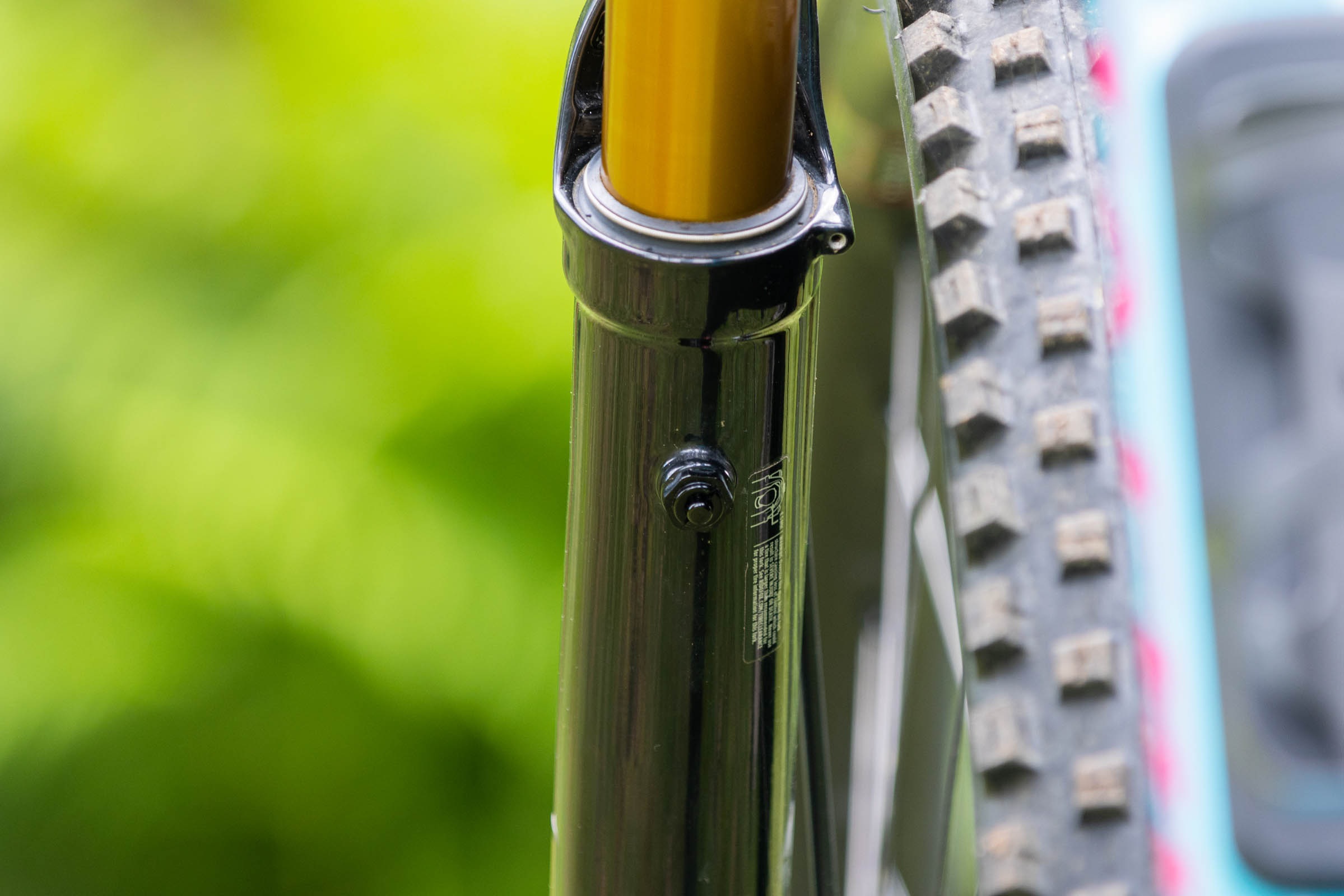
Revisions to the valve stack and mid-valve piston in the GRIP X2 damper are said to improve oil flow and sensitivity, without impacting support.
RockShox has moved its air-bleed buttons to the back of the now-stiffer crown and updated the damper. Like the GRIP X2, the new Charger 3.2 has slightly heavier damping to help compensate for the reduction in fork friction.
External adjustment
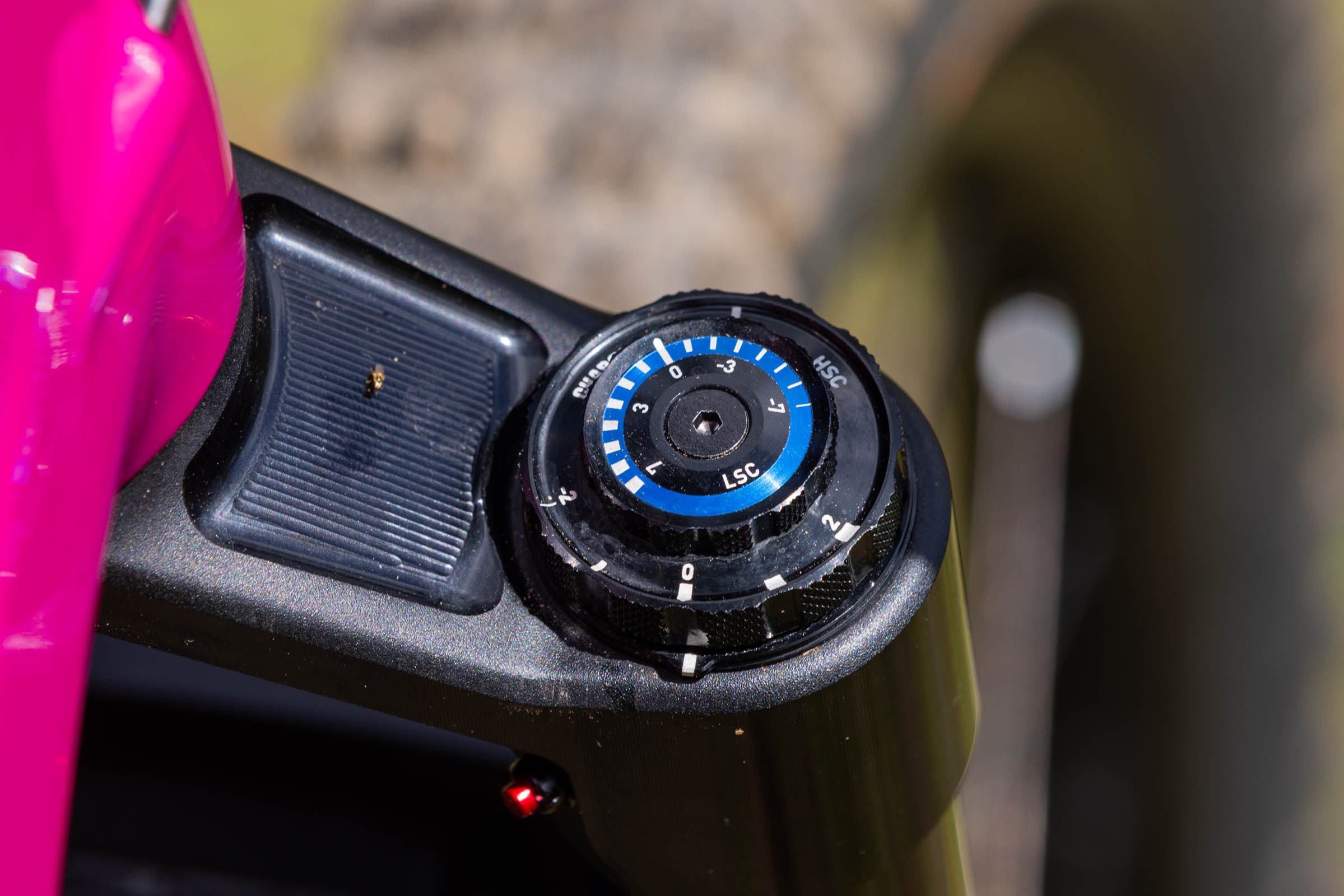
Both forks feature quite a bit of external adjustment, along with the ability to fine tune the spring curve with volume spacers. As a result, perfecting setup can take a little time.
On the back of each set of lower legs, you’ll find a sticker that gives you an air-pressure guide and, in the case of the 38, recommended high- and low-speed rebound settings.
Setting up the ZEB for my 69kg weight was easy and accurate using the spring chart. I settled on 111psi (RockShox’s new air-spring requires higher pressures) and haven’t touched it since. The rebound tune enabled the fork to return quickly enough for my liking (not always a given for lighter riders), so dialling that in didn’t take long either.
Compression damping took a little longer to work out. The new numbering system on the dials (the mid-point is 0) makes it easier to keep track of things, but I still had to do a few runs to get things feeling right. In the end, I finished up with the low-speed adjuster in the -2 position (the equivalent of 10 from fully closed, out of 14) and the high-speed in the 0 position (or two out of four clicks).
The Adjustable Bottom Out feature took more fiddling with. I eventually settled on four clicks in (halfway), but found I’d tweak it depending on the trail.
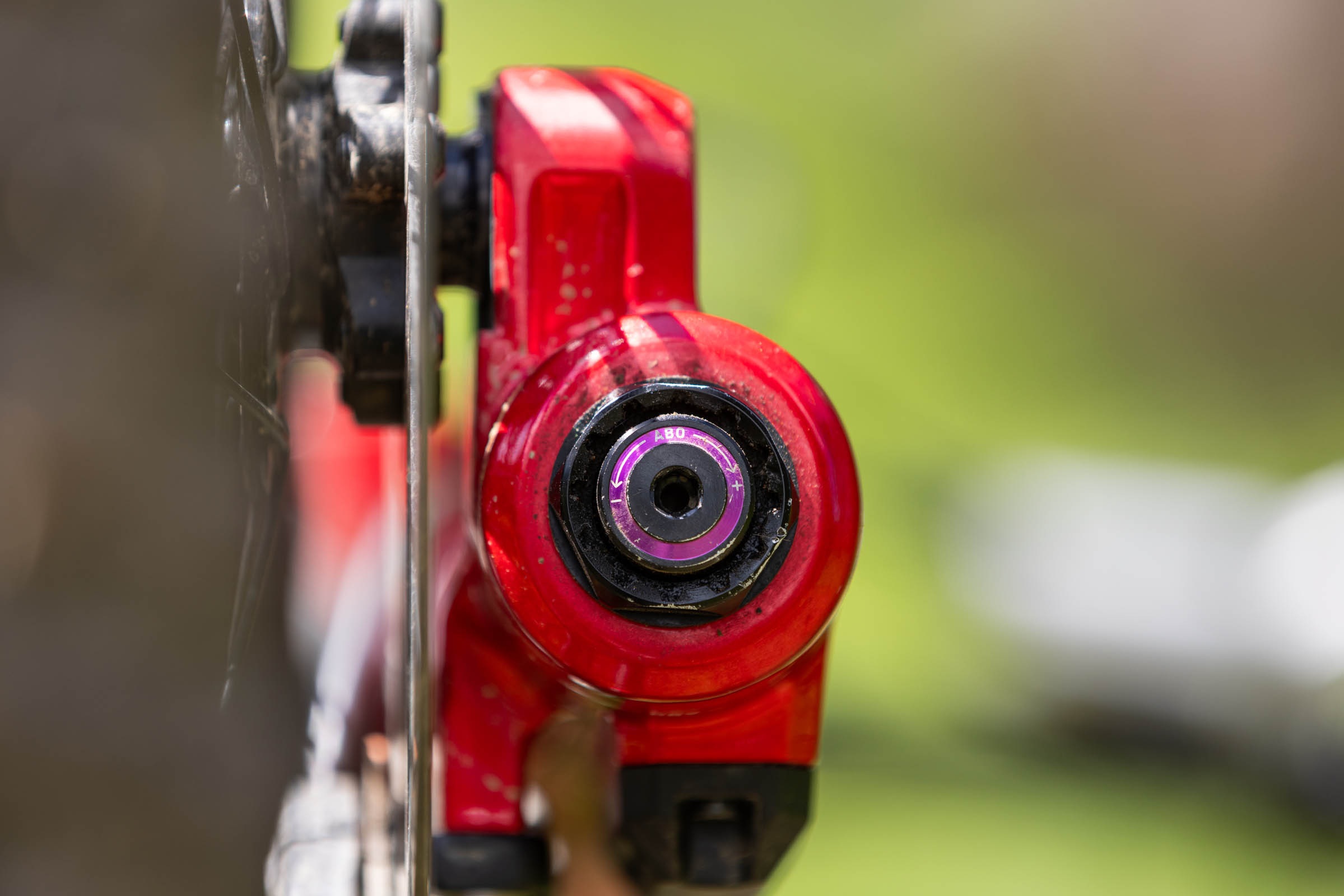
Setting up the air spring with the Fox 38 took a bit longer. The new bottom-out bumper does a better job of protecting you from heavy, fork-clanging impacts – something I’d experienced with the previous iteration of the 38 when trying to access all the travel. This meant I could drop the pressure a little lower to make the most of that 170mm of travel I had on tap, but with a smooth cushion to bounce off on those really big hits.
Starting at the recommended 67psi for my weight, I ended up on 54psi, which enabled me to use more travel and get the bike feeling better balanced, but still have a decent level of support.
Fox’s compression-damping adjustment works well, enabling you to tweak both high- and low-speed dials to ensure you feel happy, without the fork ever becoming harsh. I finished up with three clicks of low-speed compression damping and no high-speed (for the most part – I added some on really rocky tracks, though).
With the rebound damping dials fully open, the fork extended just about quickly enough for me, but smaller riders might find a lighter rebound tune is needed.
Traction-tastic
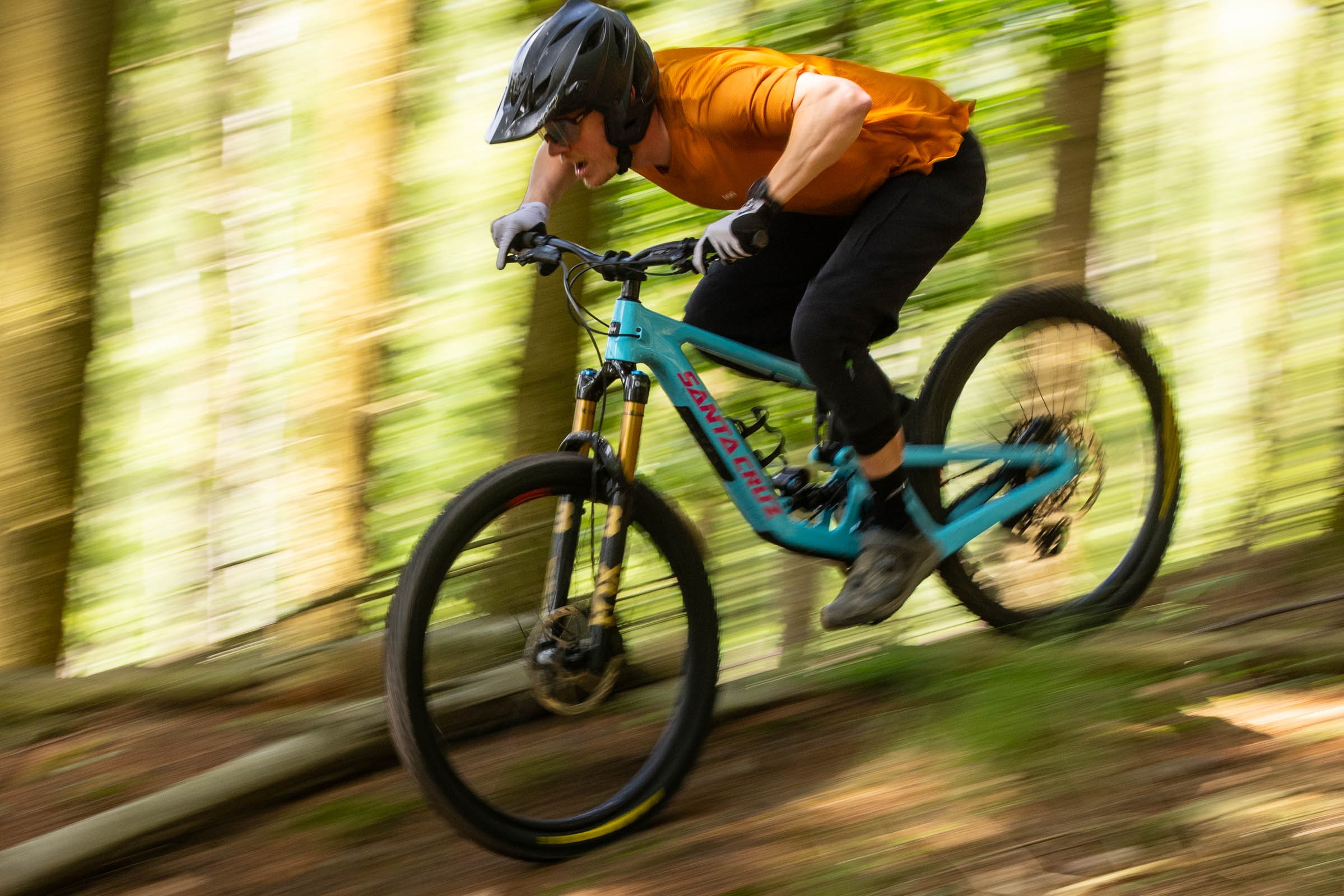
Weight the bike and it’s impressive how sensitive both forks are.
If you’re just pottering around in the car park, the ZEB feels the plusher of the two, but get on the trail and they’re hard to separate.
The 38’s suppleness early in its travel keeps the front tyre glued in place, making light work of chattery berms or flat, loose turns, where the traction boosts confidence. It sits higher in its travel than the ZEB, though.
As long as you’ve set your pressures and low-speed compression right, this helps keep the front end of the bike propped up a little higher in comparison, which is great when things get really steep. Even so, you can still weight the front wheel through the turns thanks to how easily the fork sinks into its travel.
It’s a similar story with the ZEB, which flutters up and down, enabling the wheel to trace trail imperfections incredibly well.
That doesn't mean it’s not controlled, though – it’s just very active, ironing out bumps and keeping you isolated from what’s going on under the front tyre a little more.
While the previous ZEB did this, I found it rode a little too low in its travel for my tastes, leaving me to ponder setup and bar height. That’s not the case with this new fork. Thankfully, it props itself up much better and more consistently, creating a better front-to-back balance on the bike and ensuring confidence remains sky high when tackling far steeper gradients.
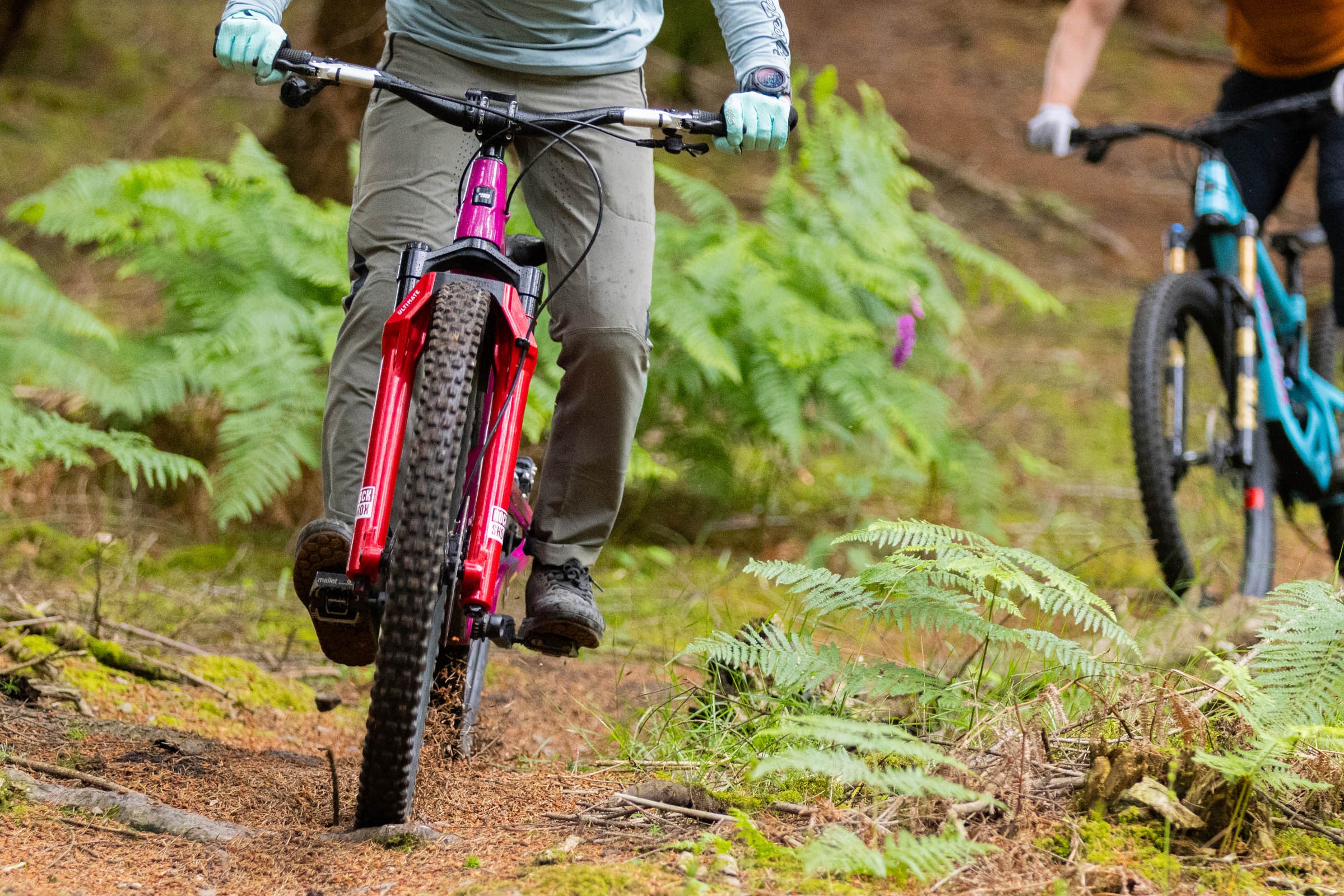
When the hits come thicker and faster, the Fox 38 delivers more feedback through the handlebar. This isn’t harsh or uncomfortable, just more noticeable.
Any vibrations coming up through the front wheel are muted beautifully, leaving you feeling well connected to the trail, but without having to deal with any jarring impacts that can cause hand and arm fatigue.
Even on long descents, the 38 smoothed things out exceptionally well, leaving me feeling fresh and ready to attack.
The ZEB is equally impressive in these situations, but delivers less feedback through the bar. You might think that would equate to a lack of front-end support or add some vagueness into the equation, but that’s not the case.
As with the 38, if you need to transfer from one line to the next, you can easily load up the RockShox fork and spring across the trail. While there’s no denying the 38’s comfort, the ZEB takes things up a notch thanks to how well it can hoover up impacts and how quickly it can then recover.
Big hits

Both forks handle big, chunky hits well. The changes to the Fox 38 mean when you smash the front wheel into the ground, things feel very controlled. This latest iteration has a predictable, responsive, progressive feel, with resistance building towards the end of the stroke.
You won’t be slamming the O-ring into the crown on this fork, though, because even without any volume spacers fitted, getting full travel is tough. I consistently got 160mm to 165mm on big hits, leaving a little in reserve for those horrible flat landings you don’t see coming – something I really appreciated.
I could get the ZEB closer to full bottom-out more often, although I never felt anything harsh or unpleasant when entering those final few millimetres of travel. The update to the air spring and flattening of the curve has reduced the final ramp-up, taking the edge off as you close in on full travel. It also gives more of that bottomless feel that’s nice to have when things start getting out of control.
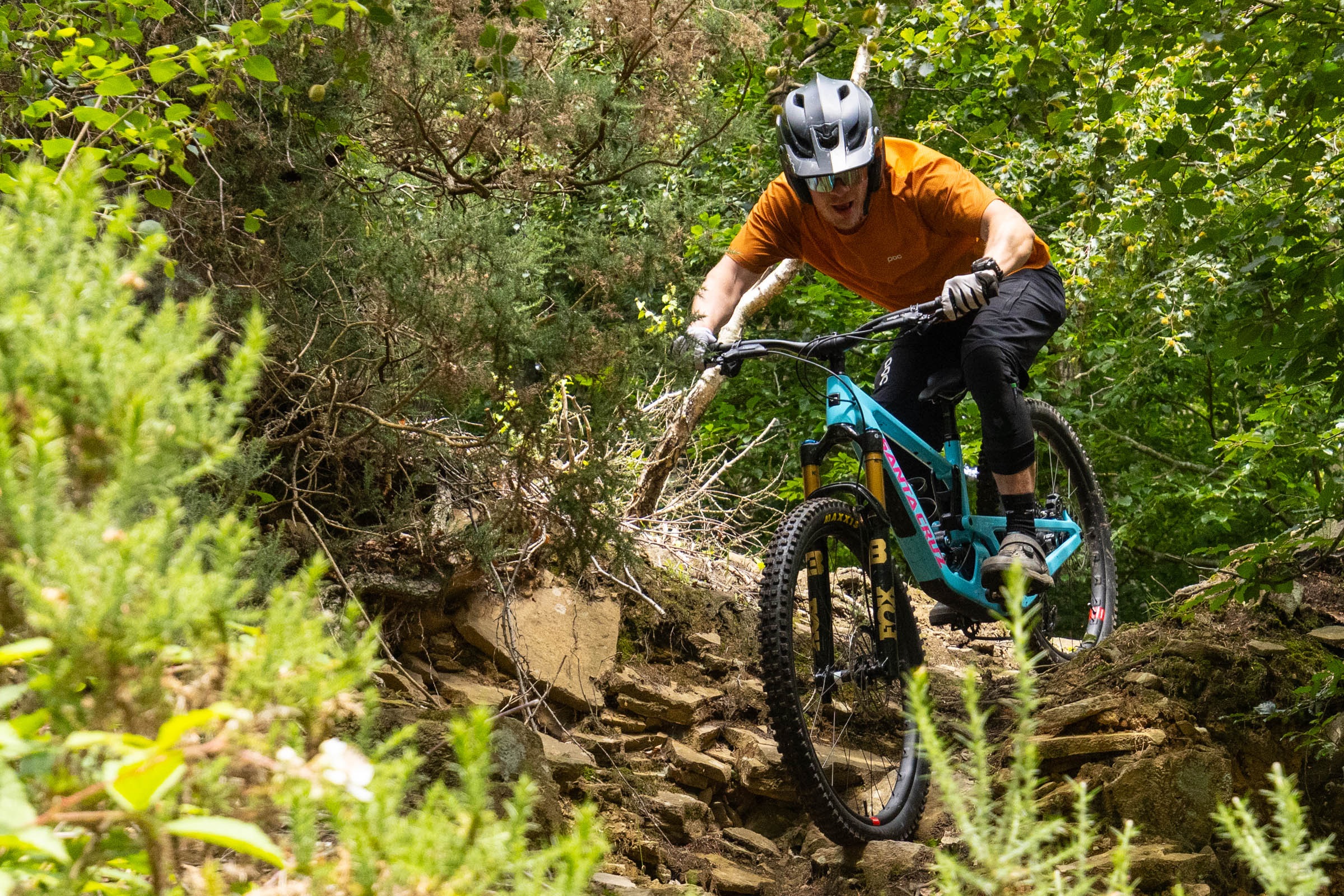
That, in turn, feels as though it broadens your capacity to deal with really ugly terrain without having to haul on the brakes. This is largely thanks to how the RockShox fork feels in that lower third of its travel, where it doesn’t kick or push back quite as much as a more traditional air spring.
Get deep into the ZEB’s stroke and it deals with the hits, recovering impressively well, in a predictable, easy-to-handle manner.
The smoother ramp at the tail end of the travel means there’s a touch less support compared to the 38 in those instances. Although I didn’t have any issues with this, some might. If that’s the case, adding a volume spacer gives more progression late in the stroke.
After experimenting with one full spacer, then a spacer I’d cut in half, for my weight and riding style, I ended up removing them entirely, instead adding another couple of clicks of adjustable bottom out and more high-speed compression damping. Heavier or harder riders might want to experiment a bit, though.
While the Fox is impressive, in these situations it can’t quite match the RockShox fork when it comes to isolating you from the worst hits, underlining why the ZEB is the more comfortable of the two.
Weights and measures
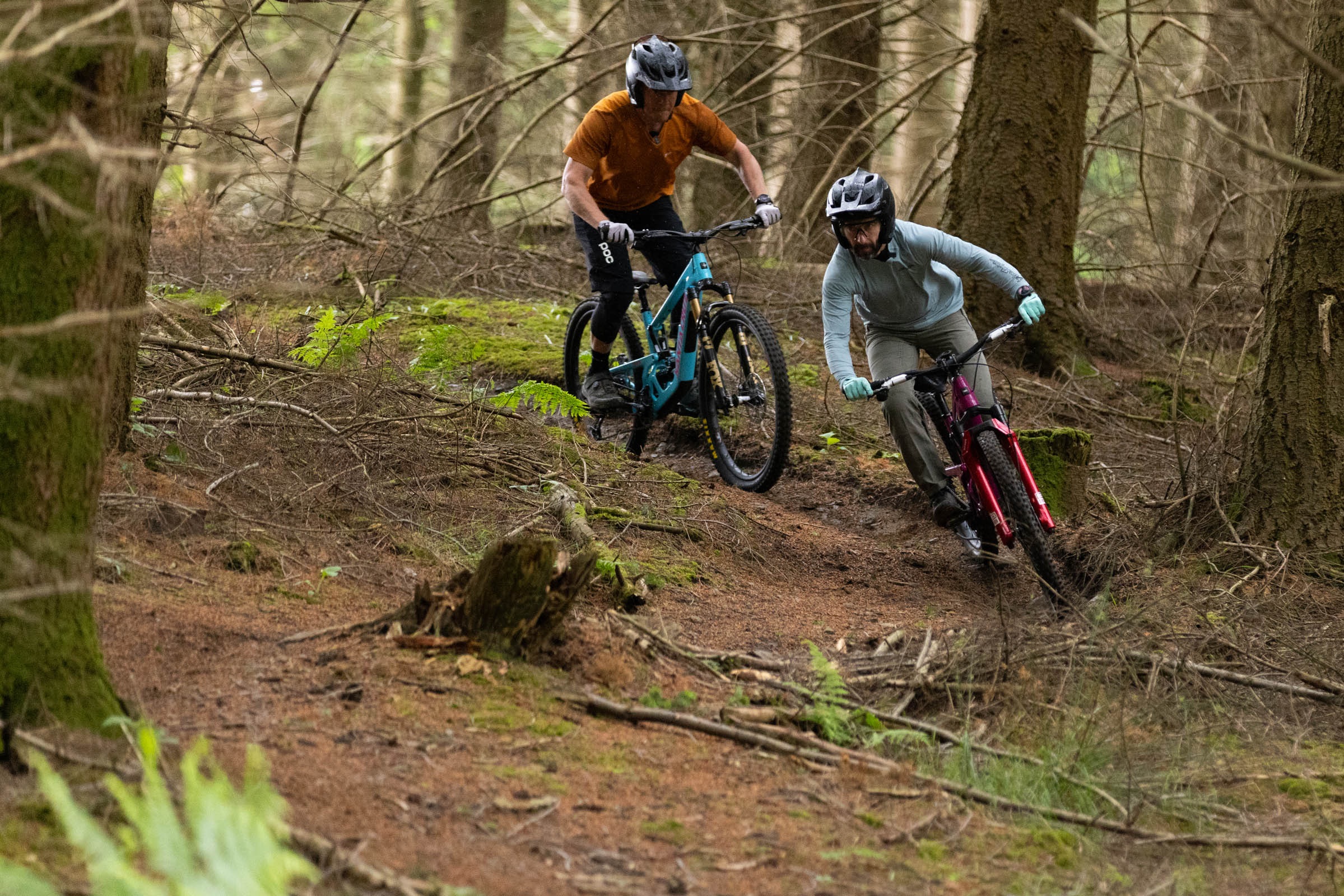
When it comes to weight, there’s not a whole lot between these two big-hitters. The ZEB is chunkier, at around 2,570g (with 200mm steerer), while the 38 is only 130g lighter, at 2,440g.
While the ZEB might cost you a bit on the scales, it’ll save you some cash. The top-tier Ultimate fork (without RockShox’s Flight Attendant electronic damping control) costs £174 less than the equivalent Fox 38, which is nothing to be sniffed at.
Both forks accept integrated mudguards, with the ZEB coming with the short, rear-coverage-only fender as standard. You’ll need to cough up for the Fox one.
How I tested
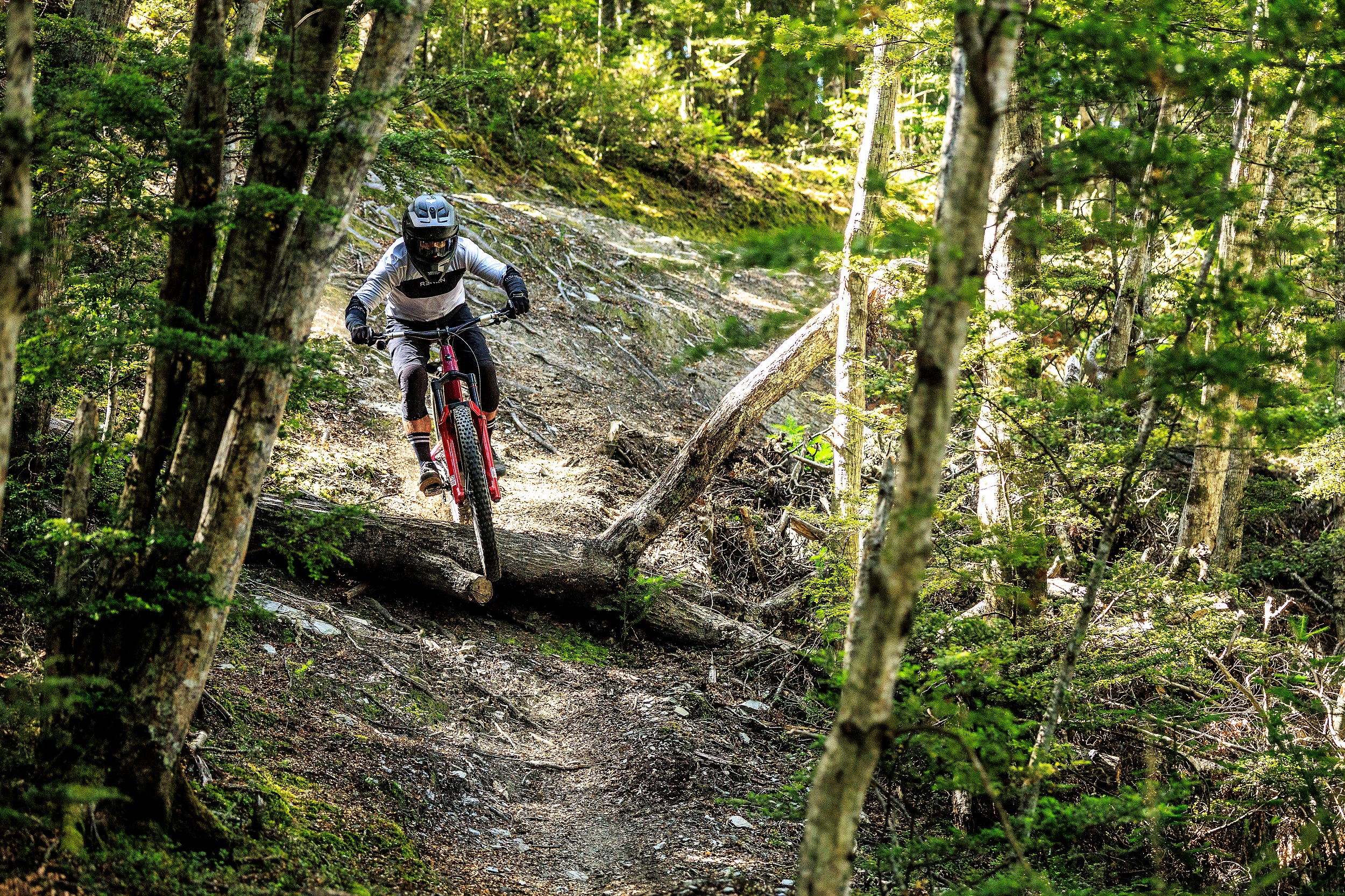
To test these two forks, I rode a wide variety of terrain, with everything from high-speed, rough and well-ridden bike park tracks through to steep, technical and slightly slower singletrack. These included big compressions, matted roots and many jagged rocky sections.
Some of the trails (in New Zealand and in Italy) were very long, helping to get a feel for how the forks perform on prolonged descents, as well as the rider comfort on offer.
The bulk of the testing took place in the UK, though, with each fork bolted to the same Santa Cruz Bronson, to help keep things as consistent as possible.
To finalise my thoughts, I spent a number of weeks riding the forks back-to-back while fettling one setting at a time to try to perfect the setup, as well as figure out the difference in performance between the two. Along with this comparison, I also rode the previous ZEB Ultimate to get a feel for the changes RockShox has made.
Fox 38 Factory vs RockShox ZEB Ultimate bottom line
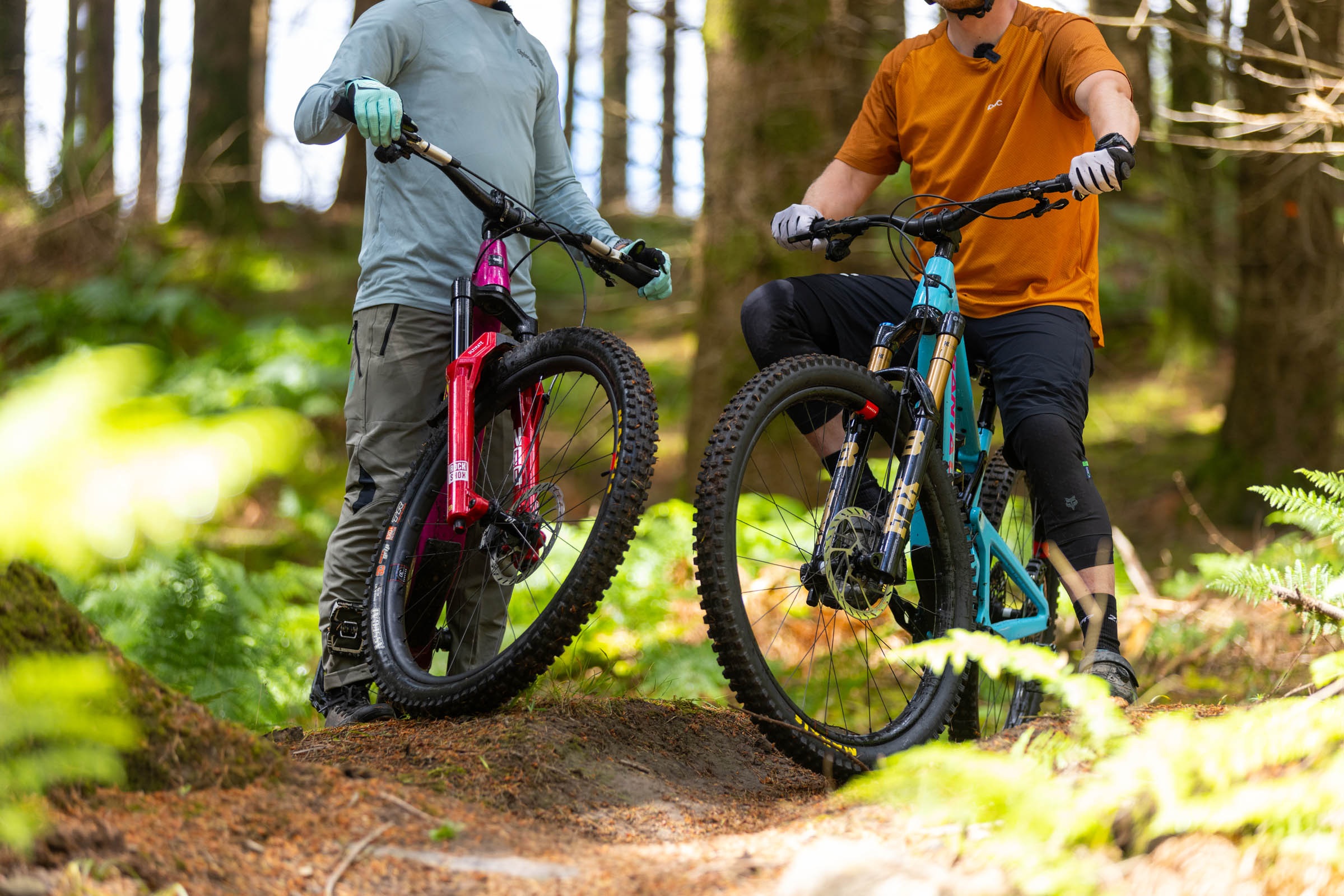
When all is said and done, I’d gravitate towards the RockShox ZEB. I love how the Fox 38 handles, and I’m a big fan of the way it softens the nastiest edges, rides nice and tall in its travel, and offers effective damping control. It’s a definite jump in performance over the previous 38, offering a smoother ride and more traction.
All of these traits, combined with the damping on offer, make for an impressive ride, and one I really liked, although it may need a little more tuning to suit my lighter weight. That said, this is certainly one to consider if you’re a heavier or harder rider who likes hammering down steep trails.
However, the ZEB edges it when it comes to outright comfort, thanks to how it beavers away so frantically, yet still offers decent support and feels so impressive deep into the stroke.
It still offers the support I’m after and masses of grip when the trail gets loose. At my weight, the damping adjustment feels very effective and useful too. And, yes, it helps that it’s nearly £200 cheaper than the Fox fork.
Both forks are seriously impressive on the hill, but the ZEB narrowly takes the win.