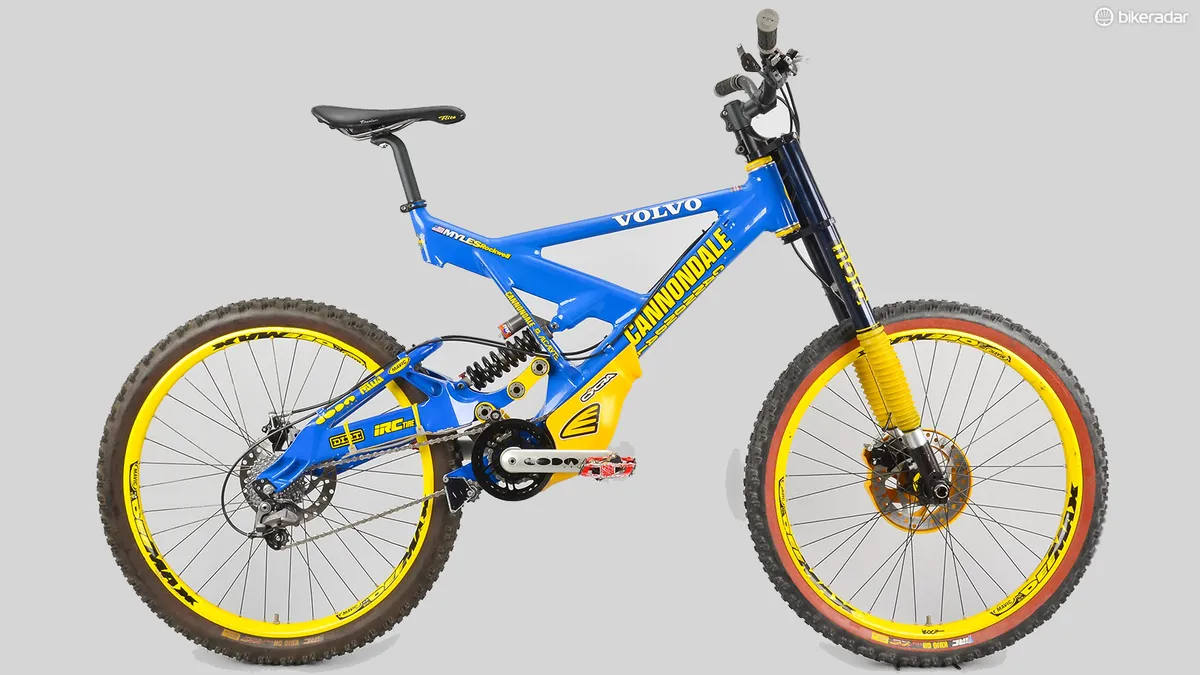
Joe Montgomery was central to all of Cannondale’s innovation throughout the brand's early days. Nothing was off the table when it came to boundary pushing, be it the use of aluminium or wild concepts – some of which made it to production.
I own six Cannondale bikes of varying vintages, yet still lust after a Killer V, a Beast of the East, a single-pivot Prophet, or even a Moto. Then there’s the most extreme take on small-wheeled urban bikes, the Hooligan… a Saeco-era Six13 replete with ’Legalize my Cannondale’ kit… I could go on.
I like the look of the FlyingV urban ebike, and I’m also bristling with excitement that there's a new CAAD road bike on the way.
Cannondale has never been afraid to push boundaries and challenge the norm, both in materials and concepts – think about the weird and mostly wonderful we’ve seen from the brand over the years.

The Cannondale trailer
Back in 1971, pioneer of bicycle design, Joe Montgomery, saw a rider pedalling up a steep hill wearing a heavy backpack. That sparked an idea, which led to Cannondale’s first product. ‘The Bugger’ became the template for all bicycle trailers that have followed.
Cannondale started in a loft space above a pickle factory near the Cannondale railway station in Wilton, Connecticut. The brand initially made bicycle accessories, mainly for touring, with the legendary Wilderness series bags setting a template for modern touring and arguably bikepacking way back in 1973.
Alloy ahoy

Thanks to Joe, along with his partners, Murdoch MacGregor and Ron Davis, the business expanded. It was another of Joe’s thoughts that saw Cannondale take its first steps towards becoming one of the most innovative bike brands around.
Joe, a keen sailor, was inspired by his boat's lightweight but very strong aluminium mast. We’d seen aluminium used in bike frames before, but this being Cannondale, it was very different.
Most aluminium bicycle frames followed the steel template, some even using lugs and bonding for construction. Cannondale, however, went big, with massively oversized tubes and smooth welds.
Those late-1980s road bikes, such as the 2.8 Series, pushed boundaries with 2in-diameter tubes. I can recall seeing those in stores, and being amazed at how big they looked and how light they were. Roadies used to slender steel and elaborate lugs were shocked; some were appalled. I thought they looked like the future.
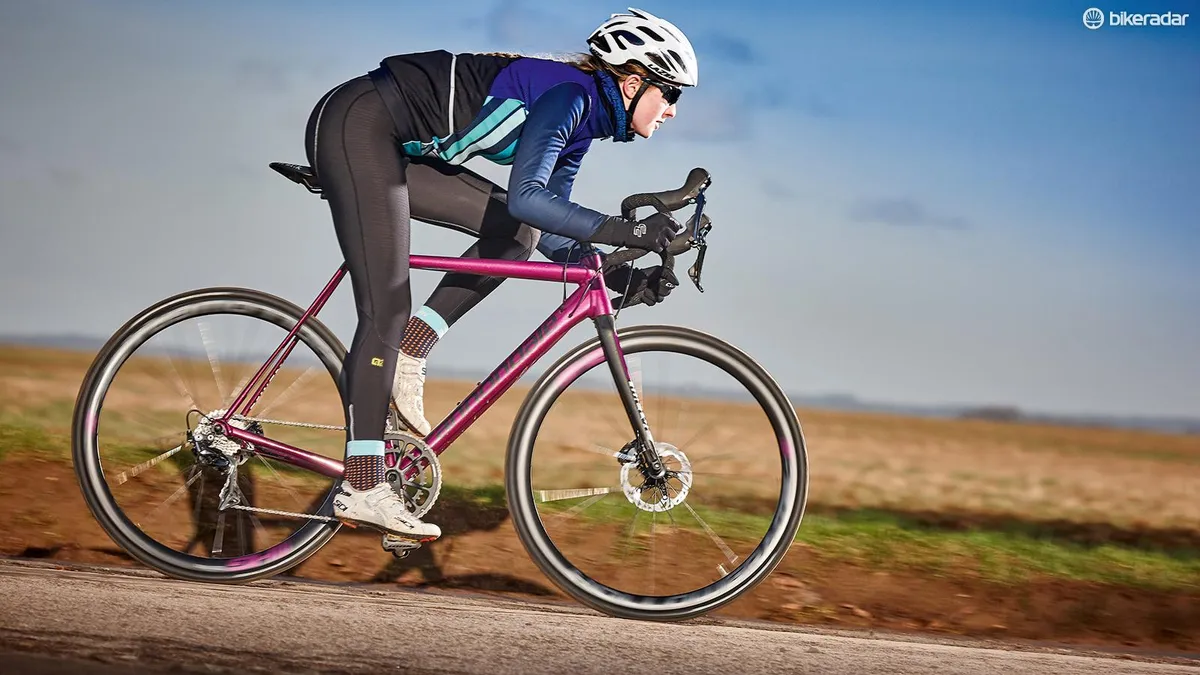
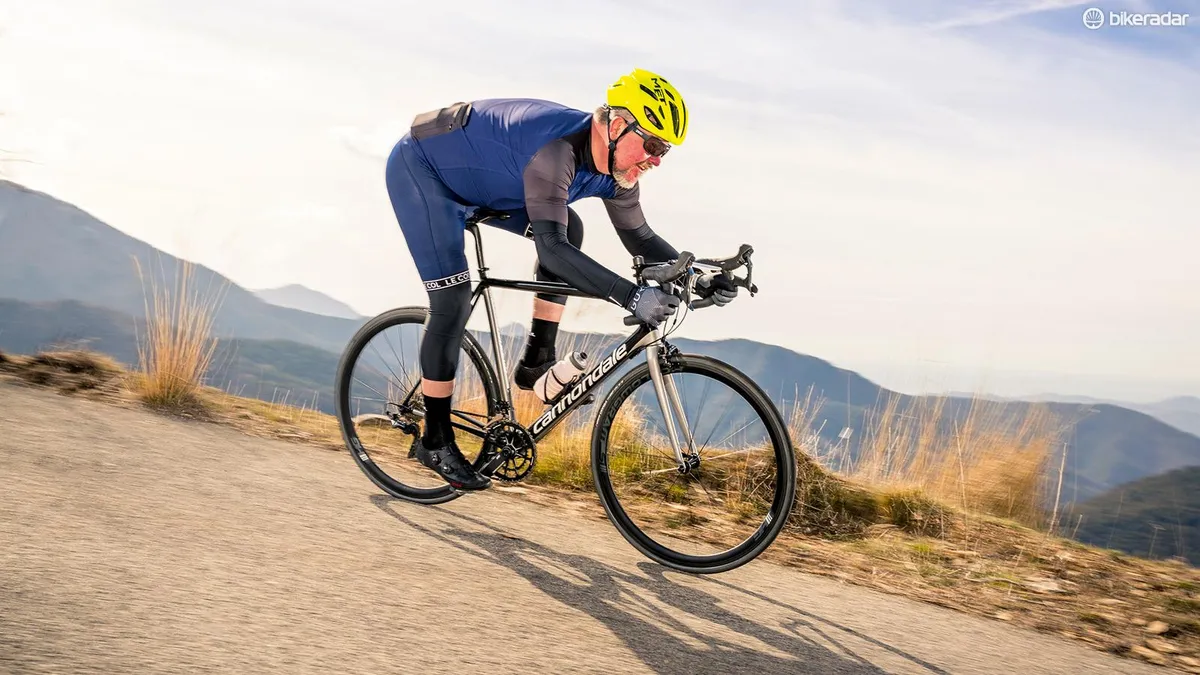
The advent of CAAD aluminium bikes, with the debut of the glorious CAAD3 in 1997, showcased Cannondale’s mastery of aluminium, which continues to this day in the shape of the brilliant CAAD13.
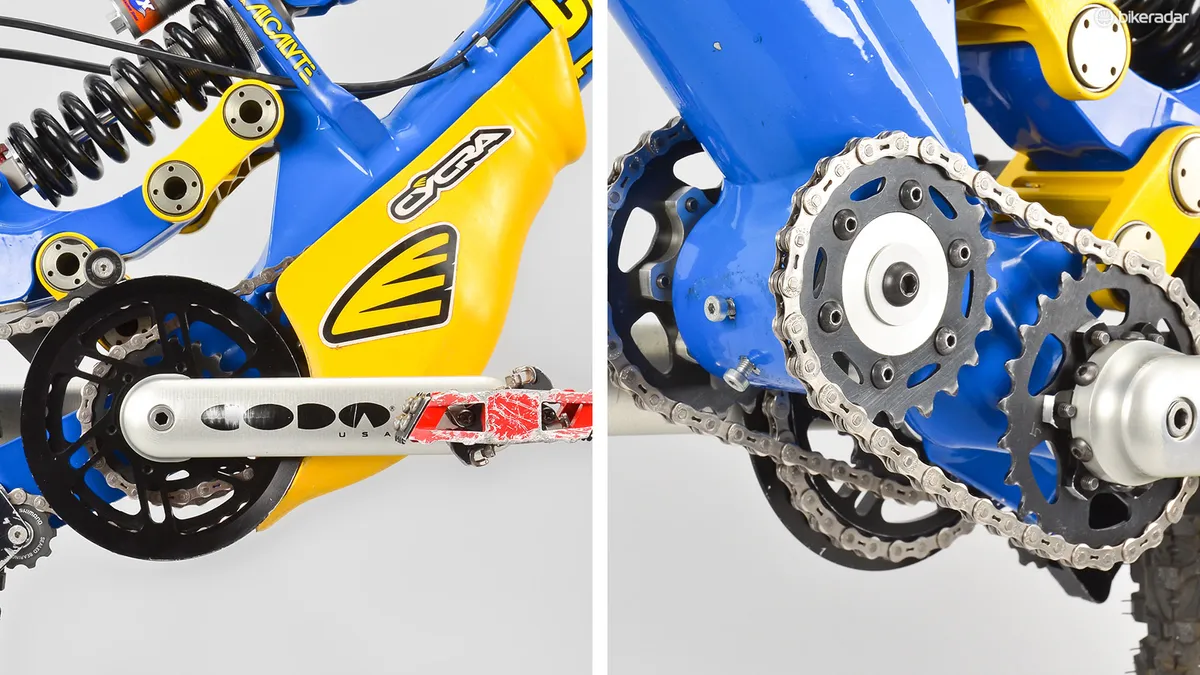
Back in the 80s, 90s and early 2000s, Cannondale pushed boundaries like no other brand: the HeadShok, Lefty fork, BB30, one-piece chainrings, flexible stays, unique drivetrains for suspension bikes, the 24in-wheeled SM-500 mountain bike with powerful BMX brakes and a bent for technical off-roading.
The HeadShok-equipped Silk Road was decades ahead of comfort-enhanced gravel and endurance bikes such as Specialized’s Roubaix and BMC’s URS.
Then there was the original Beast of the East mountain bike, which pioneered a mullet setup with a 24in rear wheel and 26in at the front. This was in 1986.
The list of examples of Cannondale’s creativity and unwillingness to settle for the status quo is long.
Encouraging innovation

Back in the heyday of the Eurobike show, it was the highlight to head to Cannondale to see its concepts on display, such as the R4000 Roller Blade – a time trial bike with a roller blade rail replacing the front wheel.
There was also a road bike with morphing geometry, called the CERV. I even rode a prototype concept ebike back in the 2000s with Bosch power around the halls of Eurobike after the show had closed. I loved the way-ahead-of-its-time full-sized folding onBike concept dreamt up by Torgny Fjeldskaar, too.
Fjeldskaar forged his reputation at Cannondale and has gone on to design for the likes of BMC, Fizik and Colnago, along with his Hooligan-inspired Fjeld BØK H2 cargo bike. He told me: “Joe was still with Cannondale when I started, but I only met him a few times, but that was more than enough to see what a truly special and inspiring man he was.
"He was a larger-than-life character, with a positive energy and visionary spirit that made everyone feel like anything was possible."
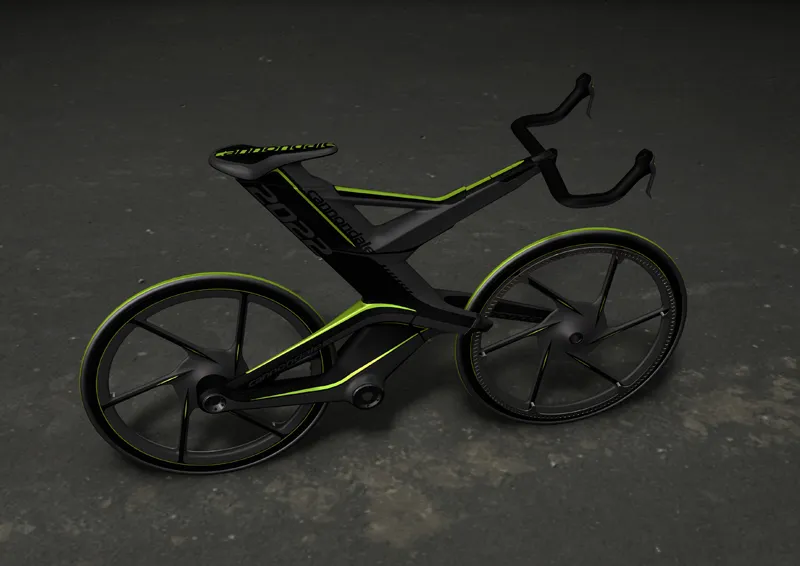
“Beyond all the innovation and brand building, what stands out most to me is the unique culture he created at Cannondale. One of his dogmas was to 'hire your customer', and that mindset made all the difference. Having that many people willing to push the envelope and go the extra mile is incredibly valuable – and incredibly rare.”

To this day, the bond between former Cannondale employees who worked under Joe remains strong, and they all speak about that time as a particularly special chapter in their lives, which speaks volumes about the legacy Joe left behind.
A visionary boss
Murray Washburn, global marketing manager for product, has been at Cannondale for as long as I remember, and I asked him for his take on Joe’s legacy. “I am so grateful to Joe for what he created, and what I’ve been able to be a part of for almost 30 years now. Joe was a hell of a character. Larger than life,” he told me.
“Joe was full of vision, energy and determination, and willing to bet big and take risks to create something special. He really is at the core of what makes Cannondale, Cannondale… a rare combination of pragmatic realism and unshakeable optimism.
"He believed in people, that if you hired passionate, intelligent people, and set them free to do great things, anything was possible.
“He inspired people to dream big and take chances in the pursuit of making cycling better, ignoring trends, consensus, and the status quo.
"He created an environment where good enough was never good enough, and the easy way was rarely the right way. His mantra was always, 'are we pushing hard enough? Are we making big leaps instead of small steps? Are we daring to be great?'.
"It made for an incredibly dynamic, exciting, innovative company that made an outsized impact on the entire cycling industry. He wasn’t flawless or perfect.”
Not afraid to fail

The sheer confidence inherent at Cannondale hasn’t always paid off – the ill-fated MX400 motocross bike from 2000 being the most infamous example. By all accounts, a groundbreaking design, the trouble was developing a complete motocross platform from scratch proved monumentally expensive, which led to bankruptcy and nearly put Cannondale out of business.
Even that didn’t stop Cannondale; innovation is in the DNA of the brand – just look at the mountain of wonderfully different and boundary-pushing designs across road, mountain, gravel and urban bikes it has released since then.
Washburn told me: “That appetite for risk and invention brought with it its fair share of misses and failures, but more often it unleashed real, groundbreaking progress. And even the failures were welcomed as opportunities for learning and improvement, and the ability to do better next time.
"One of my favourite memories of Joe was when the chips were down, he would often walk around the office, jingling a fistful of coins, saying, 'You hear that? That’s change. Change is good. We like change!'. The industry could do with a few more characters like him. Happy trails, Joe. You left a hell of a legacy.”

As Clive Gosling, long-time Cannondale employee and now brand director of Nukeproof, put it: “Godspeed Joe Montgomery, an industry titan, a true visionary, and a wonderfully humble human being.”
So farewell, Joe, and thanks for the bikes, and your legacy that’s spread throughout bike design.
Graduates of the school of Cannondale can be found in the likes of Specialized, Ridley, Nukeproof, Colnago, Cervélo, BMC and countless others. Long may that continue.