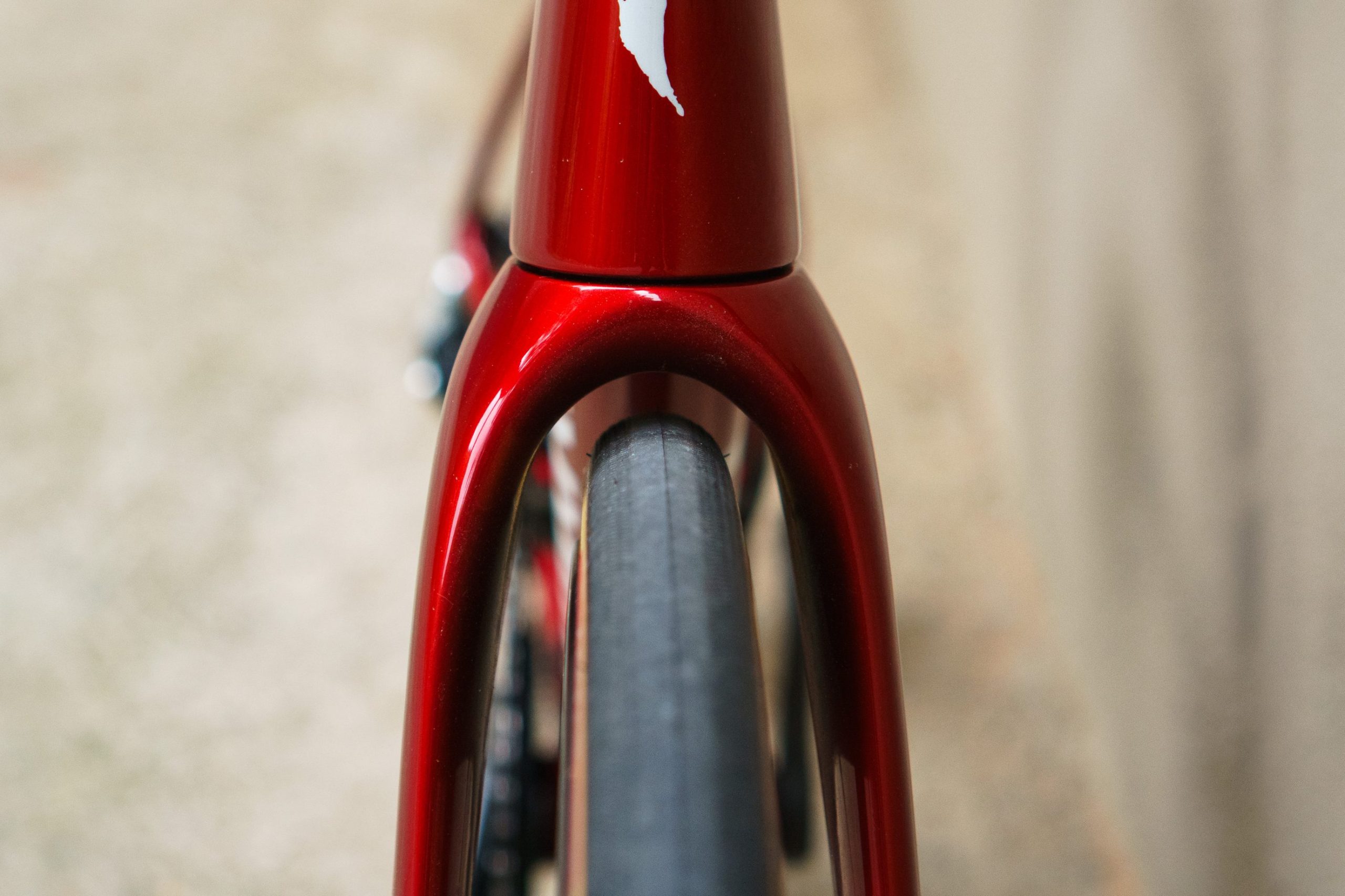
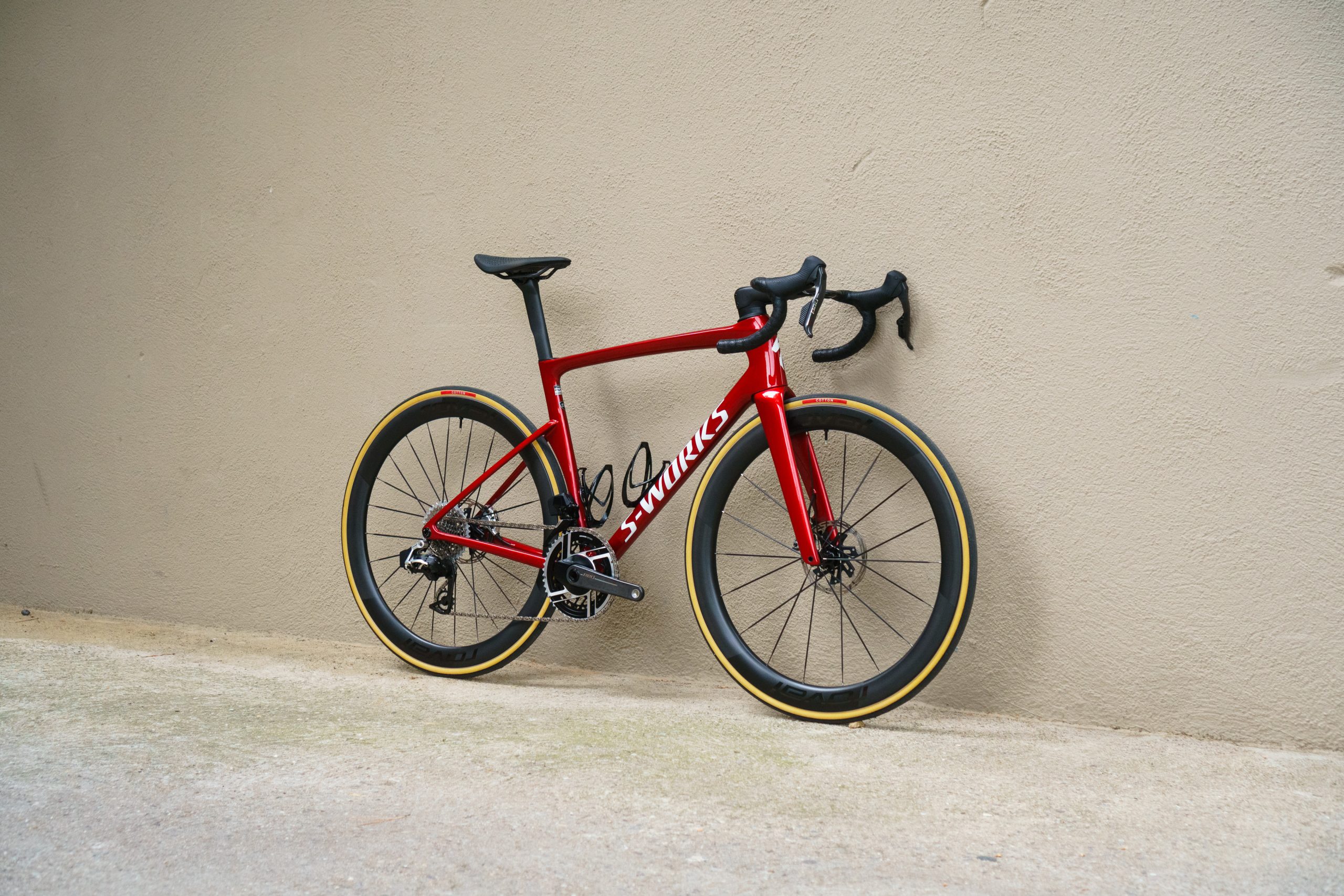
Specialized has officially announced the release of the new S-Works Tarmac SL9, which it claims boldly is “the fastest road bike ever made”.
Launched as its most aerodynamic road bike ever, Specialized says the Tarmac SL9 offers a 4-watt aerodynamic improvement at 45kph, or 28 seconds saved over a 100km Grand Tour-style stage, compared to the outgoing Tarmac SL8.
Rather than going full-aero and reviving its Venge aero road bike platform, Specialized has stayed true to the lightweight-all-rounder formula of the Tarmac.
Complete builds with an aero cockpit and wheels start from 6.5kg, for the £11,999 / $14,000 / €13,999 S-Works Tarmac SL9 with SRAM Red AXS (size 56).
At a launch event in northern Spain, Specialized also showed off a climbing build with its Alpinist components that weighed only 6.1kg.
To find out how it rides, read my first-ride review of the Specialized S-Works Tarmac SL9 AXS, otherwise keep reading for all the details of this hotly anticipated new bike.
One bike to rule them all
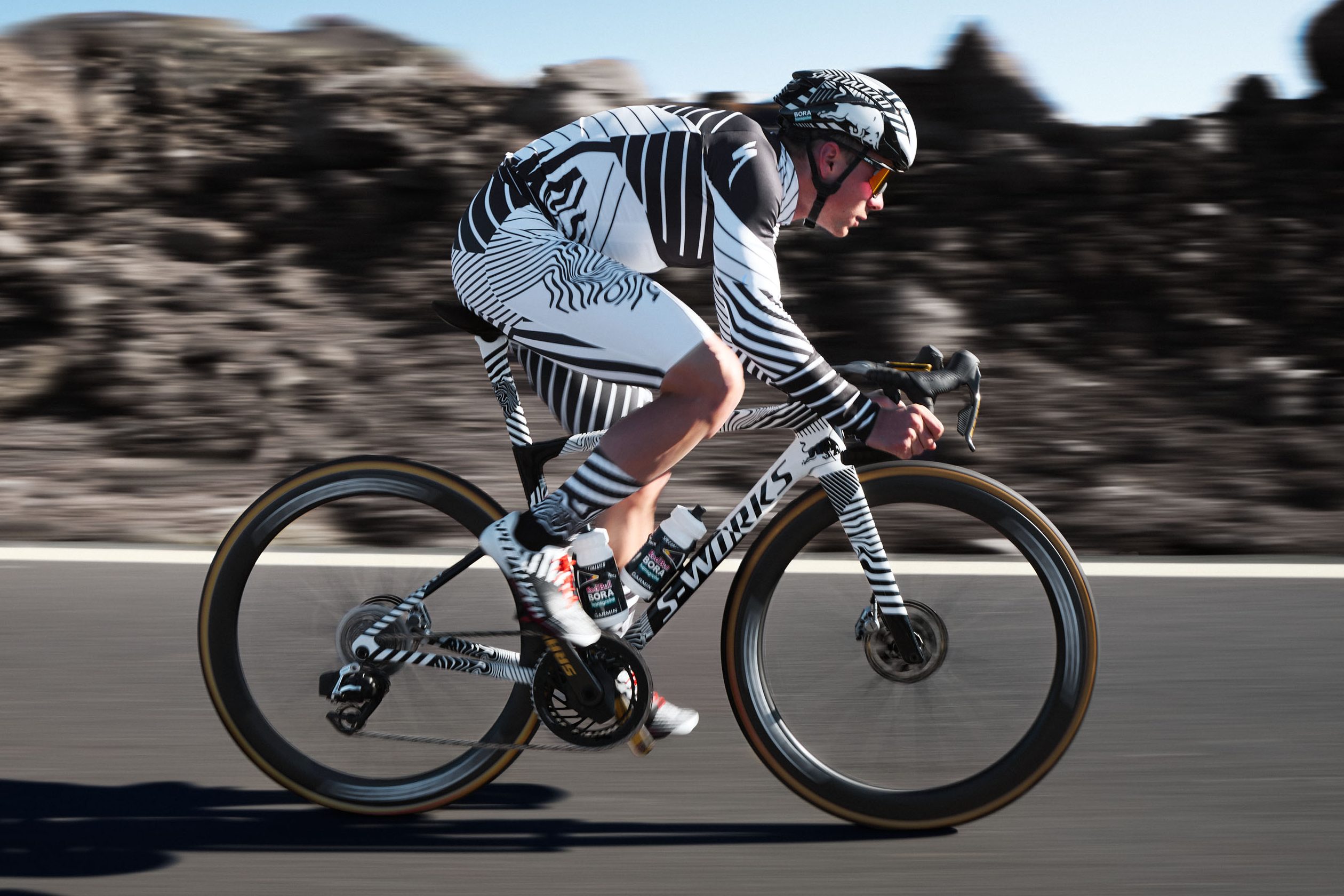
As with the recently launched Crux 5 gravel bike, the key performance metric Specialized kept in mind when designing the Tarmac SL9 was what it calls “time to finish”.
This is, says the brand, “the only metric that matters”.
Lionello Bardina, Specialized’s lead aerodynamicist, says: “Anyone can go after making the most aero bike, the lightest bike… The only thing that matters is getting to the finish line the fastest.”
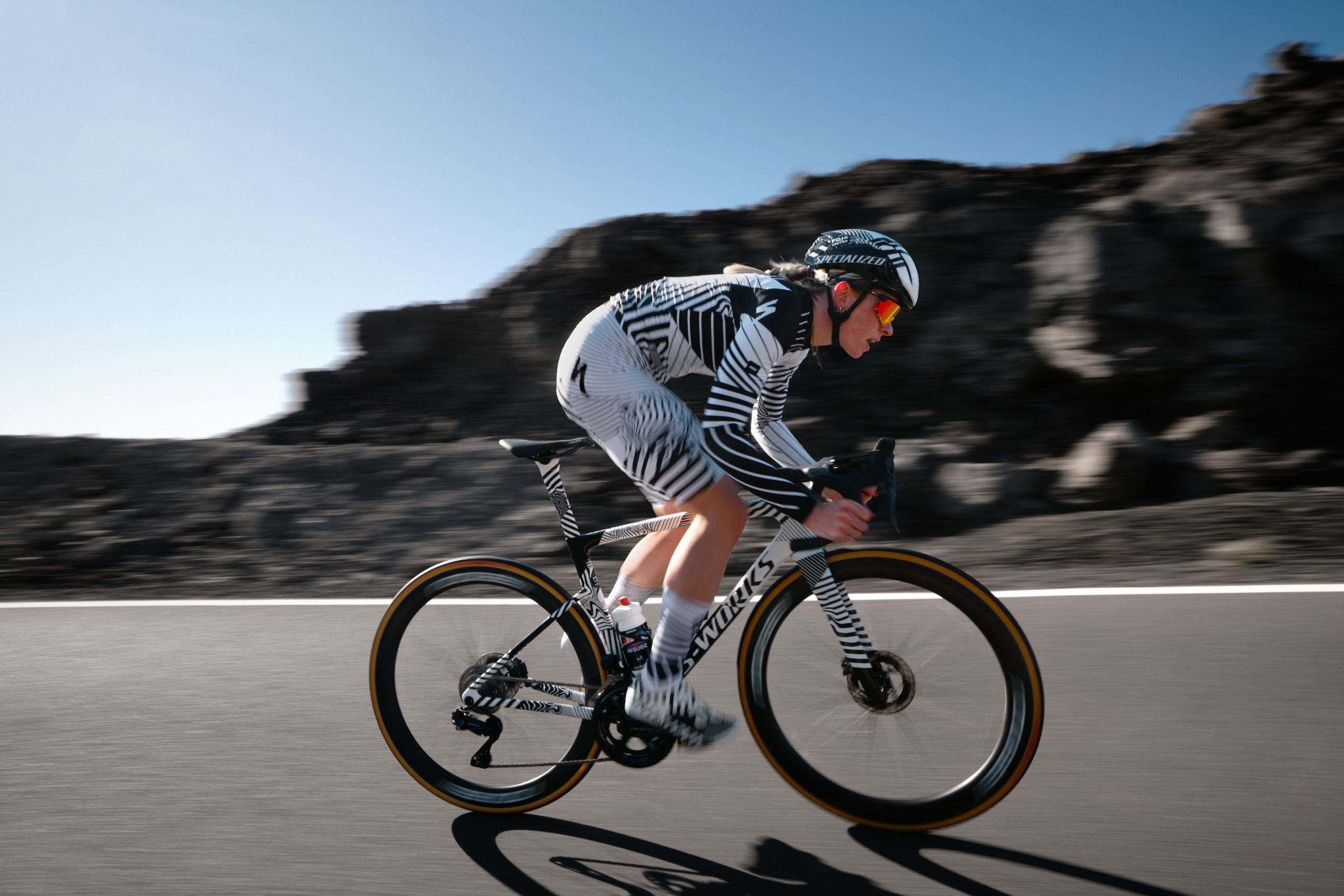
To determine what the ‘fastest’ mix of parameters is – whether that’s aerodynamic efficiency, weight, stiffness, ride quality and so on – Specialized says it uses complicated performance modelling to simulate race outcomes.
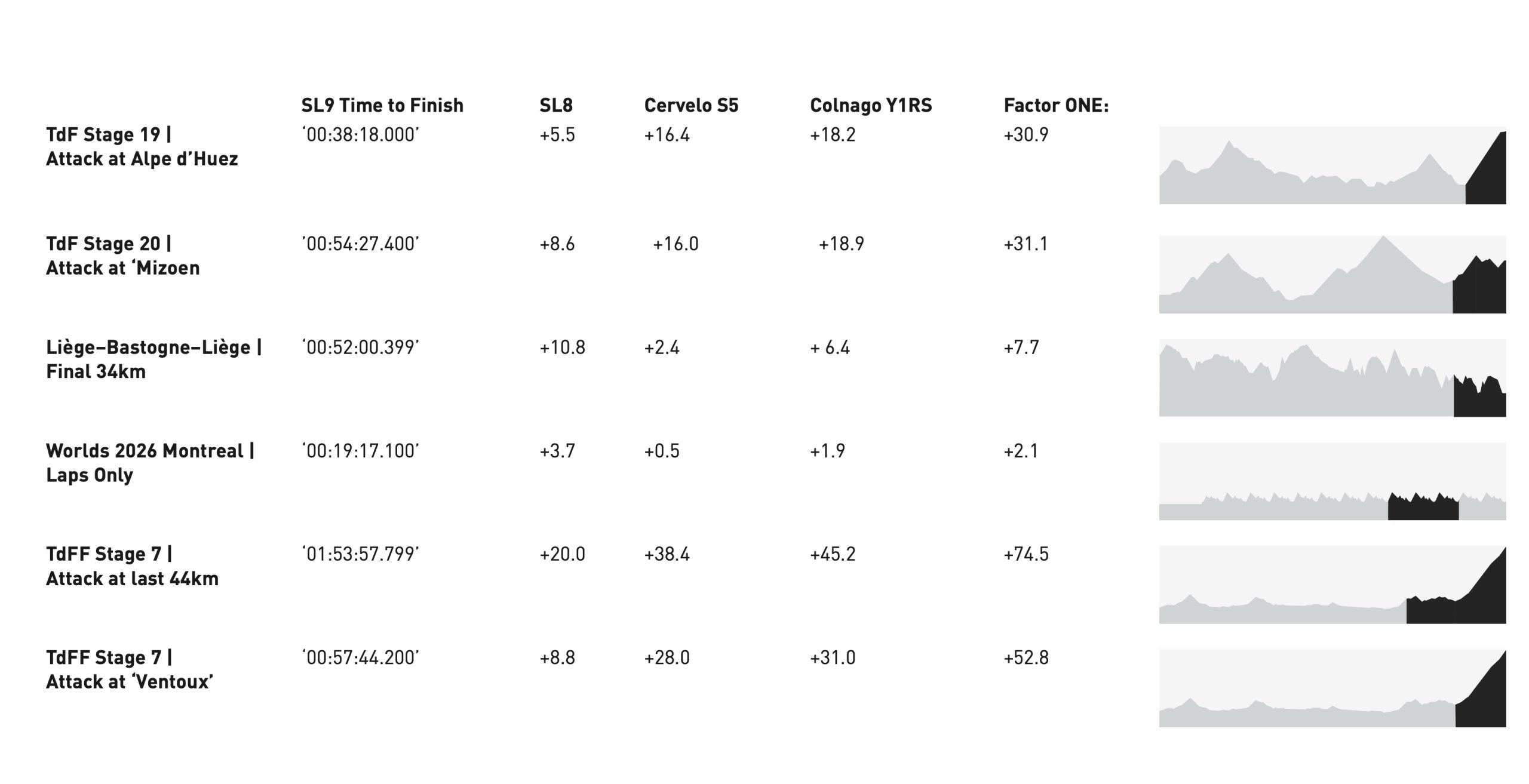
These simulations are based on ‘real’ races, including key sections of races such as the Tour de France and Tour de France Femmes, Liège–Bastogne–Liège and the 2026 world championships road race course in Montréal, and a “representative 100km course” made to replicate the conditions often experienced during Grand Tours.
Specialized says its models take into account as many details as possible, including a rider’s input (their power), as well as their mass, the mass of their apparel, and even environmental conditions such as weather, wind and air density.
| | Tarmac SL9 | Tarmac SL8 | Colnago Y1Rs | Cervélo S5 | Factor ONE | ||||
|---|---|---|---|---|---|---|---|---|---|
| Wheels | Roval Sprint CLX | Roval Sprint CLX | ENVE 4.5 Pro | Reserve 57/64 | Black Inc. 64 | ||||
| Groupset | SRAM Red AXS | SRAM Red AXS | SRAM Red AXS | SRAM Red AXS | SRAM Red AXS | ||||
| Cockpit size | 110x380mm | 110x380mm | 105x377mm | 100x380mm | 110x380mm | ||||
| Tyres | Specialized Cotton TLR, 700x30c | Specialized Cotton TLR, 700x30c | Continental Archetype, 700x30c | Vittoria Corsa Pro TLR, 700x29c | Goodyear Eagle F1, 700x30c | ||||
| *All bikes in size 56cm, set-up with same saddle height with no spacers under cockpit | |||||||||
| Grand Tour stage 100 km* | 2hrs 43’ 44’’ | +28s | +34s | +18s | +63s | ||||
| System weight (kg) | 6.8 | 6.89 | 7.49 | 7.44 | 7.99 | ||||
| Weighted CdA (m²) | 0.2227 | 0.2251 | 0.2227 | 0.2215 | 0.2231 | ||||
| *Benchmark example. Time to finish and system parameters for a 100 km Grand Tour profile. Grand Tours are defined by variety, not a single terrain type. By analysing the Tour de France, Giro d’Italia, and Vuelta a España, we condensed their shared mix of fast flats, rolling terrain, steep climbs, and descents into a representative 100‑kilometer course that reflects the dynamics of real races. | |||||||||
The results show the Tarmac SL9 consistently finishes ahead of key competitors such as the Colnago Y1Rs, the Cervélo S5 and the Factor One.
Specialized concedes the Cervélo S5 is more aerodynamic than the SL9 – with a weighted CdA (m²) of 0.2215 compared to 0.2227 – but says this “small aero advantage” is offset by its increased weight, which Specialized puts at 7.44kg.
In comparison, Specialized says the Tarmac SL9 can hit the UCI’s minimum bike weight limit of 6.8kg ready-to-ride – meaning with pedals, bottle cages, a bike computer mount and so on – thanks to a 687g claimed frame weight (with the lightest RTP Raw Carbon / Gloss Amethyst Frost paintjob).
Specialized claims the S5’s weight penalty becomes a disadvantage on any climb steeper than 1.4 per cent.
It also says that while the SL8 remains competitive with the existing competition, Demi Vollering would have been 14 seconds faster on the decisive final stage of the 2024 Tour de France Femmes were she riding the SL9.
In theory, this would have seen her clinch the overall victory at that race by nine seconds instead of losing it by four.
Small changes
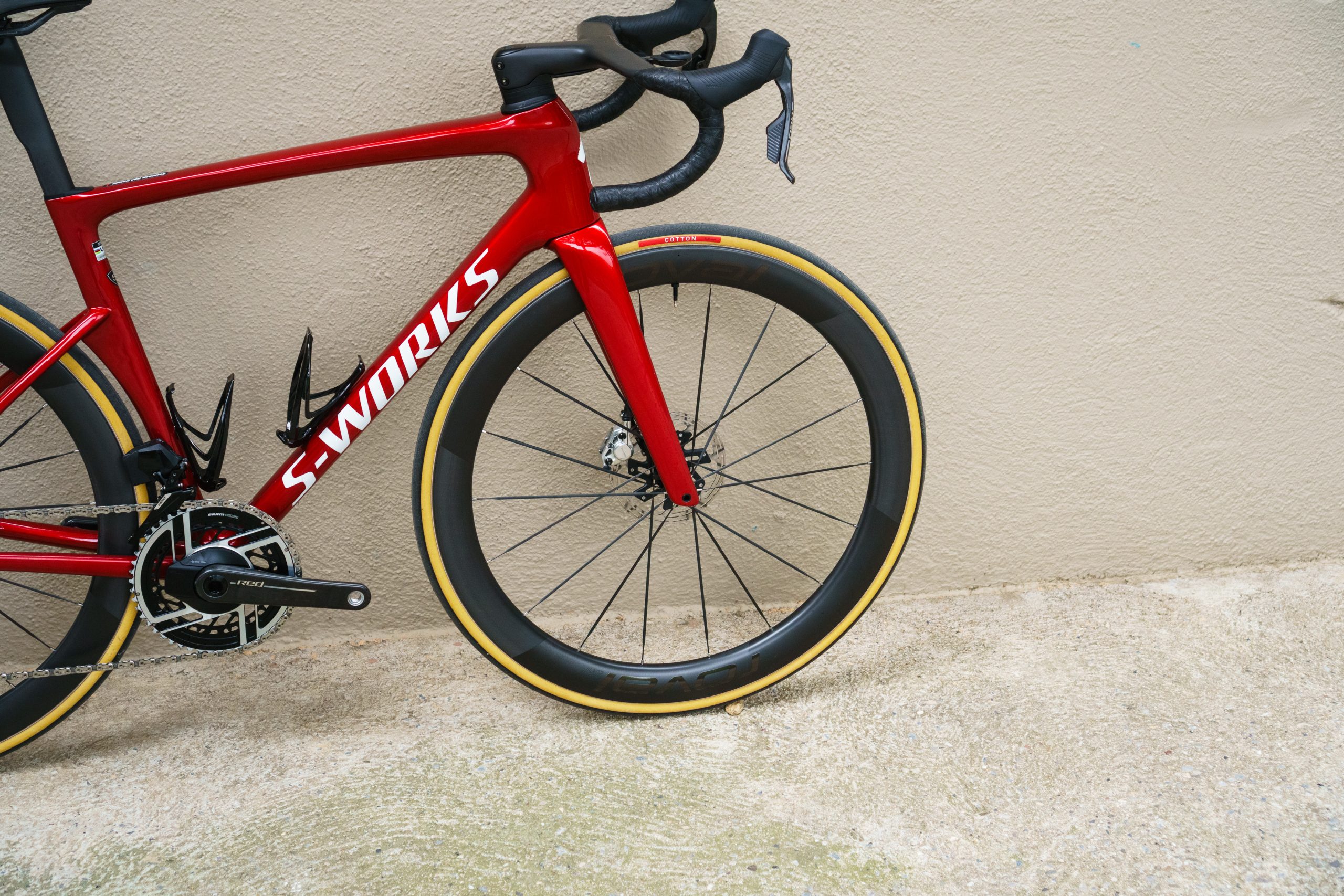
Although the performance claims are big, the changes to the bike itself are relatively small.
The main updates to the frameset come in the form of subtly redesigned tube shapes around the leading and trailing edges.
The fork, for example, has been deepened by extending it forward to meet the ‘speed sniffer’ head tube.
The rear of the fork is also shaped to flow more cleanly into the down tube, which has also been remodelled subtly to meet it.
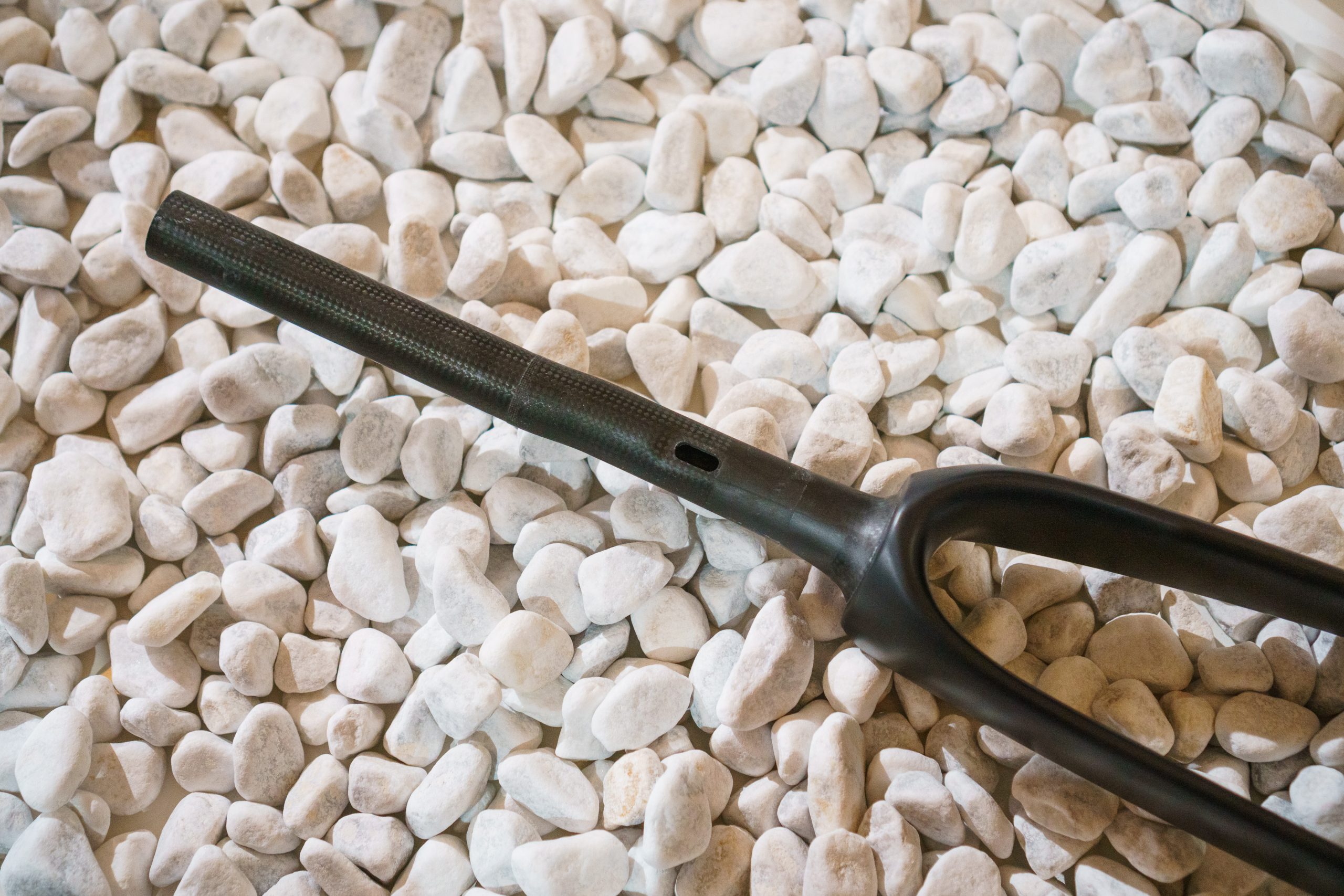
The head tube has also been narrowed by 4mm, cutting down on its frontal area by 10 per cent. Specialized has achieved this by using a 'patent pending offset steerer' that enables both brake hoses to run on one side of the steerer tube.
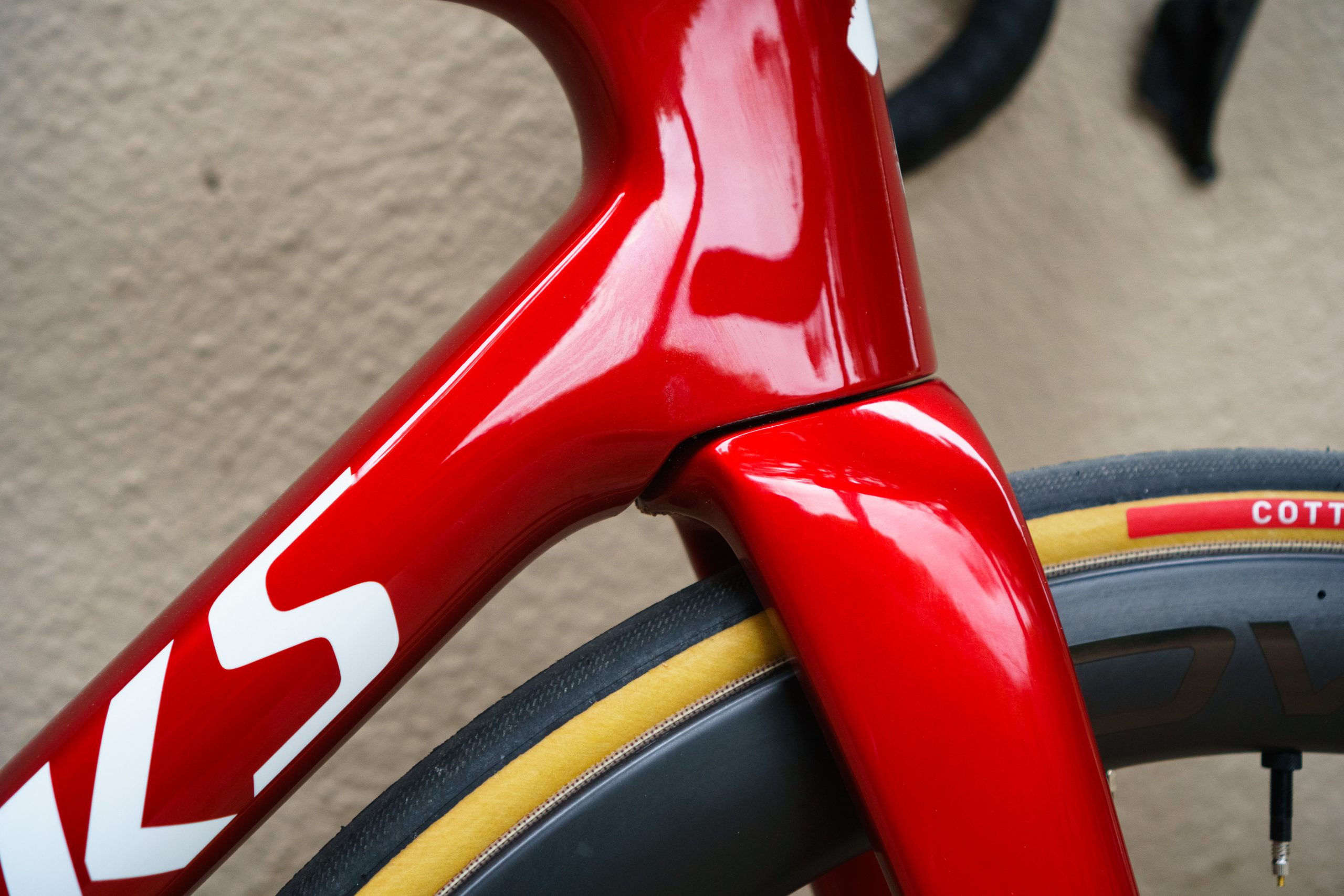
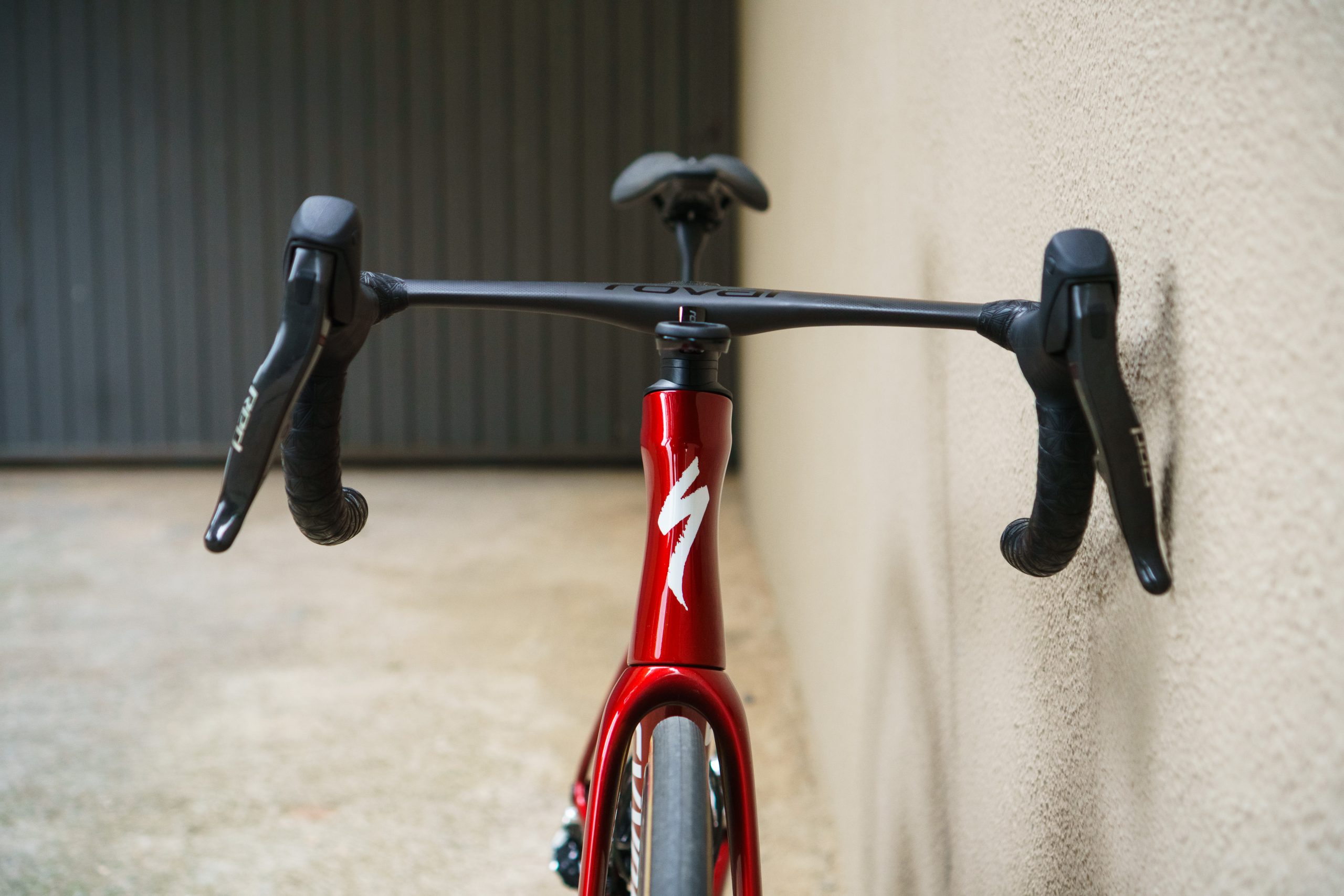
This sees the bottom half of the fork’s carbon steerer tube offset slightly from the upper section.
The upper portion of the steerer remains round and 1 1/8in, meaning cockpit compatibility is unaffected.
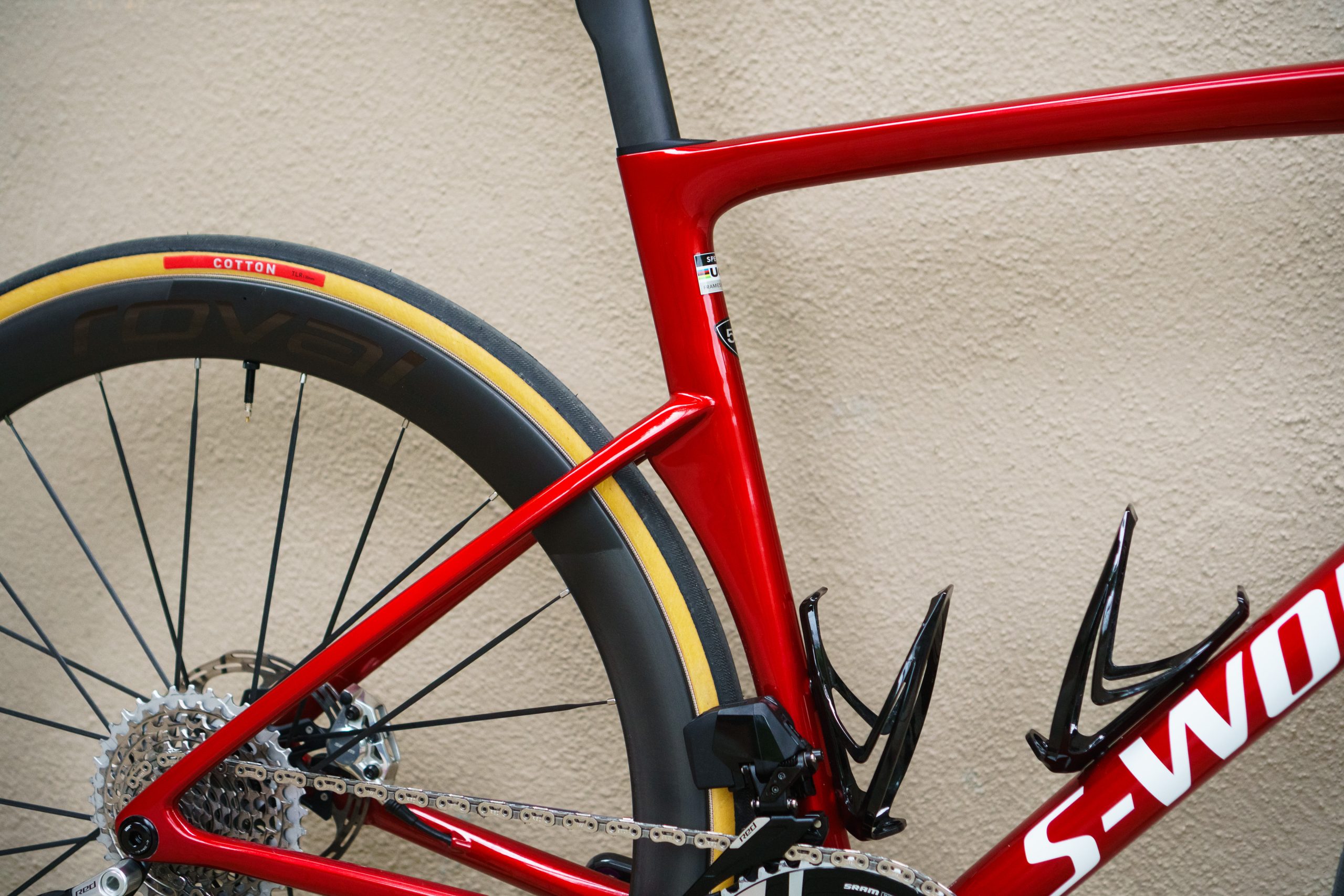
At the rear of the frame, Specialized has extended the rear of the seat tube to hug the rear wheel more closely. Specialized calls this the 'Win Fin'.
This change was made because Specialized determined that pro riders typically discard their rear bottle during key moments of races, such as breakaways and sprint finishes. Because of this detail, Specialized determined it could add material in this area for a small aerodynamic gain of half a watt (at 45kph).
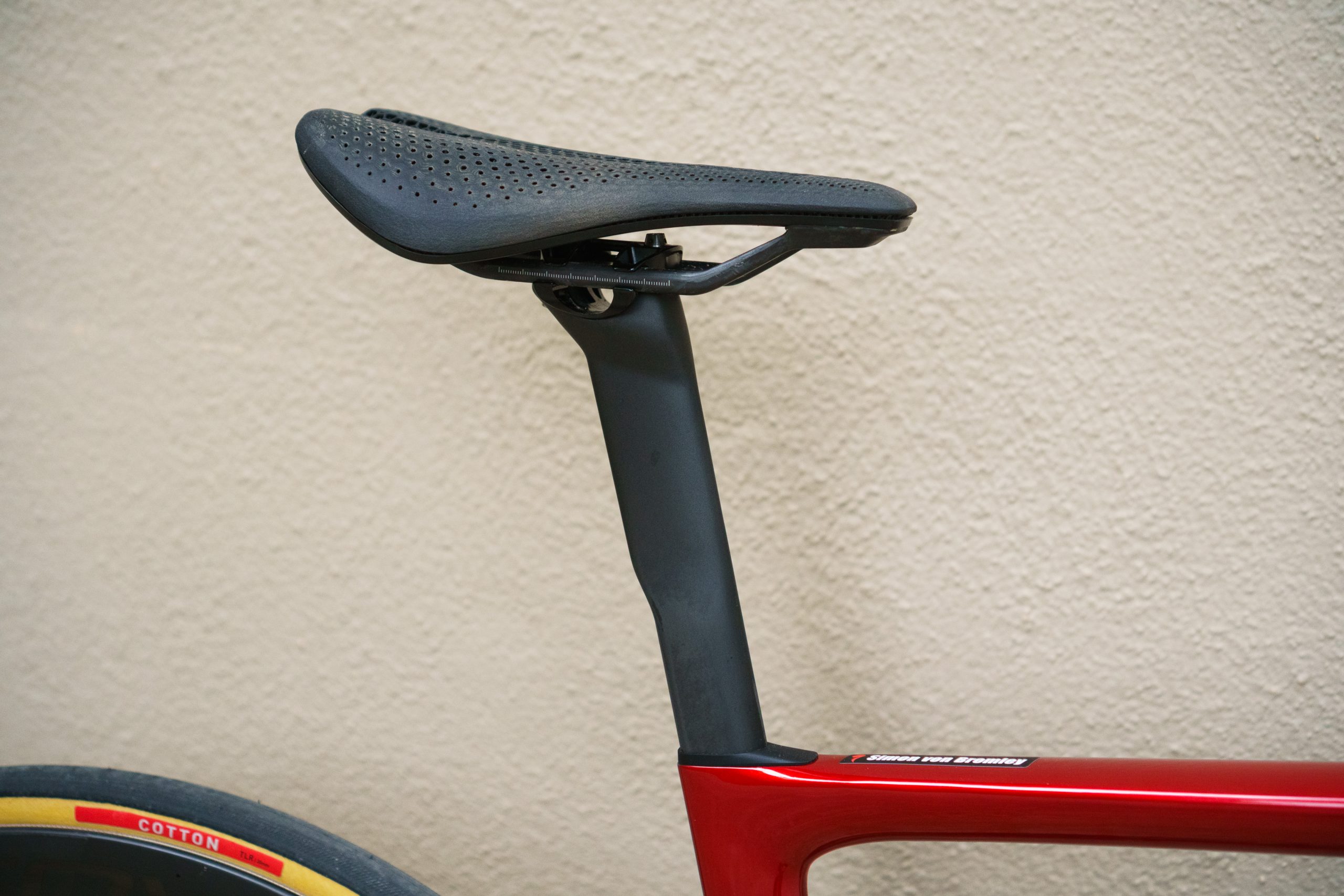
A new seatpost, called the ‘S-Works Rapide’, also gets a slimmer, deeper top section, which Specialized says “significantly enhances the aerodynamic performance of the entire frame, without losing its compliance” (although it doesn’t put a number on this).
The design reminded us of the aero seatpost Mike Burrows designed for the original Giant TCR way back in 1997, which featured a slim aero section on top of a round insertion section.
Specialized also notes the new S-Works Rapide seatpost is backwards compatible with the Tarmac SL8, so it could be a good upgrade for those who don't want to replace their entire frameset (pricing TBC).
These changes all result from Specialized’s use of a full-body mannequin in its own wind tunnel, as well as validation with real riders such as Remco Evenepoel.
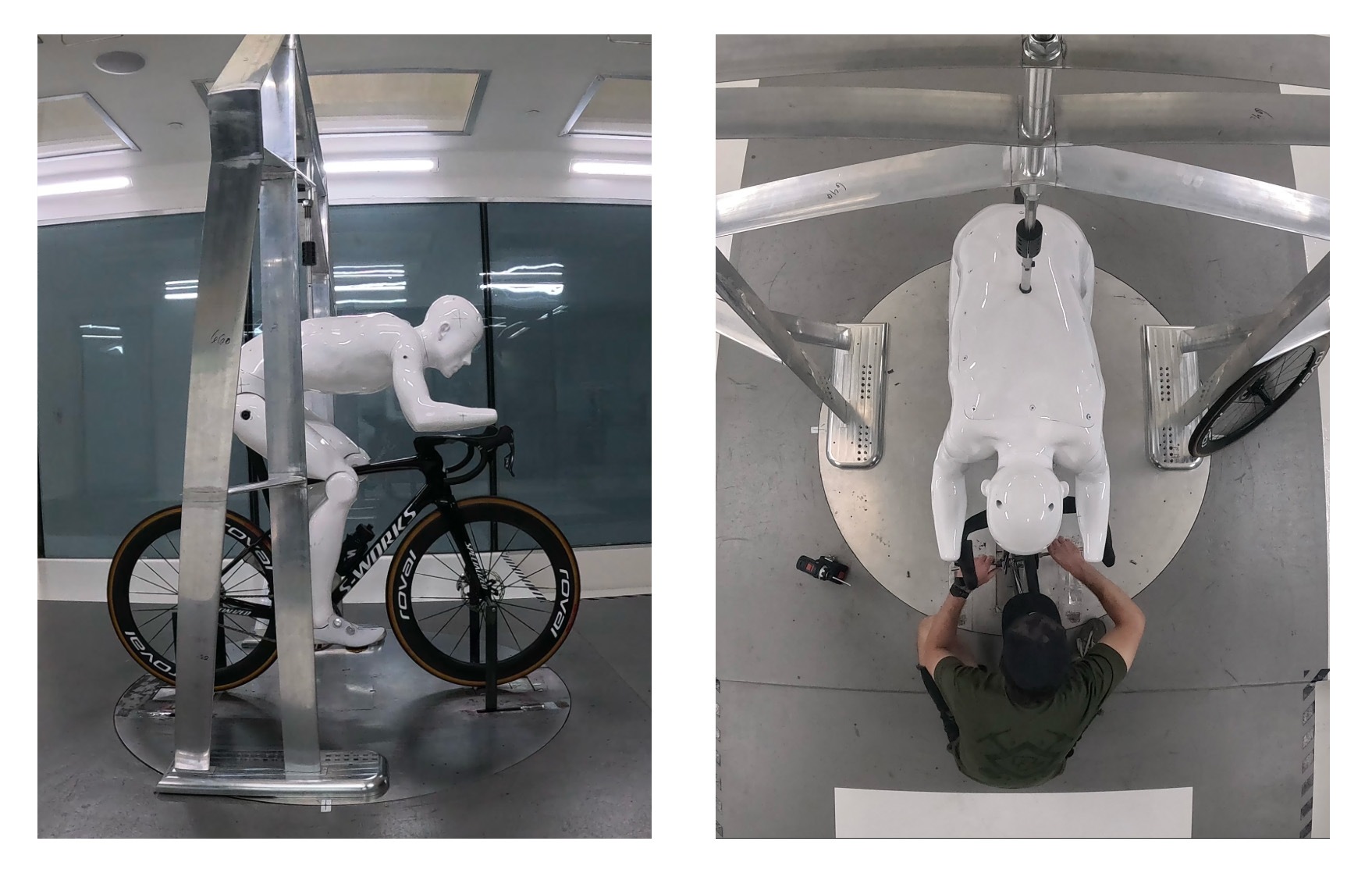
Bardina says “Data without riders is precise and repeatable but ultimately meaningless”, because bikes don’t ride themselves. The problem with ‘real’ riders, however, is they aren’t robots and have a habit of moving during tests, which can mess with the data.
“If the mannequin’s position is off by even half a centimetre, it can make a bigger drag difference than swapping the bike it’s riding”, so Specialized uses a “milimetre-accurate laser projection system” to ensure consistent positioning of the mannequin between bike swaps.
It also notes it uses a strut to support the mannequin rather than the bike’s handlebar, because changes in handlebar width can influence the results (narrower bars tend to be faster), and Specialized says it wants to measure “bike drag, not rider drag from bar width”.
Specialized Tarmac SL9 range, pricing and specifications
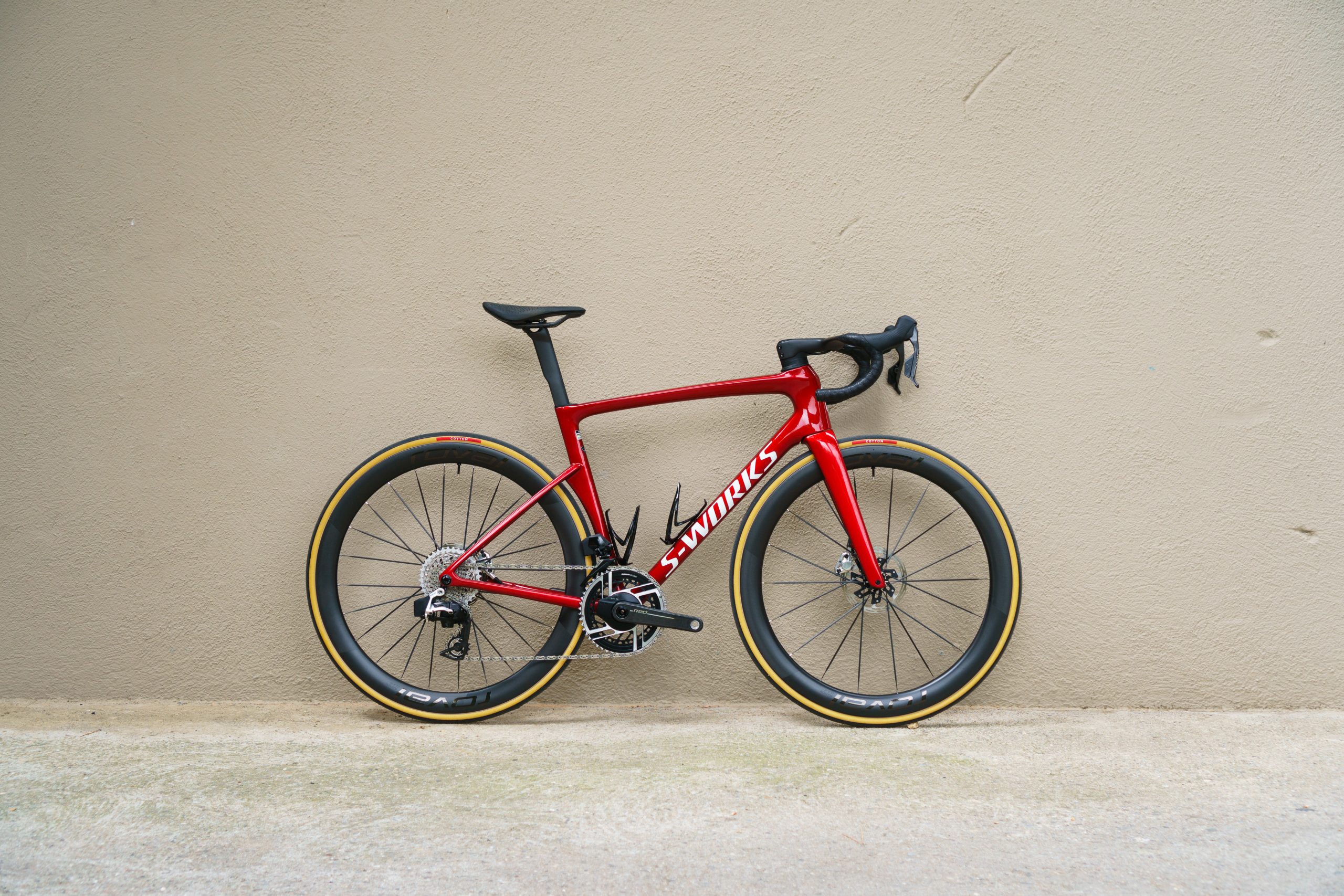
Specialized is only offering two S-Works builds for the Tarmac SL9 range at launch – one with SRAM Red AXS and one with Shimano Dura-Ace Di2 R9200. Both cost £11,999 / €13,999, but the SRAM build costs $14,000 in the US while the Shimano build costs $13,500.
There are seven sizes in the range, from 44 to 61cm, and the geometry is largely identical to the outgoing Tarmac SL8, save for the size 54cm, where Specialized made “a small adjustment to increase toe clearance with the front wheel”.
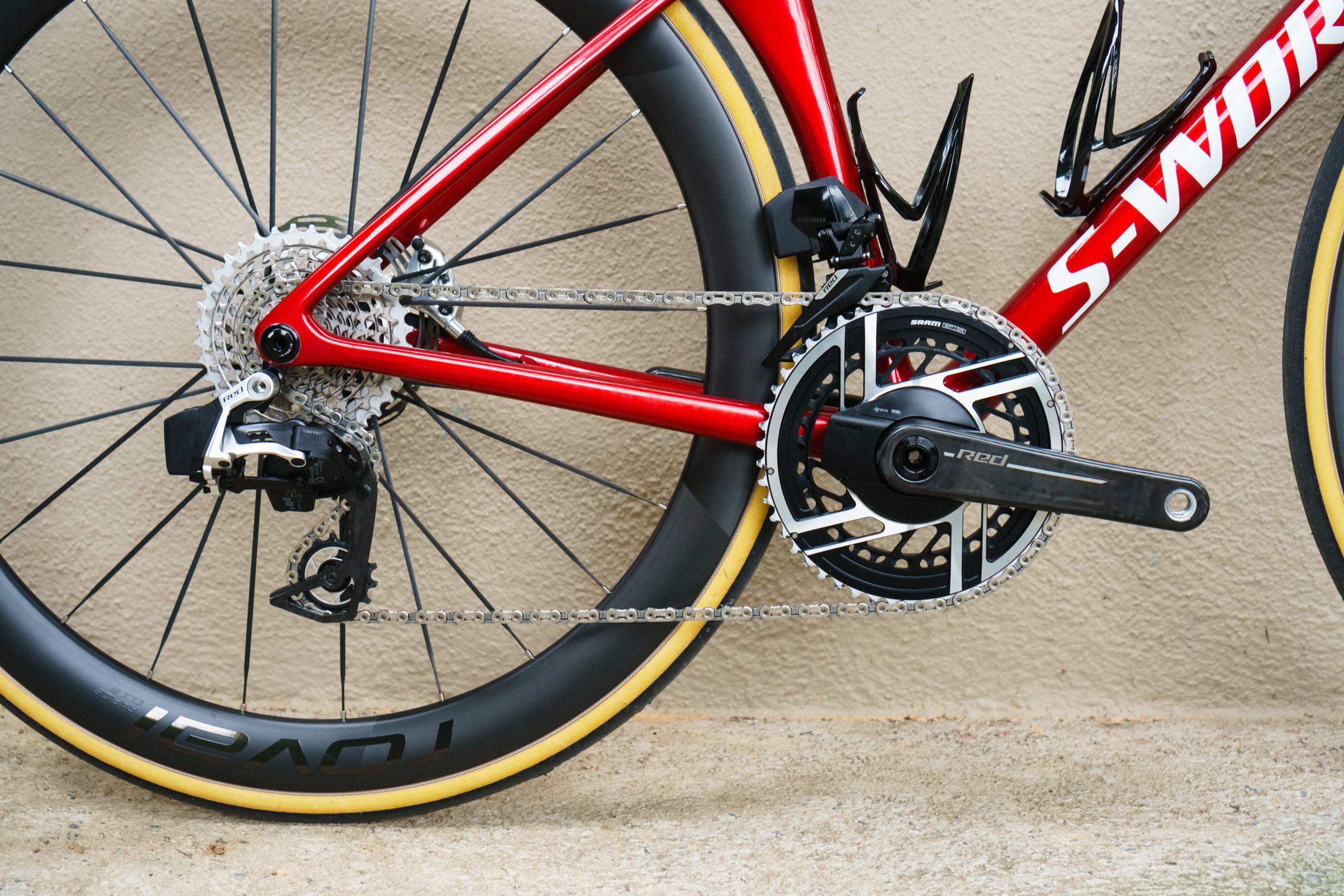
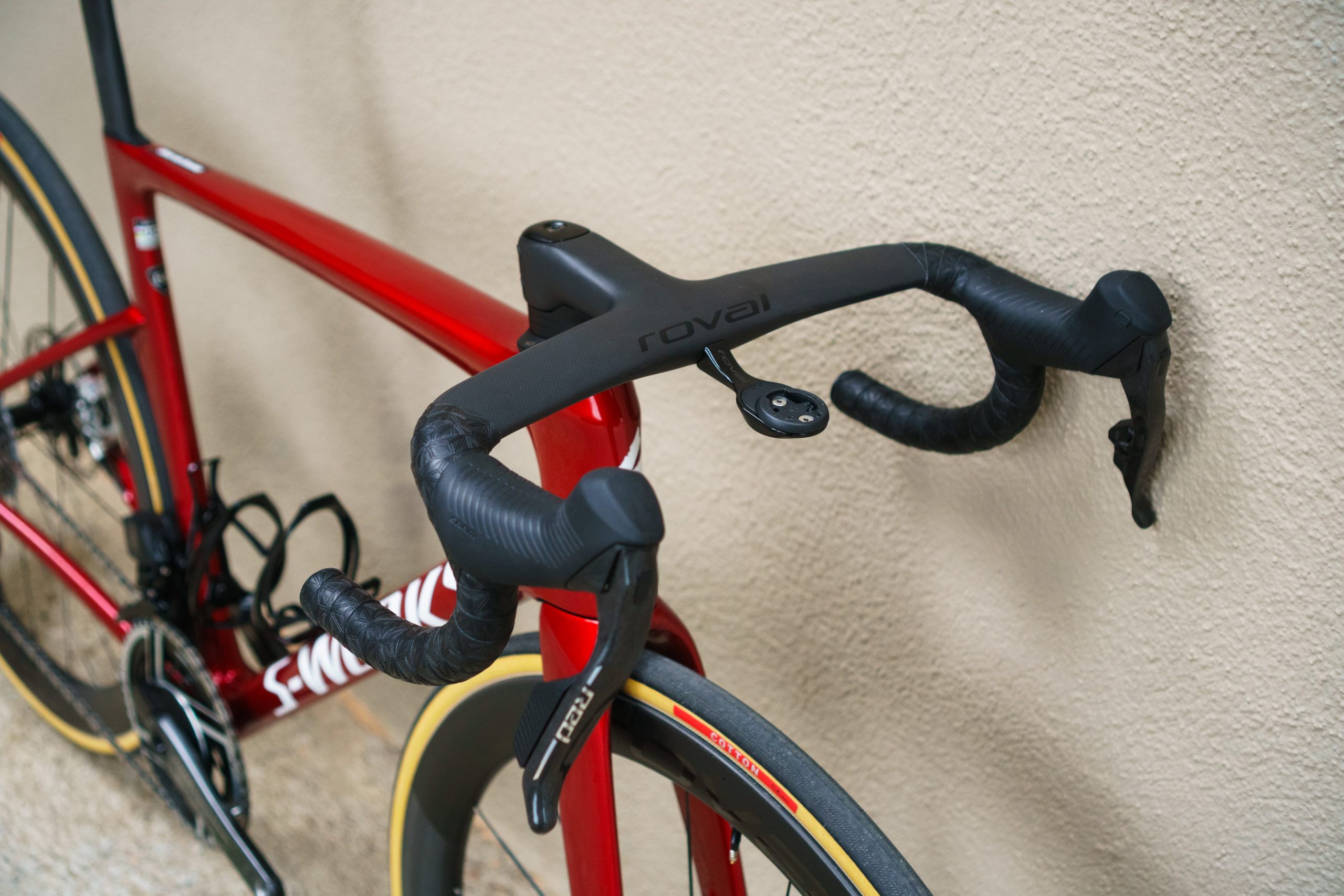
Many of the other components on the flagship S-Works builds are carry-overs from the Tarmac SL8, including the Roval Rapide integrated cockpit up front, the existing Roval Rapide CLX III wheels (with carbon spokes), Specialized’s Cotton TLR tyres and its S-Works Power EVO with Mirror 3D-printed saddle.
As before, the Tarmac SL9 also gets a BSA68 threaded bottom bracket.
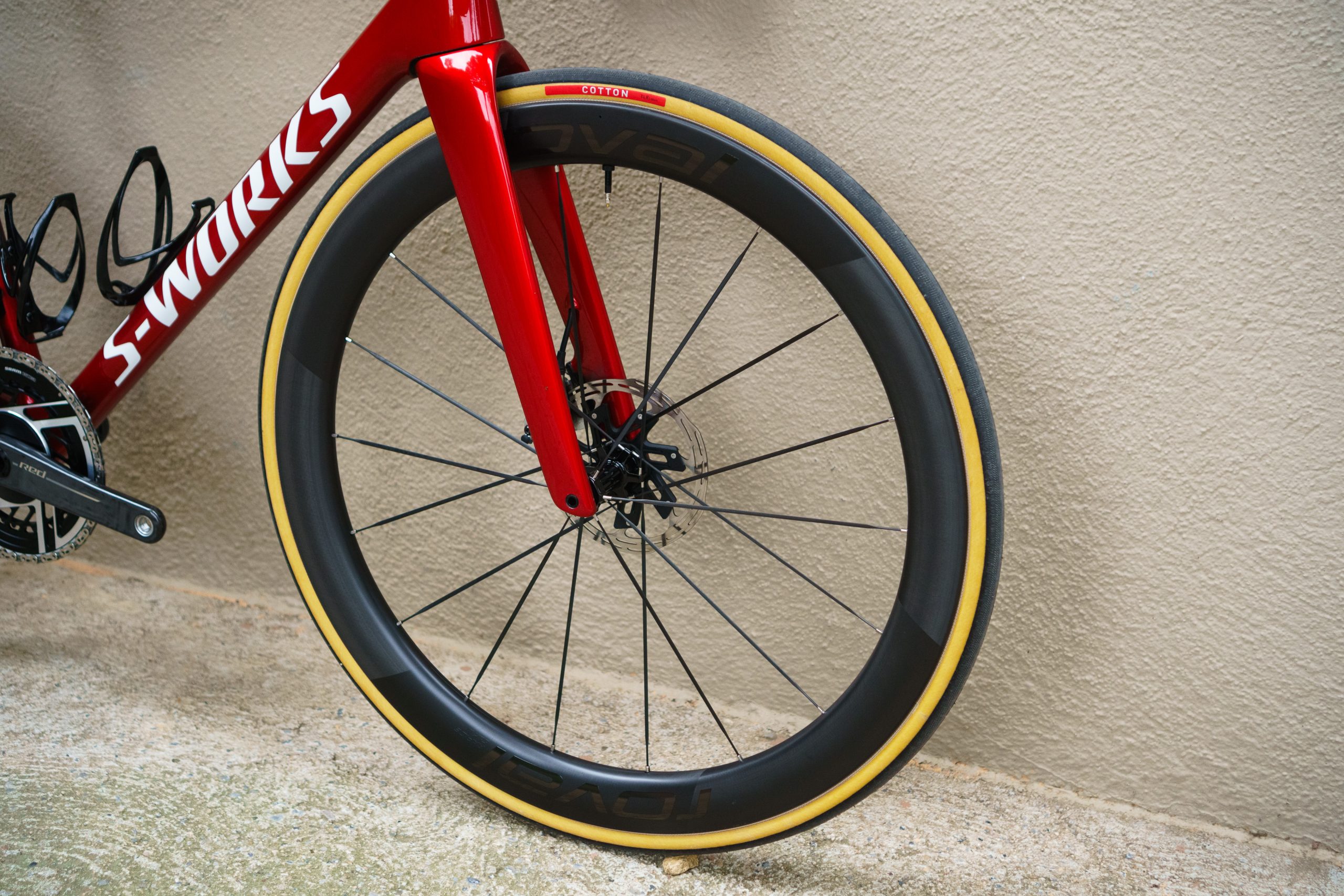
Tyre clearance remains the same, at 32mm with 4mm to spare. All models in the range ship with 30c tyres as standard, although in our experience, Specialized’s tyres tend to size up a little smaller than much of the competition.
At last year’s Tour de France, for example, most of the 30c Specialized tyres we saw measured around 29mm wide on Roval Rapide CLX III rims.