
German brand Newmen say Super Boost is “essential” when building bikes with the latest 32in wheels.
Super Boost is a 157mm-wide rear hub standard that originated on downhill bikes in the early 2000s.
As wheels swell to the emerging 32in size, the sideloading on the hub is greater. Therefore, increasing the rear-axle width could be required to retain stiffness and strength, Newmen explained in a recent white paper.
- Read more: ‘We hoped they wouldn’t be as good’: what the bike industry really thinks about 32in wheels
Super Boost is back
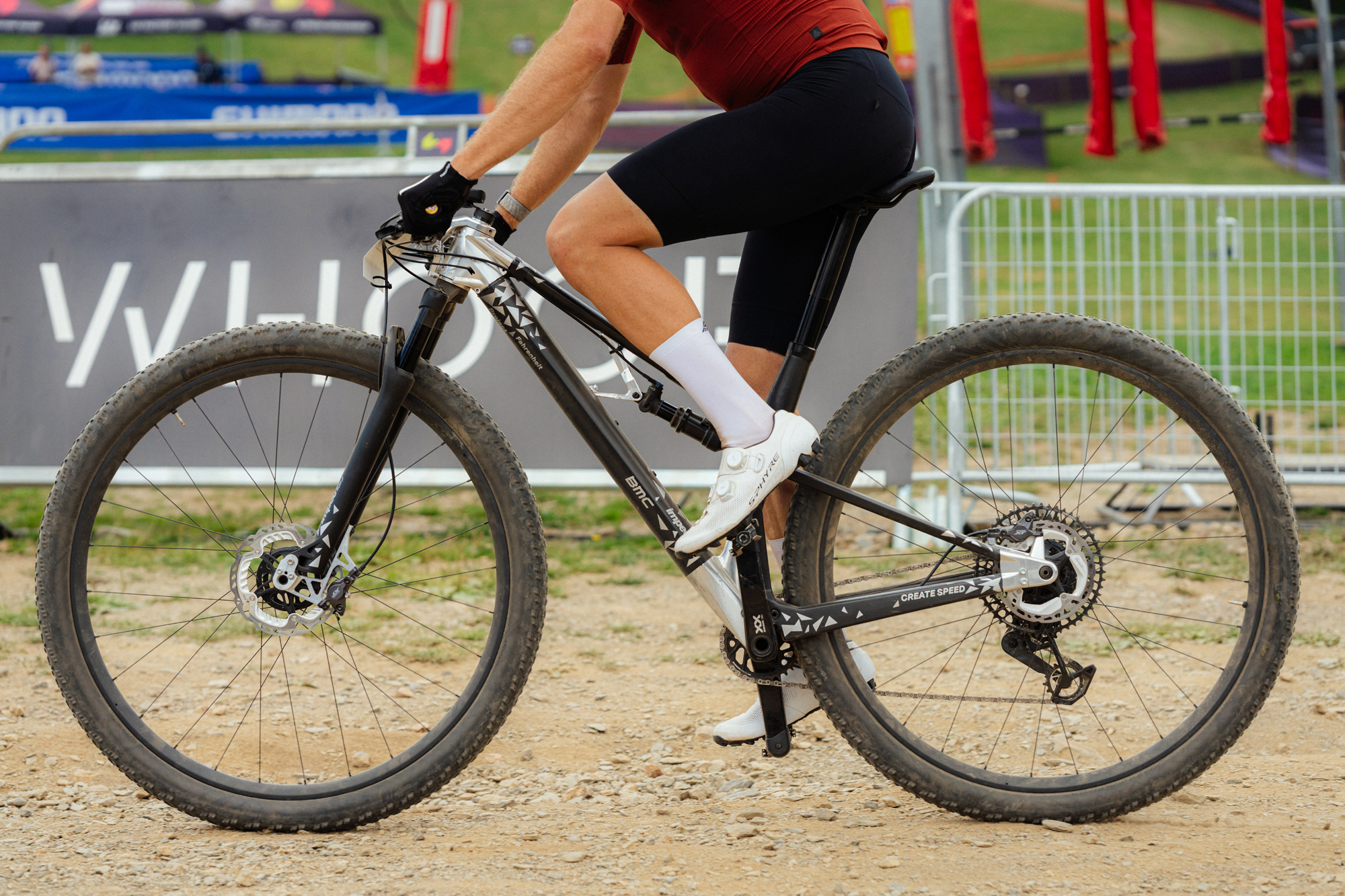
According to Newmen, Super Boost is now particularly relevant, with increasing numbers of 32in-wheel bikes on the way from manufacturers looking to create the fastest possible cross-country bikes for their top racers.
Felix Stehli used a 32in-wheel Stoll P32 to win the third stage of the prestigious UCI Cape Epic race.
The larger the wheels, the more leverage they can put on the axle, and therefore the more flex there can be. Newmen stated in its white paper that a 32in wheel flexes 31% more than the equivalent 29in wheel.
That means stiffness is a key consideration for manufacturers looking to design a usable frame that’ll accept a 32in rear wheel.
Triangulation can be key to creating stiffness in engineering. Super Boost enables designers to space the flanges (where the spokes attach to the hub) further apart. Because of this, there is an increased spoke-bracing angle, which can lead to a wheel that's stiffer laterally.
Additionally, a wider rear hub allows for wider chainstays and seatstays at the back of the bike, which (suitably built) can take advantage of the increased triangulation between the outside of the wheel and the interface with the frame, increasing stiffness further.
Zinn Cycles’ 32in bikes all use the wider Super Boost rear end, instead of the more common 148mm-wide Boost size.
In the recent white paper, the German wheel manufacturer shared its findings on the new wheel size, along with some suggestions to the bike industry on how to engineer parts that take advantage of the new bigger hoops.
Newmen claims that because of the longer chainstays used at the rear of 32in bikes, there is no need for an increase in the Q-factor (width between the pedals) to accommodate the packaging of the wider rear hub within the bike.
Until recently, Pivot still specced many of its (non-32in) bikes with Super Boost rear-wheel spacing.
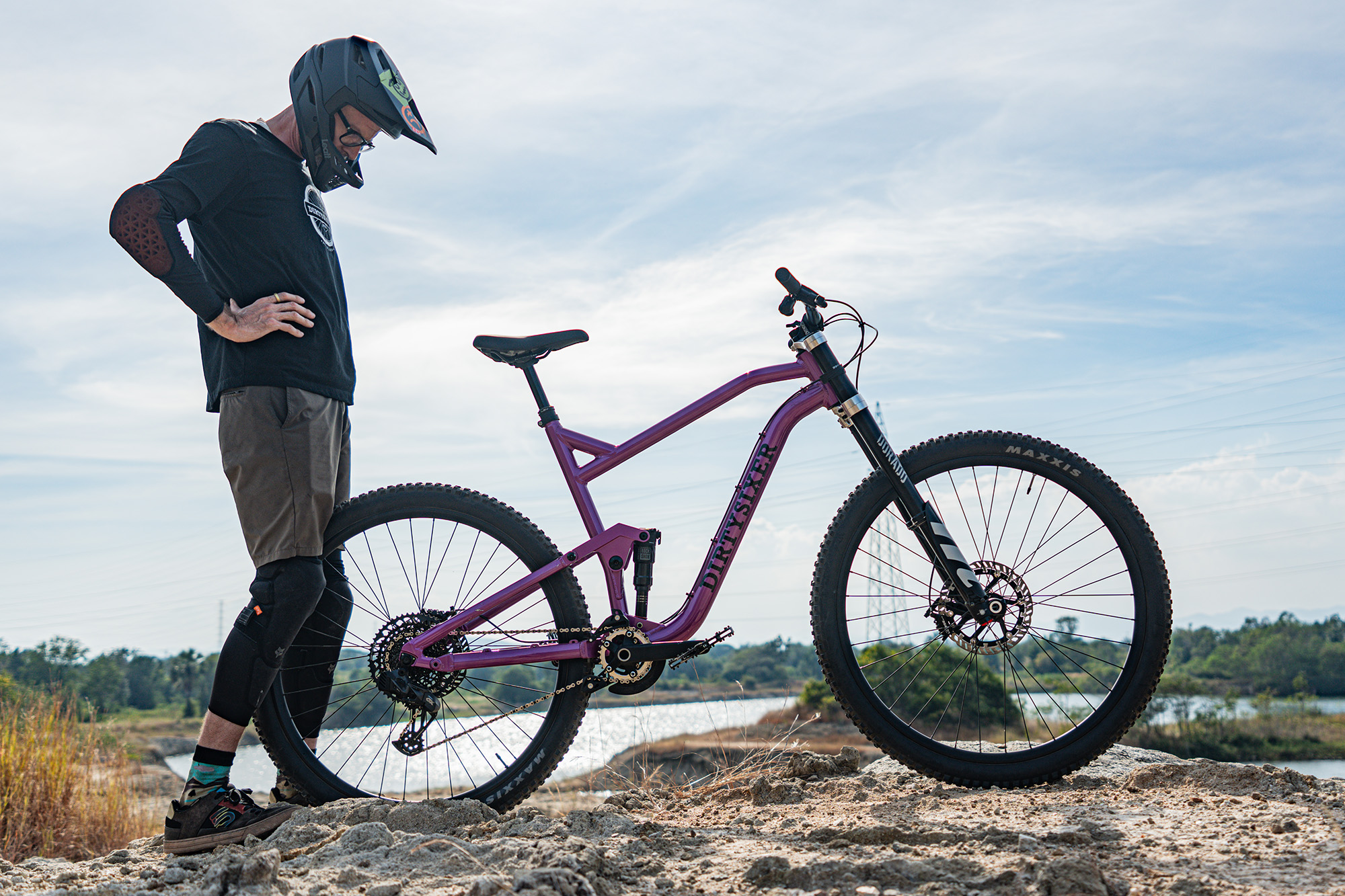
DirtySixer takes things even further, using the pre-existing 197x12mm fat bike rear-hub width standard for its 32in bikes, to allow for even stiffer wheels.
Super Boost hub-spacing lineage
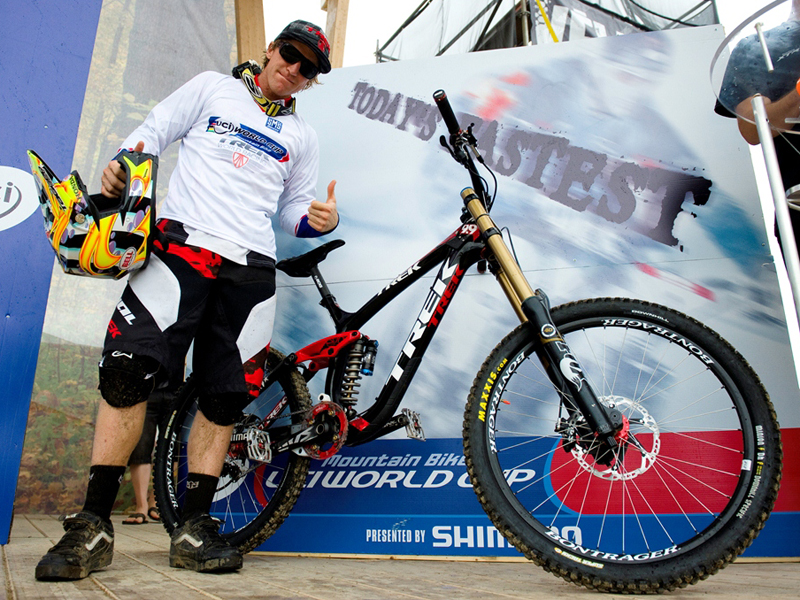
Super Boost, despite being named more recently, is a bike industry rebranding of the 157mm downhill rear-hub standard first seen in 2011 on bikes such as the Trek Session.
The new 157mm hub standard was simply the 150x12mm downhill rear-hub standard with an extra 3.5mm added to the end caps on either side to fit into recesses manufacturers incorporated into the frame.
This made it easier to locate the rear wheel in the bike and increased stiffness because the tops of the end caps had something to locate against.
Boost 148x12mm hubs came later, broadly superseding the Syntace X-12 142mm-wide standard on most trail and enduro bikes.
'Super Boost Plus' was introduced as a term for the pre-existing 157mm standard by Pivot in 2016 on the Switchblade, but is usually abbreviated to Super Boost.
The 32in-wheel revolution
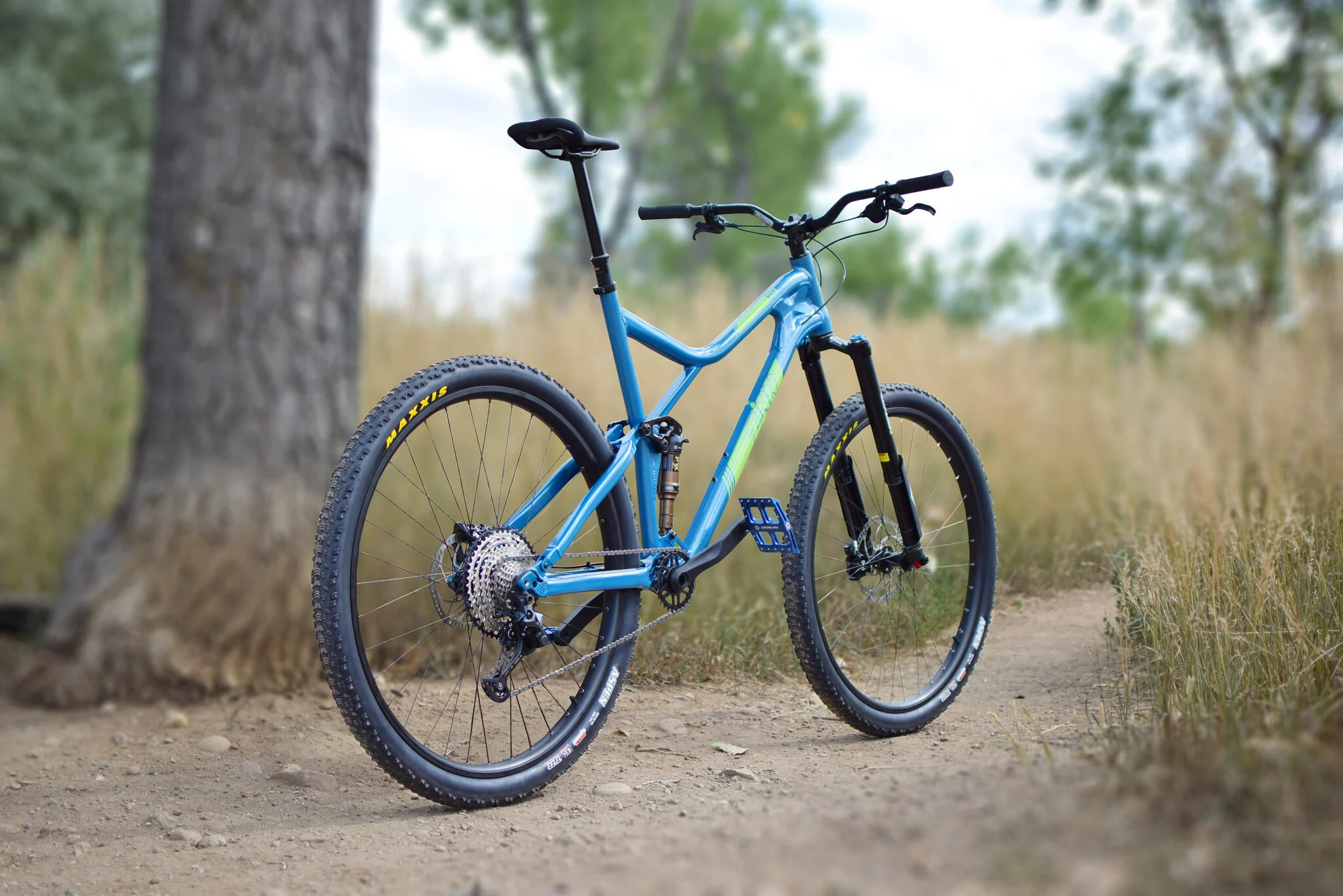
Bigger wheels roll over obstacles more easily and offer the potential for more traction due to their larger contact patch. The downside is more weight and/or more flex.
Manufacturers adopting the 32in wheel size will be looking to increase wheel and bike stiffness without increasing weight all that much, in order to maximise the advantages of larger hoops while minimising the drawbacks.
A wider hub increases stiffness with a minimal weight increase. Any stiffness in the wheel itself has to be translated through the axle into the bike. So, increasing the stiffness of the interface between the wheel and the bike is particularly important with the bigger wheels.
Newmen Components stated emphatically “There is no objective disadvantage whatsoever to increasing the hub spacing for all 32” wheels.”