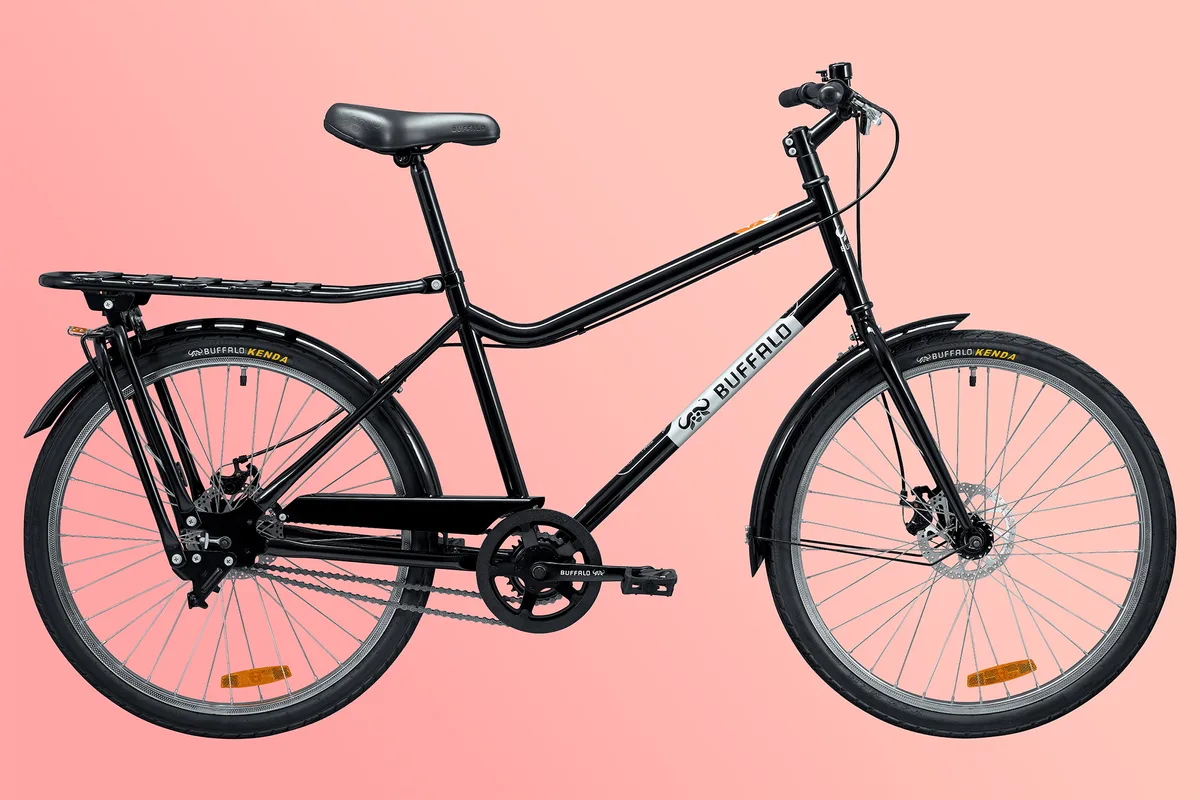
World Bicycle Relief has delivered one million Buffalo Bikes to help people reach education, work and healthcare. Andrew Samways says the latest models, launched this week, mark an “important step” for the organisation.
WBR brought three people from its field teams in Zimbabwe, Kenya and Zambia into its main team. This meant the design decisions behind the new bikes could be better informed by the people who are using them.
“I'm not the customer of this bike. It’s not for me,” says Samways, WBR’s vice president of product development. “I wanted to facilitate the conversation between the people that use it and the people that make it.”
By moving the design responsibility “downstream”, Samways says it’s not the WBR team in Germany designing the bikes. Instead, “It's really a process of collaboration with those people we've raised up through the organisation”.
The result of this process is the new Buffalo One and Buffalo Pro bikes. These share similarities with the Buffalo Utility S2, launched in 2024, but have several updates that mean they should last longer, carry more and be easier to maintain.
Observations in the field
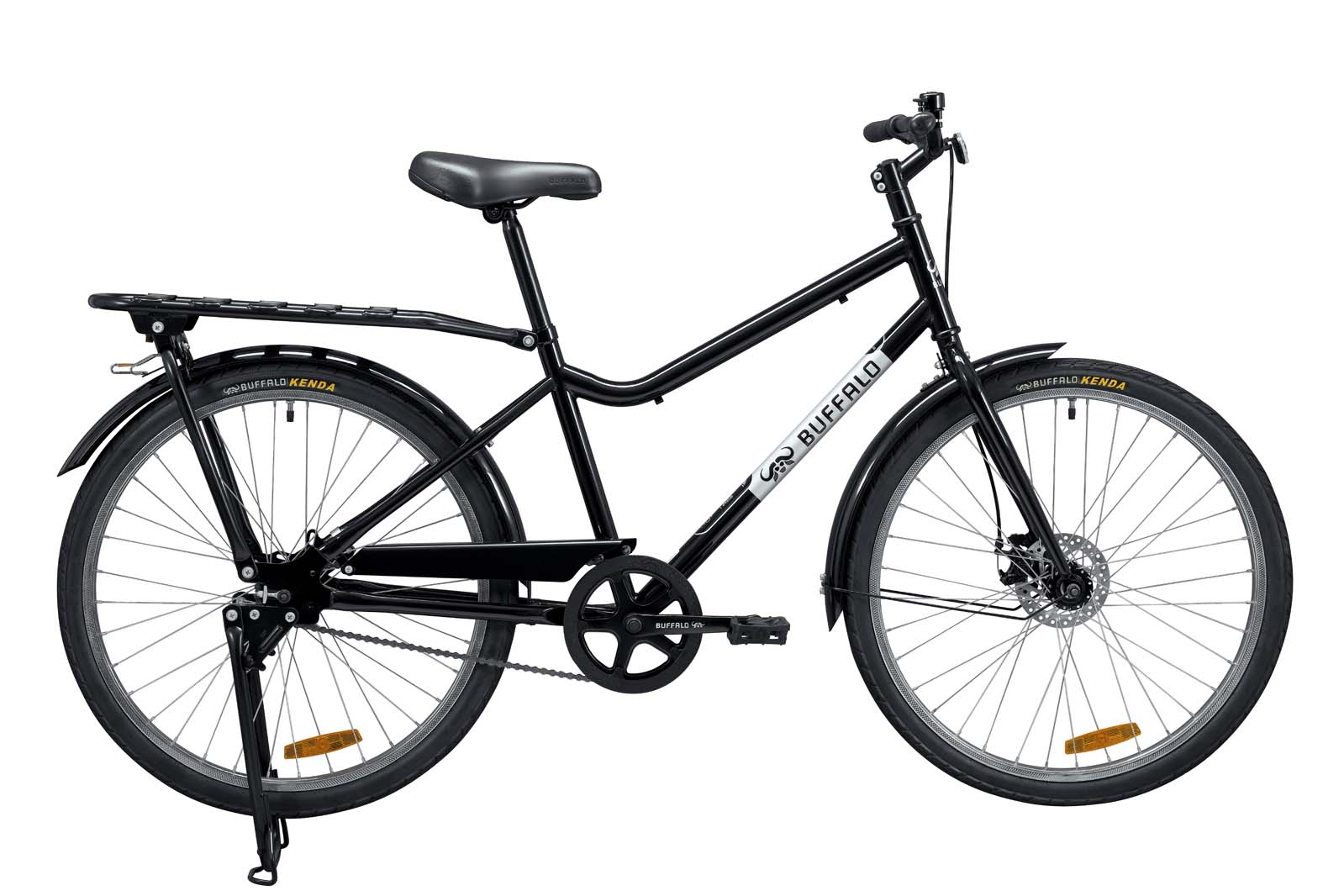
The changes made to the new Buffalo Bikes are largely informed by observing how people use WBR’s designs.
“The benefit of having our local team members is that they speak local languages and they can talk with riders more directly. We build up this picture through observation, inquiry, trying things out and seeing how people respond to them,” Samways says.
An example of this process can be seen in how WBR decided to make the latest bikes in standard and large sizes, which was spurred by two observations made in Kenya.
The first was seeing a taller man using his Buffalo Bike. “He was perfectly happy with it, but you could see that he wasn’t totally comfortable on the bike,” says Samways. His high seat also limited carrying space on the rear of the bike.
The second was a conversation with a woman who asked if WBR sold kids' bikes because she was looking for one for her grandson.
“We realised that a kid’s bike may not be the answer, but if a child can ride our bike more comfortably then it’ll be a much more valuable thing,” Samways says. “That caused us to look at the smaller size of the bike, change the geometry and improve the strength of the seatpost so we can get the seat lower.”
This means that instead of having a child’s bike, you can now have a Buffalo Bike that you can “grow up with rather than out of”.
Samways says when WBR gave the tall man a new, larger size, he was immediately happier with it and eventually didn’t want to give it back.
“If someone doesn’t want to give something back, then we know we’ve got something worth pursuing,” he says.
Discs and a threadless headset
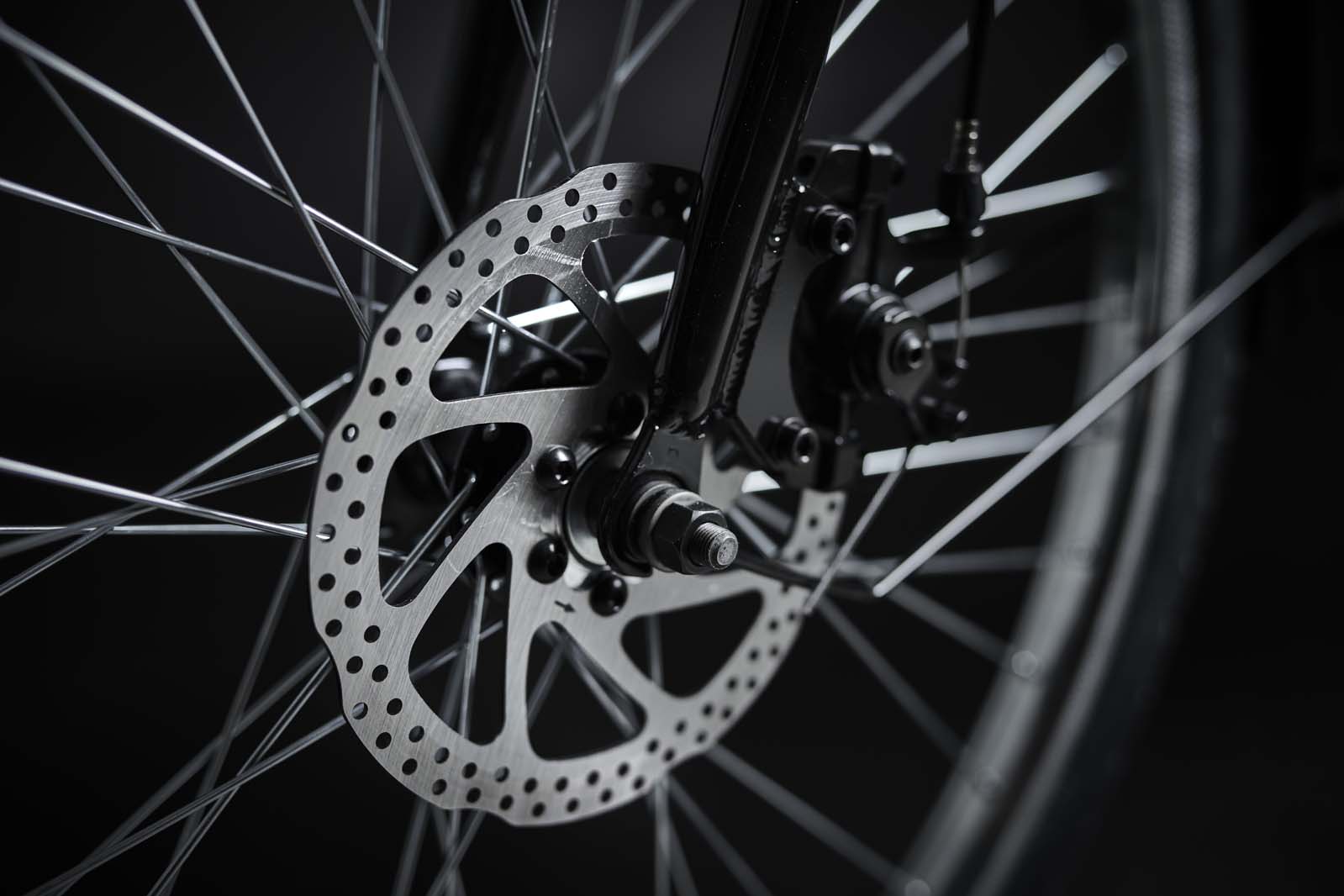
Another feature on the Buffalo One and Pro is the disc brakes.
Previous Buffalo Bikes have used hub brakes, but after trialling disc brakes, test riders didn’t want to give them up. So now both models have mechanical front disc brakes, and the Pro has dual disc brakes.
On the one hand, disc brakes provide the stopping power to deal with the new 100kg carrying capacity of the Buffalo One and Pro bikes. But, like hub brakes, they help with durability and reliability, because they don’t wear down the rim and you can still use them if you break a spoke.
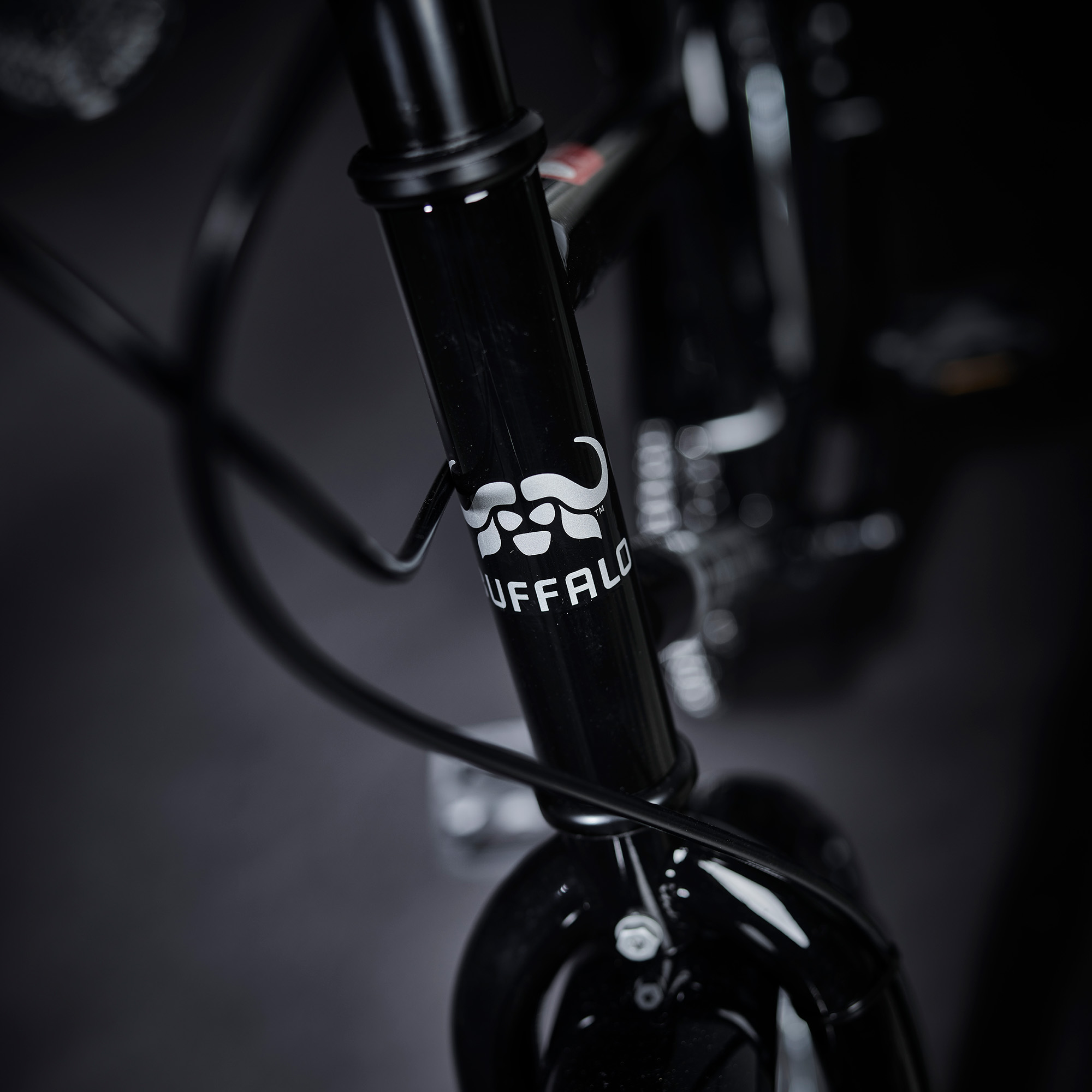
The new bikes have also moved to threadless headsets. These require fewer tools to fix than their threaded equivalents, which is advantageous for people who might not have a full workshop at their disposal. But Samways explains there’s another motivator behind the change.
“We obviously start with the user experience of what's happening in the field, but you're looking at your supply chain and the stability of supply of different things and where the industry is moving,” he says.
Two chains or a singlespeed
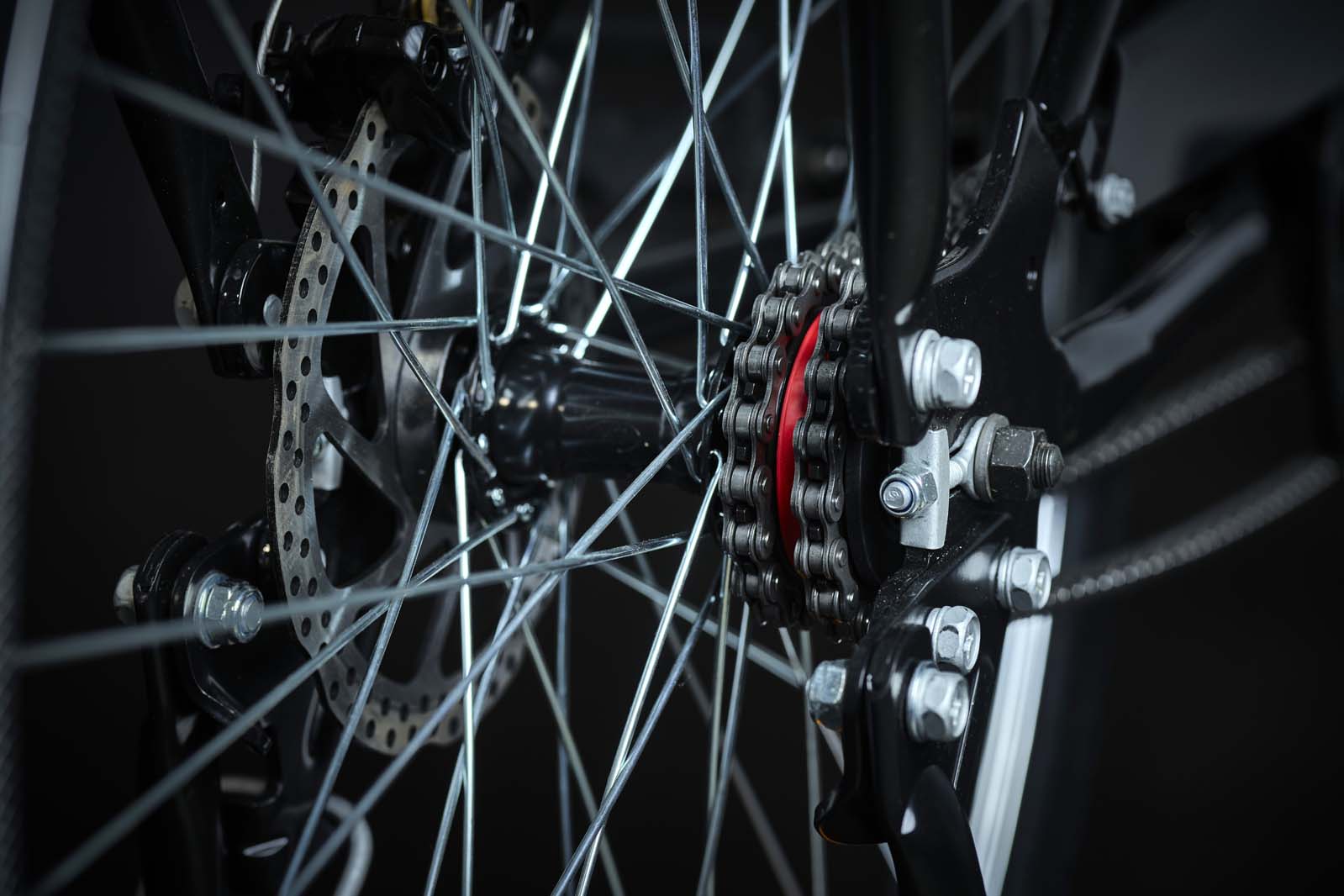
Previously, Buffalo bikes were singlespeed. But when WBR introduced the Utility S2 in 2024, it featured two chains.
This novel system, developed with SRAM, provided riders with an extra gear, while keeping the bike free of cables and derailleurs, which add complexity and can ultimately break. The other advantage of having two chains is if one breaks, you can still pedal the bike. To shift between the gears, you simply backpedal half a turn.
An updated version of the drivetrain is used on the new Buffalo Pro. Meanwhile, the Buffalo One sticks to a singlespeed drivetrain.
“A single speed is still the most affordable version of the bike, and so that's what we offer both of these levels,” Samways says.
For anyone wishing to donate a Buffalo Bicycle, the current cost of a One is £138 and the Pro costs roughly £15 more. This price represents the actual costs associated with manufacturing, shipping, assembly and distribution, while the overall cost of a bike in a shop can vary depending on the country.
The Buffalo platform can be upgraded from the singlespeed to the two-speed drivetrain, meaning people can get onto a bike and then unlock the advantages of an extra gear later on.
Return on investment
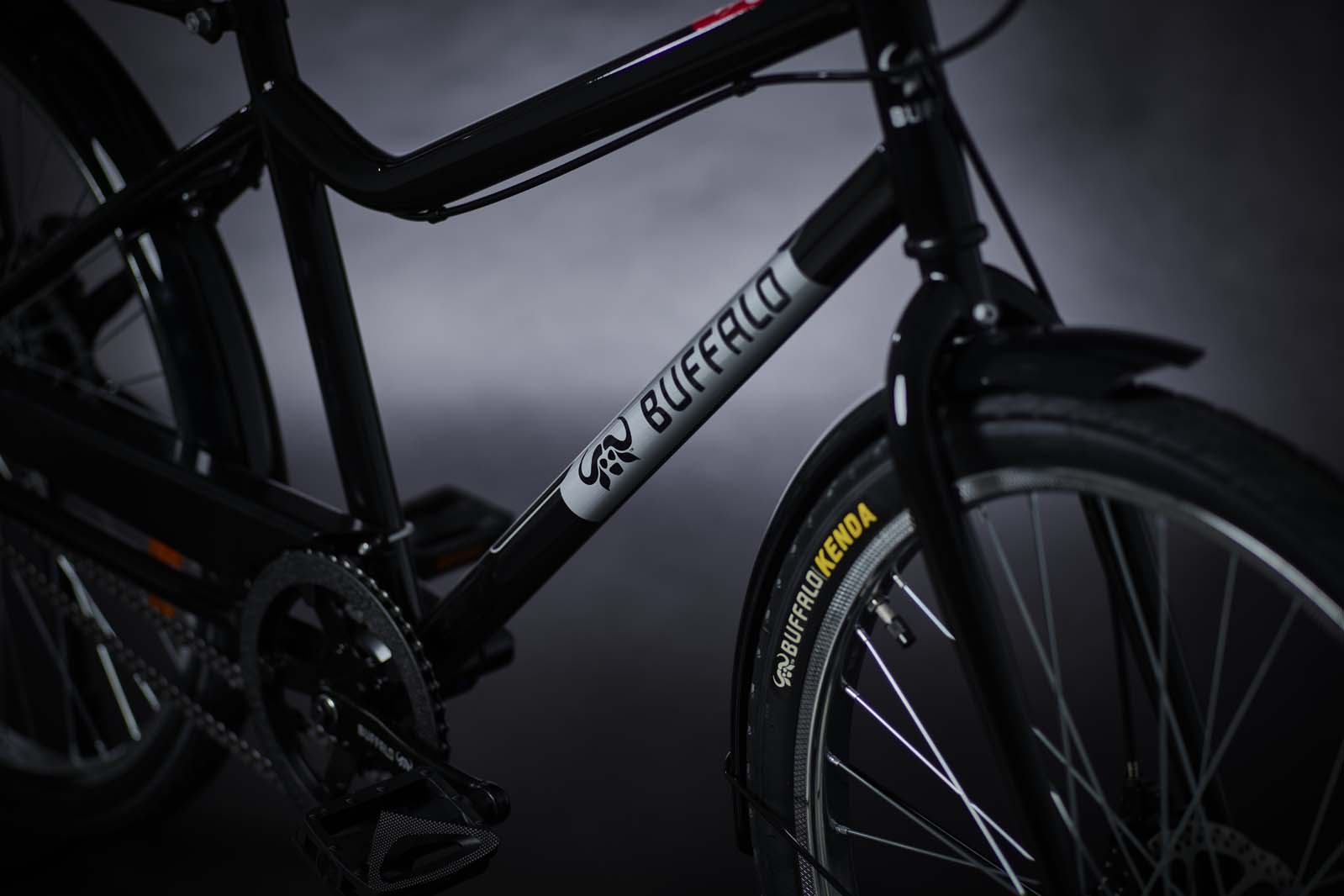
“The people that come into our stores to buy the bikes aren't looking to buy the cheapest bike. It has to be affordable and we shave pennies wherever we can, we find efficiencies wherever we can. But the Buffalo is the one that won't let you down,” Samways says.
Following research in Zambia, WBR says bicycles deliver a 14.7-to-1 return on investment, placing them among the most impactful development interventions. It also found households with bicycles reported 43% higher incomes than those without, and individuals with bicycles were 36% more likely to access healthcare.
These statistics show the wider impact of bicycles, but Samways highlights a specific example of how the two-chain drivetrain helped one man who delivered bread. He says the functionality of the drivetrain and its reliability meant he doubled his business because he could go faster and further.
“As engineers and designers working on these things, that’s exactly what you want to hear.”