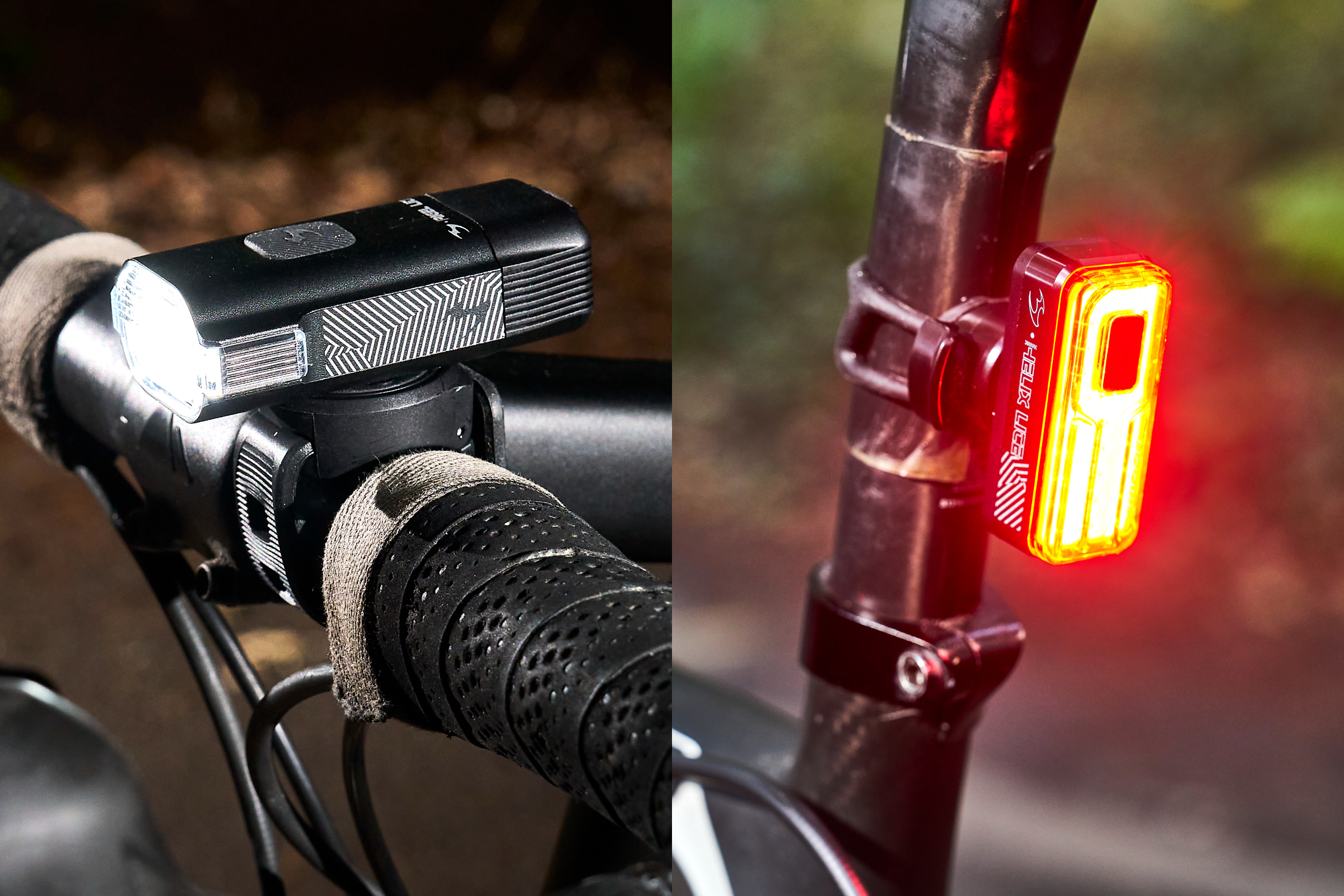
The Moon Rigel Lite and Helix Lite is a very impressive compact bike lights set, and given its competitive price, it’s the best one I've tested in 2026.
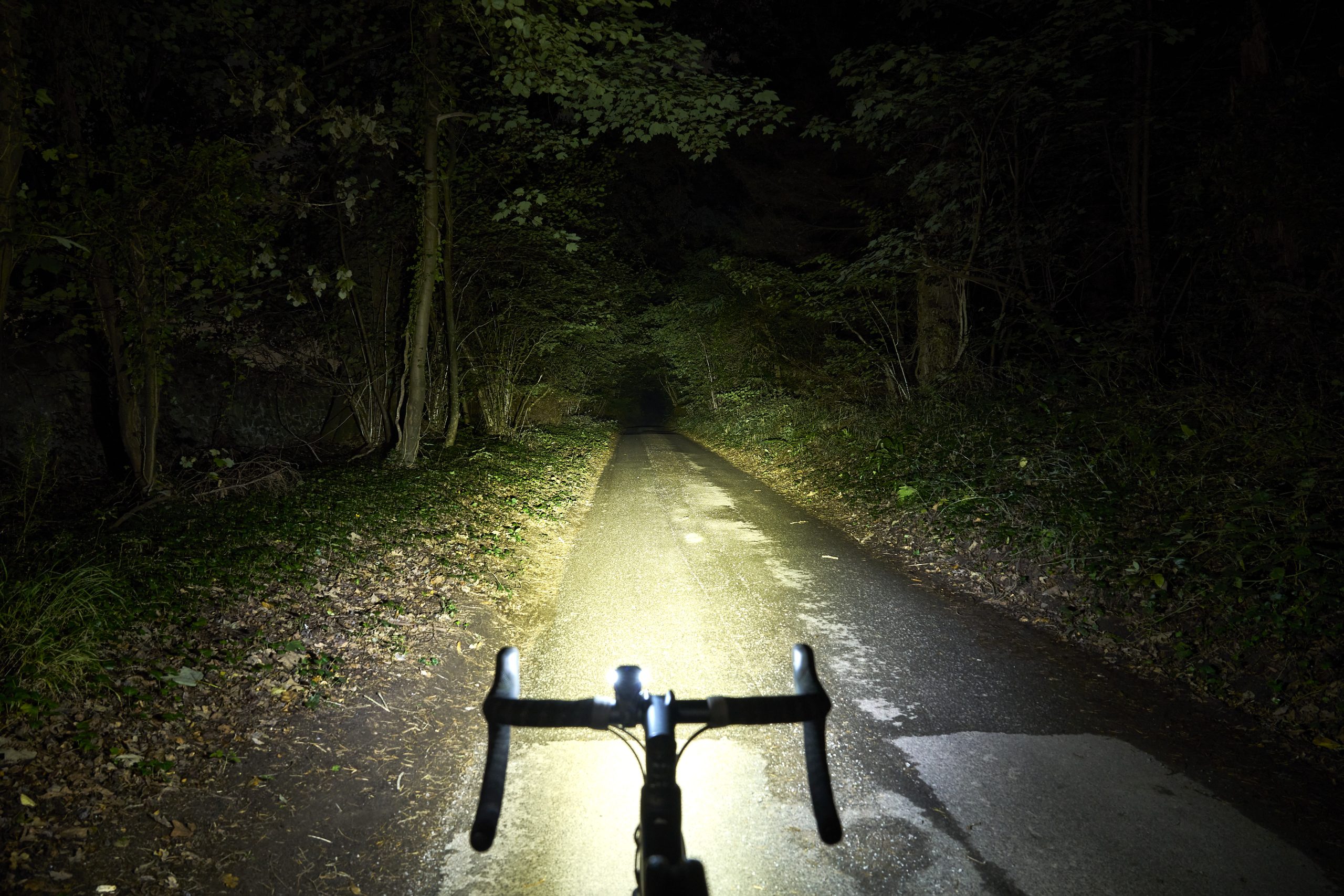
The Rigel Lite front light puts out 500 lumens in its highest setting, with a teardrop-shaped beam (meaning it has a central spot focus with a ‘tail’ of light that falls between the spot and the front wheel). While the downside of this design is relatively little light bleed outwards, limiting peripheral vision, forward vision is excellent.
There are more powerful front lights available for around this price, with slightly stronger beams overall, but the Rigel Lite is on the smaller side, which makes for an appealing compromise. I could ride at my reference 25km/h speed without issue, albeit I’d hesitate to go much faster without more power.
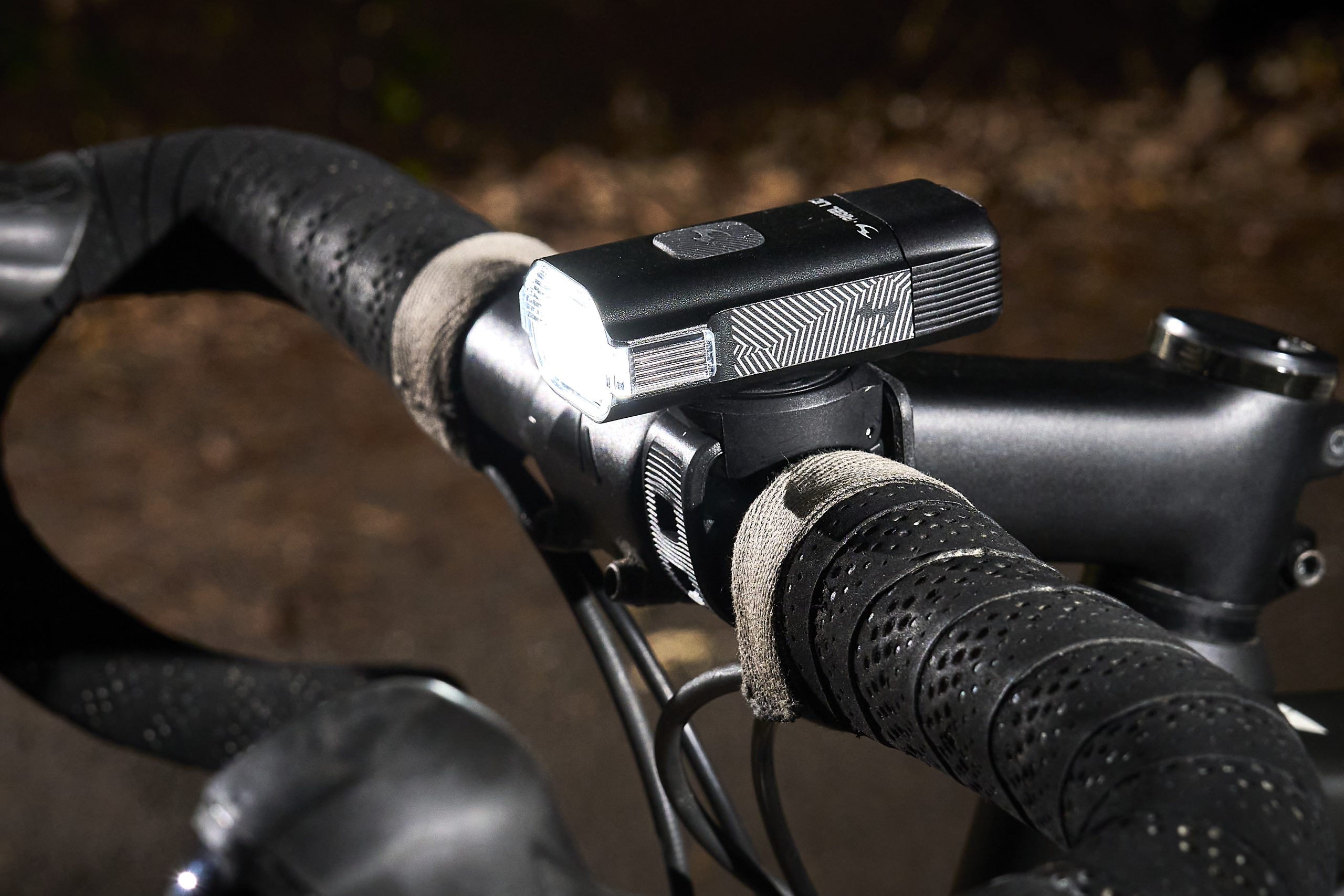
Despite being so small, battery life in the highest setting isn’t as short as you might expect, delivering 2hrs 10mins in total, after powering down at around the 1hr 40mins mark. At that point, the light output is really only suitable for getting you home at a steady pace, or riding in a street-lit urban environment.
The sides of the light provide some side-on visibility, but because the unit is so small this can easily be shielded by drop-bar hoods.
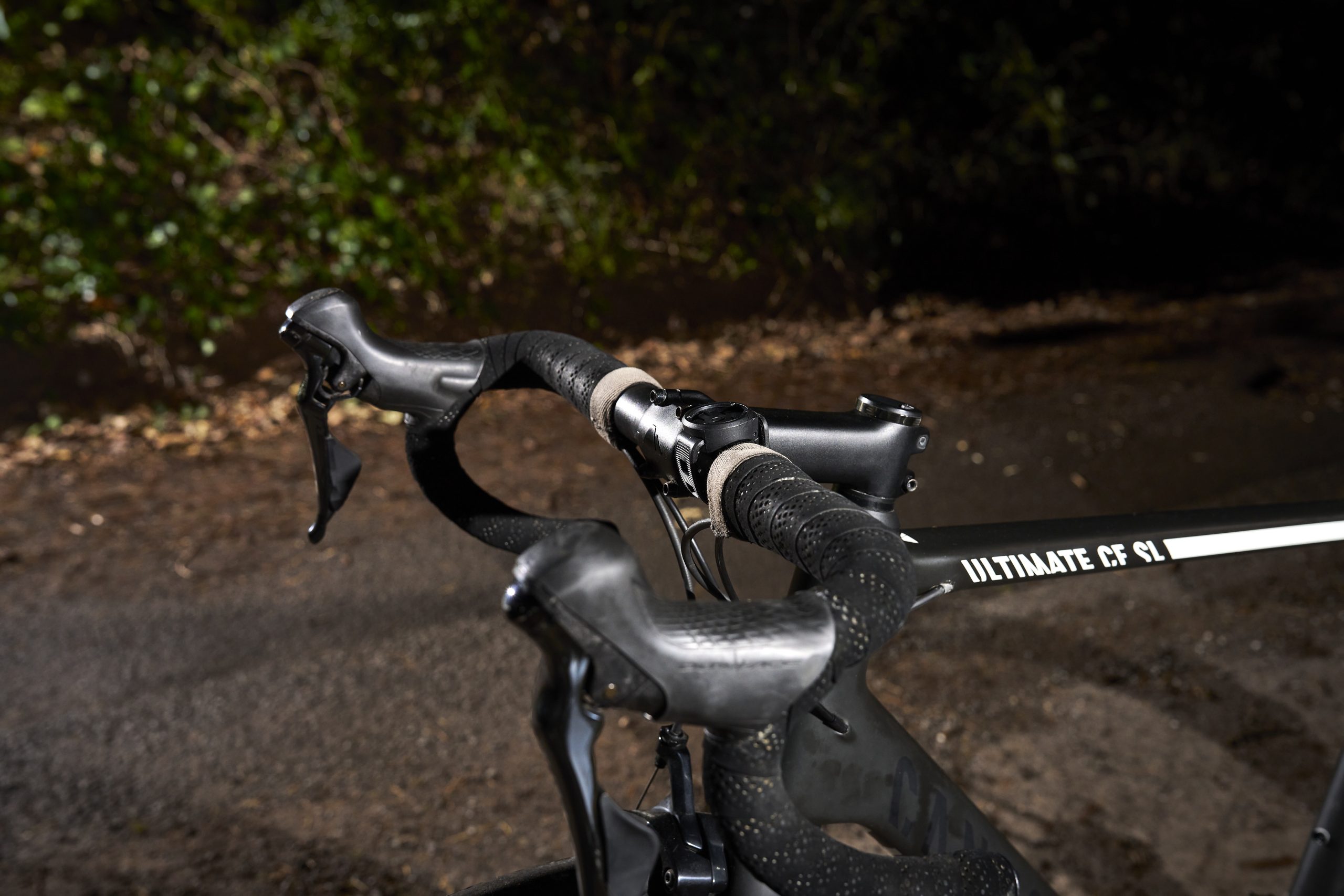
I like that the light fits to your handlebar using a simple band-on mount with a Garmin-style quarter-turn interface, but I’m even more impressed that Moon supplies a GoPro adaptor for mounting on a helmet or under an out-front mount.
Should you opt for the latter, you can reverse the lens to correct the beam, but it takes a bit of jimmying with a flathead screwdriver to pry off – not something you want to be doing often.
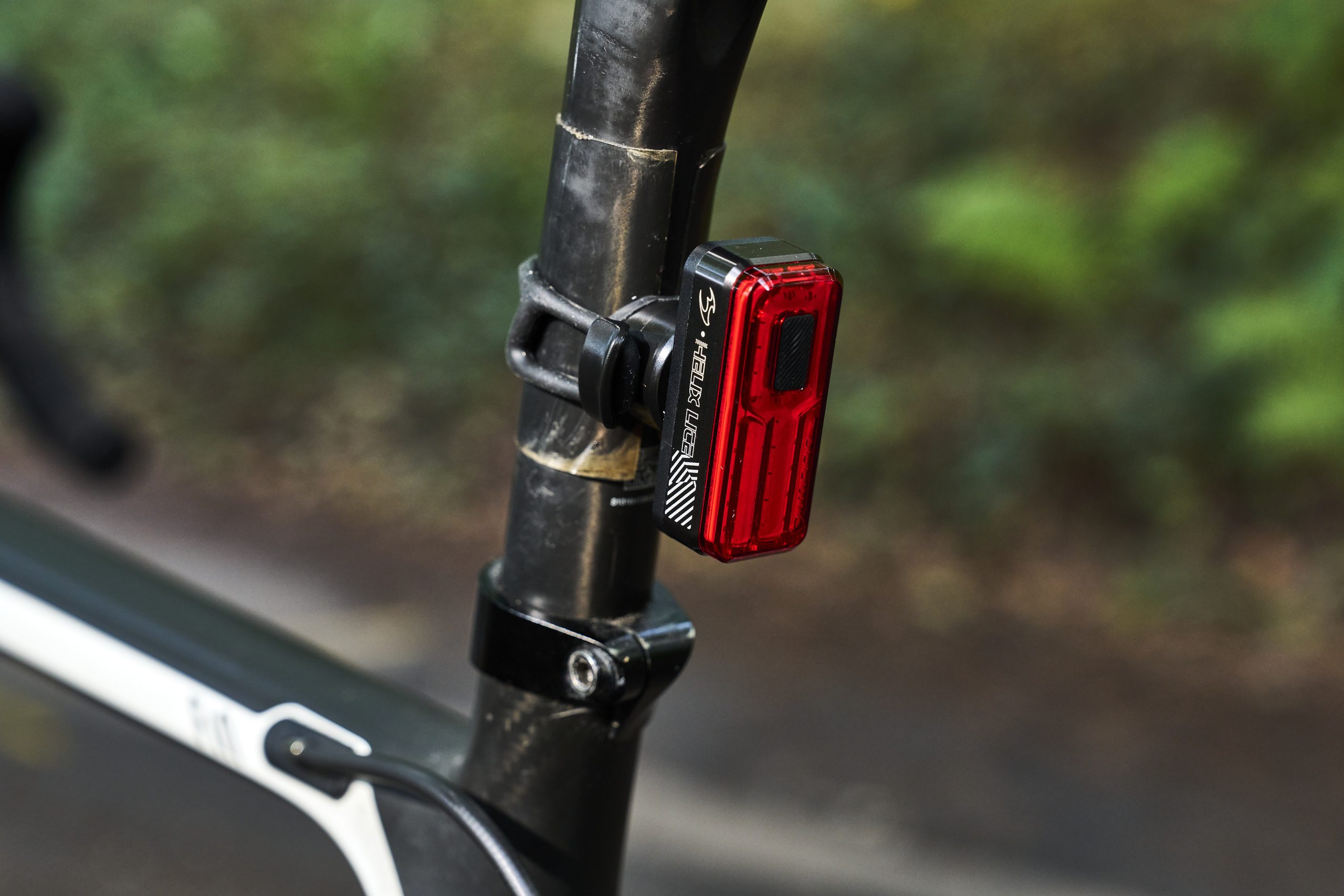
Moon has also gone to town on the rear light fitments, supplying three in the box – a seatpost mount (with both a flat and angled rubber insert and two rubber straps to fit aero and more standard-shaped seatposts), a saddle-rail mount and a clip for a backpack tab.
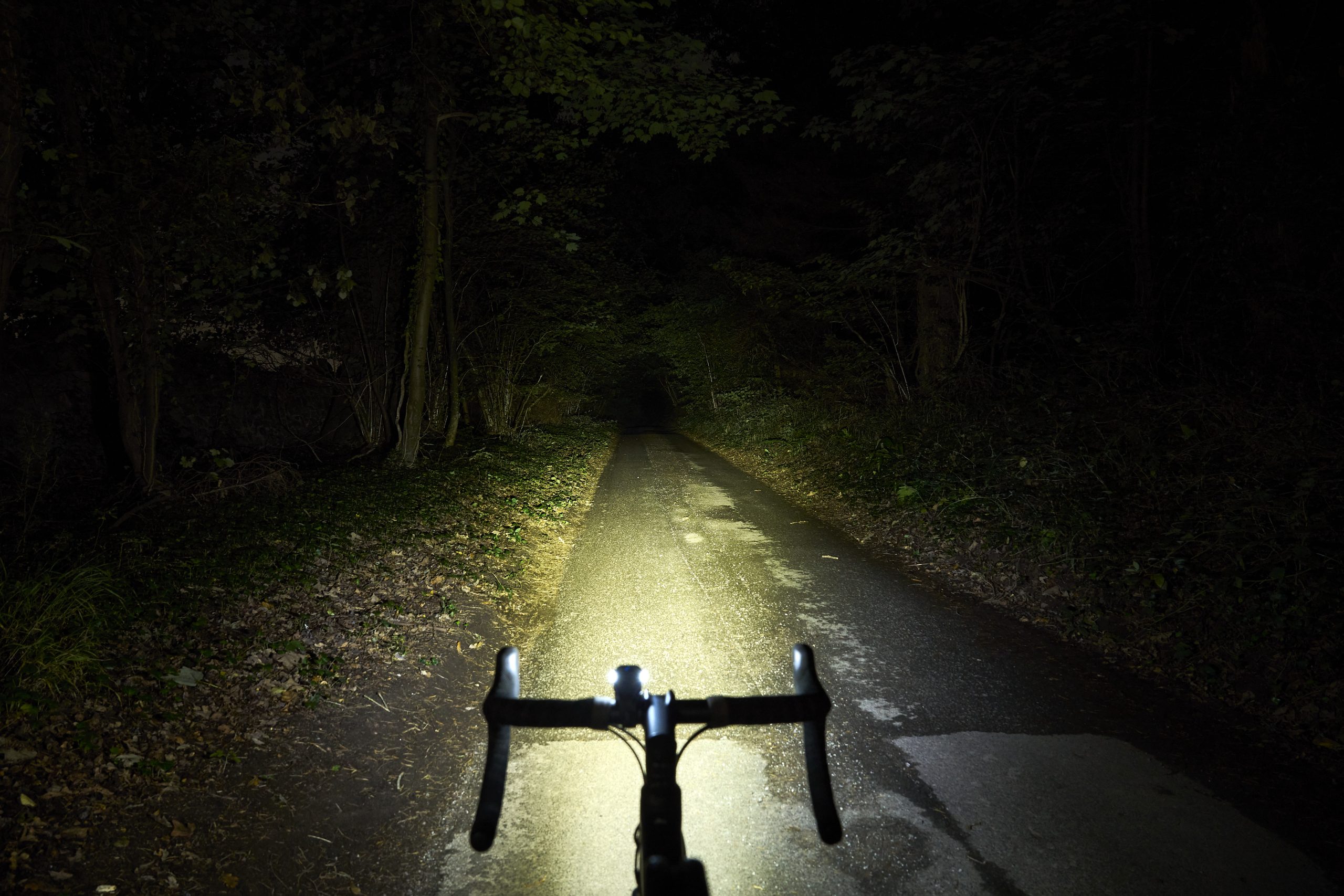
The great news is the Helix Lite rear light is a punchy little device. It’s small in stature, but it puts out 100 lumens from that space via its COB (chip-on-board) LED panels.
Left in its highest static setting, it lasted for 2 hours before powering down into a lower-powered static mode for around another 1hr 50mins – in the middle of the pack among the group of lights I tested together. You can obviously achieve much more using other modes.
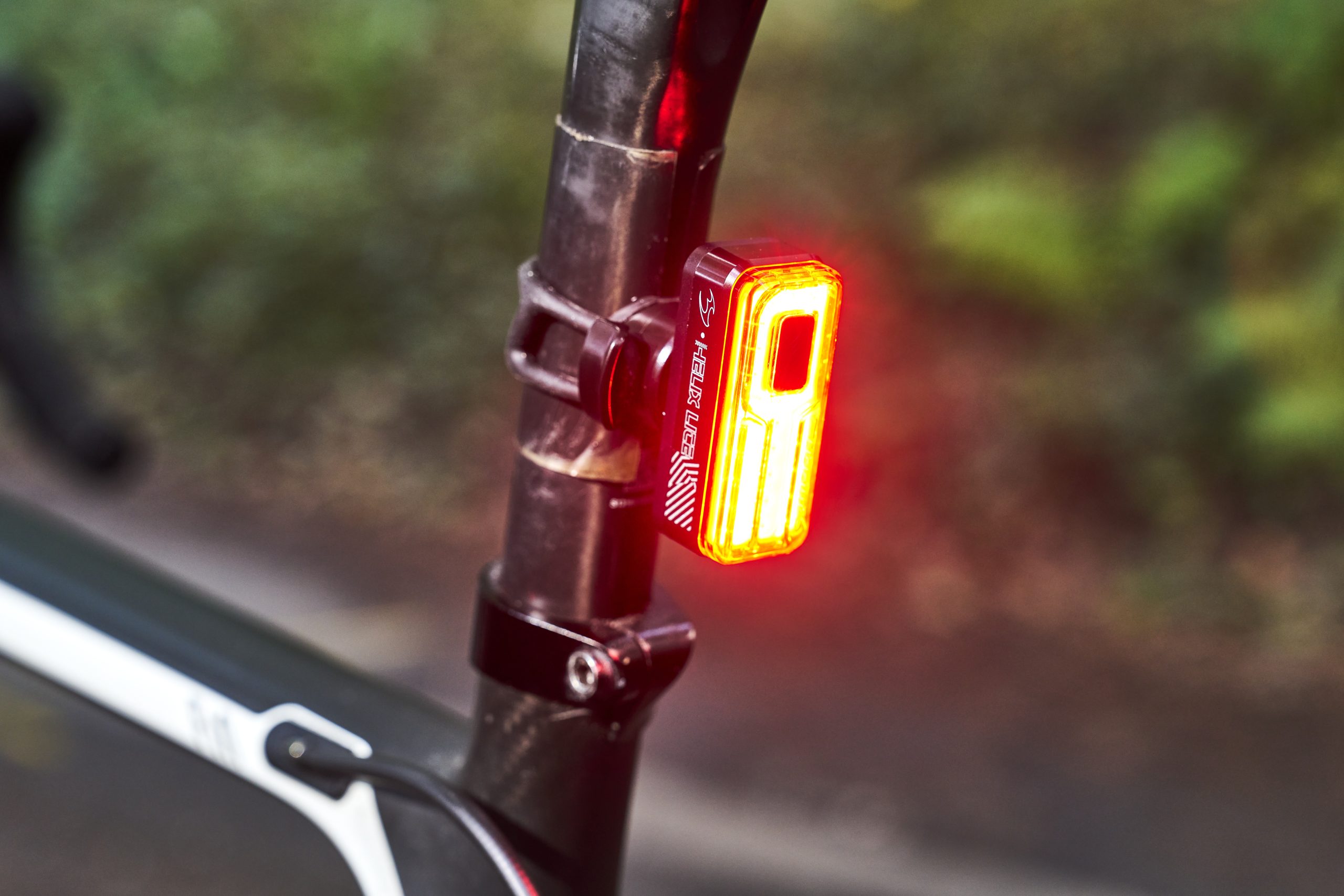
For both lights, the default modes are simple and more than adequate in number – a high- and low-power static mode apiece, plus three flashing modes. One of those flashing modes on each light is a day-flash style mode.
Both lights are operated using a level system, meaning a double-press is required to toggle between the static and flashing mode options. As with all lights I’ve encountered with this setup, you need to be distinct with the double-press, because rushed presses can mean you switch between the modes you don’t want.
Moon also includes its proprietary ‘Variable Lumen System’ in both lights, enabling the user to customise the brightness of each mode to achieve their ideal battery life. I’ve used the system before, and while some may find it fun to play with, it’s not necessary given the standard modes are perfectly adequate.
How we tested
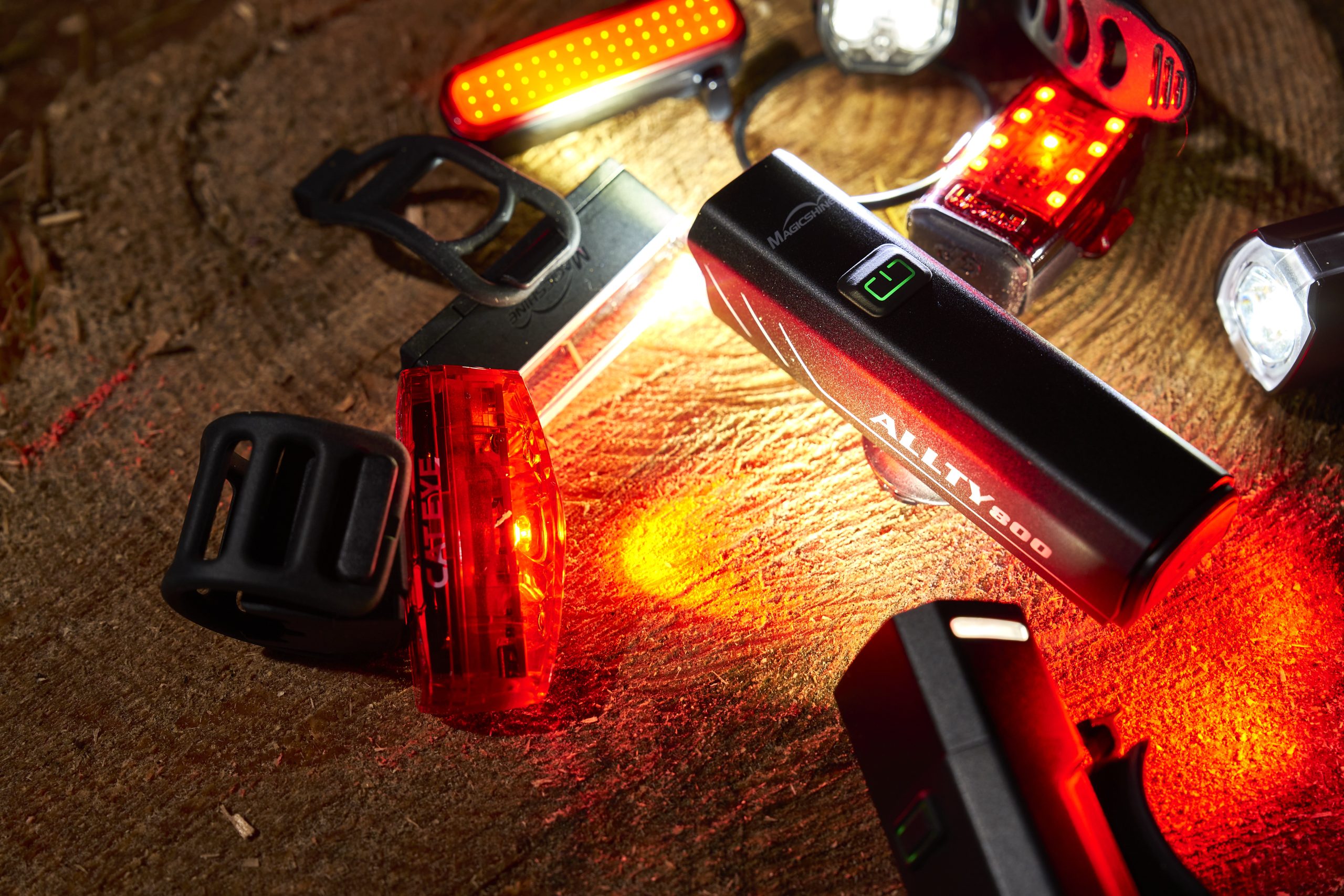
I tested these bike light sets using two local test loops over the course of nearly two months – one largely street-lit, criss-crossing through a local urban area, and another almost exclusively un-lit on country back lanes. Both were ridden at night (meaning some late starts and early mornings), while I also used each light set for local rides during the day.
I also ran a battery burn-down test – discharging the lights from empty on their most powerful setting. This gives a good indication of the minimum battery life you can expect and flags when power-save modes kick in.
In my experience of testing over 100 lights, there’s usually a small discrepancy in burn times from one unit of the same light to the next, so my figures are intended as indications, rather than guarantees.
All front lights featured at least a 500-lumen maximum output and each set costs under £100.
Light sets tested
- Lezyne Fusion Drive 500+ / KTV Drive Pro+
- Magicshine Allty 800 v2 / Seemee 50 v2
- BBB NanoStrike 700i / Signal 80
- Ravemen FR500 / CL01 Pro (LS07)
- Moon Rigel Lite / Helix Lite
- Giant Recon HL 600 / Recon TL 200
- Cateye AMPP 500S / Viz 150
- Sigma Buster 800 / RL 150
- Knog Blinder Pro 700 / Plus
The good news is, priced at £69.99, this is one of the cheaper lights sets on test, so you’re not being asked to pay extra for it, and it doesn’t obstruct the lights’ key functions.
It’s also great to see Moon supply two USB-A to USB-C charge cables in the box. Handily, they have yellow ends, making them easier to identify in a sea of charge cables at home. Both lights come with the highest waterproofing standard you’ll find in any bike light, rated to IPX7, meaning they’ll continue working even if they’re submerged in water for 30 minutes.
Moon Rigel Lite and Helix Lite bottom line
The Moon Rigel Lite and Helix Lite set is very well priced for the power, features, size and fitting accessories you get with it. You could even argue it’s over-featured, but happily that doesn’t get in the way of the main functions most of us would ever use.
Product
| Brand | Moon |
| Price | €69.99, £69.99 |
| Weight | 108g |
Features
| Light type | front_and_rear |
| Remote switch | no |
| Integrated battery | yes |
| Features | Moon Rigel Lite (front) ● Weight: 78g ● Material: Aluminium ● IP rating: IPX7 ● Lumens: 500 ● Runtime: 1:45-150hrs Moon Helix Lite (rear) |