SQUIRREL_14027686
The Yeti LTe T4 is a full-power enduro eMTB built around a 160mm-travel, six-bar linkage rear end, 170mm Fox Podium fork, Bosch CX-R motor and removable 800Wh battery. At £12,999, it’s the most expensive bike in our 2026 Mountain Bike of the Year test.
Its defining feature isn’t the motor or exotic build, though – it’s the ability to run either a full-29in or mixed-wheel setup, with a flip chip provided to maintain the same geometry. This proves useful, but not quite in the way Yeti intended.
With two 29in wheels, the LTe is incredibly versatile and can tackle almost anything, yet never feels especially exciting downhill. Fitting a 27.5in rear wheel while leaving the chip in its 29in position transforms the bike. It drops the bottom bracket, slackens it and the Yeti comes alive.
I tested the LTe T4 as part of our annual Bike of the Year test, which focused on the latest and greatest hard-hitting electric mountain bikes for 2026. From a shortlist of six, three bikes were selected for the final head-to-head showdown: the Atherton S.170E.2, Merida Lithos 8000 and this Yeti LTe T4, with the Atherton emerging as our winner.
Three key things you need to know
- The full-29in setup is incredibly versatile, but feels more like a trail bike than an enduro shredder
- Fitting a smaller rear wheel brings the handling to life and makes the bike far more capable
- The low front end places too much rider weight over the handlebar on steep descents
The full Bike of the Year 2026 shortlist
- Amflow PX Carbon Pro – £8,999 / $10,199 / €9,999
- Atherton S.170E.2 – £7,999 / $N/A / €7,599.05 (before applicable local taxes)
- Marin Alpine Trail EXR – £6,899 / $8,999 / €7,999
- Merida Lithos 8000 – £8,500 / €8,899
- Specialized Levo 4 Evo Pro – £9,699 / $10,499 / €10,999
- Yeti LTe T4 – £12,999 / $14,900 / €14,500
Fast, grippy and efficient uphill
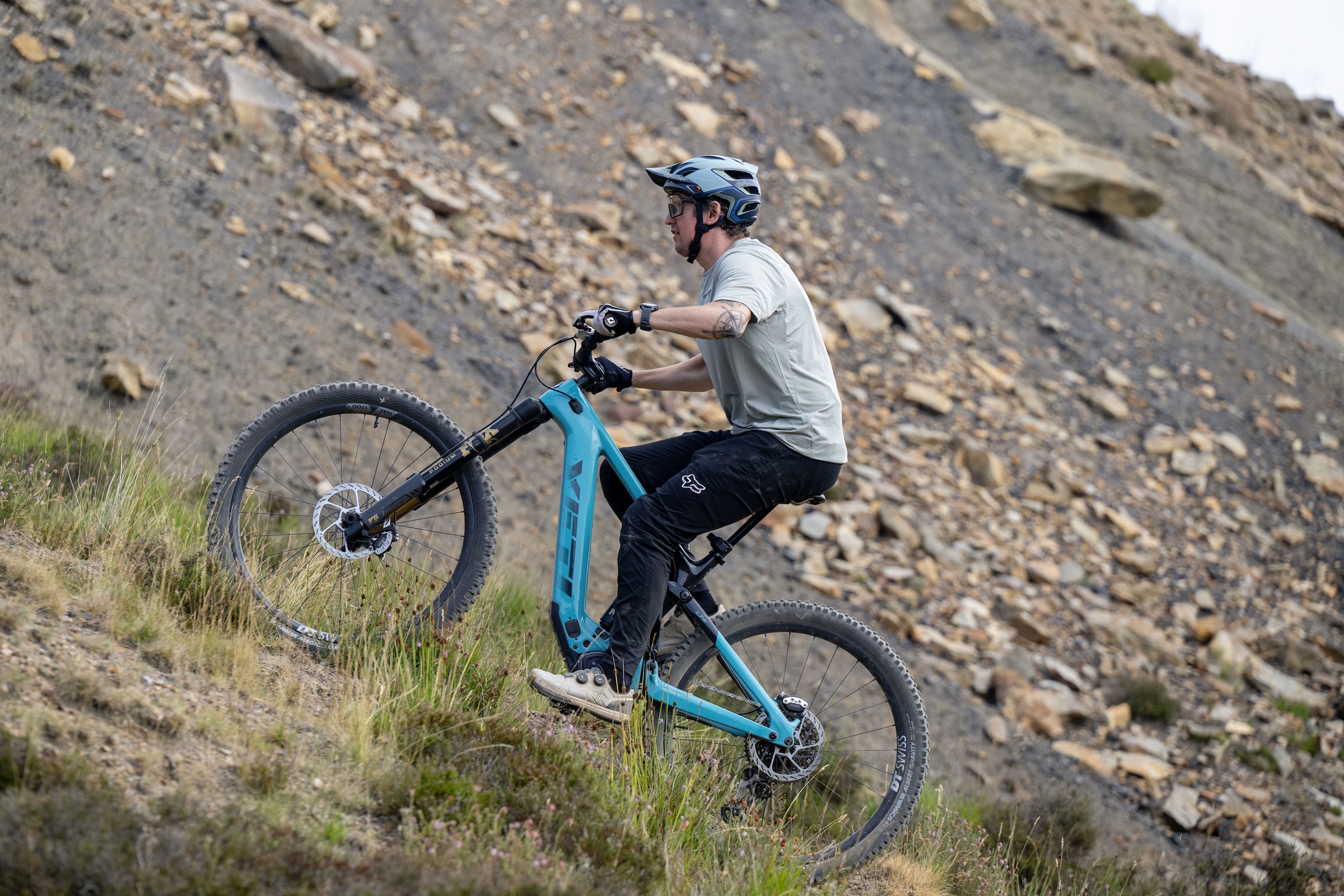
The LTe’s climbing position is well-balanced. Its 78-degree effective seat tube angle and long 449mm rear centre (effective chainstay length) help keep weight distributed between the wheels, while the low 625mm stack height puts useful pressure through the front tyre.
It tracks accurately on steep climbs and rarely needs exaggerated forward body movements.
Yeti’s Sixfinity platform generates excellent traction. The suspension remains active over roots, rocks and ledges, enabling the rear wheel to follow the ground without ever feeling soft or inefficient. There’s enough support around the sag point to pedal against, but it doesn’t become rigid or hang up when the trail gets rough.
At 22.33kg, the medium-sized LTe is the second-lightest bike in our Mountain Bike of the Year test. It’s easier to guide around tight uphill turns and correct when a line starts to unravel than the Marin or Specialized. The long rear centre adds stability, although lifting the front wheel over a step requires intent.
Bosch’s Performance Line CX-R motor pulls the LTe rapidly along the trail once the cranks are turning, with the eMTB+ mode providing the best blend of force and adaptability on natural climbs.
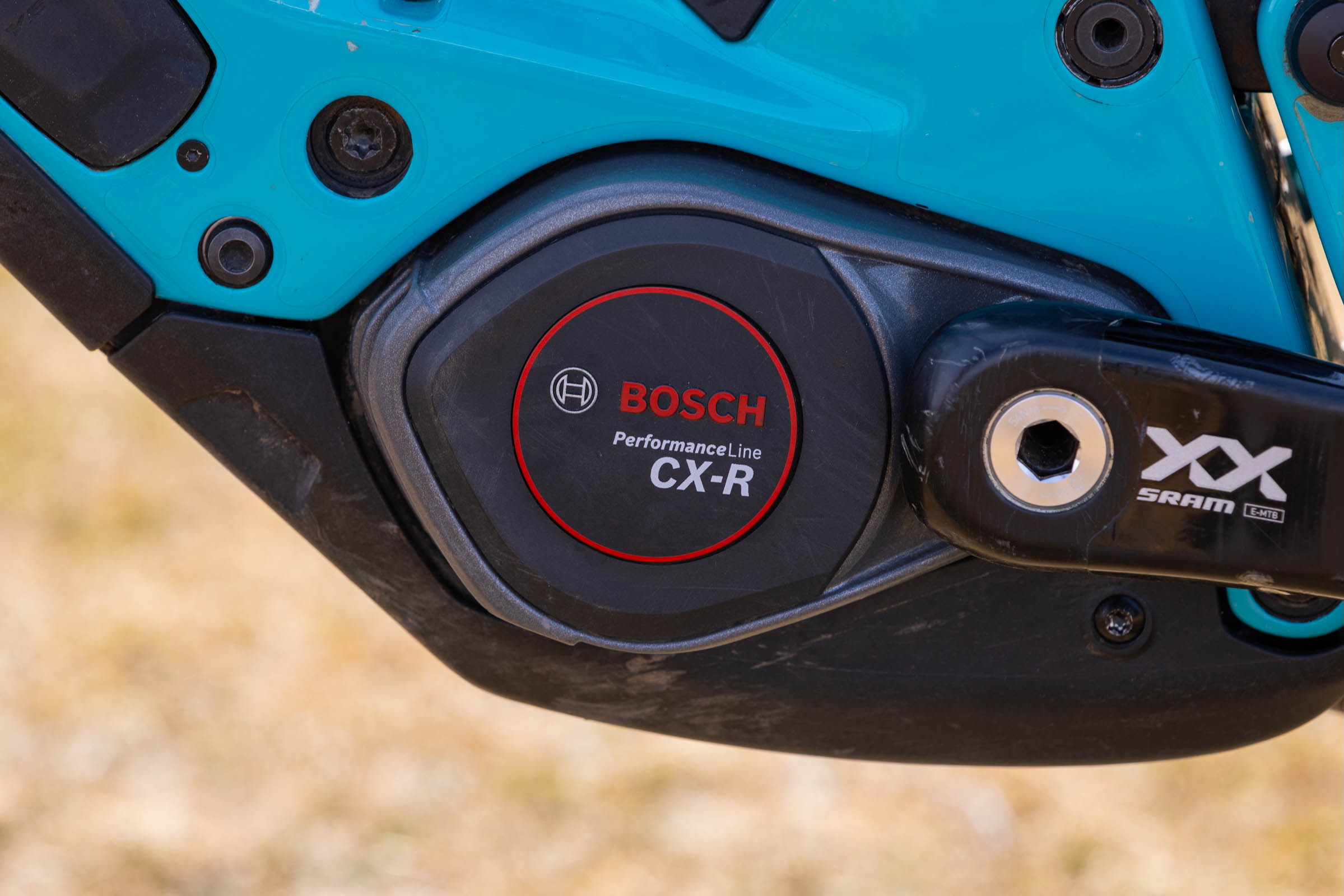
The first moment of engagement is less polished. In higher modes, a resting foot can surge the motor abruptly, making steep restarts and stationary balancing less composed than with other motors.
This bike produced the strongest result in our full-power range test, covering 29.3km and accumulating 1,760m of climbing and descending. Its 800Wh battery can be removed and replaced with a lighter 600Wh unit or supplemented by Bosch’s PowerMore extender.
A capable 29er that lacks spark
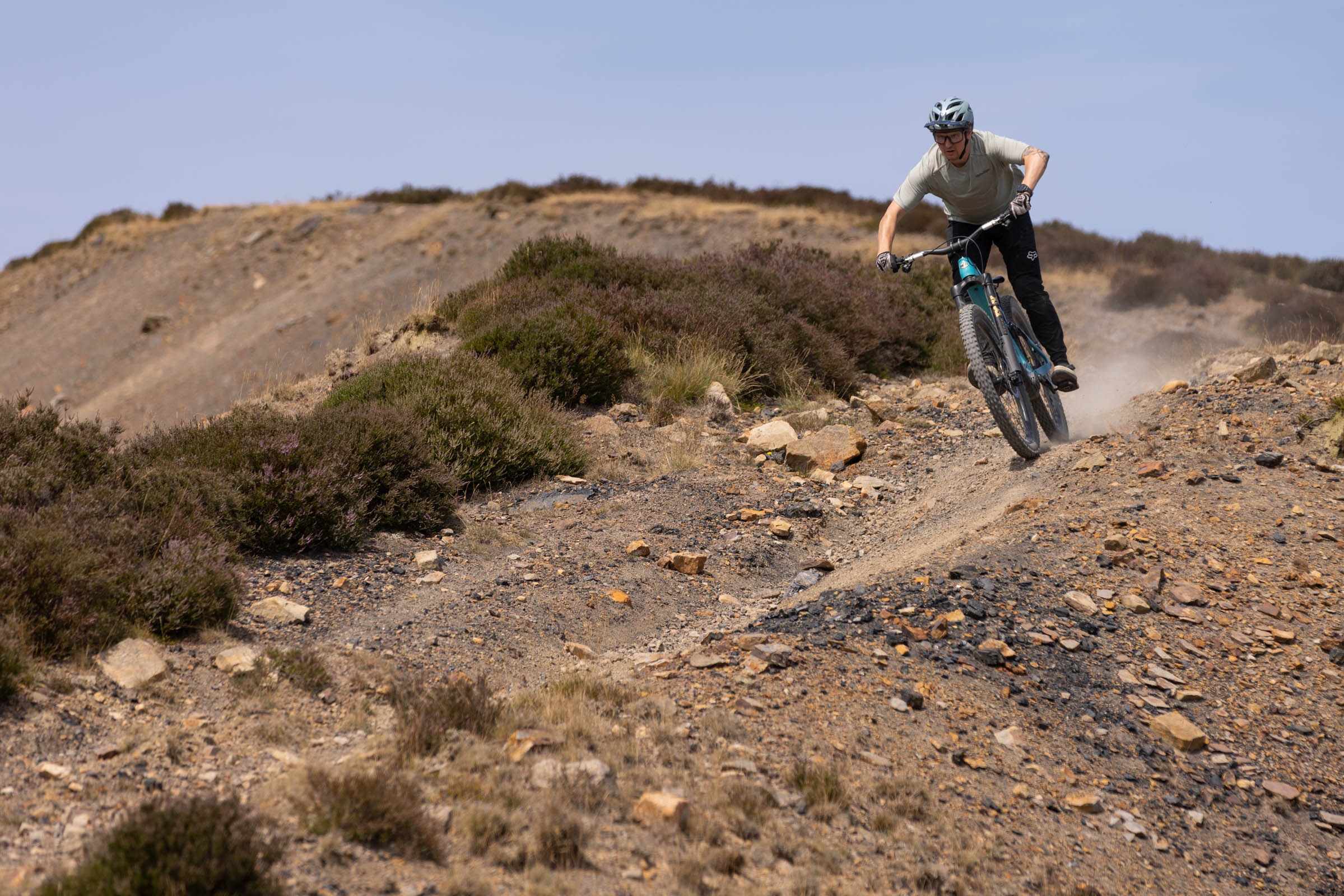
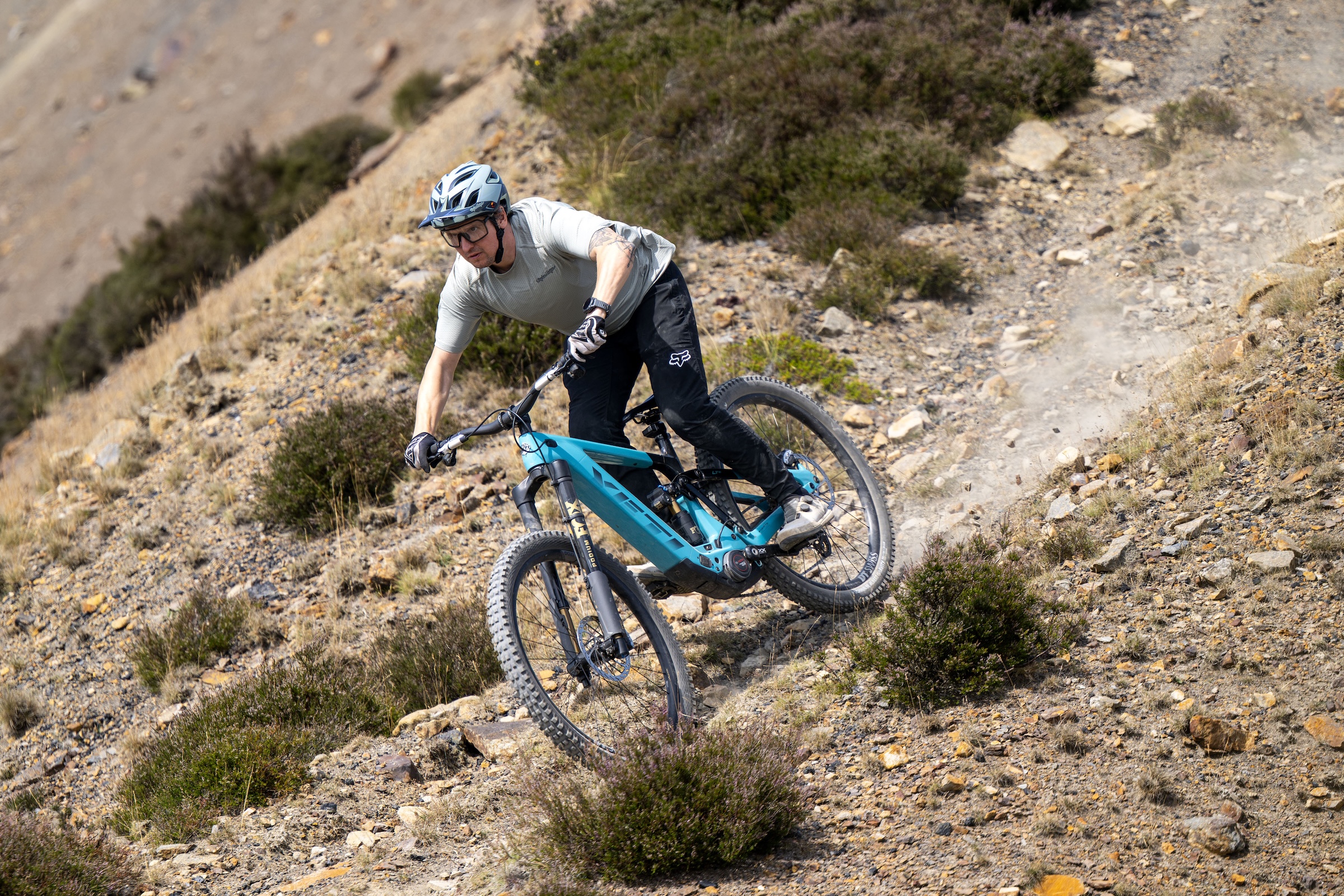
With the standard 29in rear wheel, the LTe is exceptionally versatile. It carries speed, changes direction more easily than its weight suggests and offers enough composure for natural trails, bike-park laps and long technical rides.
However, it never felt as daring as I expected. The full-29in setup gives it plenty of rollover and stability, but the back of the bike feels a little perched and less eager to move, pump or snap between lines.
The low stack height is partly responsible. At 625mm on the size medium, it’s a couple of centimetres lower than I’d choose for a bike with this much travel and descending design intent.
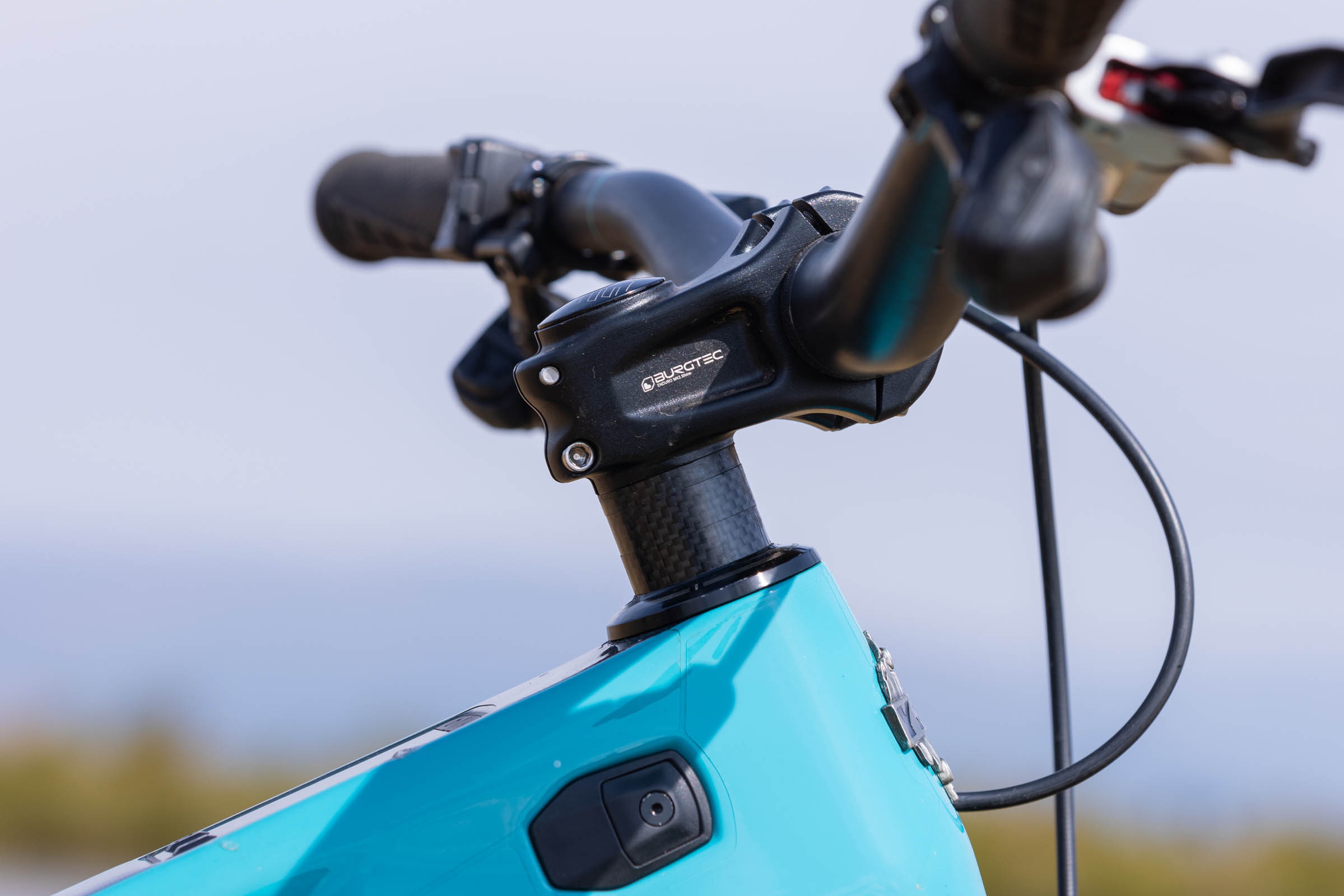
Even with the maximum number of spacers under the stem and Yeti’s 35mm-rise bar, the front end leaves too much body weight over the handlebar on steep trails. The high-rise bar may prop the cockpit up, but it doesn’t fully compensate for the low frame stack.
That forward bias makes it harder to relax and let the bike move beneath you. The Fox Podium fork also moves readily into its travel, so I needed additional pressure to hold the front up and maintain balance. The fork is impressively smooth, but setup-sensitive.
The Sixfinity platform earns its keep most clearly when the surface becomes rugged. The rear wheel stays in contact impressively across chatter and braking bumps, while the chassis still delivers some trail feedback rather than muting the trail completely.
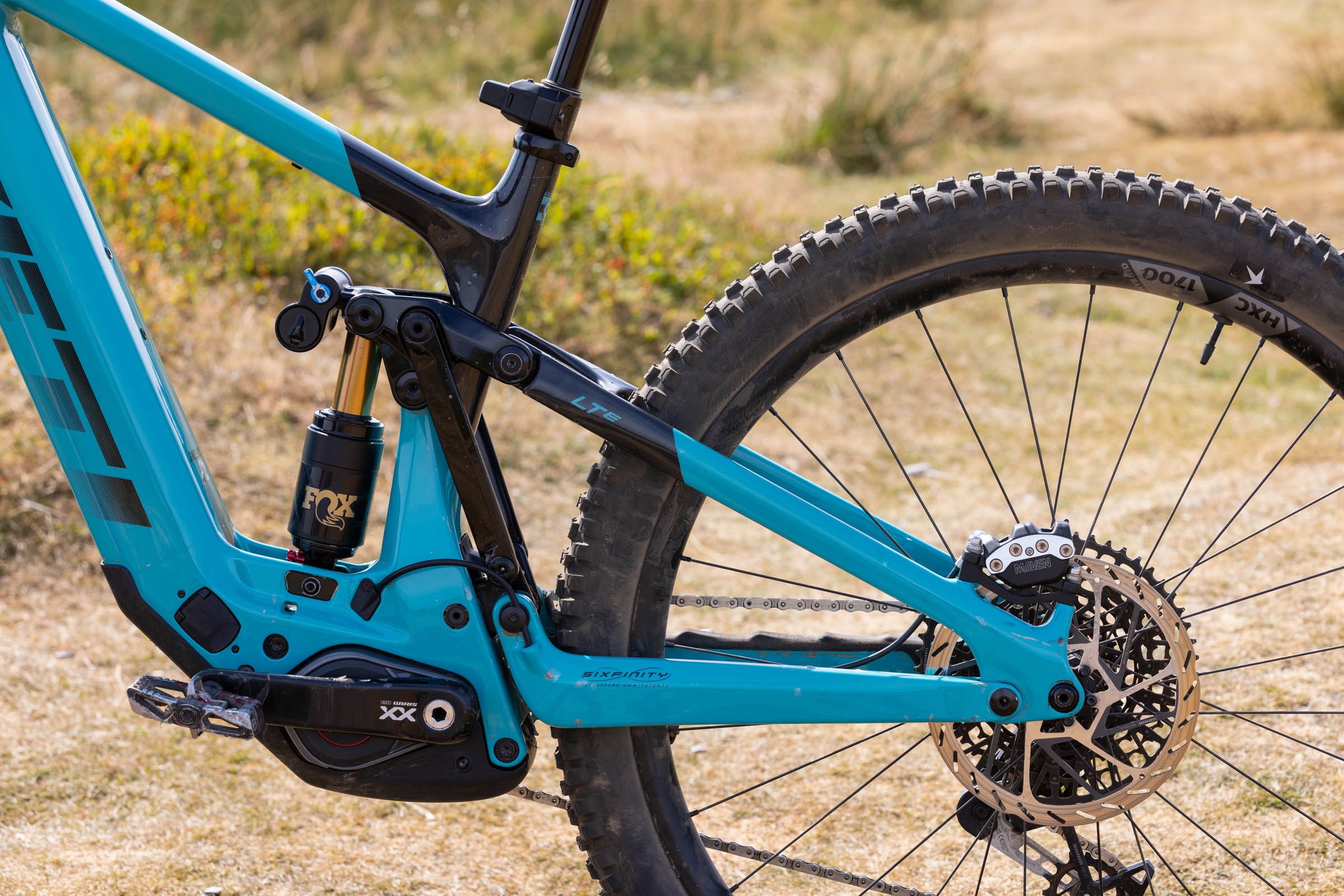
Under braking, Sixfinity's strongest asset, the six-bar linkage enables the tyre to keep tracing rough ground instead of skittering across it. That encourages later braking in steep, chopped-up entries.
The bike also keeps enough shape through turns and compressions to avoid feeling loose or wallowy, with progression arriving smoothly near the end of the stroke.
Bigger impacts are controlled, although landing rear-wheel first can send a noticeable thump through the pedals.
That creates a lively ride, but not necessarily a more entertaining one in the full-29in configuration. The bike feels light and manoeuvrable, yet the large rear wheel dulls some of the hard-charging character I expected.
Drop a wheel size and it rips
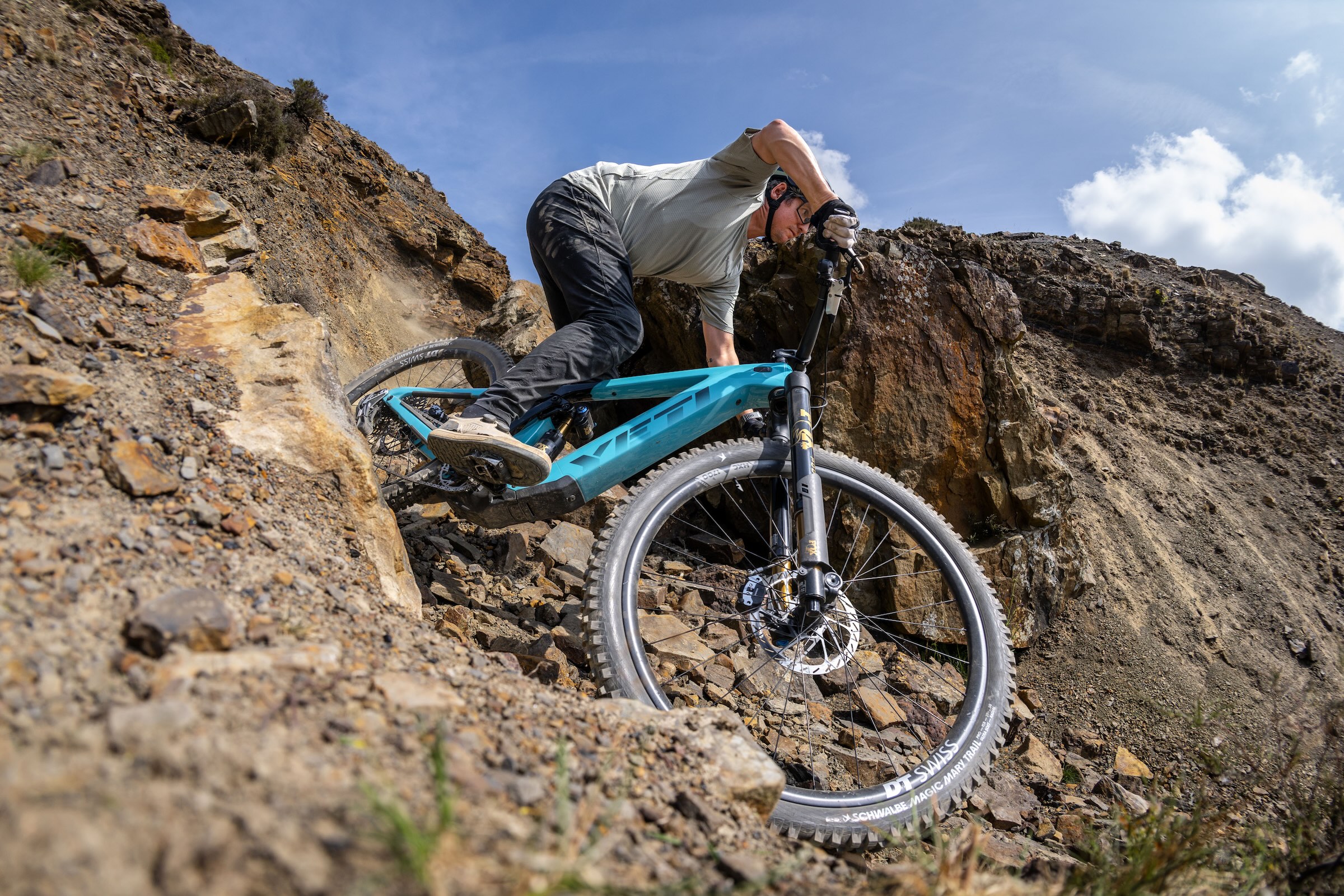
The breakthrough came when I fitted a 27.5in rear wheel but left the wheel-size chip in its 29in setting.
Yeti intends for you to flip the chip and preserve the standard geometry when fitting a smaller rear wheel. My setup deliberately lowered the rear end and slackened the bike.
That off-menu configuration transformed the LTe. The smaller wheel was easier to move across the trail, the bike carved more naturally through turns and the rear suspension felt more energetic through compressions. It stopped merely handling everything and started encouraging me to attack.
The back of the bike became easier to cut across cambers and snap onto a different line. It was also simpler to drive the rear tyre into turns without the bike feeling as though it wanted to keep trucking straight ahead.
Best of all, the lowered back end helped offset the low stack, by changing the bike’s pitch. I felt less perched over the front wheel and could ride steep sections with more confidence.
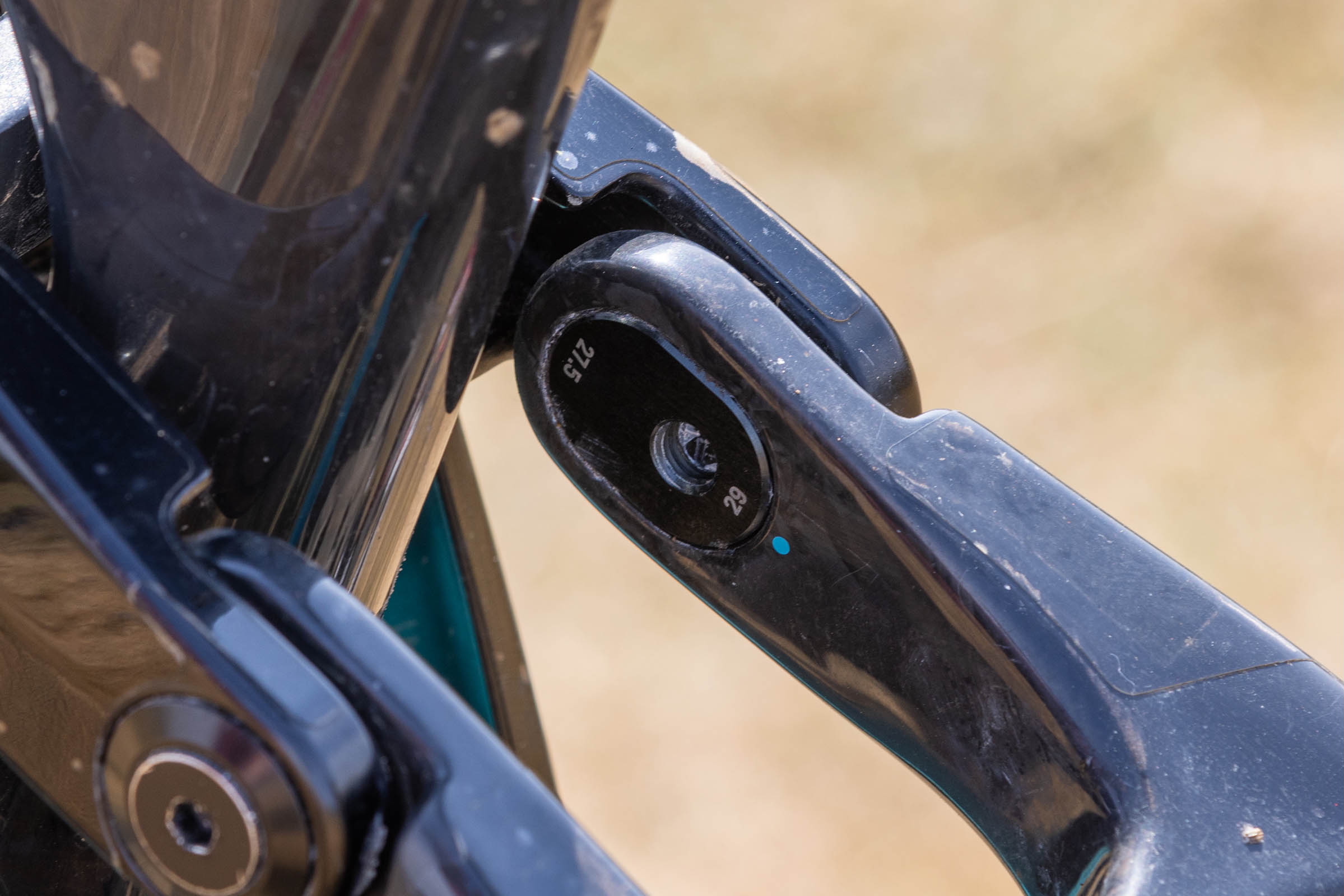
The Yeti became easier to manual, hop and throw into quick direction changes without losing the Sixfinity system’s grip and braking control. My setup change didn’t remove the suspension’s sensitivity or support, it simply made the chassis more willing to use those qualities in a a more engaging way.
This is the version of the LTe that rips. It feels more playful yet more capable. The full 29er remains better for maximum rollover and all-round mile-munching rides, but the uncompensated mixed-wheel setup gives the bike the excitement its stock configuration lacks.
There is an obvious caveat – this isn’t Yeti’s intended arrangement, and it lowers the bike closer to the ground. Riders considering the same setup should check pedal and motor clearance with their frame and tyre size, rather than assuming every combination will work equally well.
Top kit, but not flawless
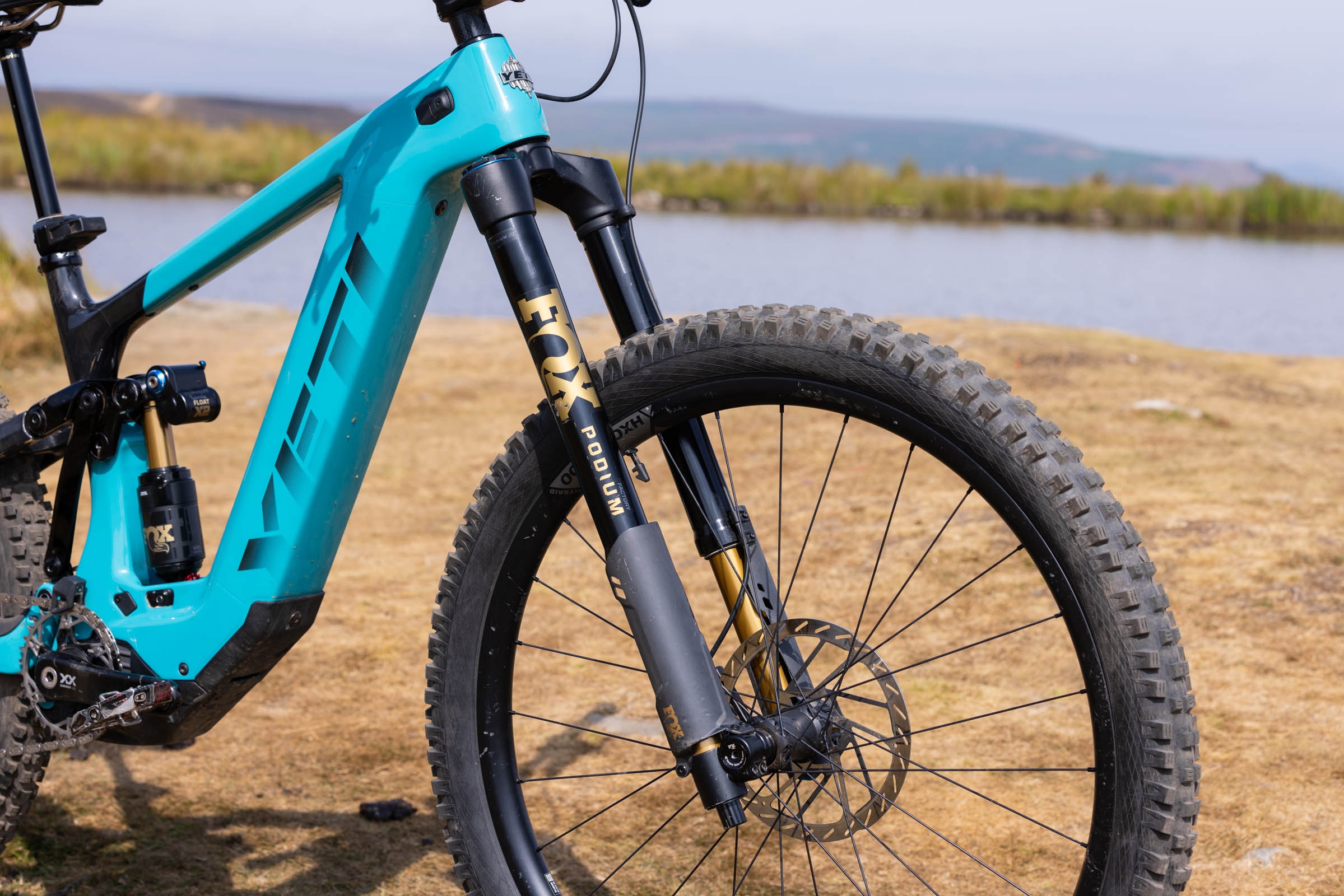
The T4 build is unapologetically premium. Fox’s Podium Factory upside-down fork and Float X2 Factory shock offer huge tuning scope, the SRAM XX Eagle Transmission shifts cleanly under power and the DT Swiss HXC 1700 carbon wheels suit the bike’s speed.
SRAM’s Maven Ultimate brakes offer huge stopping force, although the lever’s bite point moved more than expected during the test and needed a careful bleed.
The Schwalbe Magic Mary Radial front tyre grips well, but its Trail casing feels under-specced for a fast enduro eMTB. A Gravity version would give better support and protection, particularly for heavier or more aggressive riders.
Although the 800Wh battery isn’t removable, the feature-packed Bosch Kiox display, clean cable routing and ample frame protection make the bike easier to live with than its complicated linkage suggests. Maybe until the bearings need replacing that is.
A second flip chip gives three suspension-progression settings. These are meaningful, enabling you to choose between a more consistent linear ‘race’ feel, a balanced setup or greater end-stroke ramp-up.
Value for money
At £12,999, the T4 is a showcase build rather than a rational purchase. Its Podium fork, XX drivetrain and carbon wheels are desirable, but the frame and Sixfinity suspension create most of the distinctive ride.
The £10,999 T3 bike keeps the 800Wh battery, carbon wheels and Float X2 Factory shock, representing better value for money.
How I tested | Bike of the Year 2026
I rode all six bikes back to back across the same mix of technical climbs, trail-centre loops, steep natural descents, rough braking-bump sections and larger bike-park features. To compare motor response, climbing traction, geometry, suspension support, braking control and handling as fairly as possible, I repeated key trails, adjusting setup between runs where required.
Each bike also completed the same maximum-assistance range test, while the three finalists were timed on the Forest of Dean’s FOD Thursday downhill and ridden by a second tester to cross-check my conclusions.
Also tested
- Merida Lithos 8000
- Specialized Levo 4 EVO Pro
- Marin Alpine Trail E XR
- Yeti LTe T4
- Amflow PX Carbon Pro
Yeti LTe T4 bottom line
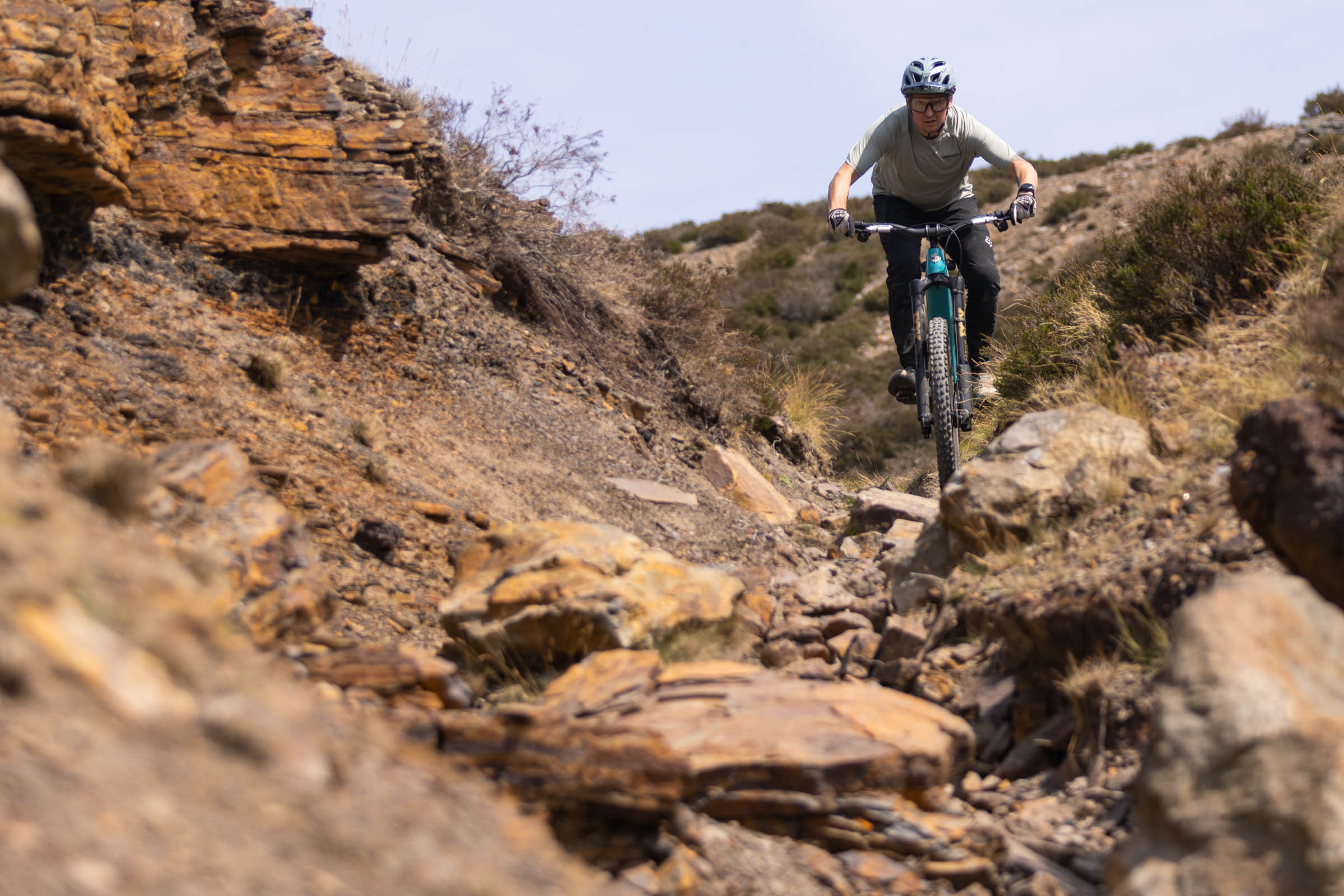
The LTe has a wider remit than its rivals. In full-29in guise, it climbs efficiently, carries momentum and finds exceptional grip throughout long, technical rides.
However, its 625mm stack and restrained-feeling stock rear end prevent it from matching its price with descending excitement in stock form. The capability is obvious, but the urge to turn around and repeat a descent is less immediate compared to our Mountain Bike of the Year winner, the Atherton S.170E.2.
A smaller rear wheel changes everything, though, especially when used in the 29in chip position. The bike becomes lower, more playful and a far capable eMTB that encourages hard riding.
This setup won’t suit everyone and needs careful clearance checks, but it revealed the best version of the LTe. The suspension, low weight and adjustability are excellent, but I feel Yeti hasn’t given the stock bike sufficient stack or spark.
Product
| Brand | Yeti |
| Price | €14500.00, £12999.00, $14900.00 |
| Weight | 22.33kg |
Features
| Fork | Fox Podium Factory |
| Stem | Burgtec Enduro Mk3, 50mm |
| Frame | TURQ carbon fiber, Sixfinity suspension,160mm |
| Motor | Bosch CX-R |
| Tyres | Schwalbe Magic Mary Radial Trail Pro Ultra Soft 29x2.5in (f) and 27x2.5in (r) |
| Brakes | SRAM Maven Ultimate, 200mm rotors |
| Cranks | Alloy, e-specific |
| Saddle | WTB Solano SL |
| Wheels | DT Swiss HXC 1700 carbon, 29in |
| Cassette | SRAM XX Eagle AXS Transmission |
| Seatpost | RockShox Reverb AXS |
| Grips/tape | ODI |
| Handlebar | Yeti carbon, 800mm |
| Rear shock | Fox Float X2 Factory |
| Available sizes | S, M, L, XL |
SQUIRREL_14027686