SQUIRREL_13738030
The Wilier Filante SLR ID2 launched in October 2025, backed by bullish claims of substantially increased aero performance compared to the previous-generation bike.
Accordingly, it feels very fast and handles extremely well – comparable with the best all-round bikes – albeit its party piece is probably its striking paintjob and small details.
For the best-value race bike, look elsewhere. But for something that has presence as well as great core performance, the Filante FLR ID2 will appeal to many.
- Read more: Best road bikes 2026 – our pick of the best endurance, race, women’s and entry-level road bikes
Wilier Filante SLR ID2 – key details
- Wilier’s all-round aero race bike
- Claimed to be 13.6% more efficient than predecessor, equating to 4.5 per cent overall system improvement with rider onboard
- Impressive 7.4kg weight in size XL
- Lacks power meter at £9,500 / €10,900
- Tested with Shimano Dura-Ace R9200 Di2 groupset
- Delivers fast and stable-feeling all-round performance
Wilier Filante SLR ID2 ride impressions
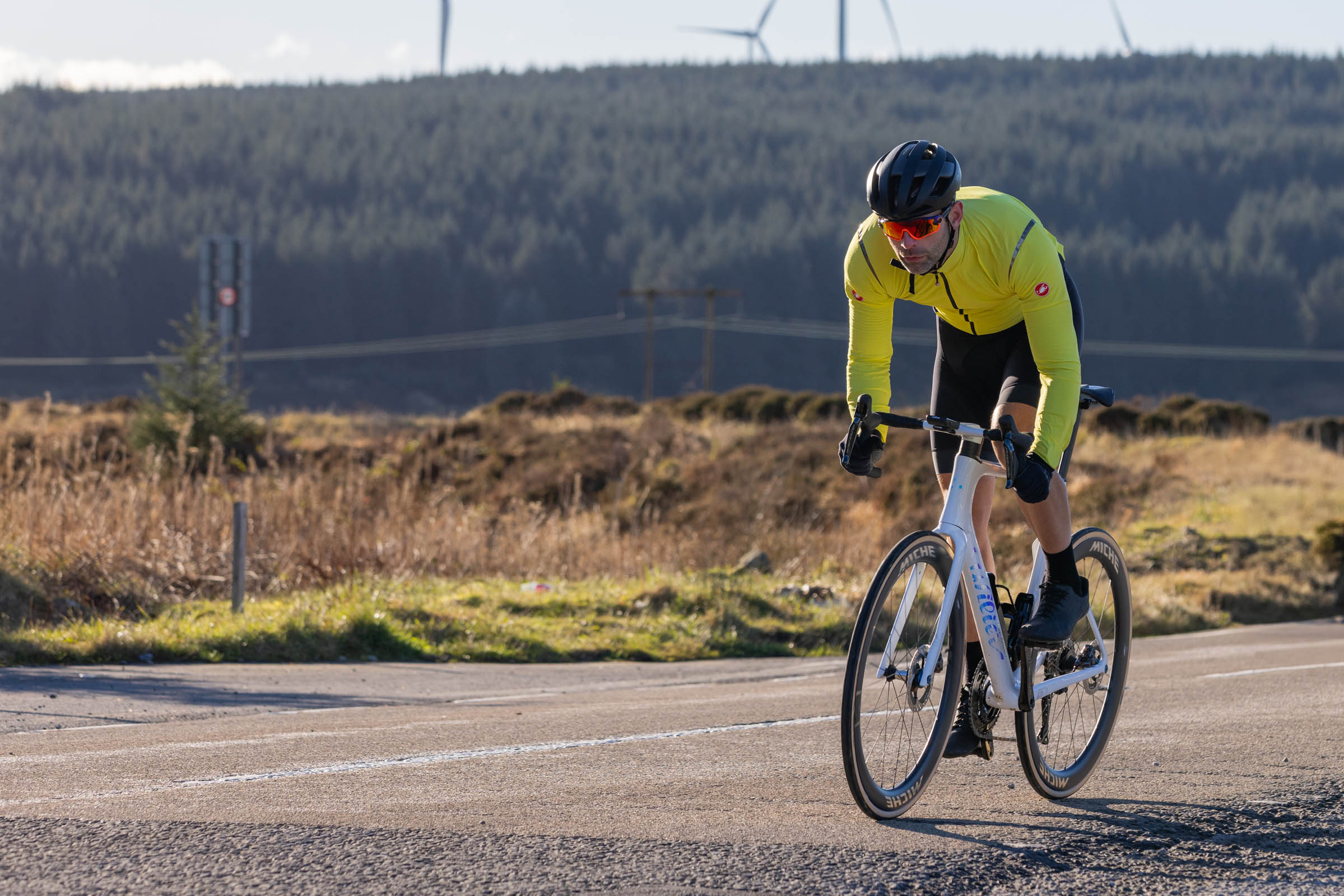
The Wilier Filante SLR ID2 performs like a more refined version of the Filante SLR ID1. That bike was described as a true “superbike” by my colleague Warren Rossiter in 2020, while it was ridden by Mark Cavendish to his record-breaking 35th Tour de France stage win in 2024.
Clearly, it was no slouch, then, but the new bike feels a little more efficient yet composed.
The frameset has seen an aerodynamic overhaul accompanied by some bold claims (13.6% less drag is a large figure in this era of shaving margins off the very top).
With me onboard, that’s far less – something like 4.5% – but still a noticeable improvement. It’s also worth noting the claimed frame weight remains 860g in a (black) painted size-medium frame, yet the stiffness has risen.
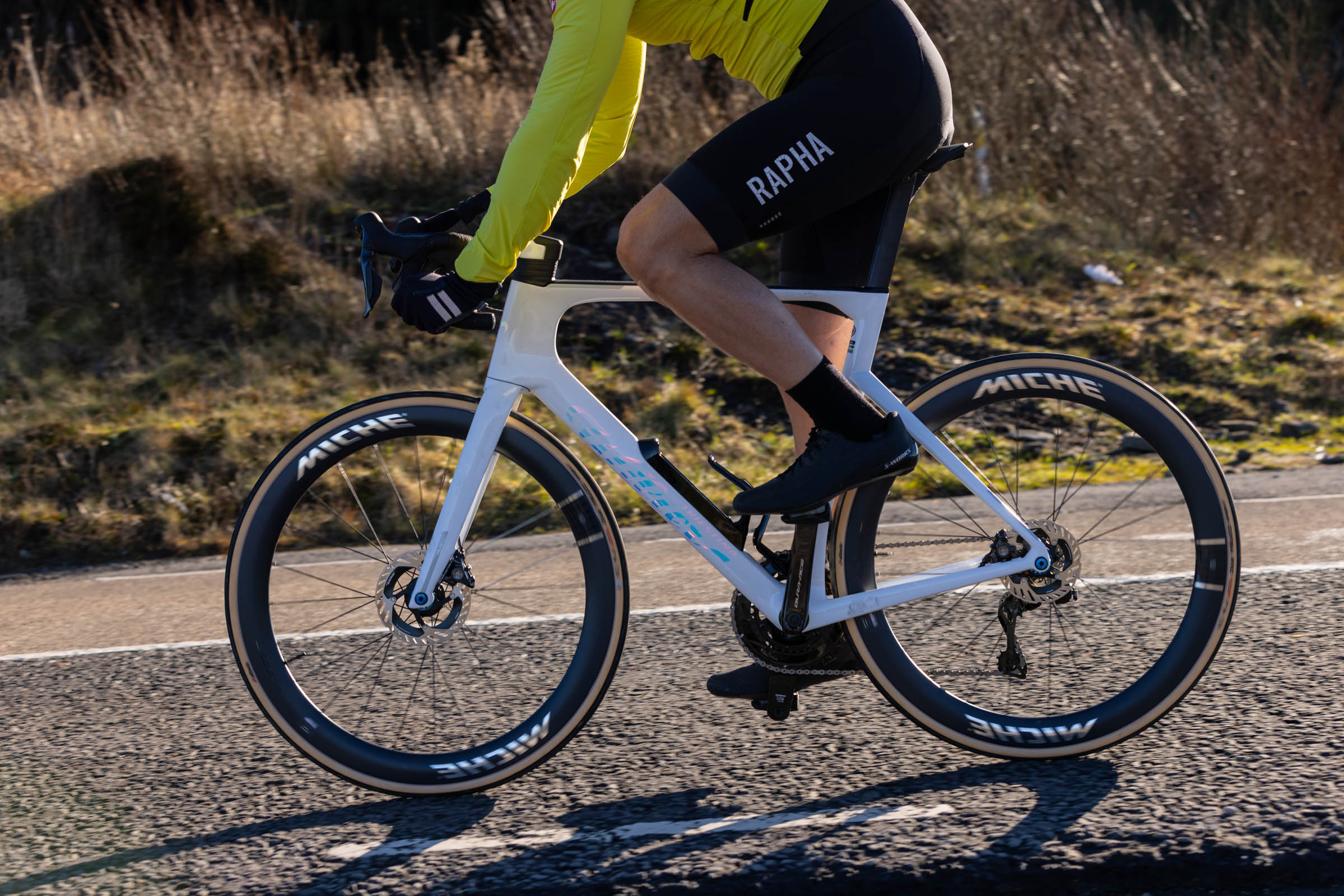
Naturally, there have been nips and tucks across the frame – slightly deeper tubes throughout, with a generally tidier aesthetic – but the main gain comes from the new Aerokit bottle system developed with popular bottle manufacturer Elite.
Essentially, recessed bottle cages fit into a depression in the down tube. With the specially designed bottles in place, Wilier refers to it as a “spoiler, capable of keeping the air more stable and less turbulent around the frame”.
BMC has previous form here with the incredibly aggressive Teammachine R, so the idea isn’t new, but it contrasts with Factor’s more utilitarian approach with the Monza – which I tested alongside the Filante. This has also led to Wilier shifting the Di2 battery to just above the bottom bracket area, which it says improves its centre of mass.
The handling is very sharp and direct, as I would hope, but extremely composed for a race bike. The wheelbase is a shade over 1,010mm long on my size-XL test bike, thanks in part to an elongated rear triangle, which gives the Filante a planted feel that more compact bikes miss as they shoot for agility above all else.
It’s an oft-delivered trope by bike reviewers these days, but the praise is justified here and no surprise with bike designs (on the whole) seeming to coalesce around this Goldilocks layout.
The test frame features a 577mm stack. That’s lower than many all-round race bikes of this size, which can approach 600mm. Even with 30mm of spacers in place, the ride position feels notably aggressive.
Also worth noting is the sense of stiffness, which is certainly on the upper end of the spectrum even for a race bike. The BMC Teammachine R is perhaps the most unyieldingly stiff race bike I’ve ever tested, but the Filante SLR ID2 feels similarly taut.
Given this, I was pleasantly surprised to find this size-XL bike weighs only 7.4kg – even with Miche’s 50mm-deep Kleos RD carbon wheels (which are a suitable match for the bike).
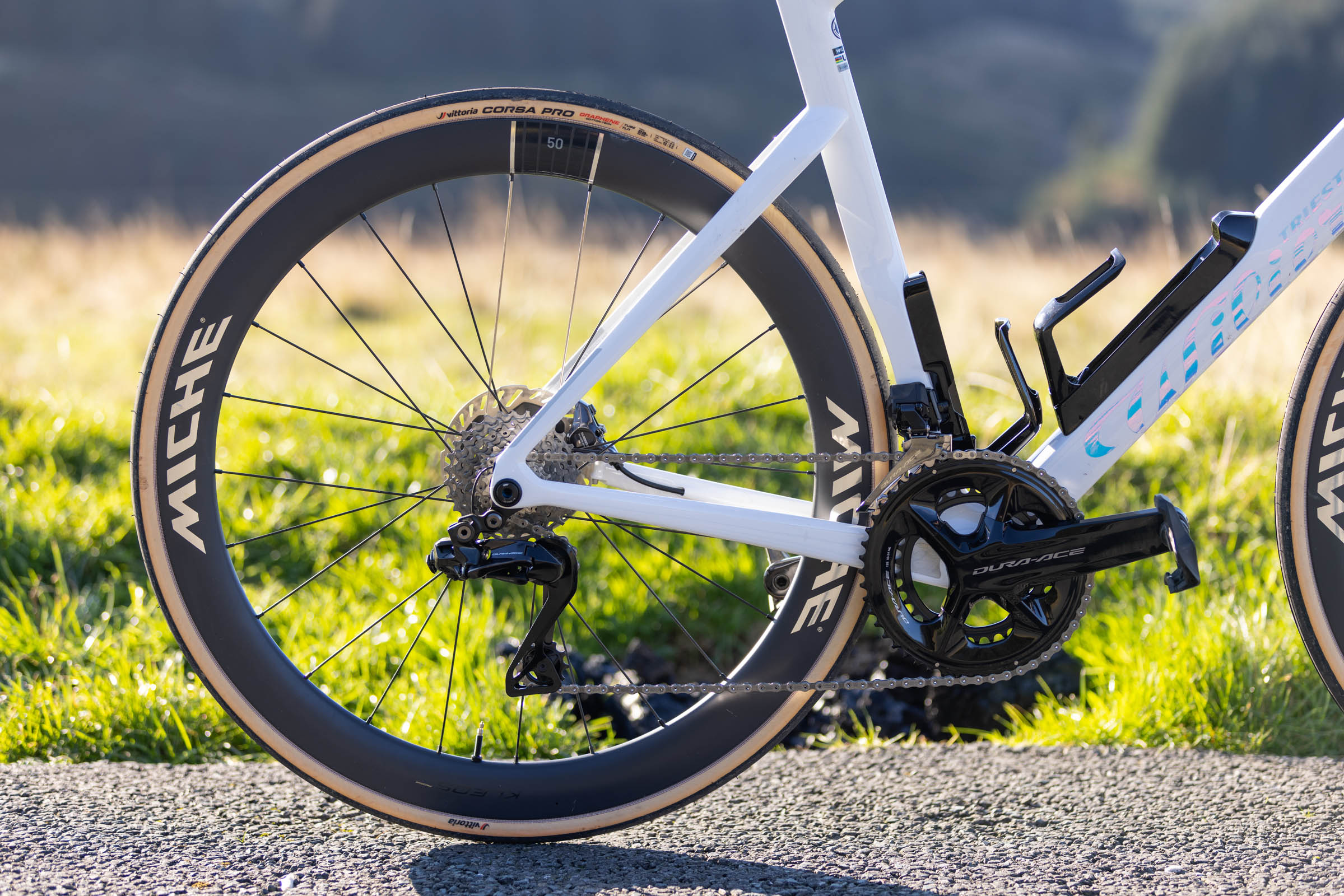
Happily, this stiffness and lightness don't come at the total sacrifice of comfort. The worst chatter is dealt with admirably well through the mid-depth D-shaped seatpost, although the aggressive ride position (which naturally leads to more weight being distributed through the hands, arms and shoulders) meant it became fatiguing after a few hours’ riding.
For a well-trained racer who perhaps isn’t carrying as much upper-body mass as me, it may be less punishing – but I found myself having to relieve hand pressure from the hoods more often than I’m used to.
However, given the frameset officially features capacity for 34mm tyres but only comes fitted with 28mm tyres, fitting 32mm rubber would go a fair way to alleviating some of the feedback while leaving plenty of clearance.
Fitting in
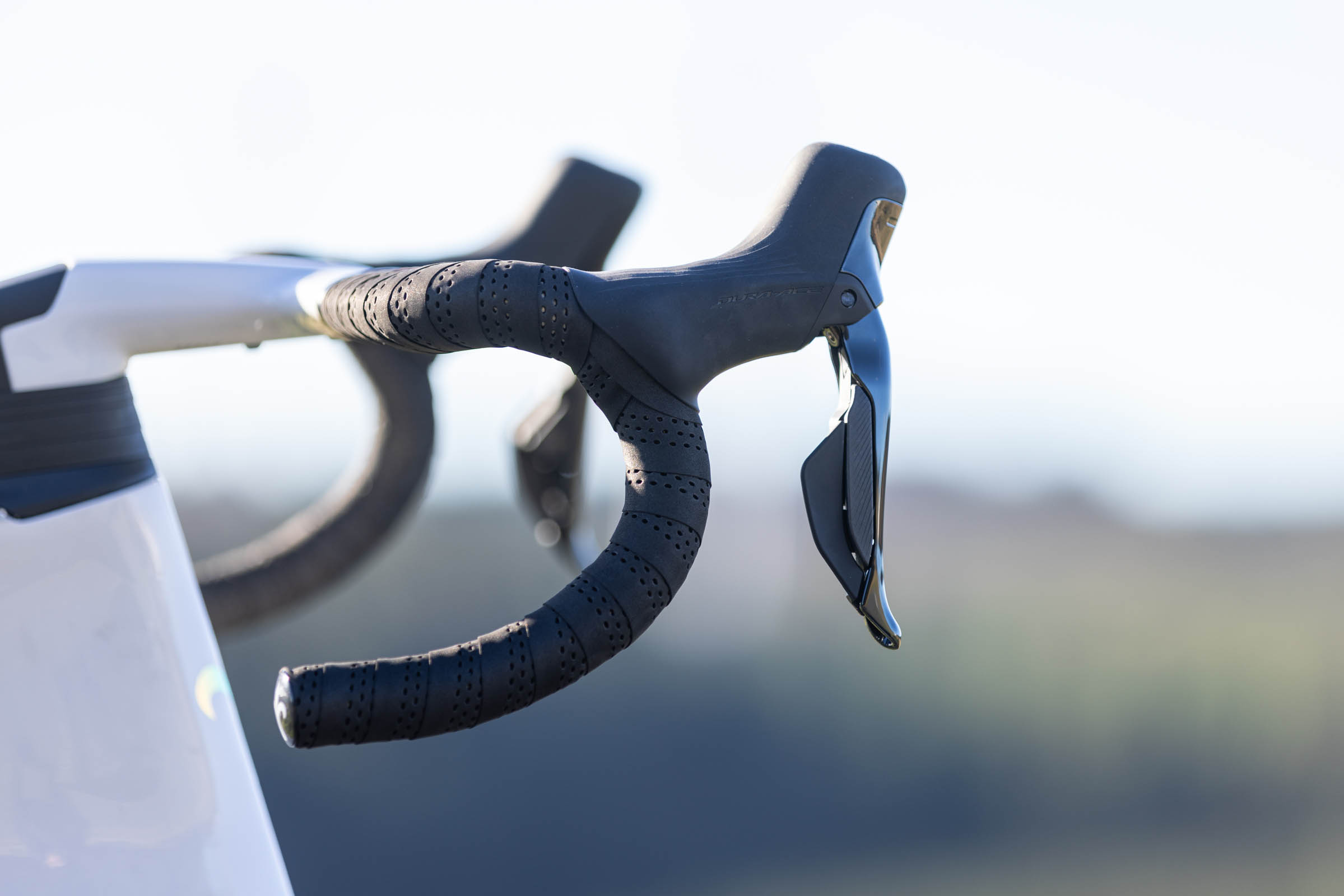
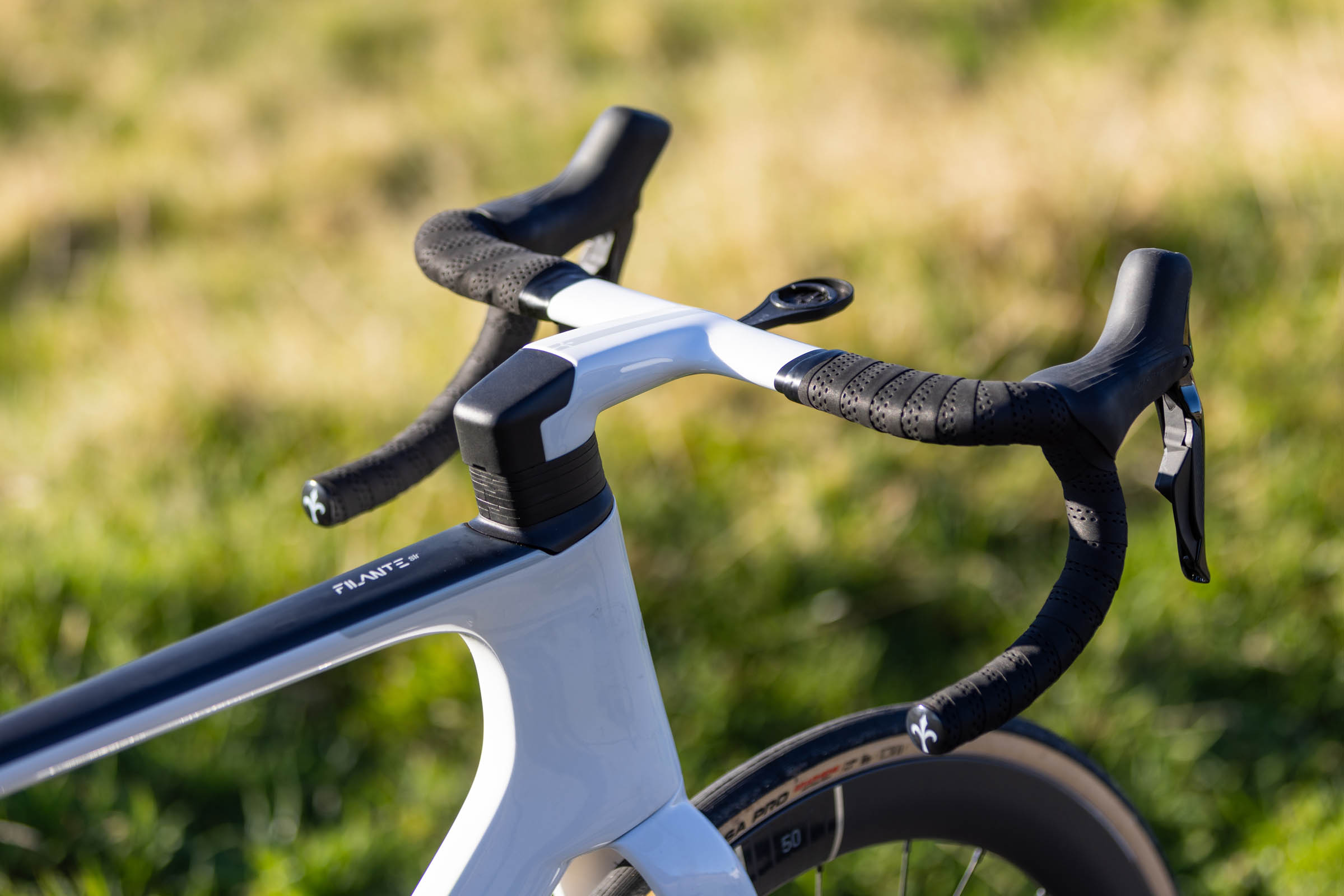
I enjoyed the atypical ergonomics of the handlebar – it’s 3cm wider at the bottom of the drops versus the upper part (1.5cm each side). When you’re riding in the crook of the bend with your fingers curled round the brake levers, you’re more tucked in; but when you hold lower down, your hands are placed wider, improving handling stability and leverage compared to a bar that sweeps back directly.
You can choose between three width variations (35/38cm, 37/40cm and 39/42cm), alongside a selection of stem lengths, to form your ideal version of the F-Bar ID2 integrated cockpit.
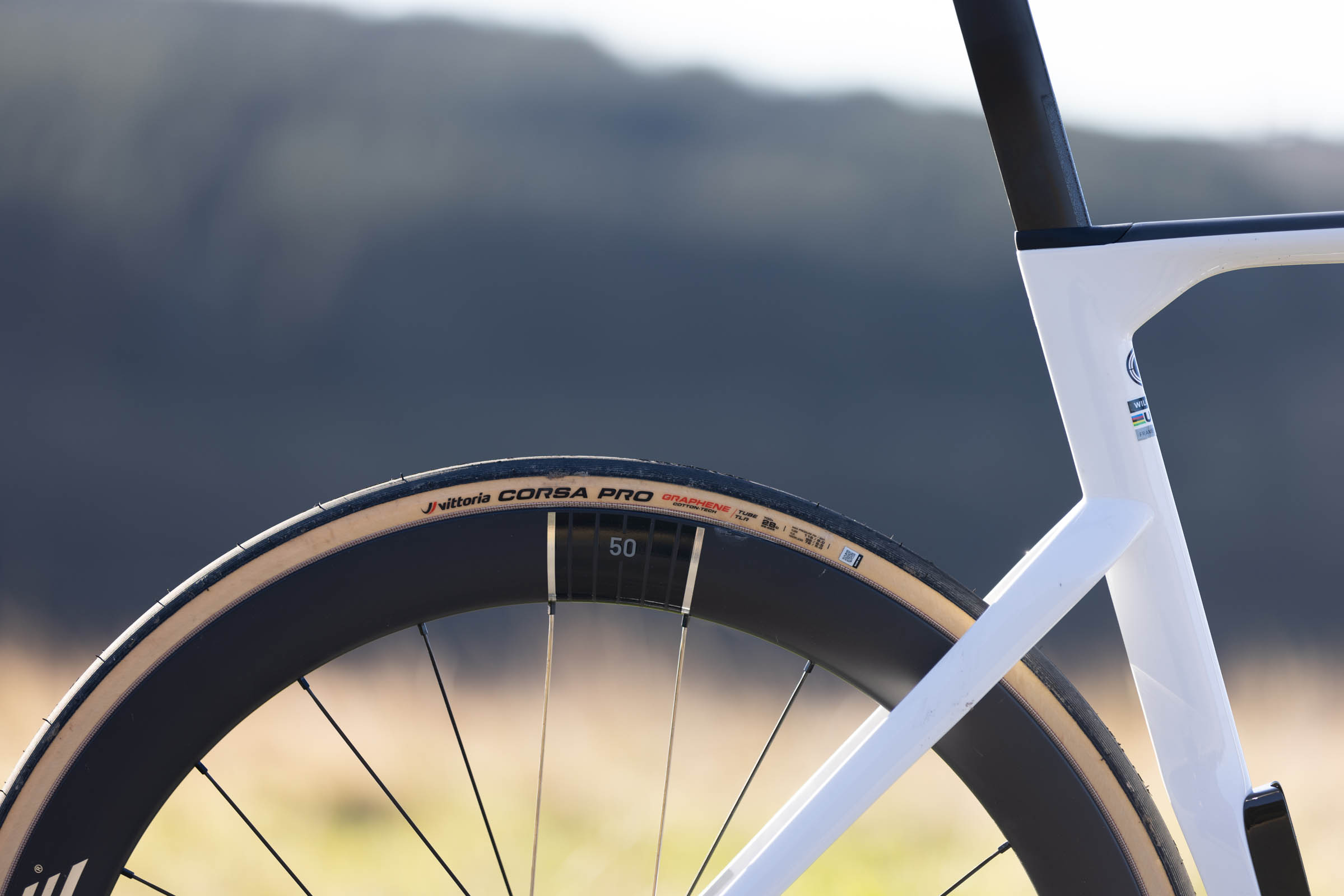
As part of the package, you also have the choice of an inline or 15mm-setback seatpost – with the inline post being, refreshingly, the default choice. Along with the 73° seatpost angle, this combo helps to pitch you over the bottom bracket and open your hip angle.
This version, with a Shimano Dura-Ace Di2 R9270 groupset, costs £9,500 / €10,900 / $12,900. Sadly, you don’t get a power meter, which feels a bit paltry given plenty of race bikes would include one at that price. You’d expect the typical Filante SLR customer to want one to support their training or racing goals.
However, there’s no doubt that the Filante SLR ID2 looks premium – the ‘Pure White’ colourway, with iridescent graphics, has proven to be an even greater head turner than the Factor Monza’s turquoise green shade in testing, and there are other striking options besides.
Plus, WIlier has gone to the trouble of speccing anodised thru-axles and rotor lockrings via its sibling components brand Miche – a spot of bling to set the whole show off.
How I tested
I tested the Wilier Filante SLR ID2 and Factor Monza side by side, with both bikes relatively new arrivals ahead of 2026.
They were tested on my local control routes, on rides of up to 100km. The conditions were largely stable, albeit cold and wintry at times.
Wilier Filante SLR ID2 bottom line
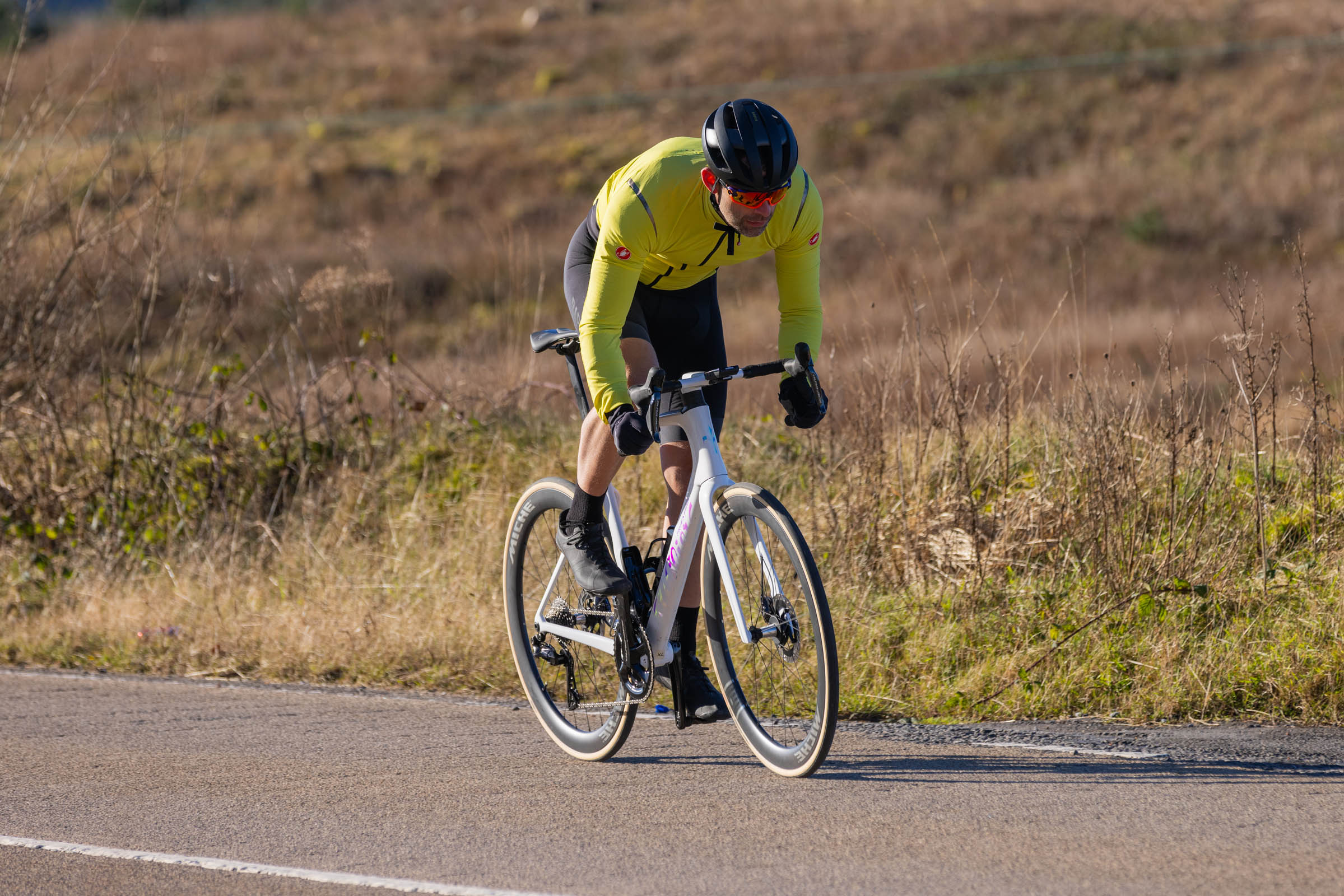
The Wilier Filante SLR ID2 is a bike I’ll fondly remember testing, because it feels as fast and as agile as it looks, while it manages to deliver great composure and the level of compliance it needs to (but no more).
Perhaps the only shame for Wilier is I could say the same about a number of other all-round race bikes – aside from looking great, the Filante SLR ID2 doesn’t have any huge standout qualities. Equally, it’s fair to say that when all-round race bikes have become so similar to ride, how they look will inevitably become more important.
This bike’s value isn’t its strongest point – while you have free rein to dial in your fit, a power meter should be fitted as standard, especially given this model’s key target market.
But that won’t stop the latest Filante appealing to those who buy bikes with their heart, rather than purely when looking at the spec sheet.
Product
| Brand | Wilier_ |
| Price | €10900.00, £9500.00, $12900.00 |
| Weight | 7.40kg |
Features
| Fork | Wilier Filante SLR ID2, carbon |
| Frame | Wilier Filante SLR ID2, carbon |
| Tyres | Vittoria Corsa Pro TLR, 28mm |
| Saddle | Prologo Nago R4 PAS Tirox |
| Wheels | Miche Kleos RD 50 |
| Seatpost | Wilier Filante SLR ID2, carbon |
| Bottom bracket | Pressfit |
SQUIRREL_13738030