The Bluegrass Venture Vest blends spine and chest protection with kit-carrying capacity via a range of zipped and non-zipped pockets.
Fit, ventilation and ease of use have all been considered, with Bluegrass opting for elasticated, adjustable side panels fitted with zips to help get the Venture Vest on and off easily.
By placing the storage pockets over the top of the protection pads, the chance of being impaled by a multi-tool should be reduced.
In testing, the Venture Vest has proven comfortable on the trail and doesn’t restrict your body’s movements. Inevitably, it runs warmer than not wearing any protection or a hydration vest, and while some pockets are easy to access, others aren’t as handy.
Packed and ready to go
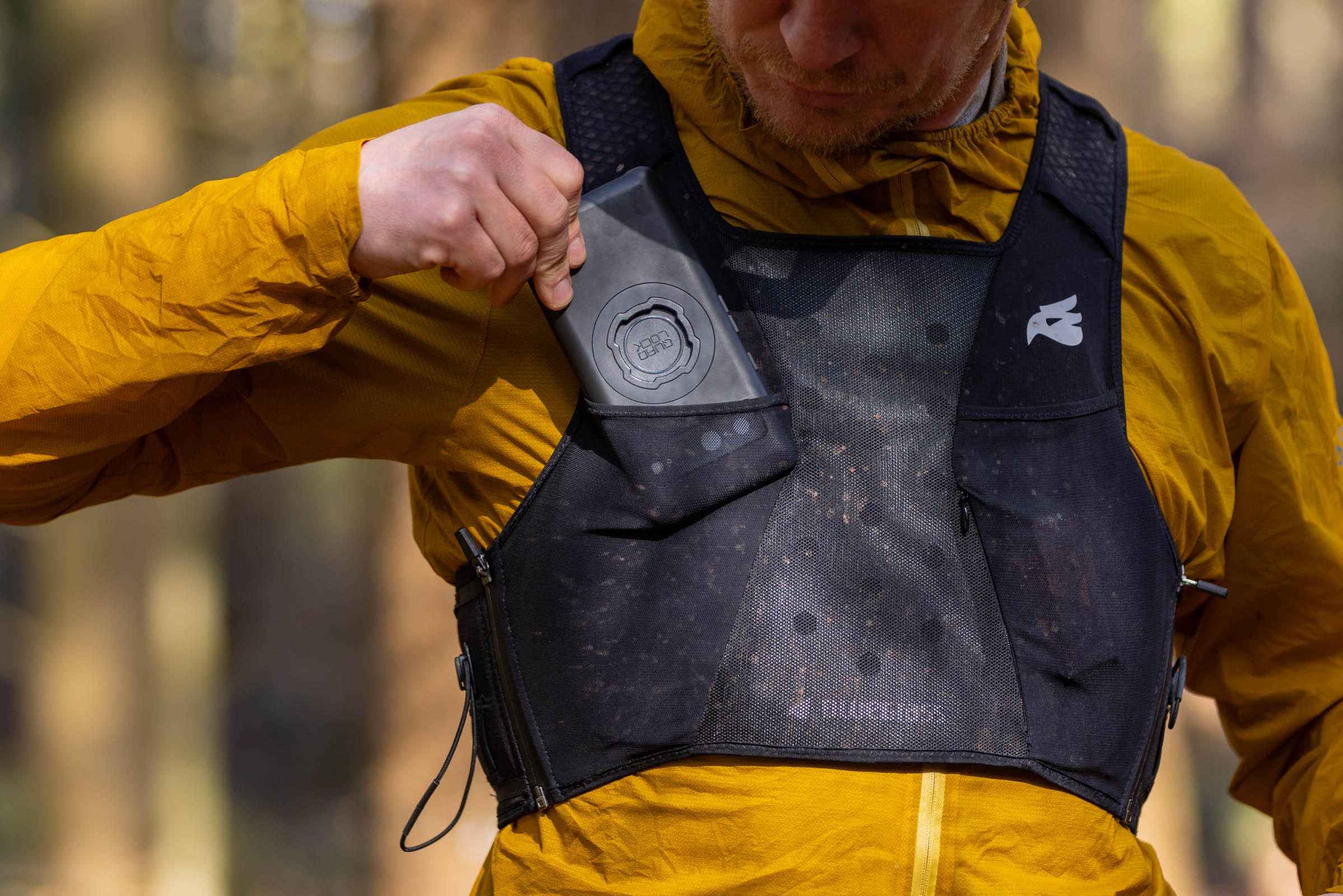
By blending protection with carrying capacity, the Venture Vest has quickly become one of my go-to pieces of enduro kit. I prefer to ride with back protection and am happy to take the hit on body temperature. But most protectors, which sit under a jersey, hamper the ability to carry tools, snacks and hydration.
Much like the latest generation of slimline riding packs, the Venture Vest has deep, easily accessible mesh pockets that sit on the chest. These are large and secure enough to hold a smartphone and a few energy bars, with their elasticated hems preventing items falling out even on rough terrain.
There’s a small zipped pocket on the front too, which I found useful for storing car keys. It's worth noting the zip has very fine teeth and a small tab, so it isn’t the easiest to grab when wearing winter gloves.
A larger sleeve is located on the back, designed to hold up to a 1.5l hydration reservoir (not included). The mesh panel offers some stability, so even when fully loaded, the water doesn’t slosh around too much. There’s also a strap to hold the top of the bladder to prevent it from sinking down in the sleeve, with over-shoulder loops helping to route the hose.
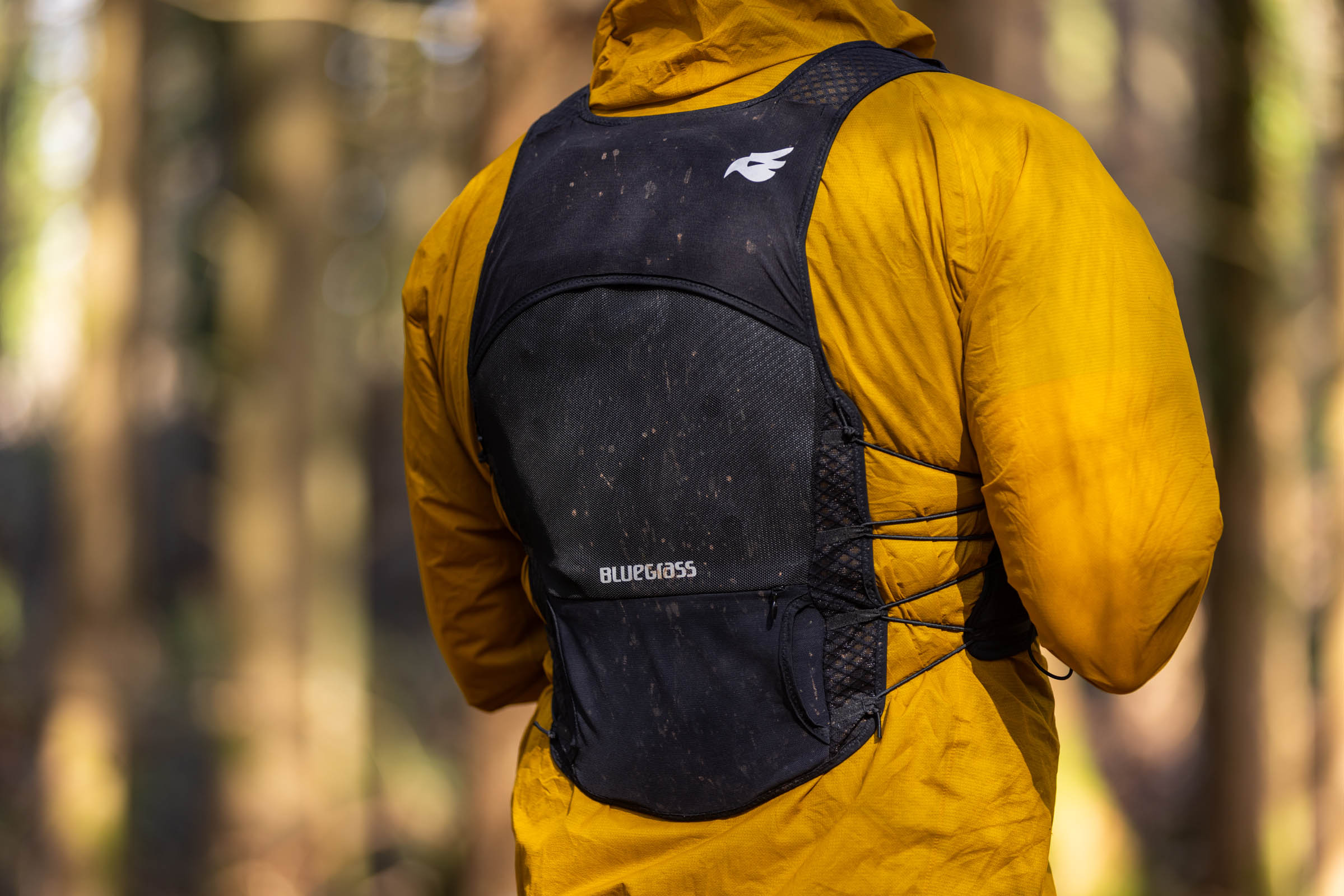
You could stow a jacket in this sleeve, however access isn’t especially slick because you’d need to remove the vest to retrieve the jacket.
A jacket would be better stored in the horizontally accessed pocket lower down on the back, with holes at either end. While it doesn’t feel as secure as a vertically accessed pocket, I’m yet to lose anything from it.
Finally, there's a zipped rear pocket, which runs over the horizontally accessed one, and is big enough for a multi-tool and CO2 canister.
Like the zipped chest pocket, the zip is fine-toothed and hard to open when wearing gloves. It’s also not the easiest to locate, so it’s easier to ask a friend to pull items out of it for you.
Got your back
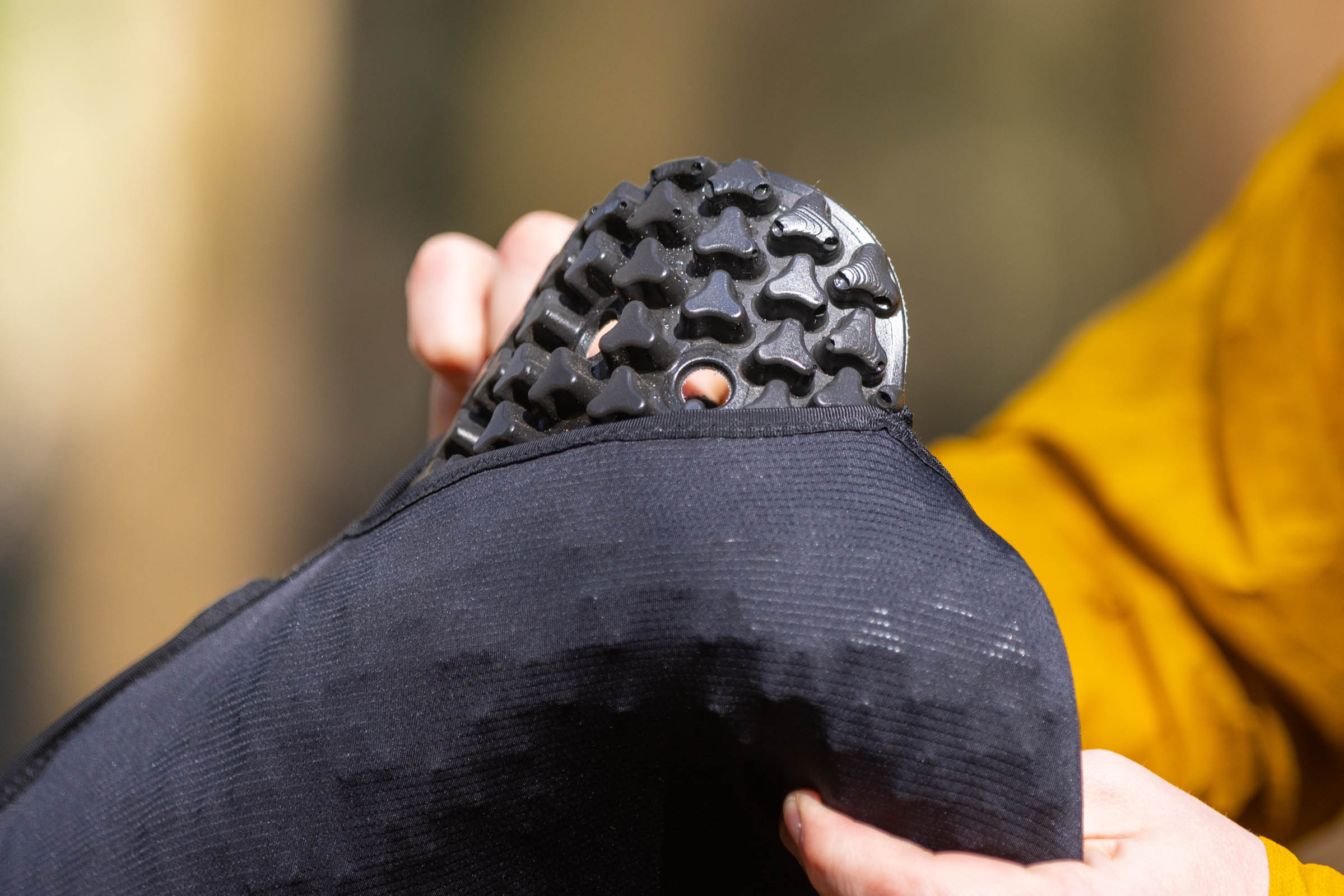
The Venture Vest's protection performs well.
Bluegrass gives the rear plate Level 2 protection – suitable for DH and enduro racing – via its SAS-TEC armour.
The back panel gives comprehensive coverage, being broad and deep, but doesn’t interfere with shorts or trouser hems. It’s flexible enough to feel as though it’s barely there, which is impressive.
The chest protection covers the rib cage nicely, sitting just above the belly. I haven’t found it intrusive, and it doesn’t dig into my stomach when bent over the bars. It offers Level 1 protection because Bluegrass has added more holes to the plate to improve ventilation.
All the pockets on the Venture sit above the armour, so if you crash, the contents won’t dig into your body, while the hydration bladder is insulated from your body heat too.
Strap in
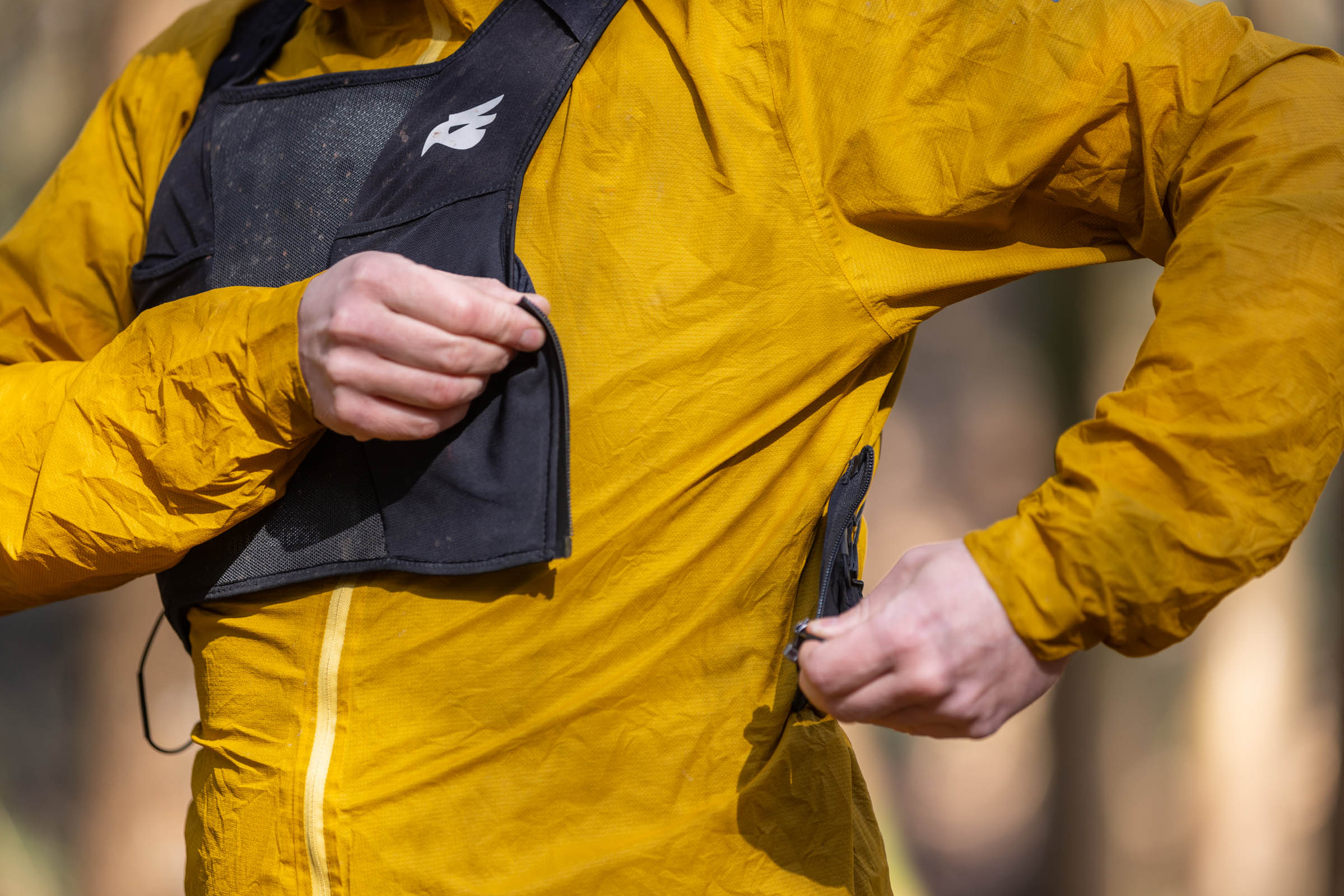
When it comes to fit and the ease of getting the Venture on and off, Bluegrass has incorporated adjustable elastic webbing to join the front and rear portions. This prevents the protection from being flappy, and adds plenty of stability to the vest, even when fully loaded.
The elastic can be tightened and loosened to tailor the fit, while Bluegrass claims loosening the elastic on climbs makes the vest less restrictive and better ventilated. I didn’t find doing this made much difference, and so I rarely bothered adjusting it. This, though, is testament to how good the fit is, even when it’s cinched in.
There's a single zip on each side of the front section, which you can undo (one or both) to help slip the vest over your body. Without undoing them, it’s not easy to get the vest on or off.
I think the waterproof zips with fine teeth are trickier to join and stiffer to use than they need to be – I’d rather see a chunkier zip with a bigger tab to pull on. It feels as though this is the most likely area of potential failure or premature wear.
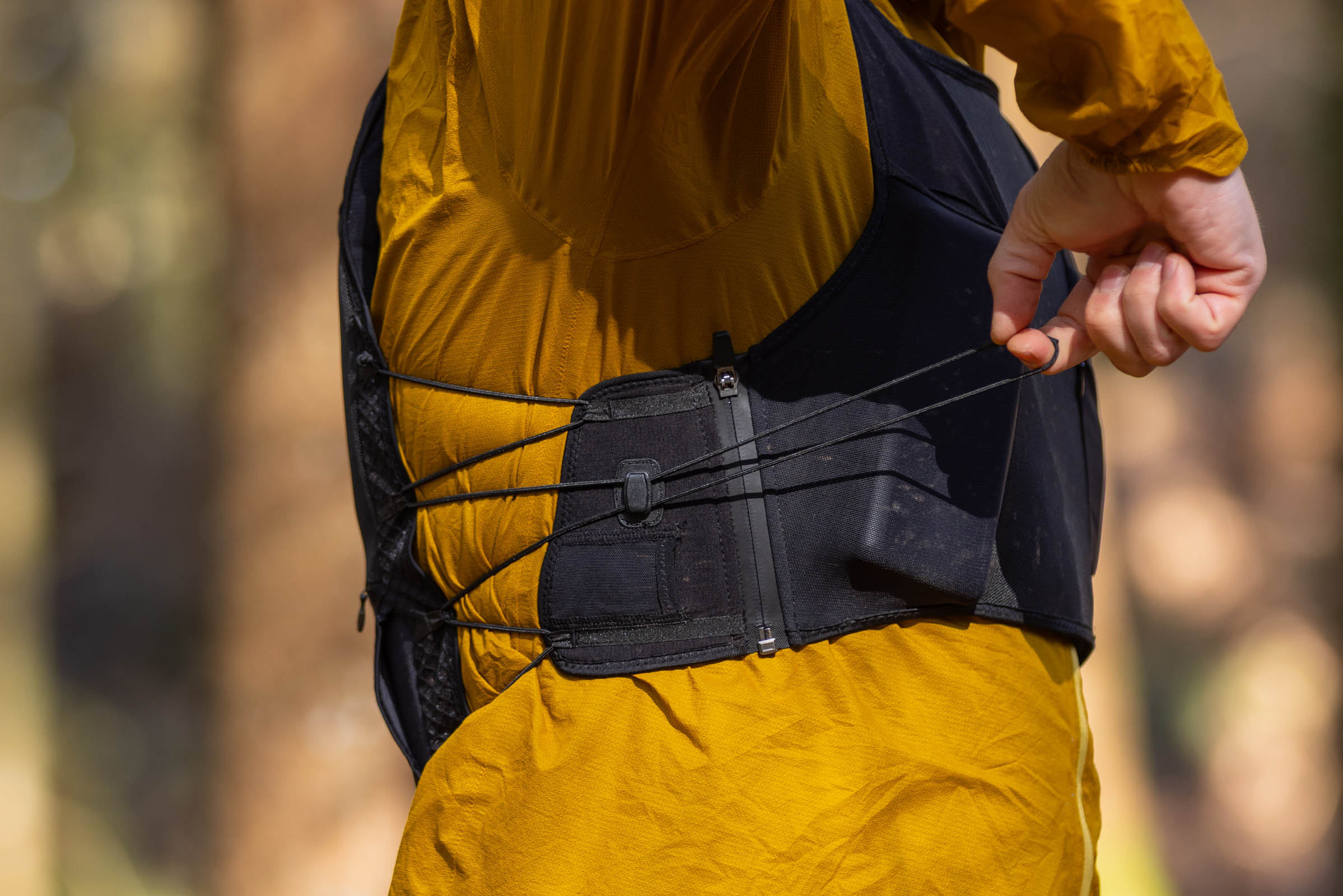
When it comes to ventilation, no protective vest is ever going to be ‘cool’ but the ventilation holes in the chest plate do a reasonable job, while the more open side panels keep a bit of breeze flowing over your torso.
If you’re willing to give up some protection, the vest can be worn without the chest protector, increasing ventilation.
Given how stable the vest is, though, I rarely felt clammy when sweating because a jersey is always held snugly next to the skin.
At £249.99, the Venture Vest isn’t cheap, coming in around £80-100 more than other chest and back protectors. That said, the Venture Vest is one of few options I can think of that includes usable and useful storage, making it stand out from the crowd.
Bluegrass Venture Vest bottom line
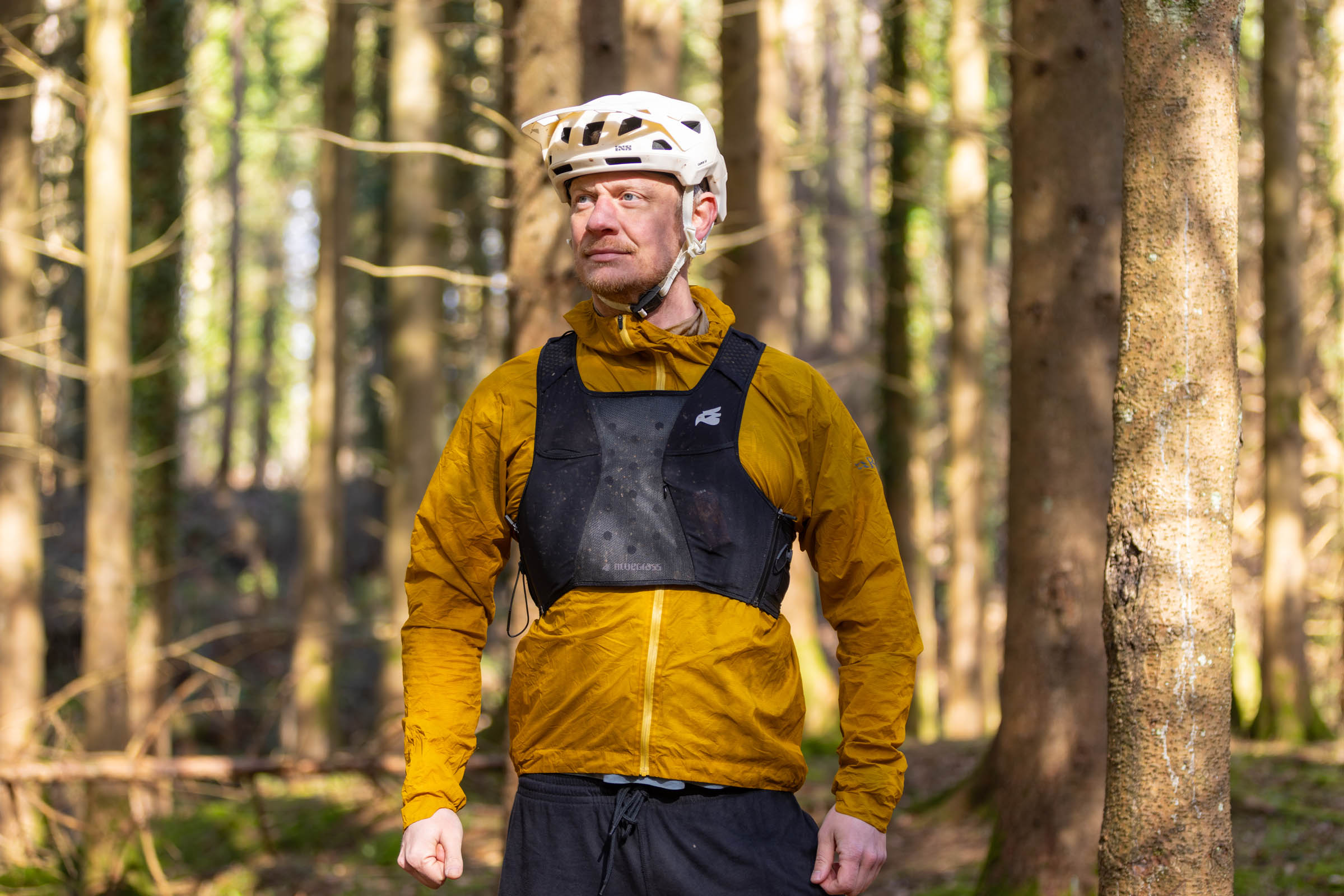
Whether you’re an all-mountain, enduro or eMTBer, the Venture Vest offers high levels of comfortable protection against crashes. At the same time, it’s a stable and effective way of carrying enough kit for a decent ride in the hills.
While you’ll have to put up with a little more sweatiness, and I’d like chunkier zips, I’ve found myself consistently reaching for the Venture Vest over other protectors.