
SQUIRREL_14099466
Specialized’s Cotton TLR is the best tanwall tyre available for road racing, with a fantastic mix of speed, supple ride quality and superb grip.
My only gripes are that it’s undersized compared to the competition and its thin sidewalls require an extra dose of sealant to seal – making the low weight figure feel somewhat misleading. It’s only relatively expensive compared to the competition when considering ‘real world’ prices.
Nevertheless, if, like me, you understand that black carbon wheels require tanwall tyres to look their best, the Cotton TLRs should be near the top of your shopping list.
Specialized Cotton TLR tyres need to know
- Successor to Specialized’s legendary Turbo Cotton clinchers
- Used in the WorldTour by the likes of Remco Evenepoel and Demi Vollering
- Built around a 320 TPI (threads per inch) polycotton casing, with Specialized’s own dual-compound tread
- Explicitly pitched for racing and “enthusiast” use
- Available in 700x28-32c sizes and costs £85 / $109.99 / €99 per tyre
Specialized Cotton TLR tyres performance
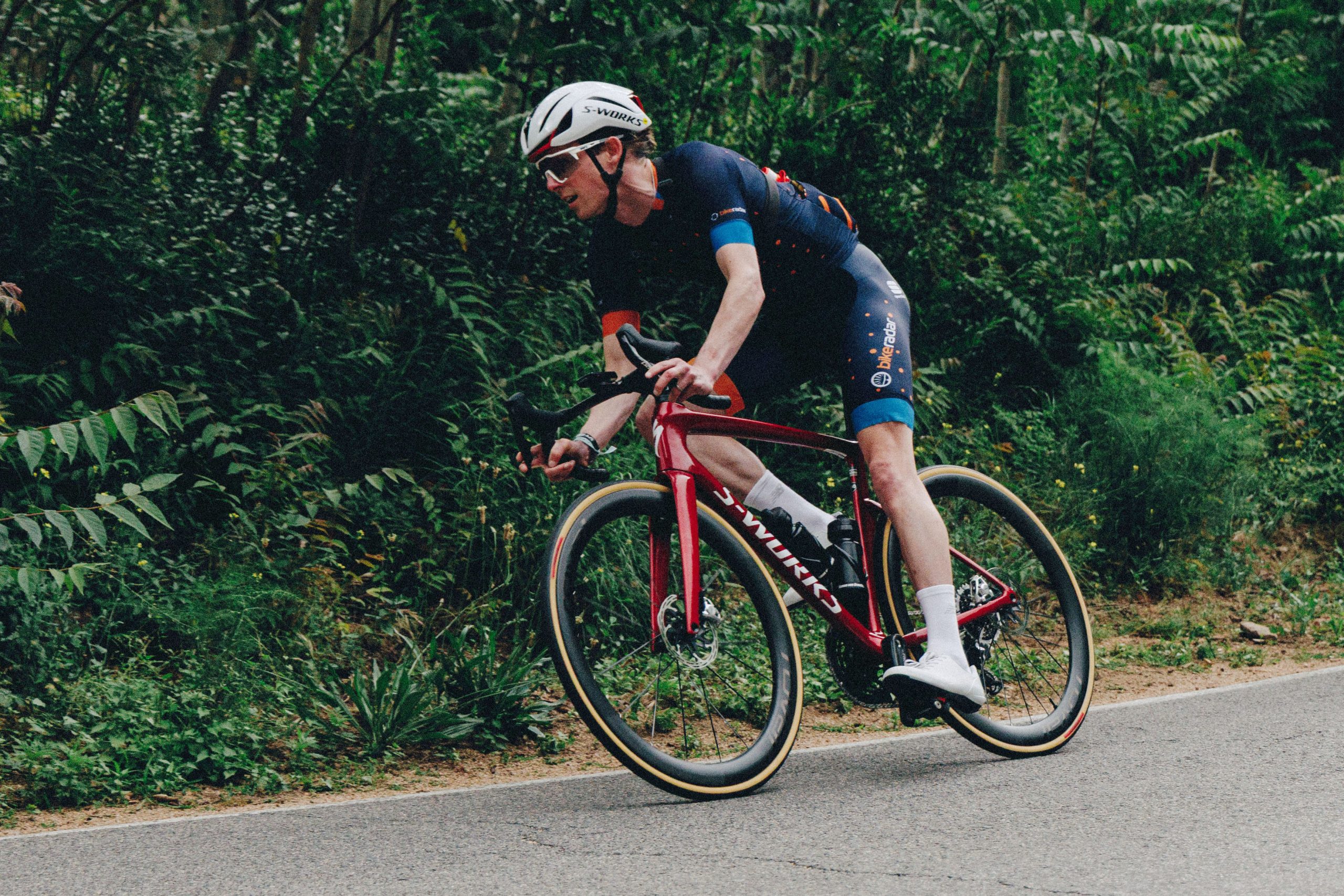
After much teasing at last year’s Tour de France and beyond, Specialized finally released the Cotton TLR earlier this year.
Replacing the legendary Turbo Cotton clinchers, which had been ridden to numerous WorldTour and World Championship victories over more than a decade, Specialized claimed the Cotton TLR improved on the formula in every way that matters – with lower rolling resistance, better puncture protection and, most importantly, tubeless-ready construction.
In its usual over-the-top fashion, Specialized claimed it gave the Red Bull-Bora-Hansgrohe team “the only 6 pairs of Cotton TLRs on the planet for testing” and that the team was so impressed, they refused to give them back.
Yet while this type of hyperbole often rubs some riders up the wrong way, it's fair to say the hype stands up to scrutiny this time.
Not only have independent test labs such as bicyclerollingresistance.com confirmed the Cotton TLR is among the fastest tyres in its category (all-rounder, rather than time trial-specific, race tyres), but it’s a difference you can feel on the road.
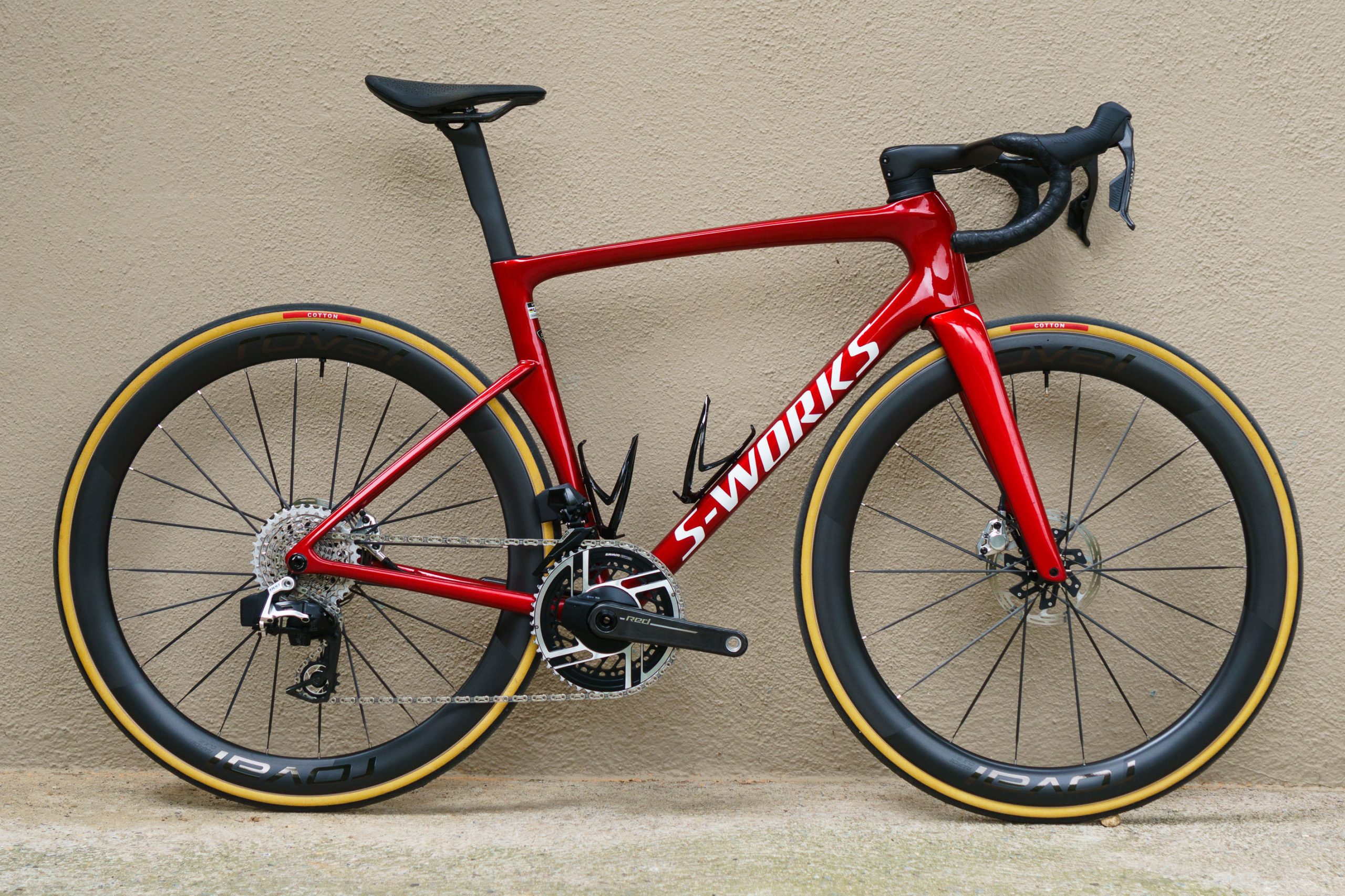
My first time riding these tyres was at the press camp for the Specialized S-Works Tarmac SL9 back in June, where I was thrown immediately onto fast, twisty and unfamiliar roads in the wet.
Although I’m a more cautious descender on the road nowadays (mainly because I don’t want to have a bad crash and lumber my long-suffering wife with another dependent to look after), the Cotton TLRs nevertheless impressed immediately with their sense of speed and grip.
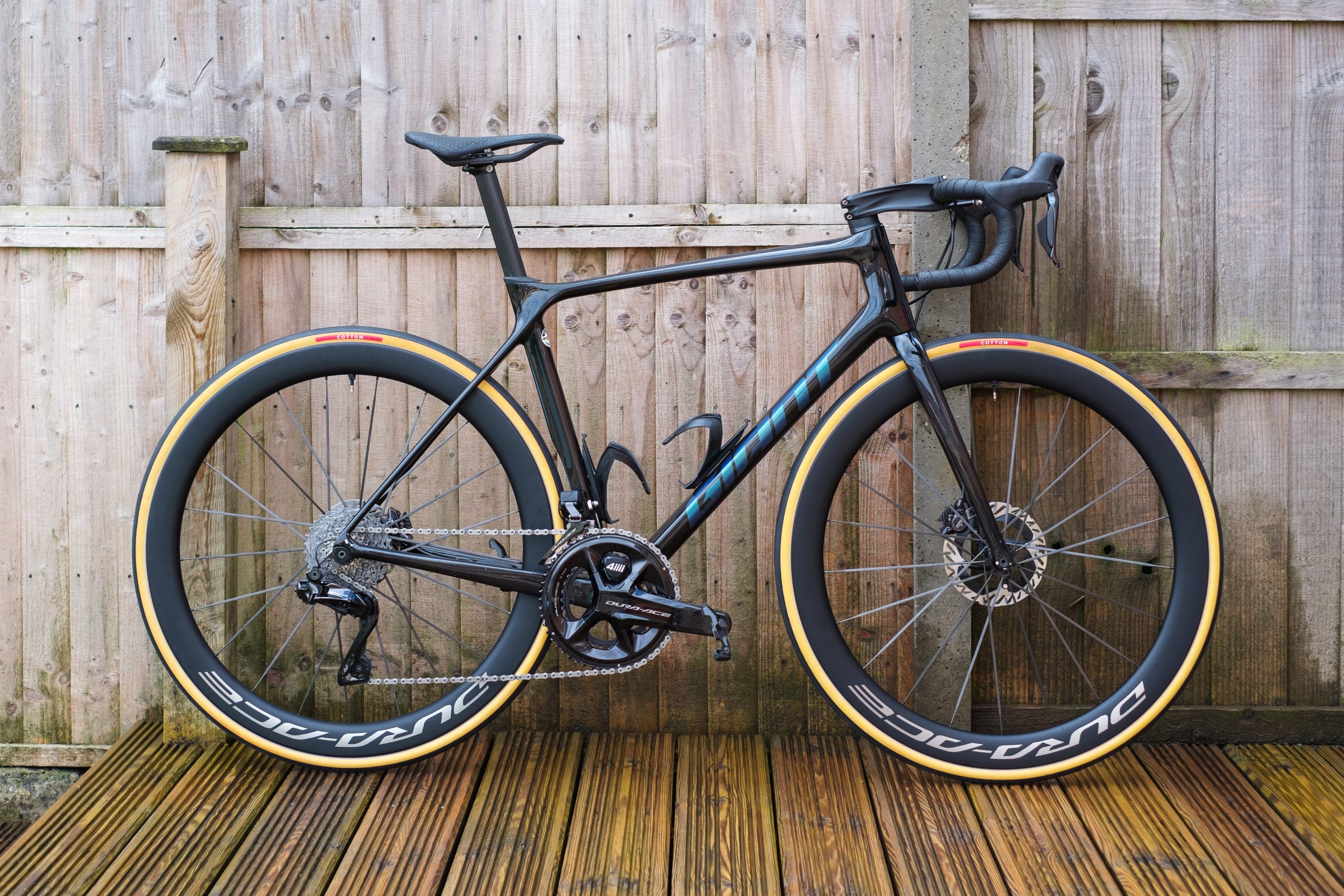
Since then, I’ve been using a set on my own Giant TCR Advanced Pro Disc back in the UK, on Shimano’s new Dura-Ace WH-R9370 C50 wheels.
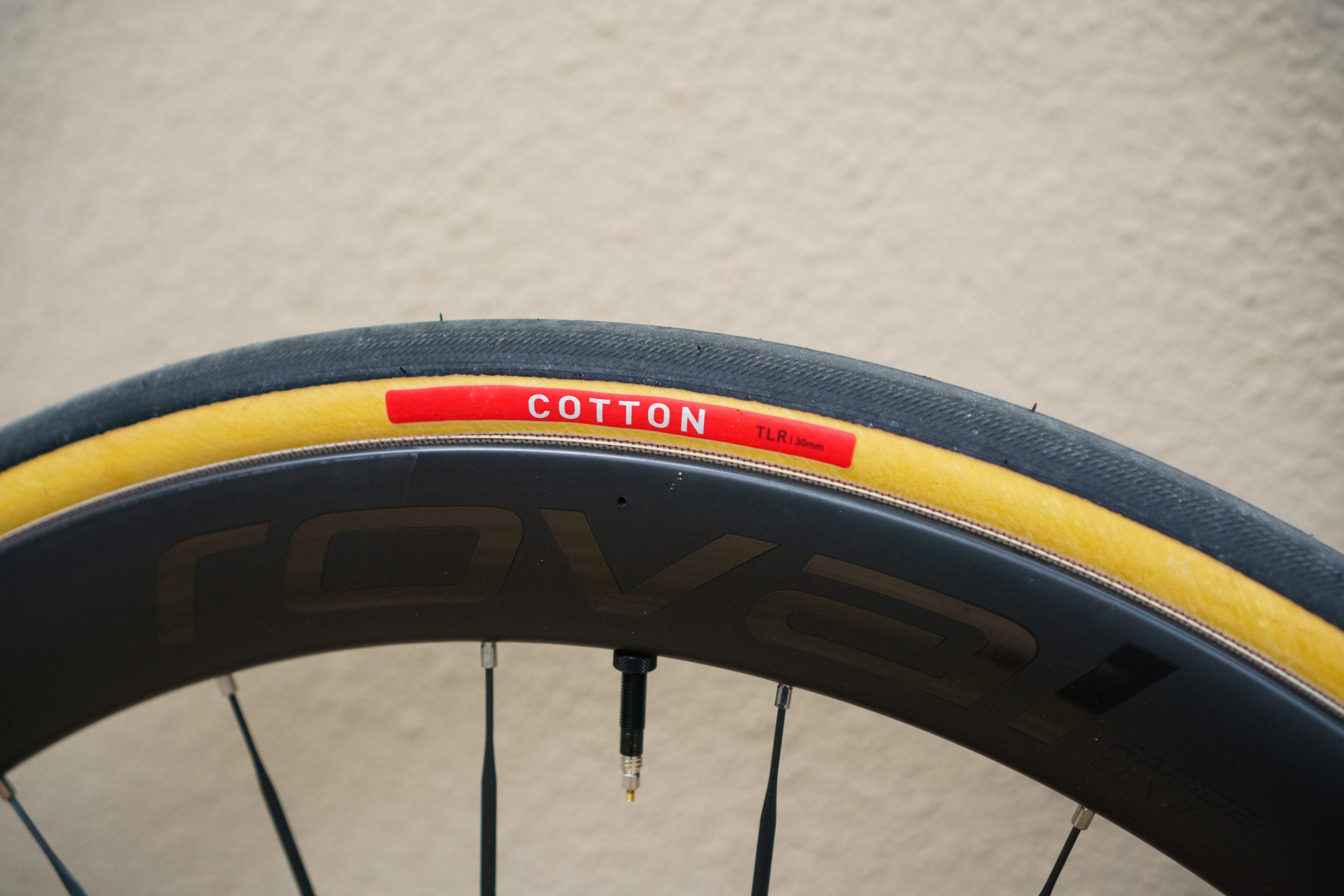
I tested the 30c size – the same as specced on the Tarmac SL9, and the size Specialized’s sponsored pro teams appear to have settled on for general road racing.
Though that might seem fairly progressive, it’s worth noting the Cotton TLRs measure up narrower than their nominal width when installed – even on Roval rims.
When I first got a close look at them on Primož Roglič’s Specialized S-Works Tarmac SL8 at the 2025 Tour de France, for example, I noted the 30mm tyres measured around 29mm wide according to my trusty vernier calipers.
Setting them up on the new Dura-Ace wheels sees them grow slightly to 29.8mm – likely thanks to the slightly greater internal rim width of the newer Shimano wheels (23 versus 21mm).
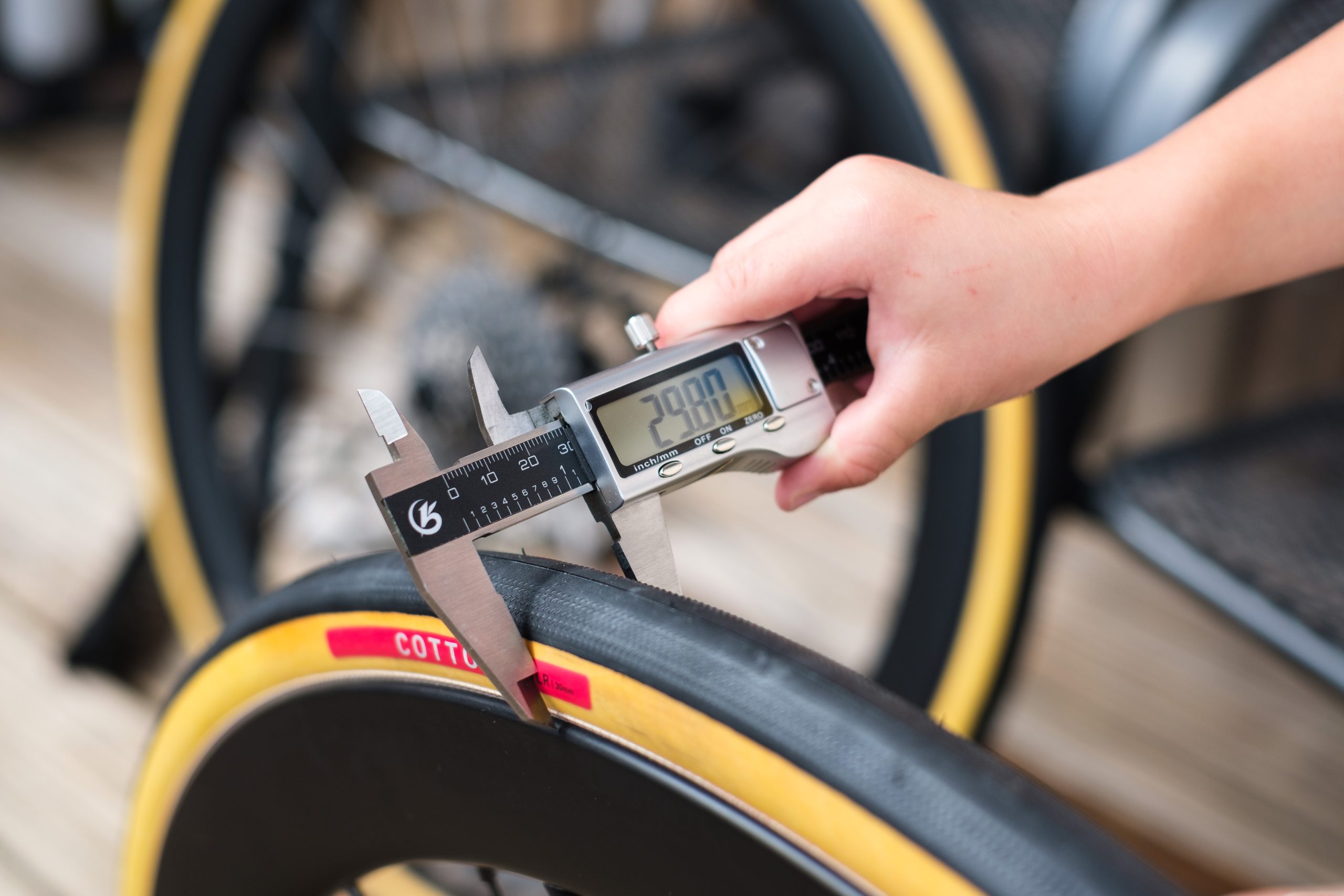
Based on my experience, this makes them closer in size to a nominal 28c Continental GP5000 S TR, which reliably sizes up to over 30mm wide on 23mm rims.
This makes the 286g weight – which is very light on paper for a 30c tyre – less impressive, then, because it appears to only be lighter because you’re getting a smaller tyre compared to the competition.
Considering I spent a glorious week in the Lake District riding on 32c Schwalbe Pro One TLE tyres this summer, sizing down again was a good reminder that there’s little to be gained from going narrower.
The few grams and undetectably small aero improvements simply aren’t worth the loss of compliance, grip and confidence – at least for riding in the UK.
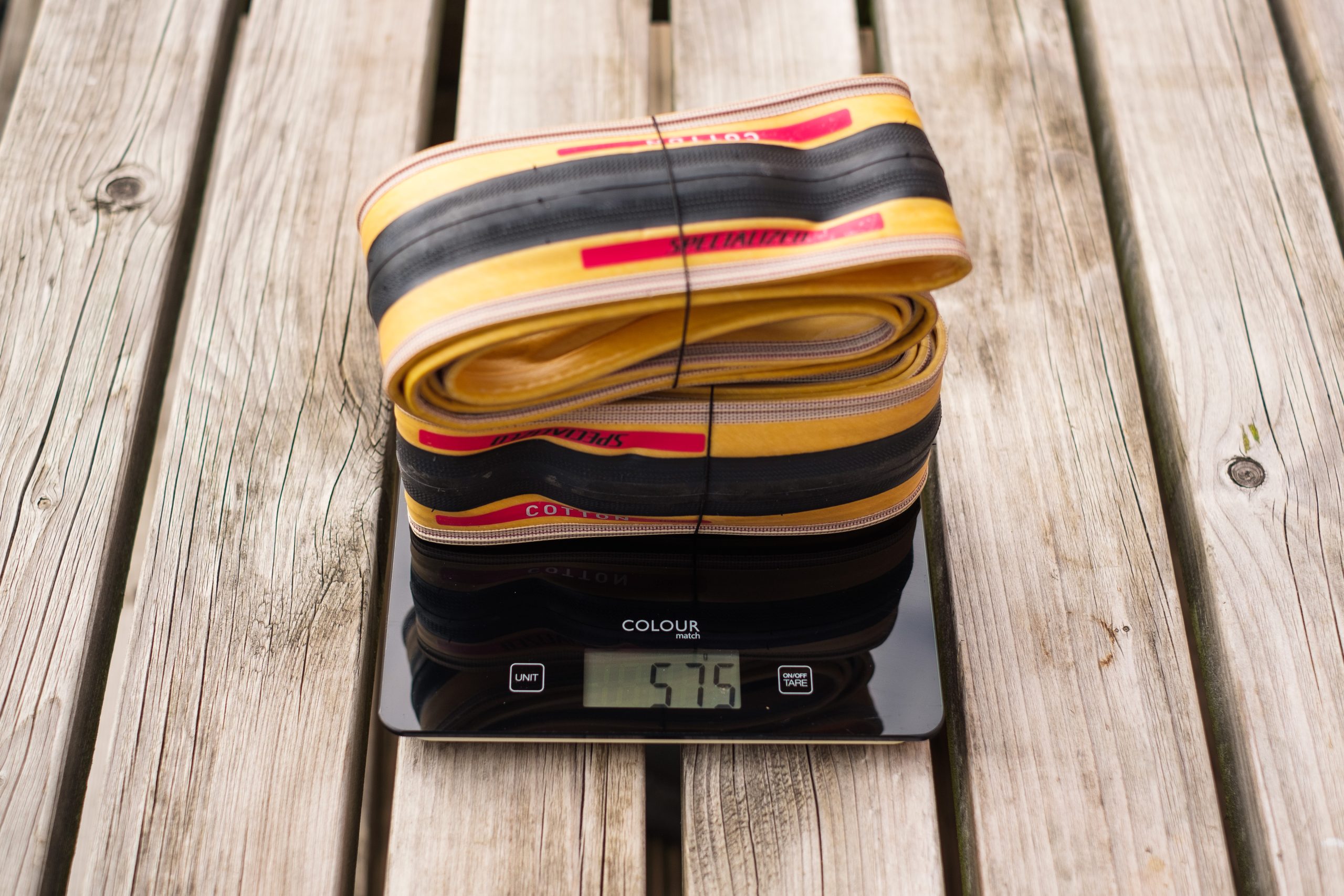
You can, of course, size up with the Cotton TLRs, but only to 32c – and it’s likely these will be slightly undersized too, because the claimed weight for these is also suspiciously light, at 320g.
In fairness, though, that’s in keeping with Vittoria’s similar Corsa Pro TLR and the transparent version of Conti’s GP5000 S TR (the 35mm versions are only available in black).
The low weight of the Cotton TLRs was also undermined slightly by the fact I had to put in more tubeless sealant than usual to get them to reliably hold air for more than a few hours, and they leaked quite a bit of sealant overnight following the initial setup.
Larger, slightly thicker casings might have added a few grams of weight, but if they delivered greater volume and improved air retention (on a par with the GP5000s, for example), I think that would have been worthwhile.
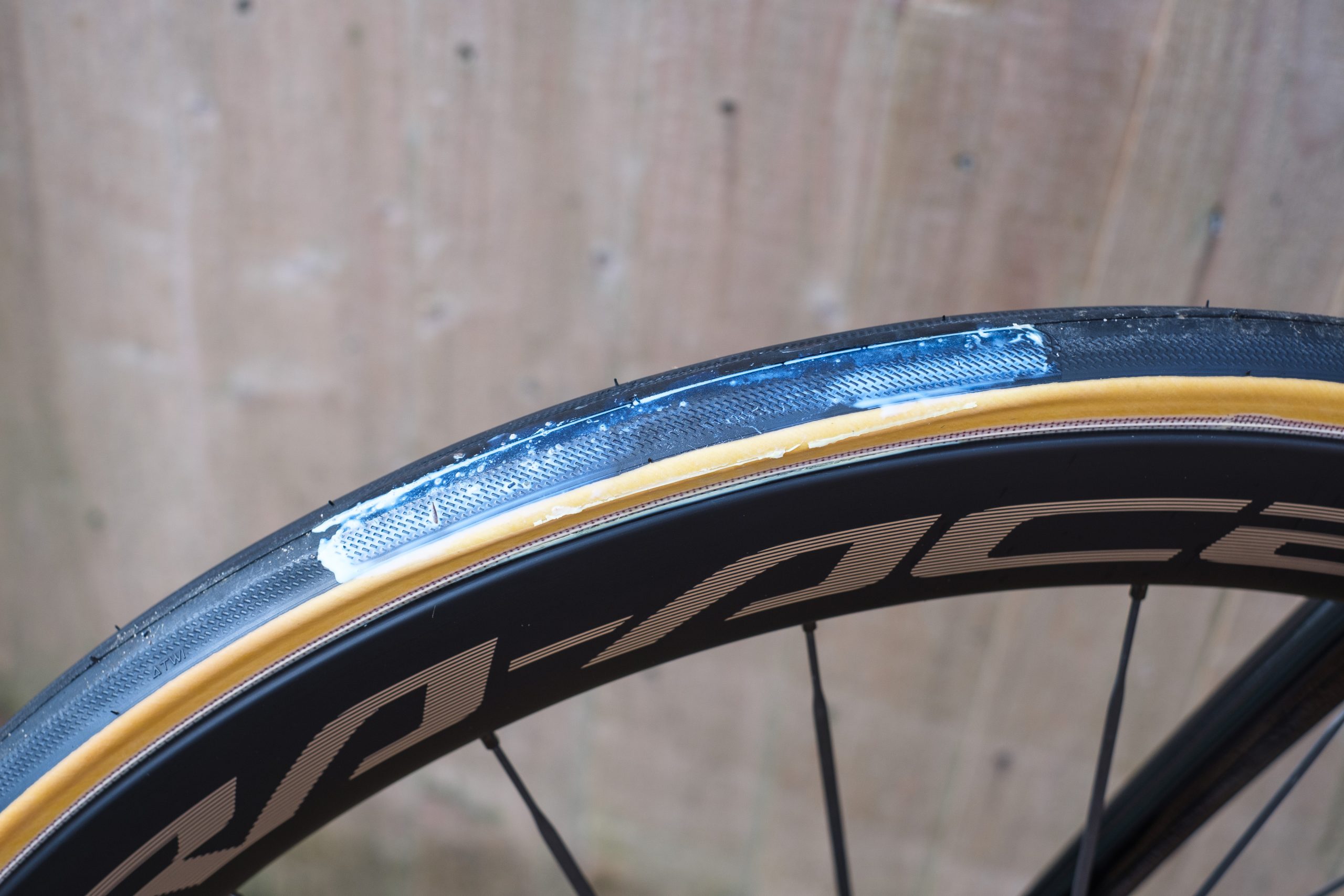
Of course, thicker sidewalls may also have increased rolling resistance slightly, and perhaps the all-out focus on racing explains this particular design choice.
Despite the thin casings, the Cotton TLRs have held up well during a very dry summer of riding, with no punctures, cuts to the tread or knicks to the sidewalls so far.
Nevertheless, it’s worth being realistic about the durability of these tyres – the thin casings are clearly not going to put up much of a fight against sharp objects such as broken glass. However, it’s fair to say that’s an implicit part of the deal here.
It’s hard to be definitive, but in terms of ‘toughness’ I’d put these a step above pure time trial tyres such as the Vittoria Corsa Speed TLR, but below vulcanised nylon tyres such as Conti's GP5000 S TR.
As far as I can tell, Specialized-sponsored pro teams also don’t seem to suffer punctures any more frequently than other teams, even during the Spring Classics such as Paris-Roubaix.
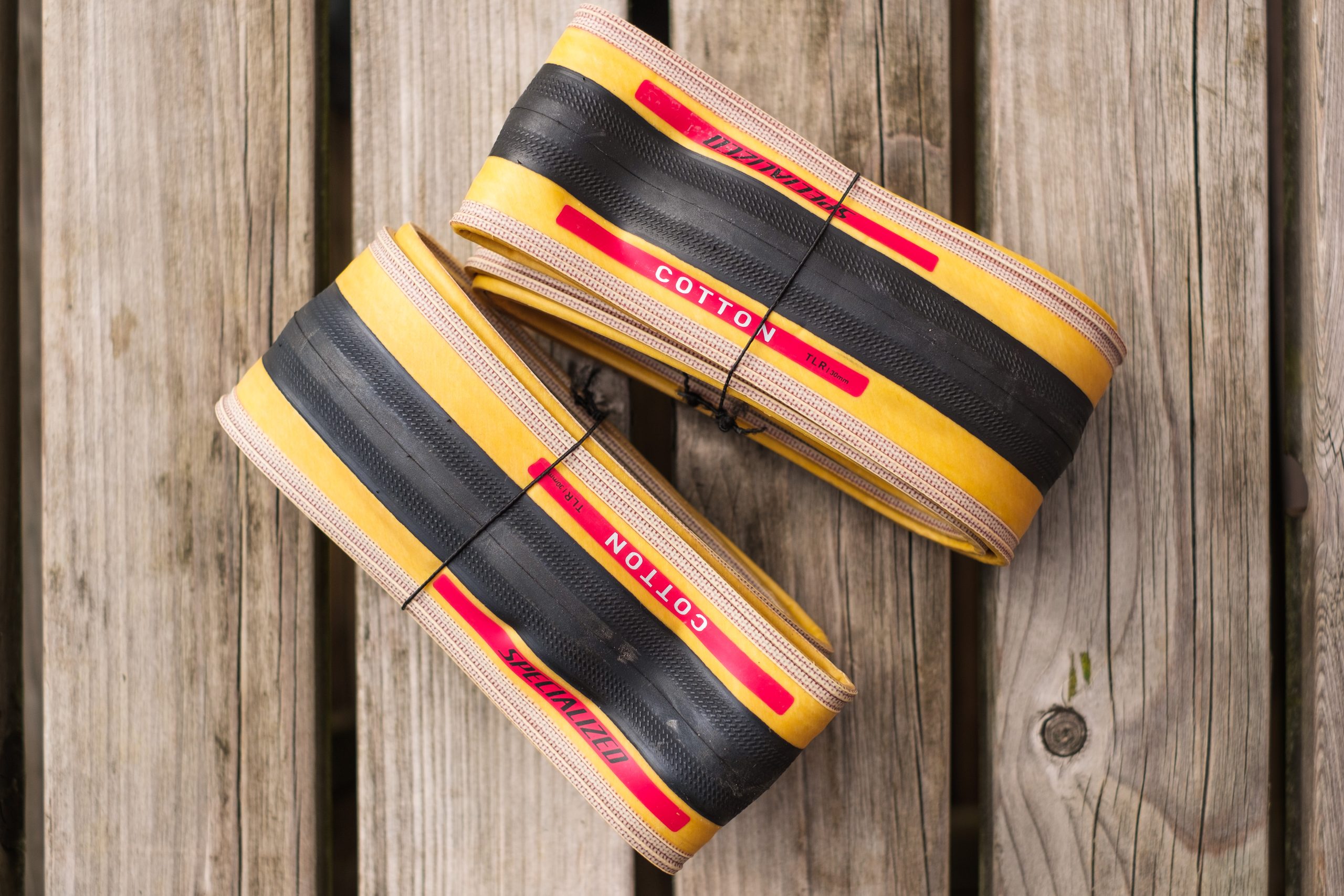
In terms of price, the Cotton TLRs aren’t cheap, at £85 / $109.99 / €99 per tyre. That’s in line with the likes of Vittoria’s Corsa Pro TLR and the Continental GP5000 S TR at RRP, which cost £95 / $99.99 / €100 and £89.99 / $116.95 / €93.95 respectively.
However, with both of the Vittoria and Conti tyres having been available for much longer, it’s possible to find them at significant discounts in the real world, whereas the Cotton TLR tyres are only available at full RRP at the time of writing.
How I tested the Specialized Cotton TLR tyres
I tested the Specialized Cotton TLR tyres on the twisty coastal roads of the Costa Brava region of north east Spain, and back on home roads in the UK, over the course of a particularly hot and dry summer.
My testing included a mix of longer group rides and short solo blasts in and around the city of Bristol.
The bulk of my testing was done with the tyres mounted to a set of Shimano Dura-Ace WH-R9370 wheels, on my Giant TCR Advanced Pro Disc. I tested 30c tyres with pressures generally set to around 3.8 bar / 55 psi up front and 4 bar / 58 psi at the rear.
Specialized Cotton TLR tyres bottom line
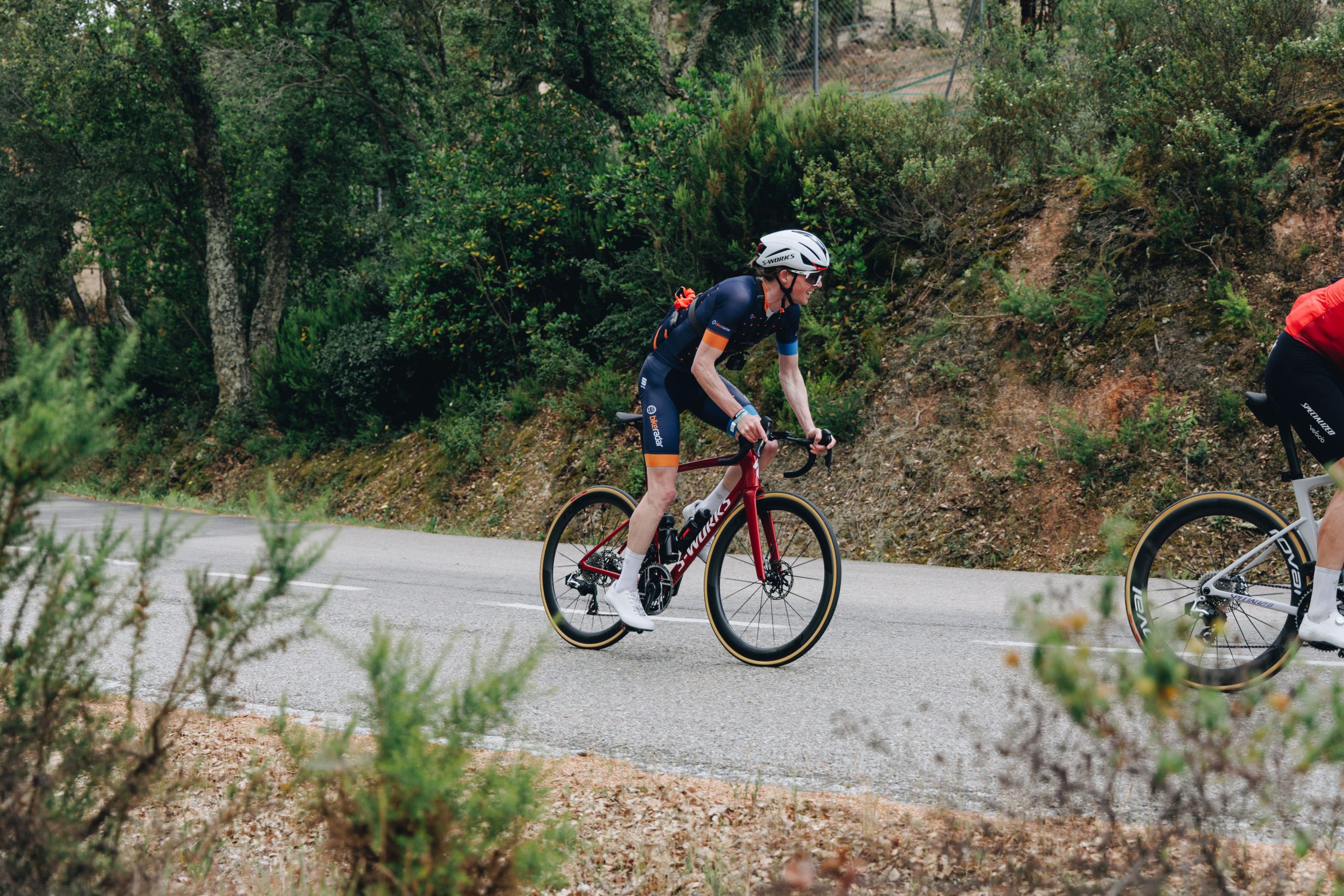
It took Specialized a long time to come up with a tubeless racing tyre that could best the Turbo Cotton clinchers, but with the Cotton TLR it finally has that.
As a road-racing tyre, it ticks all the right boxes, being fast, grippy, compliant and just durable enough to not disintegrate at the sight of a potholed British road.
Given the Cotton TLRs come in undersized, I’d be opting for 32c versions if I were spending my own money – and I’d love to see Specialized offer it in a 34 or 35c size, too, as I think that’s where things are headed for road racing in the next few years.
I also wouldn’t mind slightly thicker sidewalls that hold air a touch better.
But, as I said at the start of this review, if you like tanwall racing tyres then the Cotton TLR should be near the top of our shopping list.
Product
| Brand | Specialized |
| Price | €99.00, £85.00, $109.99 |
| Weight | 286g |
Features
| TPI | 320 |
| Bead | Tubeless-ready |
| Tyre sizes | 700x28c, 700x30c (tested), 700x32c |
SQUIRREL_14099466
