SQUIRREL_14002446
The Specialized Ambush 3 stands out immediately because of how light and compact it feels. Despite weighing only 365g in my size-small sample, it packs in premium safety technology, a refined fit system and plenty of practical trail features.
With MIPS Air Node Pro, an internal AirCage structure and a Boa FS1 retention system, it promises lightweight comfort without compromising protection.
After months of testing it alongside the Lazer Impala KinetiCore, Giro Montaro Mips III and Canyon Deflectr, it came remarkably close to delivering exactly that.
However, there are a couple of issues that make it harder to recommend than the best mountain bike helmets.
Lightweight, but loaded with features
The Ambush 3 is the lightest helmet of the four I tested together, and that’s apparent the moment you put it on. It feels low-profile, tidy and easy to wear, with none of the bulky, bucket-like feel that can come with deeper-coverage trail helmets.
Compared to the Canyon Deflectr, it sits more naturally around the head, but it feels noticeably less substantial than Giro’s Montaro Mips III.
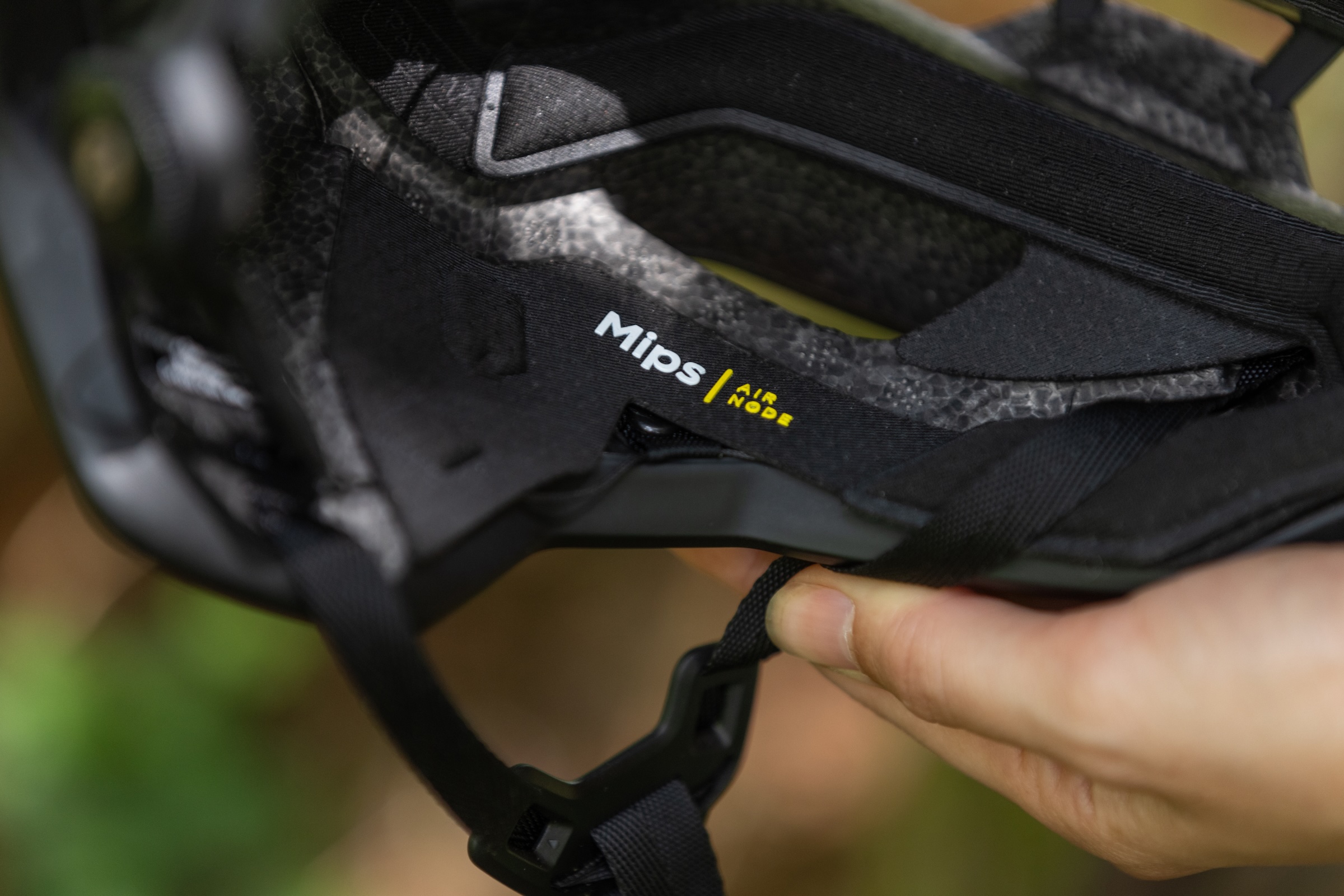
Specialized has packed in plenty of safety tech. The Ambush 3 uses MIPS Air Node Pro, where the rotational impact system is integrated into the padding rather than sitting as a separate plastic liner.
It also gets an internal composite AirCage structure, designed to help support the shell while leaving room for large vent openings, and it carries a Virginia Tech five-star rating.
Add in a Boa FS1 360-degree fit system, Fidlock magnetic buckle, TriFix straps and a four-position breakaway visor, and it has one of the more complete spec sheets on test.
Stable and secure from the first ride
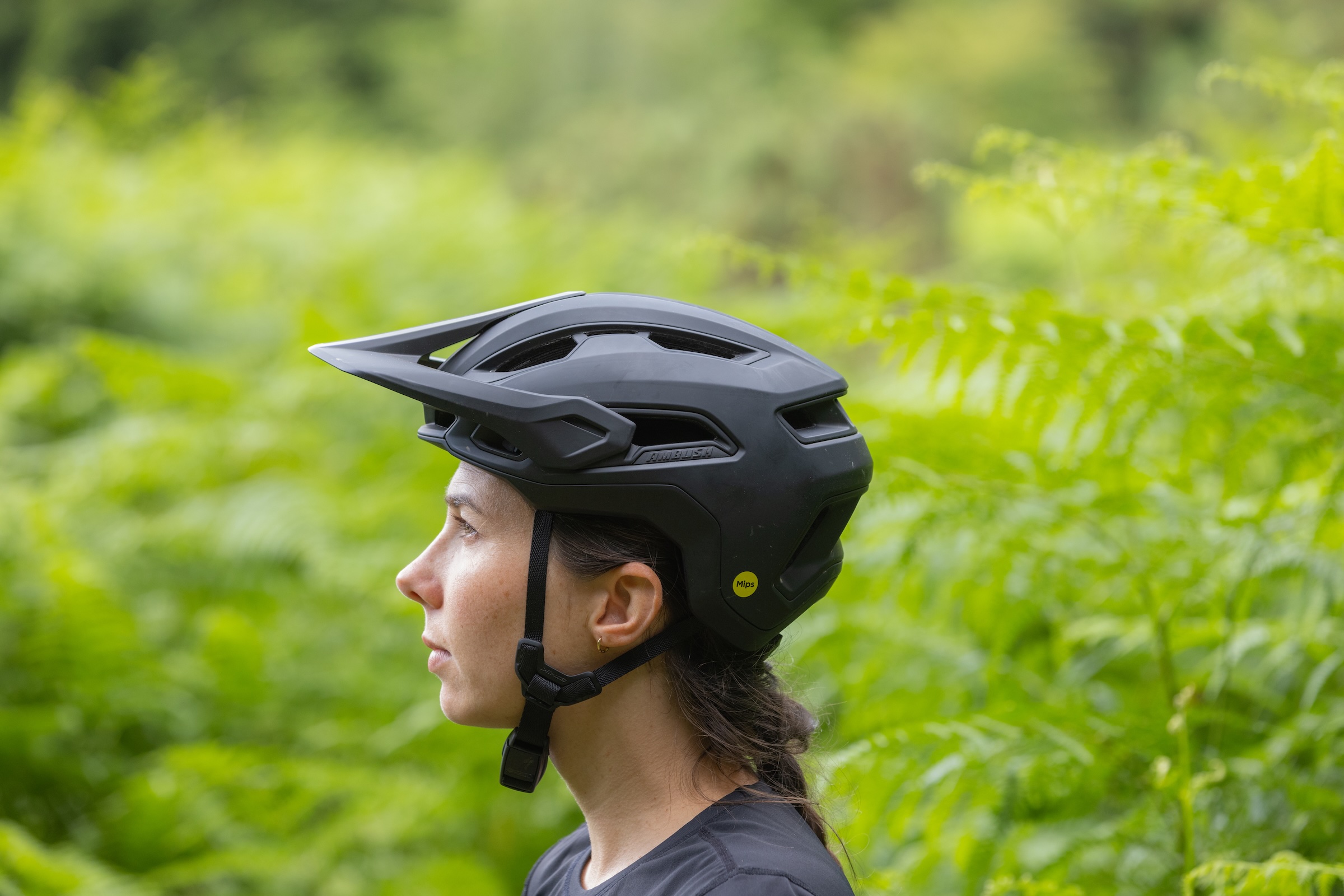
On the trail, the Ambush 3 feels secure and stable. It stayed put well on rough descents, didn’t restrict head movement and gave a more confidence-inspiring fit than the perched-feeling Canyon.
Its compatibility with MTB glasses is good, too. The eyewear dock was one of the better systems here, holding sunglasses securely without hassle, and the visor offers enough adjustment to sit in or out of view.
The straps are excellent – they’re soft, slim and well routed, sitting flatter and more comfortably than the Canyon’s awkward strap arrangement. The Fidlock buckle is easy to use, and the overall finish feels neat and polished.
One pressure point holds it back
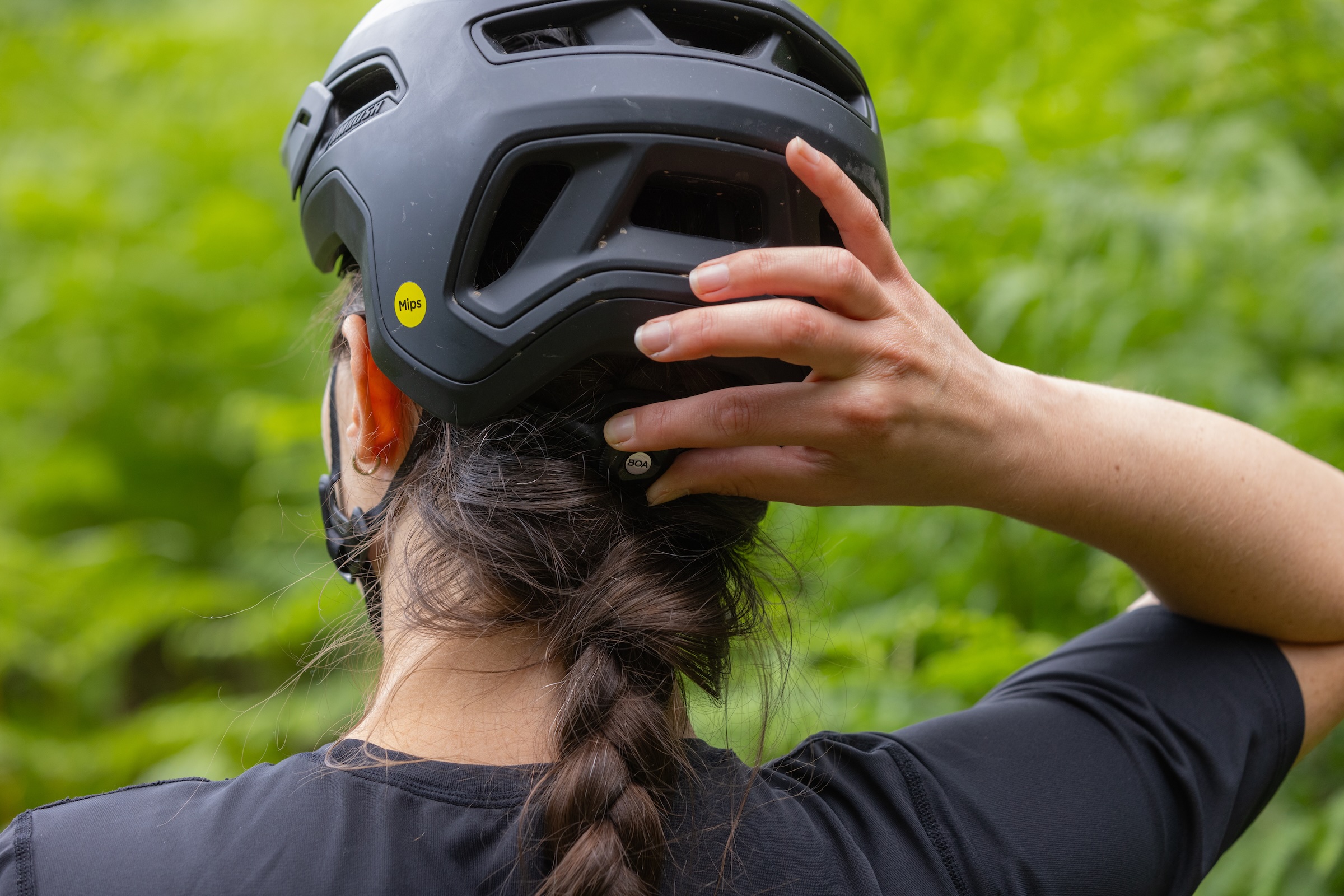
Comfort is where the Ambush 3 loses ground. The Boa system gives a secure wrap, but the small, thin dial is fiddlier to use while wearing gloves than the Lazer’s Advanced TurnSys or Giro’s Roc Loc dial.
More importantly, the unpadded rear cradle created pressure at the back of my head. On longer climbs, I found myself backing off the tension to relieve pressure, then tightening it again before descending.
Airflow and trail details
Ventilation is decent rather than outstanding. The Ambush 3 was cooler than the Giro, but couldn’t match the Canyon or Lazer for airflow, especially on slower trail-bike climbs.
There’s a lot to like here: low weight, strong safety credentials, good stability, excellent straps and useful glasses storage. But when the ride experience matters as much as the specs, the rear-cradle pressure prevents it scoring higher.
How we tested
We tested these helmets on a mix of enduro and trail bike rides across multiple locations in the Quantocks and the Forest of Dean.
Each lid was used for all-day rides as well as shorter test loops, giving us time to assess long-term comfort, fit, security, ventilation and how easy each helmet was to live with.
Conditions ranged from warm, sweaty climbs to cooler, wetter rides, so we could judge how well the pads, straps, retention systems and vents performed in typical UK trail conditions.
We also checked each helmet's stability on rough descents, visor adjustment, eyewear and goggle compatibility, buckle ease and general usability on the trail.
Helmets tested
Specialized Ambush 3 bottom line
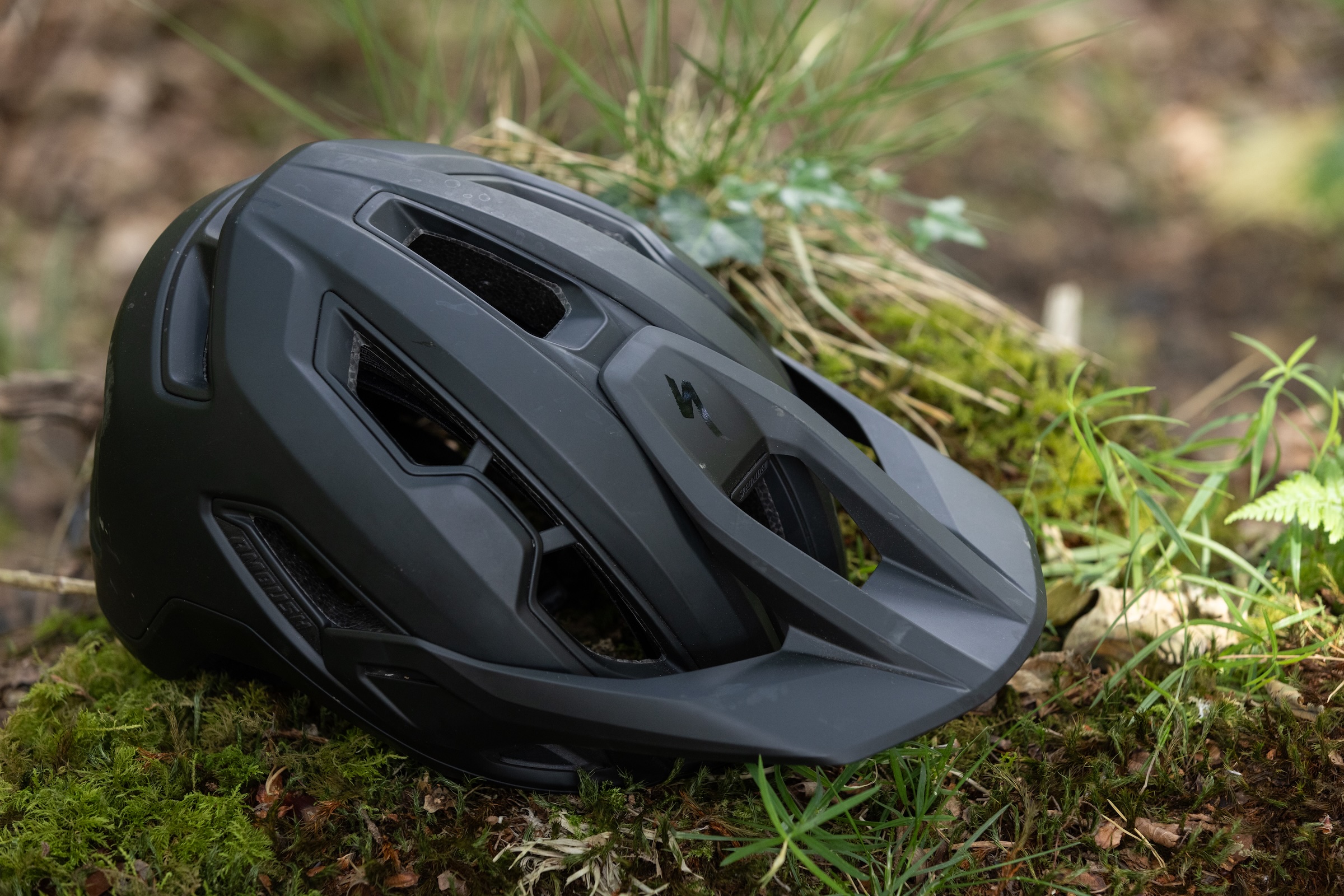
The Ambush 3 proves that light weight doesn't have to come at the expense of stability or features. It feels refined, secure and beautifully finished, while its excellent straps and eyewear storage make it a pleasure to use on the trail.
Unfortunately, the pressure created by the rear cradle became increasingly noticeable on longer rides, and that's ultimately what separates it from the best helmets here.
If the fit suits your head, it could be an excellent trail helmet, but I'd strongly recommend trying one on before buying because that comfort issue is likely to vary between riders.
Specialized Ambush 3 specs
- Price: £169
- Weight: 365g, size S, measured
- Sizes: S (51-56cm), M (55-59cm), L (58-62cm)
- Safety rating/certification: CE EN1078 / VirginiaTech 5-star rating
- Other details: MIPS Air Node Pro, internal composite AirCage, BOA FS1 360-degree fit system, four-position breakaway visor, Fidlock magnetic buckle, TriFix straps, integrated eyewear storage
SQUIRREL_14002446