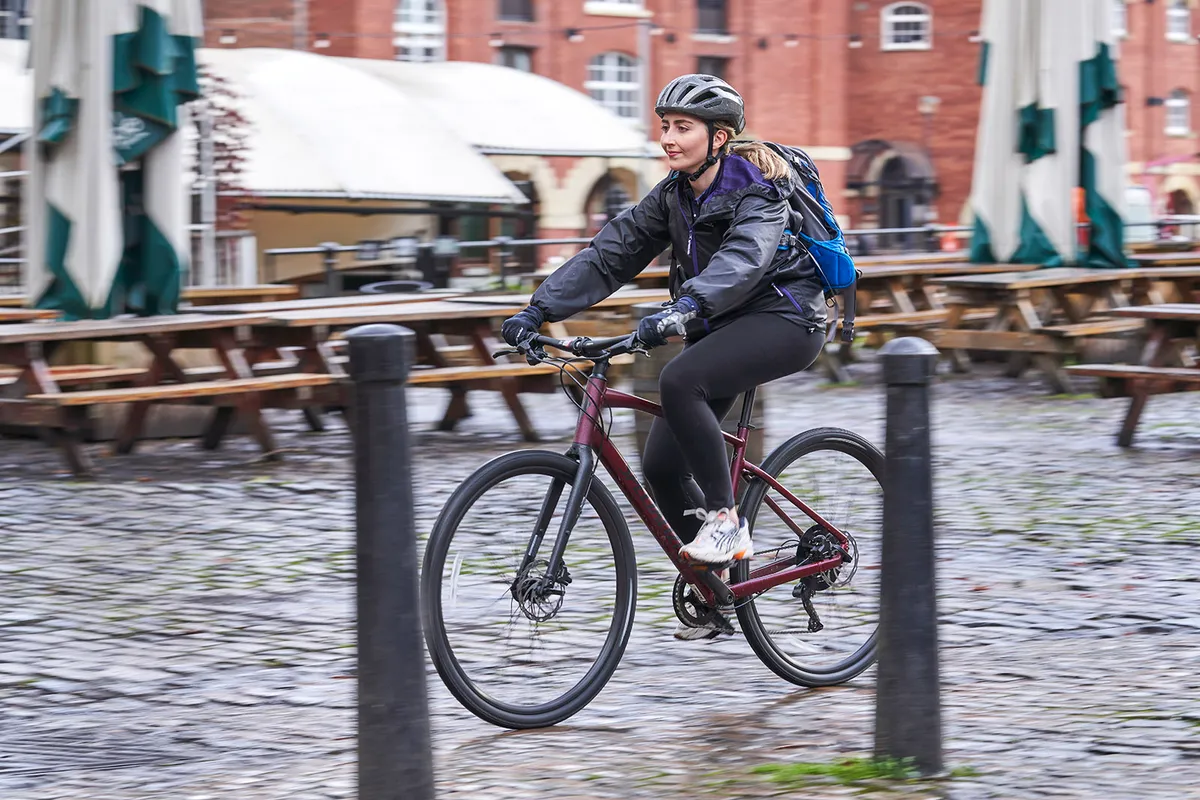
The key to choosing the best commuter bike is ensuring it's comfortable and practical for the type of riding you intend to do.
If your commute is short and you're not in a rush, your best bike for commuting could be a flat-bar bike with a comfortable position, such as a hybrid or mountain bike.
Or, if you want to cover ground quickly while cycling to work, a drop-bar road or gravel bike may be a better choice. If your route is hilly, an electric bike could be right for you.
In this in-depth guide, we'll talk you through the options and recommend bikes in each category that have earned the approval of our expert reviewers.
Editor's note: this article was last updated on 14 May 2025 to include our latest high-scoring reviews of bikes from Specialized, Calibre, Cannondale, Whyte and others. We also added links to relevant recently published buyer's guides.
The best commuter bike in 2026
What type of bike you choose to ride to work will depend on factors such as journey distance, terrain, where you live and your taste in bikes.
To make your decision easier, we’ve explained how common types of bike fare on the daily commute.
You can use the jump links below to skip to the genres that interest you.
Hybrid and flat-bar road bikes: the best all-round commuter bike
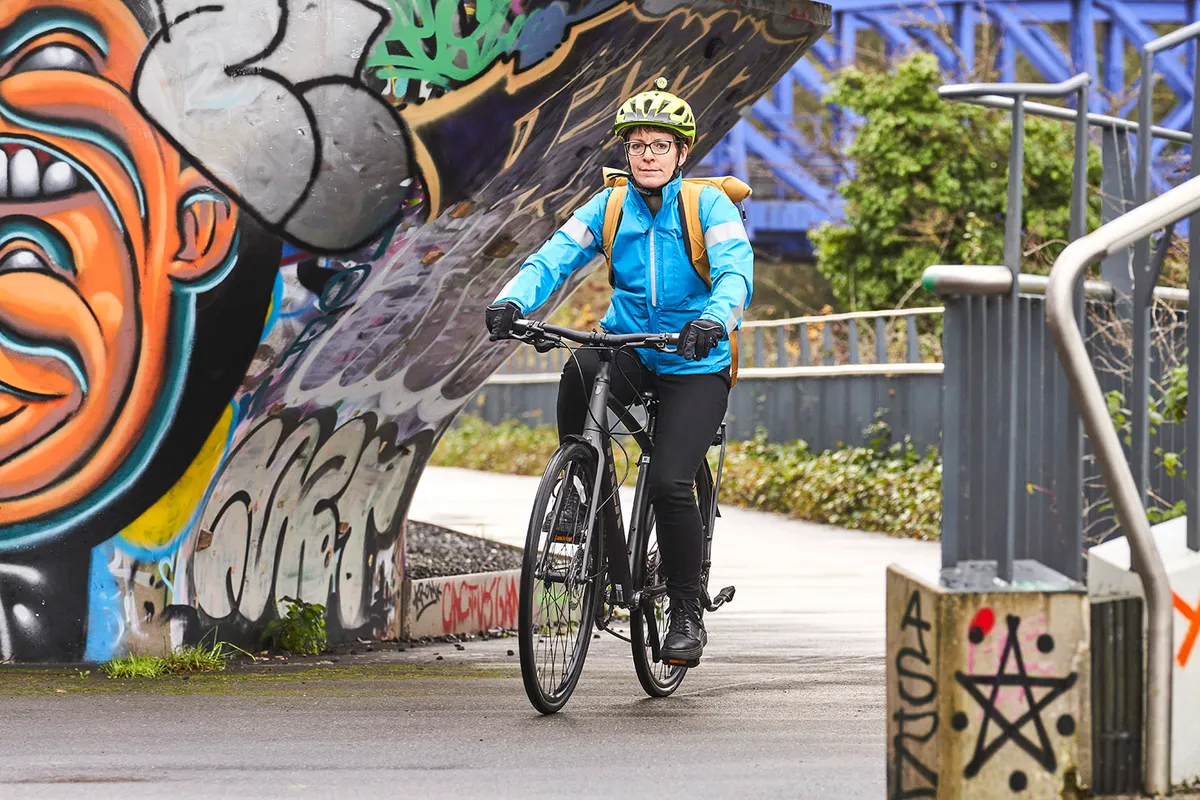
A hybrid bike is a hardy road bike with mountain-bike style flat handlebars.
This makes a hybrid a great choice for beginners looking for a general-use bike or dedicated commuters who prefer an upright position in traffic.
Like a road bike, modern hybrids are usually built around 700c wheels. However, the tyres are often wider than road bike tyres, but narrower than mountain bike tyres.
Cheaper hybrids usually have rim brakes, while the best hybrid bikes are equipped with disc brakes.
Look out for hybrids with accessories, such as mudguards, lights and a rack for pannier bags. These packages often present good value for money and equip your bike for touring.
- Pros: Fairly quick; hugely versatile; confidence-inspiring upright position
- Cons: Not the lightest or most comfortable bike for longer distances
This is a small selection of the best hybrid bikes for commuting. Head to our full list of the best hybrid bikes for more.
Specialized Sirrus X 3.0
SQUIRREL_TEXT_13079778
- £769 / $1,200 / €1,100 / AU$1,300 as tested
- Pros: Well-priced; comfortable; versatile; great braking
- Cons: Big gear jumps;
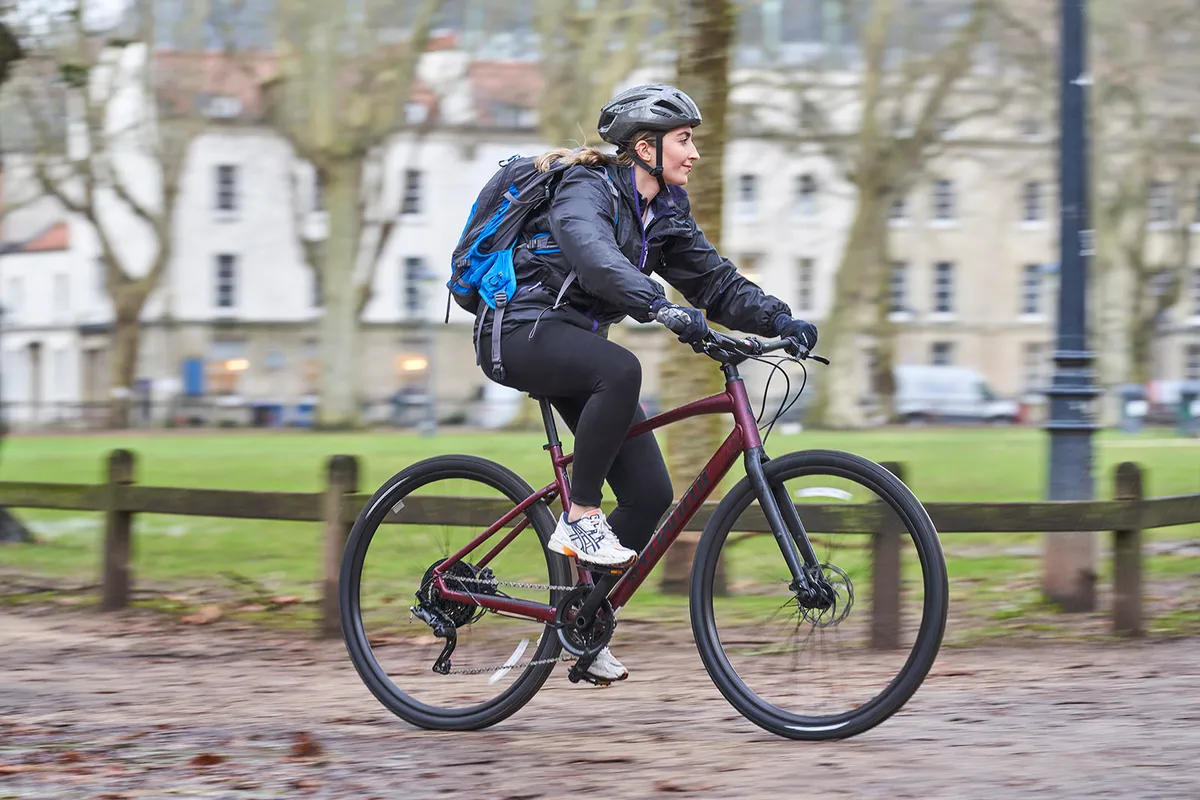
The Specialized Sirrus X 3.0 would be great for commuting in the week and venturing further afield on the weekend, such as on bikepacking trips.
With 40mm tyres and a compliant frame, the Sirrus X 3.0 is comfortable on tarmac, dirt and even bumpier trails.
- Read more: Specialized Sirrus X 3.0. review
SQUIRREL_13079778
Ridgeback Expedition
SQUIRREL_TEXT_13155084
- £1,350 as tested
- Pros: Great long-distance comfort; wide gear range; touring ambitions
- Cons: Heavy; mechanical discs
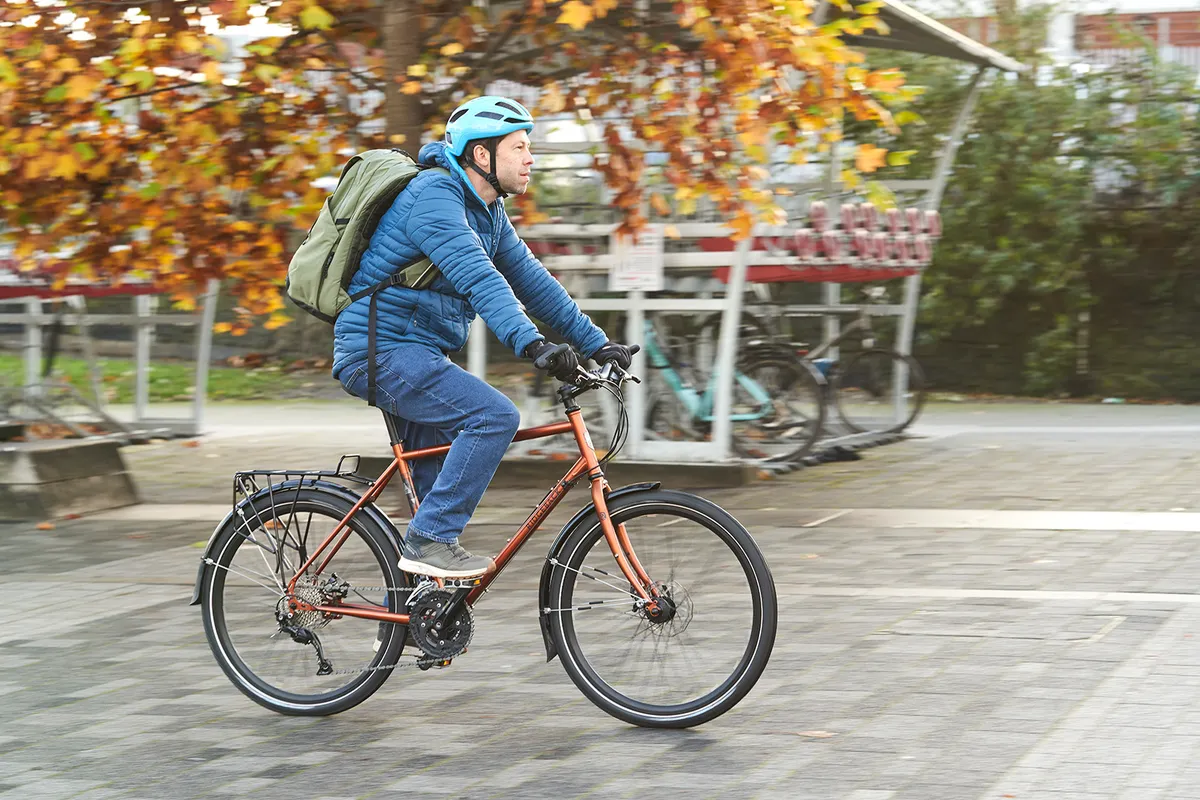
The Ridgeback Expedition will appeal to commuters to cycle to work along poorly surfaced roads, towpaths and tracks.
Its wide 26x1.75in tyres, very comfortable riding position and easy, triple-chainset gears equip the Expedition for off-road touring too.
- Read more: Ridgeback Expedition review
SQUIRREL_13155084
Trek FX 3 Disc Equipped
SQUIRREL_TEXT_13199532
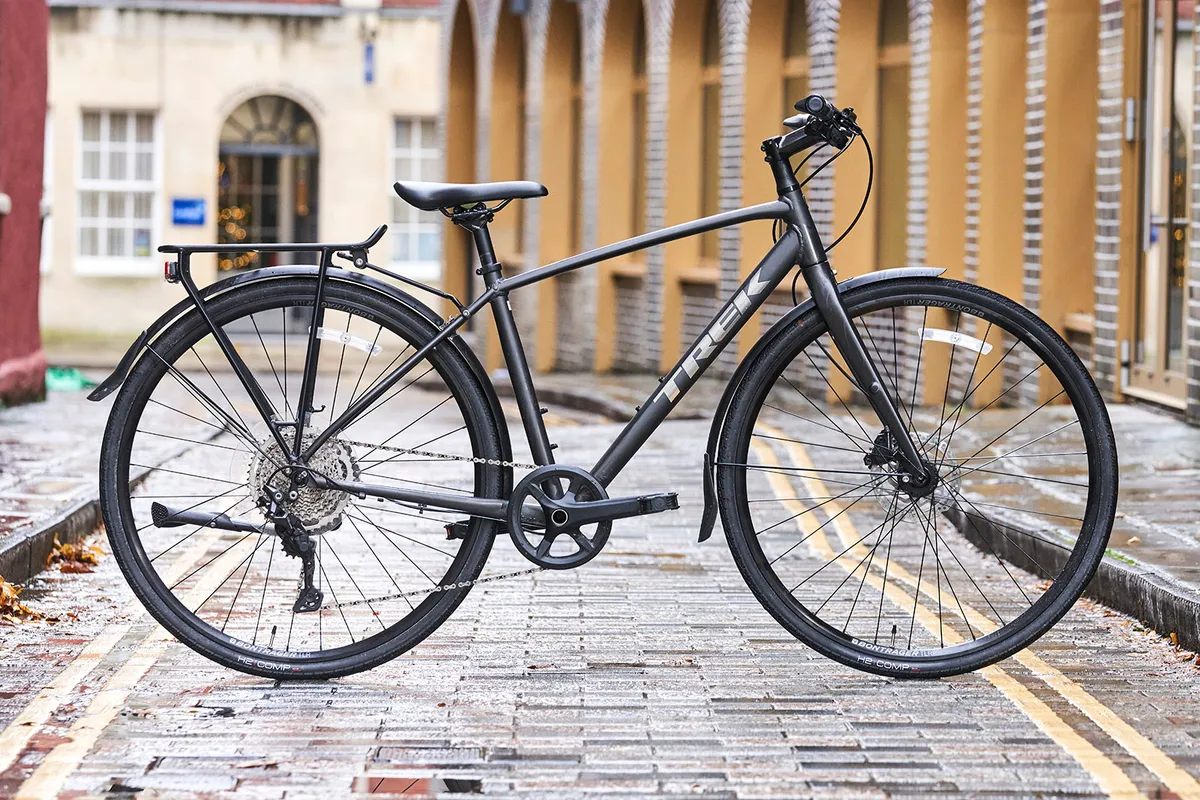
- £1,100 / €1,229 as tested
- Pros: Lightweight; comes with kickstand; good braking; refined contact points
- Cons: Lights are a bit dim
The Trek FX 3 Disc Equipped has pretty much all you need to ride to work and around town: mudguards, a rack and lights are included.
The Shimano Deore groupset provides good braking and contributes to the FX 3 Disc Equipped's sporty ride.
- Read more: Trek FX 3 Disc Equipped review
SQUIRREL_13199532
Electric commuter bikes: best if you need a hand up the hills
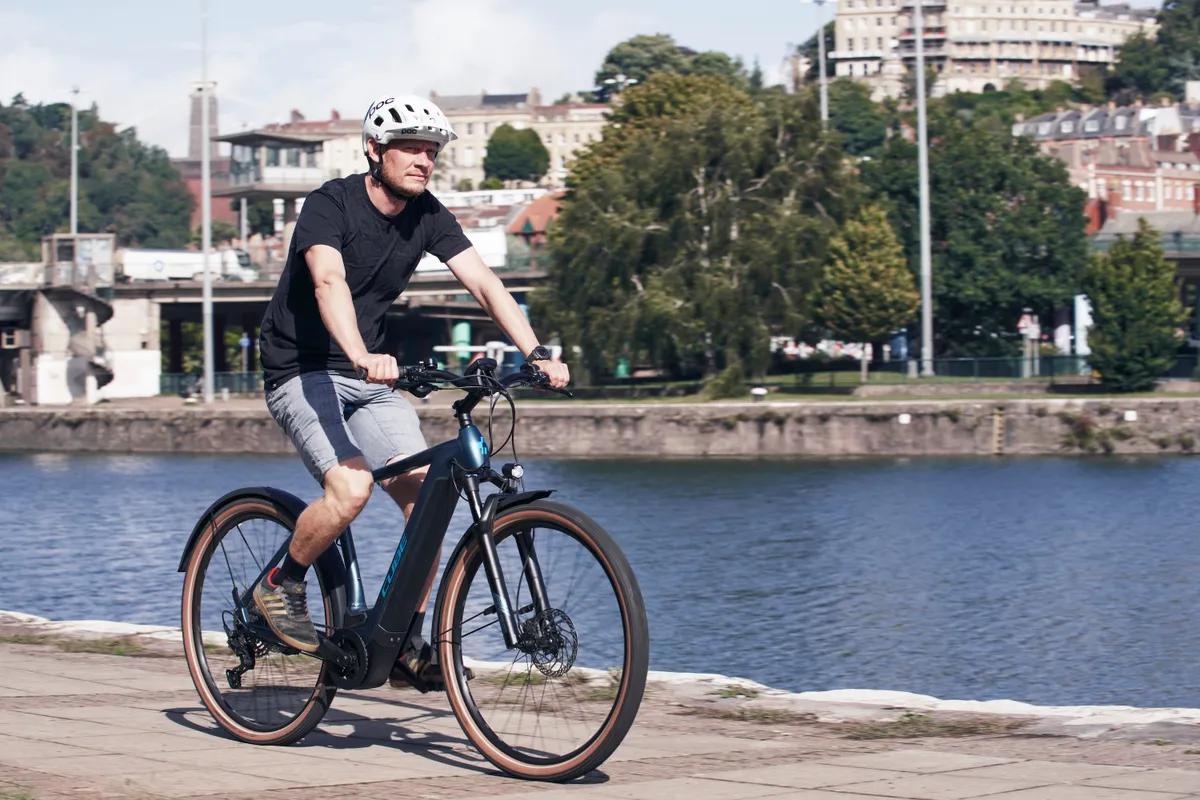
Electric bikes are a particularly good option for commuting. And for those who live a distance from work, an ebike could replace the car.
You can still improve your fitness on a electric bike because electric bike motors don't do all the work for you. The best electric bikes also enable more experienced cyclists to cover far greater distances.
- Pros: Possible to cover great distances, even when loaded; very efficient; a true car alternative
- Cons: Heavy; must be recharged; expensive (for now)
This is a small selection of the best electric bikes for commuting. Head to our full list of the best electric hybrid bikes for more.
Specialized Turbo Vado SL 5.0 EQ
SQUIRREL_TEXT_13120613

- £3,400 / $4,499 / €4,300 as tested
- Pros: Good handling; lighter weight
- Cons: Brakes could be punchier; range isn't the largest
The Vado SL 5.0 EQ comes with all the essential commuter accessories as standard, including a rear rack, mudguards and lights.
A lighter weight makes the bike easy to manoeuvre on tight streets, and helps when lugging it up and down apartment stairs.
There's little we'd change about the Vado, although we wish the brakes were a little more punchy.
- Read more: Specialized Turbo Vado SL 5.0 EQ review
SQUIRREL_13120613
Whyte RHe0 3
SQUIRREL_TEXT_13182133

- £2,299 as tested
- Pros: Well specced; nimble handling; lightweight; well-priced
- Cons: On-bike charging only; not the biggest range
The Whyte RHe0 3 is ready for commuting, coming with a rear rack, mudguards and lights as standard.
A mountain bike-esque frame is used, featuring a low and long geometry that adds good stability while still retaining good agility.
The range isn't as big as others, but the bike is fun to ride through traffic and opens up unpaved trails.
- Read more: Whyte RHe0 3 review
SQUIRREL_13182133
Cannondale Cargowagen Neo 1
SQUIRREL_TEXT_13120634

- £5,390 as tested
- Pros: Great motor and drivetrain; good spec; comfortable ride
- Cons: Not the most manoeuvrable; takes up a lot of space
The Cargowagen is Cannondale's electric cargo bike. It features plenty of carrying capacity to move things to and from work.
It has a strong Bosch motor that irons out hills and a centre stand to keep from falling over when parked.
We found the ride to be comfortable and confidence-inspiring, however, the steering stops made slow manoeuvres more difficult than they needed to be.
- Read more: Cannondale Cargowagen Neo 1 review
SQUIRREL_13120634
Folding commuter bikes: best if your commute involves public transport
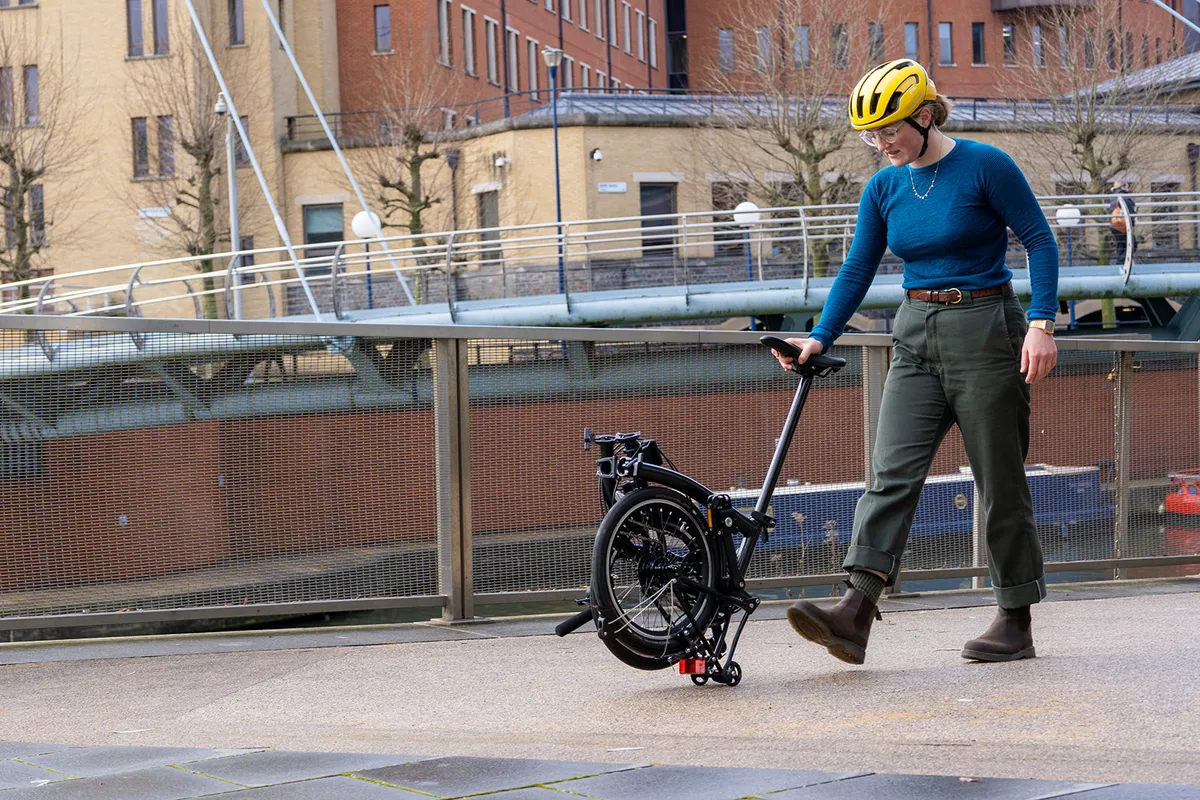
Most often built around diminutive 16in or 20in wheels, folding bikes pack down so you can store them neatly during and at the end of your journey.
Designing a bike to be packable does compromise handling and speed. But if convenience, easy storage and the ability to travel on public transport trump all, a folder is likely the right choice for you.
The best folding electric bikes use a motor to compensate for an unassisted folding bike's slowish ride. But they are likely to be heavier and more expensive.
- Pros: Incredibly convenient to store and travel with
- Cons: Not as sprightly, confidence-inspiring or comfortable as a ‘full-sized’ bike
This is a small selection of the best folding bikes. Head to our full list of the best folding bikes for more.
MiRider ONE
SQUIRREL_TEXT_13083500
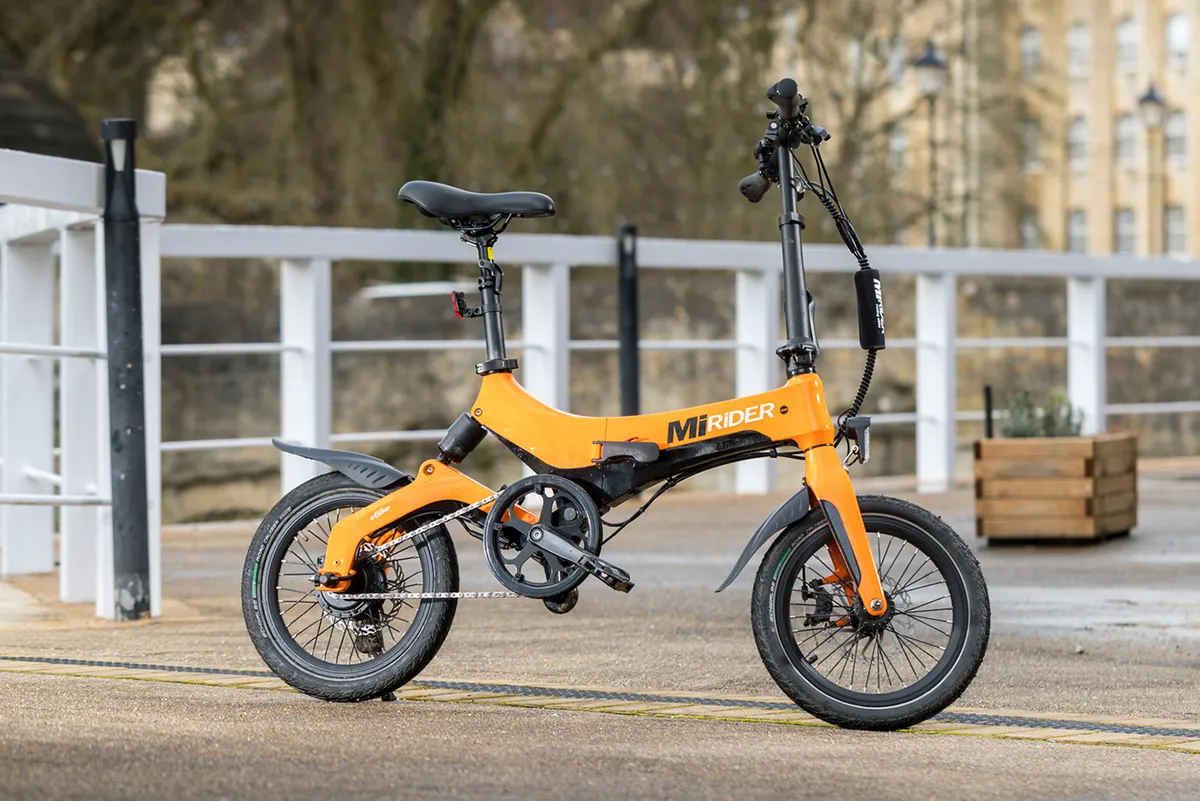
- £1,395 as tested
- Pros: Good power; fun to ride; easy folding
- Cons: Single gear may be limiting
The MiRider ONE is a compact electric folder offering up to 45 miles on a charge.
The ride is nippy and the wide tyres help cushion the road well.
It's also quick to fold and its 17.2kg weight isn't excessive for an electric folding bike.
- Read more: MiRider ONE review
SQUIRREL_13083500
Brompton P Line
SQUIRREL_TEXT_13210369
- £2,100 / $2,750 / €2,550 as tested
- Pros: Fast feeling; good versatility; smile inducing ride
- Cons: Pricey compared to C Line
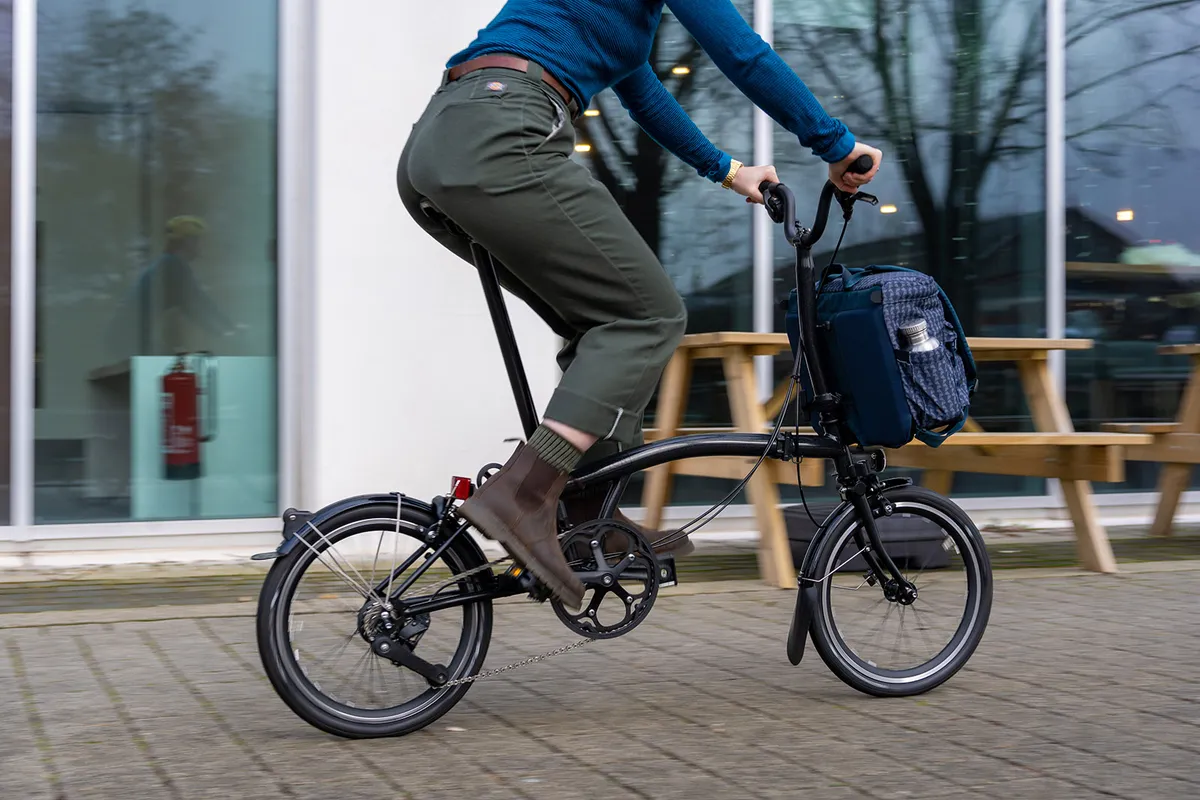
Despite weighing a willowy 10kg, the speedy Brompton P Line remains practical.
It has a front carrier rack and folds up easily.
- Read more: Brompton P Line review
SQUIRREL_13210369
Hummingbird Single Speed Flax
- £3,995 / $4,946 / €4,549 / AU$7,037 as tested
- Pros: Lightweight; clever construction; lively ride feel
- Cons: Pricey
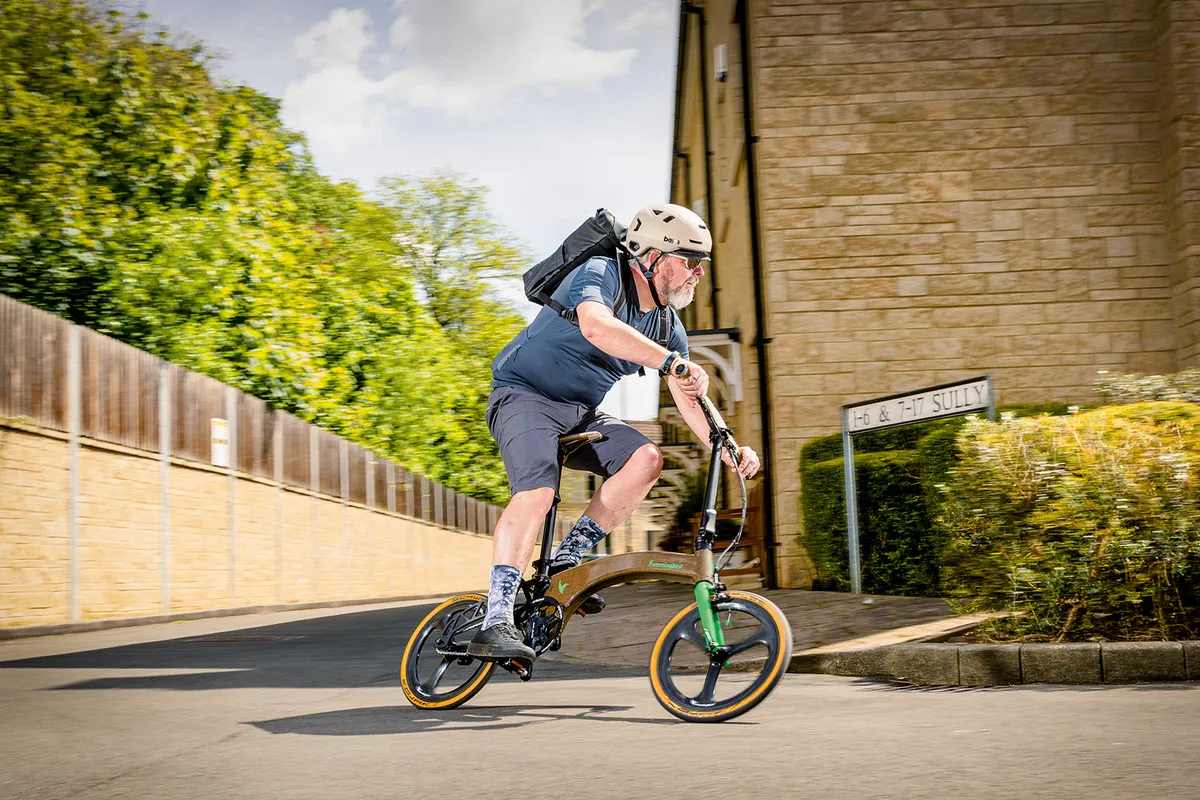
The Hummingbird Single Speed Flax is a flighty folding bike made from flax fibres.
Weighing just under 7kg, the Single Speed Flax is thrilling and comfortable to ride.
It's simple to fold, but a few lower-quality parts are disappointing considering the cost.
- Read more: Hummingbird Single Speed Flax review
Road bikes: best if you're commuting a long distance on roads
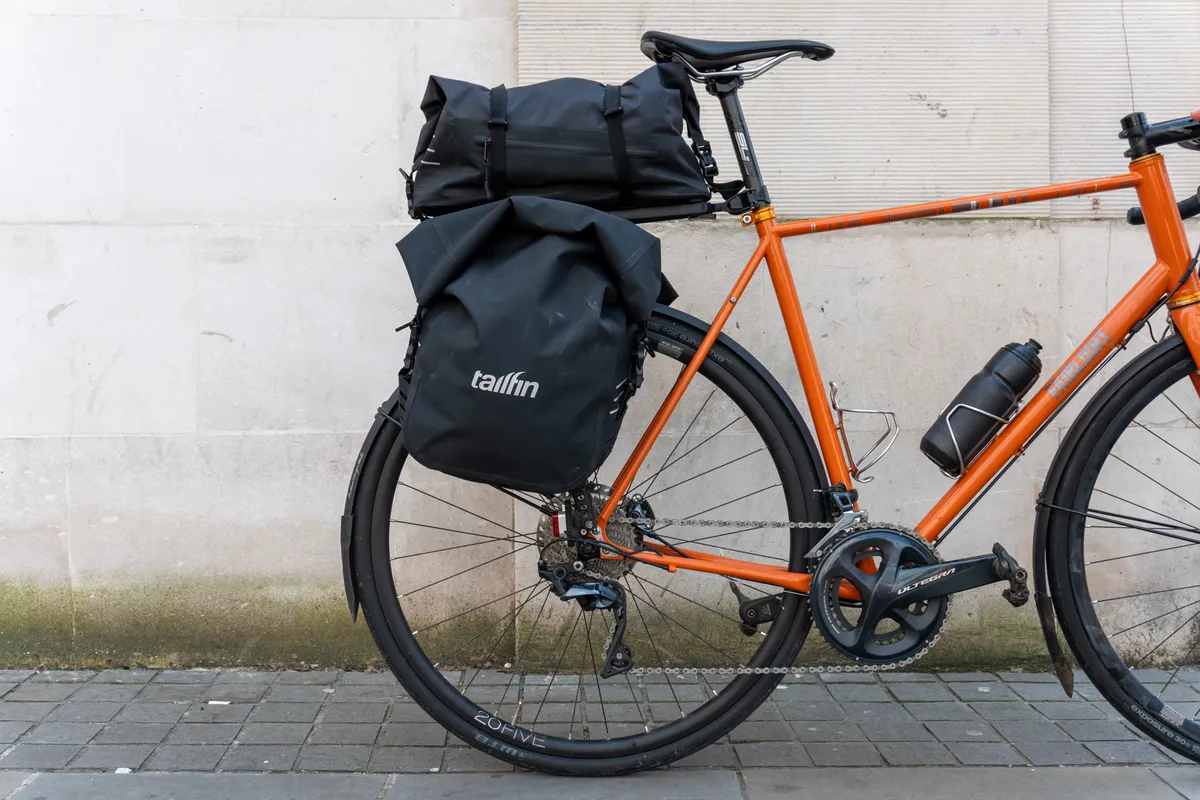
Built for use on tarmac, the best road bikes are for riding long distances fast. They're arguably the best commuter bikes if you want to use your commute to get fit.
You’re unlikely to want to spend a fortune on a road bike dedicated to commuting, and even bikes as cheap as £600 can make great commuter bikes. Just make sure your choice has mudguard eyelets, a dependable groupset and a strong, high-spoke-count wheelset.
Thieves really do love a road bike, so it's wise to invest in one of the best bike locks and bicycle insurance, just in case.
Although the best road bike tyres feel great on a fast Sunday ride, they are probably more puncture-prone than a sturdier tyre. You’ll want to replace them with the best winter road bike tyres for commuting.
- Pros: Quick; efficient; great fun
- Cons: Not the sturdiest
This is a small selection of the best endurance road bikes. Head to our full list of the best endurance road bikes and the best cheap road bikes for more.
Pinnacle Laterite 2
SQUIRREL_TEXT_13153223

- £800 as tested
- Pros: Good handling; rear rack mounts; well-priced
- Cons: Narrow rims and tyres
The Laterite is well-priced and offers good performance with nimble handling for city riding.
Rear rack mounts will enable you to add panniers, taking some strain off your back, and there are mudguard mounts too.
Narrow rims and tyres limit it on mixed surfaces, but it should make a decent hack or commuter bike.
- Read more: Pinnacle Laterite 2 review
SQUIRREL_13153223
Specialized Allez E5
SQUIRREL_TEXT_13196682

- £1,000 as tested
- Pros: Racy handling; predictable road manner; decent gears
- Cons: Brakes are lacklustre and expensive to upgrade
The Allez E5 is both sporty and practical, combining race bike-like handling with high levels of versatility, making it a speedy commuter.
Specialized has given the Allez rear rack and mudguard mounts, meaning you could add panniers.
Wide tyres make for a comfy ride, although we weren't impressed with the mechanical disc brakes, which would require a new drivetrain to upgrade.
- Read more: Specialized Allez E5 review
SQUIRREL_13196682
Gravel/adventure/cyclocross bikes: best commuter bikes if you want to ride far on bad roads
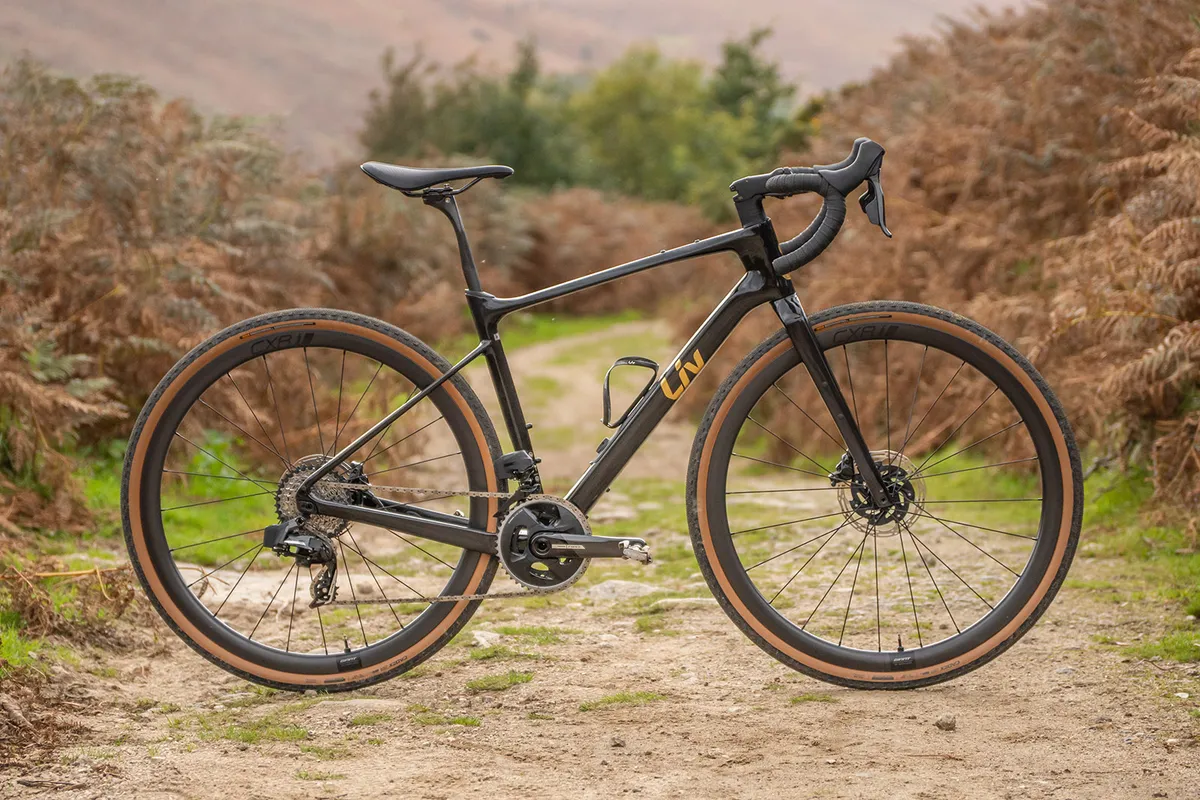
A gravel or adventure bike is a road bike adapted to perform better off-road.
Wider clearances permit chunkier gravel tyres to be fitted, smoothing out the ride on broken surfaces.
The wheelbase of a gravel bike is often considerably longer than a road bike, with the head angle often slackened to ease handling over rougher terrain. Disc brakes for good stopping power are now a given.
Compared to cyclocross bikes – long a popular choice for commuting duties – gravel bikes tend to be more practical, with some having mounts for mudguards, racks and multiple water bottle cages.
Despite CX bikes' fairly aggressive fit, they make excellent commuter bikes for those whose ride to work takes in poor roads or light off-road detours.
- Pros: Incredibly adaptable with a fast and comfortable ride
- Cons: Not as quick on tarmac as a road bike, but more suitable for commuting overall
This is a small selection of the best gravel bikes. Head to our full list of the best gravel bikes and best budget gravel bikes for more.
Boardman ADV 8.6
SQUIRREL_TEXT_13156640
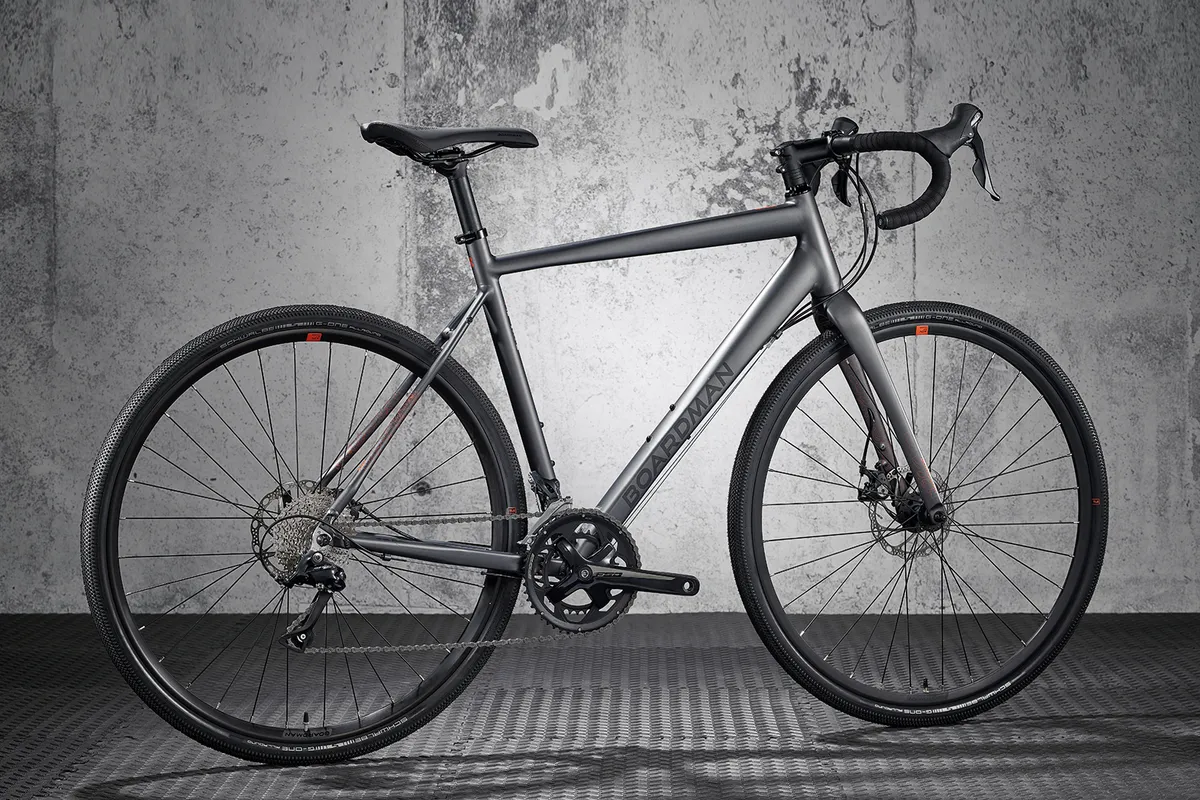
- £750 as tested
- Pros: Comfortable; off-road versatility; well-priced
- Cons: Mechanical brakes
The Boardman ADV 8.6 provides versatility, with a Shimano Sora groupset and rack and mudguard mounts. The 38mm tyres are tubeless-ready, so you can reduce the risk of punctures on your commute, while the quality touchpoints offer a comfortable ride.
- Read more: Boardman ADV 8.6 review
SQUIRREL_13156640
Voodoo Nakisi
SQUIRREL_TEXT_13083796
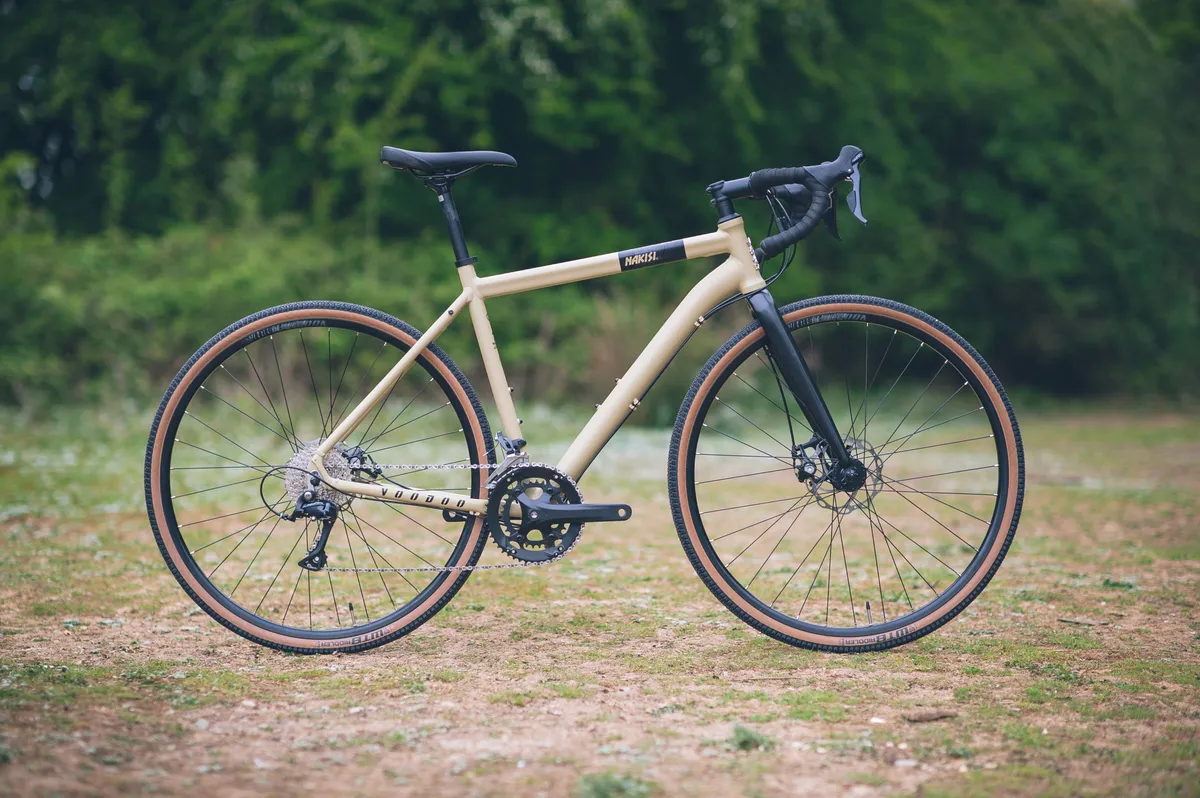
- £650 as tested
- Pros: Comfortable; good versatility; well-specced; plenty of mounts
- Cons: Heavy; mechanical disc brakes
Voodoo offers you a quality spec for a budget price, with the same 9-speed Sora groupset as the Boardman. The Nakisi provides low gearing and quality WTB Riddler tyres. It's another bike that can take a rack and mudguards if needed.
- Read more: Voodoo Nakisi review
SQUIRREL_13083796
Mountain bikes: best if you commute on truly rough terrain
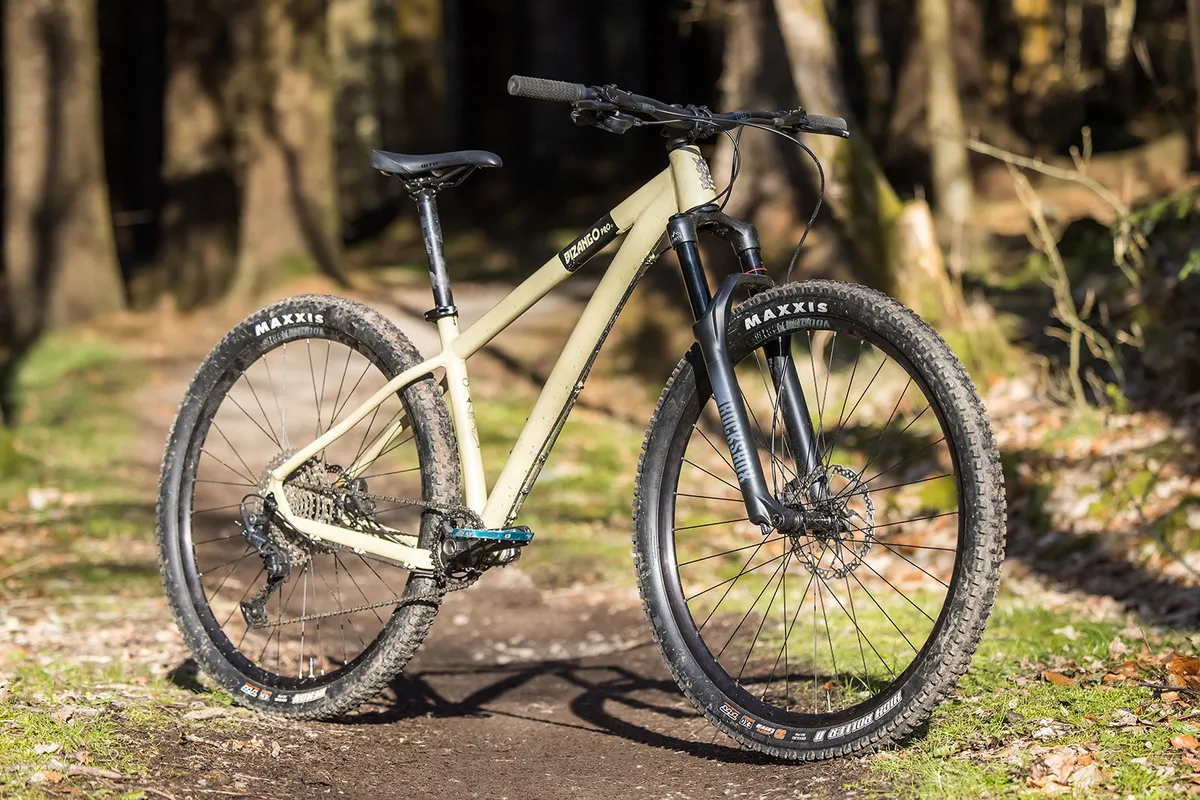
The upright riding position and sturdy nature of the best mountain bikes have long made them a popular choice with commuters.
Knobbly mountain bike tyres add drag when riding in town, so consider switching to a slick tread.
We also recommend steering clear of full-suspension or trail mountain bikes, because you’ll be paying for a load of technology you'll never really use.
Instead, look for a cross-country bike, even one that’s fully rigid, ideally with accessory mounts.
- Pros: Upright riding position; super-durable
- Cons: Heavier than other options; slow on tarmac; not the most versatile
This is a small selection of the best mountain bikes. Head to our full list of the best mountain bikes, the best mountain bikes for around £500 and the best mountain bikes under £750 for more.
Calibre Rake 29
SQUIRREL_TEXT_13116713
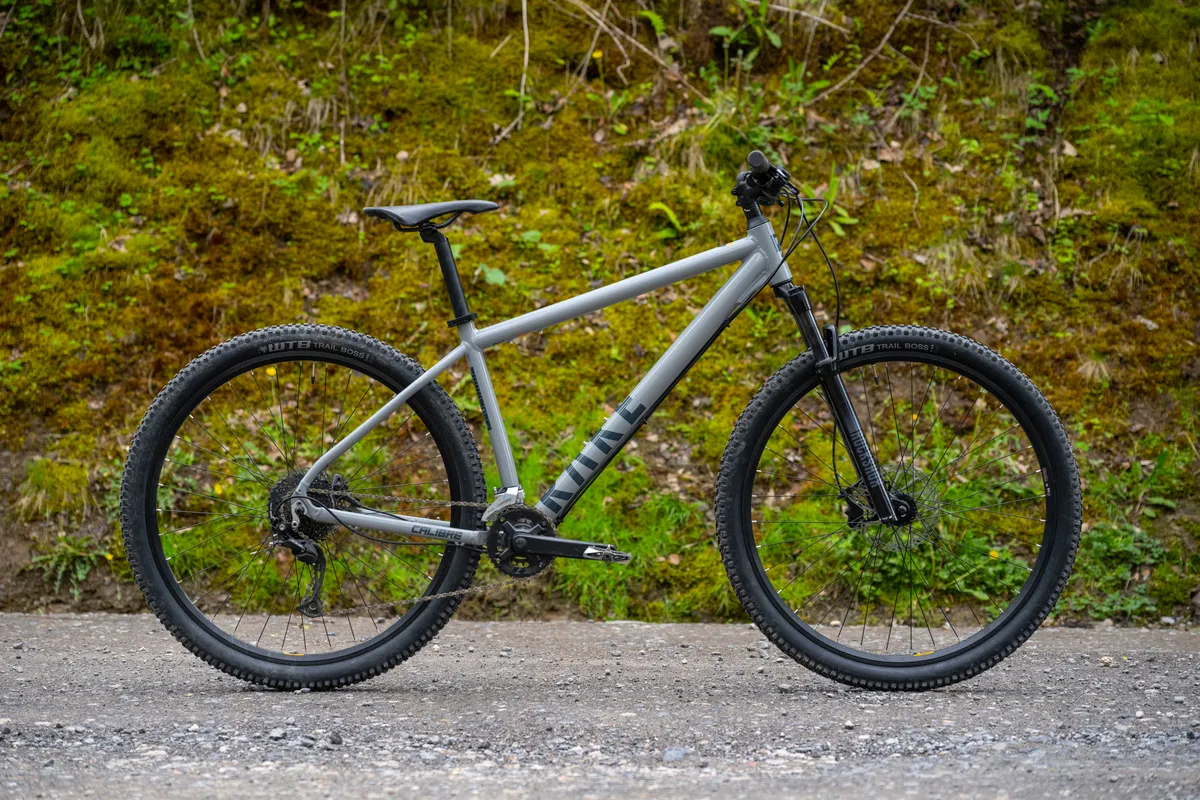
- £700 (£550 with GO Outdoors membership card) as tested
- Pros: Great value for money; spritely handling
- Cons: No thru-axles limits wheel upgrades
Calibre's Rake 29 enables you to tame the trails on the weekend while still carrying you to work.
The Rake 29 has spritely handling and confidence-inspiring ride that will get you around most trail centre blue routes, and open up rougher paths on your commute.
Rear rack mounts enable you to fit panniers, and the WTB tyres offer good grip and a low rolling resistance.
- Read more: Calibre Rake 29 review
SQUIRREL_13116713