
For many cyclists, the daily ride to and from work is the best – and often only – riding opportunity of the day. With this in mind, many use this time as a chance to get some training done.
By mixing up the pace, effort and intensity when cycling to work, as long as it's appropriate to do so, you can turn a commute into a great training session and become a fitter, faster, better cyclist.
To be clear, we’re not suggesting you take risks on the road. But there are ways to use the stop-start nature of cycle commuting to your advantage, such as focusing on high-intensity efforts in between pauses.
So with that in mind, here are some workouts you can do on your daily bicycle commute.
1. Sprints

While interval ‘reps’ will increase your ability to rise to tough challenges, all-out sprint repetitions will help to increase your flat-out speed and muscular power.
The difference between sprints and intervals is in the length of recovery between efforts – with sprint training, you should leave between five and 20 minutes between bursts, whether that’s a sprint up through the gears from the lights or from a rolling start.
2. Fartlek
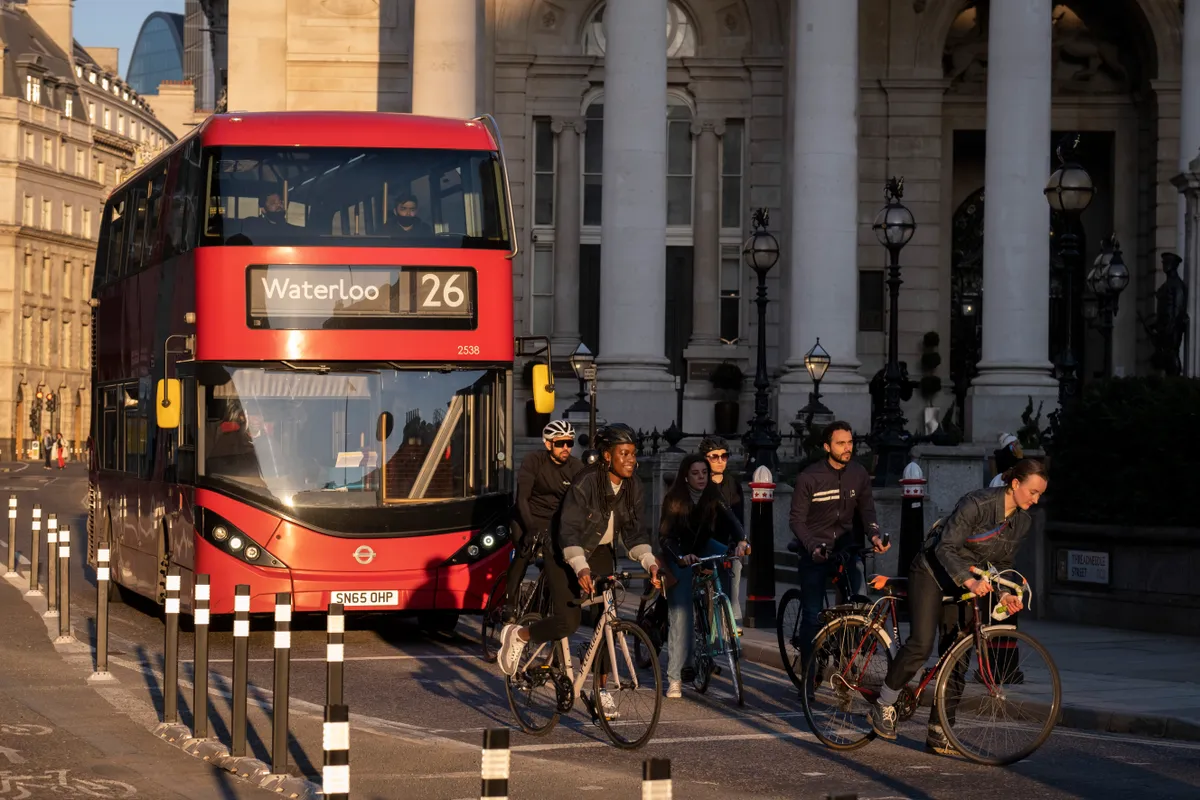
Alternatively, let the traffic and road conditions dictate the timing and duration of your sprints.
Roughly translating from Swedish as ‘speed play’, the fartlek interval workout relies on randomly occurring and lasting efforts that you take on at about 80 per cent of your maximum — of course, only where safe — and works your body’s aerobic and anaerobic systems.
On a commute, this might mean sprinting away from lights or junctions, trying to keep up with traffic for 30 seconds before backing off and sitting up, or until the next red light or traffic jam makes you stop.
Repeat this throughout your commute in a series of three to five sprints, varying the length of sprint and the length of recovery in between.
This is kind of HIIT interval training is very demanding because you spend a lot of time in upper training zones, so keep the duration below an hour.
Do this type of session no more than twice a week and schedule an easier ride the day before and after. More on recovery later.
3. Cadence drills
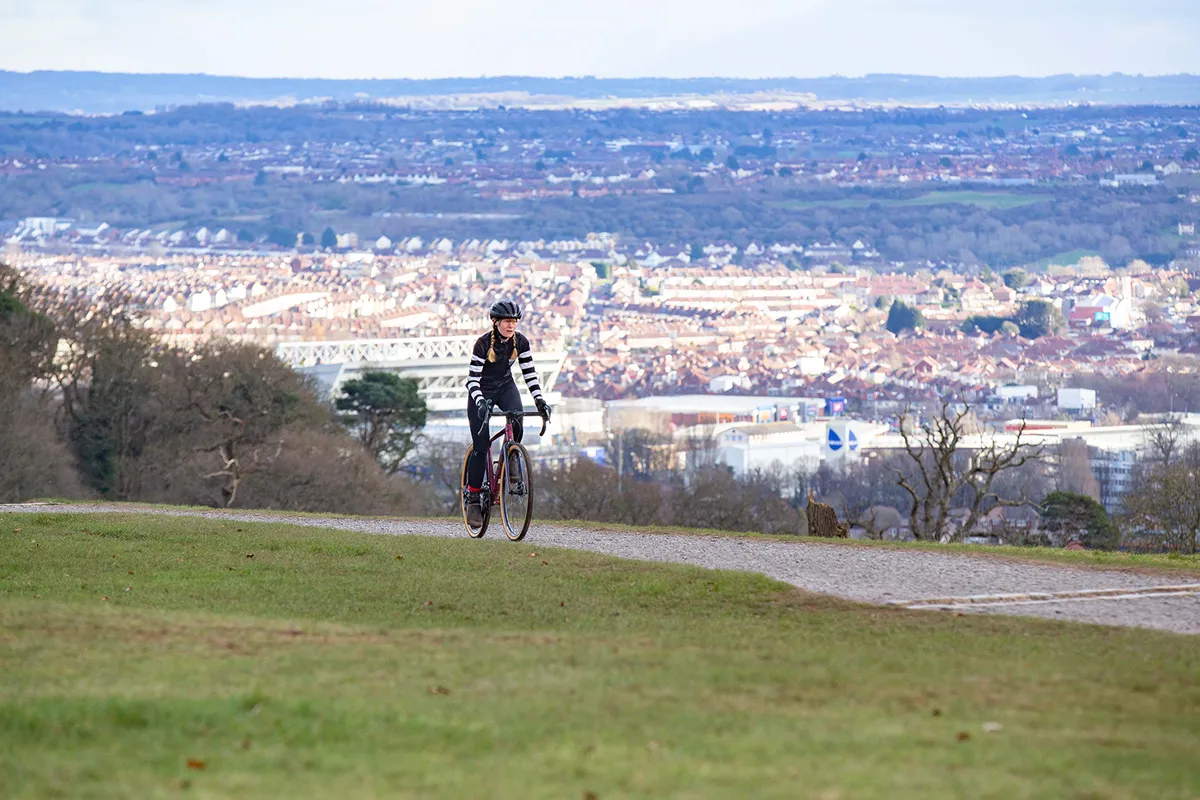
When doing cadence intervals, try to spin up to above 100rpm, or about 10 per cent higher than your normal pedalling cadence.
Focus on your technique too by staying seated and concentrating on keeping your upper body stable to avoid rocking or bouncing.
A suggested session is 4x4 minutes at 120rpm, with a minute of easy pedalling in between each rep.
This workout improves your core strength, pedalling technique and cadence at all speeds. It’ll also help to improve your endurance and acceleration in the long run.
4. Longer intervals
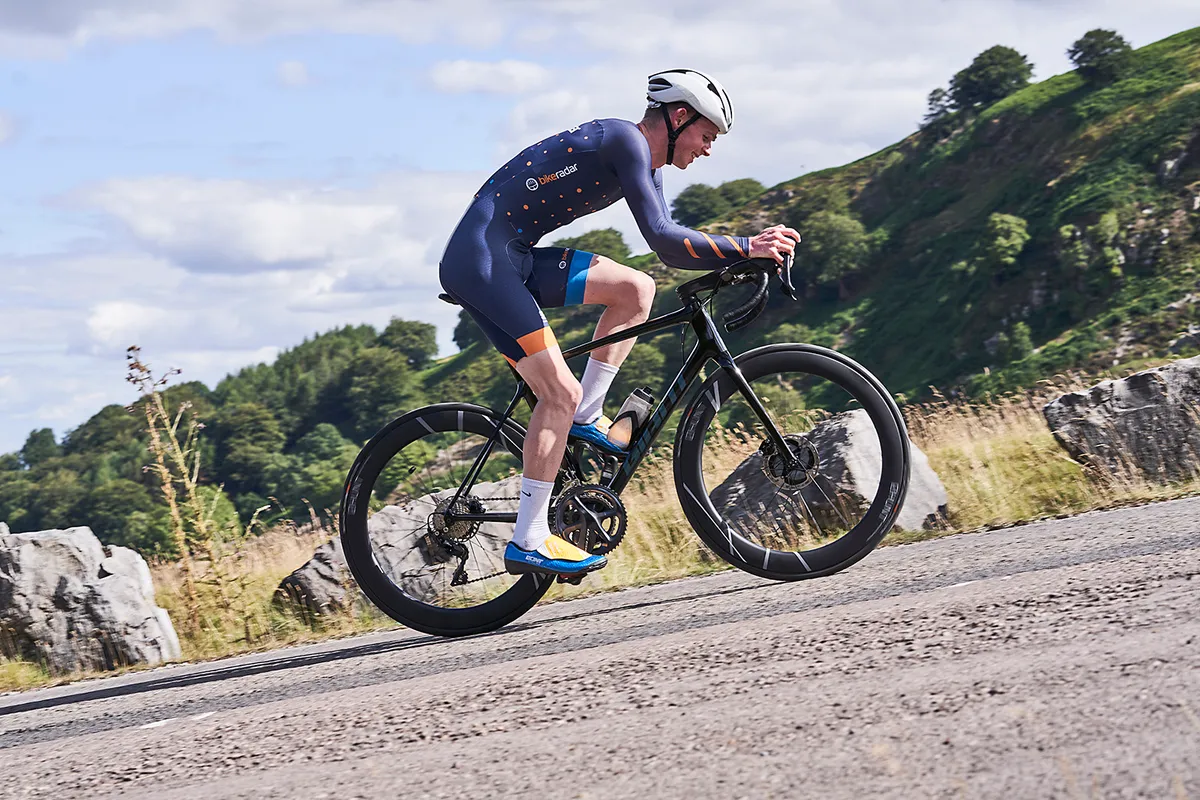
Extending intervals over a minute is tricky in urban areas, but is feasible on the open road or if your commute is more rural.
The goal of longer intervals is to enhance your VO2 max – the volume of oxygen you can use when riding very hard.
The higher it is, the better because you can use your aerobic system for longer, forestalling the switch to anaerobic energy production that's not sustainable for long periods.
You can improve your VO2 max by spending time riding at 90 per cent of your maximum heart rate.
The quintessential VO2 max workout is five repetitions of a five-minute effort at 110-120 per cent FTP, leaving three minutes' recovery between each rep.
A less intense but still valuable type of session is sweetspot training. For sweetspot efforts, you'll need to find several uninterrupted kilometres or miles of road.
They require you to ride at 90 per cent of your FTP for 15 to 20 minutes, recover for five minutes then repeat.
Coaches describe sweetspot training as a time-efficient way to train for time trials and tough sportives.
Its moderate intensity means you can schedule it around difficult intervals and more relaxed riding in your training plan.
5. Get up early and go for a longer ride
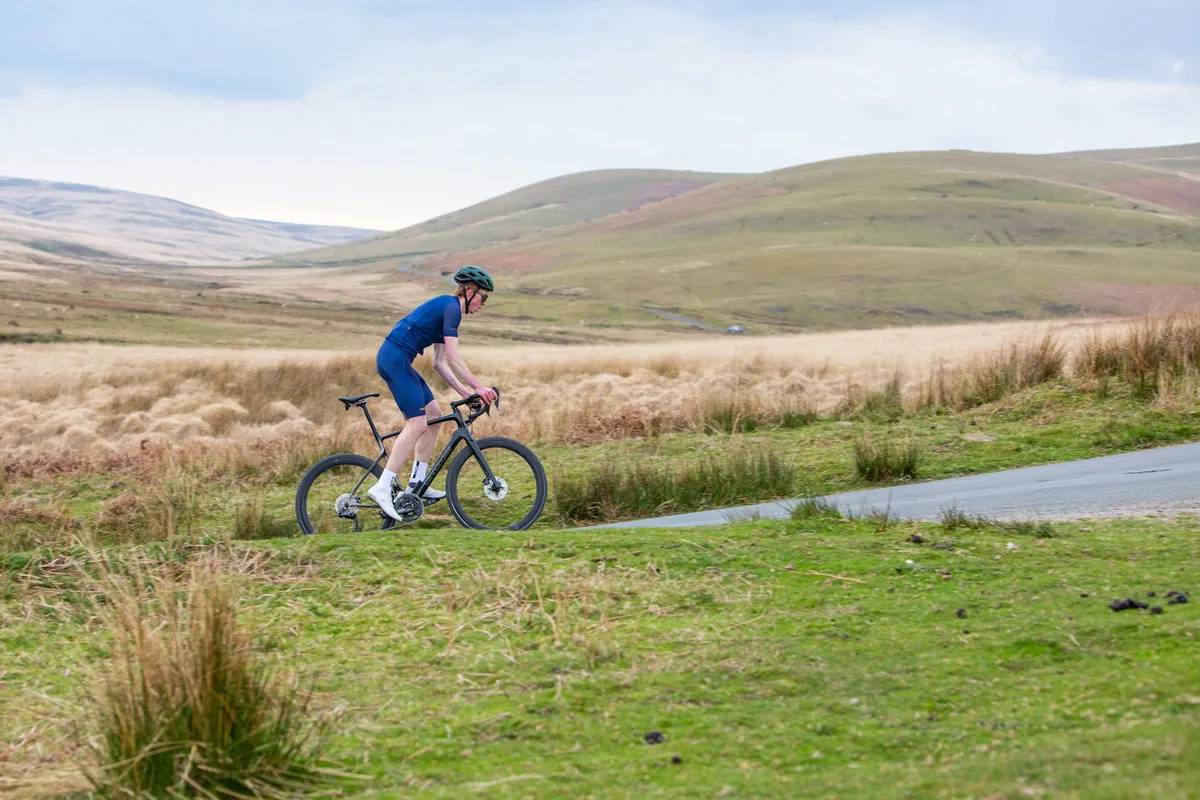
Not all training has to be about hard regimes of pre-determined intervals and efforts – getting in a solid block of base training can also do wonders for your overall fitness.
Tagging on even an extra hour's riding before work enough to get a decent ride in.
With more time, you could take the scenic route to work or crest some hills along the way to get better at climbing for cycling.
Most importantly, of course, you'll head into the rest of your day with the smug satisfaction of having hot a workout in long before most will even be awake – a win-win in our books.
6. Recovery ride
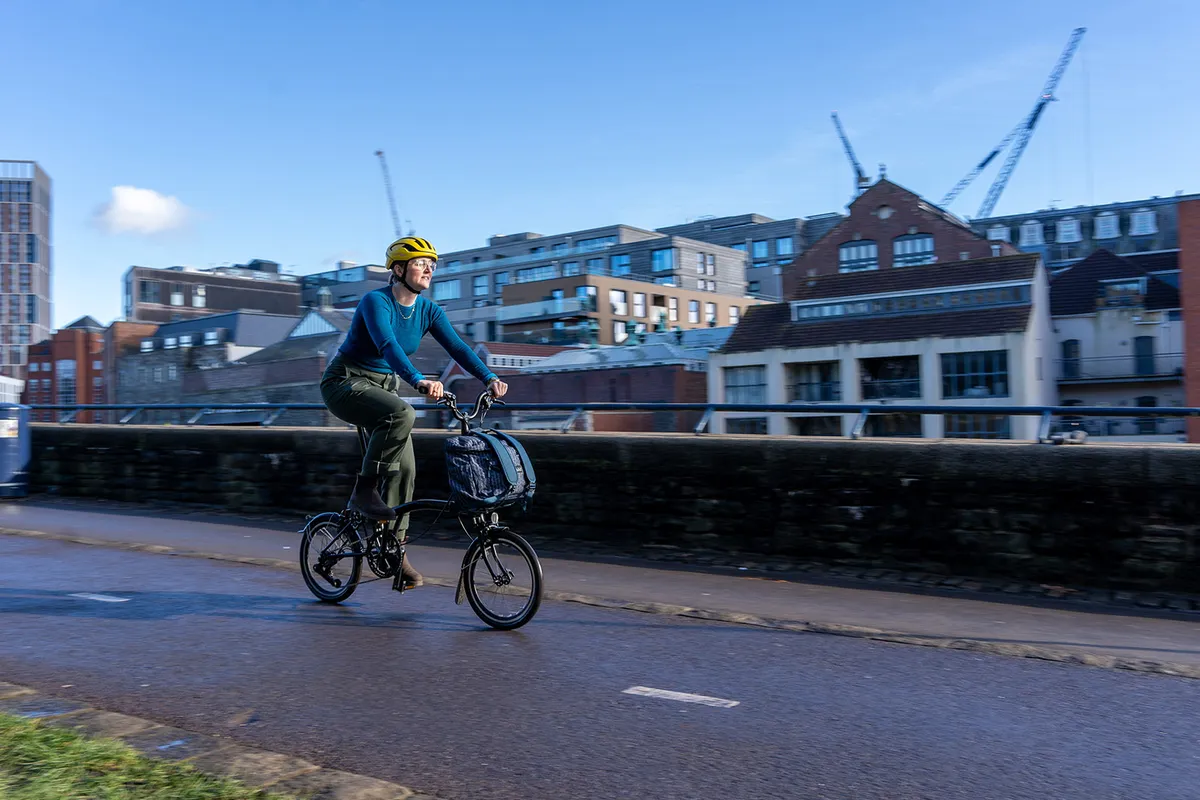
If all this talk of intervals is making you weary, don't fret because there's a time and place for taking it easy as head in and out of work.
A recovery ride the day after a leg-stinging set of intervals or long endurance ride flushes out lactic acid and reduces muscle soreness.
A recovery or zone 1 ride should be very easy: at less than 60 per cent FTP or 50 to 60 per cent maximum heart rate.
Resist the temptation to ride for too long. Half an hour to an hour is ample.
You may like
- How many calories does cycling burn?
- 10 steps to becoming a fitter, faster, better cyclist
- Why you need to start cycling: 27 science-backed benefits for your brain, body and life
Editor's note: This article was last published in September 2022 and updated in February 2026.