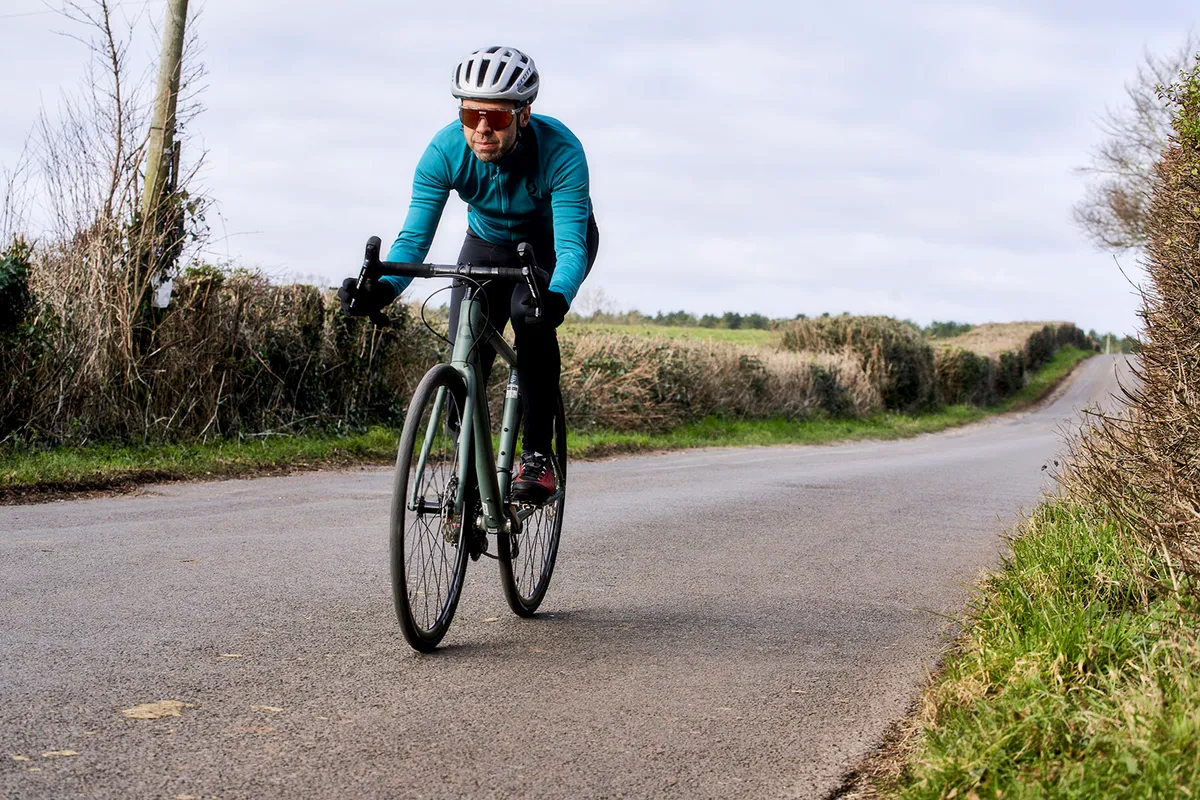
The thought of winter cycling is often enough to put off even hardened road riders. A turbo trainer or lie-in can seem a preferable alternative to battling through ice, sleet, rain or freezing wind, trying to stay warm and upright on your bike.
But with the right winter cycling kit and these essential safety tips, you should still be able to get out there and enjoy the same health and fitness benefits you did in the summer.
Many coaches and veteran year-round riders even say that braving the elements can give your mental toughness a boost, a benefit you’ll notice when you’re in need of some determination during a sportive, race or demanding summer ride.
We've brought together 12 of our favourite winter riding tips to make your cold and wet rides that little more bearable.
How to ride on icy roads

- Pick your road carefully – stick to those that have been treated
- Be wary of exposed sections of road – the wind chill can create extra ice
- Go around icy patches if you have time and it's safe to do so
- If you can't avoid the ice, don't make any sudden moves – try to ride it out
Lingering frost or black ice can catch anyone unawares, especially given that crisp winter days and blue skies are so inviting for a bracing ride. Stunning cloudless days go hand in hand with sub-zero nights. And when the sun does come up, it stays low in the sky and relatively weak, with long shadows.
Add to that the time-poor training cyclist’s preference for early-morning rides and there’s a high chance some of those shadows will be icy and make your wheels lose grip.
One of the most common causes of black ice is when a big freeze follows a partial thaw, so rain water or meltwater is frozen before it can drain off the road completely, leaving a thin layer of transparent ice.
If you’re riding in these conditions, pick your route carefully and stick to roads that have been treated. Of course, the downside to this is that many councils put a water-dispersal agent down with the salt, and after a few days, this can get slippy.

Be particularly wary of the more exposed sections of road, such as where there are no hedges – the wind chill will have further cooled the tarmac there – and always keep your eyes on the road ahead so you’re prepared for icy hazards, going round them if you have time and it’s safe to do so.
If you’re about to hit ice, don’t do anything sudden – don’t turn the bar too fast or far, or lean the bike, and don’t brake hard or suddenly. Of course, if you hit black ice on a downhill corner, all you can do is hope for a soft landing…
How to ride in the wet

- Take into account the longer stopping distances required
- Be careful riding on road markings, and drain and manhole covers, especially when turning
- Apply your brakes in equal measure when it's raining – 50 per cent on the front, 50 per cent on the back
Riding a bike in the wet can be great fun, but make sure you do it safely. Cycling coach Andy Cook points out that it will take you longer to stop when braking in the wet because of a build-up of water on the rims between the brake blocks and the braking surface. Make sure you take this into account.
Also, road markings tend to be slippery when wet, as do drain and manhole covers, so remember to take extra care when riding across them, especially when turning. Avoiding them is the best idea, but if there’s no alternative, anticipate your line and speed — a sharp turn over a wet piece of ironwork or painted line at speed could easily result in a fall.
It's important to make sure your braking is equal between the front and rear to prevent any slips. Too much on the front risks washing out, while too much on the rear will see it slip out.
Riding more in the centre of the lane is also a great idea; this should reduce the number of flints and other stones washed off the verges that cause punctures.
How to ride in windy conditions
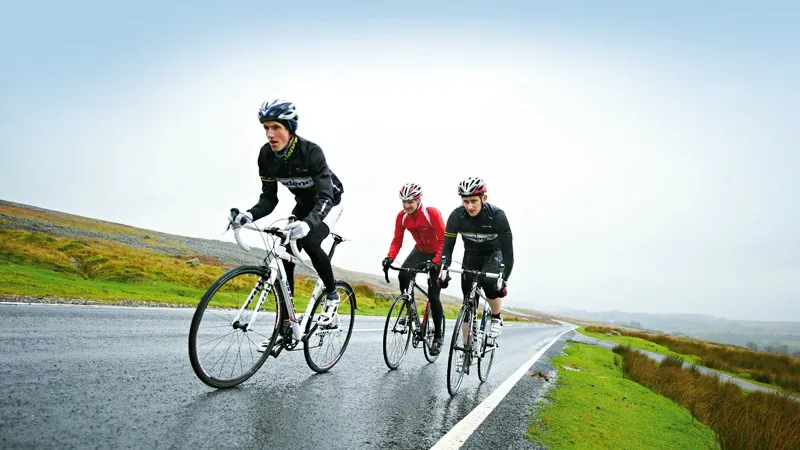
- By far the best way to beat the wind is to ride in a group (but don't shirk your turn at the front)
- If you're on your own, avoid the wind by seeking out natural windbreaks such as hedged lanes
- Reduce your frontal area by rounding your shoulders and bending closer to the handlebar
- If it's a blustery wind, grip on a little tighter so you don't lose control
- Plan a point-to-point ride and get the train home to avoid the headwind
Sometimes called ‘the invisible hill’, a stiff wind can turn a pan-flat road into a relentless climb, and make even a modest ascent feel like Alpe d’Huez. All the more reason to get out in it, says Bennett.
Reduce your frontal area by rounding your shoulders and bending down closer to the bar, because this will help reduce wind resistance
The increased wind resistance makes it harder to pedal, which will increase your heart rate, power output and leg strength, and help you to mimic riding uphill if you live in a flat area.
Like riding in the rain, it will increase your resilience to tough conditions.
The best way to beat the wind is to ride in a group, so make sure to call up your mates if it's looking particularly blustery outside.
If you are riding on your own, try to avoid the wind by sticking to hedged lanes, and if you head into the wind on the first half of the ride, you can then turn around and get blown back home.
It also gives you plenty of time to practise your aero riding position, with the results feeling very noticeable.