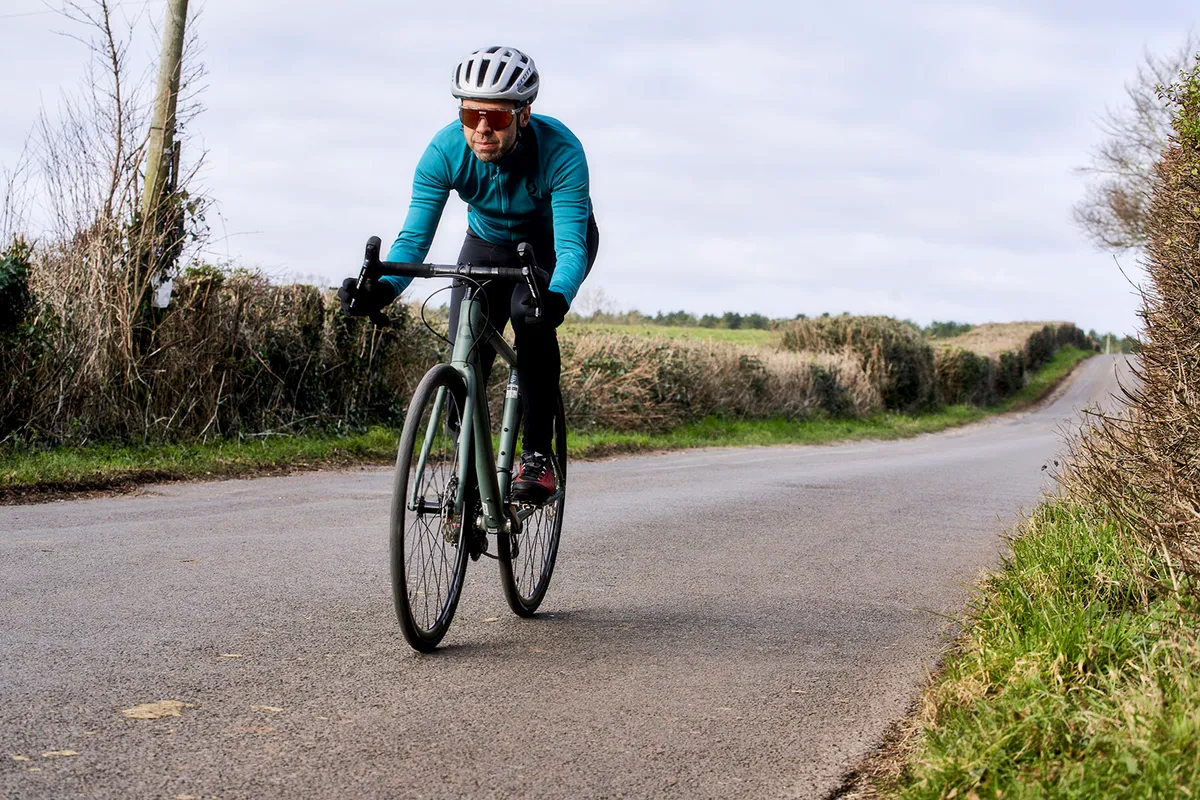
Head out on a windy day and the experience can be demoralising. Riding into a headwind, you can feel as if you're going nowhere – and not even fast.
You're left either turning a ridiculously low gear, perhaps even on the small chainring, or exhausting yourself trying to push on in your normal gear range. Gusty conditions and trying to keep riding in a straight line add to the fun.
There are ways to reduce the effects of cycling into a headwind, though, and clever riders will plan their rides so that they get a tailwind on a ride too, so they feel literally that they're riding like the wind.
Here are BikeRadar's top tips for riding into a headwind, or sheltering yourself from it.
- Read more: The complete guide to winter road cycling
1. Work with the wind

If you're on a long, flat stretch into a headwind, increasing your cadence can help keep the pace higher. It will avoid the cycling-through-treacle feel and keep your legs fresh, so you don't get into a death spiral of pushing harder and harder at lower and lower cadence and almost stopping in your tracks.
2. Ride in a group

Riding in a group is a sure-fire way to reduce the effort required to overcome air resistance – you can reduce drag by 30 per cent or more when drafting – and that's even more the case when cycling in the wind.
Rotating through, with one rider taking the lead for a short period, then dropping to the rear of a paceline, will help to keep the pace up without exhausting one lead rider.
3. Get aero

If you're not riding in a group, or it's your turn on the front of the bunch, getting aero will help you punch through the wind.
That means getting into the drops or angling your arms to lower your frontal profile, and hence the wind resistance you need to push against. You can relax more when you turn away from the headwind and stretch out more once you return to the back of the paceline.
4. Plan your ride
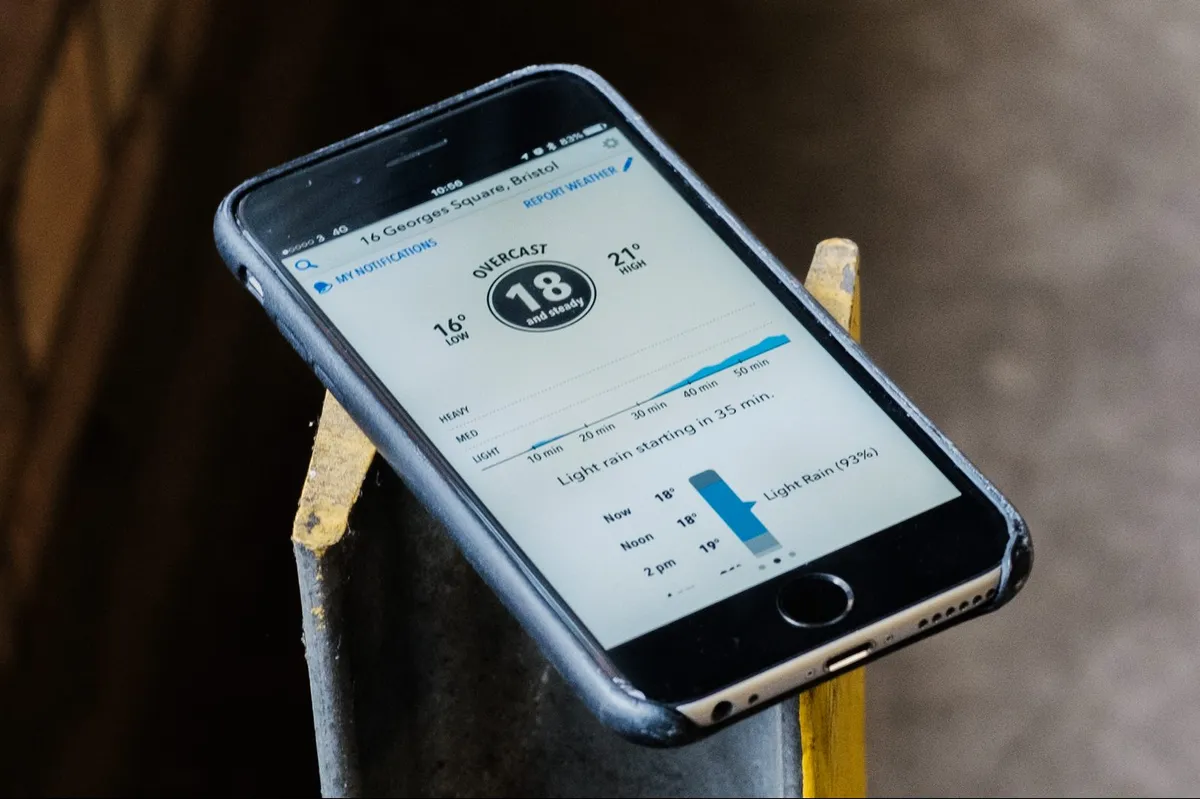
Check the forecast before you ride and plan accordingly, choosing a route that accounts for the wind. Riding out into a headwind means you'll give yourself a better chance of a tailwind on the way home when your legs are tired.
If the wind is due to drop later in the day and you have the option to delay your ride, brew another coffee and head out later. Alternatively, aim to start off with a tailwind, so the headwind on the way back has had time to abate.
Take a look at the MyWindsock app, which will enable you to plot or upload a route and will calculate how much time you'll spend riding into a headwind, how much tailwind time you'll get and the (depressing) effective extra kilometres you'll ride thanks to the headwind.
If it's particularly windy, planning a route on quieter roads will avoid any dangerous wobbles if hit by a gust on a busy stretch.
And remember to take heed of any weather warnings.
5. Dress for the conditions

The weather can change quickly in windy conditions, when squally showers can appear seemingly out of nowhere. Dress appropriately and take a jacket if rain is a possibility.
Otherwise, lightweight layers are key, especially because blustery conditions are common in the changeable seasons of spring and autumn.
A gilet will help keep the wind off your chest without overheating and provide some rain protection if you unexpectedly get caught out.
- Read more: The complete guide to winter road cycling
6. Beware wind changes

As your route twists and turns or the wind changes direction, you need to keep your wits about you.
Maintain your focus on the road and be aware of crosswinds as you change direction or the protection afforded by your surroundings disappears, especially on winding routes.
Look out for gaps in hedges, buildings and tree cover, when you can suddenly catch a crosswind gust. Taking shelter within your group can counter this.
7. Tactics, tactics

While you always have the option to change your route on a training ride – or stay at home, it's not that simple if you're racing or riding a sportive.
It's time to get tactical, making others do the work. If you can place yourself behind the first two rows of riders, you'll reap that drafting benefit we talked about above. If your team isn't leading a race, you can head even further back to save energy, while most sportive rides see groups forming that you can tag onto.
8. Use it, don’t lose it

You shouldn't always shirk a headwind – it can be an aid to your training because that higher workload needed to get anywhere will reap fitness benefits similar to hill reps.
Your workout will extend for a longer period in many cases because, particularly in the UK, hills tend to run out quicker than headwinds blow out.
9. Ride out, take the train home

Everyone loves a tailwind. So head out with the wind and enjoy the push, then jump on a train back home. Leave those 'it hurts so it must be good for you' rides for another day.
You'll need a hefty tailwind to get you to this station, shown above, though, and you'll need to time your ride so you're not left sitting in the shelter in a gale for several hours.
Sometimes, however, it's better to stay indoors…
10. It's turbo time

Last but not least, if it's blowing a gale, why not jump on the trainer?
While following our tips can help you get the better of blowy conditions, sometimes cycling in the wind is an unavoidably dispiriting experience – or just plain dangerous.
The availability of smart turbo trainers and the growing popularity of indoor cycling apps such as Zwift mean there's a whole virtual world to explore without a breath of wind.
Otherwise, take the day off. There's always tomorrow...