Aluminium gravel bikes tend to populate the more affordable end of the gravel bike spectrum. Since alloy gravel bikes are cheaper to manufacture than carbon gravel bikes or titanium gravel bikes, they are ideal if you're just dipping your toe into gravel riding and don't want to spend too much.
Aluminium gravel bikes also make great commuter bikes, because they're robust and can take wide tyres but most come with the mounts to fit gravel mudguards, a rear rack and other luggage. These attributes also make them a good option for bikepacking, where low bike weight isn't so important.
Here's our pick of the best aluminium gravel bikes that our expert testers – who clock up thousands of hours of ride time and have years of experience between them – have ridden and reviewed.
Towards the bottom of the page, we've got a buyer's guide to aluminium gravel bikes, which explains why they feature among the best gravel bikes.
If you're attracted to aluminium gravel bikes because of their value for money, you can also check out our guides to the best gravel bikes under £2,000 and Warren's choice of five affordable gravel bikes.
Editor's note: this best list was updated on 6 November 2026, with new reviews added and those for bikes no longer sold removed. We also revised the buyer's guide to reflect the latest trends in gravel bike design.
Best aluminium gravel bikes in 2026
Kinesis Tripster AT+
SQUIRREL_TEXT_13113839
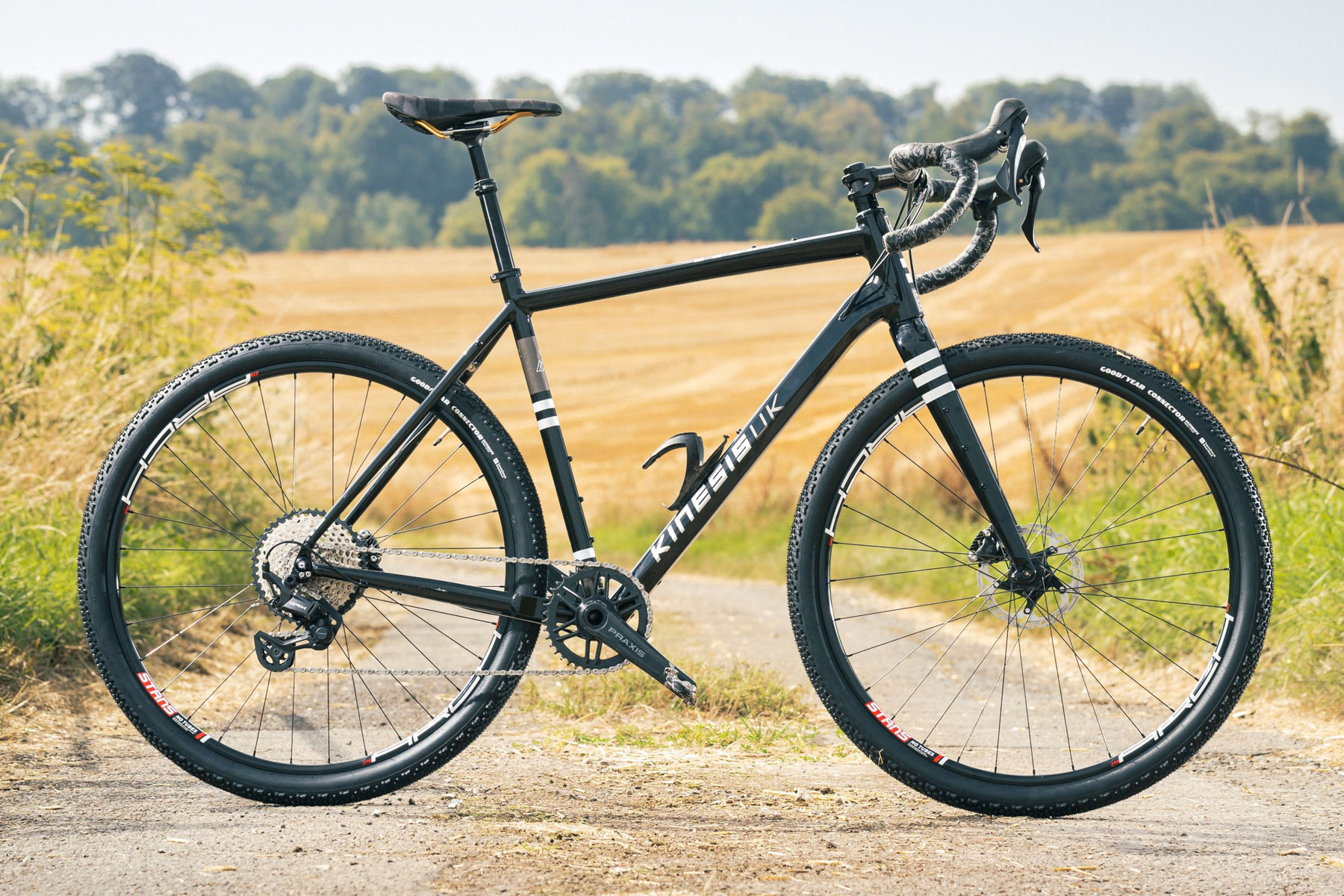
- £3,417 as tested by Warren Rossiter
- Pros: Very capable on all types of gravel terrain; robust build; very well-balanced handling
- Cons: A little heavy; need to take care in choosing the right frame size
The Kinesis Tripster AT+ is the British brand's all-round gravel bike built for wet and mucky conditions. With a huge 50mm of tyre clearance, the Kinesis is ready for even the widest gravel tyres.
Kinesis doesn’t offer any stock builds of the AT+. Instead, it views the bike's versatility as better suited to custom builds, meaning you can spec it exactly to your needs.
Despite what its tyre clearance may suggest, the Tripster AT+ is no slouch on the road. It’s a superb bike for covering big distances, no matter what the conditions are underfoot, and it's highly capable off-road too, even to the extent of taking on singletrack trails reserved for mountain bikes.
- Read more: Kinesis Tripster AT+ review
SQUIRREL_13113839
Trek Checkpoint ALR 5 Gen 3
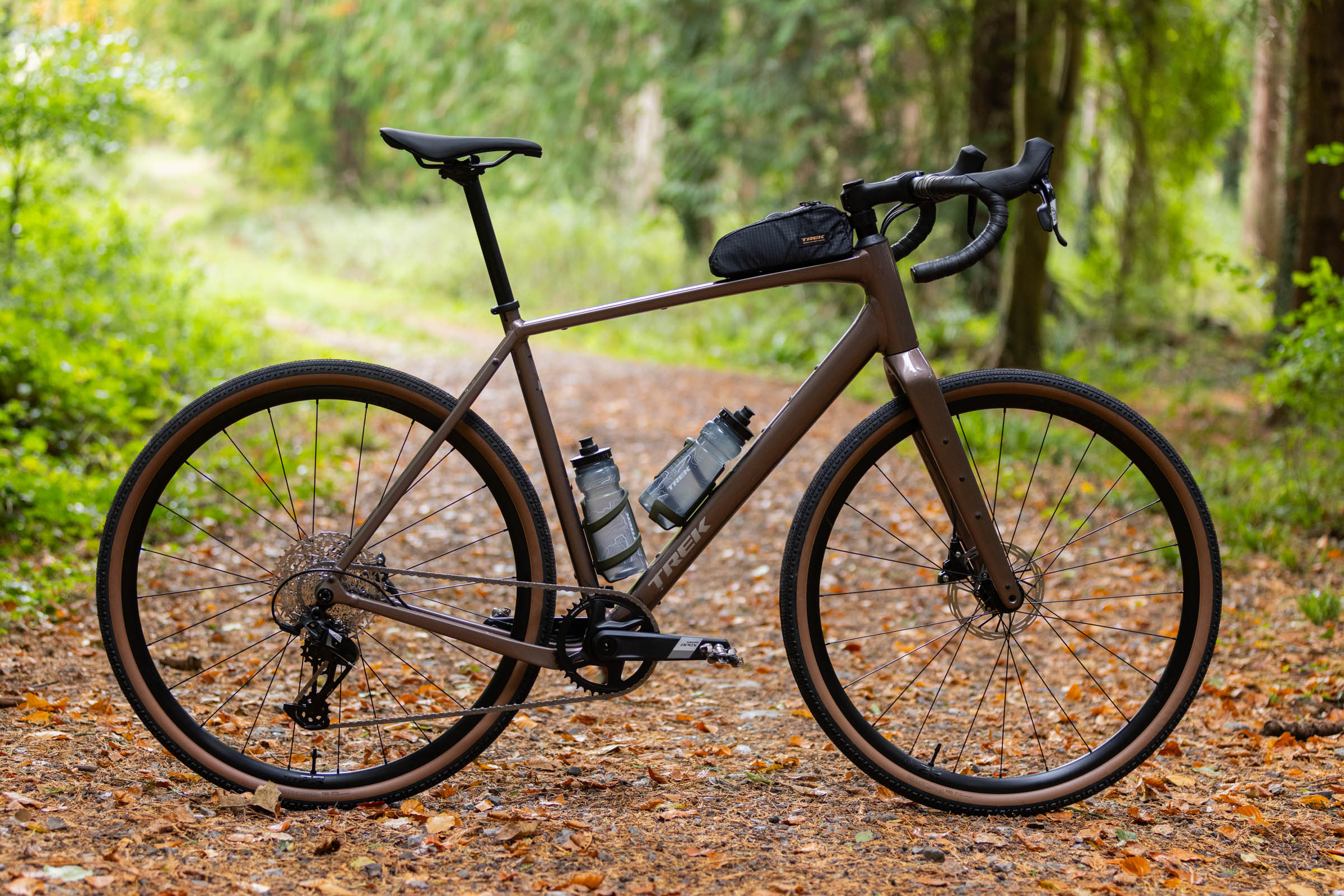
- £1,799 / $2,099 / €1999 as tested by Warren Rossiter
- Pros: Sharp handling; versatile; rides well
- Cons: Needs a tyre swap for damp trails
The Checkpoint ALR frameset has all the modern features you'd expect to see on much more expensive carbon gravel bikes, along with 50mm tyre clearance. Smoothed welds give the look of a carbon frame and mudguard eyelets offer commuting-readiness, which is backed up with endurance road bike-like geometry and low-tread tyres.
The spec, geometry and a 10.56kg weight allow the Checkpoint to roll well on tarmac and fast gravel roads and handle climbs well. It's less sure-footed on more technical trails, while the tyres don't have the grip to handle mud. But for the money, Warren reckons it's spot-on.
- Read more: Trek Checkpoint ALR 5 Gen 3 review
Voodoo Nakisi
SQUIRREL_TEXT_13088211
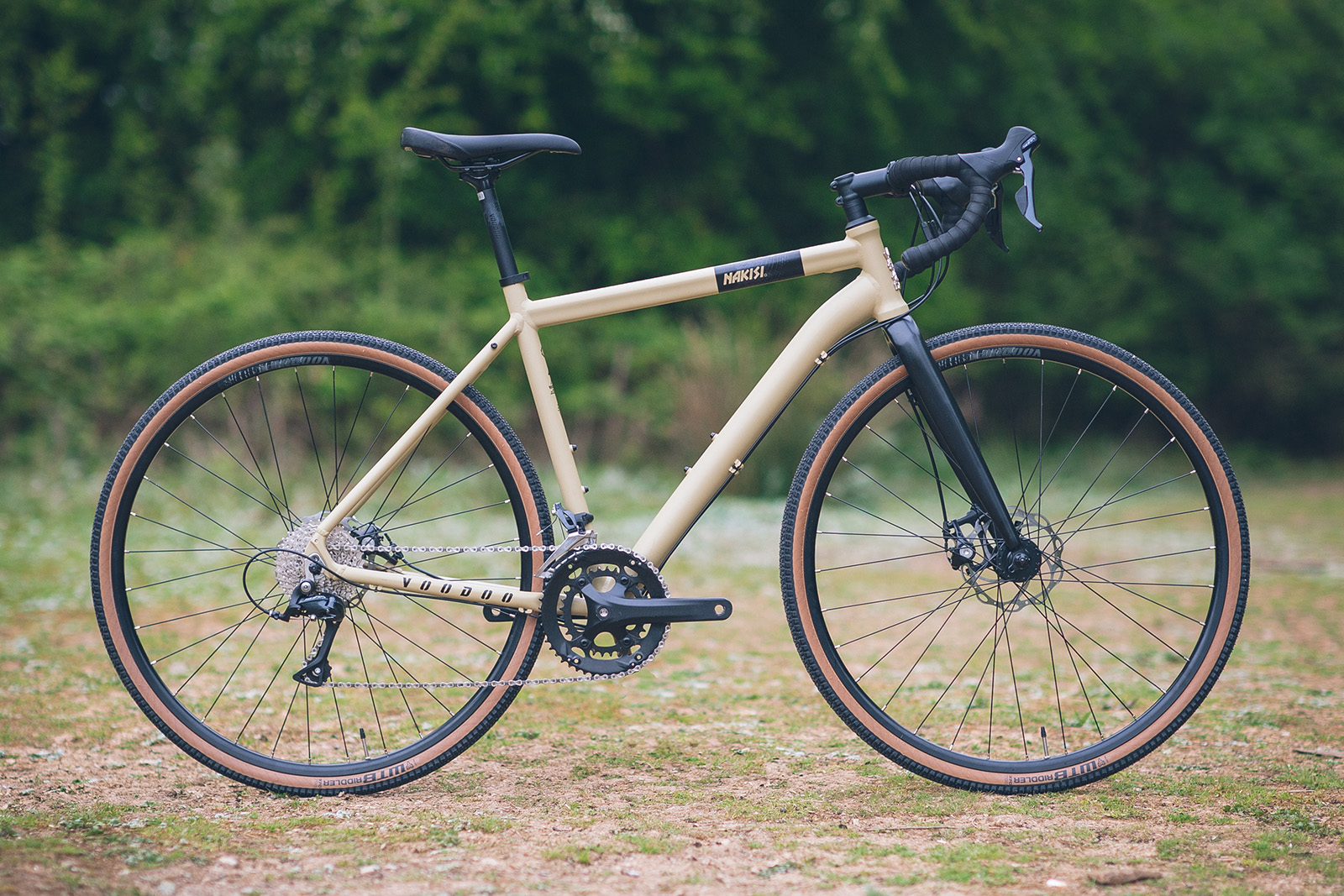
- £650 as tested by Simon Withers
- Pros: Cheap and cheerful; well kitted out
- Cons: Heavy
Voodoo is Halfords' in-house MTB brand, but it has strayed into gravel territory with the Nakisi, which is a bargain gravel option, although it could cover commuting duties as well. Mounts for mudguards and a rack ensure the bike's versatility and there's wide tyre clearance too.
Despite its price, Voodoo has specced a 9-speed Shimano Sora groupset, rather than the cheaper 8-speed Claris. This provides a good gear range and enables you to tackle hills more comfortably despite the bike's 11kg-plus weight.
- Read more: Voodoo Nakisi review
SQUIRREL_13088211
Genesis Fugio 30
SQUIRREL_TEXT_13078482
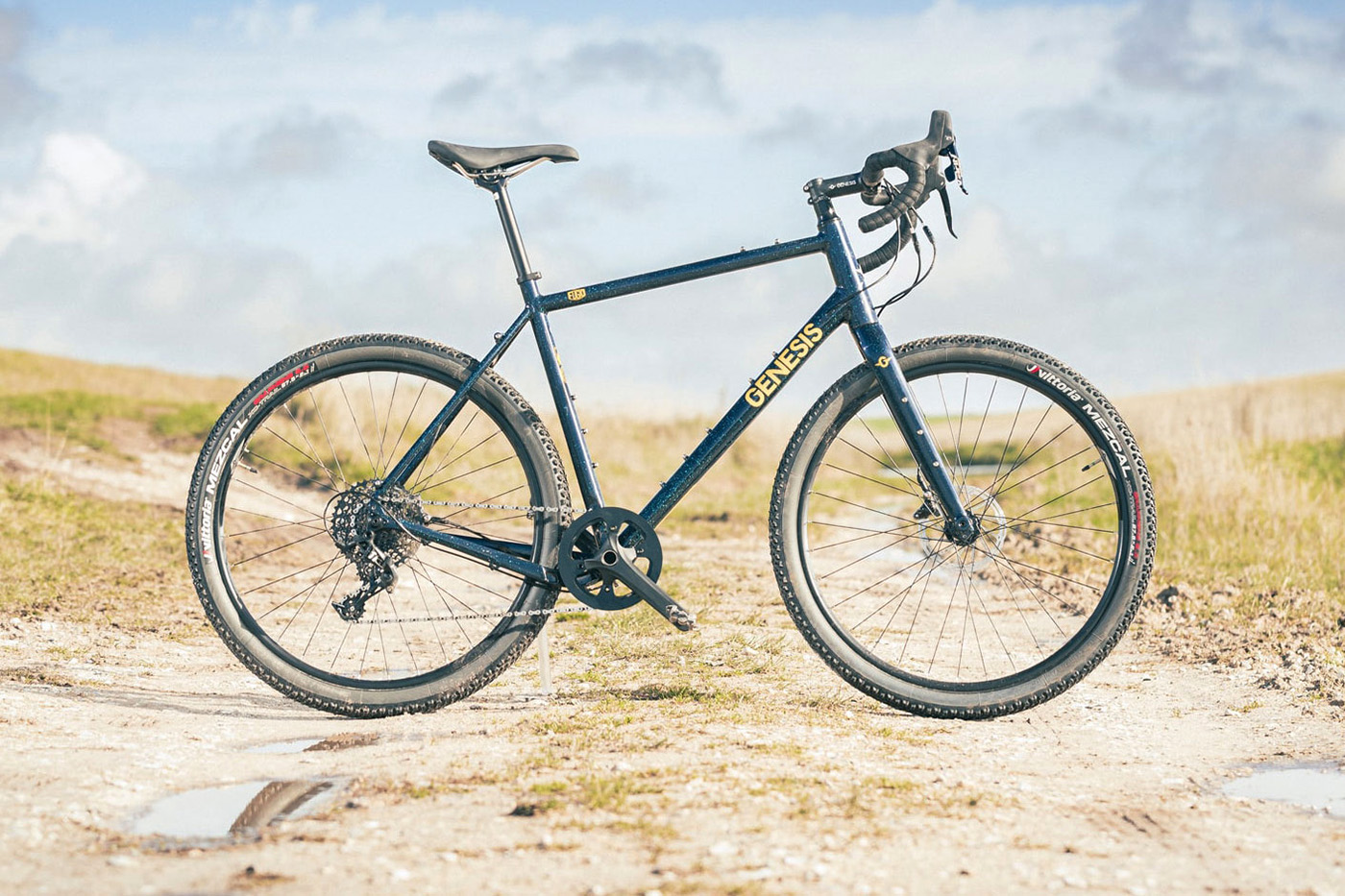
- £2,000 as tested by Warren Rossiter
- Pros: Fun to ride; competitive price; good looks
- Cons: Slow on tarmac; some downgraded parts
The Genesis Fugio has traded steel for aluminium, shedding roughly 500g and proving to be great fun to ride.
It’s not the fastest on tarmac, but with relaxed geometry and clearance for 57mm tyres, it will be perfect for riding over tough terrain and tackling big adventures.
Genesis has downgraded a few components, but the Fugio 30 is still competitively priced at £2,000.
- Read more: Genesis Fugio 30 review
SQUIRREL_13078482
Marin Gestalt X10
SQUIRREL_TEXT_13078462
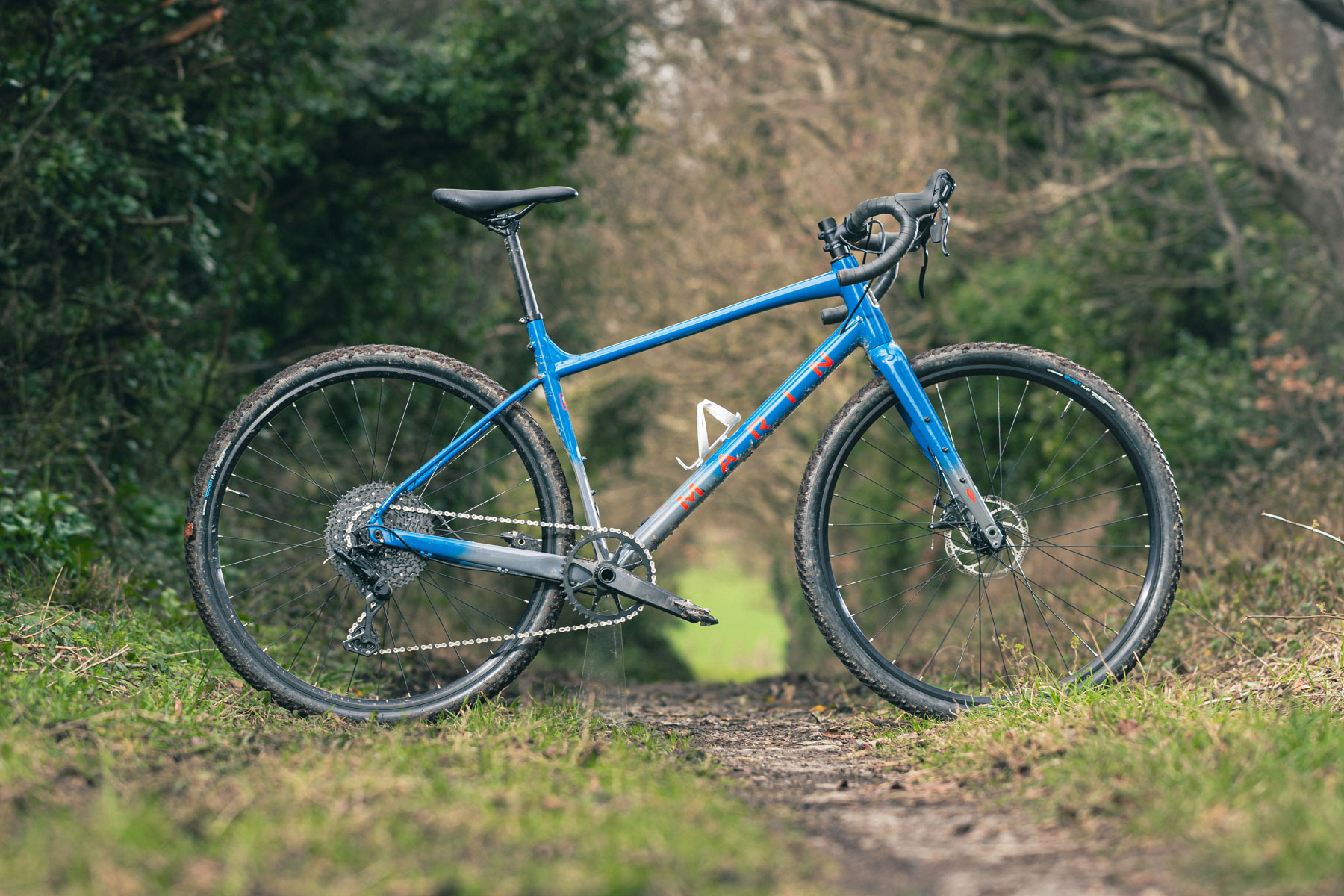
- £1,255 / $1,549 / €1,559 / AU$2,349 as tested by Warren Rossiter
- Pros: Epic off-road handling prowess; great drivetrain; comfortable and capable
- Cons: Brakes have power but lack feel
The Gestalt X10 is influenced by Marin’s origins as a mountain bike designer. Its geometry wouldn’t look out of place on a modern hardtail mountain bike, and the comfortable front end balances smoothness and speed brilliantly.
The build is solid and geared toward off-road adventures, but it reflects the budget price of the Gestalt X10 package.
The Marin is excellent for off-road riding. The front end feels stable and smooth, yet nimble and quick to react when needed. It rewards technical riding, whether on a fast blast around the woods or a long cross-country singletrack ride with minimal tarmac and maximum dirt.
- Read more: Marin Gestalt X10 review
SQUIRREL_13078462
Vaast A/1
SQUIRREL_TEXT_13095368
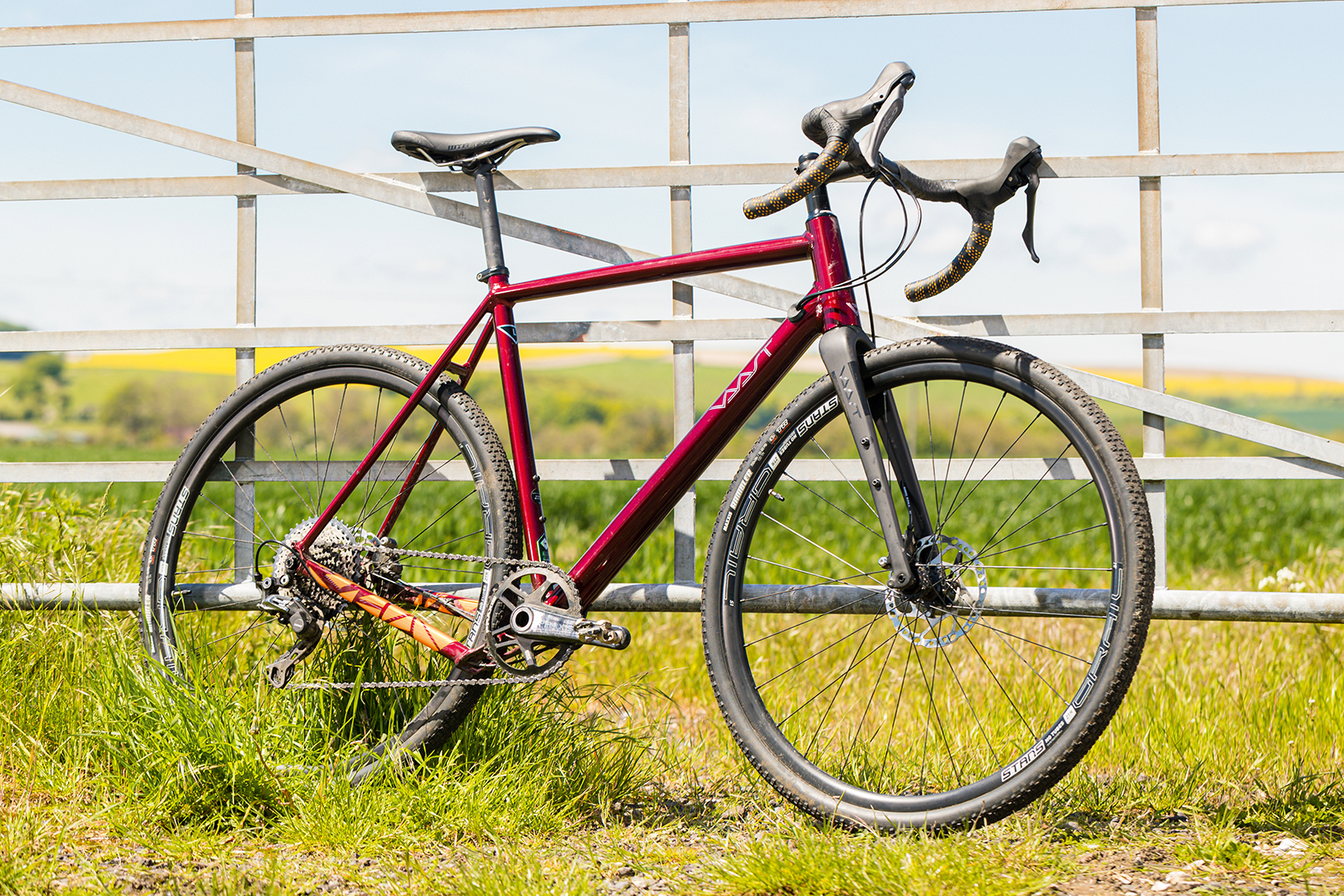
- £2,469 / $2,500 as tested by Warren Rossiter
- Pros: Magnesium alloy frameset with novel trussed chainstays; good vibration absorption; quality spec for the price
- Cons: Creaky seatpost
Okay, the A/1 is not aluminium, but it is alloy (as are steel gravel bikes and titanium gravel bikes), in this case magnesium alloy. Vaast says it's lighter than steel, aluminium or titanium, but stronger and more corrosion-resistant than everything but titanium.
There's a dropped driveside chainstay with a truss, which provides room for 40mm 700c or 47mm 650b tyres. The wheels are Stan's with Maxxis Rambler tyres and the test bike was equipped with a 1x Shimano GRX RX600 11-speed drivetrain with a carbon Praxis crankset.
The geometry is designed for fast gravel grinding and you can fit a gravel dropper post. There's a sprightly spring to the frame over rougher ground, that doesn't detract from the stiff, responsive pedal feel. The straight-legged carbon fork is a little at odds with the plusher rear, however. The main bugbear was a creaking seatpost.
- Read more: Vaast A/1 review
SQUIRREL_13095368
Whyte Verro
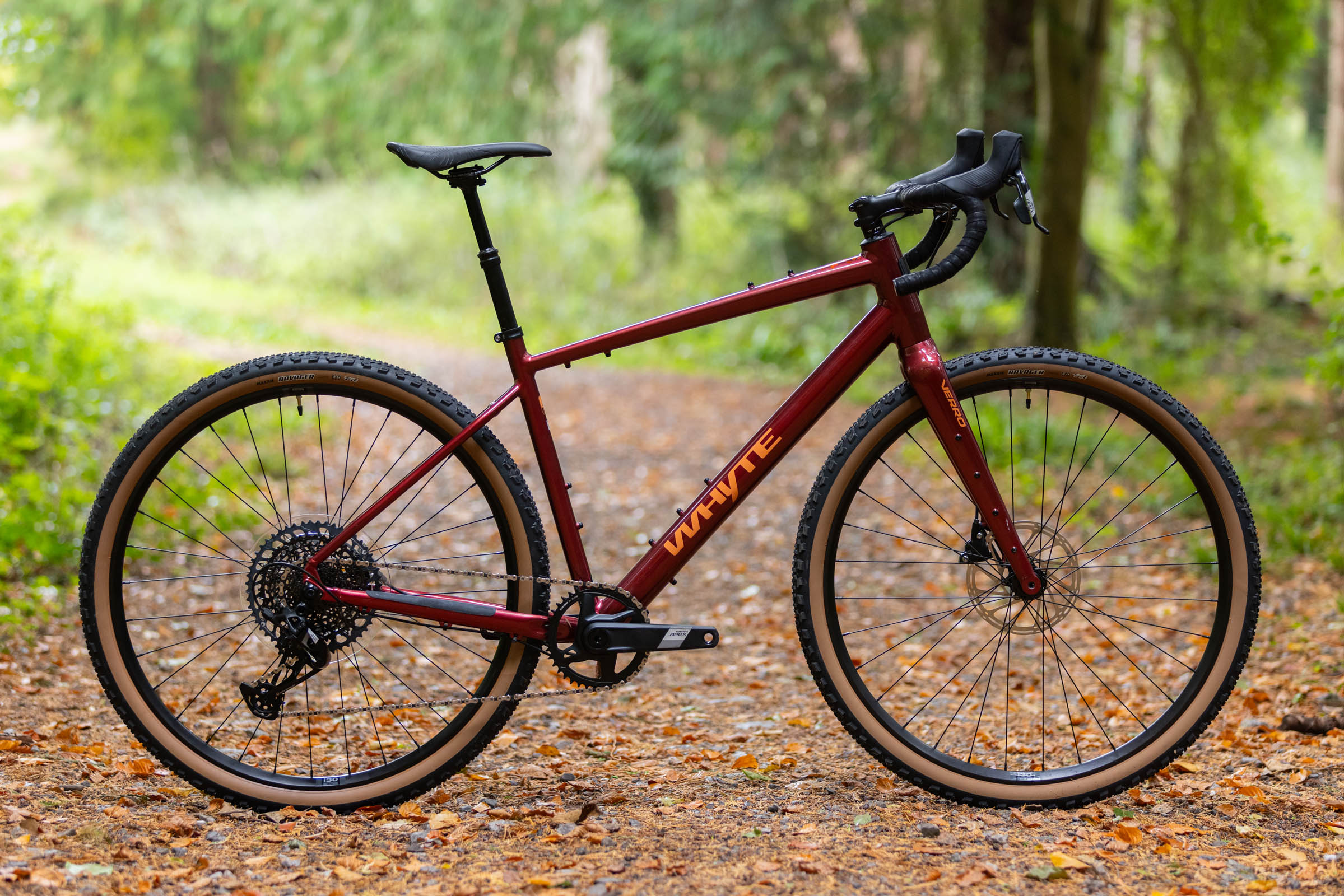
- £1,799 as tested by Warren Rossiter
- Pros: Handles well on rough ground; clever spec keeps price down
- Cons: A little slow on tarmac
The Verro's aluminium frame is matched to a fork that's also aluminium, rather than the more typical carbon. Internal cabling keep things neat and there's an extensive array of mounts. The relaxed head tube and steep seat tube place the rider further forward and the reach is long and the stack low.
The Verro is fitted with grippy 50mm tyres on 30mm internal width WTB rims as standard and there's room to go wider. Along with the wide-range SRAM Apex Eagle groupset and TransX dropper post, the spec sets it up to go deeper into the woods, but we reckon it's a clever choice for commuting too.
It's a bike that's well tuned and confidence-inspiring for fast, technical descents and specced well for mixed UK off-road conditions.
- Read more: Whyte Verro review
How we test gravel bikes
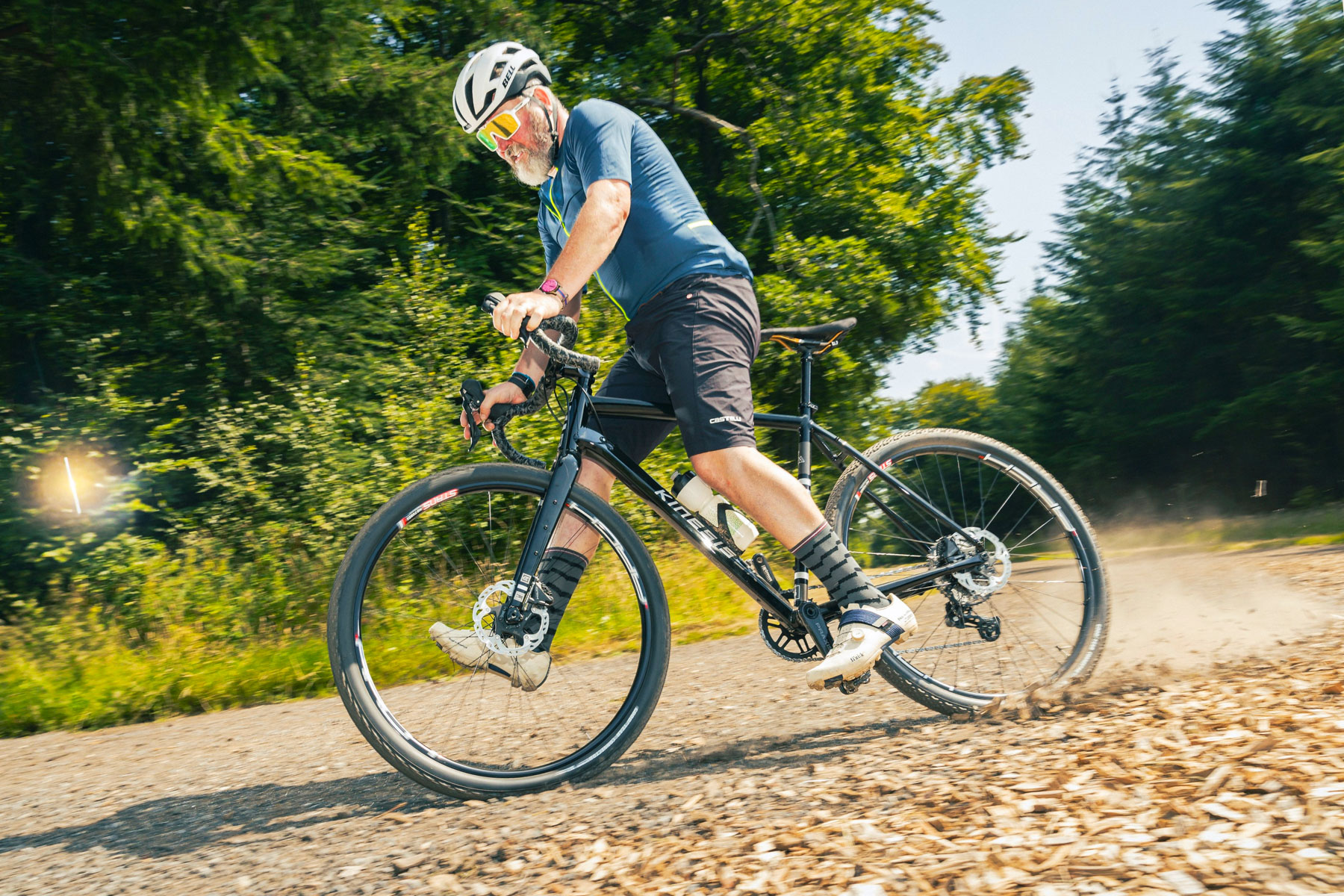
We test gravel bikes on a range of surfaces, from paved roads to light singletrack trails and, of course, in their natural environment on gravel roads.
Our team of testers have been involved in the world of gravel bikes since their inception. Our senior technical editor, Warren Rossiter, first tested a thoroughbred gravel bike at the beginning of the 2010s and since then he reckons he’s reviewed close to 200 gravel bikes.
We use long test cycles to ascertain how the bikes live up to real-world riding and go out in wide-ranging conditions to see how they perform in the wet and dry.
Ultimately, our gravel bike reviews are based on the following criteria:
- Handling characteristics – how does the bike handle and does it inspire confidence on descents?
- Specification – does the bike feature decent components that will live up to the rigours of gravel riding?
- Performance against brand claims – does the bike perform well for the intended use?
- Value vs competition – is the bike a good deal compared to others in the market?
Why you can trust BikeRadar
BikeRadar has been an authority on bikes and cycling tech since its inception in 2007, delivering the world’s best riding advice.
We have experts testing all types of bikes, parts, clothing and accessories, from road, mountain and gravel bikes to commuting, bikepacking and electric bikes.
Our reviews are always editorially independent – with no exceptions. Our reviewers comprehensively test all products in the real world, always reflecting on performance, value and the wider market when delivering their verdicts and review ratings.
We have more than 15,000 product reviews available at your fingertips, as well as expert buying, maintenance, training, skills, health and fitness advice.
Our annual Bike of the Year test is an industry benchmark and the BikeRadar team consists of some of the most experienced riders and testers in the business.
Buyer’s guide to aluminium gravel bikes
What are the advantages of aluminium gravel bikes?
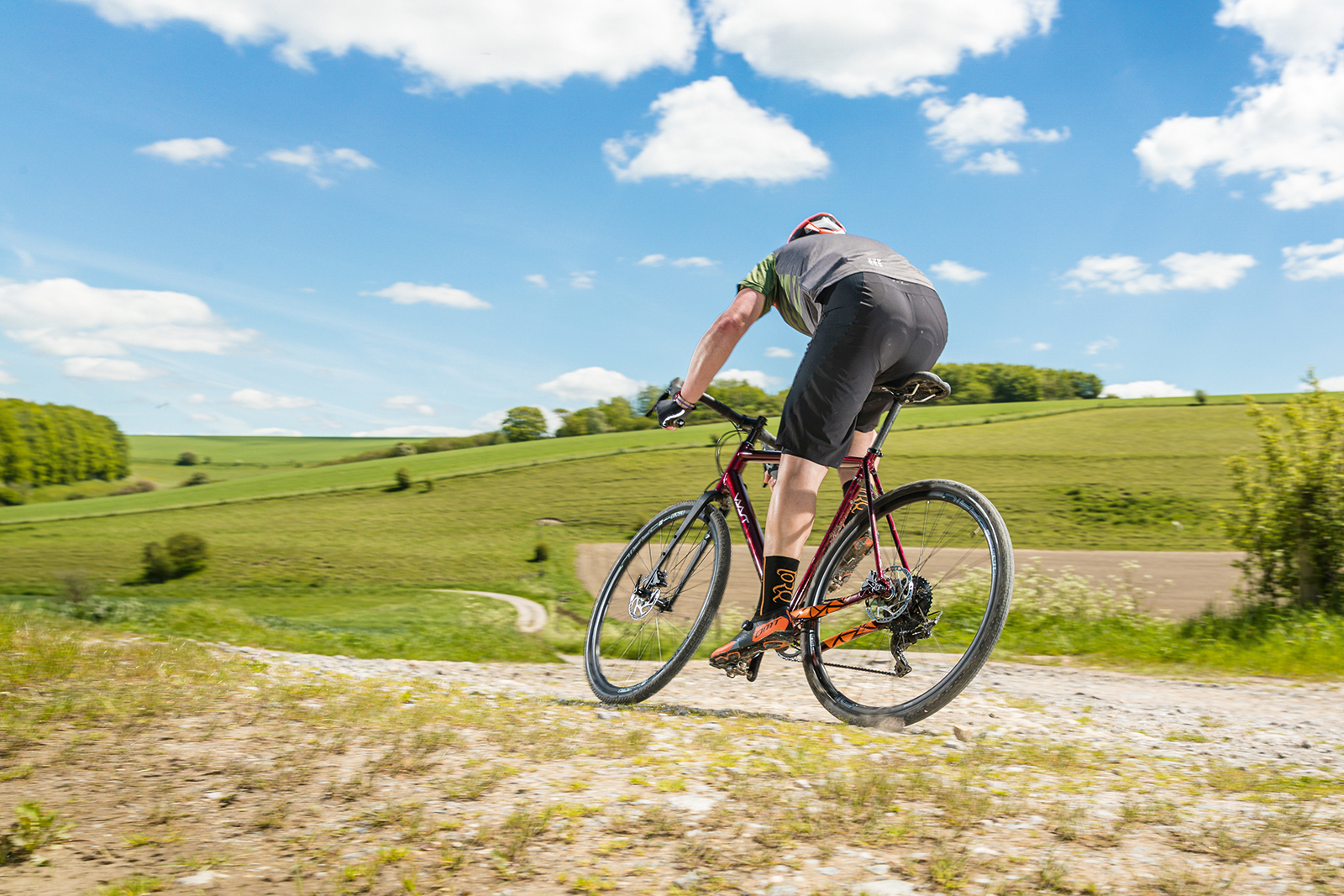
Aluminium gravel bikes tend to be the entry-level offering in the gravel bike ranges of larger brands, with pricier models swapping to carbon fibre frames. As such, alloy gravel bikes offer a cheaper alternative if you're just getting into gravel and aren't sure if it's for you or what you want.
That also means they tend to offer lower-priced specs, which is an advantage when it comes time for parts replacement – components wear quickly in off-road conditions.
As with the best aluminium road bikes, you may find you get more for your money from an aluminium gravel bike.
Are aluminium gravel bikes heavy?
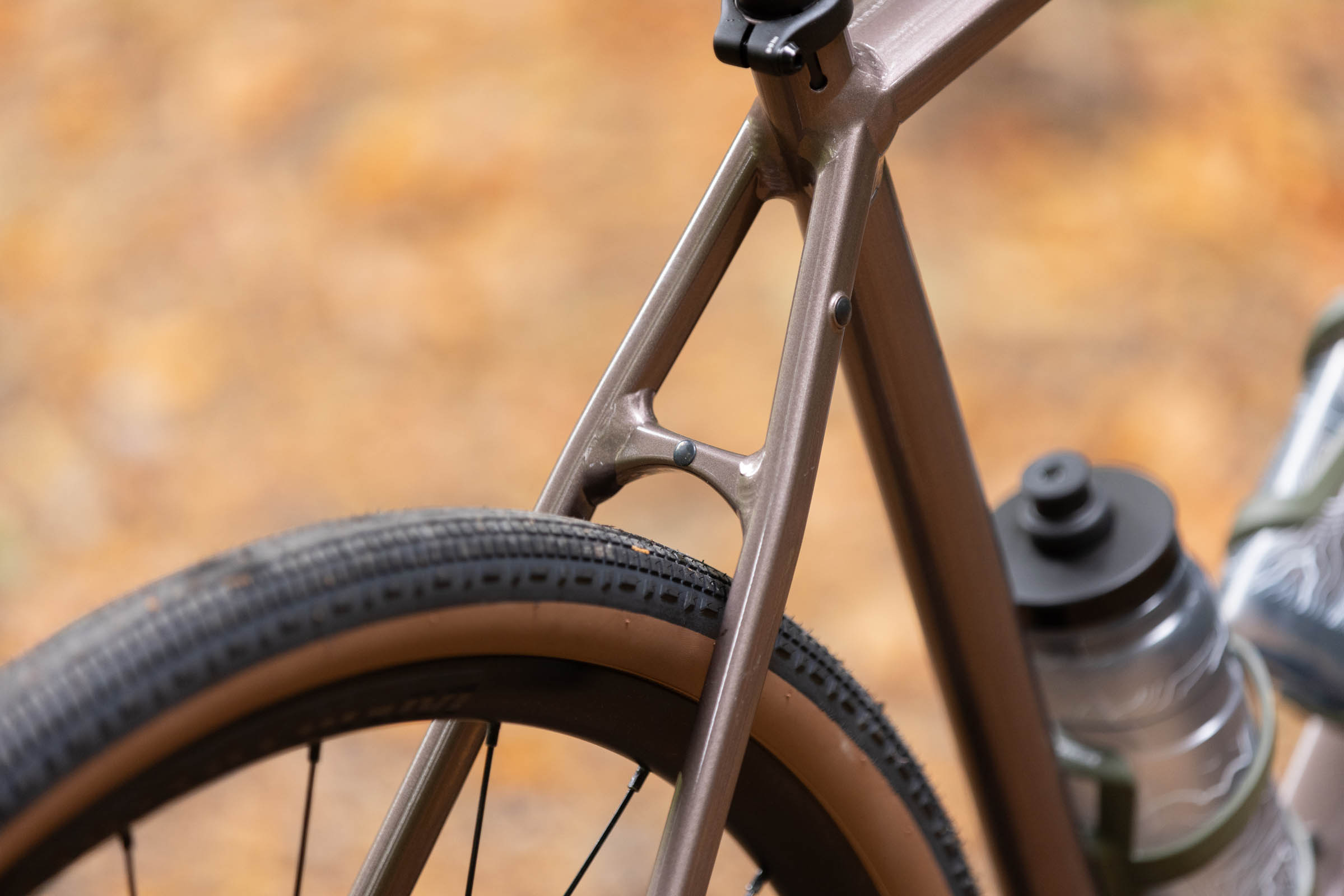
Not necessarily, it depends on how they're constructed. Hydroforming changes the shape and wall thickness of aluminium tubing and can dramatically decrease the weight of the bike's frame. You'll see frames referred to as triple-butted when the tubing has been made thinner in its middle than at its ends.
In some cases, aluminium frames can be lighter than similarly priced carbon frames, so don't discount aluminium gravel bikes because of their weight.
A few choice component upgrades, such as a swap to the best gravel wheels, could also dramatically decrease the bike's weight and change its performance.
Aluminium gravel bikes vs carbon gravel bikes
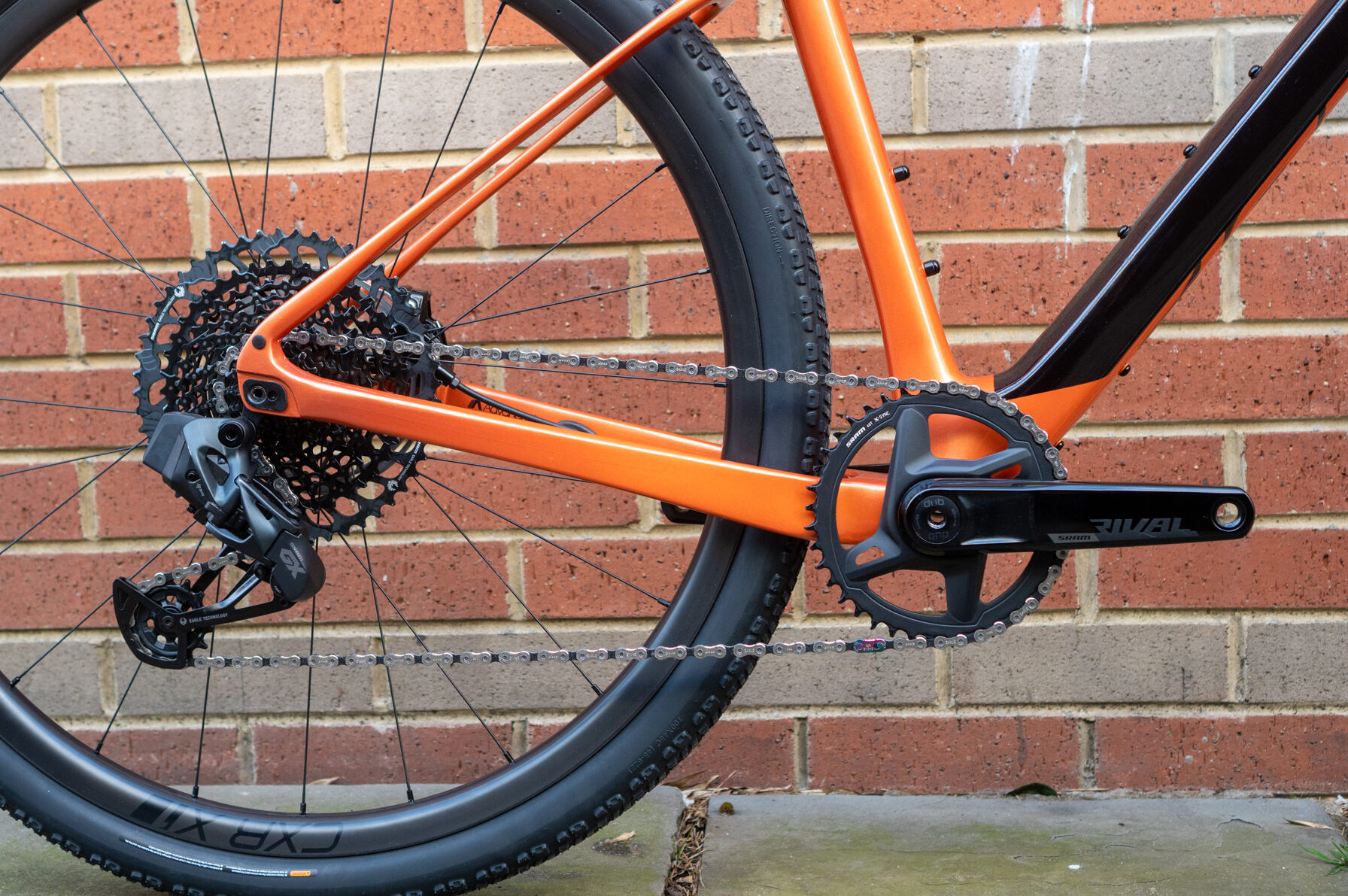
As mentioned above, brands tend to offer their carbon gravel bikes with higher specs. Combined with a lower frame weight that can appreciably decrease the mass of a carbon gravel bike over an aluminium one, but you'll usually pay more.
You're also more likely to find items such as SRAM's 13-speed wireless AXS XPLR groupset on carbon gravel bikes than on aluminium gravel bikes.
As entry-level models, aluminium gravel bikes tend to be generalist machines designed for all-round gravel riding. They also make great all-weather commuter and winter bikes.