The subject of cycling with headphones is about as divisive as UK politics in 2026, but it’s also a booming market – with options from a range of major brands, sporting all manner of tech.
A good set of cycling headphones needs to do justice to your favourite tunes while resisting wind and traffic noise. Most importantly, though, if they drown out the sound of the outside world, they won’t be fit for purpose and could put you in danger.
After thousands of miles of testing, I believe the Shokz OpenFit 2+ are the best headphones for cycling in 2026. However, the best bone-conduction headphones have improved massively and the OpenRun Pro 2 is particularly worth checking out.
To find out more about cycling with headphones and the different types, read our buyer’s guide to cycling headphones.
SQUIRREL_PLAYLIST_10111574
Best headphones for cycling at a glance
Best overall: Shokz OpenFit 2+
SQUIRREL_TEXT_13717349

The OpenFit 2+ builds on the success of an already brilliant open-ear design. These flexible air-conduction buds with comfortably soft silicone-coated ear hooks are the best headphones in 2026 for cycling and running.
The sound is impressively well-balanced and robust, and the battery life will get you through all but the longest days out, while the air-conduction design ensures you can remain aware of the world around you.
Best budget: Huawei FreeArc

Glance quickly at the FreeArc buds, and their case, and you could be forgiven for thinking you've accidentally bought the Shokz OpenFits, so similar is the design.
The fit from these nickel-titanium buds coated in soft silicone is similarly unobtrusive, while the sound is better than open-ear buds costing less than £100 have any right to offer. Bass performance doesn't match the top-tier OpenFit 2+, but otherwise, this is a compelling option from the Chinese brand.
Best bone conduction: Shokz OpenRun Pro 2

Shokz does the double of best open-ear and best bone-conduction headphones with the exceptional OpenRun Pro 2. The updated design leaves other bone-conduction headphones trailing in their wake when it comes to sound quality.
The Ni-Ti memory alloy band is highly flexible and durable, they stand up to wind interference better than other bone-conduction headphones and keep you alert to traffic noise. There's a range of colours beyond black, too.
Best sound quality: Sony LinkBuds

Sony narrowly beats long-time headphones rival Sennheiser to the audiophile award due to the slightly more widescreen, captivating performance from the Linkbuds' 12mm driver. Clarity, separation and low-end punch are almost beyond belief for such diminutive buds.
The fit is adjustable thanks to the included ear fins, and the app is useful. However, the short battery life is a low point and if you want a guaranteed solid fit for cycling, you'll be better served by buds with an ear hook, or a set of the best bone-conduction headphones.
Editor's note: we updated our best headphones for cycling list on 26 January 2026, with our latest reviews, including the Shokz OpenFit 2+, Shokz OpenRun Pro 2, EarFun OpenJump, Huawei FreeArc and Beats Powerbeats Pro 2. We also handed out awards for the best buys depending on your criteria and updated our buyer's guide, while removing discontinued models.
What are cycling headphones?

The best headphones for running and cycling generally fall into one of two camps – bone-conduction headphones and open-ear, air-conduction designs.
Unlike on-ear or traditional in-ear headphones, both these types are designed to keep your ear canals unobstructed, ensuring you remain aware of approaching cars, pedestrians and other cyclists. These will always be a better choice than in-ear buds if your priority is road safety.
The best cycling headphones combine audiophile-level sonic performance with a stable fit, so they stay in place throughout the rigours of road cycling, commuting, gravel riding or even mountain biking.
They should fit comfortably without being obstructed by cycling glasses or helmets.
Cycling and running headphones will also have Bluetooth connectivity, enough battery life to accompany you on big days out on the bike and at least water-resistant qualities to withstand wet and windy conditions.
Most will enable you to answer phone calls on the move, control your music without reaching for your phone and come accompanied by apps to tailor the EQ.
How I tested cycling headphones
I’ve tested countless headphones, speakers, turntables and guitars over 25 years in journalism, and am also an avid runner and daily cycle commuter.
Over the past three years of testing, I’ve been taking the best sports headphones with me whenever I pound the pavements, training for events such as the Manchester Marathon and the SuperHalfs series of major European half-marathons. My daily commute to BikeRadar HQ also formed part of testing.
Each set of headphones was put through its paces over several weeks, examining sound quality, fit and comfort, while ensuring they played nicely with cycling helmets and glasses.
Cueing up music from various genres, I assessed overall volume, balance, clarity, separation and whether the listening experience was in any way harsh or fatiguing at home or in the office. I then repeated these tests out on my rides and runs.
Taking them out in all weather, I tested how well each set enabled me to maintain awareness of surrounding noise, riding through rush-hour traffic and off-road, with plenty of descending to consider the effect of wind on performance.
Best cycling headphones 2026 in depth
Shokz OpenFit 2+

- £179 / $179 / €189
- Pros: Well-rounded sound with hefty bass; comfortable, secure fit; long battery life
- Cons: Not fully waterproof; buttons tricky to push when wearing winter gloves
The OpenFit 2+ buds build on the excellent original design from Shokz, which was already among the best headphones for cycling.
Weighing only 9.4g each, these open-ear soft silicone buds are so comfortable you may well forget you’re wearing them.
The flexible integrated nickel-titanium alloy ear hooks ensured they stayed put throughout some rigorous testing on the bike, during my training for the Valencia Half Marathon and in the gym.
Unlike in-ear buds, they leave your ear canals open, enabling you to pick up traffic and ambient noise, and the sound quality is superior to all rival designs of this type.
The new DualBoost technology sees separate drivers for the low-end and high frequencies, resulting in a well-rounded, engaging performance. The hint of flatulent, raspiness present in the bass on the original buds has been eliminated, too.
Physical buttons have been introduced, rather than tap controls – which could be an issue if you wear thick winter gloves – and you also get wireless charging.
They boast 11 hours of listening time, with a 10-minute charge giving you two hours' play. An IP55 rating means they’re only splash-proof, though.
Also available from Shokz is the OpenFit Air, which delivers much of the same functionality but with only six hours' battery life and no DualBoost, for the considerably cheaper price of £94.
Shokz has since introduced the new flagship OpenFit Pro, which brings AI noise reduction and a 12-hour battery life for £219.
SQUIRREL_13717349
Shokz OpenRun Pro 2

- £169 / $179 / €169
- Pros: Enable you to hear ambient noise; comfortable; flexible and durable; best bone-conduction sound I've tested
- Cons: Bass feels slightly timid on the bike; not fully waterproof
The OpenRun Pro 2s take the crown as the best bone-conduction headphones I've tested.
A hybrid bone-conduction and air-conduction design, they deliver better sound quality than any other bone-conduction headphones I've tried, standing up to wind noise better than bone-conduction rivals, and delivering a remarkably balanced and engaging listen.
What’s more important for cyclists is they enable you to hear the sounds of the world around you. In testing, I was able to pick up traffic noise, my bike’s noisy freehub and even birdsong while getting immersed in the somnolent strums and airy vocals of John Martyn's seminal Solid Air album.
As you’d expect from Shokz, they’re well-made, durable, flexible and come in a range of colours.
A volume boost was made available in a subsequent software update.
SQUIRREL_13717356
EarFun OpenJump

- £79 / $129 / €79
- Pros: Bargain price; long battery life; open-ear design; useful app
- Cons: Not as premium or comfortable-feeling as more expensive rivals
Chinese brand EarFun has impressed with a range of mid-level designs at prices that leave you wondering how it's making them so affordably.
The OpenJumps are among many sports buds with a similar design to the hugely popular Shokz OpenFits. The flexible hooks are said to be able to withstand 7,000 bends and they keep the buds safely in place, while ensuring your ear canals are not obstructed.
Sound quality from the 14.2mm wool composite drivers and BassSurge technology defies the humble price.
They won’t satisfy the most sniffy audiophile listeners, but few sport earbuds will, and EarFun’s app includes an array of EQ options, plus a useful Find Headphones feature – should disaster strike.
The battery life is a generous 11 hours (sufficient to listen to everything King Gizzard & The Lizard Wizard have released in the past month) and, at 7.2g per bud, they’re lighter than their best-in-class rivals. They’re IPX7-rated, which means you should get away with immersing them in water for up to 30 minutes – useful for British commuters.
The OpenJumps lack the finesse of their Shokz rivals in a few areas, but for half the price they do considerably more than half the job. Their most direct rivals will be the Shokz OpenFit Air and Huawei FreeArc – with the latter feeling slightly more premium and comfortable in-ear.
SQUIRREL_13190488
Google Pixel Buds Pro 2

- £219 / $229 / €249 / AU$379
- Pros: Full, balanced and widescreen sound; very comfortable; advanced features
- Cons: High price; Apple users can't download Pixel Buds app
Google's Pixel Buds Pro 2 headphones are a big improvement on the previous version from the Californian tech giant.
Despite their diminutive size and weight, the sound from the 11mm drivers is full, clear and balanced – with the separation of instruments and top-end detail making them an enlivening listen.
Transparency mode uses in-built microphones to ensure you're aware of traffic noise, and the fit and comfort proved excellent throughout my testing.
Features such as Hearing Wellness and Find My Device are useful, although Apple users won't be able to download the Pixel Buds app and access them.
The price is among the highest of the cycling headphones I've tested, too, and safety-conscious cyclists may prefer a set of open-ear buds or bone-conduction headphones.
SQUIRREL_13134309
Huawei FreeArc

- £99
- Pros: Well-priced; great detail and clarity; comfortable
- Cons: Out-muscled by the class-leading Shokz OpenFit 2+
With a design that's unnervingly similar to the premium-feeling Shokz OpenFit series, these soft, flexible silicone-coated buds weigh 8.9g each and deliver a lot of performance for the money.
Battery life is less impressive than their Shokz and EarFun rivals at seven hours, with a 10-minute charge giving you three hours’ playback.
The IP57 rating is superior to the IP55 of the more expensive Shokz, however.
The widescreen presentation and clarity are impressive given the price, wowing me with the level of detail and separation while streaming Radiohead's All I Need on a chilly morning commute.
However, the FreeArcs don't quite match the punchy bass and more powerful, enthralling experience of the OpenFit 2+ buds with their separate low- and high-end drivers.
The app is less friendly to Android than IOS users, but it features an equalizer to tailor your sound. I preferred the tap controls to the buttons on the OpenFit 2+, particularly when wearing gloves.
The £99 price and overall solid performance make these a very strong contender to Shokz' budget OpenFit Air buds.
SQUIRREL_1371737
Sony LinkBuds
- £149 / $149 / €179 as tested
- Pros: Supreme sound quality; advanced features; adjustable fit
- Cons: Short battery life; struggle with louder traffic noise
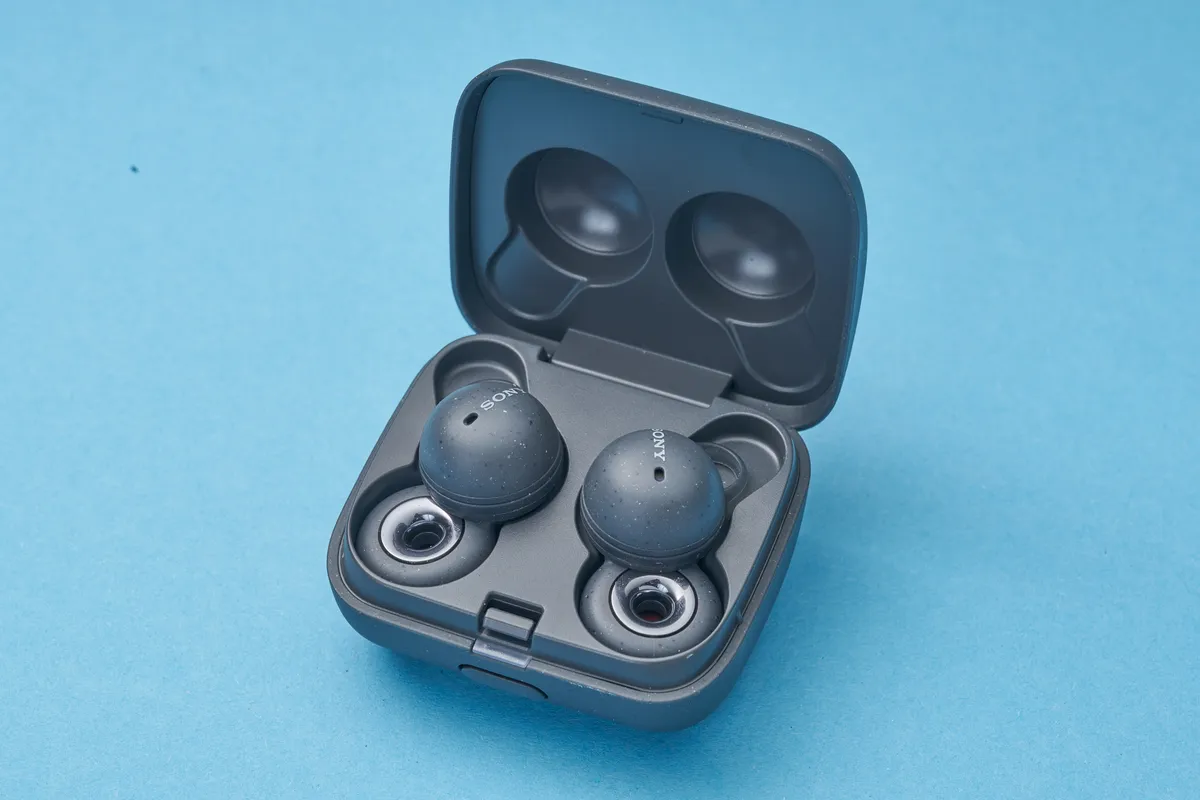
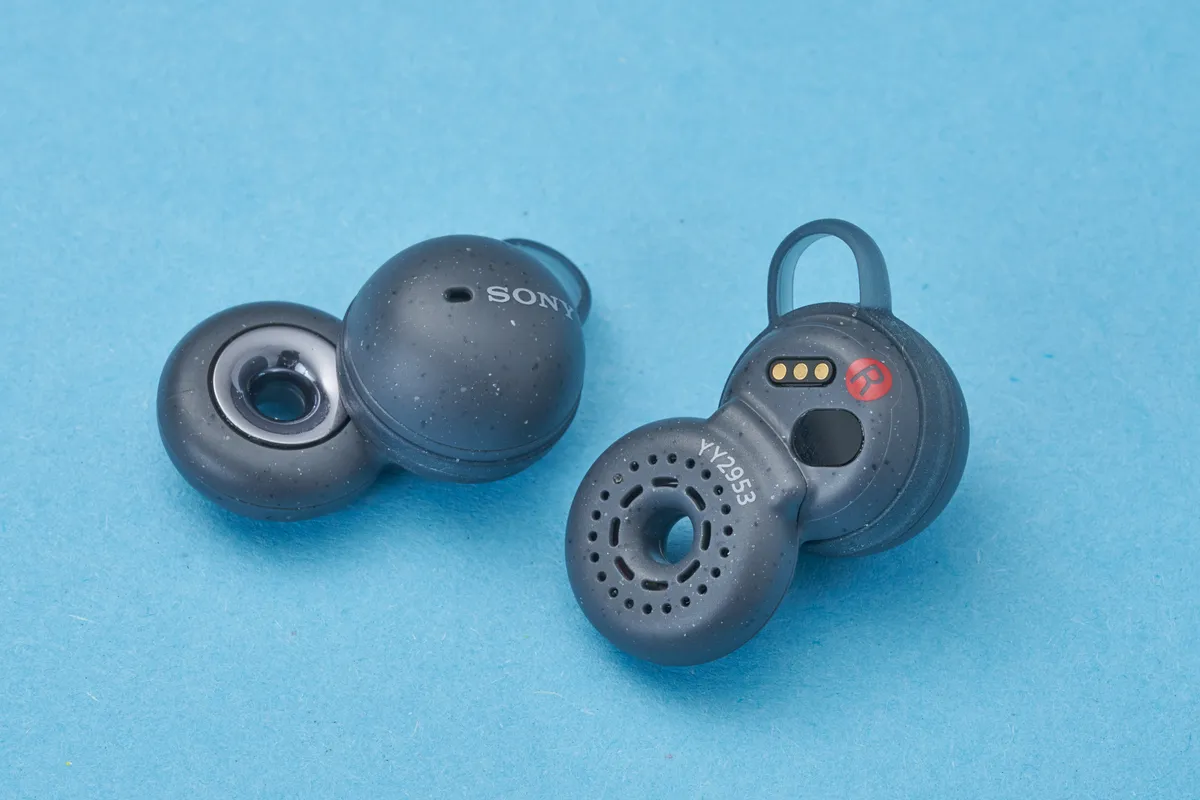
The Sony LinkBuds are a superb set of wireless buds from the brand that produced the first set of in-ear headphones in 1982.
They deliver astonishingly detailed and widescreen sound, belying their tiny size and the weight of 4g per bud.
The open centre of the figure-of-eight buds enables ambient noise to reach your eardrums, while small fins on the four sizes of fitting supporters help them stay in place during vigorous activity. I had no issues once I'd settled on the right size, but those in doubt over fit should opt for buds with ear hooks or bone-conduction headphones.
The wide range of features, well-considered app and exceptional sound quality are top-tier, and the price is enticing considering what’s on offer.
Sony also deserves credit for the lack of plastic involved in the whole package.
Only a short 5.5-hour battery life and difficulty competing with the loudest traffic noise appear in the negatives column.
SQUIRREL_13077156
Suunto Wing bone conduction headphones

- £169 / $199
- Pros: Bone-conduction design enables traffic awareness; premium build; good sound quality; LED lights
- Cons: Large bespoke charging unit; small buttons tricky to press on the move
Designed by Finnish smartwatch brand Suunto, the Wing is among the best bone-conduction headphones money can buy, narrowly losing out to the Shokz OpenRun Pro 2 for sound quality.
The sleek design ensures a stable fit and gives you uninterrupted awareness of approaching traffic.
Build quality is excellent and the LED lights add to the Wing’s road-safety credentials.
I was pleasantly surprised by the audio performance, which leaves most bone-conduction rivals in the shade and competes with many in-ear headphones.
With a 10-hour battery life, IP67 waterproof rating and dedicated outside mode, there are few headphone designs better suited to cycling than the Wing.
The only negatives during testing were the small buttons, which were tricky to press with gloves on, and the large – if very cool-looking – charging unit.
SQUIRREL_13090829
Also consider…
The following headphones for cycling scored fewer than four stars out of five, but could still be worth considering if they meet your needs.
Jabra Elite 7 Active
- £169.99 / $179.99 / €179.99 as tested
- Pros: Build quality; sound customisation; good app; decent battery life
- Cons: Fit issues; not quite top-tier sound
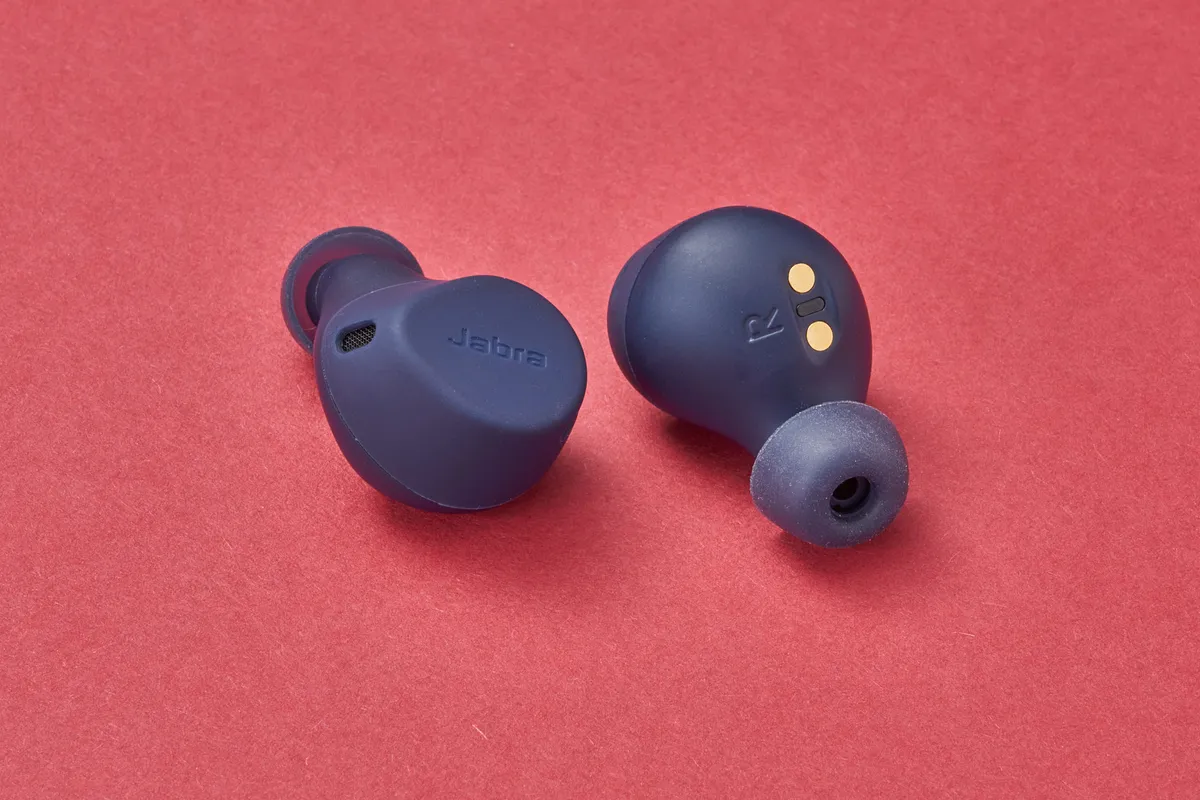
Jabra’s wireless in-ear headphones for cyclists and runners eschew ear hooks or fins to keep them in place, instead relying on the brand’s ShakeGrip tech.
That won’t be a problem for many, but it was a major flaw for my fussy ears, and I couldn’t get a consistently secure fit when running and riding.
If they fit your ears, you’ll be getting a great pair of headphones, though.
A well-developed app offers a wealth of customisation options, build quality is first-rate, the battery life is ample and they sound as good as most in-ear rivals at this price point.
However, better sound quality and more universal fit options are available elsewhere, so they narrowly miss out on a place in our best list.
SQUIRREL_13124042
Sennheiser Momentum Sport

- £279.99 / $329.95 / €329.90
- Pros: Powerful, balanced sound; fit options; feature-ich
- Cons: High price; niche fitness-tracking functionality; charging issues with fins in place
The USP of the Sennheiser Momentum Sport headphones is their ability to track your heart rate and temperature using biometric sensors in the left earbud.
However, to get the best out of that functionality, you ideally need a Polar smartwatch – and if you already have such a device, you already have the fitness-tracking functions.
The inclusion of this arguably unnecessary tech results in an intimidatingly high price, which is a shame because sound quality from the 10mm transducers is superbly full, balanced and detailed.
The buds stayed safely in place throughout my testing, thanks to a wide range of fit adaptors – and the wealth of features Sennheiser has incorporated is impressive.
Ultimately, there’s a lot to like, but the value proposition when compared to the best headphones for cycling makes the Momentum Sports difficult to recommend.
SQUIRREL_13102866
Beats Powerbeats Pro 2

- £249 / $249 / €299
- Pros: Long battery life; secure fit; heart-rate tech is a USP
- Cons: Harsh, fatiguing listen; very high price; less comfortable than rivals
The Powerbeats Pro 2 buds feature a hybrid design that combines nickel-titanium alloy ear hooks and a bud that sits in your ear canal – they're not going anywhere.
Beats says it worked with 1,000 athletes for 1,500 hours in honing the fit, and I was impressed, finding they stayed in place throughout a range of runs and cycles.
Beats boasts about the “incredible sound” offered by the Powerbeats Pro 2 thanks to dual-layer drivers. However, in testing, they were overly harsh and brittle in the top end, and comprehensively outperformed by the Shokz OpenFit 2+, among others.
They feature a Transparency mode to enable you to pick up traffic noise, while Adaptive EQ uses inward-facing microphones to scan and adjust the fit and sound, according to Beats.
Battery life is a substantial 10 hours, but the IPX4 rating is only suitable for rain splashes.
They also feel less soft and luxurious to wear than rival options and because they’re an in-ear design, they inevitably block more ambient noise than the best bone-conduction headphones and open-ear buds.
The price is intimidatingly high, perhaps due to the heart rate-monitoring tech that uses the same Apple H2 chip as the AirPods Pro 2. That's a niche function that most runners and riders will already have covered by a smartwatch.
If the Apple link is important to you, the Powerbeats Pro 2s could be worth a try, but overall they're tough to recommend.
SQUIRREL_13717382
Why you can trust BikeRadar
BikeRadar has been an authority on bikes and cycling tech since its inception in 2007, delivering the world’s best riding advice.
We have experts testing all types of bikes, parts, clothing and accessories, from road, mountain and gravel bikes to commuting, bikepacking and electric bikes.
Our reviews are always editorially independent – with no exceptions. Our reviewers comprehensively test all products in the real world, always reflecting on performance, value and the wider market when delivering their verdicts and review ratings.
We have more than 15,000 product reviews available at your fingertips, as well as expert buying, maintenance, training, skills, health and fitness advice.
Our annual Bike of the Year test is an industry benchmark and the BikeRadar team consists of some of the most experienced riders and testers in the business.
Cycling headphones buyer’s guide
Is it safe to wear headphones while cycling?

There has been much debate over this topic, with those who argue against cycling with headphones claiming it reduces your ability to hear approaching vehicles, pedestrians and other cyclists.
Some also claim concentration may be diminished by listening to music while cycling, with a study by Dutch researchers citing restricted auditory perception.
There is also the issue of reduced awareness of mechanicals that may develop with your bike.
The 2018 E-Survey of Road Users’ Attitudes in 60 countries found 56 per cent of participants would support a ban on the use of headphones while cycling.
However, little evidence has been produced to point to a higher proportion of incidents involving cyclists wearing headphones.
It’s also important to make a distinction between over-ear or in-ear headphones, and bone-conduction or air-conduction designs that don’t obstruct your ear canals or use a microphone to pick up ambient noise.
Some cyclists, meanwhile, choose to use only one earbud to increase their awareness.
Research by Dr Katrina Jungnickel and Dr Rachel Aldred even suggests listening to music helps cyclists form a ‘sensory strategy’ that could contribute to heightened road safety in a busy urban environment, although that's an argument you'll struggle to convince many cyclists of.
Is it legal to wear headphones while cycling?

Cycling with headphones is not illegal in the UK, although riding without due care and attention is a criminal offence.
Some European countries, such as France and Spain, prohibit riding with headphones, and you can be hit with a hefty fine if you do so.
In the USA, the law varies from state to state, with some outlawing riding with headphones altogether and others making it illegal to ride with both ears covered.
Before buying a set of the best headphones for cycling, you should check the law where you live.
Are in-ear, open-ear or bone-conduction headphones best for cycling?

When choosing the best headphones for cycling and running, safety is the most important factor.
For this reason, on-ear or traditional in-ear headphones are rarely a good option because they reduce or even remove your ability to hear noise from the world around you.
However, there are now many bone-conduction and open-ear, air-conduction headphones on the market that leave your ear canal free to receive ambient noise.
Bone-conduction headphones work by transmitting sound waves through the bones of your skull, while air-conduction designs transmit the sound a short distance through the air to your eardrum and often use built-in microphones to dial ambient noise into the mix.
The best bone-conduction headphones are less likely to cause hearing damage, auditory fatigue and ear-hygiene issues.
However, because they leave your ears entirely open, they may struggle to compete with traffic and wind noise to deliver a rich, balanced listening experience when you’re cycling.

Some of the best in-ear headphones for cycling, such as the Sony LinkBuds, have been developed to enable the sound of traffic to pass through to your eardrums. Others, such as the Sennheiser Momentum Sport, Google Pixel Buds Pro 2 and Jabra Elite 7 Active, employ microphones to pick up ambient noise.
Whether you choose air-conduction or bone-conduction headphones, be sure to opt for something with a secure fit – ear hooks that loop around the top of your ear, or fins that sit beneath your ear grooves, help here.
The best bone-conduction headphones will stay in place throughout vigorous efforts, with most using a flexible band that slips around the back of your neck for a secure fit.
What extra features should you look for in headphones for cycling

Many of the best headphones for cycling and running will offer noise cancellation, using their in-built microphones to analyse outside noise and neutralise it. That can be useful if you plan to use your headphones on the bus or in the office too.
Some in-ear buds for cycling also employ these microphones to pick up traffic noise and add it to the musical mix, in the shape of Transparency and Anti-Wind modes, although this is generally regarded as less effective than the best bone-conduction headphones and open-ear designs.
Headphones such as the Sennheiser Momentum Sport and Beats Powerbeats Pro offer fitness-monitoring tech such as heart-rate and temperature tracking. However, it's no coincidence that these buds have a higher price than most others in the list, and it's likely you'll have those functions covered by other wearable devices, such as a smartwatch.
The Suunto Wing bone-conduction headphones have incorporated LED lights to improve your visibility on the road, although this has an effect on battery life.
Most of the headphones and buds in this list have dedicated apps, of varying quality. These offer features such as EQ settings and software to tailor the listening experience to your ear shape, and aural health warnings.
I particularly like the Find Headphones function offered by budget brand EarFun, just in case your buds wrestle themselves free from your earholes and make a break for freedom.
What are the best headphones for Zwift and indoor training?

If you already have a set of headphones for cycling outdoors, these will almost certainly be fine for indoor training.
Cycling indoors is less dynamic than outdoor cycling, so you’ll have fewer problems with headphone security.
However, cycling with headphones indoors can be very sweaty. If you’re a profuse perspirer and find it hard to keep headphones in place while riding outside, the issue will be exacerbated indoors.
You could consider placing a sweatband over your ears, although we’d argue that points to a more fundamental issue with the headphones and suggest considering another option.
You probably won’t be wearing a helmet while indoor training. This means you can wear a pair of over-ear headphones for the best audio quality possible.
Some riders like to chat, usually on a Discord server, while grinding away through a turbo session or Zwift racing. Cycling chatterboxes may choose gaming headphones with a higher-quality microphone.
Another option would be to pair your regular headphones with an external USB microphone. These can be purchased inexpensively from the likes of Amazon and will be more than good enough for gassing away while racing.
Finally, if you have accommodating housemates and neighbours, you could always go full spin class studio and blare out inspiring techno to get you through your next Zwift FTP test.