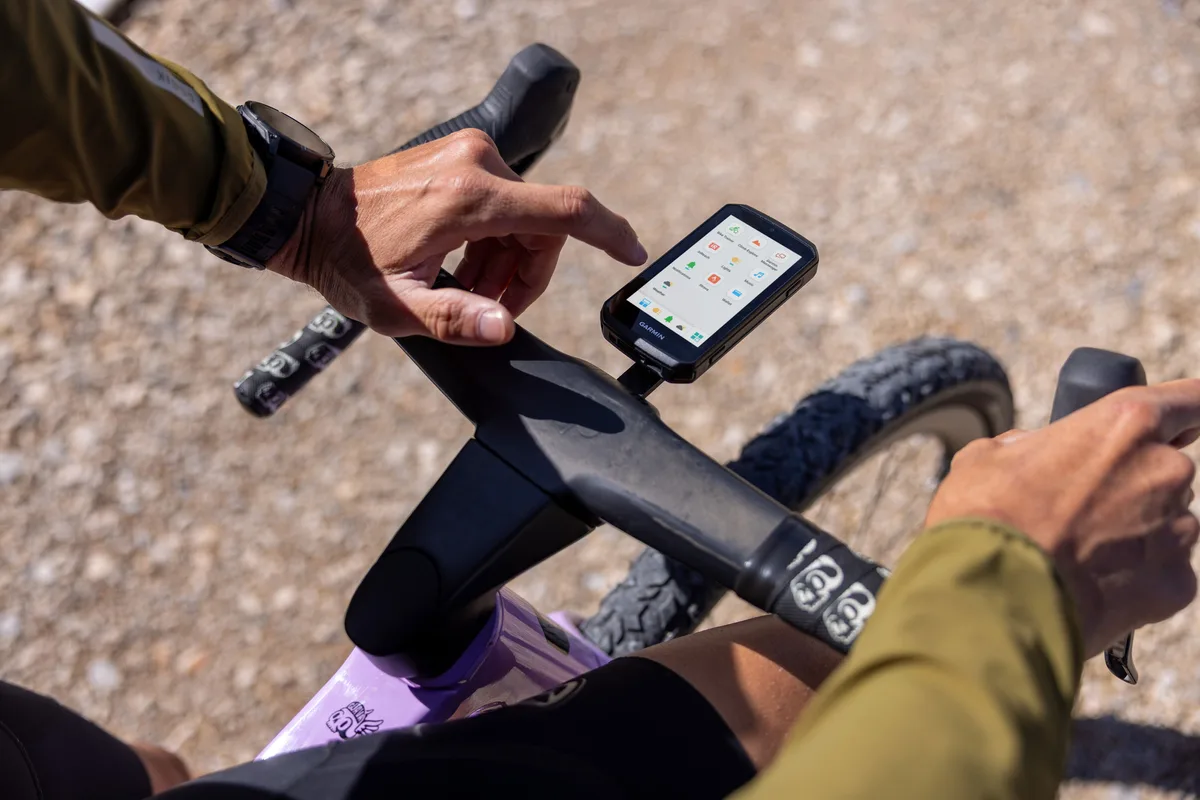
Garmin has launched the Edge 1060, which replaces the Edge 1050 as its premium cycling computer.
Garmin tends to obscure what’s new and different between its devices, so it can be difficult to unpack what’s changed when a newer device is launched, or differentiate between what it offers in its cycling computer range at different price points.
So, here, we draw out the key differences between the Garmin Edge 1060 and Edge 1050. We haven't covered the entire range of functionality, because features such as screen displays and connectivity to power meters, smart trainers and other devices remain unchanged.
Garmin Edge 1060 vs 1050: summary
Here’s a table summarising the physical attributes of the two computers – and the prices.
| Edge model | 1060 | 1050 |
|---|---|---|
| Unit size | 58.5 x 107.0 x 16.3mm | 60.2 x 118.5 x 16.3mm |
| Screen size | 3.5 inch (88.9mm) | 3.5 inch (88.9mm) |
| Screen resolution | 480 x 800 pixels | 480 x 800 pixels |
| Weight | 142g | 161g |
| Claimed battery life | 20 hours | 20 hours |
| Claimed battery life , power save | 60 hours | 60 hours |
| Memory | 64GB | 64GB |
| Speaker | Y | Y |
| Microphone | Y | N |
| Price UK | £699.99 | £599.99 |
| Price US | $799.99 | $699.99 |
| Price Euros | €799.99 | €659.99 |
| Price Australia | AU$1,299 | AU$1,199 |
Garmin Edge 1060 vs 1050: control
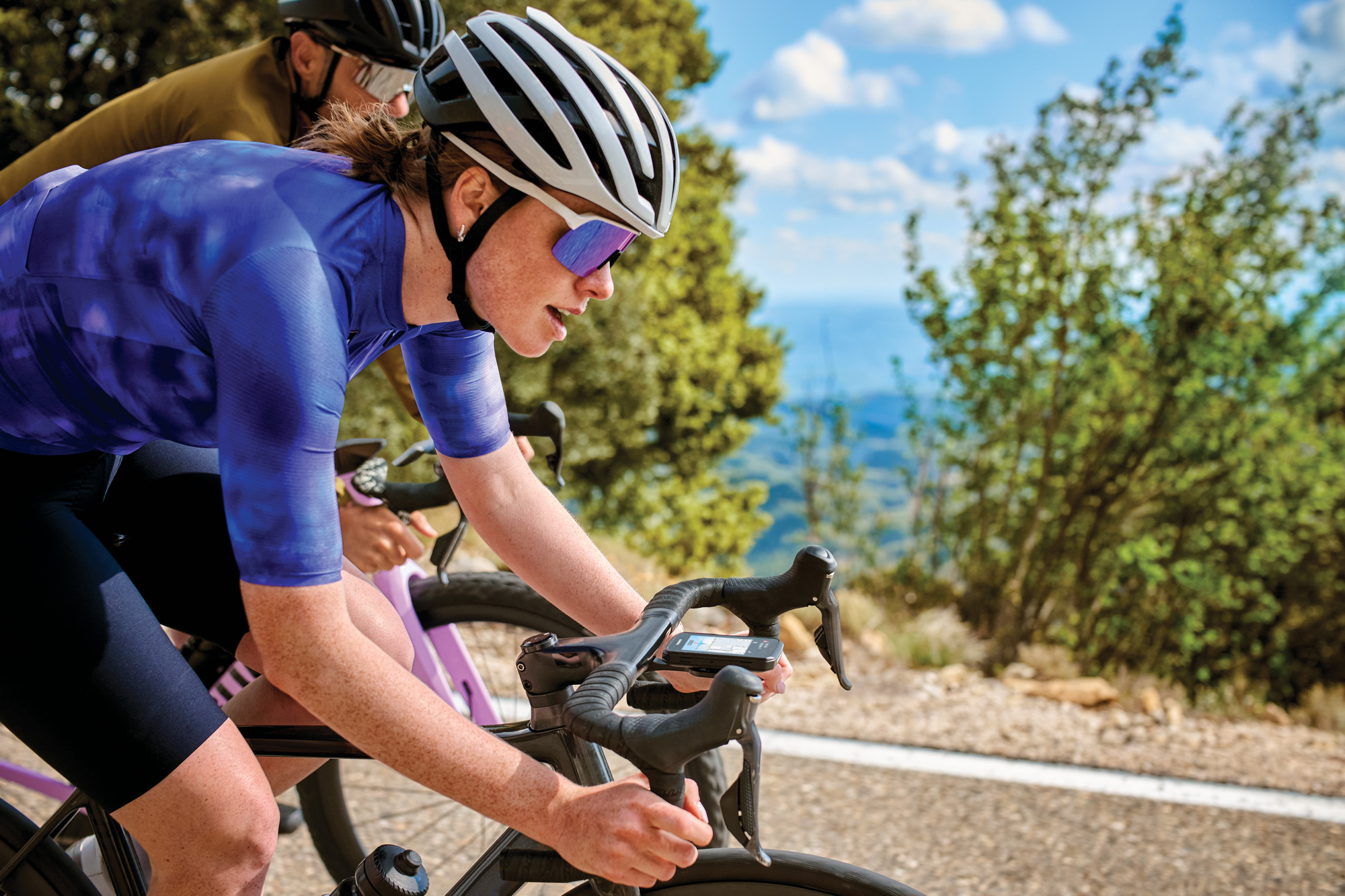
The major difference between the Edge 1060 and the Edge 1050 is the addition of voice control to the newer model.
Say or shout “Okay, Garmin” to the Edge 1060 and the computer will accept voice commands to, for example, change screens, read out your power output or other ride stats, or record a report of a pothole or other road hazard.
In addition, you can use the new functionality to send a voice or text message to others and activate the routing functionality, which Garmin says has been enhanced too.
We haven't had the opportunity to try out Garmin’s new voice control functionality, so we’re not able to report on its usability while riding. It's also incorporated in the Edge Explore 3 Plus, announced at the same time as the Edge 1060.
Both the Edge 1060 and 1050 include a speaker, which can act as a bike bell and alarm, and both the Edge 1060 and Edge 105 can speak to you as well as communicating in an array of beeps and bongs.
Garmin Edge 1060 vs 1050: routing functionality
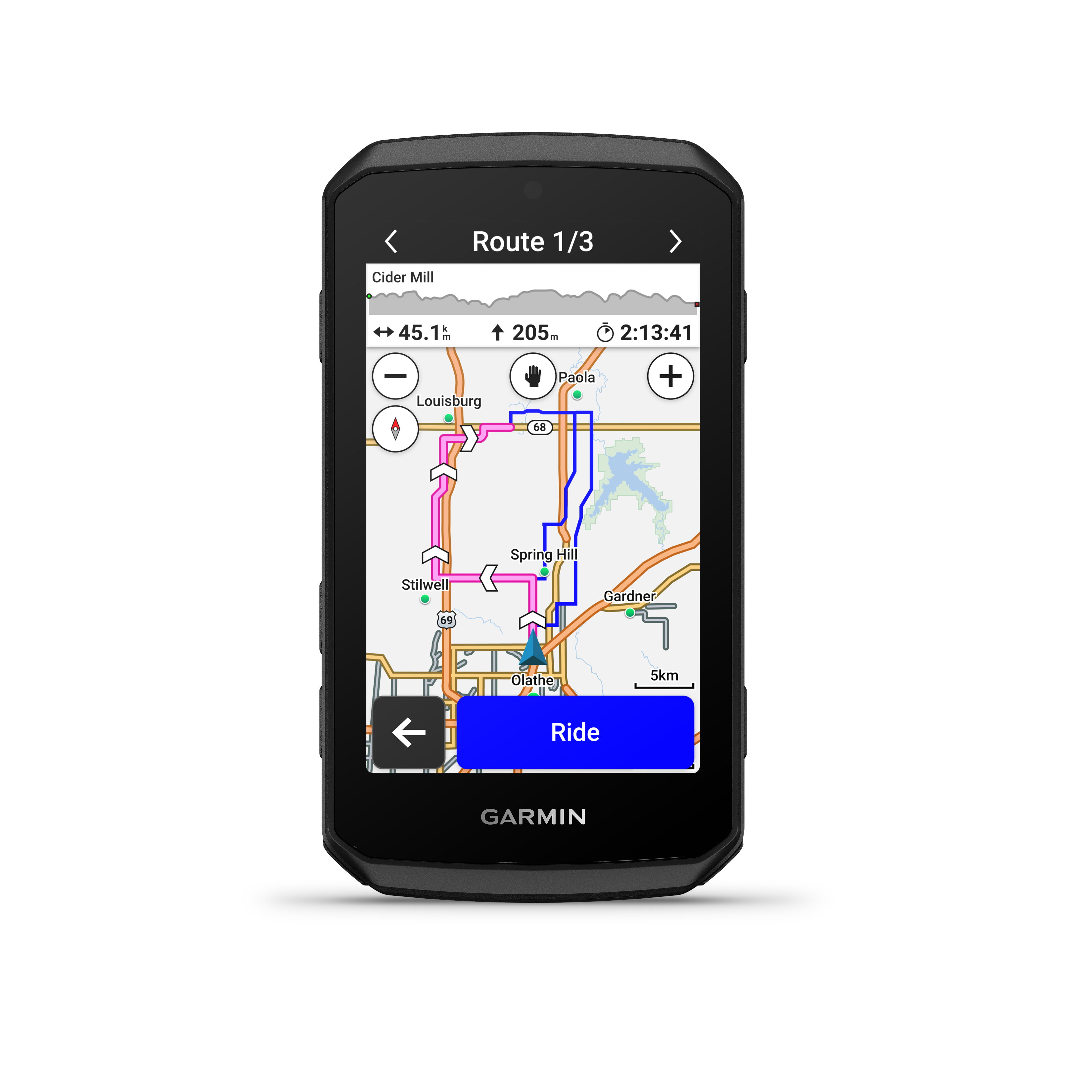
Garmin claims it has enhanced the routing functionality in the Edge 1060. This includes a new Route Options screen with alternative routes to your chosen destination, along with data such as ride time and elevation gain to help you choose.
Route Previews gives you even more data to help you choose, when your Edge 1060 is linked up to a smartphone, while Free Flow Routing helps avoid stops and junctions.
There’s new Up Ahead functionality, which sucks points of interest from Garmin’s maps and alerts you to road closures, in addition to the hazards previously covered by the Edge 1050.
Garmin Edge 1060 vs 1050: group ride functionality
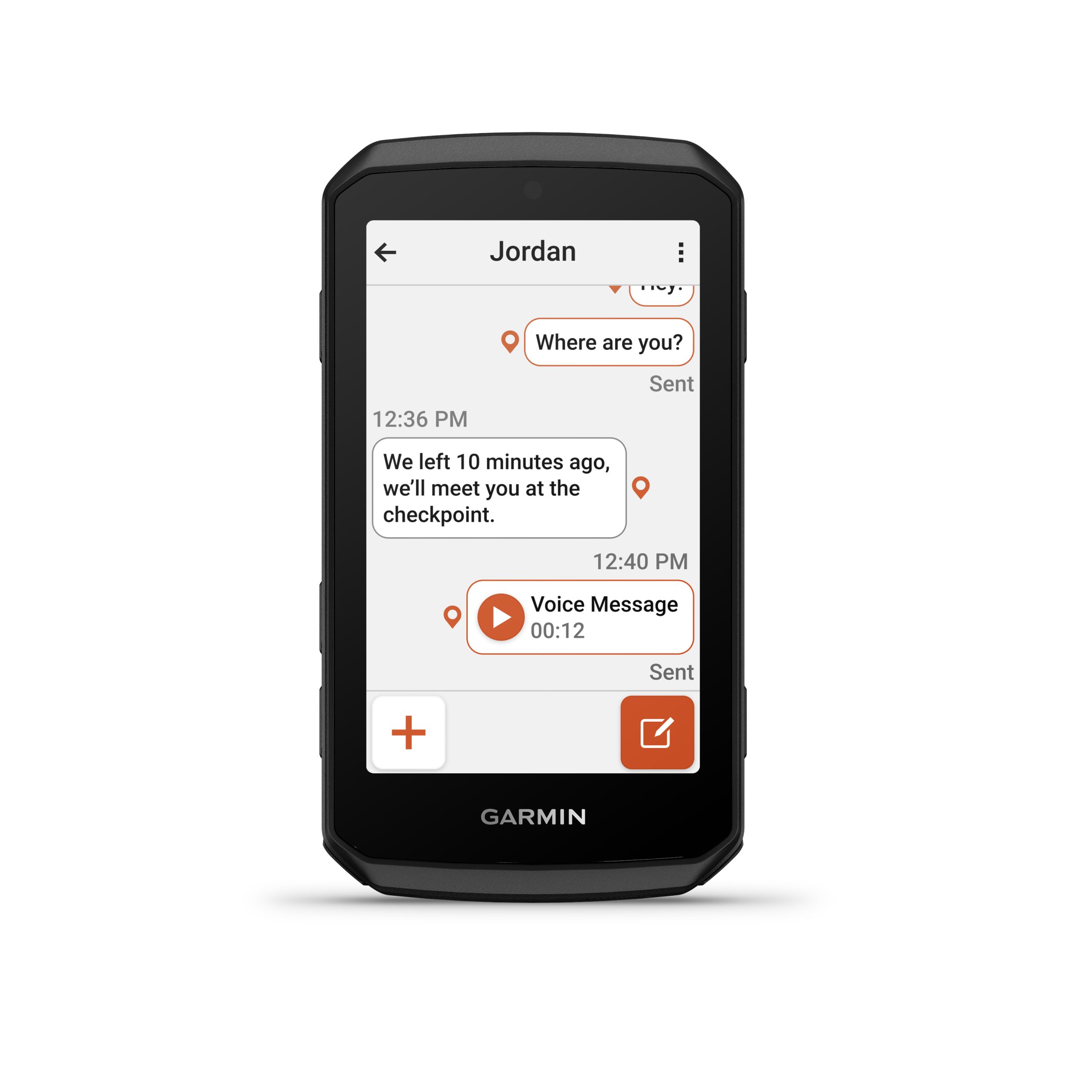
There are also enhancements to Garmin’s Group Ride functionality, that Garmin claims make it easier to join an active ride.
Other group ride functions in the Edge 1050 remain in the Edge 1060, such as climb and segment leaderboards, in-ride messaging and ride data comparisons.
When we reviewed the Edge 1050, we noted that group ride functionality would need a quorum of fellow riders using Garmin devices that incorporated it to be useful, something that's probably still not the case for a lot of riders.
Garmin Edge 1060 vs 1050: size
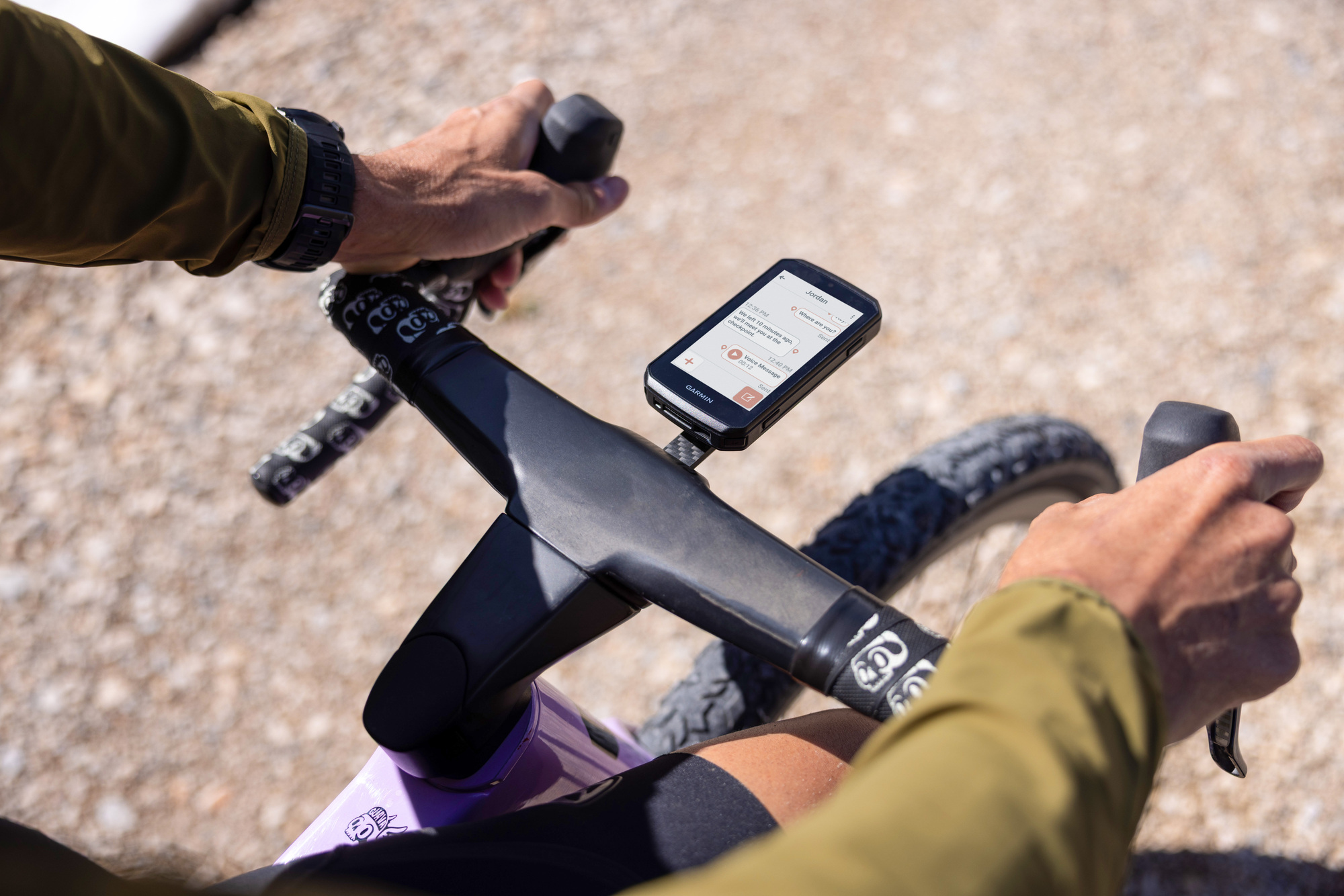
Although the screen size and resolution remain the same as the Edge 1050, the Edge 1060 is slightly smaller, by a few millimetres in width and height, although it remains the same depth as its predecessor. It’s also 19g lighter.
That decrease in weight and bar real estate may be marginal, but it’s still nice to have in what is a pretty chunky device. The large screen enables you to see lots of stats in one view as you’re riding, which can be handy.
Garmin Edge 1060 vs 1050: runtime
Despite the smaller unit size, Garmin claims exactly the same 20-hour battery life for the two computers, which in both cases you can extend to 60 hours by activating battery saver mode.
What’s new with the Edge 1060 is the ability to use its battery to charge other devices, using it as a power bank to feed charge via its USB-C port to a light, phone or other device.
Garmin Edge 1060 vs 1050: price
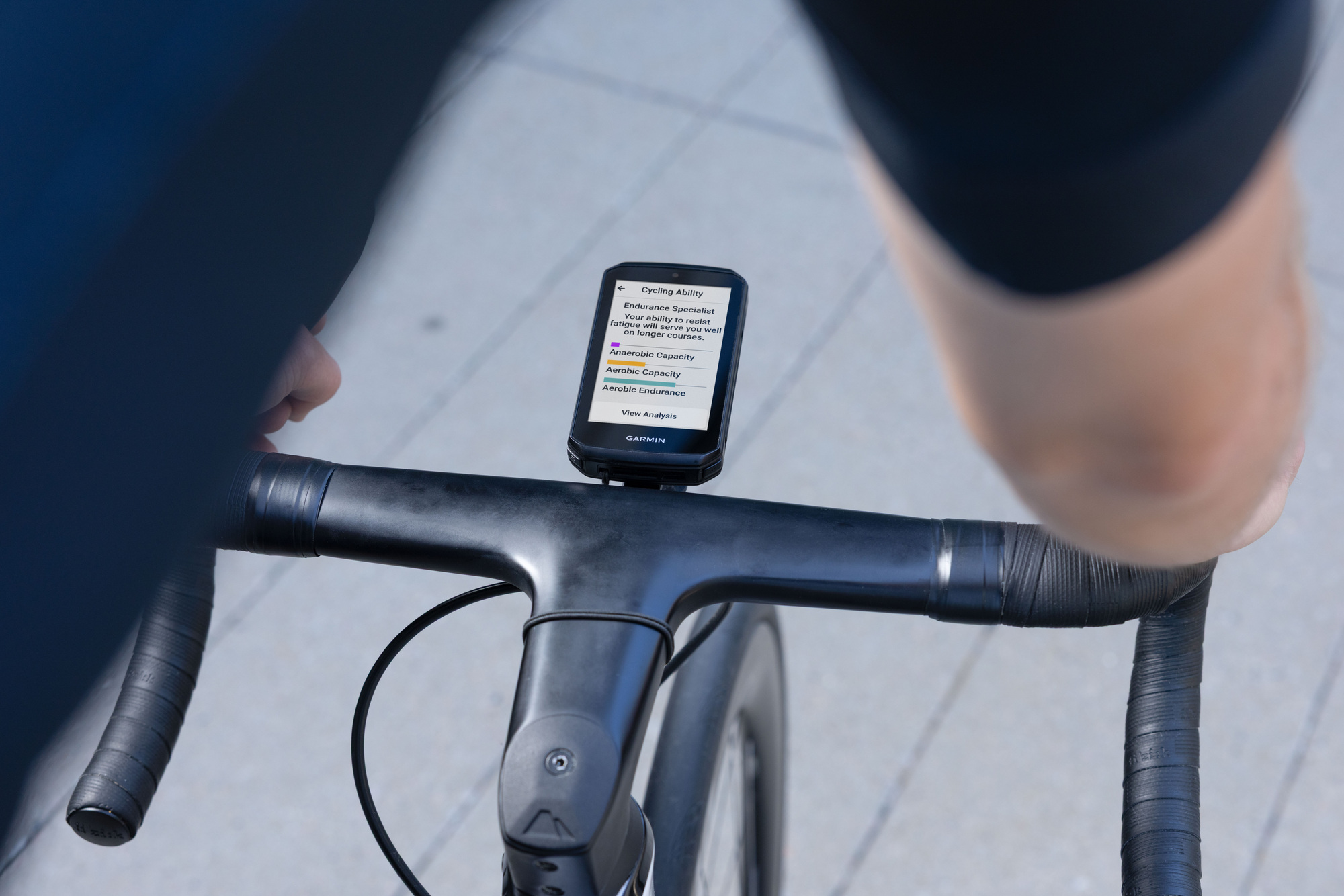
Here’s the big one. The Edge 1060 has seen a significant price uplift from the Edge 1050, of at least 100 of whichever currency you look at.
That brings the UK price up to £700, the US price to $800 and the European price to €800. It costs AU$1,299 for Australian purchasers.
That’s a fair chunk of cash, which would buy you some dual-sided power meters, such as the Favero Assioma Pro, and go a long way towards a wheel upgrade.
As we noted in our podcast where we discussed the Edge 1060 launch, Garmin looks to have ceded the budget end of the bike computer market to other brands, and to be concentrating on its premium offerings; you pay £350 for the Edge Explore 3, its most basic road-oriented computer.
Whether the extra functionality offered by the Edge 1060 justifies its premium pricing is a decision for the buyer, but we’d suggest it’s approaching peak bike computer both in terms of what it can do and its price.