The Science and Cycling conference takes place annually in the same city as the Grand Départ of the Tour de France.
Barcelona hosted this year’s two days of cutting-edge learning, where scientists, coaches and medical professionals presented their latest research and practical experiences.
It’s a cycling nerd’s dream, which is exactly why we were there. Here are the highlights that could be winging their way to your training and fuelling plan very soon…
Higher ground
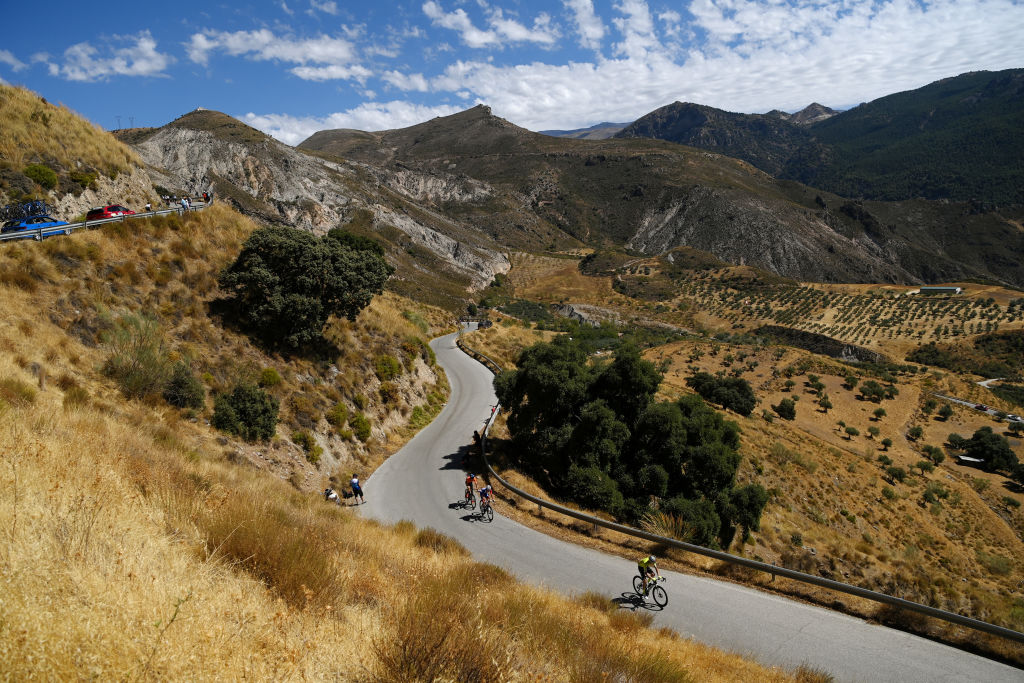
Altitude training is a staple of a professional rider’s calendar; in fact, recent years have seen the world’s best spend increasingly long periods in rarefied air as they search for peak performance.
The idea is that by heading high, the body is starved of oxygen. In search of homeostasis – internal stability – the kidneys release swathes of the hormone erythropoietin (EPO), which signals to the body that it must produce red blood cells to cling on to whatever oxygen is available.
With the body saturated in red blood cells, when the rider returns to sea level, they’re an oxygen-grabbing machine, meaning more speed and stamina.
To balance haematological gains without impacting training adaptation, it’s generally accepted that around 2,000m is the maximum altitude.
It’s why Sierra Nevada (2,300m), Font-Romeu (1,850m) and Tenerife (2,200m) are popular venues. But, says Professor Carsten Lundby, who’s worked with a number of professionals including NSN Cycling Team, riders could be missing out by not heading higher.
“We monitored individuals who spent four weeks at 3,454m and, on average, they realised an increase of haemoglobin mass of 40g,” he says. “This compares to 20g at the traditional levels.”
Haemoglobin mass is the absolute total amount of haemoglobin circulating in the body, representing the total capacity of your red blood cells to transport oxygen. In general, when it comes to cycling, the higher, the better.
Specifically, the subjects spent 28 days at the Jungfraujoch research station in Switzerland, partaking in daily hikes, resistance training and ergometer cycling.
In another study, Lundby and his team monitored individuals based in Antarctica for a year, who nestled at 3,800m. “Some individuals realised a haemoglobin mass increase of 50%,” he says. “On average, you were looking at an increase of 100g.”
Will we see a day when riders and teams head to higher climes as the norm? We already hear tales of riders sleeping in altitude tents on altitude training camps in search of heightened stimulus, so it doesn’t seem fanciful.
“I know many coaches fear it because they say it’s detrimental to muscle protein synthesis [repairing and rebuilding muscle], but there’s no scientific evidence of this, not even at 5,000m,” says Professor Lundby.
“I would not be scared of sending athletes to much higher altitudes but, as our research showed, the impact of altitude training is highly individual, so the riders must be monitored diligently.”
Every breath you take
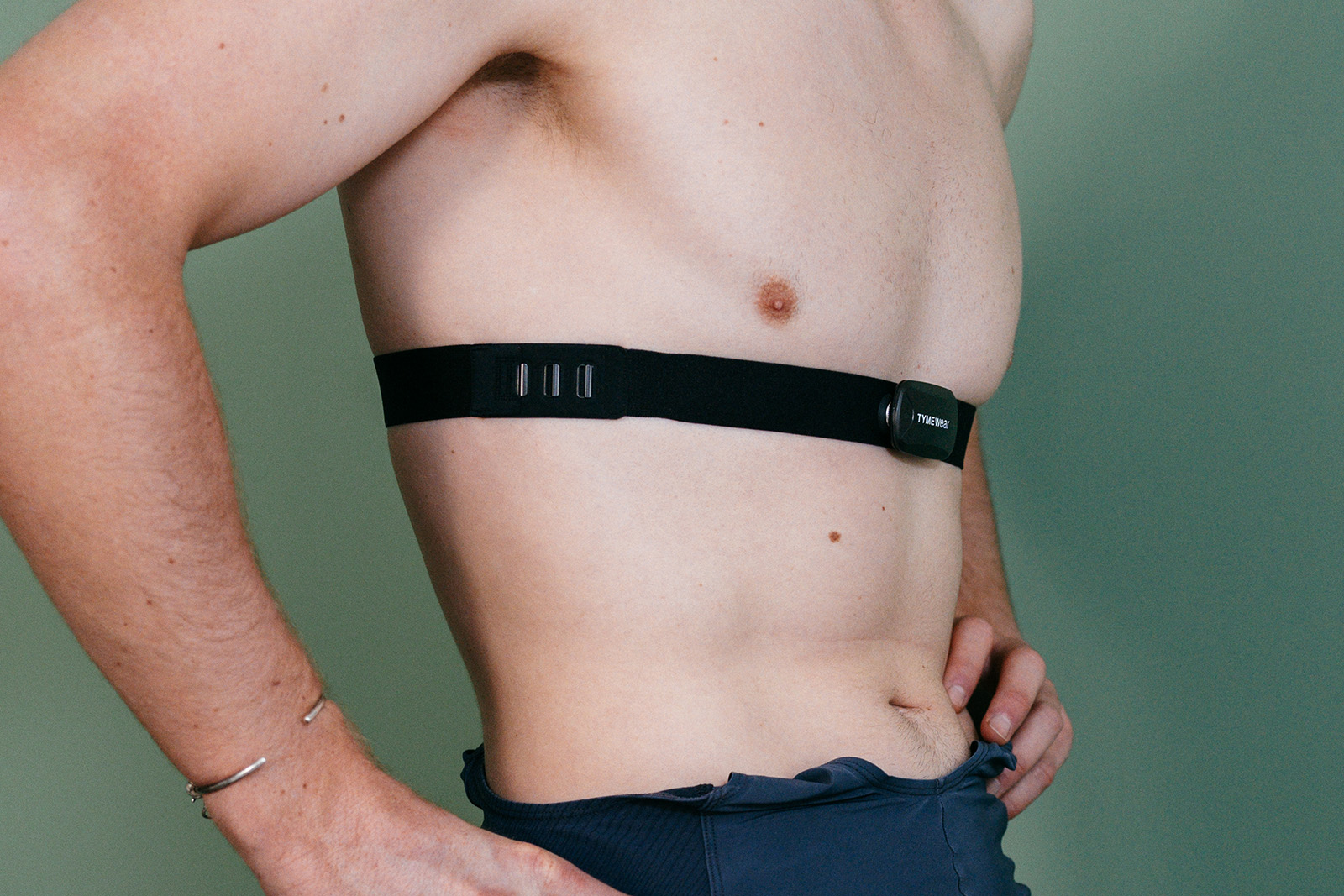
2026 could be seen as the year that breathing sensors finally made a breakthrough in professional cycling, which means one thing: this time next year, you could be training via breathing data, perhaps from American outfit Tymewear.
“We were fully embedded with Tymewear this year,” says Visma’s performance coach Espen Aareskjold.
“I joined at the start of 2024 and started with one rider, then two… We hid the breathing data from their Garmins because we didn’t want to confuse them.
"But it became a topic in the team. Riders became increasingly interested in the impact of ventilation on performance.”
How does it work? Fundamentally, the Tymewear sensor, via a chest strap, measures the expansion and contraction of the chest.
From this, the app calculates breathing rate – the number of breaths per minute; tidal volume (the amount of air inhaled with each breath); and ventilation – the total volume of air moved each minute, calculated by multiplying breathing rate by tidal volume.
Much like you might train via power or heart rate, the system identifies individual physiological thresholds and uses them to create specific training zones, from increasing fat burning and building endurance to developing power.
But rather than functional threshold power (FTP) or lactate threshold (LT), the system uses ventilatory thresholds – VT1 and VT2 – alongside VO2 max.
Tymewear suggests ventilation offers a more direct insight into physiology than heart rate or power, because heart rate can drift and is affected by factors such as caffeine, while power measures external work rather than the body’s response to it. Ventilation instead captures that internal response in real time.
A 2023 study involving exercise physiologist Dan Plews supports the benefits: during a two-hour ride at VT1, ventilation remained consistent, while heart rate rose 10% and power fell 10%, suggesting ventilation may provide a more reliable measure of intensity.
“The system is certainly improving,” says Aareskjold. "In the early days, we worked with Uno-X who wore a smart shirt in training. Unfortunately, they were out riding in Norway during the winter, sweated a lot, picked up colds and were off ill. The sensor is much better.”
Individual, not the collective
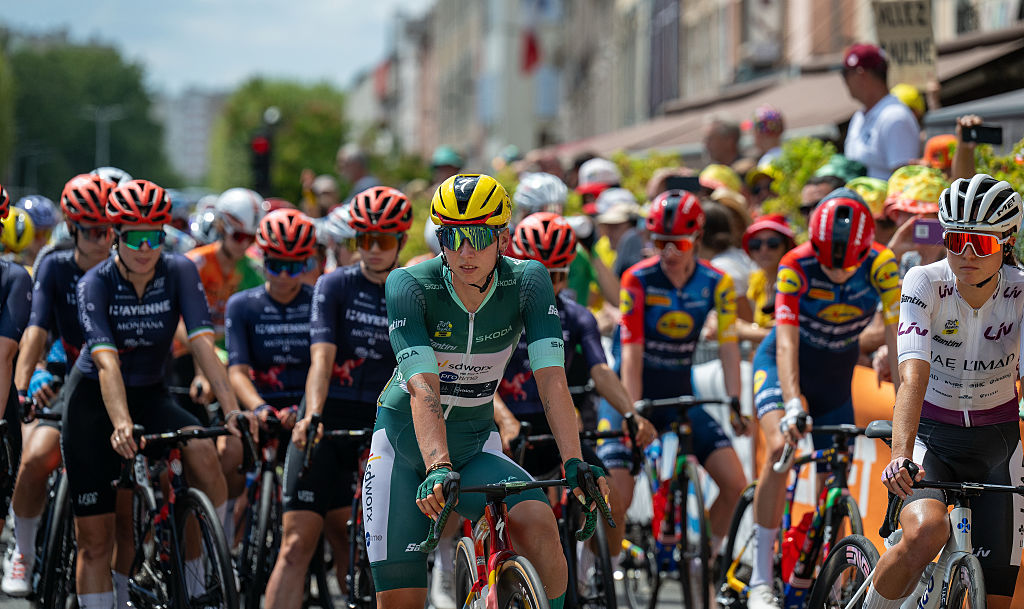
Research into female cyclists is limited at best but, says Professor Rob Lamberts – known for the Lamberts Submaximal Cycling Test – things are improving, albeit his latest research questions whether the quality is matching the quantity.
“When it comes to the impact of the menstrual cycle on performance, the majority of journals say the same: despite the hormonal changes, there is no impact on power profile. But we suspect we’ve been interpreting the data incorrectly.”
This lack of impact, he says, goes against subjective experience of riders reporting higher levels of fatigue and a lower readiness to train during the early follicular (EF) phase compared to the mid-luteal (ML) phase.
For the unfamiliar, the early follicular phase is the first days of menstruation, when oestrogen and progesterone are low. The mid-luteal phase occurs after ovulation, when progesterone and oestrogen are elevated.
To that end, Lambert’s study compared the metrics of trained female cyclists during the early-follicular and mid-luteal phases.
They undertook a 20-minute time trial ‘fresh’, followed by a self-paced 60km sub-maximal ride and another 20-minute time trial, but this time ‘fatigued’.
“Like the past research, collectively there was no meaningful difference between the phases when it came to power output, heart rate and cadence,” he says, “but that was analysing the figures as a group. That changed when we focused on the individual data.”
While around 55% of athletes generated similar power output in the EF or ML phase, he says, 27% unleashed more power in the ML phase with 18% higher in the EF phase.
In a fatigued state – so a measure of durability – only 18% of the athletes mirrored their power output in both phases.
Around 46% were higher in the EF phase and 36% higher in the ML phase. “These results tell me that when it comes to the impact of the menstrual cycle on performance, it’s highly individualised,” says Lamberts.
For riders and coaches, that means identifying changes in symptoms, perceived exertion, recovery or performance across the menstrual cycle, and potentially adapting training to suit. This customised approach could, adds Lamberts, result in a stronger, faster cyclist.
Asthma? It might not be…
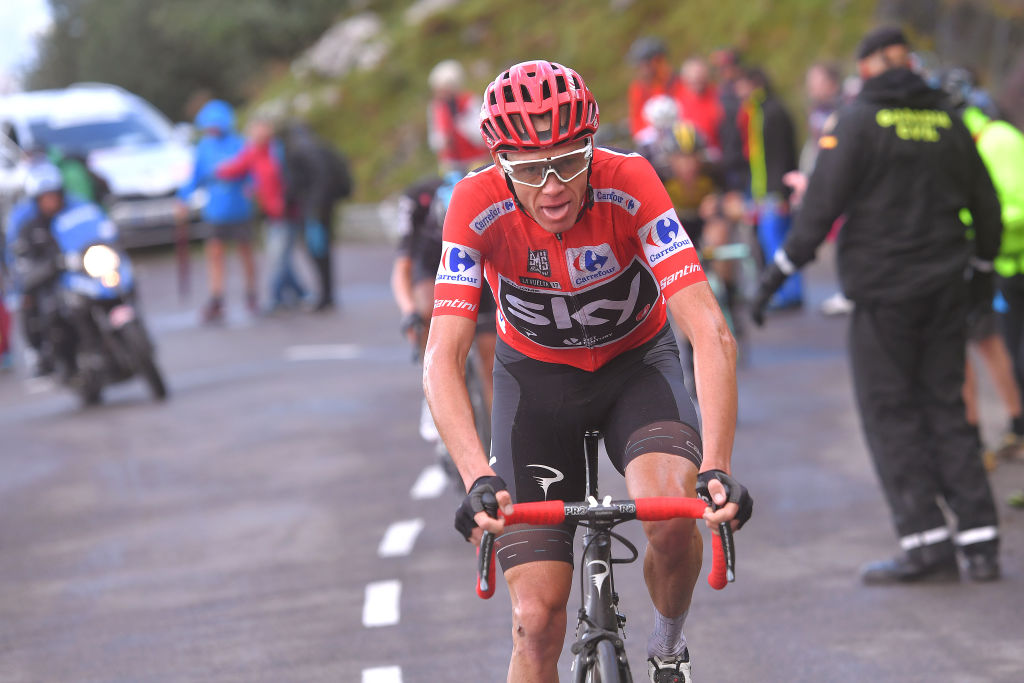
Professor James Hull is a pulmonary expert, who has a special interest in sport and is an advisor to WorldTour teams, including EF Pro Cycling.
We’ve come across Professor Hull before when we focused on allergies earlier in the summer. Now, it’s not allergies but asthma that’s fallen under Professor Hull’s expert gaze.
“We had professional footballers, who’d been diagnosed as having exercise-induced asthma, undertake a gold-standard bronchoprovocation test,” he says.
“Over half didn’t have asthma, the reason being that many were diagnosed in childhood and weren’t properly tested.”
This misdiagnosis, he says, is also common in cycling, which is a major issue because it means the condition is treated incorrectly.
You’re probably aware of cyclists who say they can’t “get enough breath in”, for instance. They might have an inhaler but, according to Professor Hull’s research, it’s not asthma at all but another condition, like “a breathing pattern disorder”.
This occurs when your breathing adapts to a particular pattern in response to stressors or triggers – in this case, exercise.
This can result in a chemical imbalance in your blood, creating the sensation that you can’t fill your lungs. The end point is breathlessness that feels disproportionate to the level of effort you’re putting in.
“We’ve tested riders and can see that their breathing’s almost exclusively from the upper chest,” says Professor Hull.
“Soon after starting exercise, they hit 80 breaths a minute. It’s what we call ‘apical breathing’ and wastes energy.” If you’re breathing correctly, it should be primarily through the nose at around 12 breaths per minute.
Hull typically recommends respiratory physiotherapy as the primary intervention for this hyperventilation-type problem, which centres on deeper breaths driven by the diaphragm.
The approach slows breathing rate and reduces the oxygen required for breathing, meaning you need less effort and energy to breathe.
Hull also says it’s vital this technique is practised in riding situations and not solely at rest – so during intervals and stiff climbs.
Customised carbs
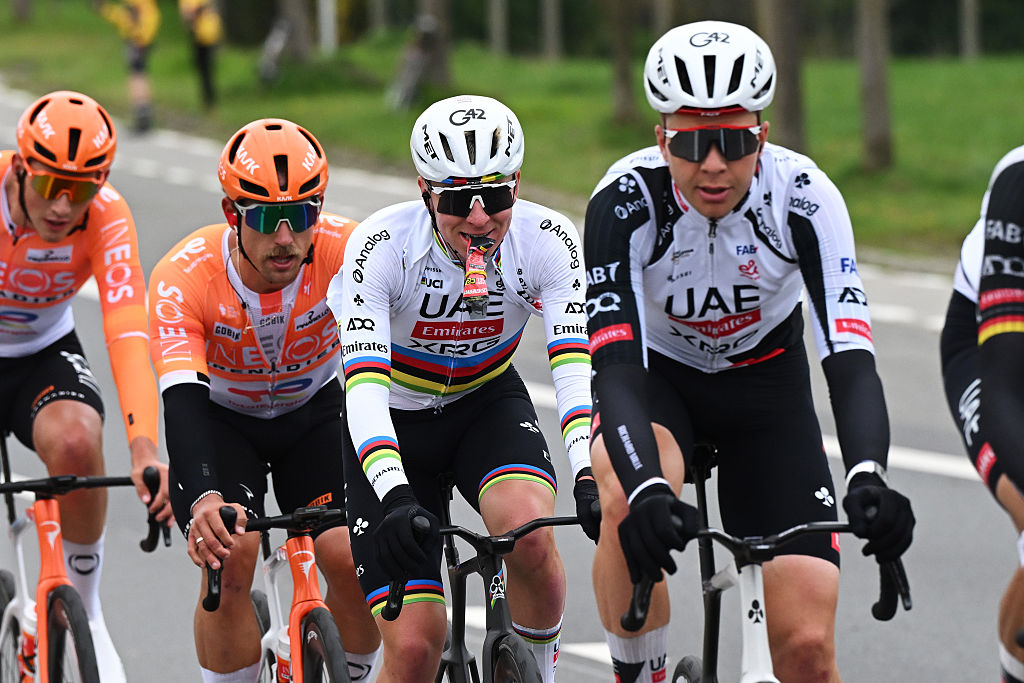
On-the-bike feeding has dominated the nutritional headlines over the past few years, with tales of riders eating upwards of 160g carbohydrates an hour, smashing through previously known ceilings of around 90g.
Improved formulations and gut training are labelled as reasons why. This fuelling frenzy, experts say, is one reason behind the increasing speed of the peloton.
Where does the field head next? According to one of the world’s leading sport scientists and nutritionists, Tim Podlogar, athletes will satiate their appetite for more speed and stamina by bespoke means.
“At fuelsync, we offer a personalised test that calculates your individual fuelling strategy,” Podlogar explains.
“Riders come into one of our labs and undertake a two-and-a-half-hour ride at a moderate pace. For elite riders, that’s around 250 to 340 watts.
"For amateurs, obviously it’s lower. They arrive in a fasted state and then, during the test, drink a glucose solution every 15mins.”
There's nothing groundbreaking about that, perhaps. Many will have undertaken fitness tests that follow a similar template and Podlogar flags up that this isn’t reinventing the wheel.
What is a potential game changer is the composition of that glucose drink. “We use research-grade carbon-13 stable isotopes (C13),” he says. “This lets us pinpoint exactly how much a rider can take in to perform at their best.”
When you exhale, much of what you’re breathing out is carbon dioxide, with C12 the dominant isotype. It’s why, via breath samples taken throughout the test, Podlogar and his team can track C13, which reveals how much exogenous (external) carbohydrate the rider has burned through.
“We’ve tested riders from Bahrain-Victorious and Tudor,” says Podlogar. “It’s all about showing the rider how much carbohydrate they can use, so it removes the guesswork.”
Podlogar stresses that the figure you’re presented with is your upper limit, so only required during demanding rides or demanding sections of rides, such as long climbs.
Consume your carbohydrate peak when cruising at 80 watts and you could reach the finish heavier than you started.
The fuelsync test costs £996 (at the time of writing, a special offer had dropped it to £600), with the team offering testing at Birmingham and Exeter universities, plus there are partner labs in Germany and Slovenia.