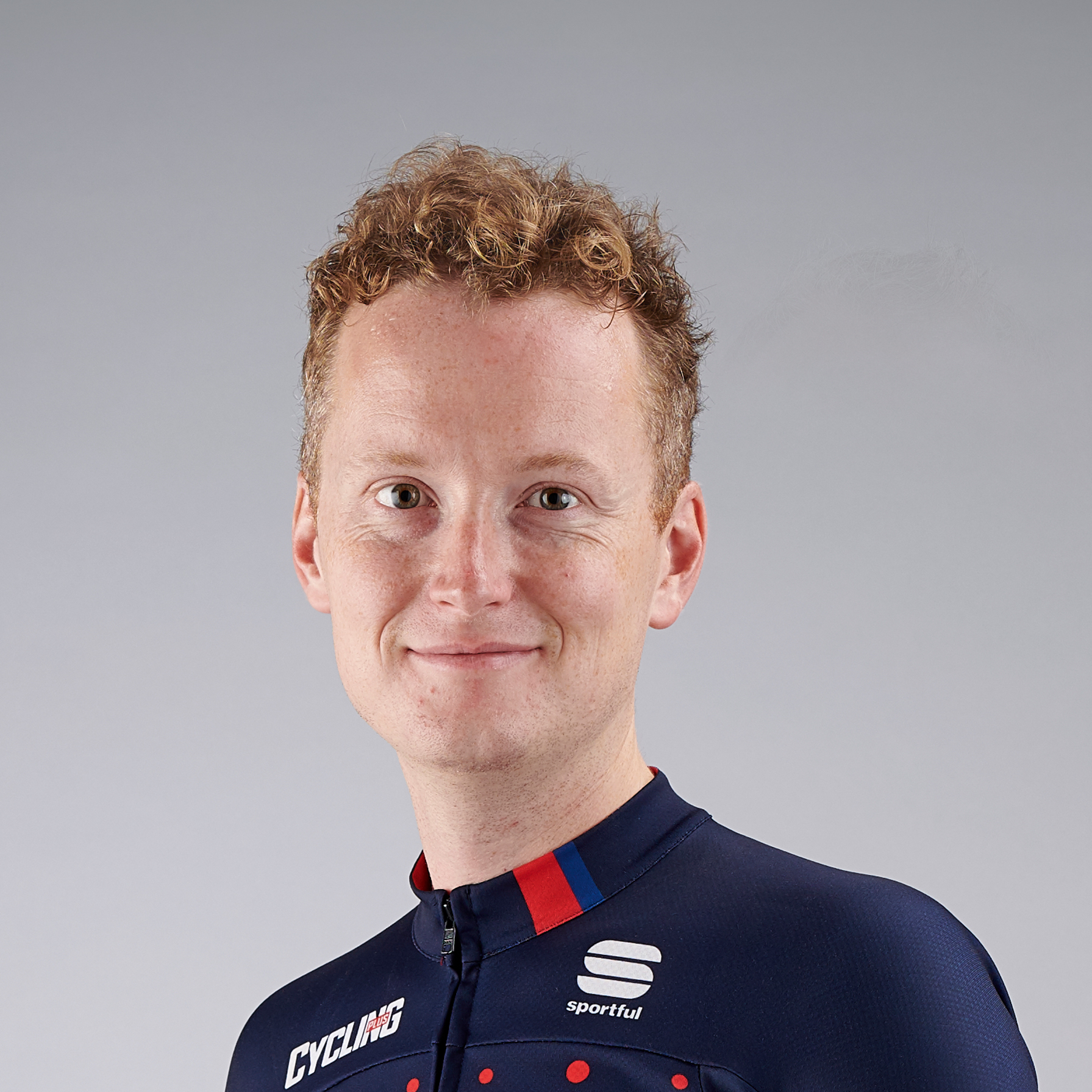
At the end of 2025, Amy Hudson capped a memorable year by winning the Cycling Plus and BikeRadar Rider of the Year award.
The 30-year-old from Derby’s win was secured by both her fundraising feats and the ride around France that powered it. In riding the entirety of the men’s 2025 Tour de France route, she raised more than £76,000 for mental health charity Shout, a 24/7 text-based service that helps people in moments of crisis.
It’s close to her heart; as an NHS nurse during the Covid-19 pandemic, she suffered a breakdown in 2021.
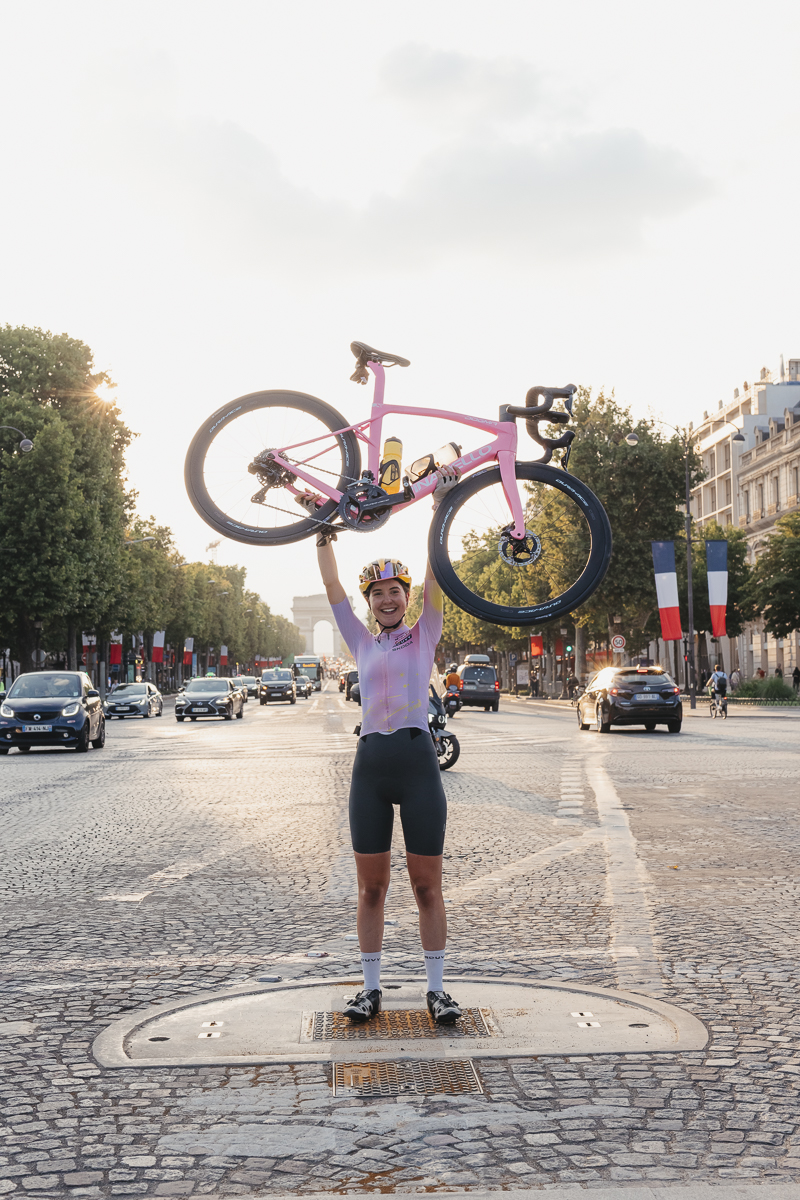
Taking up cycling for the first time was a major part of her journey back to herself, and various endurance challenges, including the North Coast 500 with her dad, crescendoed with that incredible solo ride around France.
We say crescendoed, but that’s rarely the case when it comes to ultra-endurance cyclists. There’s always something new, something bigger, better and harder to get the motivational juices flowing for the rider compulsively drawn to mega distances.
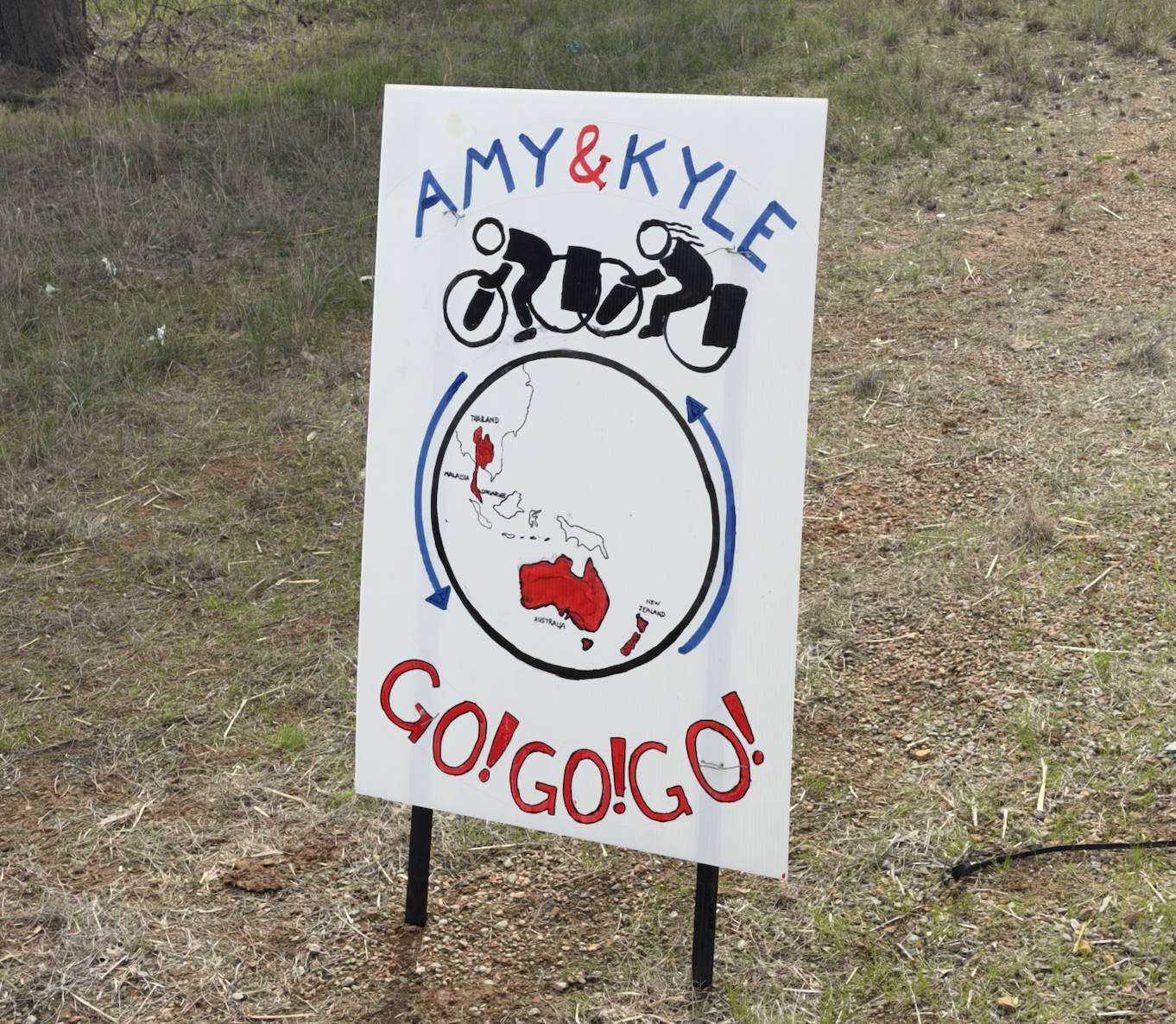
And so, in early May this year, Amy and her husband Kyle set their sights on the world, specifically on the Guinness World Record for the fastest couple to cycle around the world.
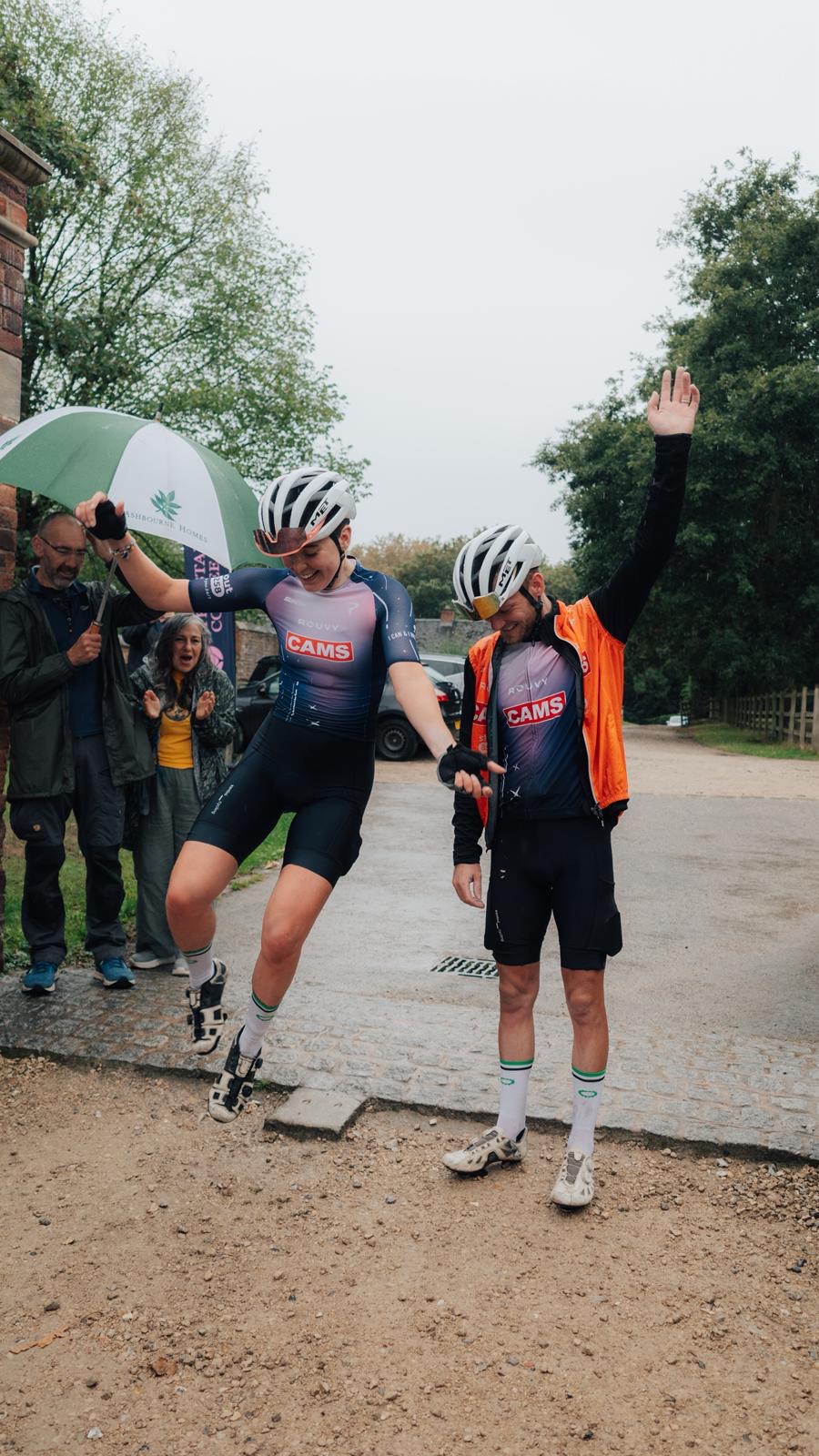
The record for the 18,000-mile challenge stood at 205 days, an achievable mark that they hoped to break by – in their most optimistic estimates – 55 days.
But only 123 days later, powered by talent, determination, momentum and adrenaline – Kyle rode the final two weeks with a suspected broken collarbone after crashing badly in Canada – they arrived back home in Derby having shaved 82 days off the record.
We caught up with them over the phone in the days following their return. Their aches and pains were dissipating, but their memories solidifying and we wanted to know what they found out about riding around the world that they didn’t know back in May.
Here are their takeaway points.
Stay in the moment
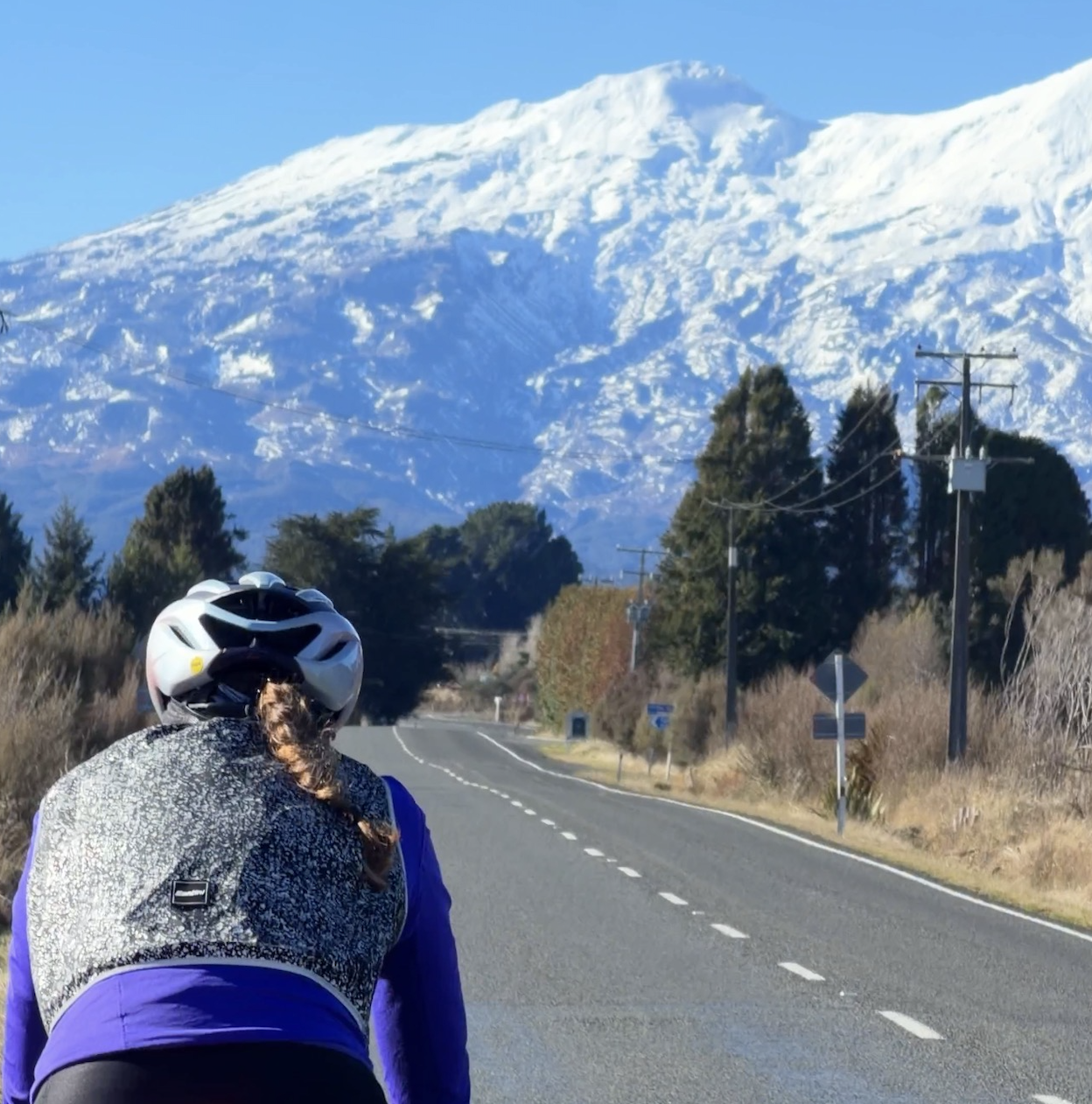
The prospect of riding 18,000 miles – in a tight span of time to boot – can overwhelm anyone, not least first-time round-the-world adventurers like Amy and Kyle.
So, their advice is to focus on the day in question and not wish your time on the road away. Remember it’s a privileged thing to be able to do, so revel in it.
“When you start thinking about how big the challenge ahead of you is, that’s when you start to doubt yourself,” says Amy.
“Say you’ve got a 150-mile day, but you’re struggling, and you know tomorrow you’ve got a 180-mile day. It can be hard to take your mind off the 180. I had to stop myself thinking like that and not think about it until the end of the day when I was packing my bags again.
“Don’t worry about what tomorrow will bring, or the distance involved, because you’ve got today first. You might have a plan, but you never really know what will happen."
Appreciate the small things
Make no mistake, life in Britain in 2026 is tough for a lot people, yet compared to many other places around the world – and any other time in history – we still have it pretty good.
An around the world bike trip, which will take you to new, unfamiliar places and into vast wilderness for long stretches, does make you more aware of simple things, or things we take for granted, say the pair.
“There was a day in the US when we ran out of water on a very hot day,” says Amy. “At home you just go to the tap and get clean water and don’t think anything of it.
“You can spend so much of your life thinking we should have this, or look over there at what they’ve got, and you don’t appreciate what you do have. Your comfy bed, or food in the fridge.”
“It made us look at home in a better light,” says Kyle. “You spend a lot of life thinking ‘I wish I was there’, or ‘look at what they’re doing over there’.
"But you’re on something like this trip, and find yourself thinking about home and how nice it would be to ride on the lanes at home. They’re cracked, bad lanes full of potholes, but they’re our lanes."
Being out of your comfort zone is a good thing
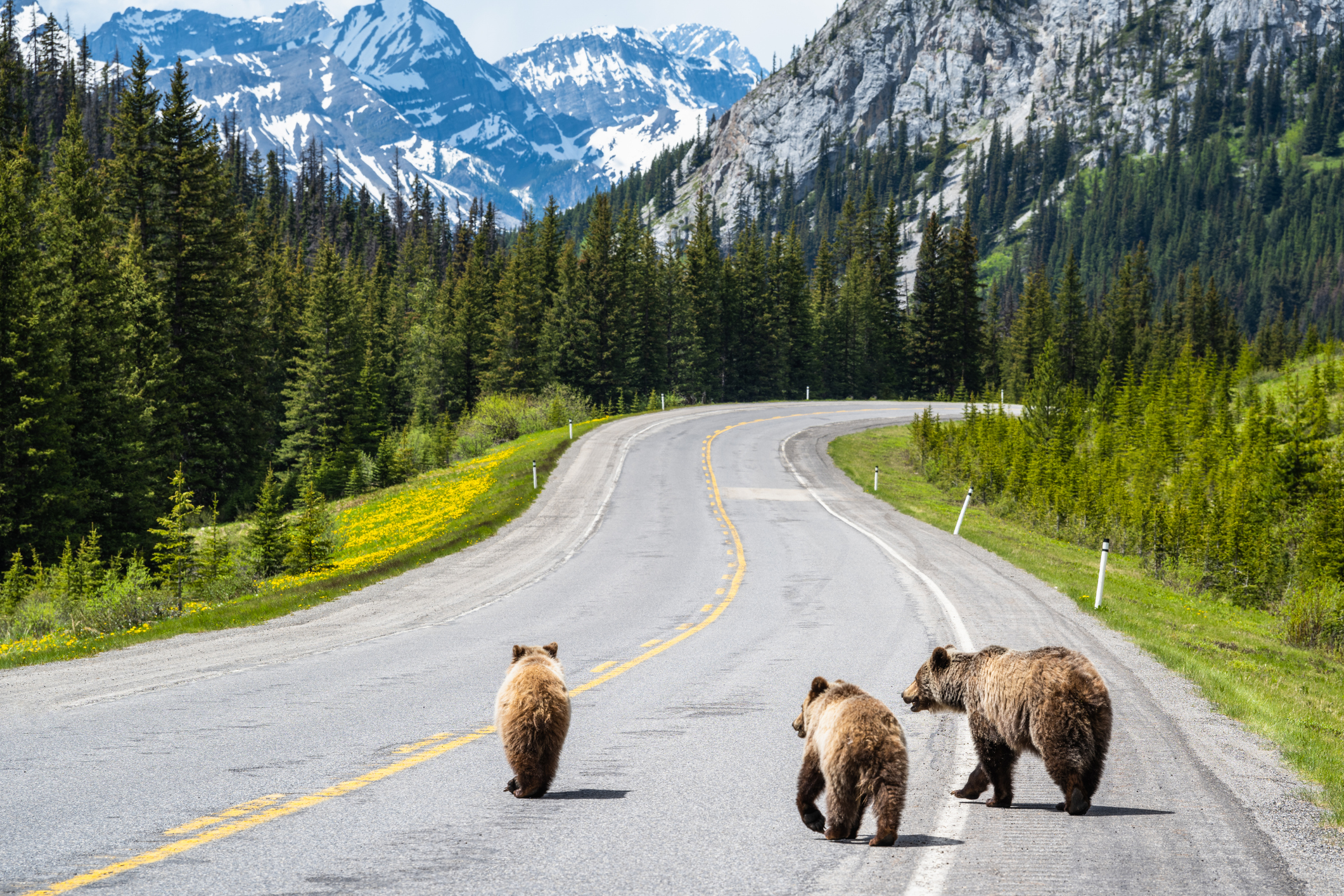
You can’t set out on an around the world adventure and expect it to be like 18,000 miles of local loops. There will be all sorts of different cultures to experience, terrain to overcome and wildlife to avoid, whether that’s grizzly bears in Canada or stray dogs in Bulgaria.
“When you’re at home you feel comfortable: it’s your culture, your people, your roads – you feel at home because you are at home,” says Amy.
“Around the world, obviously, there are unknowns – you have that uncomfortable feeling quite a lot of the time not knowing what’s coming next.”
“I always remember the chap at immigration control, going into Canada from Alaska,” says Kyle, “telling us that we don’t have to worry about bears back in the UK and to remember that we’re wrapped up in cotton wool living where we do."
“It makes you realise that a lot of the countries that you enter, there is unfamiliar stuff to worry about,” adds Amy.
“In Canada it was bison and bears. In Australia wolves and kangaroos. Malaysia and Thailand it was heat and humidity. New Zealand it was cars – the drivers are awful. It’s probably cars in the UK too.”
“So we are very fortunate to be in the position we’re in,” adds Kyle.
You can solve most problems
The grander your goal, the more variables open up and the threat of something going catastrophically wrong feels more palpable.
That’s certainly the case with a globe-trotting cycling trip, where in moving ever further away from home (until the middle point, anyway) can feel like a loss of control.
But Amy and Kyle are keen to point out that most worries won’t come to pass, and most problems are solvable.
From bothersome but fixable equipment issues – snapped gear cables, 53 total punctures and bottom bracket repairs – to more concerning bodily injuries, problems can stack up during a trip like this.
However, in the same way that you deal with one day at a time to minimise the enormity of your ride, fixing one problem at a time can keep panic to a minimum.
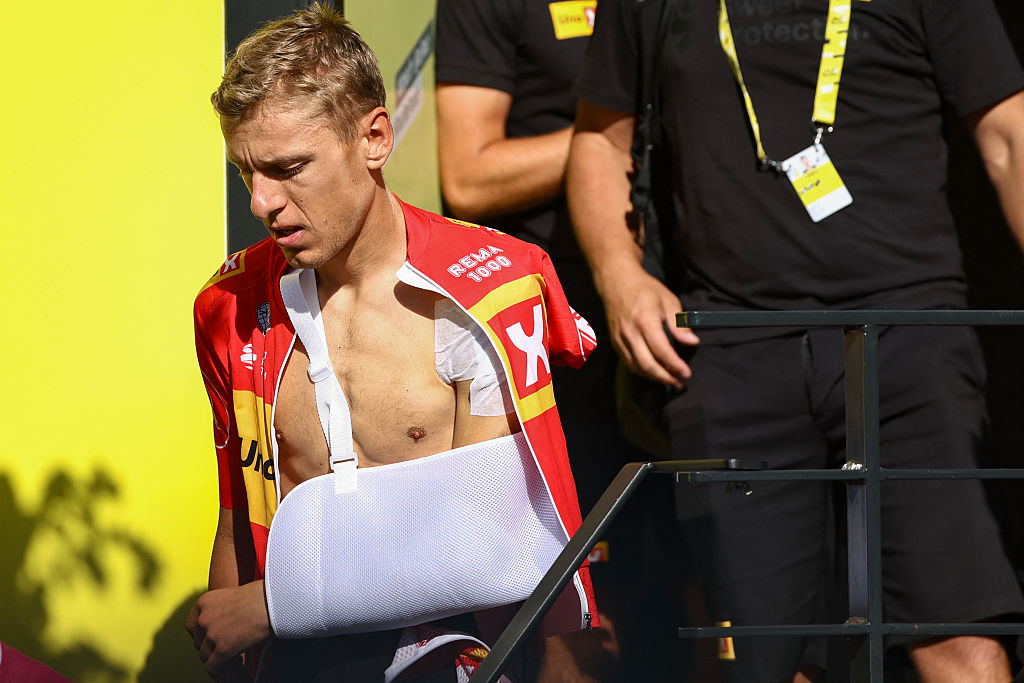
Amy’s worst fear – that one of them would be hit by a driver – didn’t come to pass, even if a near miss (a driver cut them up and Amy’s sudden braking caused Kyle to crash) saw him break his collarbone 2,500 miles from home.
That might have seemed like the end of the road, for Kyle at least, but even this proved solvable.
He somehow felt more comfortable on the bike, sat up on the hoods, than he did off the bike, or in bed. “I was in a lot of pain off the bike, but on it I was actually quite comfortable, which was bizarre,” he recalls.
Anything that might have put a stop to his ride – a trip to the hospital, a conversation about finishing – was never countenanced.
“I couldn’t do it, because then I was putting myself in the position of not finishing. I wanted to be in a corner, [to come out fighting]," he adds.
“I knew it wasn’t right, even if I was trying to kid myself for the first few days. But in my head the whole time, I was thinking ‘I haven’t come 15,500 miles for some random, unapologetic driver not paying attention to ruin my attempt'."
Don’t be fussy about what you eat – as long as it’s stuffed with calories
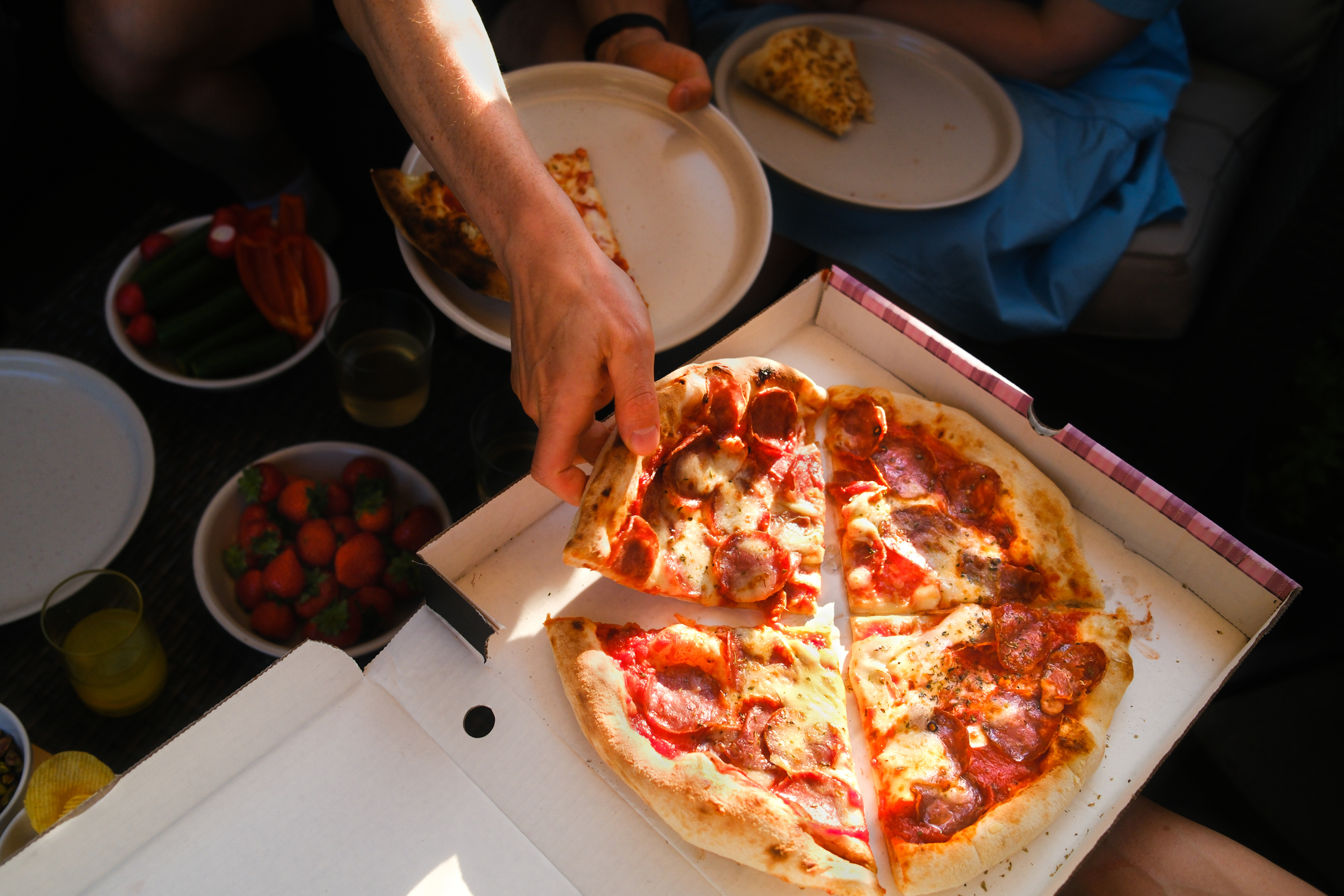
The refined eating plan that may lead up to a race or training regime back home goes out of the window on an ultra-endurance ride.
“You want as much as you can and not be fussy with it,” reckons Amy. “You may have an idea of what you want to eat, but not be able to find it, so you go with what you get.
“It needs to be high carb, lots of protein in the evening post-ride. Milkshakes of any sort always went down well. We were having lots of tuna, eggs for lunches and dinners, porridge for breakfast…"
“It started off quite healthy," says Kyle, “but by the time we got to America it was less so…”
Amy is a Science in Sport ambassador, so the pair were able to count on the brand's armoury of sports nutrition products, and it proved a more targeted source of carbs and protein than the anything-goes, calorie-packed meals.
They started the ride laden with products, with more dropped to them on the road as they progressed. The bars and gels proved particularly useful in more remote places where shops and restaurants were more scarce.
It’s a formidable physical challenge, but it’s tougher on the mind
The physicality and robustness of your body – your muscles, soft tissues, cardiovascular system and powers of recovery – will carry you a long way on a time-limited round the world record attempt, but what’s going on in your head is the difference between success and failure.
“[This trip] taught me the power of mindset,” says Amy. “You can train [your body] as much as you want, but if your mind’s not in it, you’re not going to do it.
“You might be midway through a 200-mile day and thinking about how tired you are, in a bit of a negative spiral – everything just ends up being harder.
“If you’re able to flip your thinking, everything feels so much easier – it’s just so hard to do when you’re tired.
“Quitting was never an option – we had that mindset from the start, that stopping is just not on the table. Unless someone is airlifting us off the bike and we can no longer physically go, we’re keeping going on our bikes.”