“We’ve seen a noticeable increase in men taking part in Reformer Pilates sessions,” says Katrina Fox, founder of RFRM, a Pilates studio in London and the Midlands. “Not just in our own studios, but across the industry.”
The rise in popularity is due, in part, to high-profile male exponents including David Beckham, Harry Styles and Ed Sheeran taking to the springs, pulleys and adjustable resistance and championing a very different way of working out.
It’s also helped by the fact that the Reformer Pilates frame and carriage looks and feels like a serious piece of exercise kit that you have to master. Less yoga mat, more engineering project.
Another factor behind its new found appeal among males is that Reformer Pilates is hard. Properly hard. The kind of hard that exposes weaknesses heavy lifting can hide.
“I was the stereotype. I’d look at a Reformer and think, ‘Nah, that’s too easy’,” admits Carl Anthony Guthrie-Evans, master trainer at Virgin Active Kensington. “Then we had to do a staff class – and it was humbling.”
Coming from a background in boxing and weight training, the experience flipped Guthrie-Evans’ perspective. “It made me realise how much it could help everything else I do – stability, mobility, body awareness,” he says.
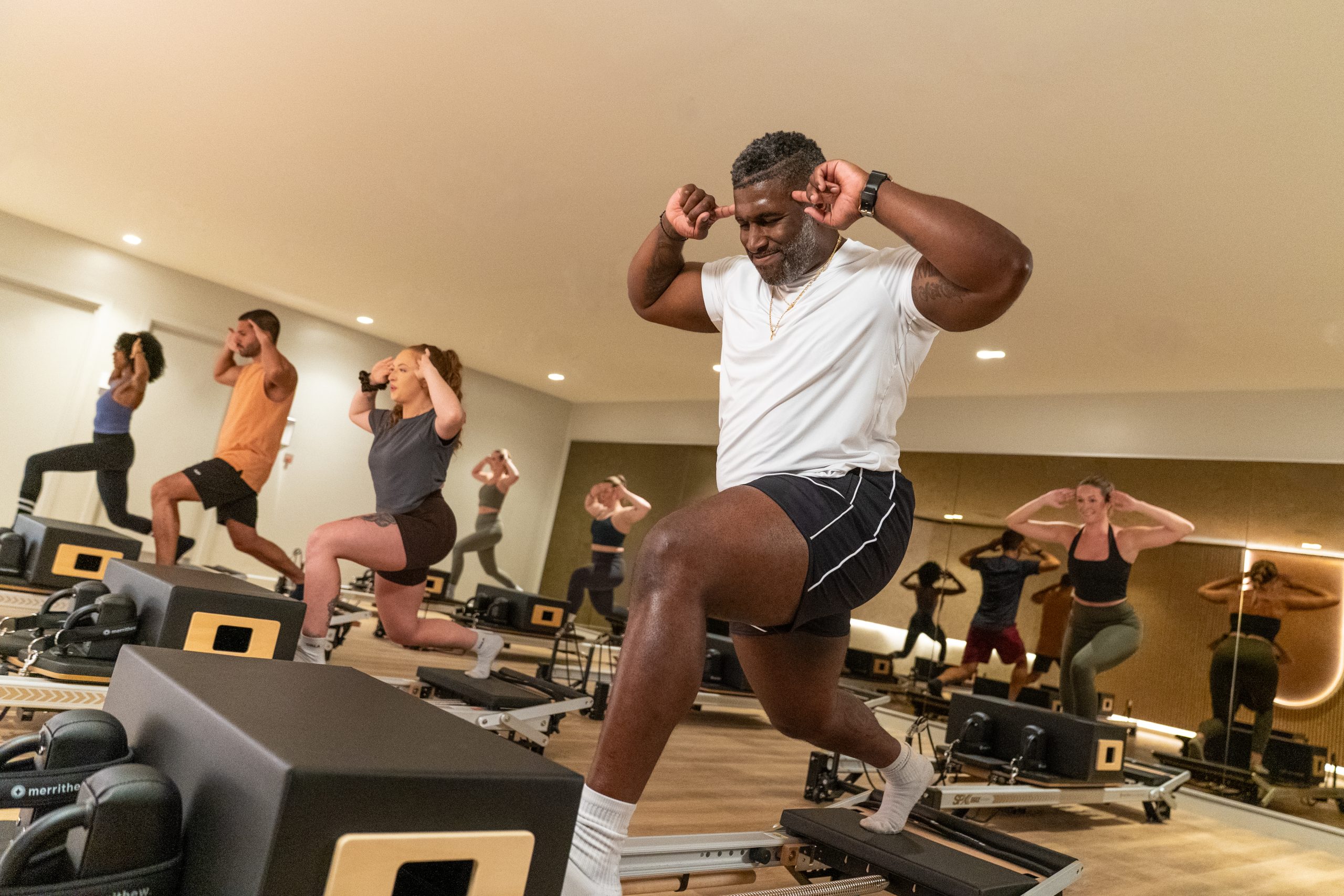
The rise in male participation isn’t solely about trying out a trend. Fitness industry specialists point to a broader shift in how men think about training and its changing forms.
“A lot of the men coming in are already training – Hyrox, running, cycling, weightlifting,” adds Fox. “They’re starting to realise that Reformer fills in the gap, improving mobility while also strengthening the smaller, often neglected muscle groups that support your bigger compound movements.”
Mastering the machine
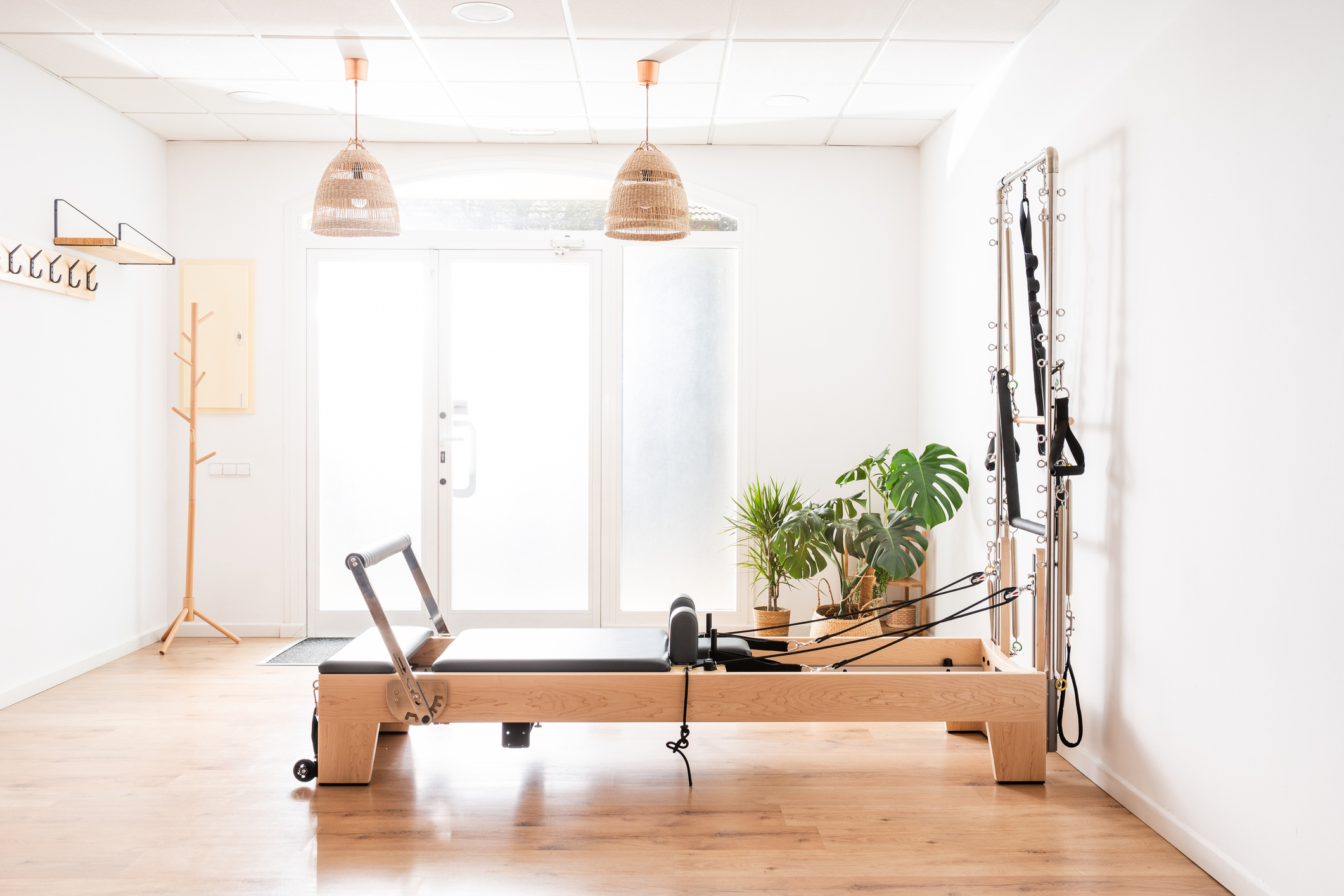
The ‘Reformer’, with its pulleys and moving carriage, comes with a technique to learn, resistance to fine-tune and progression to chase.
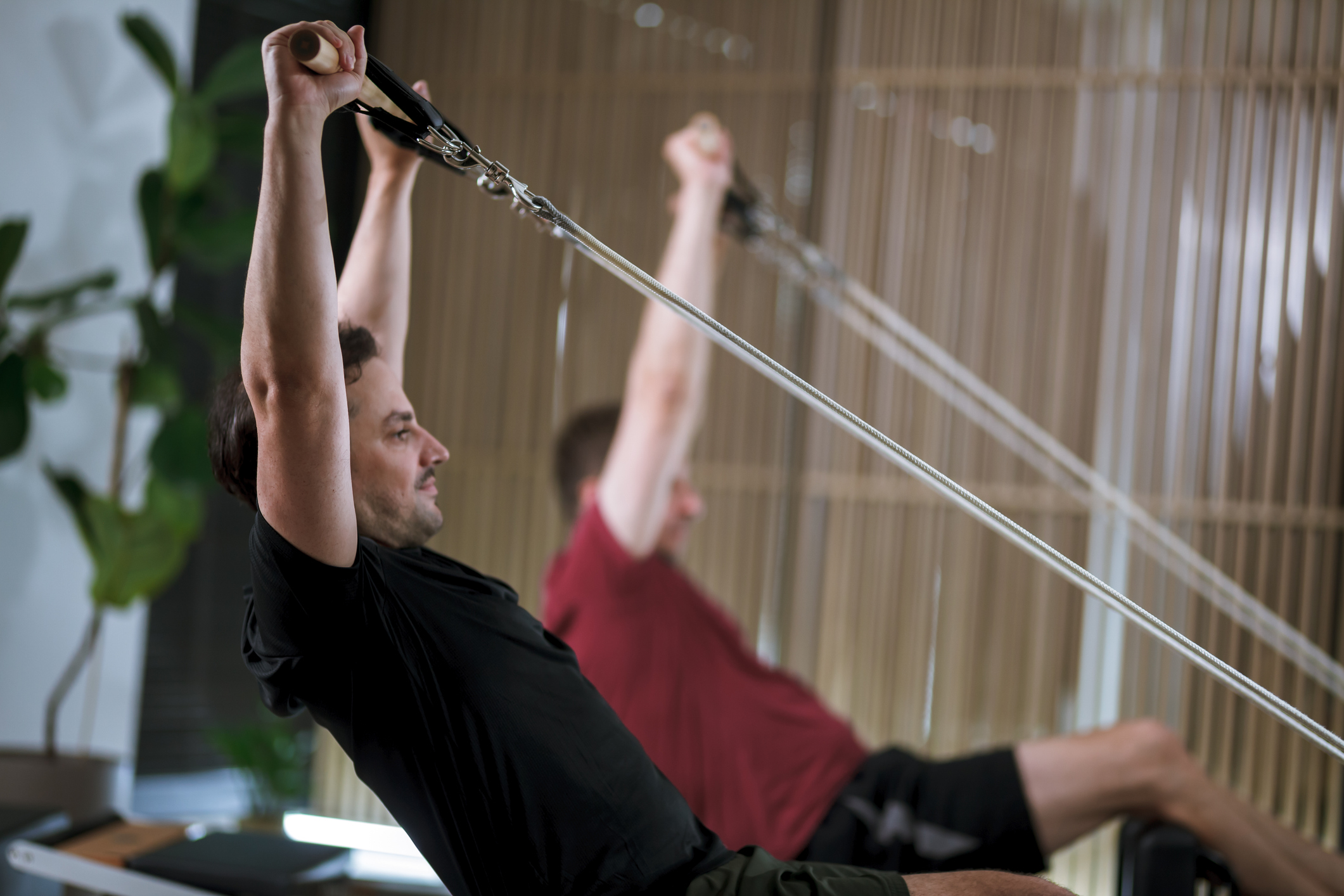
As you push or pull the carriage along its rails, the springs provide tension, challenging your muscles as you work through controlled, low–impact movements.
Unlike traditional lifting, where success is often measured in kilos, Reformer Pilates offers the challenge of control under tension, as opposed to brute force.
For Katrina Fox, the biggest change isn’t just participation – it’s also the perception of Pilates among men.
“It’s no longer seen as just a stretch or a ‘nice to have’. It’s being recognised as something that genuinely supports longevity and performance,” Fox says.
It’s not only fitness instructors who recognise the broad benefits either. “You’ve got structured resistance with a focus on movement quality,” says physiotherapist and ultra-runner Danny Brunton, insisting that strength alone isn’t enough for those looking to improve all-round fitness, endurance and conditioning.
“Mobility, control, and injury prevention are just as important. For many men, especially those who’ve spent years chasing numbers in the gym, the cracks start to show: tight hips, aching lower backs, plateaued progress and those persistent niggles.”
Strength (not) in numbers
After years focused on boxing and weightlifting, Guthrie-Evans' conversion to Pilates has found himself challenged in entirely new ways.
“It made me hungry for a different kind of training,” he insists. “I saw how it could help with things I already enjoyed: being more stable, more mobile, more aware of my body. I’m a big believer it should complement your strength work. This discipline improves alignment, reduces injury risk, and helps you stay consistent.”
Increasingly, research suggests Reformer Pilates doesn’t only support performance but actively enhances it. “Studies show improvements in agility and explosive power,” Brunton explains. “That’s likely due to the resistance, the eccentric–concentric loading, and the level of neuromuscular activation involved.”
Targeting those stabilising muscles around the spine, hips, and core – the ones that don’t always show up in the mirror – can help with all-round performance, too. “It’s great for spinal support and posture,” Fox adds.
“Especially for sports that involve rotation or impact – golf, football, padel, tennis. Over time, those small improvements compound into something bigger: better movement, better performance, and fewer setbacks.”
Shaking up the sexes
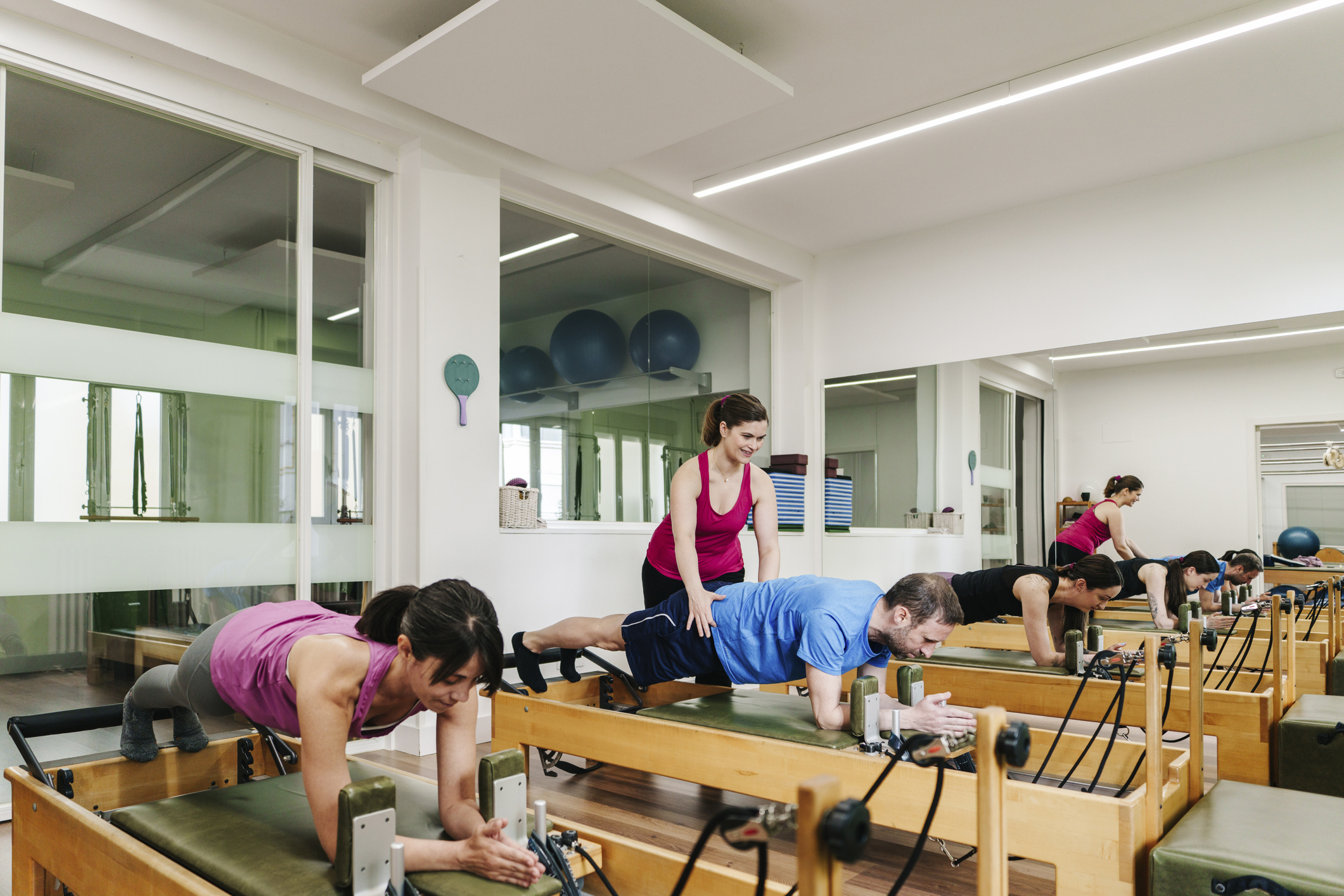
The machine itself is designed to work for everyone, regardless of gender, ability, height or body type.
“That’s one of the things I love about Reformer Pilates,” says Fox. “The exercises stay the same, which is quite refreshing, it’s just about the individual and where they’re at.
“If someone needs more support or more challenge, we simply adjust the spring resistance or make small adaptations. The Reformer is built for that, it allows you to tailor the intensity to the person, not the other way around.”
Social media and visibility have helped accelerate the shift, too. “You’re seeing more athletes, celebrities, and everyday guys sharing their sessions,” Fox adds. “It breaks down that old perception of Pilates being ‘not for men’.”
“It’s not about “men’s vs women’s workouts” either, it's just great training, done properly,” she adds. “And in a world where we’re moving towards more equality, it’s nice to have something that genuinely works for everyone.”
Guthrie-Evans agrees. “What’s interesting is the range as well; younger guys and older men are both getting involved. I think part of that comes down to representation. When you’ve got an instructor who doesn’t fit the typical Pilates aesthetic, it breaks down that barrier and shows that Pilates is genuinely for everyone.”
Approach with caution
Having tried it himself, physiotherapist Brunton considers Reformer Pilates "deceptively challenging".
“Even strong individuals often struggle with the control and stability required. That’s where its value lies. It can highlight weaknesses and improve movement quality in a way traditional gym training can often miss.
“If it’s something new you’re looking to try I’d advise that you prioritise technique over intensity – control is key,” says Brunton.
“Also, expect some asymmetries [imbalances in body strength, or a ‘weaker’ or ‘more dominant’ side] to show up. But that’s useful, not a problem – it gives you something to work on.
“Above all, don’t underestimate it, it’s more demanding than it looks, and as with all gym machines get proper instruction, especially early on.”
All three specialists agree that using it alongside strength training sessions can offer up the best results, although Fox is keen to highlight some additional plus points to Pilates on the Reformer.
“One of the biggest benefits, and probably the most underrated, is the mental side. It forces you to slow down, focus and breathe, which makes it really grounding.
“A lot of people come in expecting a heavily physical workout and leave talking about how good they feel mentally as well.
“That switch-off time, even just 50 minutes, is powerful, especially with the growing focus on mental wellbeing. It’s not just training your body, it’s giving you a bit of headspace too.”
Reformer Pilates: what to do – and not to do
Do
- Focus on technique and control over intensity
- Use Reformer Pilates alongside your gym training
- Expect weaknesses and imbalances to show up
- Listen carefully to the instructor’s cues
- Build gradually – mobility and control take time
- Be aware of others and respect shared space
Don't
- Assume it’s easy – it will challenge you
- Rush through exercises or sacrifice form
- Add too much resistance too soon
- Ignore posture, alignment and breathing
- Treat it like a max-effort weights session
- Go topless or bring gym-floor habits into class