If Phil Cavell’s first book, 2021’s brilliant bestseller The Midlife Cyclist, was about what happens to the body of 40+ riders when we submit ourselves to unprecedented levels of intense exercise, the enquiry at the heart of this month’s follow-up, The Cycling Addiction, ponders why we choose to do it.
The idea of ‘suffering’ and making pain your friend is a state that cyclists habitually run towards, not from, and is central to the storytelling here.
Cavell skilfully weaves evolutionary science, expert analysis, pro racing anecdotes and his own experiences as an amateur racer in the 80s and 90s to explain the motivations of all of us who’ve pinned on a number, from gran fondos to category racing and all the way to the very top.
You could see it as a companion piece to Tim Krabbé’s seminal novel The Rider, which followed the eponymous rider through the fictional Tour de Mont Aigoual race as he was pitched into psychological duels with rivals.
Whereas the novel is allegorical – think Animal Farm on bikes – he wanted to get under the skin of our competitive motivations and instincts, and explain them through biology as much as storytelling.
Fit with purpose
The book started out when his editor suggested he wrote something that was “less technical and just more fun than the last book. I thought the last one was fun…” he deadpans.
That approach, however, “just wasn’t for me," Cavell reflects. "I’ve got to be answering something serious or I’m not engaged.
“The Midlife Cyclist underestimated how hard it is for people to change their behaviour. People are inescapably themselves – I see it with my own clients.”
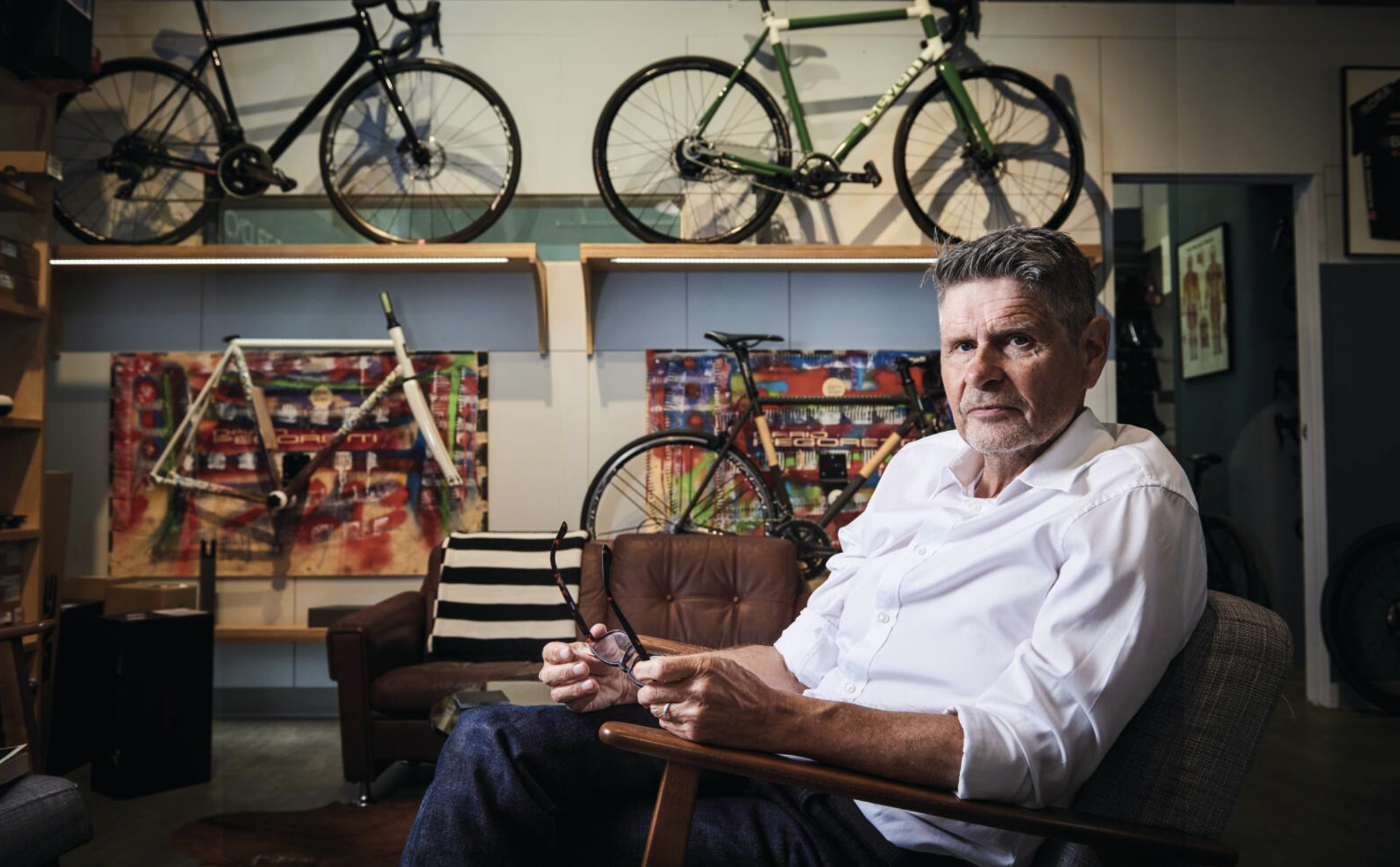
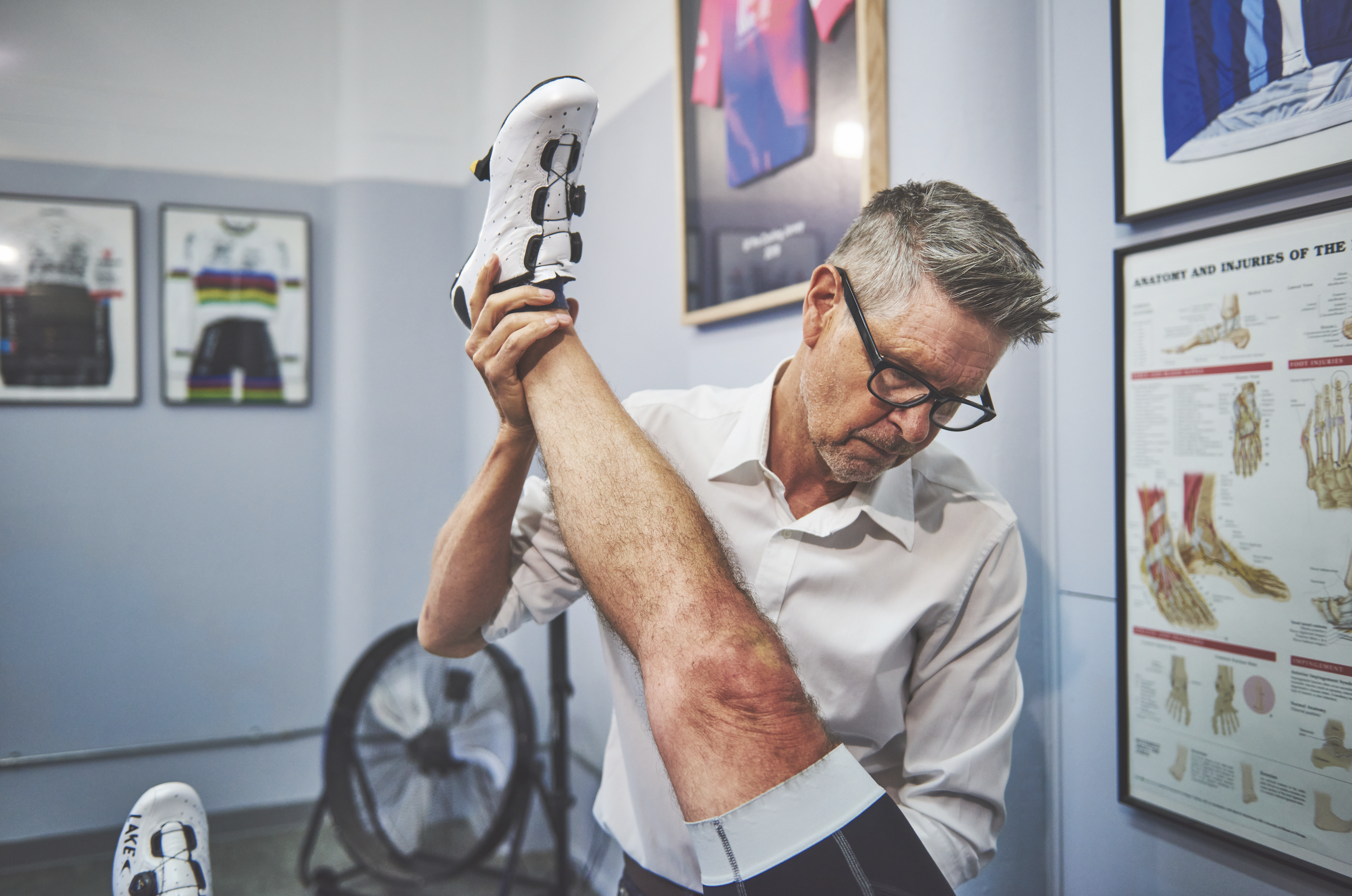
Cavell, since the turn of the century, has been a bike fitter at Cyclefit in London and, as such, sees cyclists at their lowest ebb as they attempt to overcome injuries that have proved catastrophic to their ambitions on the bike.
“Sometimes I can be the shock that changes them, but it is a frustration that a lot of the time I can’t. This is where the book started. Why are people getting locked into modes of behaviour – positive, negative, damaging, or not?
"What’s driving that? And on the other side, what can people do to understand themselves better, ride at a higher level and stay healthy?
“Because of our work here, we see things when they don't go well, when people are broken. I guess I bring that with me to the books that I write, I see all the opportunities for things to go wrong.
“So the book is taking that on: what is it that motivates people, and how does that intersect with the bike? What does that mean in terms of good things for people and potentially problem things for people?
"And that was the journey I went on, which eventually became this book. I lived it for a couple of years – the questions and chapters popped up as I went… it really was a journey.”
That journey became deeply personal in 2023 when, after starting work on it, Cavell was diagnosed with ADHD – attention-deficit/hyperactivity disorder – at the age of 61.
A family member was diagnosed with the condition, and in guiding them through that process and understanding much more about how it presents – inattention, distraction, forgetting things, being late for appointments – it seemed to Cavell that he was a slam-dunk for it, too.
“I didn’t start this book ever thinking that I was going to talk about neurodiversity,” he says. Pretty quickly as he went through the process of diagnosis, he knew that he couldn't avoid it – not just as the context for his own life on the bike, but the fact that so many other neurodiverse people find peace and belonging in the cycling world.
“As is typical, my reaction was that I wanted to understand everything about it.”
Back pedalling
The book takes very much a retrospective look at cycle sport, through the lens of modern medicine and understanding.
The Rider (published 1978), the 1986 Tour de France, the 1987 Giro d’Italia and Cavell’s own amateur adventures of racing at the old Eastway circuit in London are just some of the touchstones that he examines to understand cyclists' motivations.
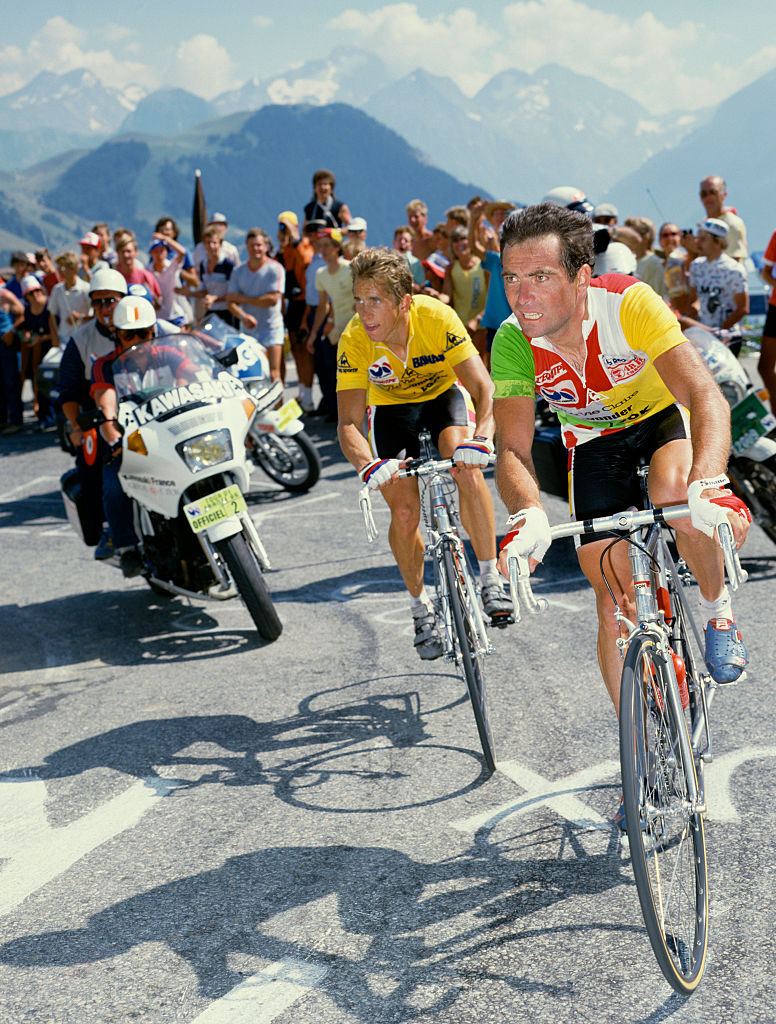
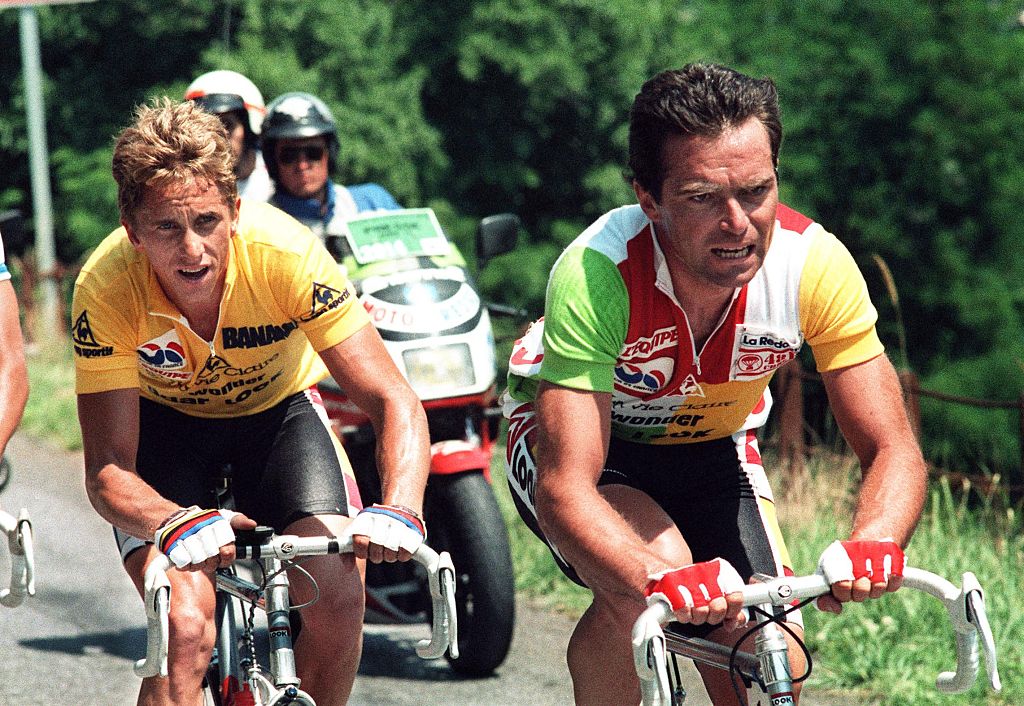
So, you have Greg LeMond's infamous battle with Bernard Hinault in 1986, viewed in part through the American's undiagnosed ADHD, and 'killer winner' Stephen Roche's vengeful destruction of teammate Roberto Visentini at the '87 Giro.
The 'killer winner-flow seeker' spectrum, covered extensively in the book, was informally created by Peter Keen, Chris Boardman's coach during the peak of his career, in a chat with Cavell for the book.
You can see it as an attempt to understand our "default motivation and behaviour within a competitive environment."
Killer winners, writes Cavell, require raw aggression and animosity to empower their best performance, while flow seekers only seek to hurt themselves and to "lose themselves in the moment of supreme focus".
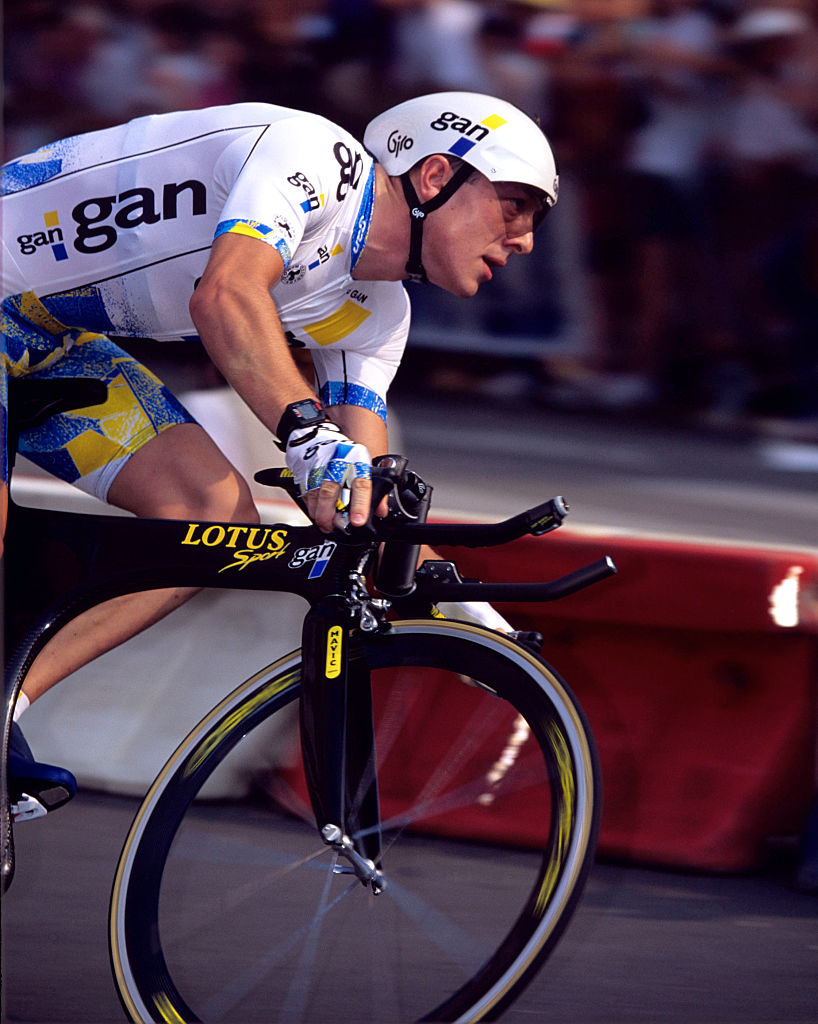
The most recent pro cycling case study in the book is that fruitful collaboration of coach Keen and his apprentice Boardman – who, as a time triallist, sat very much at the flow seeker end of the spectrum.
As Cavell sees it, this was the dividing line between the old cycling world of riding off feel and instinct and the world we’re still living in today, of power meter metrics and tightly choreographed effort.
Anything after this point, Cavell deemed outside the terms of reference in understanding our capacity to suffer.
Like The Midlife Cyclist, some of the best stuff in The Cycling Addiction is the personal memoir side of Cavell’s writing.
He admits in the book to having, during his racing years, given little structured thought to how he could improve his fortunes on the bike. Would having a book like this available to him back then have helped?
“One epiphany I’ve had in my life is realising that a lot of people don’t think like I think, so it would have been useful to know from as young an age as possible that people’s brains do work differently," he says.
“I think if someone had given me that epiphany in my 20s and said ‘you’re a pain in the arse, Phil, and I think possibly why you’re a pain in the arse is because your brain works a bit differently to other people, and I love you, and you can be a lot of fun, but you’re a pain in the arse’ – that would have been good.
“I did have teammates who gave me a hard time, they could see the potential. Some were way more disciplined, structured and organised, in every part of how they raced. And they quite rightly would say ‘why is it always you?’.
“Why is it always you that turns up minus something or doesn't turn up at all or got the wrong day? What is that about?
"We're all now running around and we're a six-man squad and guess what, everyone's trying to pick up your shit. And it didn't seem to matter how much I tried not to create chaos around me, I just did.
“But if I got to the start line and I had two wheels, a pair of shorts and bottles, it was a totally different story. That's when my head would flip and [his ADHD] was an advantage. But at no point until I got there was it.”
The zone of interest
Which brings us back to the question: why does cycling appeal to the neurodiverse?
Four per cent of adults in the UK are suspected to have ADHD (even if only a fraction have a diagnosis), but Cavell quotes Professor Michael Liebrenz, a sports psychiatrist who works with Swiss Cycling, who believes over 20% of the pro peloton have the condition.
Perhaps this is through self-selection, where the traits of cycling are a perfect fit for the ADHD condition.
“On every single level” cycling helps manage ADHD symptoms, reckons Cavell. “It’s freedom, it’s silence, it’s the moment when the world stops criticising you, the moment when you stop thinking that you don’t fit, when you’re struggling to adhere to the structures that everyone else find so easy, whether that’s class or homework or remembering things. All that goes when that sense of freedom arrives.
“For a lot of people, it’s a happy place. Not just ADHD people but also the ASD community [autism spectrum disorder, is the other condition of neurodiversity that gets plenty of space in the book]. That they can access something, control it and feel at home.
“Retrospectively when I got the diagnosis, it just made total sense. Yea, I get it, absolutely. It was where the criticism stopped and I could enjoy private quiet space and enjoy the cocktail of dopamine and norepinephrine [neurotransmitters that switch on focus, among other things].”
In the book, Cavell refers to cycling as being one of the only things that “shakes me from my default state of shambolic daydreamer” and that the way his brain works enables him to descend a mountain at frightening speeds in a state of total calm.
For a man who’s suffered numerous catastrophic crashes on the bike in his life, he doesn’t necessarily see this as a positive. Yet, getting from A to B in a bike race, it could often be an advantage, I suggest.
“Well, it is until it isn’t," he answers.
The diagnosis has enabled him to put mitigations in place, for life on and off the bike. He has taped his family’s names onto his handlebars. “In the moment, you knock off 10%, let’s come down to 70km an hour. My racing days are gone. I’m aware now that one should feel a bit afraid in those circumstances.
“It was the same in bike racing – I never felt afraid. I felt calm exhilaration, which had its benefits but also had its downsides. Now I know.”
What should a person who spots similarities in their own lives do? Cavell references the comments in the book of Professor Francesca Happe, a cognitive neuroscientist at King’s College London, whose primary research focus has been on autism.
“I think she’s bang on. Ask, is it a problem? If something's not a problem, then you just take it on the chin that that's kind of how you are and celebrate it, put in mitigations when you need to. But if this is historically a problem, then you may need a bit more.”
Cavell had a different approach, having gone on the journey via his family member. “We’ve been through the same process so we’re able to talk and help each other with it. We understand each other really well," he says.
“It's part of our vocabulary in the family: ‘these two are going to struggle with this shit, aren't they?’ It's humorously dealt with 99% of the time, but underneath there's an acknowledgement that with these two, if we're going to invite them to something, we need to diarise it, make sure they've replied, do they have everything? I’ve struggled all my life with this stuff. So, for me, it’s really helped.”
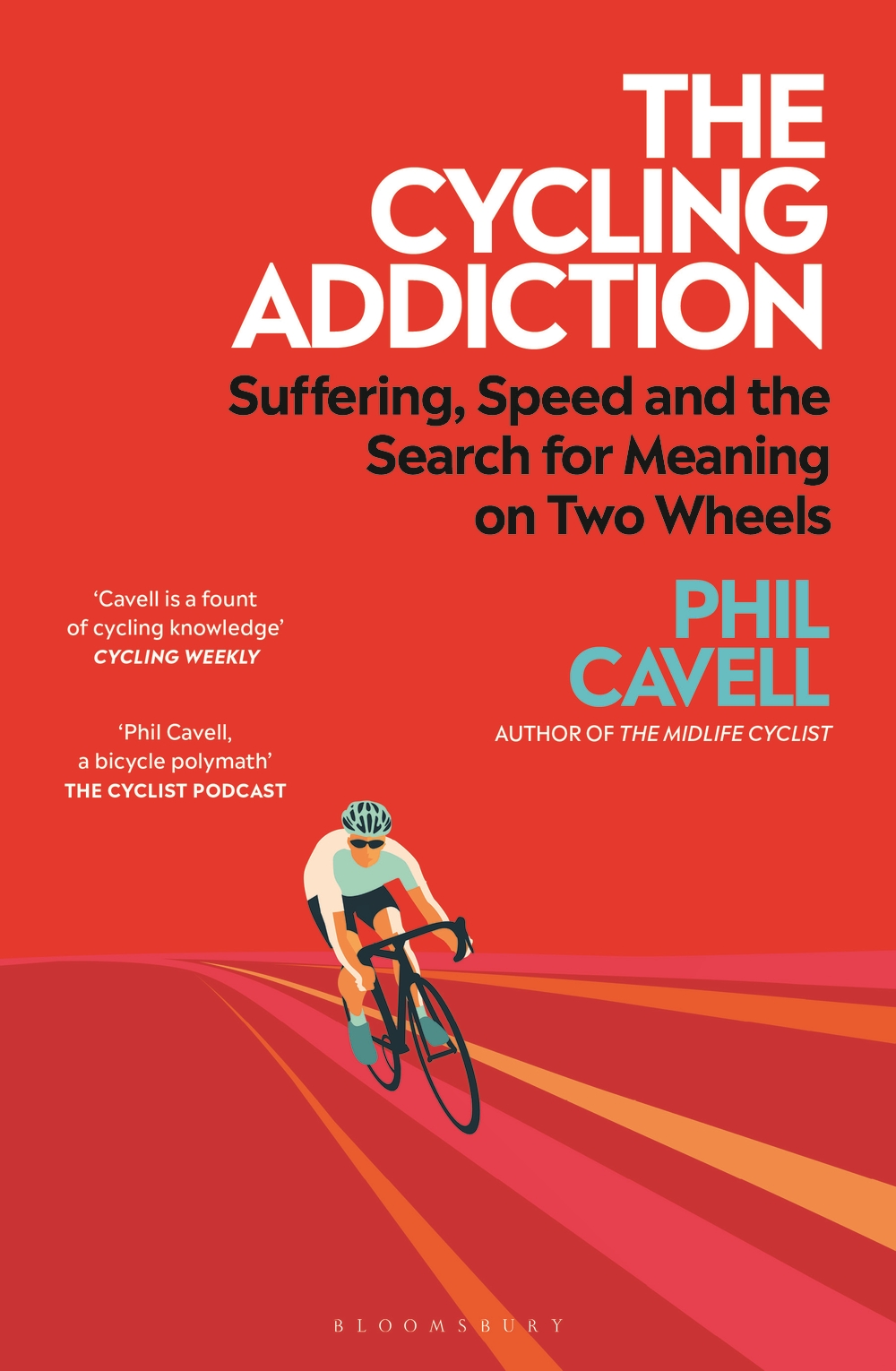
The Cycling Addiction: Suffering, Speed and the Search for Meaning on Two Wheels is published by Bloomsbury (£18.99) on 30 July