Over the course of 24 hours in September, a highly important story was communicated in two very different and unconnected ways.
That story – the alarming level of undiagnosed high blood pressure found in adults in England – is something we all need to know more about.
Referred to as the ‘silent killer’, high blood pressure (or hypertension) bubbles and festers under the skin, often without any symptoms, until something catastrophic strikes: a heart attack, stroke or other severe issues.
Silent alarm

The first way this story was told is the most impactful – a human tale involving musician and 2020 Mercury Prize winner Michael Kiwanuka.
The English singer-songwriter, best-known globally for his song Cold Little Heart, which featured in the opening credits of HBO drama Big Little Lies, and with a string of well-regarded albums to his name, revealed to the Guardian that he’d suffered a devastating stroke in the summer of 2025.
Aged 38, he hadn’t yet been able to return home from a rehabilitation centre. The stroke, he told the newspaper during the only interview he was giving to promote new album, Fudge (recorded prior to his illness), was brought on by undiagnosed high blood pressure, from which he said he’d experienced no symptoms.
Black African males are a group at higher risk and Kiwanuka, who was born in London to Ugandan parents, says had he known this, “I’d have got checked out and been on medication to lower the blood pressure. I wouldn’t have had a stroke”.
Telling his story, he hoped he’d help more Black people to get checked out.
Oxford drama
The second part of this story is a major study from the University of Oxford. What it lacks in the emotional heft of Kiwanuka’s experience is made up for by the alarming figures at the heart of our national high blood pressure problem.
The headline stat is not only that one-third of adults in England have high blood pressure, but that two-thirds of these don’t know they have it.
On top of this, says the study, half of those treated don’t have adequately controlled high blood pressure. All told, that's an awful lot of people holding a time bomb.
The study analysed blood pressure measurements from 1.4m adults collected by Our Future Health, the UK’s largest health research programme.
Using the World Health Organisation definition of high blood pressure (140/90mmHg or higher, or the use of medication to lower it), their findings led researchers to conclude that the current clinical guidelines for detecting and treating the condition are simply not working.
Those guidelines are “not fit for purpose”, in the words of Wenyu Liu, medical statistician at Oxford Population Health and lead author of the study.
“This isn’t a problem confined to a particular group; it’s substantial across almost every demographic we examined," she says.
"Even among younger adults, who currently aren’t eligible for an NHS Health Check [for those aged 40 and over], over 15% already have high blood pressure.
"This underscores the need for population-wide prevention strategies alongside targeted treatment for people at high cardiovascular risk.”
Professor Bryan Williams, chief scientific and medical efficer at the British Heart Foundation, added that the study “paints a concerning picture of the scale” of the problem of high blood pressure in the UK.
“High blood pressure remains the leading modifiable risk factor for cardiovascular disease, linked to around half of heart attacks and strokes in the UK,” he says.
“The worrying reality is that millions of people are still living with the condition without knowing it and missing opportunities for early diagnosis and treatment.
“Better detection and treatment could help tens of thousands of people to avoid a preventable heart attack and stroke.
“But to achieve this, we will need to rethink how we identify, treat and support those at-risk so that blood pressure checks and effective treatment can benefit everyone.”
What that means could include a more proactive approach than the current national guidelines allow.
Rather than only giving high blood pressure medication to those with multiple confirmed high readings, it could also include people at high risk of cardiovascular problems who don’t currently have a high reading.
6 things you need to know about blood pressure
You should invest in a home blood pressure monitor
Don’t wait until your 40th birthday – the date when you’ll be invited to your first five-yearly NHS Health Check, which can detect high blood pressure – to buy a home blood pressure monitor.
Kiwanuka didn’t know he had high blood pressure when he had a stroke at 38. At that age, he wasn't in a high-risk category for it.
That's perhaps no longer the right way to look at it though. The Oxford study, after all, also found that 15% of under-40s already have high blood pressure. That's substantial.
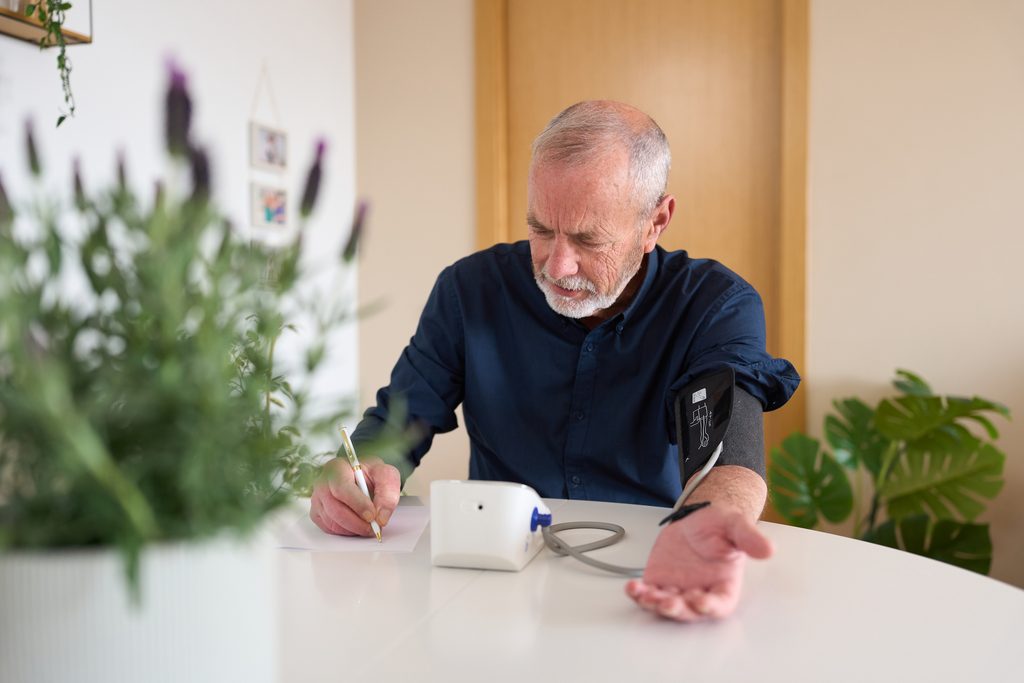
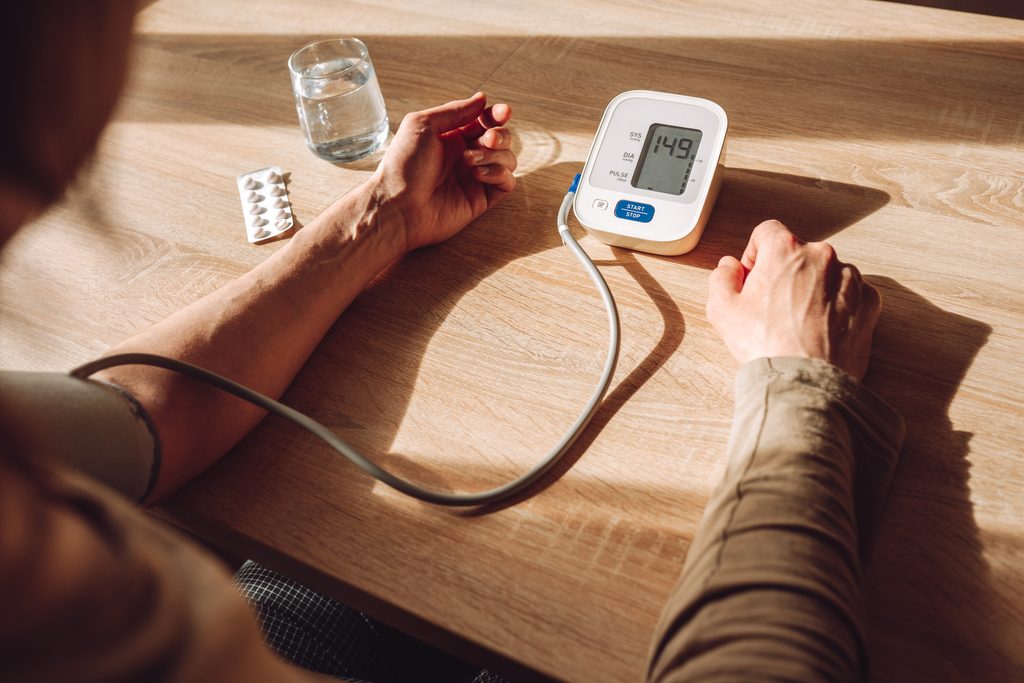
Home monitors are cheap, accurate and easy to use, and you can get one online if you feel any sort of stigma about going into a shop to buy one.
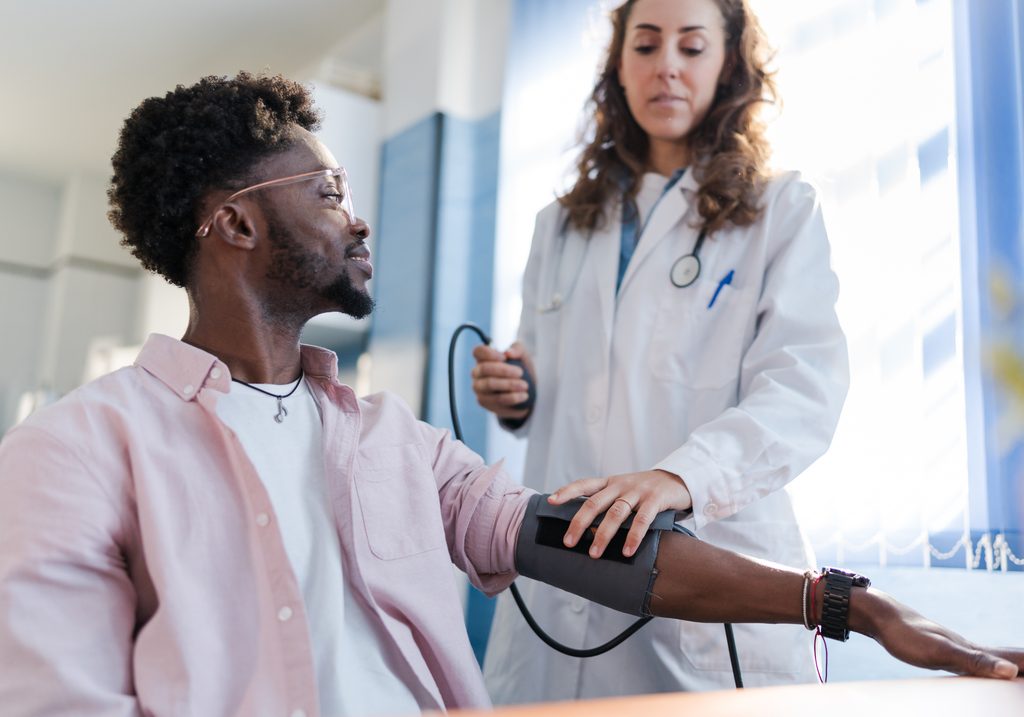
Taking readings at home may also be more accurate than doing so at your GP surgery, because ‘white-coat hypertension’ – where a person’s blood pressure is raised in a doctor’s surgery – skews results.
High blood pressure is more serious than you might think
Something that has no symptoms is easy to ignore – as the Oxford data clearly demonstrates. But whether it’s through fear, lack of awareness, pride or a feeling that time is on your side, it’s perhaps the best bang-for-your-buck health check you can do for yourself and your family.
Blood pressure is the pressure of blood in your arteries. Systolic pressure (the big number) is the pressure in your arteries when your heart beats, while the small number (diastolic) is the pressure between beats.
Sustained high blood pressure causes your arteries to lose their stretch, and they can narrow and cause blockages. Strokes and heart attacks follow, as well as risks to parts of your body with the most delicate blood vessels such as your eyes and kidneys.
“Generally, the higher the blood pressure the greater the risk,” says Andy Ward, a GP in England. “Left untreated, it increases the risk of heart attack or stroke and can damage the circulation, heart and kidneys.”
Exercise is a crucial fix for – and insurance against – high blood pressure

Regular, moderate exercise is a crucial tool in keeping blood pressure normal and reversing a rise.
“A previously inactive hypertensive patient who starts to exercise for 30 minutes at least five times a week can expect to see a drop in systolic blood pressure of 2-10mmHg – independent of any other lifestyle change,” says Dr Ward.
“Cycling is excellent at preventing hypertension and this effect seems to be dose dependent. Research has shown that the more cycling you do, the less likely you are to be diagnosed with hypertension.”
Blood pressure rises naturally during exercise – and is dangerous for some people
It stands to reason that blood pressure rises during exercise, as our heart works harder and sends blood faster around the body.
This is normal. But for some, abnormally high blood pressure only rears its ugly head during exercise.
“When we exercise, our blood pressure rises by 50% and doesn’t cause any harm,” says cardiologist and competitive cyclist Dr Nigel Stephens. “But for some, dangerous hypertension is mainly (or only) seen during sustained exercise.
“If we ride for 10 to 20 hours a week – 5% to 10% of our life – there’s an appreciable risk. Modern blood-pressure medication is safe and, for the most part, free of side-effects, and can effectively mitigate this risk."
Medicine may well be needed – on top of lifestyle changes – but you shouldn’t fear it

As Dr Stephens says, modern blood-pressure medication is safe, largely free of side effects and perfectly compatible around exercise.
Yet, taking medicines can come with certain stigma, particularly in conditions such as this that a) you probably don’t have any symptoms for and b) are associated with a lifestyle (poor diet, no exercise) that you don't want to admit you lead.
Blood pressure medication also needs to be taken in the long-term, if not for life, which isn’t overly appealing either.
Know your blood pressure number – and the trends of that number
A single blood pressure reading is useful, but not as useful as a series of numbers over a prolonged period of time.
“We have a huge push in the NHS about knowing your numbers," says Dr Sheikh Mateen Ellahi, of Elm Tree Medical Centre in Teeside. "This means knowing your blood pressure, your waist circumference, your weight and your family history.
“This can help you to target the areas of health where you’re at most risk. Focus your diet and exercise around those areas, and you will reduce your chances of problems. So, if you have a family history of high cholesterol, get a cholesterol check.
“Look at the trends of your numbers as well – the trends of your weight, the trends of your blood pressure – and not just an odd number every six months.”
There's a diet designed to lower high blood pressure
The DASH diet – short for Dietary Approaches to Stop Hypertension – was developed in the 1990s by US health officials with the over-arching aim of reducing blood pressure, which still affects around half of American adults.
DASH allows the adopter a hugely varied plate, rich in fruit, vegetables, wholegrains and low-fat dairy, and low in salt (one teaspoon a day) saturated fats, alcohol and sugary foods.
A huge analysis study in 2019 showed a 5.2mmHg reduction in systolic blood pressure (the big number) and a 2.6mmHg decrease in diastolic blood pressure.