For decades, ageing and physical decline were seen as inseparable. You hit middle age, energy dipped, joints stiffened and strength slipped slowly away. The accepted wisdom was it’s just what happens as you get older.
But a remarkable long–term Swedish study has challenged that fatalism – and reframed what ‘getting older’ means for your body.
Researchers at the Karolinska Institutet tracked adults for 47 years as part of the Swedish Physical Activity and Fitness (SPAF) project.
Rather than comparing different age groups, they repeatedly tested the same individuals over decades, measuring fitness, strength and muscular endurance.
The headline finding was sobering: physical performance begins declining around age 35, regardless of how fit you were in youth. From there, the drop is gradual but accelerates with advancing age.
Yet the more important discovery was encouraging. Participants who started exercising later in adulthood still improved their physical capacity by 5–10 per cent. In other words, ageing is inevitable but deterioration isn’t fixed.
“It is never too late to start moving,” said lead researcher Maria Westerstahl. Exercise may not stop decline completely, but it slows it meaningfully and preserves function.
That idea – preserving function – is the key distinction after 50.
The midlife wake–up call
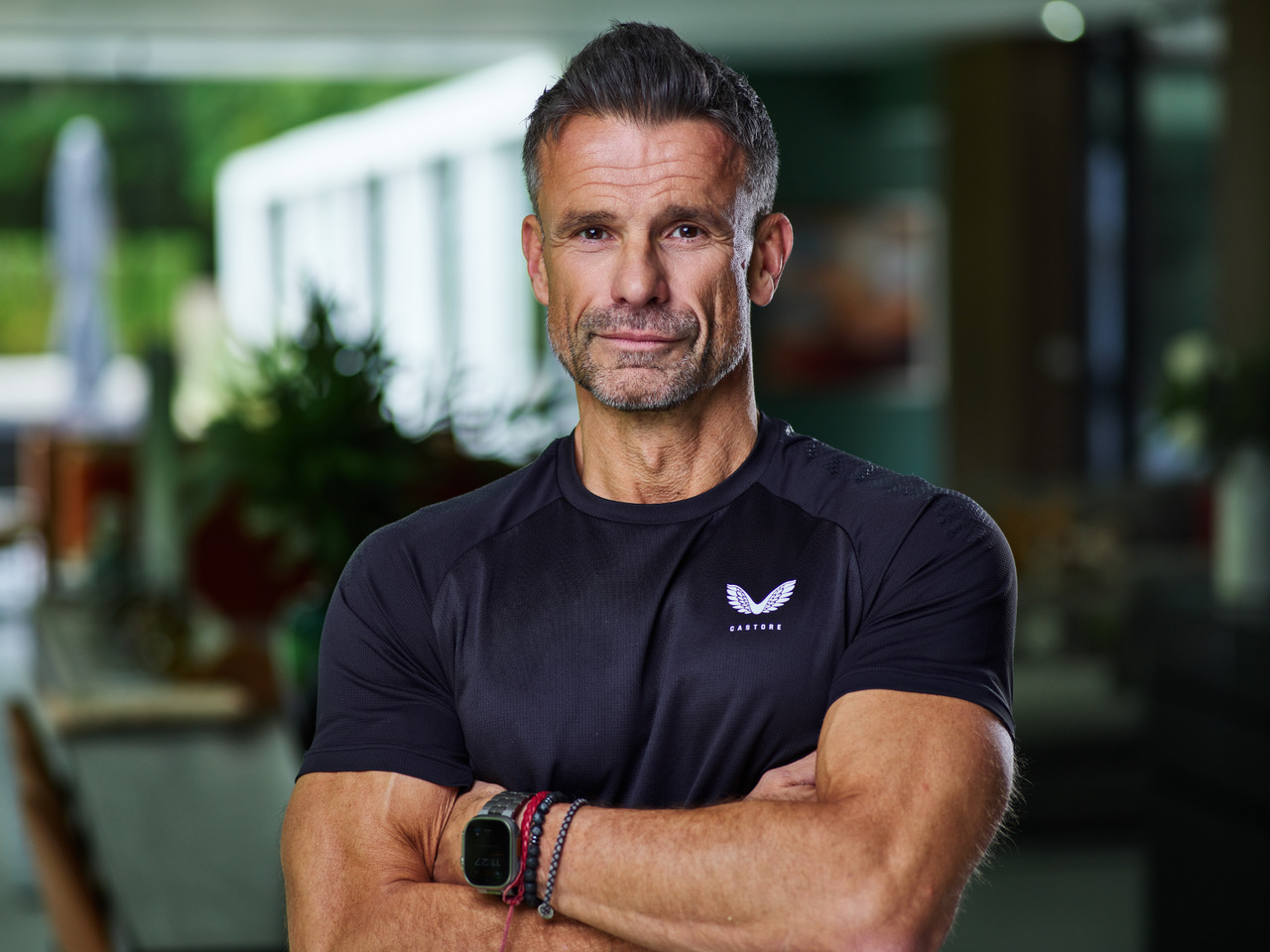
Jason Smith knows this firsthand. Like many men in his 40s, he became busy, stressed and gradually less active. Lower energy felt normal. Strength loss felt expected. Age felt like the explanation. Turning 50 forced a choice: accept decline or push back.
Smith chose structured training: strength work, cardiovascular conditioning and mobility, and within months felt stronger, lighter and more capable than he had in years.
Now, he’s preaching what he practised through his Fit in Midlife coaching, working with middle–aged adults globally on maintaining independence and physical competence.
His philosophy mirrors the Swedish research: you’re not trying to stop ageing, you’re trying to stay functional. Strip training back to the essentials, and he says everything revolves around five movement patterns.
“Squat, hinge, push, pull and carry,” explains Smith. “Train those consistently and you’re not just exercising – you’re future–proofing.”
Below are the 5 exercises Smith considers non–negotiable after 50. Here’s how to do them and why they matter.
Squats: the independence exercise
What it trains: hips, knees, ankles, bone density.
Why it matters: the ability to stand up and sit down predicts long–term independence.
“The squat is arguably the most important movement in ageing well. It directly translates to getting out of chairs, climbing stairs and preventing falls.”
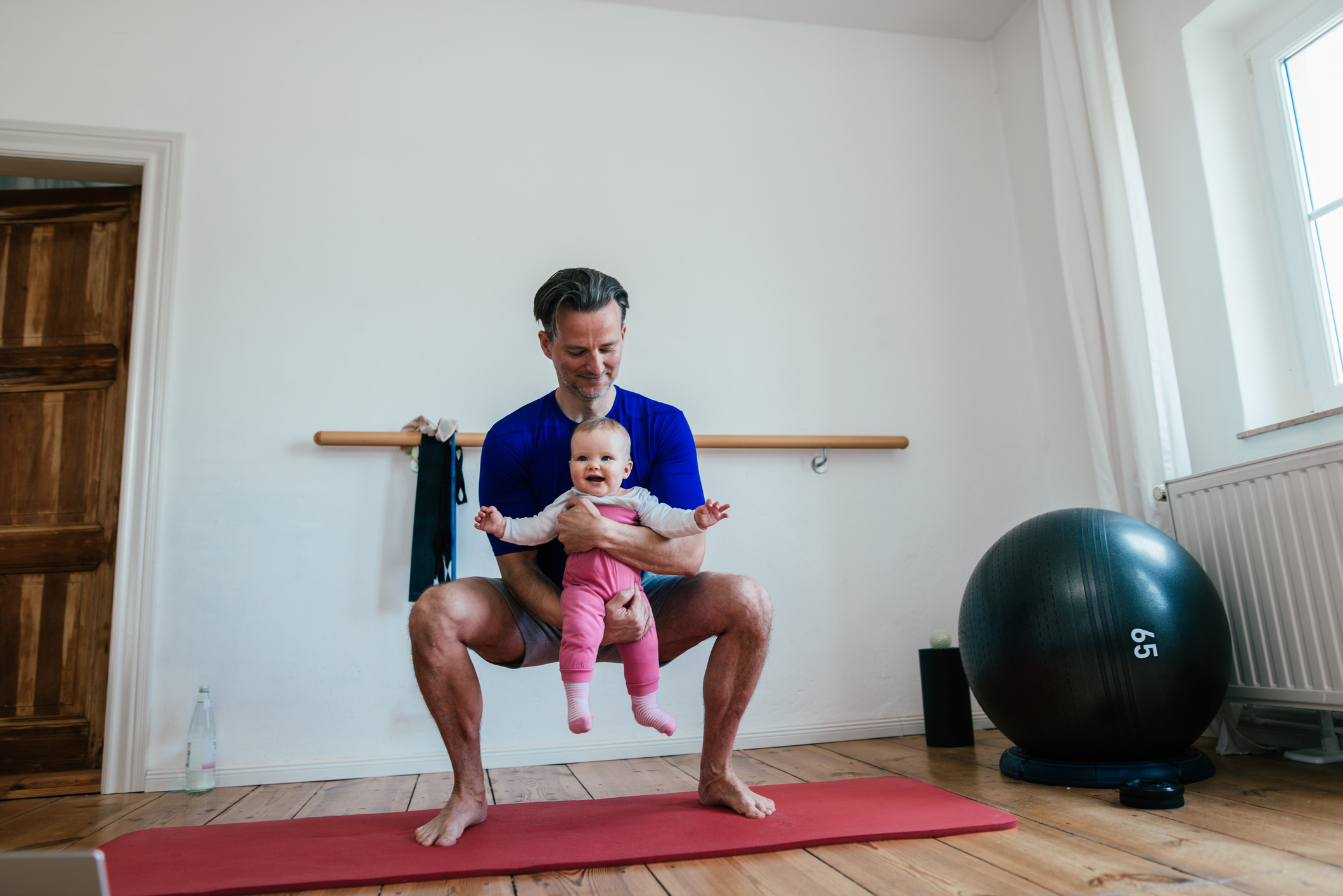
Method: stand feet shoulder–width apart. Push hips back and lean forward slightly. Keep spine neutral. Descend as low as comfortable. Stand back up under control. Start with bodyweight for 10–15 reps, then gradually add load.
Benefit after 50: loss of leg strength is one of the strongest predictors of frailty. “Squats load the skeleton, stimulating bone density and combating sarcopenia, that’s age-related muscle loss,” says Smith. They also improve balance and joint resilience – key factors in fall prevention.
Hip hinge (deadlift): protecting the back
What it trains: glutes, hamstrings, lower back.
Why it matters: reduces risk of back pain and lifting injuries.
“Many midlife back problems stem from forgetting how to bend properly,” says Smith. “People round their spine instead of hinging at the hips.”
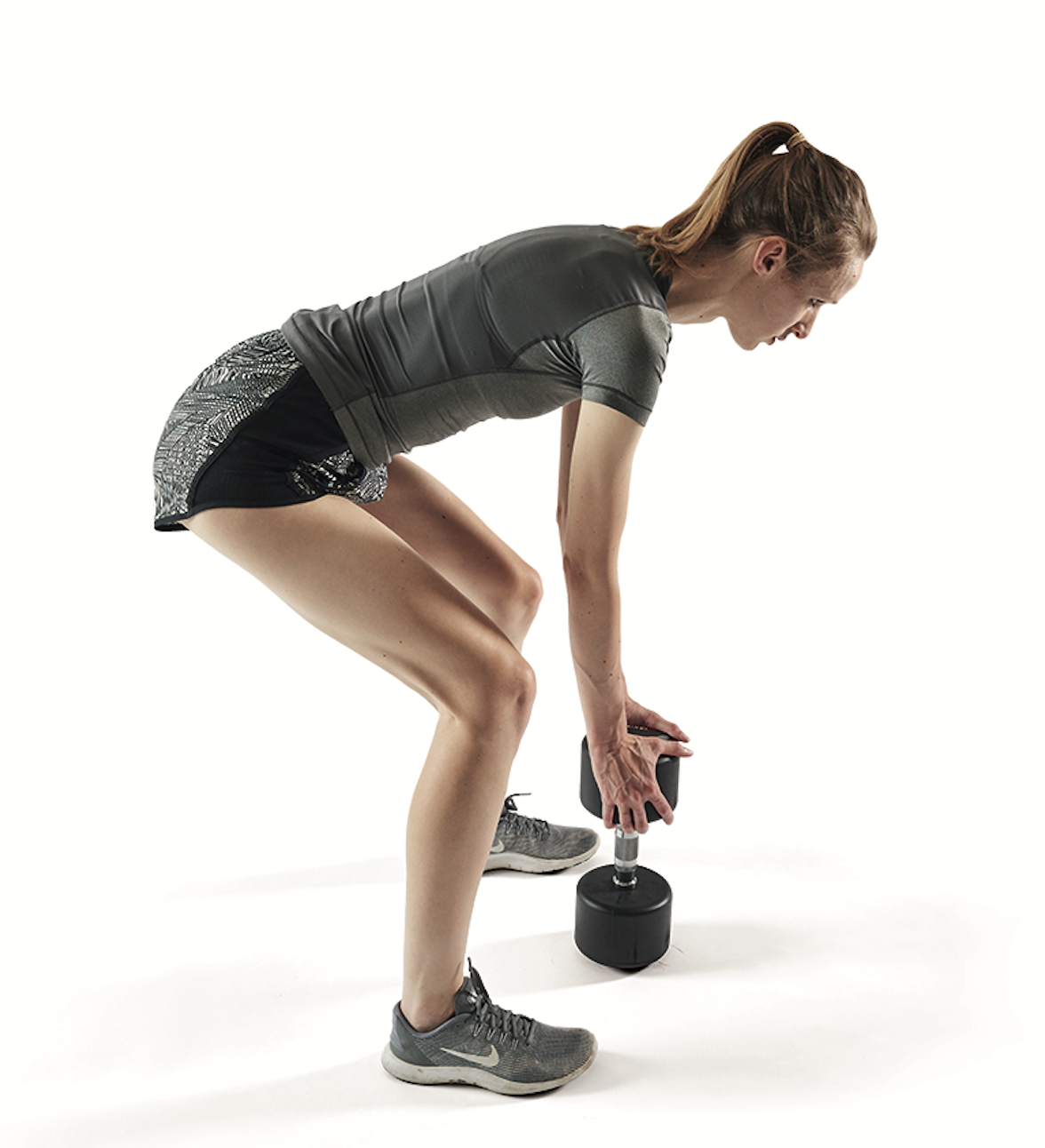
Method: hold kettlebells or dumbbells. Push hips backward. Keep chest tall. Lower weight toward floor. Drive hips forward to stand.
Benefit after 50: this movement builds what Smith calls your spinal ‘armour’. Strong posterior chain muscles stabilise the spine and make every-day lifting safer, from shopping bags to grandchildren. “It’s one of the highest–return exercises for functional longevity,” he adds.
Push–ups or chest press: upper–body preservation
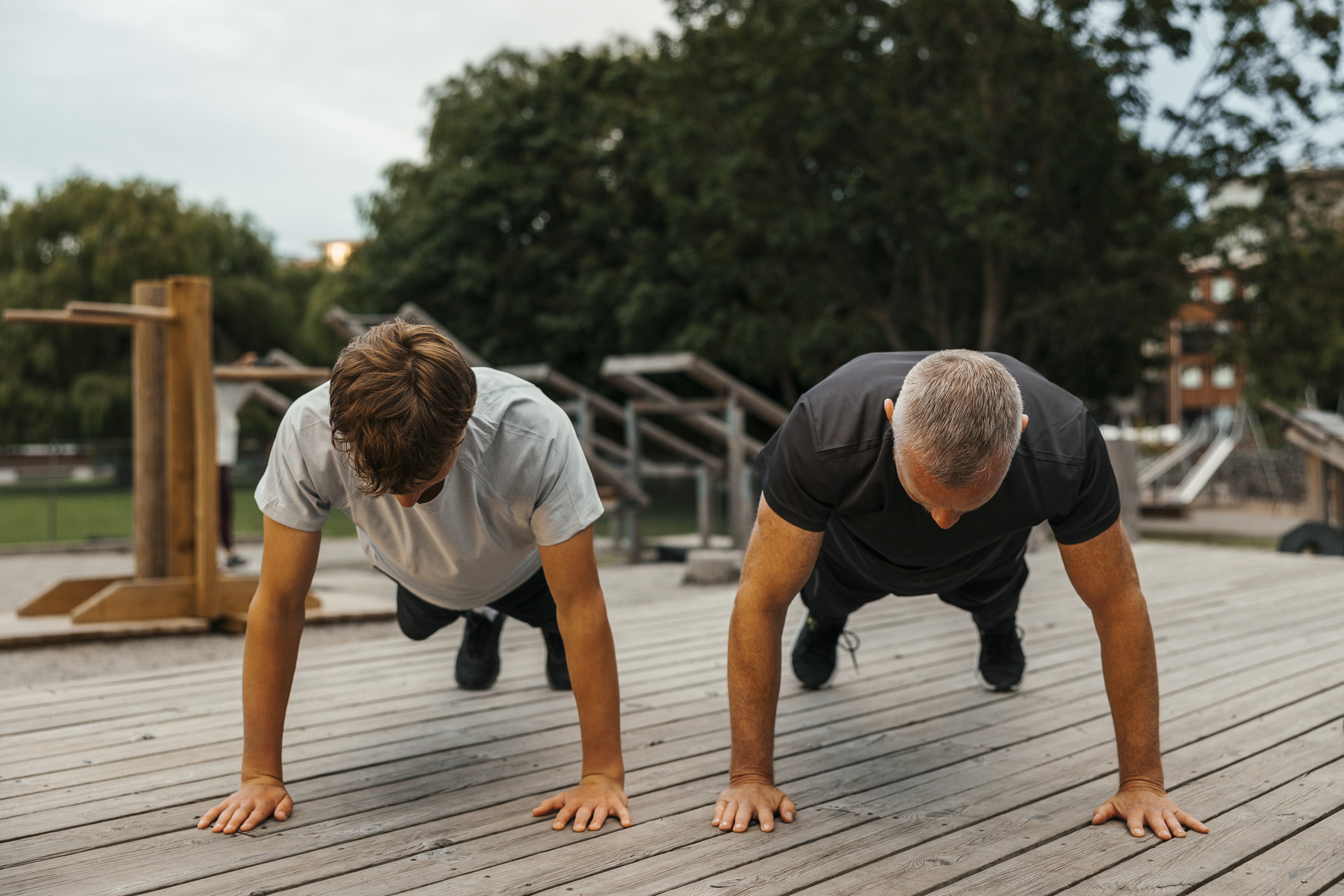
What it trains: chest, shoulders, triceps.
Why it matters: upper-body strength declines fastest with age.
“Start with incline push-ups (hands on bench or wall), then progress to floor push-ups or a bench press.”
Method: shoulders down. Elbows at 45°. Controlled lowering.
Benefit after 50: after midlife, people rapidly lose pushing strength, affecting everything from opening doors to preventing falls. “Pressing movements maintain muscle mass and shoulder stability, both crucial for independence and injury prevention,” says Smith.
Rows or pull-downs: posture repair
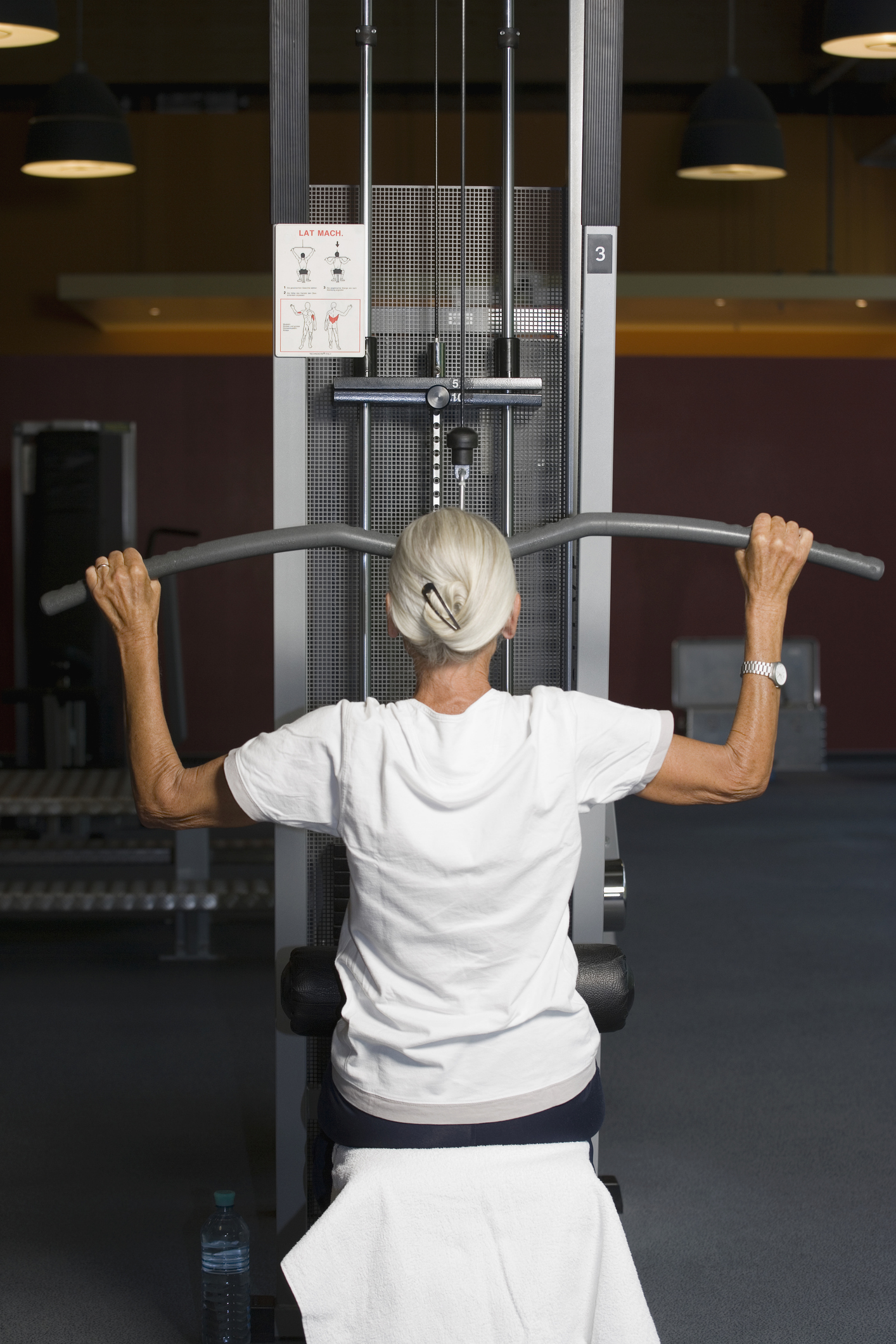
What it trains: upper back, biceps.
Why it matters: reverses desk and cycling posture.
“Years of sitting – and for cyclists, long hours in a forward-flexed position – weakens the upper back,” explains Smith.
Method: grip a bar or weight. Pull elbows toward ribs. Squeeze shoulder blades together. Lower slowly.
Benefit after 50: “Pulling exercises restore posture, reduce neck pain and protect shoulders. They also counteract the rounded–shoulder position strongly linked with reduced breathing capacity and higher injury risk.”
Farmer’s carries: real–world strength
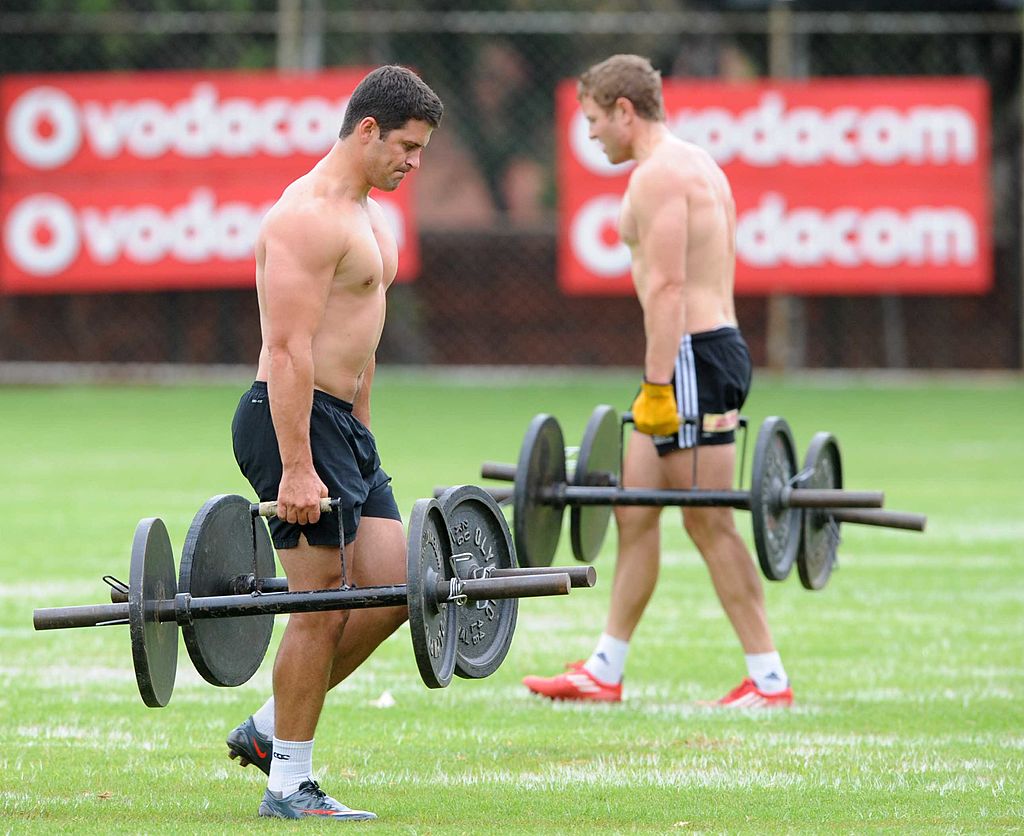
What it trains: grip, core, hips, shoulders.
Why it matters: grip strength predicts longevity. Grip strength is strongly correlated with overall health and mortality risk, making this deceptively simple movement incredibly valuable.
Method: pick up heavy dumbbells or kettlebells. Walk 30-40 metres. Keep an upright posture.
Benefit after 50: “Carries integrate the entire body and are the closest thing to real-life strength training.”
Why these movements beat complicated workouts
All of these exercises share something important: they are compound movements. “They use multiple joints, recruit multiple muscle groups and closely mirror the way humans actually move in daily life,” explains Smith. That matters more with every decade.
As we age, the body stops responding well to fragmented, isolation-style training. “Machines that train a single muscle might make it burn, but they don’t necessarily teach the body to function.
"Real life never asks you to contract one muscle at a time – it asks you to stand up, lift, reach, twist and stabilise all at once.”
That’s exactly what these patterns train. They load the skeleton, which helps maintain bone density and becomes crucial when fracture risk rises sharply in later life.
“They also stimulate large areas of muscle mass, counteracting sarcopenia, the age–related muscle loss that quietly reduces strength and metabolic health," says Smith.
"They reinforce coordination between muscles and joints, lowering fall risk, and they build usable, functional strength that preserves independence.”
When to do them
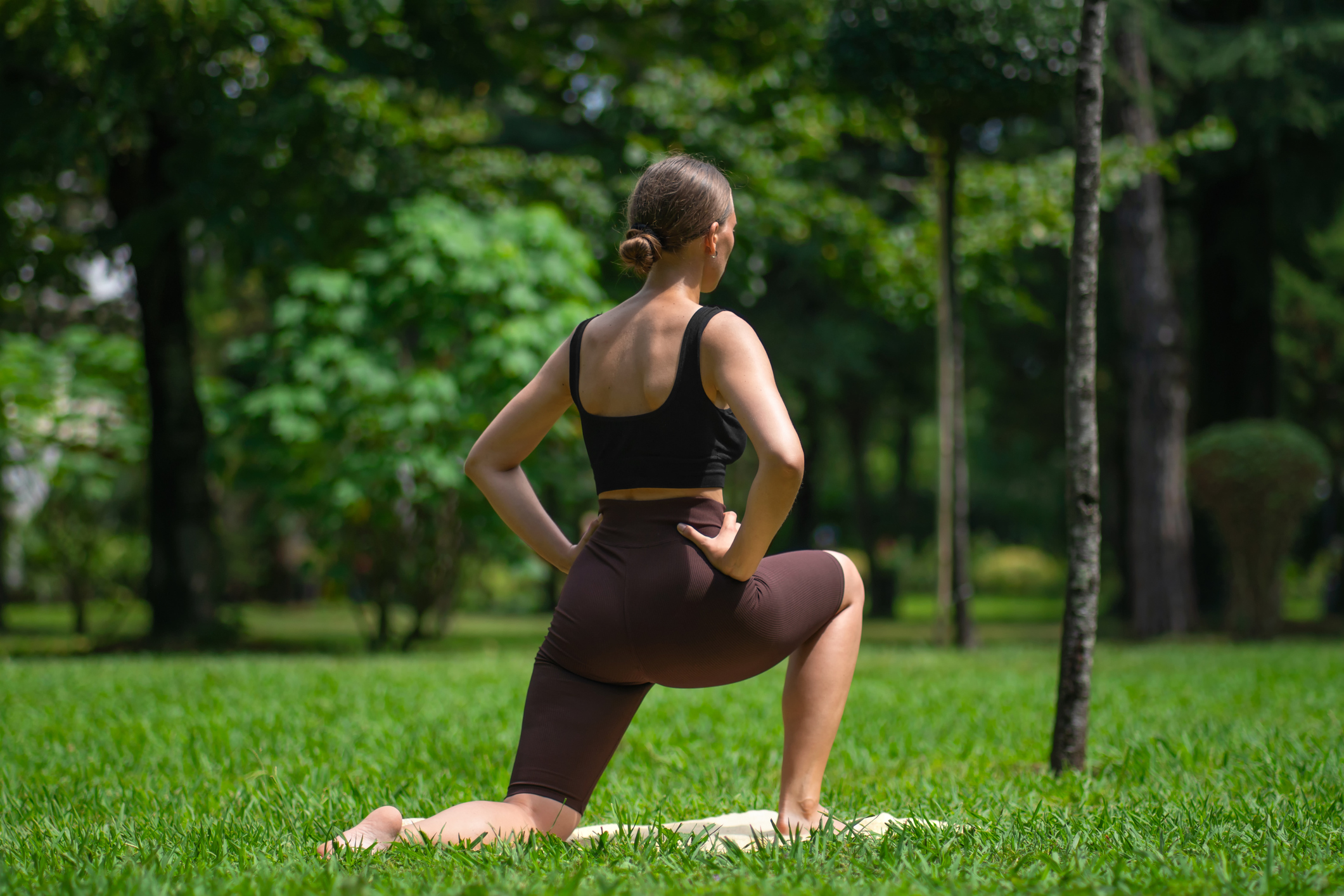
Train these movements three times a week and you will address most of the major physical threats associated with ageing in a single, efficient programme.
There are no complicated split routines, no endless variety – just repetition of patterns the body recognises and keeps.
“But strength alone isn’t enough,” adds Smith. “Without mobility, strong muscles eventually pull against stiff joints, and that’s where pain begins.
"Rather than chasing extreme flexibility, the aim after 50 is simply to maintain usable range of motion. A few short daily drills are usually enough to keep joints healthy and movement comfortable.”
Forward folds help maintain hamstring length and reduce tension in the lower spine. “A hip flexor stretch counters hours of sitting and often relieves lower-back discomfort,” says Smith.
“Thoracic spine rotations restore movement to the upper back, improving posture and shoulder mechanics. Deep squat holds keep hips, knees and ankles moving freely, while resistance-band pull–aparts maintain shoulder stability.”
The goal isn’t to become supple for its own sake – it’s to remain a physically capable adult who can move without restriction.
Don’t ignore intensity
High-intensity training still works after 50, and it remains extremely valuable for heart health and metabolic function. What changes is the dosage.
“Many of us can no longer train hard every day and expect the body to absorb it. Recovery capacity declines faster than work capacity,” adds Smith. So intelligent spacing of exercise and recovery matters more than raw effort.
A good guideline is one to two demanding sessions per week, ideally using joint-friendly drills such as cycling, rowing or uphill walking.
Warm-ups become essential rather than optional, and recovery – sleep, rest days and easier sessions – becomes part of the training itself.
There are also clear warning signs when intensity exceeds what the body can recover from: disrupted sleep, lingering joint aches, a rising resting heart rate and a sudden loss of motivation.
“After 50, progress rarely comes from punishment. It comes from consistency,” says Smith.
The long-term research shows improvement remains possible well into later life. In practice, however, the biggest early transformation people notice isn’t weight loss or endurance – it’s strength.
“Adding weight to a squat, completing a first push-up or carrying something heavy comfortably changes perception quickly,” adds Smith. “Instead of feeling fragile, people feel reliable in their own bodies again.”
Within a few weeks, posture improves, everyday movements feel easier and energy levels rise. That creates momentum, and momentum builds motivation far more effectively than willpower alone.