High-carbohydrate energy drinks can make a huge difference to your performance on the bike, but if you want to use them regularly it can become incredibly expensive.
With that in mind, I’ve been testing out homemade energy drink recipes over the past few months, and I’ve found one that can replicate an advanced commercial mix such as Science in Sport’s Beta Fuel for a fifth of the price.
But I’ve also found another option that can make you a high-carb energy drink for pennies – with basic ingredients you can get anywhere.
By the end of this article, then, you’ll understand why I’ll probably never buy a commercial energy drink mix ever again.
Why bother?
Before we get into the recipes, let’s quickly lay out why you should bother making energy drink mixes yourself rather than just buying convenient, pre-packaged stuff.
As you likely already know, carbohydrates are the main source of energy we use while cycling – especially at higher intensities.
So if you want to go out and ride your bike fast, for a long time, you’re going to need lots of them.
And in recent years, there’s been something of a revolution in our collective understanding of how much difference consuming carbs while riding makes – and how much of the stuff our bodies can tolerate.
Ten years ago, when I was young and naive, I used to struggle around four-hour road races with squash in my bottles, the odd gel, a couple of bananas and a few slices of Soreen (other brands of malt loaf are available).
Nowadays, though, you can’t move for stories of top riders consuming 120g of carbs per hour during races.
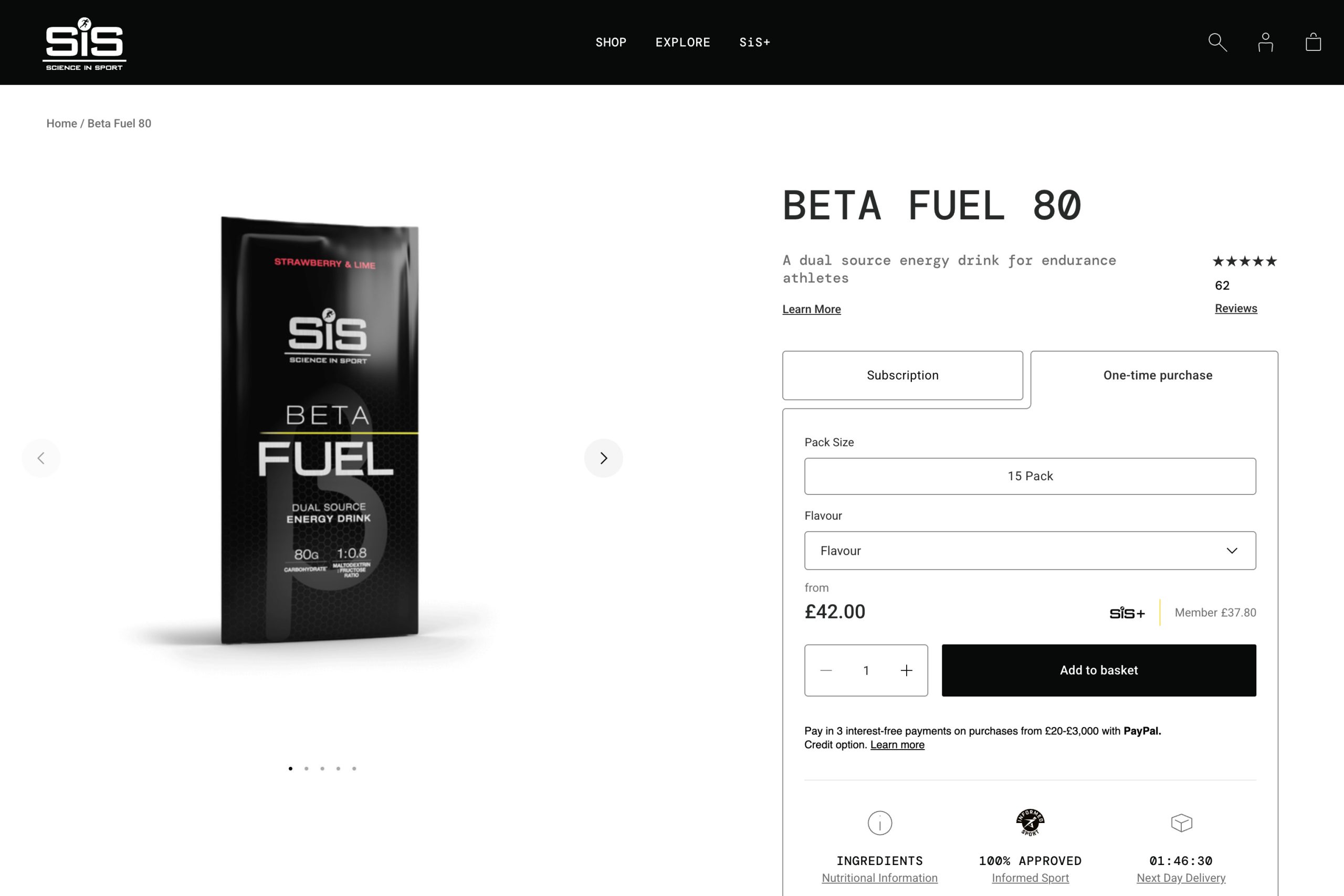
Take Science in Sport’s Beta Fuel, for example. It shot to fame after Chris Froome used it to help fuel his epic solo raid in stage 19 of the 2018 Giro d’Italia.
By combining multiple types of carbohydrates that enter the blood stream via differing gut pathways, Science in Sport (and other nutrition brands) worked out that you could deliver higher quantities of fuel to riders without causing gastrointestinal stress, thus improving their performance.
And, to be fair, I’ve tried Beta Fuel and it works as advertised – it’s not just hype.
It’s conveniently packaged, you get 80g of carbs per serving (typically a 600-750ml bottle), and it makes a tangible difference to your performance if you’re working hard for a long time and burning lots of energy.
The problem is, though, this stuff is expensive – especially if you want to use it regularly.
A pack of 15 sachets of SiS Beta Fuel costs £42, and if you’re going on big rides you might need multiple sachets per ride.
But maybe you’re thinking that with all the scientific branding, impressive marketing and high prices, there must be something special going on here that you and I can’t replicate outside of a lab.
The truth is very different, though. Here’s why…
Recipes
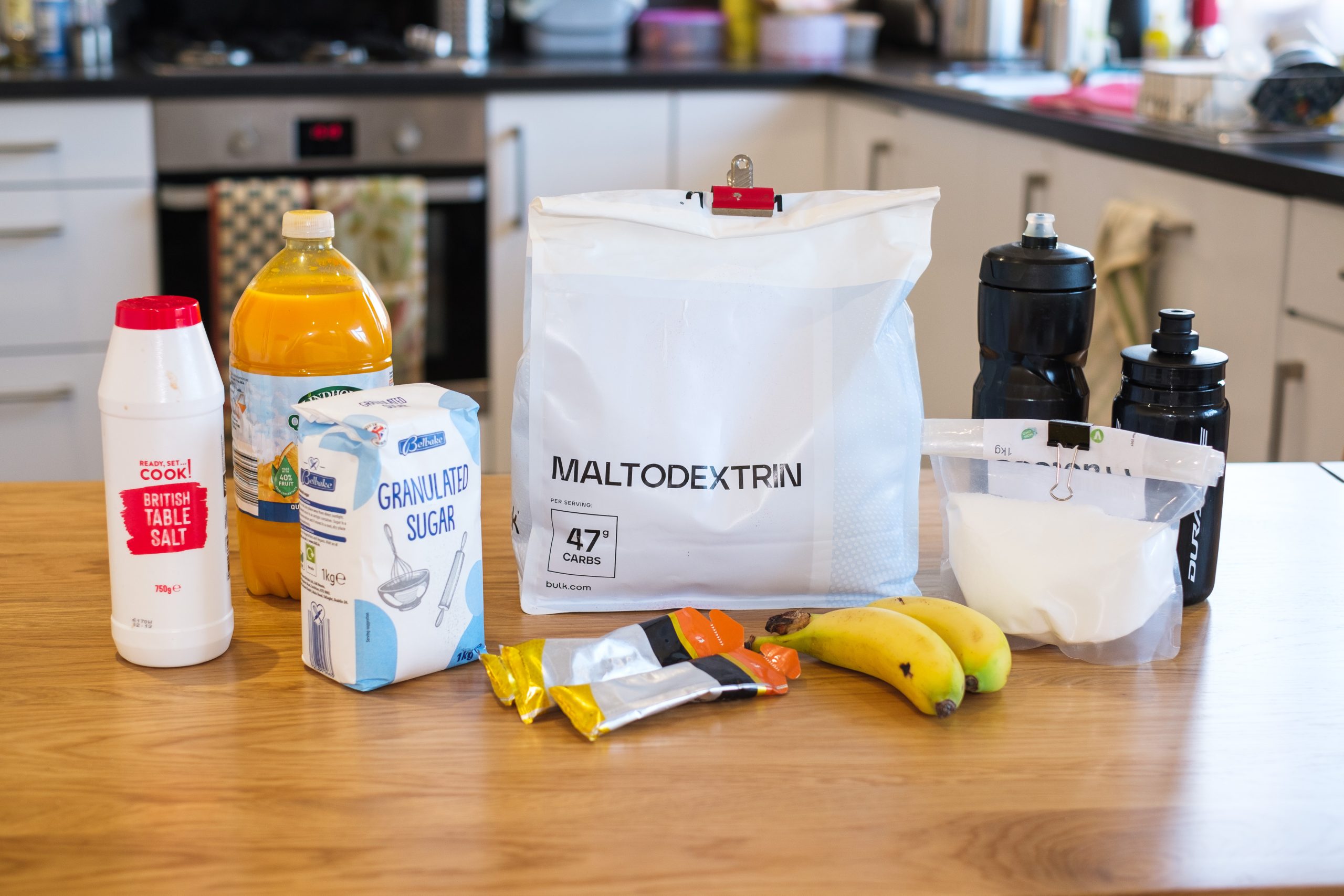
The big realisation comes when you look at the ingredients for these things.
Beta Fuel, for example, is maltodextrin and fructose in a ratio of 1:0.8 – and if you haven’t heard of those, they’re just different kinds of sugars. That’s it.
Maltodextrin is a complex carbohydrate, made up of short chains of glucose molecules all linked together, and fructose is just pure fruit sugar.
You can buy this stuff in bulk for far less money than these pre-packaged, branded sachets.
Homemade Beta Fuel equivalent
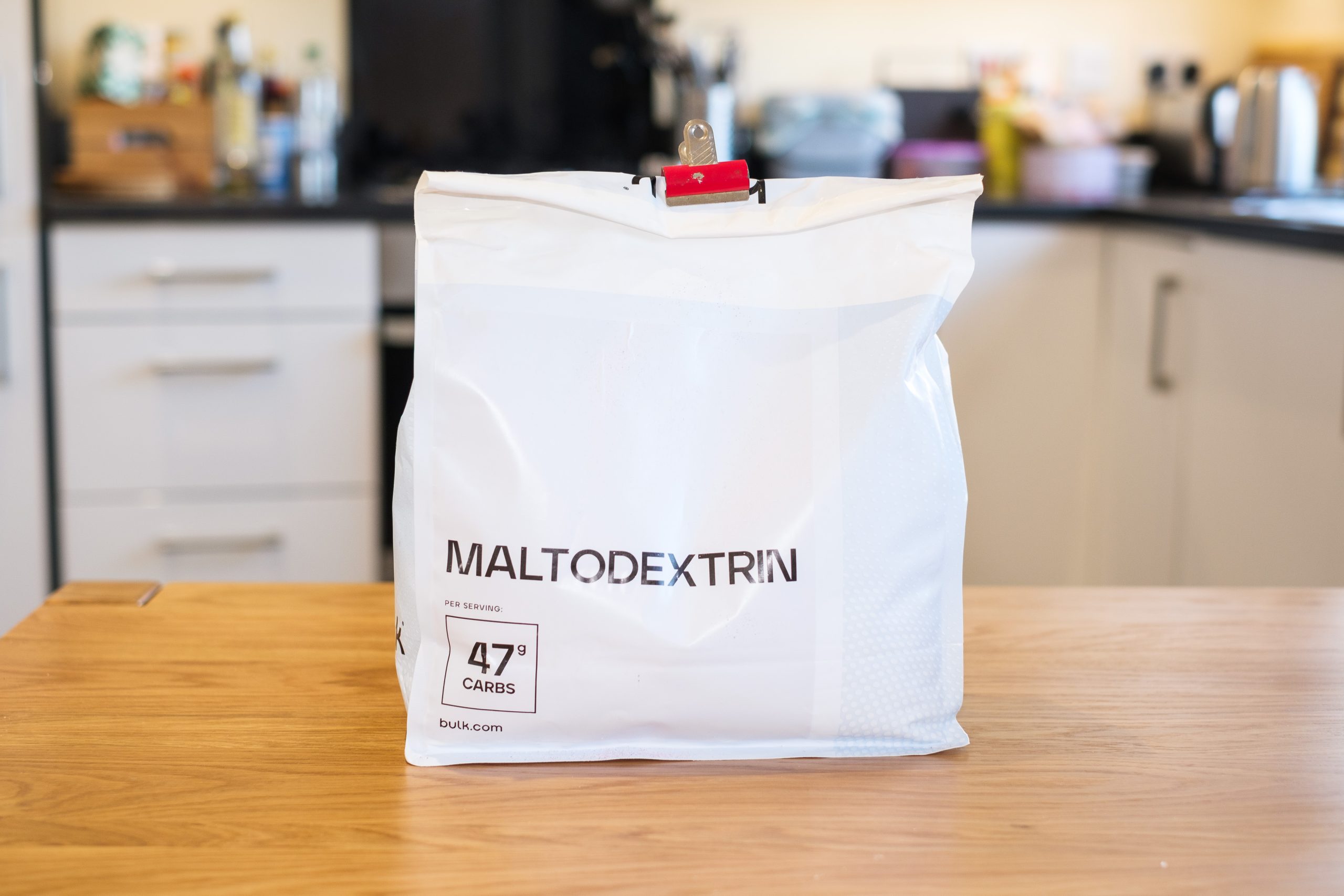
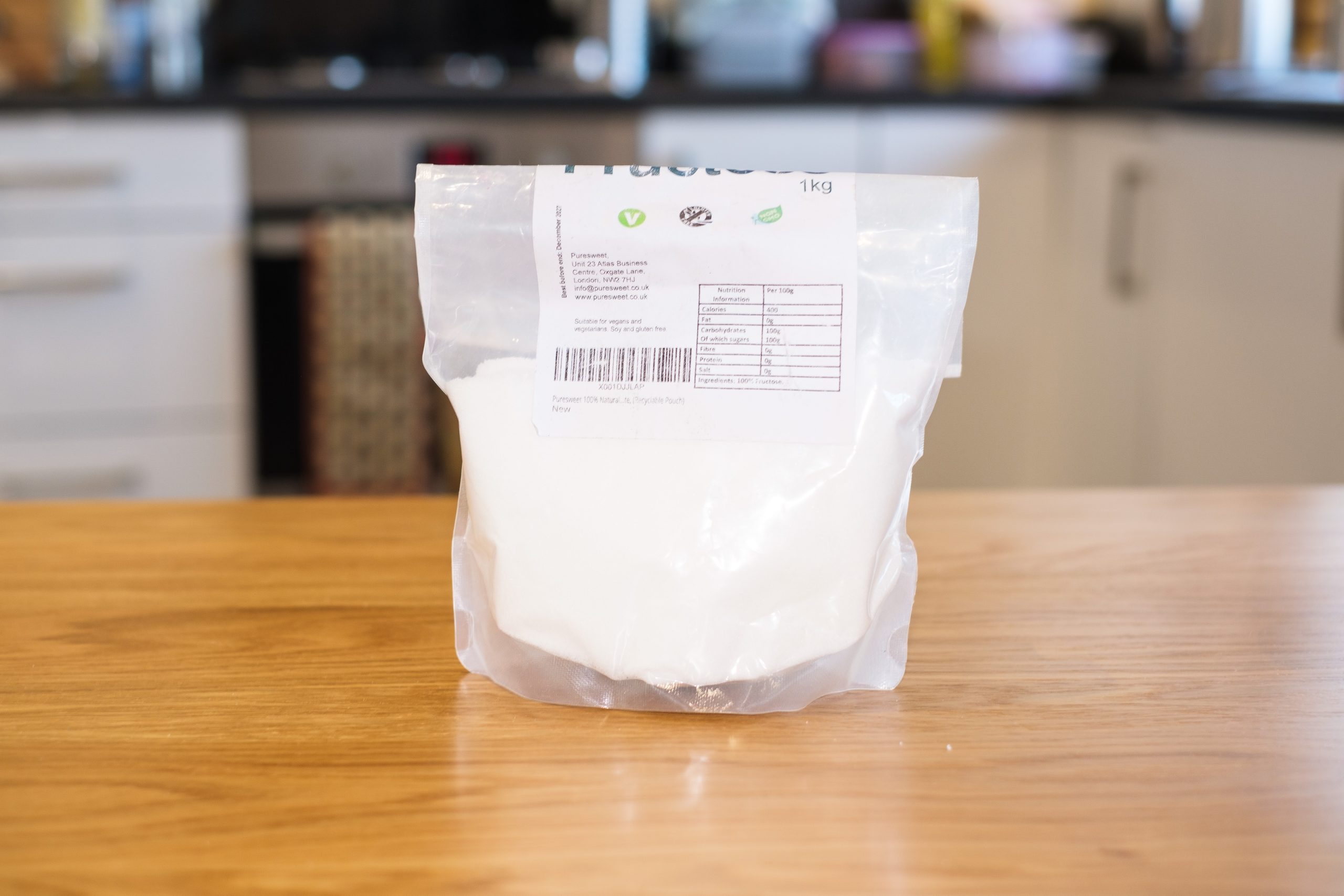
To make yourself a Beta Fuel equivalent, then, you’ll need to source some maltodextrin and Fructose.
For my testing, I purchased a 2.5kg bag of Maltodextrin and 2kg of Fructose from Amazon for £10.99 and £17.98, respectively.
That’s enough to make 56 80g servings, at a cost of about 52p per serving.
To make it, all you need to do is mix the two together, sticking to that 1:0.8 ratio of maltodextrin to fructose, and that’s it – you have a homemade equivalent of Beta Fuel.
If desired, you can add some salt to the mix – you only want half a gram or so per serving (so 28g total if you mix the entire 4.5kg of maltodextrin and fructose together in one go) – to help replace some of the sodium you lose from sweating while riding.
Then, to make your energy drink, you just mix the powder with water.
As with the real thing, a full ‘serving’ is 80g and I’d usually put that in a bigger, 750ml water bottle, although you can put all of that into a 500-600ml bottle if you want something lighter and more concentrated.
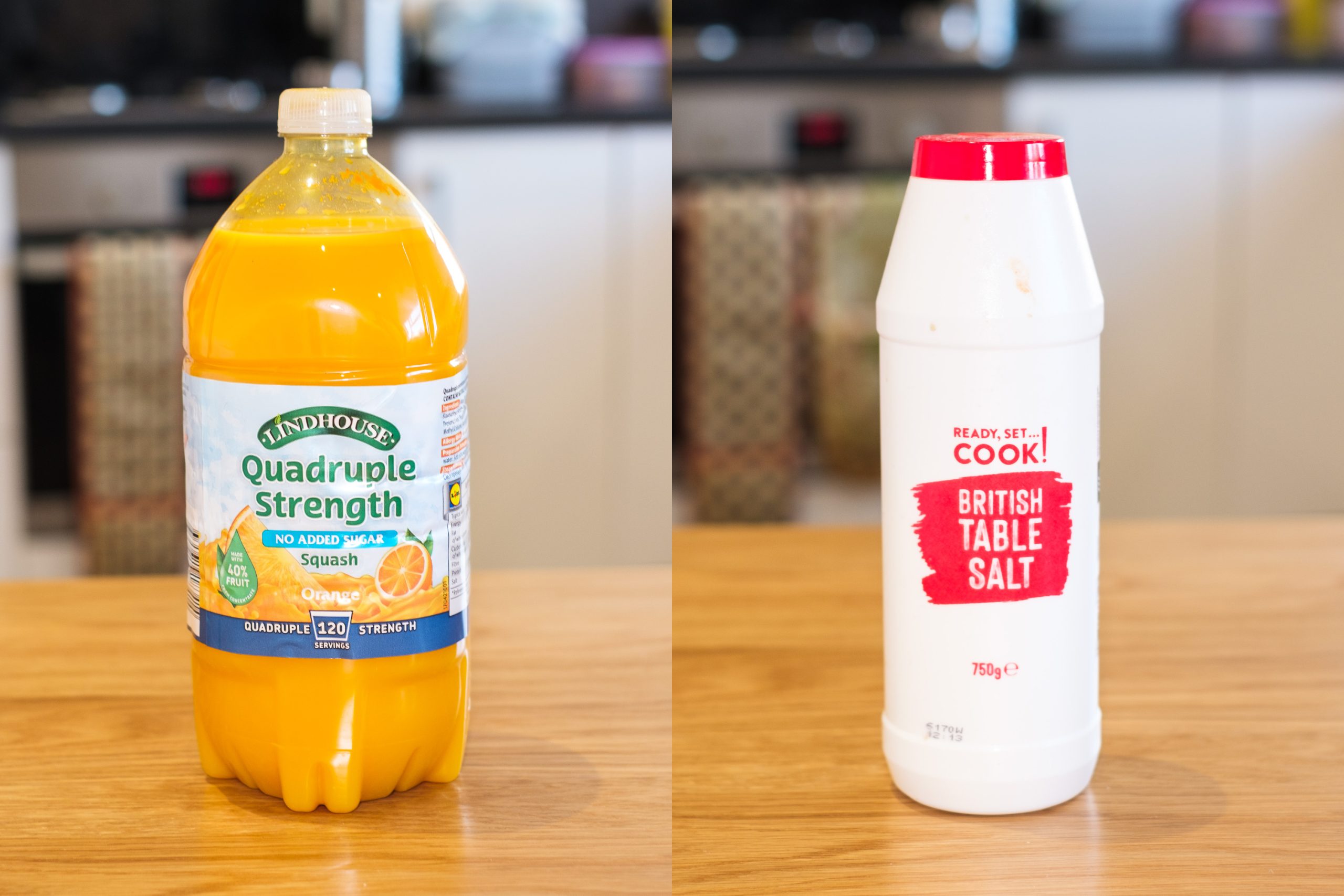
I also add a dash of sugar-free squash for taste, and you can choose whatever flavour you like (I prefer orange).
That’s not essential, of course, and it costs another £1 or so per bottle (depending on where you shop), but in my opinion, pure sugar water is a bit gross, and a dash of squash makes it much more palatable.
Just make sure you get sugar-free squash, otherwise you’re going to be messing with the carb ratios, and you risk stomach issues if it tips things beyond what your body can handle.
| 1:0.8 maltodextrin + fructose energy drink mix (56 servings) | ||
|---|---|---|
| Maltodextrin, 2.5kg (£) | 10.99 | |
| Fructose, 2kg (£) | 17.98 | |
| Table salt, 750g (£) | 0.65 | |
| Sugar-free squash, 1.5L (£) | 0.89 | |
| Total (£) | 30.51 | |
| Per 80g serving (£) | 0.54 | |
| Per kilogram (£) | 6.78 | |
With salt and squash factored it, it works out at around 54p per 80g serving, or just under £7 per kg – roughly five times cheaper than Beta Fuel (which costs around £35 per kg).
Of course, when doing shorter rides, you likely won’t want the full 80g serving in every bottle – especially if you’ve got some snacks in your pockets – and even Science in Sport says Beta Fuel is designed for rides lasting longer than two hours.
Given this, you can save money by simply using less of it. If I’m heading out for a lunch ride and haven’t eaten much during the morning, for example, I’ll take a bottle with 25 to 30g of this mix in it to tide me over until I can eat some real food afterwards.
Table sugar
If 56p per serving is still too expensive, though, there’s an even cheaper solution you can make with ingredients you likely already have at home.
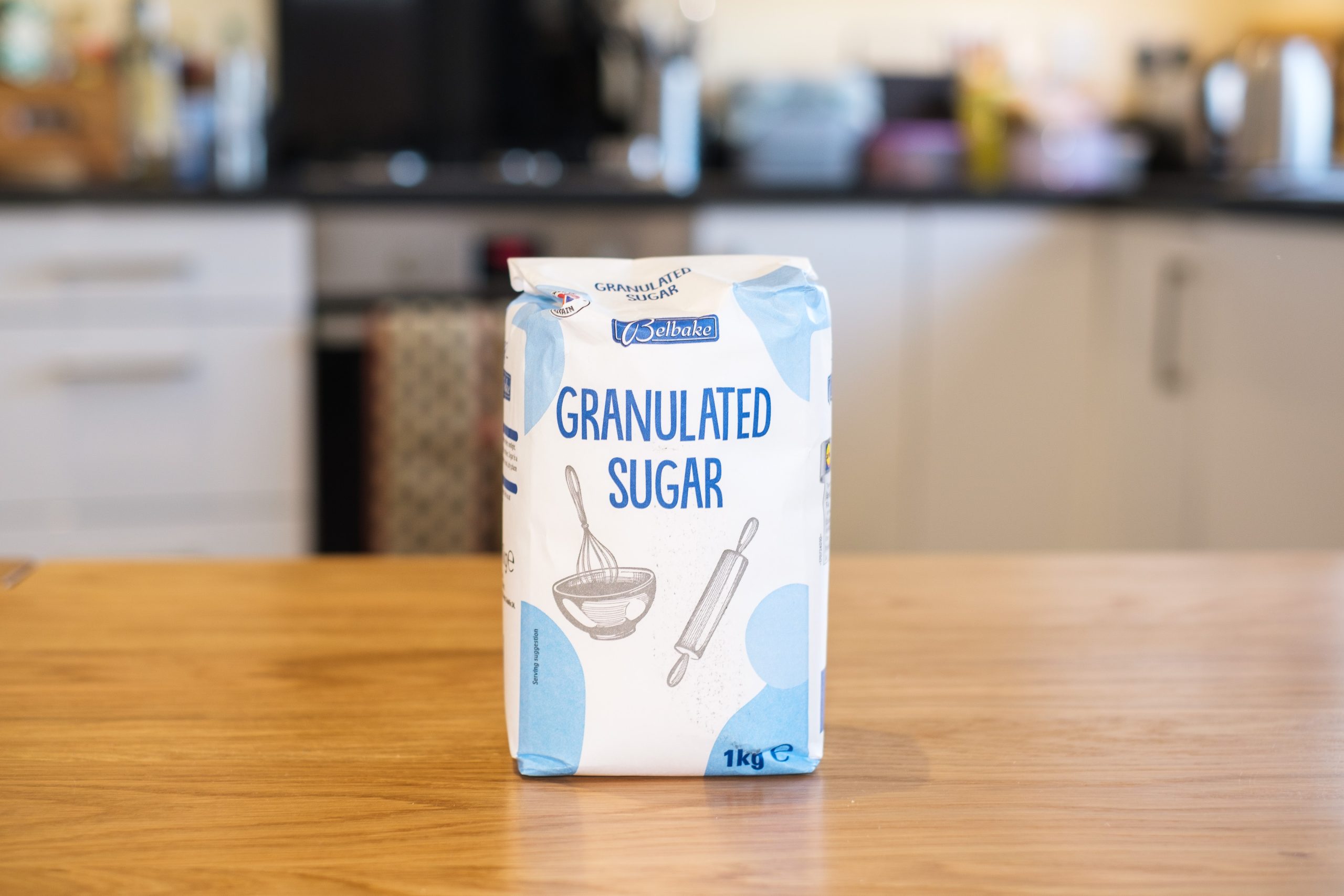
The secret ingredient is plain old table sugar (or ‘granulated sugar’, as it’s called here in the UK).
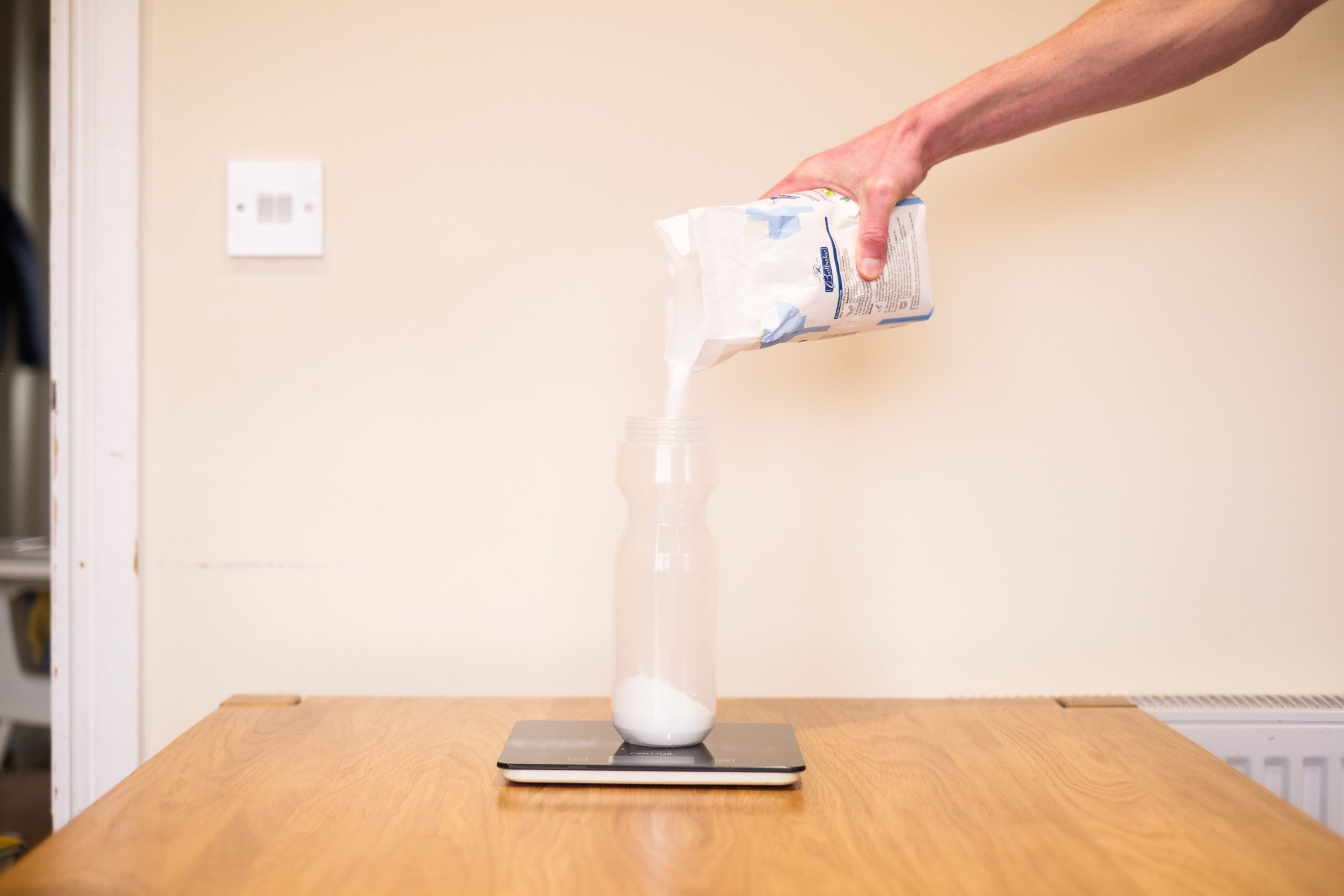
All you do is put 50g of it in a 750ml bottle, fill it up with water and you’re done. That’s it.
As with the other recipe, you can add salt and squash to taste, as I do, but the real skinflints out there can just rawdog it with plain sugar water.
By my calculations, this mix can be made for as little as 5p per serving, or around 13p if you decide to buy a bottle of squash and some table salt as well.
| Homemade table sugar energy drink mix (20 servings) | ||
|---|---|---|
| Granulated sugar, 1kg (£) | 1.09 | |
| Table salt, 750g (£) | 0.65 | |
| Sugar-free squash, 1.5L (£) | 0.89 | |
| Total (£) | 2.63 | |
| Per 50g serving (£) | 0.13 | |
| Per kilogram (£) | 2.63 | |
Since it’s just sugar, salt and flavourings, you don’t need to remember to order more online every so often, or worry about transporting dubious bags of white powder around when you’re travelling – you can pick it all up in basically any food shop in the world for next to nothing.
The catch, of course, is that granulated sugar isn’t quite the same as the maltodextrin and fructose mix we just discussed, so it isn’t quite as suitable for super-high-carb mixes in my experience.
The ‘problem’ is that sucrose is a 1:1 mix of glucose and fructose.
That’s still two distinct types of sugars, which use different gut pathways to get into your blood stream (so in theory you should be able to push it to 80g per 750ml bottle without causing GI stress).
The problem with sucrose, though, is that it tastes so much sweeter than maltodextrin, which is almost tasteless in comparison. So the more sucrose you put in your bottle, the sweeter it tastes – and it can get very sickly, very quickly.
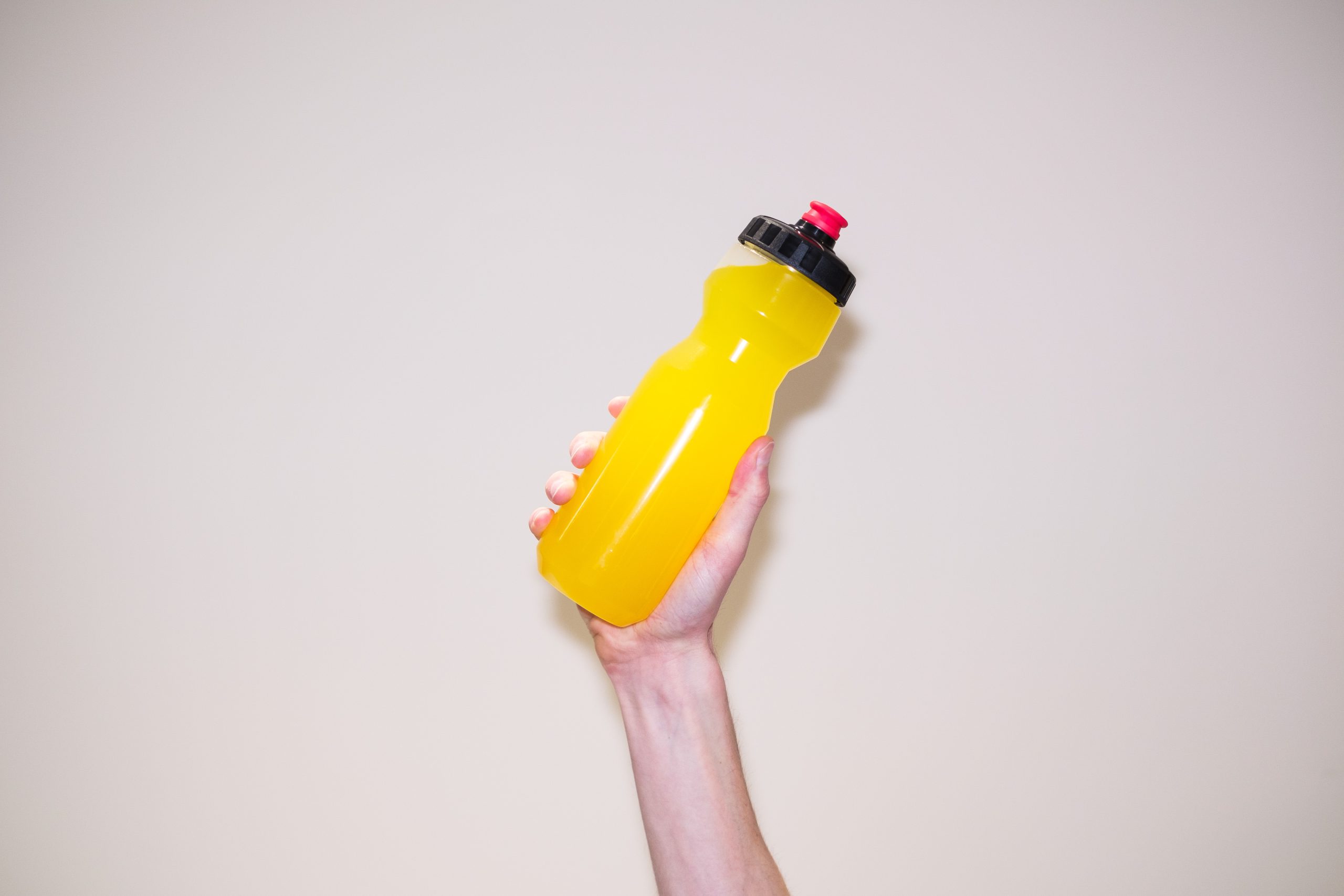
Based on my testing, 50g per 750ml bottle is as high as I want to go, but you can of course try higher doses if you don’t mind experimenting.
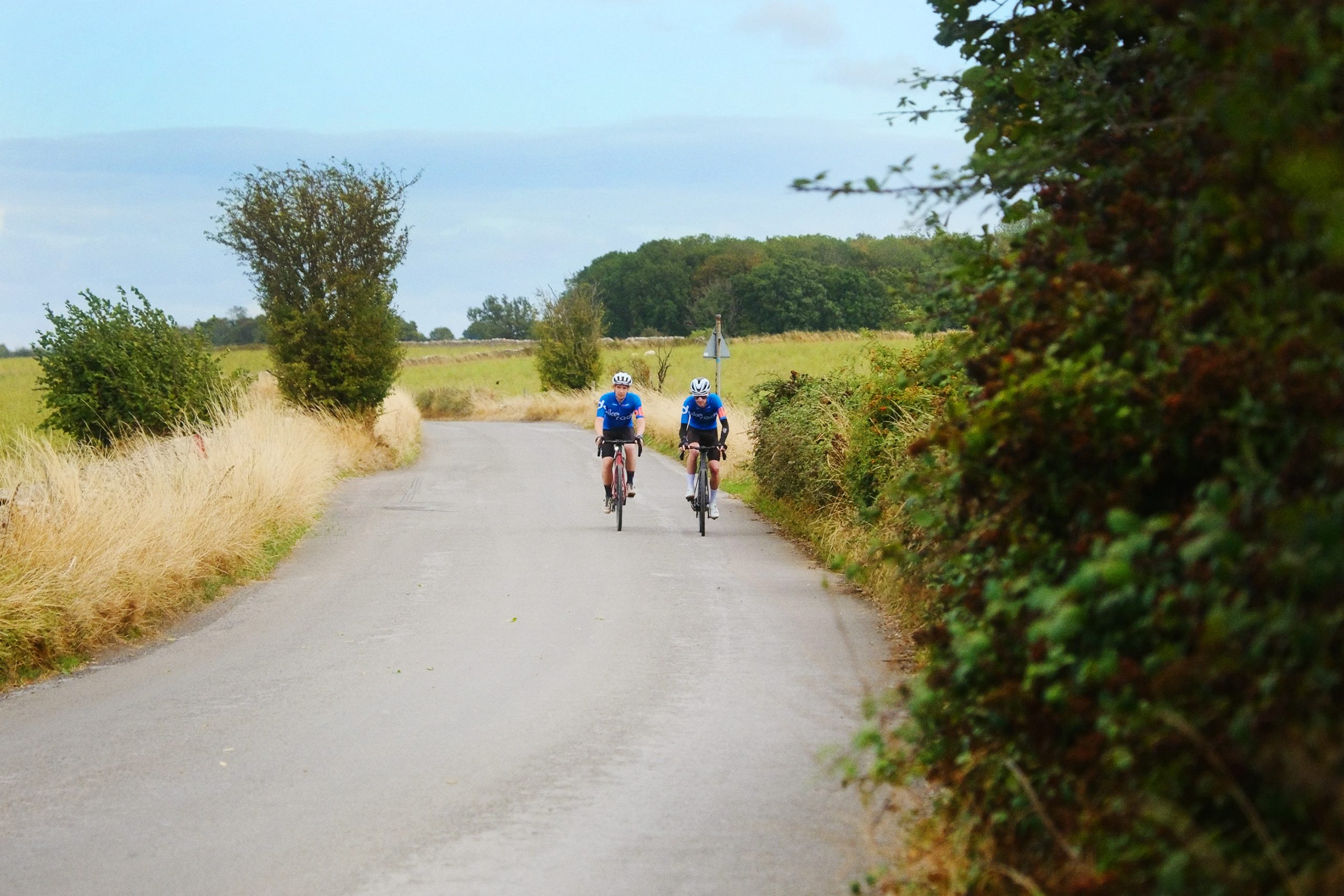
Or, if you want to be really clever (like me), you can use cheaper sucrose-based drinks for shorter rides, but also have the higher-carb maltodextrin and fructose mix on hand for longer ones – like the 215km audax I did in August with my friend and colleague, Felix Smith.
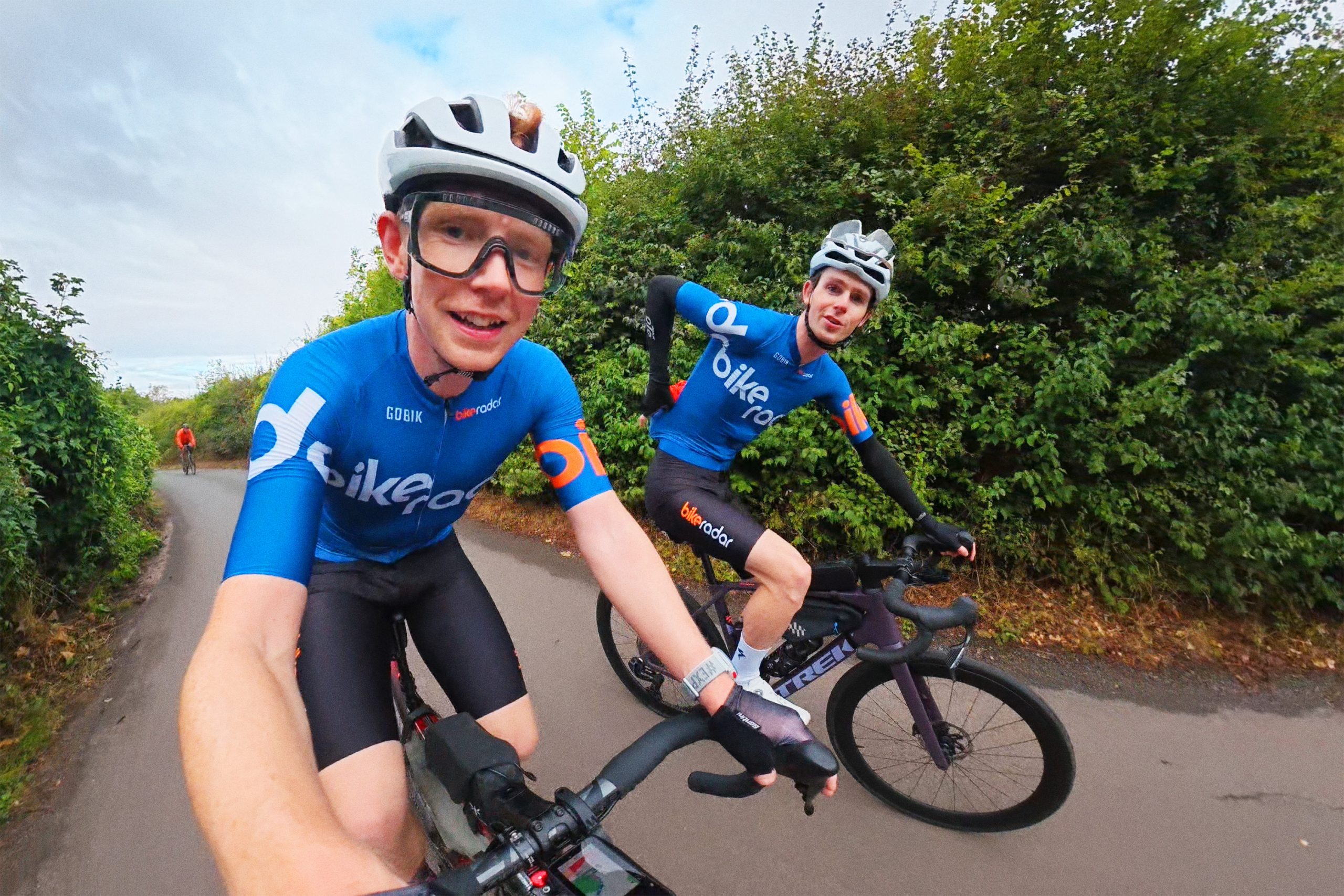
Watch out for a video about that ride coming very soon on the BikeRadar YouTube channel.
Whatever you decide to do, just remember you only need to fuel like an athlete when you're training like one.