Sinter Brakes' Smart Bedding Machine might be a luxury purchase, but it means consistent braking at all times for yourself, customers or team riders.
Priced at £1,999 / $2,750 / €2,499, It uses an electric motor to spin the wheel at a consistent speed, so there's no need to pedal around while you bed in brakes.
Coloured lights direct you when to squeeze the brake and how hard, when to release, and how many times to do so until the brake is bedded in.
Improper bedding in can lead to too much heat generation on first usage, causing the brake pads to glaze, reducing efficiency and potentially causing premature wear.
Top mechanics have their own processes for manual bedding in of brakes, from experience and trial-and-error. However, using a machine removes the guesswork and means your brakes are bedded in consistently.
Automated brake bedding
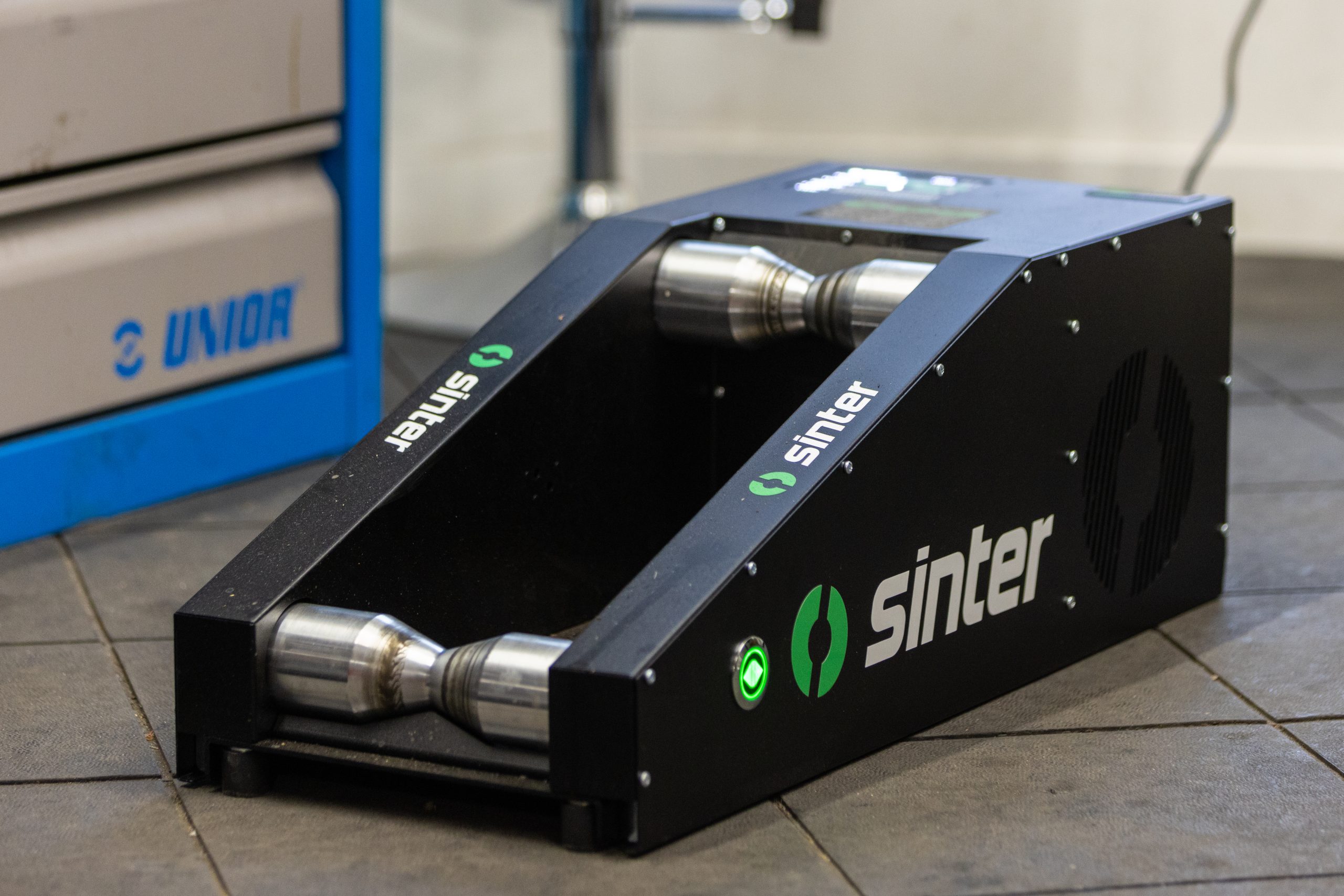
Bedding in new brake pads and/or disc rotors is an important step before using your bike on the trail.
The process does a number of important things. Firstly, it deposits a layer of friction material on the bare metal of the brake disc, creating an optimum surface for friction generation. Secondly, it smooths out any imperfections on the pad or rotor surface. Finally, it deposits friction material evenly for optimal modulation and minimal vibration.
Traditionally, this is done by riding the bike at a moderate pace and slowing down to a walking pace a number of times. This can be tiring and sweaty because it involves pedalling and stopping your bike over and over again, until the job is done. It also requires a suitable flat and safe area to perform the task on.
Sinter's system uses an electric motor so you don’t have to use your own energy to turn the wheel, and its onboard computer means you can apply optimum brake pressure, for the perfect amount of time, to bed in brakes. This takes any guesswork out of the equation.
Why bother with a machine?
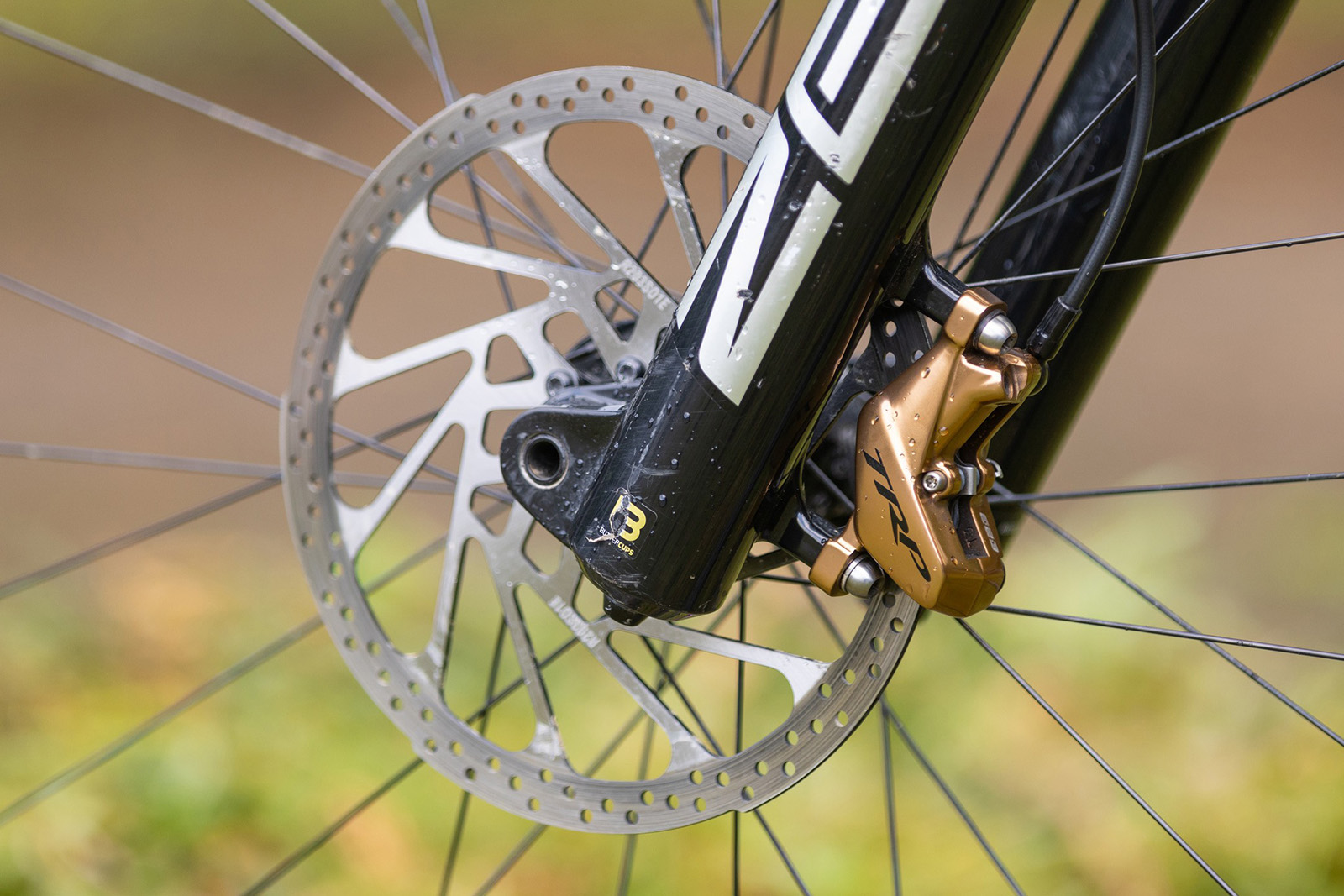
Bedding in brakes is a bit of an art, with pro mechanics able to apply the right amount of pressure at the right speed, the correct number of times.
However, if you want to get the most out of your brakes, you need to do it properly. That’s especially important for high-performance bikes in a racing environment.
How to use the machine
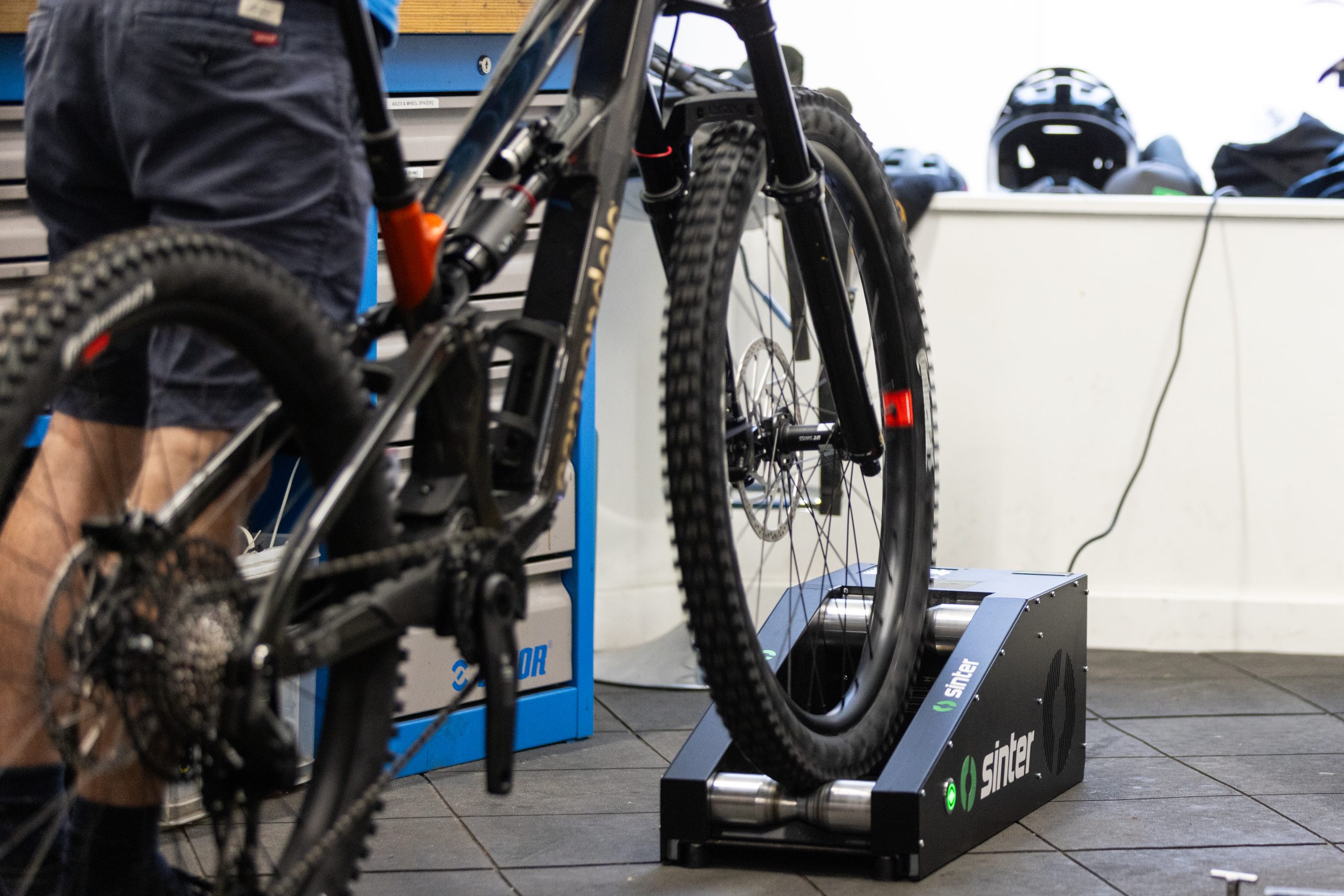
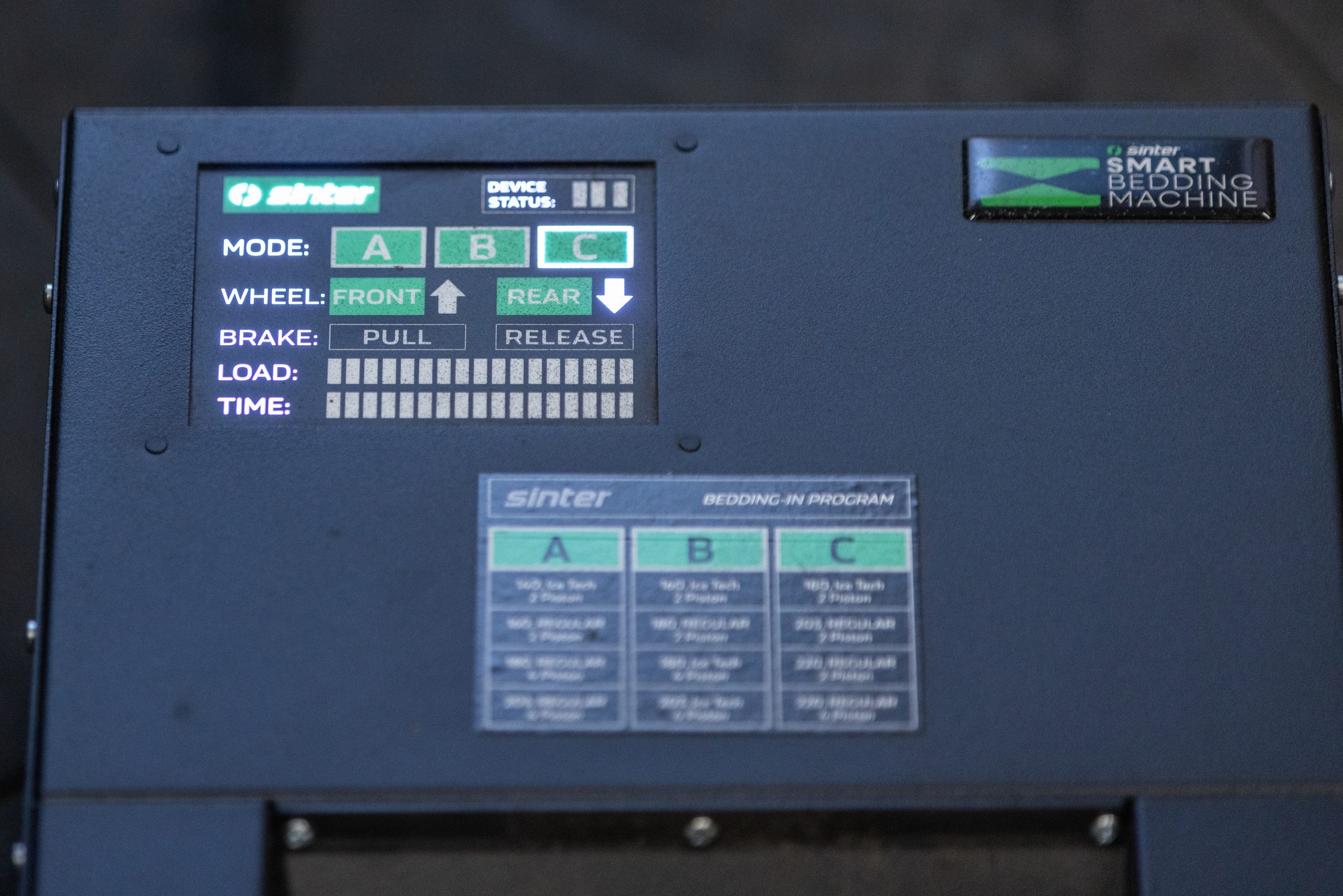
Simply plug the machine in and it’s ready to go. A chart tells you which cycle to select according to disc-rotor size and the number of pistons in your caliper.
Add a bike, and the sensor detects the presence of a wheel and begins to spin the motor. The whirring from the motor isn’t loud – in fact, the sound of knobbly gravel or MTB tyres on the rollers is louder.
As the wheel spins, a light illuminates to tell you to apply the brake, and when you do, a visual timer begins to count down. You’re directed to keep the braking force within a specified range – if it dips too low, the timer is paused.
You’re then directed to release the brake, but allow the wheel to keep spinning because the rotation of the rotor keeps the air flowing past it for optimal cooling.
This process then repeats for the necessary number of cycles until the bedding-in process is finished. Once you remove the wheel, the machine stops spinning the rollers and the process is complete. No more dribbling water over the calipers or rubbing on a muddy paste to try to speed the process up.
Backed by science
Sinter claims it conducted internal testing on brake torque and deceleration after replacing the pads and rotor on its dyno. This was then verified through testing by Tektro/TRP in Taiwan.
The results are impressive.
Compared to a brake that hasn't been bedded in, Sinter says brakes that have been run on its machine offer over 70% better braking performance.
It also claims a 25% increase in braking performance (torque and deceleration) over brakes that have been through the manual 'parking lot' bedding-in process – involving riding and braking for up to one hour.
Sinter is emphatic about the efficacy of its machines, claiming: “Every major company that produces brakes also owns our machines. Shimano/SRAM/Magura/TRP, etc."
It'll cost you…
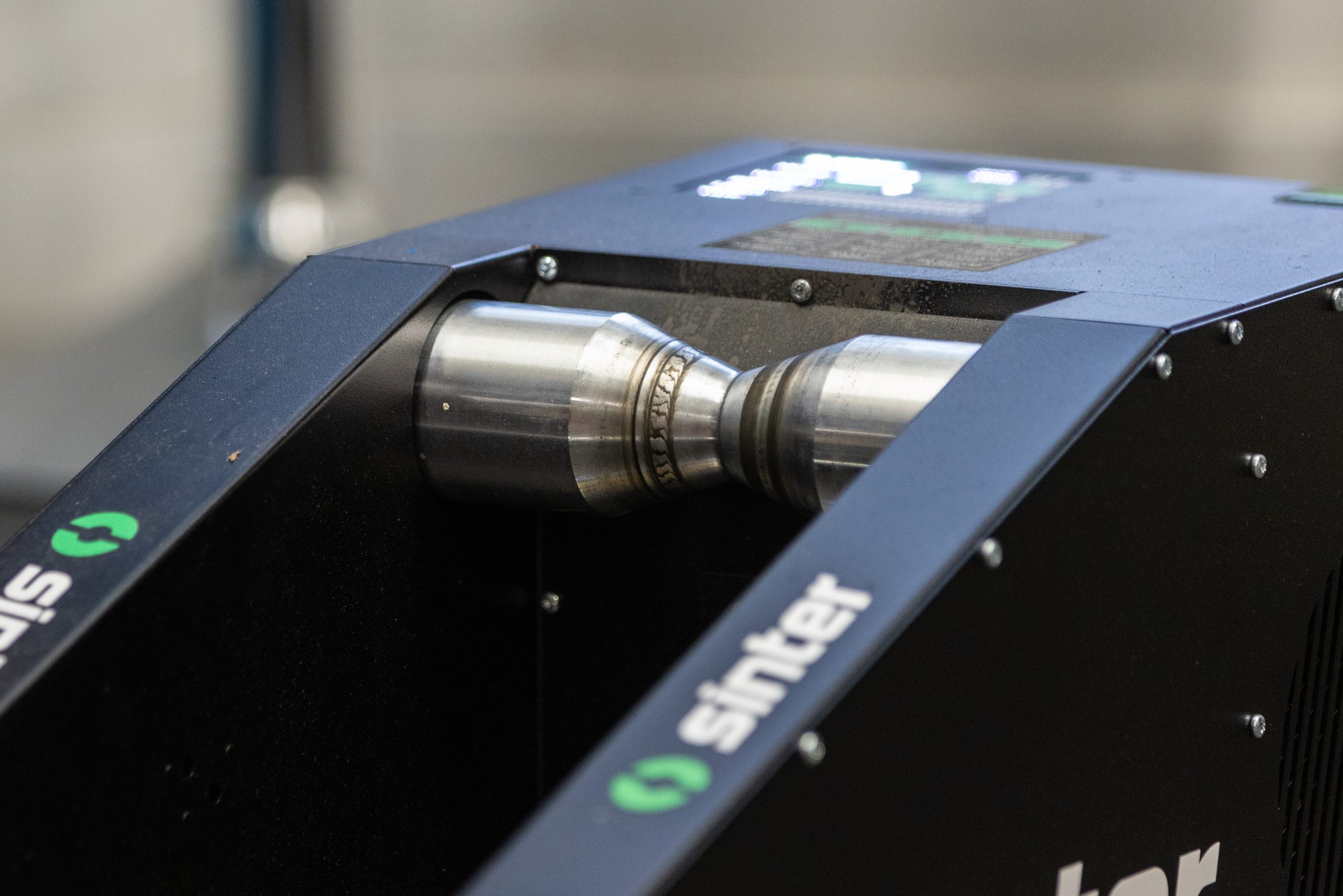
Nearly €2,500 is an awful lot of cash to part with for a machine that does one job.
The machine is aimed at specialised scenarios such as the race paddock, where bedding in brakes must be done consistently and often.
Large shops, bike-assembly facilities or rental operations could also benefit from a quick and consistent way of bedding in brakes.
This machine may be out of reach for most home mechanics, but if you have a particularly large fleet or a family to look after, this could be a really cool luxury item.