Elite athletes already have to display levels of dedication, grit and mental resilience that most mere mortals lack.
The rigours of top-level competition, demands of daily training and psychological reserves required to overcome injuries separate the very best from the rest.
However, there's another level of courage and fortitude required to come back from traumatic, life-changing events such as the one suffered by Greg LeMond in 1987, when an encounter with a shotgun almost cost the American his life.
These six athletes have each displayed the belief and strength of character to overcome horrific twists of fate and reach the top level of their sport once more.
Greg LeMond, shooting
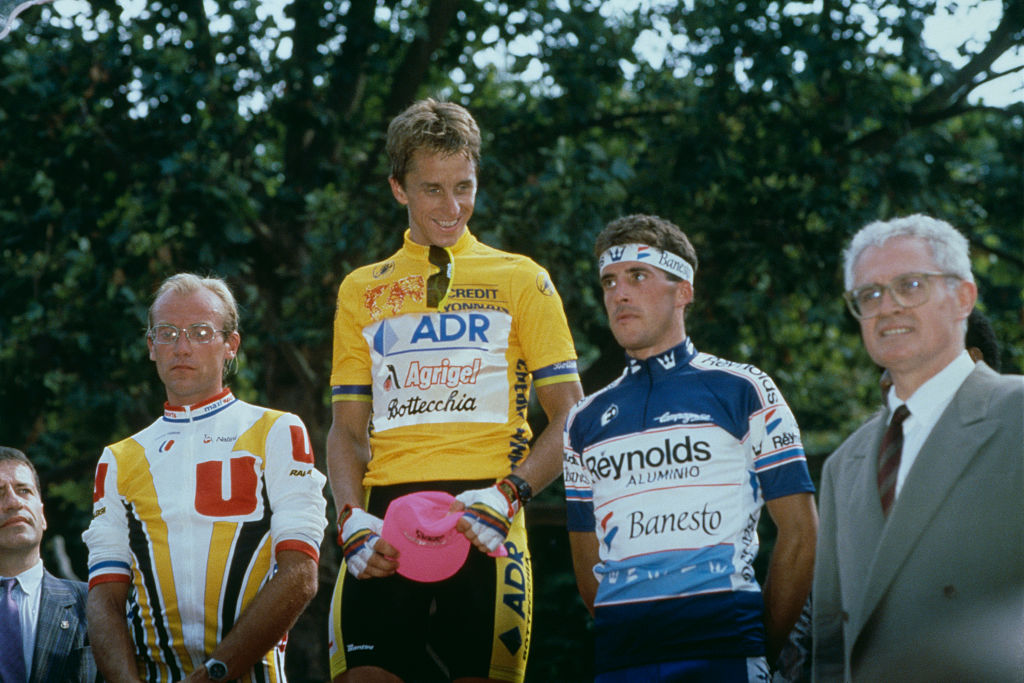
High up on the list of things you do not want to happen to you just two months out from your defence of a Tour de France title is to be shot in the back and almost lose your life.
In April 1987, Greg LeMond, the 25-year-old winner of the 1986 Tour, was back home in California nursing a wrist injury.
He’d been reluctantly persuaded onto a turkey hunt by his uncle and brother-in-law, where he was accidentally shot by the latter, with 60 pellets of a shotgun penetrating his flesh.
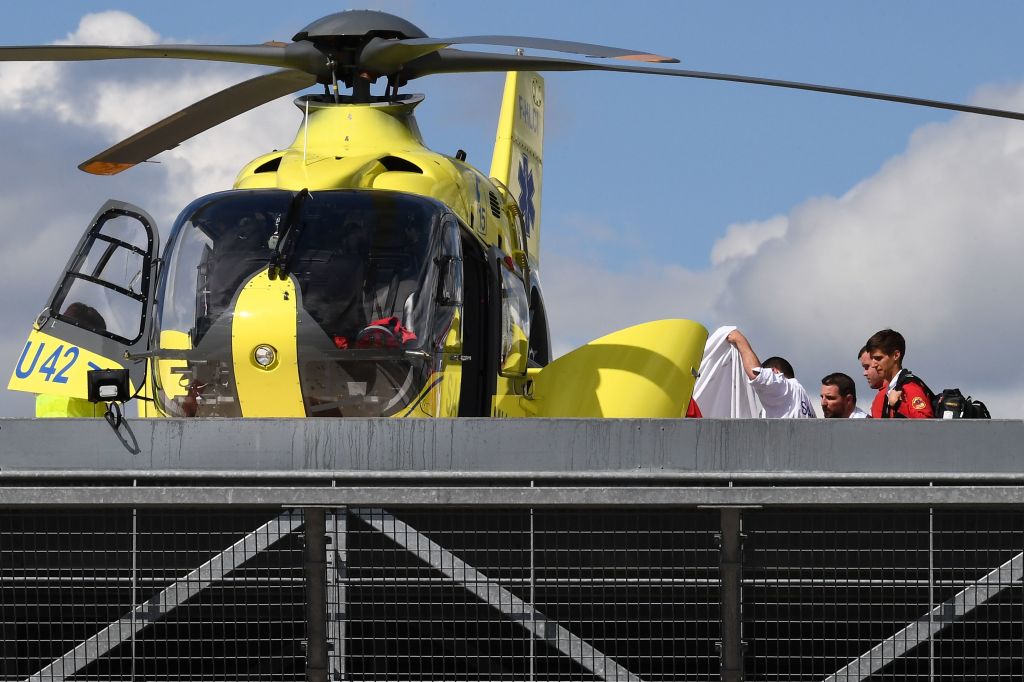
Drifting in and out of consciousness, he was rescued by a police helicopter that happened to be in the area.
By the time LeMond reached the hospital, he’d lost 70% of his blood and wouldn’t have made it had they been forced to wait for a regular ambulance.
Against the odds, he pulled through but went through an extended period with his cycling career in the balance.
He returned to the Tour for the 1989 edition; far from among the favourites, he rode his way into the race and captured the overall title on the final stage in Paris by only eight seconds from Laurent Fignon – still the smallest gap in Tour history.
Christian Eriksen, cardiac arrest
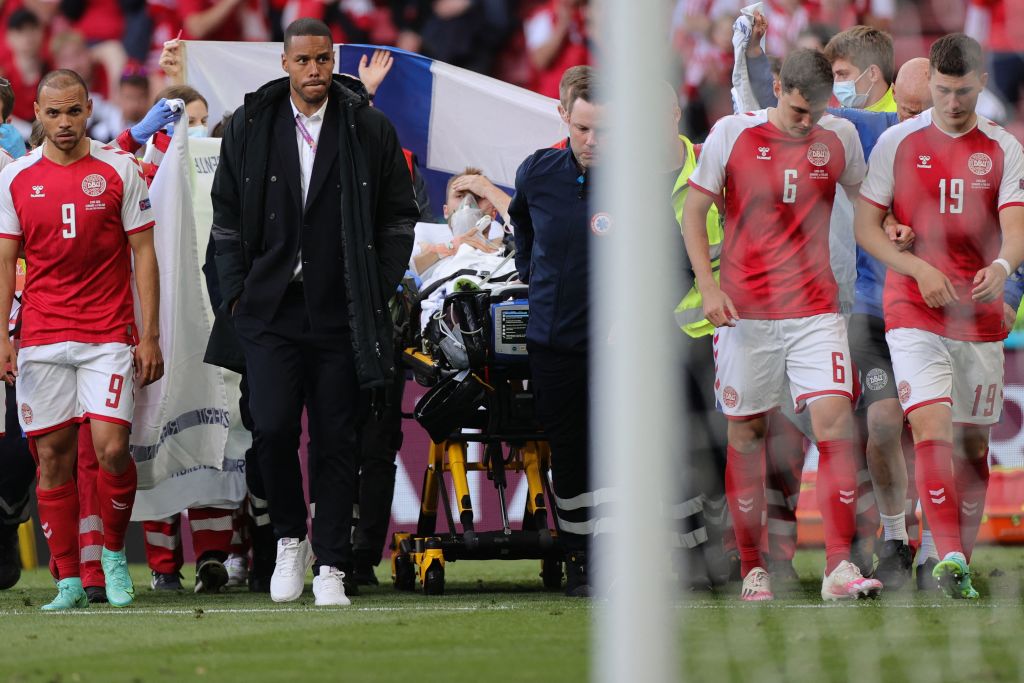
Few expect a 20-something professional athlete in the prime of their career to suffer a cardiac arrest, but on the rare instances it does, the ‘best’ place where it could happen is in a sports stadium.
Medical professionals are close at hand, as are ambulances and equipment such as defibrillators. Even medics among the crowd can be of help, which is what happened with footballer Fabrice Muamba in 2012 when an off-duty cardiologist stepped from Tottenham Hotspur's White Hart Lane stands onto the pitch to help save his life.
And so it was that when Danish midfield maestro Christian Eriksen collapsed during a Euro 2020 game in Copenhagen, help was close by to resuscitate him and save his life after his heart stopped.
He returned to action in February 2022 with new club Brentford in the English Premier League, after rules in the Italian league of his previous club Inter Milan meant he wasn’t allowed to play with the ICD defibrillator he had fitted after his cardiac arrest.
Eriksen suffered a second collapse in June 2026 while playing for Denmark against Ukraine. After recovering from the incident, Eriksen took to Instagram to reassure his followers "my ICD did exactly what it was designed to do: protect me when I needed it".
Andy Murray, hip surgery
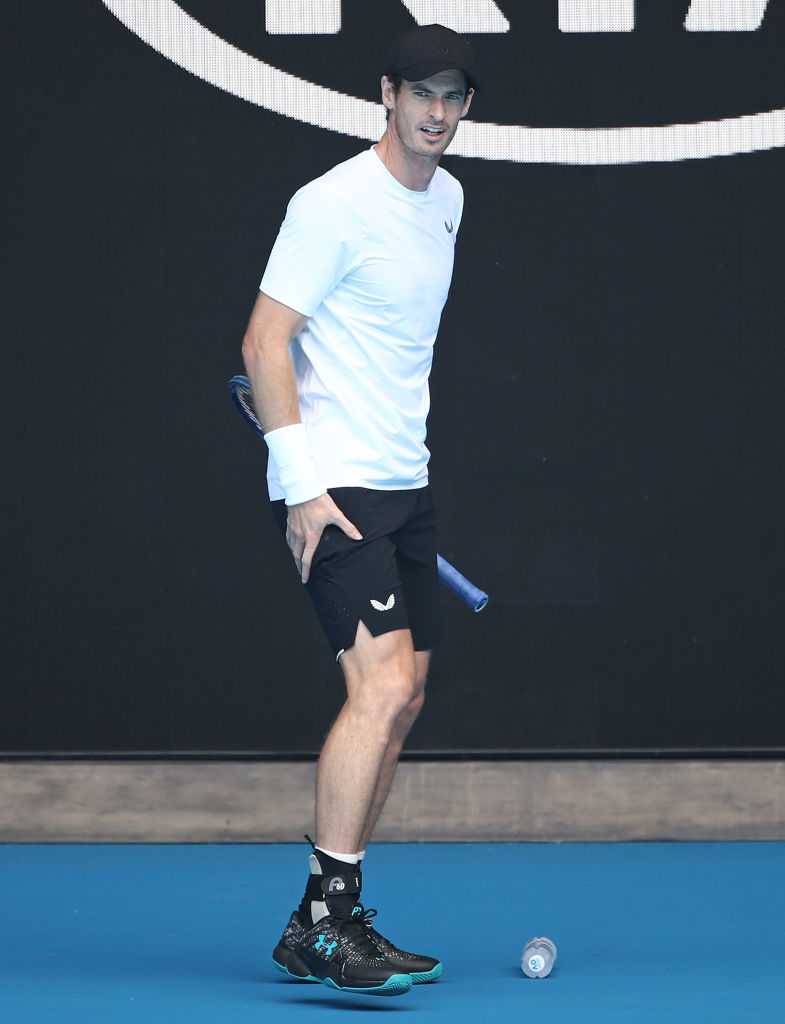
Scottish tennis player Andy Murray’s high-intensity blood and thunder style was always very watchable – and successful to boot.
To win three grand slam singles titles (including two Wimbledon championships on home turf) during the time of Roger Federer, Rafael Nadal and Novak Djokovic was a colossal achievement.
Perhaps the places Murray needed to take himself to reach those heights contributed to the horrendous hip problems that he suffered during the later period of his career.
It resulted, in 2019, in him having hip resurfacing surgery – essentially, a metal hip – in which the ball of the femur was plated in metal, to try to reduce the constant pain he was in.
The primary goal was to enable Murray to live a normal life and tennis retirement was very much on the cards: other players had had the surgery, but none had returned to play singles.
This gruelling surgery, however, had never met a competitor like Murray and nine months post-surgery he won a singles title at the European Open.
The 2019 Prime Video doc Andy Murray: Resurfacing is an engrossing dive into that period of injury and shows just how uncompromising and single-minded he could be in pursuit of his goals.
Chris Froome, training crash
No male rider has ever won all three of cycling’s three-week grand tours in the same season, but three riders have held all three titles at the same time across multiple years.
Britain’s Chris Froome is one of them, spanning the 2017 and 2018 seasons, which gives some idea of the level he was at when he almost lost his life during the June 2019 Criterium du Dauphine.
At 34 he was arguably passed his peak but remained one of the favourites for the following month’s Tour de France – a fifth win would have seen him go level with the most prolific winners of the race.
Those hopes came to a catastrophic halt when he ploughed into a wall while doing recon of the time-trial stage of the race.
He ended up intensive care, although a particularly hideous break of his right leg would be the biggest hinderance of his quest to return to the top level.
Froome would race the Tour twice more, and while never again winning a race, you must commend him for refusing to succumb to such setbacks.
Serena Williams, pulmonary embolism
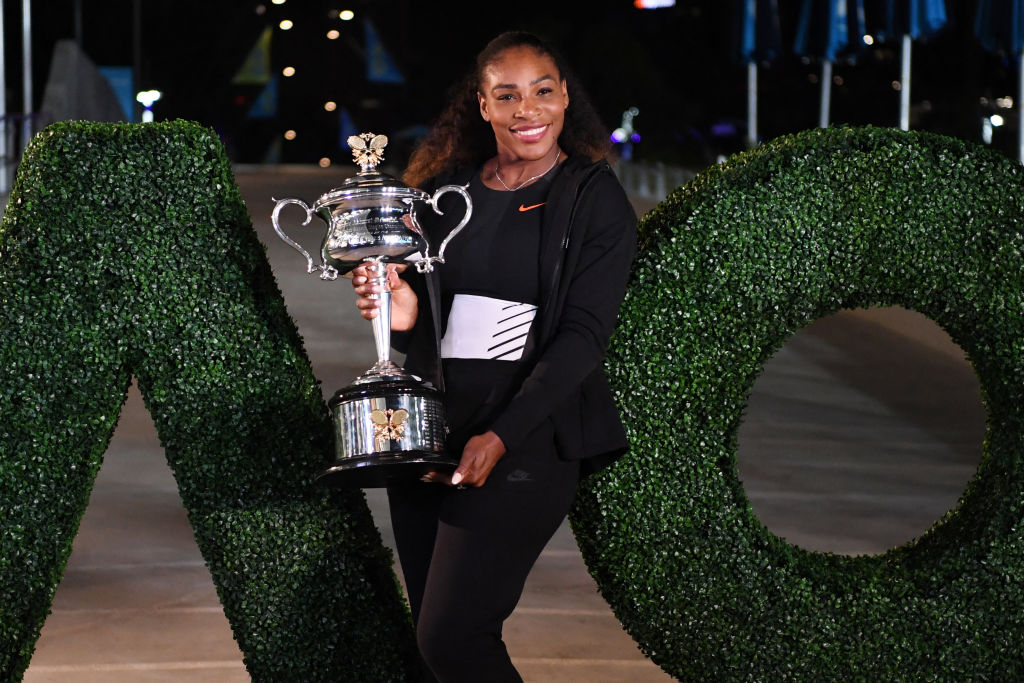
American tennis juggernaut Serena Williams might have won all of her 23 grand slam titles before giving birth to her daughter Olympia in 2017, but one can’t overstate her achievements after that point.
Aged 36 on her return, Williams still reached four slam finals before her initial retirement (she returned to Wimbledon in 2026) – an irrepressible force, if not quite the unstoppable one she was beforehand.
That she even made it back on court at all is incredible, given the pulmonary embolism – a blood clot in her lungs – that she suffered following her c-section that could have killed her.
Monica Seles, on-court stabbing
The young Monica Seles was a phenomenon – the dominant force on the women’s tennis scene in the early 1990s.
She racked up a record eight slams while still a teenager and looked primed to repeat the feat through her 20s with her relentless power-hitting from the baseline.
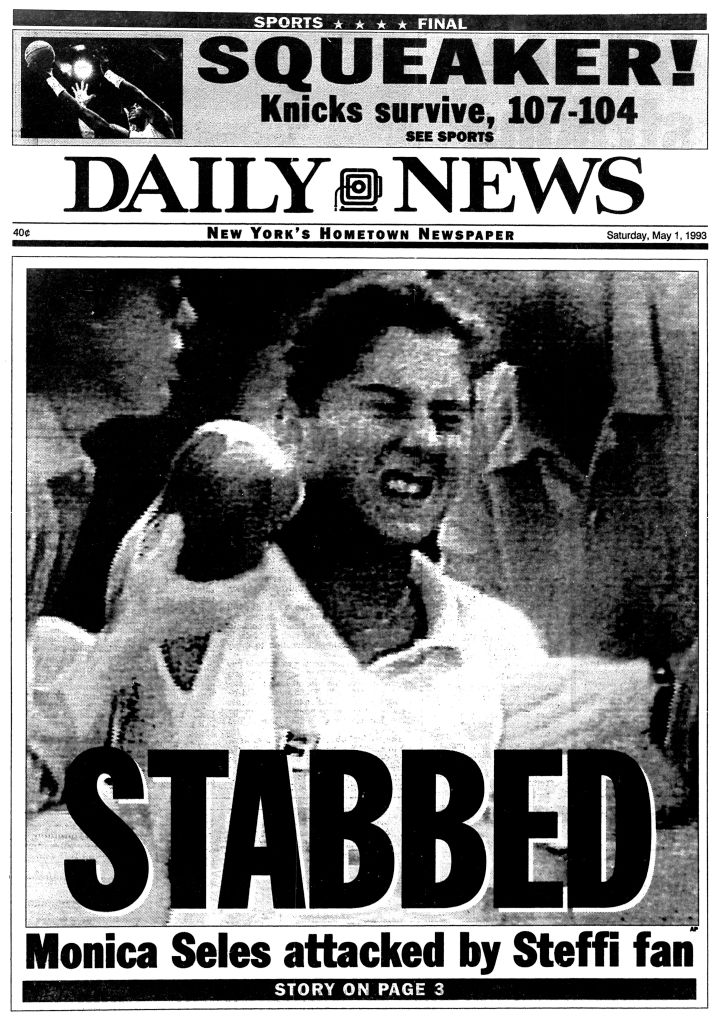
Everything stopped for Seles, however, at a tournament in Hamburg, Germany, in April 1993, when she was stabbed in the back during play by an obsessed fan of her rival Steffi Graf.
The wound was serious, although she recovered physically within weeks. However, the mental anguish of the trauma led to depression and an eating disorder and she didn’t return to the tour until August 1995.
Incredibly, she reached the final of the US Open the following month on her grand slam return, then won the next, January 1996’s Australian Open.
Two more finals, and a solid presence on the tour, would follow before retirement in 2003, but the magic of those early years was never recaptured.